British Columbia Combination Hunt Packages
For many hunters, the dream of heading into British Columbia isn't just about pursuing one species; it's about the vast wilderness and the opportunity to experience a truly diverse hunting adventure. The challenge, however, often lies in coordinating all the logistics to make such a multi-species trip a reality. This guide is here to unravel the complexities of British Columbia combination hunt packages, helping you understand what they entail and how they can simplify your pursuit of multiple big game animals in one unforgettable journey.
What Exactly is a Combination Hunt Package?
Stepping into the world of guided hunts in British Columbia can feel overwhelming, especially when you start dreaming bigger than a single animal. A combination hunt package is essentially a thoughtfully curated expedition offered by a licensed guide outfitter that allows a hunter to pursue two or more different big game species within a single trip. It’s designed to maximize your time and investment in British Columbia’s incredible, sprawling landscape, offering a chance to fill multiple tags rather than focusing on just one.
Definition and Benefits
At its core, a combination hunt package is a pre-arranged hunting trip where the outfitter has secured the necessary allocations and possesses the intimate knowledge of territories that host multiple species. Imagine arriving at a remote camp knowing that the plan isn't just for moose, but also that prime bear country is within reach, or that a deer tag is part of the overall strategy. This isn't just about efficiency; it's about the comprehensive wilderness experience.
The primary benefit is convenience. Instead of booking separate hunts, coordinating different seasons, and dealing with distinct logistical challenges for each animal, a combination package streamlines everything. Your outfitter handles the intricate details of permits, access, and scouting across varied habitats, allowing you to focus on the hunt itself. For many, it's the only practical way to realistically pursue a multi-species goal, especially given the vastness and wild nature of British Columbia. Think of it as a carefully crafted itinerary, where your guide already has an understanding of where and when you're most likely to encounter your targeted game animals, maximizing every day you're in the field.
How They Differ from Single-Species Hunts
A single-species hunt, as the name suggests, focuses entirely on one animal. While incredibly rewarding in its own right—allowing for deep specialization and often targeting trophy-class animals of that specific species—it naturally limits your opportunities. If you're on a dedicated moose hunt, and you see a fantastic black bear, you might be out of luck if your package doesn't include a bear tag or the logistics to pursue it.
Combination hunts, however, introduce a layer of strategic flexibility. The outfitter often structures the trip around primary and secondary targets, leveraging overlapping seasons and shared habitats. For example, an outfitter might know that certain river bottoms are excellent for both moose and bear in the fall. The hunt becomes a dynamic pursuit, where the presence of one species doesn't necessarily mean the absence of opportunity for another. This can mean more time glassing different terrain types or adjusting daily plans based on fresh sign. While it might sometimes involve a slightly broader focus than hyper-specialized trophy hunting for a single animal, the sheer thrill of having multiple possibilities in the vastness of British Columbia's wilderness makes it an incredibly attractive option for many. It's about maximizing the potential of your time afield.
The Allure of Multi-Species Opportunities
British Columbia is a hunter's paradise, a land of unparalleled biodiversity and vast, untamed landscapes. For many, the very thought of hunting here conjures images of majestic mountains, dense forests, and crystal-clear rivers, all teeming with a variety of game. The allure of a combination hunt package truly shines in this environment, offering an immersion into ecosystems where multiple species thrive.
The British Columbia Advantage
What makes British Columbia so exceptional for combination hunts? It's the sheer diversity of its habitats and the healthy populations of various big game animals. From the coastal rainforests of Vancouver Island to the sprawling interior plateaus, and up into the rugged peaks of the Northern Rockies, the province offers distinct ecological zones, each home to a unique array of wildlife. This means that within reasonable travel distances, or even within a single expansive guide territory, you can find viable populations of different species.
Imagine starting your day glassing a high alpine basin for goats or sheep, then descending into a timbered draw that holds mule deer, and perhaps encountering a black bear foraging on berry patches along the way. British Columbia's Nine Hunting Regions each offer distinct opportunities, making careful planning with an experienced outfitter paramount. The geography itself lends itself to these multi-species pursuits, with river valleys often connecting high country to lower elevations, creating natural corridors where different animals might overlap their ranges, especially during seasonal migrations or the rut. This geographical advantage is a core reason why combination hunts are not just possible, but highly sought after here.
Bucket List Dreams
For many hunters, a trip to British Columbia is a lifelong dream, often involving a "bucket list" of animals they hope to encounter. A combination hunt package provides the perfect framework to tick off multiple entries on that list in one go. Perhaps you've always wanted to pursue a giant bull moose, but also secretly harbored a desire to hunt a black bear in its natural habitat. Or maybe the thought of a mountain goat hunt is exhilarating, but you also want to take home a mule deer.
These packages aren't just about harvesting; they're about the immersive experience of hunting diverse terrain for different animals, learning their habits, and adapting your tactics. It's the challenge of switching gears from the patient vigil for a browsing moose in a willow flat to the spot-and-stalk intensity of pursuing a bear on a logged-over hillside. Each species presents its own unique set of skills and strategies, and a combination hunt allows you to develop a broader understanding of British Columbia's wildlife and hunting methods. This holistic approach often leaves hunters with a richer, more varied set of memories and accomplishments than a single-species focus ever could. The stories you'll bring home will be about the breadth of your adventure, not just a single moment.
Popular British Columbia Combo Hunt Pairings
When you're dreaming of a multi-species hunt in British Columbia, certain pairings naturally lend themselves to being combined due to habitat overlap, seasonal timing, or the general logistics of accessing common hunting grounds. Outfitters often specialize in these popular combinations, leveraging their intimate knowledge of specific territories.
Bear and Moose
This is one of the most classic and widely available combination hunts in many parts of British Columbia, especially in the vast northern and interior regions. The seasons for black bear often open early in the fall, overlapping perfectly with prime moose hunting opportunities, particularly during the rut. Moose Hunting British Columbia's Interior frequently means traversing vast timbered areas, willow flats, and river systems – exactly the kind of country that also holds abundant black bears.
Imagine spending your mornings calling for a bull moose, hoping to draw him out of thick cover, and then in the afternoons, glassing recent clearcuts or old burn areas where bears might be feeding on berries or grubs. An outfitter who runs a Booking a British Columbia Moose Hunt package is usually well-versed in where to find bears in the same general vicinity. The logistics are often streamlined, using the same camp and base of operations for both species. This pairing is popular because it offers a high likelihood of success on both fronts, capitalizing on the shared use of dense forest, riparian zones, and regenerating clearings. It's a fantastic choice for those looking for two distinct big game experiences within one trip.
Deer and Bear
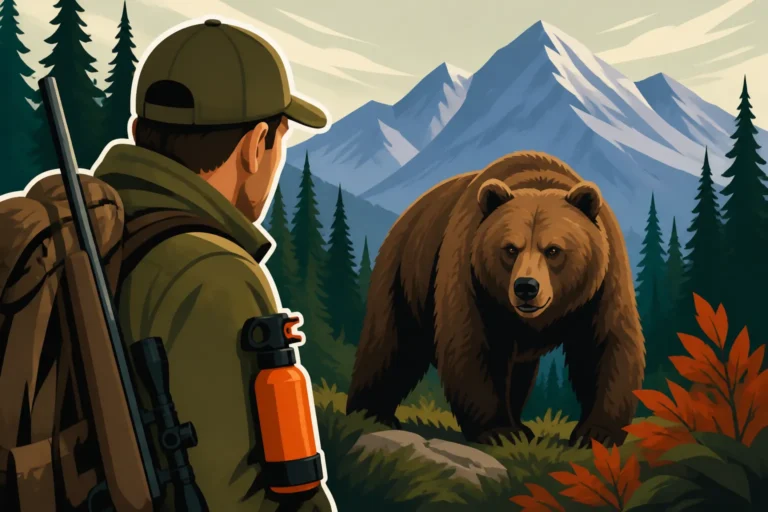
Another incredibly common and successful combination, particularly in the more accessible regions of British Columbia, is deer and bear. Depending on the specific Management Unit (MU) and region, this could involve mule deer in the interior or black-tailed deer along the coast and on Vancouver Island, paired with black bear. Mule Deer Hunting in British Columbia in the fall often coincides with prime bear hunting opportunities as bears are busy putting on weight before denning.
For instance, hunting mule deer in the Okanagan Breaks might involve glassing large, open hillsides where deer feed, while nearby draws and timbered slopes could hold bears. Similarly, on the coast, hunting Black-Tailed Deer Hunting in British Columbia in dense second-growth timber or along estuary edges during the fall can often present opportunities for a black bear as well. Outfitters who specialize in Spring Bear Hunting British Columbia's Logging Roads or fall bear hunts will usually have deer populations within their territories. The strategies for deer (spot-and-stalk, still-hunting, glassing) often align well with those for bears, making the transition between targets seamless. This combo offers a great chance to fill the freezer and secure a hide, all while enjoying the diverse landscapes where both deer and bears thrive.
Sheep/Goat and Deer/Bear (Premium Combinations)
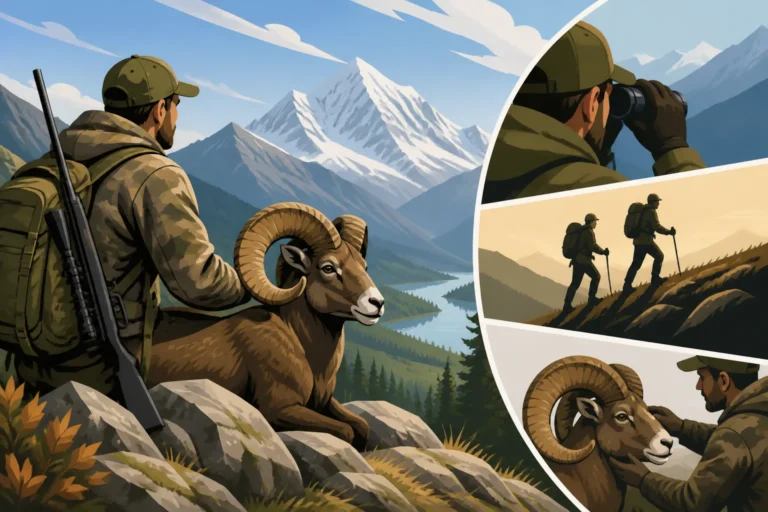
While more specialized and often commanding a higher investment, premium combination hunts involving mountain sheep or goats alongside deer or bear represent the pinnacle of British Columbia's hunting opportunities. These are typically very demanding, physically intensive hunts, often requiring horseback or fly-in access to remote alpine country. Sheep and Goat Hunting in British Columbia means pursuing animals in incredibly rugged, high-elevation terrain.
However, the beauty of these remote territories is that they often encompass vast tracts of wilderness that drop into timbered valleys and lower-elevation slopes. So, while your primary goal might be to find a full-curl ram or a mature billy, the journey through the high country or the descent into the timber might present opportunities for mule deer or black bear. For example, after successfully harvesting a goat high on a rock slide, the pack-out could lead through a subalpine basin where a big mule deer buck is feeding, or a black bear might be seen on a berry-covered slope. Outfitters running Backpack Hunting British Columbia's Sheep Country often offer these as "add-on" or opportunistic possibilities once the primary objective is achieved. The logistics are complex, involving spike camps, rigorous climbs, and often extended stays in the backcountry, but the potential rewards—a truly magnificent sheep or goat combined with another big game animal—are unparalleled. These are truly once-in-a-lifetime adventures, and Why Sheep Tag Costs the Most reflects the unique challenges and limited opportunities for these incredible animals.
Planning Your British Columbia Combo Hunt
Embarking on a British Columbia combination hunt is a significant undertaking, one that requires meticulous planning to ensure success and enjoyment. It’s not just about packing your gear; it’s about understanding the intricacies of seasons, management units, and finding the right professional to guide you.
Researching Overlapping Seasons and MUs
The first, and arguably most critical, step in planning a combo hunt is to thoroughly research the open seasons for your desired species in specific Management Units (MUs) and regions. British Columbia's hunting regulations are highly localized and can vary significantly from one MU to the next, even for the same species. What's open for moose in one region might be restricted or closed for bear in an adjacent area. You need to understand when British Columbia Moose Season Dates and British Columbia Spring Bear Season Dates overlap, for instance.
This research will help you identify potential geographic areas and timeframes where a combination hunt is actually feasible. You'll need to pore over the current British Columbia Hunting and Trapping Regulations Synopsis, paying close attention to general open seasons (GOS) and any Limited Entry Hunting (LEH) opportunities. While your outfitter will ultimately handle the permits and logistics, having a foundational understanding of these regulations will allow you to have more informed conversations and set realistic expectations. It’s also crucial to consider bag limits and antler restrictions, like British Columbia's Four-Point Antler Restriction for mule deer, which vary widely. Tools like those offered by GoHunt can provide insights into specific units and potential success rates, helping you visualize where your target species might converge.
Choosing the Right Outfitter for Multi-Species
Selecting the right outfitter is paramount for any guided hunt, but it becomes even more critical for a combination hunt. You need a guide service with extensive experience and a proven track record of success with multiple species within their designated guide territory. Don’t just look for a moose outfitter; seek one known for both moose and bear, or whatever your chosen combination entails.
When evaluating potential outfitters, ask specific questions:
- What combination hunts do you regularly offer, and what are your success rates for each species on these combo trips?
- How do you manage the logistics of a multi-species hunt? For example, do you move camps, or do you hunt from one central location?
- Do you have specific tactics or areas you focus on for each animal during the same season?
- Can you provide references from hunters who have completed similar combination hunts with you?
Platforms like BookYourHunt can be excellent resources for finding outfitters that explicitly list combination packages and provide reviews. Always verify the outfitter's current licensing and their specific guide territory to ensure they operate legally and have access to the areas you’re interested in. A reputable outfitter will be transparent about their capabilities and the unique challenges of a combination hunt, helping you manage expectations and truly understand what you're signing up for. This due diligence is crucial for a successful and ethical hunt. Remember to look for an outfitter experienced in managing the complexities of diverse animal behavior and varied terrain, like someone who knows both Calling Moose in the Rut and Hunting Bears on a Coastal Estuary in May.
Logistics and Gear Considerations
A combination hunt, by its very nature, adds layers of complexity to logistics and gear. You're not just preparing for one type of animal or terrain; you're preparing for several. This often means more specialized gear and a more robust logistical plan.
Gear:
- Layered Clothing: You might be hiking high into the alpine for sheep one day and stalking through a valley bottom for moose the next, encountering a wide range of temperatures and weather conditions. What to Wear for British Columbia's Coastal Rain or Hunting Above Timberline in Cold Weather are vastly different challenges, and your clothing system needs to adapt to both.
- Footwear: Rugged, supportive boots are essential for mountain terrain (sheep/goat), but lighter, quieter boots might be preferred for still-hunting timber (deer/bear). Consider what you'll need for varying conditions.
- Optics: High-quality binoculars and a spotting scope are critical for glassing vast landscapes for all species, especially in open country or for trophy evaluation.
- Firearm/Bow: Ensure your chosen weapon is appropriate and legal for all species you intend to pursue. Legal Rifle Calibres for Big Game will vary, and you need to ensure yours meets the minimum requirements for all your target animals. Carrying more than one firearm is rarely practical in the backcountry, so one versatile option is key.
- Pack System: A good frame pack is non-negotiable for packing out meat from multiple animals, especially if you're deep in the backcountry. Packing Meat With a Frame Pack is a skill you'll want to be familiar with.
Logistics:
- Base Camp vs. Spike Camps: Discuss with your outfitter whether the hunt will be conducted from a single base camp with day trips or if it involves setting up multiple spike camps as you move between different habitats. This impacts what gear you carry daily.
- Transportation: Horseback, jet boat, ATV, or bush plane? The method of access often dictates the pace and range of the hunt. Jet Boat Access on British Columbia Rivers might be great for moose and bear, but Horseback Hunting British Columbia's Backcountry is often essential for sheep or goat.
- Meat Care: With potentially more than one animal, proper Meat Care in British Columbia's Warm Early Seasons becomes paramount, especially if the weather is mild. Discuss how multiple animals will be handled, quartered, and stored to prevent spoilage.
- Physical Conditioning: Multi-species hunts are inherently more demanding. You'll likely cover more ground, encounter more varied terrain, and spend more days in the field. Being in peak physical condition is crucial for maximizing your chances and enjoying the experience.
Cost and Value: Understanding the Investment
Hunting in British Columbia, especially on a guided multi-species expedition, represents a significant investment of time and money. It's crucial to understand what goes into the cost and the inherent value proposition of a combination hunt package. While specific numbers are never static, we can explore the general shape of the costs and what you can expect to get for your money.
What's Typically Included in a Package
When you book a British Columbia combination hunt package, you're generally purchasing a comprehensive service designed to facilitate your hunt from arrival to departure. Most packages will include:
- Professional Guide Services: This is the core of the package, providing expert guidance, local knowledge, and assistance in the field. The guide-to-hunter ratio can vary, with some premium hunts offering a one-on-one experience.
- Accommodation: This could range from comfortable lodge facilities to rustic wall tents or spike camps in remote areas. The type of accommodation often depends on the species targeted and the remoteness of the hunting grounds.
- Meals: Expect hearty, nourishing meals prepared in camp. This is especially vital for physically demanding hunts where good nutrition is key.
- Field Care of Game: Once an animal is harvested, the outfitter and guide will typically handle field dressing, caping, and initial meat preparation. This often includes getting the meat back to a primary camp for cooling and storage.
- Transportation During the Hunt: This covers everything from pick-up at a designated meeting point (like a nearby town or airport for charter flights) to transportation within the hunting territory via trucks, ATVs, horses, or boats. Jet Boat Access on British Columbia Rivers or Horseback Access to British Columbia's Alpine are often critical components of accessing remote combination hunt areas.
This bundled approach means you're not just paying for access to game, but for the outfitter's expertise, infrastructure, and the extensive planning required to successfully pursue multiple species in challenging terrain. It’s important to clarify precisely what is covered before you book, as some outfitters might include elements that others consider add-ons.
Additional Costs to Budget For
While a combination hunt package covers many essentials, there are always additional costs that hunters must factor into their budget. These are often not included in the base package price and can significantly add to the overall expense:
- Hunting Licenses and Species Tags: You will need to purchase a basic British Columbia hunting license, and then individual species tags for each animal you intend to hunt. For example, a moose tag and a black bear tag will be separate costs. British Columbia's Species Licences and Tags outlines these requirements.
- Habitat Conservation Surcharge: A mandatory fee that supports wildlife conservation efforts in the province. What the Habitat Conservation Surcharge Costs is a small but important part of your overall expenditure.
- Travel to and from British Columbia: This includes airfare, vehicle rental, fuel, and any pre- or post-hunt lodging required before reaching your outfitter's meeting point.
- Firearm Declaration Fees: If you're bringing your own rifle from outside Canada, there are fees associated with the non-resident firearm declaration.
- Trophy Fees: Some outfitters charge additional trophy fees if you harvest certain animals, especially those exceeding specific size or score thresholds. Always clarify this upfront.
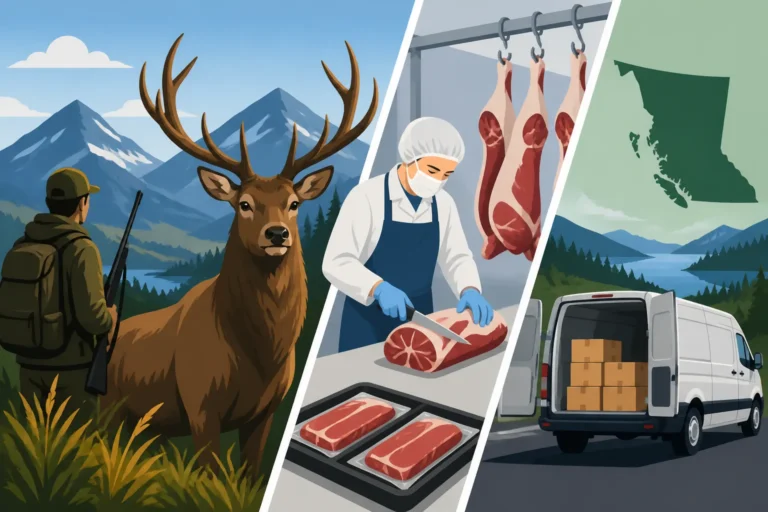
- Meat Processing and Shipping: While field care is typically included, transporting your meat from the field to a butcher, processing it, and shipping it home is usually your responsibility and can be a substantial cost, especially for multiple large animals.
- Taxidermy: If you plan to have a trophy mounted, the taxidermy work and associated export costs are separate expenses.
- Gratuities: Tipping your guide, cook, and camp staff is customary and expected in the guiding industry. How Much to Tip a British Columbia Guide is an important consideration to budget for.
- Personal Gear: Your own hunting clothes, boots, optics, sleeping bag, and other personal items are not included.
- Travel and Trip Cancellation Insurance: Highly recommended for such a significant investment, to protect against unforeseen circumstances.
A detailed discussion with your chosen outfitter about these potential additional costs is essential to avoid any unwelcome surprises.
The Value Proposition
Despite the significant investment, the value proposition of a British Columbia combination hunt package is often compelling. For many hunters, it boils down to efficiency and the unique experience:
- Time Efficiency: Instead of booking two or three separate trips, which would involve multiple travel days, set-up times, and logistical hurdles, a combo hunt condenses these experiences into a single timeframe. This saves vacation days, travel costs, and the general hassle of repeated trip planning.
- Cost Efficiency (Often): While the upfront cost of a combo hunt might seem high, it can often be more cost-effective than booking individual guided hunts for each species. You're leveraging shared resources, camp infrastructure, and guide time across multiple opportunities. The marginal cost of adding a second or third species tag to an existing trip is typically far less than initiating a completely new guided hunt.
- Maximized Opportunity: British Columbia offers an incredible array of big game, and a combo hunt allows you to tap into that diversity. It transforms a successful hunt for one animal into a potentially successful hunt for two or three, greatly enhancing the overall sense of accomplishment and adventure.
- Unique Wilderness Immersion: These hunts often take you deeper into the backcountry, exposing you to varied ecosystems and requiring adaptable hunting strategies. It's an unparalleled opportunity to truly immerse yourself in the vastness and wildness of British Columbia, experiencing its mountains, forests, and wildlife in a profound way.
For the hunter who wants to make the most of their journey to British Columbia and experience a truly comprehensive big game adventure, a combination hunt package offers exceptional value, transforming a single dream into a multi-faceted reality.
Maximizing Your Success on a Combination Hunt
A British Columbia combination hunt is an incredible adventure, but success often hinges on more than just the outfitter's expertise. Your preparation, mindset, and adaptability play a huge role in turning those multi-species dreams into a reality.
Physical and Mental Preparation
Combination hunts in British Columbia are rarely a walk in the park. They are physically demanding and require a strong mental game. Unlike a single-species hunt where you might focus on one type of exertion, a combo hunt often throws a wider variety of physical challenges your way. You might be hiking steep terrain one day for sheep or goat, then covering long distances on flatter ground for moose, and perhaps sitting for extended periods glassing for bears.
- Physical Fitness: Start your training regimen well in advance. Focus on cardiovascular endurance, strength training (especially legs and core), and carrying a loaded pack. Simulate hunting conditions by hiking with your boots and pack. Fitness for a British Columbia Sheep Hunt offers valuable insights, and much of that advice translates directly to other demanding combo hunts. The fitter you are, the more ground you can cover, the more opportunities you'll create, and the more you'll enjoy the entire experience.
- Mental Toughness: Be prepared for long days, unpredictable weather, and the inevitable ups and downs of hunting. There will be frustrating moments, missed opportunities, and perhaps even periods of slow activity. Maintaining a positive attitude, staying focused, and trusting your guide are crucial. Remember, you're pursuing multiple species, which means more variables and more challenges, but also more potential rewards. The ability to push through discomfort and remain optimistic is a huge asset.
Adaptability and Flexibility
British Columbia's wilderness is dynamic and unpredictable, and a combination hunt amplifies this reality. The weather can change in an instant, animal movements are influenced by countless factors, and what worked yesterday might not work today. Success hinges on your ability to be adaptable and flexible.
- Weather Changes: Be ready for anything. A sunny morning can turn into a torrential downpour or a sudden snowstorm in the mountains. Hunting in British Columbia's Coastal Rain requires different gear and tactics than hunting the dry interior. Your guide will adapt the plan, and you need to be prepared to follow suit, whether that means changing locations, adjusting your clothing, or waiting out a storm in camp.
- Animal Behavior: Each species behaves differently, and even within the same species, individuals can be unpredictable. Moose might respond to calling one day and ignore it the next. Bears might be on an avalanche chute one week and a river bottom the next. Your guide will be constantly reading the sign and making decisions. Trust their judgment, as they have an intimate understanding of How Elevation Moves British Columbia Game and How Coastal Rain Changes Animal Behaviour.
- Openness to Strategy Shifts: The plan you started with might evolve significantly. If one species isn't cooperating, or if an unexpected opportunity for another animal arises, your guide might suggest shifting focus. Be open to these changes. Sometimes, success on a secondary target comes from being flexible enough to pursue an opportunity when it presents itself, even if it wasn't the original primary goal for that specific day. This flexibility is key to maximizing the multi-species potential of your trip.
Ethical Considerations and Priorities
While the goal of a combination hunt is often to harvest multiple animals, it's crucial to maintain a strong ethical compass and clear priorities throughout the trip. Remember, you are a guest in this incredible ecosystem.
- Prioritize the Hunt, Not Just the Harvest: While harvesting an animal is a significant part of hunting, the experience itself—the tracking, the glassing, the moments in nature—should be paramount. A combination hunt offers more diverse experiences, so savour each one, regardless of the outcome.
- Respect Bag Limits and Regulations: Your outfitter will ensure you are compliant, but it’s your responsibility as the hunter to understand and adhere to all British Columbia's Species Licences and Tags rules, including bag limits and specific tag requirements. Do not push limits or encourage unethical practices.
- Manage Expectations: Be realistic about what you can achieve. While combination hunts offer the opportunity for multiple animals, success is never guaranteed. Focusing too heavily on filling every single tag can lead to disappointment and detract from the overall enjoyment of the trip. Communicate clearly with your guide about your priorities. Is it a specific trophy animal? Or is it simply to harvest any legal animal of a particular species?
- Quick and Clean Kills: Practice your shooting skills diligently before the hunt. On a multi-species hunt, you might be presented with different types of shots, from long-range alpine shots to close-quarters timber encounters. Ensure you are proficient and confident in your ability to make a clean, ethical kill on any animal you pursue. What British Columbia Guides Expect You to Shoot highlights the importance of practice.
- Responsible Meat Handling: After a successful harvest, ensuring proper Meat Care in British Columbia's Warm Early Seasons is not just about quality, but about respecting the animal and preventing waste. This is particularly important with multiple animals potentially in camp.
By approaching your British Columbia combination hunt with thorough preparation, a flexible mindset, and a strong ethical framework, you'll set yourself up for an unforgettable adventure, maximizing both your chances of success and your enjoyment of this truly wild province.
| Combination Hunt Type | Primary Challenges | Best Timeframes | Typical Terrain Access | Key Considerations |
|---|---|---|---|---|
| Bear & Moose | Varying animal movement, calling effectiveness | Fall (late Sept – Oct) | River bottoms, clearcuts, timber | Overlapping rut & feeding activity, diverse tactics |
| Deer & Bear | Spot-and-stalk proficiency, timber density | Fall (Sept – Nov) | Alpine slopes, clearcuts, dense timber | Good for both interior & coastal regions, shared habitat |
| Sheep/Goat & Deer/Bear | Extreme physical demands, remote access | Early Fall (Sept) | High alpine, rockslides, subalpine | Requires elite fitness, fly-in or horseback access, high cost |
| Waterfowl & Upland Birds | Weather dependency, specific habitat knowledge | Fall (Oct – Nov) | Estuaries, marshes, fields, timber | Often offered as shorter add-ons, non-toxic shot rules |
Disclaimer
This article is for general informational purposes only and does not constitute professional advice. Laws, prices and regulations vary by location and change over time. Consult a qualified professional for guidance on your specific situation.