Backpack Hunting British Columbia’s Sheep Country
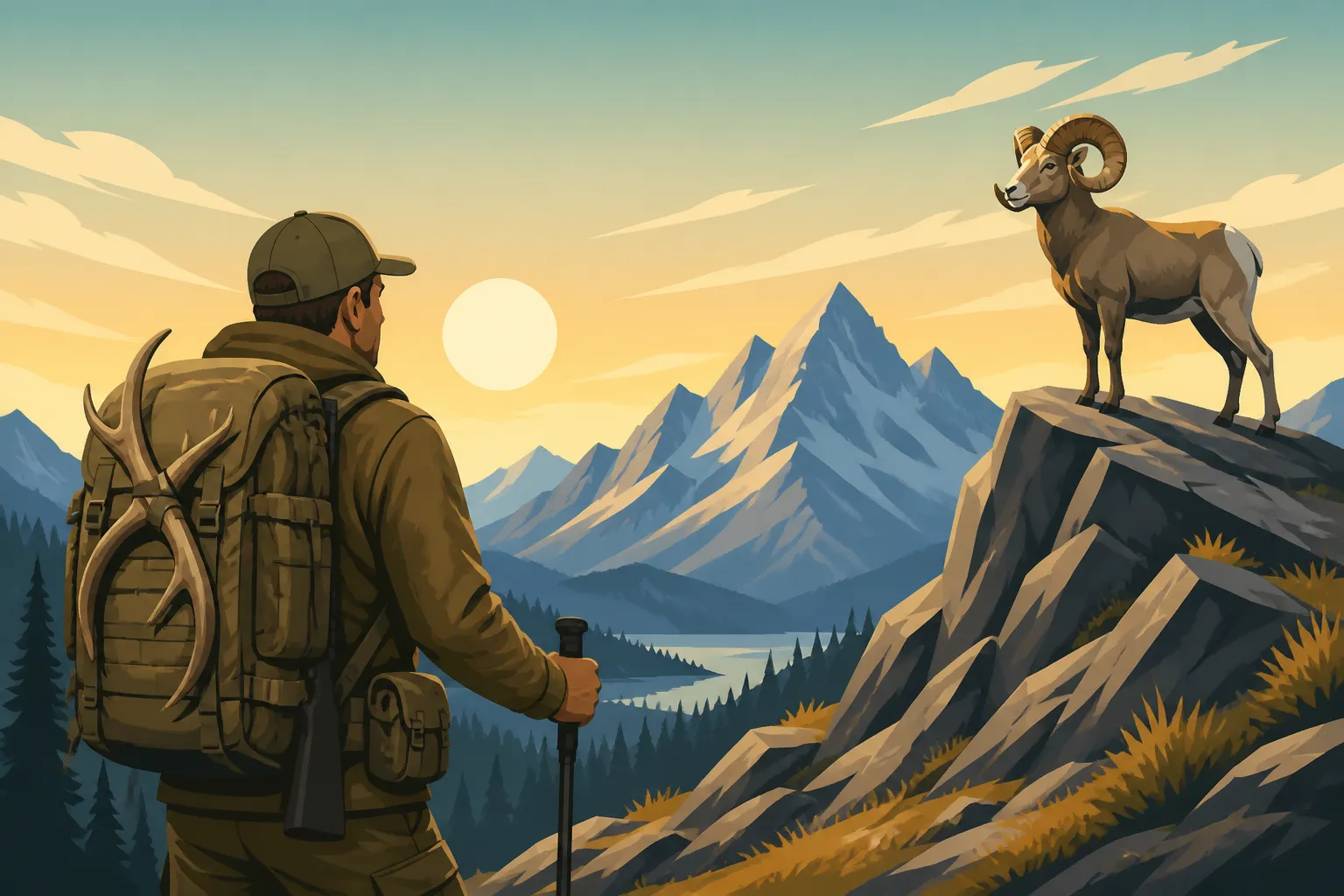
The majestic, unforgiving peaks of British Columbia call to a certain kind of hunter—one who isn't afraid of pushing their limits, both physically and mentally. If you've ever dreamt of pursuing wild sheep in these rugged mountains, you know the challenge isn't just in finding the animal, but in getting to where they live. Backpack hunting in BC's sheep country is the ultimate test, demanding meticulous planning, unwavering resolve, and the right approach to thrive in some of the most remote and demanding terrain imaginable. This guide will walk you through what it truly takes to embark on such an incredible journey.
The Allure and Reality of British Columbia Sheep Country
There's something deeply primal about hunting sheep in British Columbia. The sheer verticality of the landscape, the thin air, and the vast, untamed wilderness make it an experience unlike any other. But let's be realistic: it's not for the faint of heart. This isn't a casual stroll; it's an expedition into a world where every decision carries weight and every step is earned.
Understanding the Habitat and Challenges
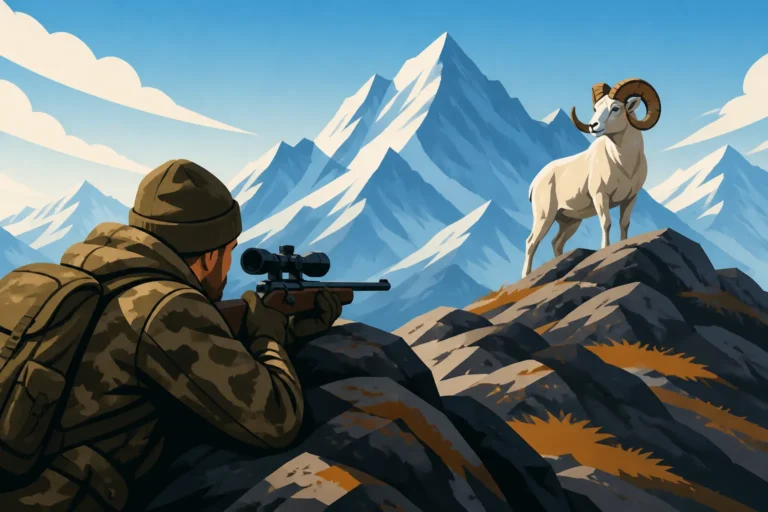
British Columbia is home to several species of wild sheep, primarily Rocky Mountain Bighorn Sheep, California Bighorn Sheep, and Stone's Sheep. While each has its unique habitat preferences, they all share a common trait: they live in extremely high, rugged, and often isolated terrain. This means you'll be dealing with everything from vast alpine basins and windswept ridgelines to steep, rocky scree slopes and dense timber patches that protect their bedding areas.
The biggest challenge is access. Roads often don't reach these areas, or if they do, they might be deactivated or require specialized vehicles. That means your primary mode of transportation is your own two feet, carrying everything you need on your back. Weather can change in an instant, plunging you from warm sunshine into a freezing rain or snowstorm, even in late summer. This extreme environment demands a level of self-sufficiency that few other hunts require, pushing your gear and your physical conditioning to their absolute limits.
The Appeal of Self-Guided Backpack Hunts
For many, the draw of a backpack hunt into BC's sheep country lies in the profound sense of accomplishment and connection to the wilderness. It's about being entirely self-reliant, pitting your skills and endurance against the raw power of nature. While guided hunts offer an unparalleled experience with expert knowledge and logistical support, there's a unique satisfaction in earning a ram on your own terms, deep in the backcountry.
This style of hunting allows for immense flexibility and a more intimate connection with the land. You set your own pace, choose your own routes, and adapt to the conditions as you see fit. It’s an immersion into the sheep’s world, spending days, or even weeks, observing their patterns, understanding their movements, and truly living in their habitat. The memories forged on such a hunt are deeply personal and last a lifetime, far beyond the harvest itself.
Essential Gear for a British Columbia Backpack Sheep Hunt
When you’re miles from the nearest road, every item in your pack needs to justify its weight and serve multiple purposes. Gear failure in sheep country isn't just inconvenient; it can be dangerous. Investing in high-quality, lightweight, and durable equipment is not a luxury, but a necessity.
The Core Four: Pack, Shelter, Sleep System, Optics
These are the pillars of any successful backpack hunt. Your backpack needs to be capable of comfortably carrying 60-80 pounds for extended periods, even more if you're packing out meat. Look for packs with robust frames, comfortable hip belts, and plenty of compression straps. Brands like Mystery Ranch, Kifaru, and Stone Glacier are well-regarded for their hunting-specific frames designed to handle heavy loads. For your shelter, a lightweight, robust tent or tarp system that can withstand high winds and heavy precipitation is critical. Three-season tents are often sufficient for early fall, but a four-season tent offers added peace of mind if you're pushing into colder, stormier weather.
Your sleep system is equally vital for recovery. A high-quality sleeping bag rated for the lowest temperatures you expect, combined with a comfortable, high R-value sleeping pad, will ensure you get proper rest. Don't skimp here; shivering through the night saps your energy and resolve. Finally, optics are your lifeline for spotting sheep in vast landscapes. A top-tier spotting scope (20-60x or 25-50x), good quality binoculars (10×42 or 12×50), and a reliable tripod are non-negotiable. You'll spend countless hours glassing, and superior optics reduce eye strain and reveal details that lesser glass simply misses. Programs like GoHunt often have gear reviews and recommendations that can help you sift through the options.
Clothing and Navigation Systems
Layering is paramount in the mountains, where conditions can swing dramatically from sun to snow in a single afternoon. You’ll need a base layer (merino wool or synthetic), mid-layers for insulation (fleece or puff jacket), and a bombproof outer shell (waterproof and windproof jacket and pants). Don't forget a warm hat, gloves, and a reliable pair of hiking boots—preferably broken-in, waterproof, and supportive for navigating treacherous terrain.
For navigation, a GPS device or a smartphone with reliable mapping apps (like Gaia GPS or Basemap) is essential. Always carry a physical map and compass as a backup, and know how to use them. A satellite communication device like an InReach or Zoleo is absolutely crucial for emergencies, allowing you to send messages and trigger an SOS even when out of cell service. This isn't just for you, but for the peace of mind of your loved ones back home. Remember to pack extra batteries or a power bank for all your electronics. You can learn more about this by reading about Satellite Communication on a Remote Hunt.
| Item Category | Essential Gear Checklist (Backpack Sheep Hunt) | Notes |
|---|---|---|
| Big Three | Backpack (60-80L+), Tent/Shelter, Sleeping Bag, Sleeping Pad | Prioritize weight and durability here. |
| Optics | Spotting Scope, Binoculars, Tripod | High-quality glass reduces eye strain and improves detection. |
| Navigation | GPS device/Mapping App, Physical Map, Compass, Satellite Messenger | Redundancy is key for safety in remote areas. |
| Clothing | Base layers, Mid-layers, Outer shell (waterproof/windproof), Hat, Gloves, Gaiters, Hiking Boots | Layering is critical for adapting to changing mountain weather. |
| Food & Water | Dehydrated Meals, High-energy Snacks, Water Filter/Purifier, Water Bottles/Reservoir | Plan for 3000-4000 calories/day; reliable water source. |
| Hunting Specific | Rifle/Bow, Ammunition/Arrows, Rangefinder, Knife, Game Bags | Ensure weapon is zeroed and practice shooting at angles. |
| Safety & First Aid | First Aid Kit, Bear Spray, Fire Starter, Headlamp, Emergency Whistle | Comprehensive kit for common injuries and emergencies. |
| Misc. | Trekking Poles, Repair Kit, Sunscreen, Bug Spray, Toiletries | Trekking poles save knees and provide stability. |
Planning Your Expedition into the High Country
A successful sheep hunt in British Columbia starts long before you ever set foot on the mountain. The planning phase is arguably as critical as the hunt itself, dictating your chances of success and, more importantly, your safety.
Researching Management Units and Access
The first step is to thoroughly research the specific Management Units (MUs) you intend to hunt. British Columbia's hunting regulations are complex and vary significantly by region and MU. You need to understand the season dates, antler restrictions, and whether the area is a General Open Season (GOS) or a Limited Entry Hunting (LEH) zone. Many prime sheep areas are LEH only, meaning you need to be drawn for a tag. Applying to these draws requires foresight, often years of building preference points, so start early. Learning about British Columbia's Limited Entry Hunting Draws is crucial.
Beyond regulations, delve into topographical maps and satellite imagery. Tools like Google Earth, Gaia GPS, or GoHunt's mapping layers are invaluable for identifying potential sheep habitat, glassing knobs, water sources, and possible approach routes. Look for areas with a mix of steep, rocky terrain for bedding and escape, as well as alpine meadows for feeding. Pay close attention to historical wildfire data, as burns can create new forage and open up old growth, potentially influencing sheep movement. Also, thoroughly investigate road access; many old logging roads are deactivated or overgrown, making vehicle access impossible and necessitating a longer hike-in.
Physical and Mental Preparation
Sheep hunting is widely considered one of the most physically demanding hunts there is. If you're not in top physical condition, you're not just risking your hunt; you're risking your safety. Your training regimen should include a mix of cardiovascular endurance (running, cycling, hiking with weight), strength training (especially core and legs), and, most importantly, lots of hiking with a weighted pack on steep terrain. Simulate hunt conditions as much as possible, including multi-day hikes. The better shape you are in, the more enjoyable and safer your hunt will be, and the better your chances of packing out a ram.
Mentally, you need to prepare for discomfort, frustration, and the inevitable moments of self-doubt. You'll be tired, cold, wet, and potentially hungry. The solitude can be intense. Developing mental toughness involves embracing the suck, focusing on small goals, and maintaining a positive attitude even when things go sideways. Visualization, meditation, and developing a strong "why" for your hunt can help build this resilience. Talk to experienced backpack hunters, read their stories, and understand that suffering is part of the experience, not a sign of failure.
On the Mountain: Tactics and Mindset
Once you’re in the sheep’s domain, your approach needs to shift from planning to execution. Every movement, every decision, and every moment of glassing becomes critical.
Effective Glassing Strategies
Glassing is the cornerstone of sheep hunting. You’ll spend far more time looking through your optics than walking or stalking. The key is patience and methodical searching. Find a high vantage point that offers expansive views of potential sheep habitat: alpine basins, rocky ridges, avalanche chutes, and the edges of timberline. Set up your spotting scope and binoculars on a stable tripod. Systematically scan every square foot of terrain, working from near to far, side to side, or in a grid pattern.
Sheep often blend seamlessly into their surroundings, appearing as mere specks or rocks. Look for anything that seems out of place: a patch of white, a slight movement, the distinct shape of a horn curl, or even a shadow. Don't just look for whole animals; sometimes, all you'll see is a flick of an ear or the edge of a rump. When you spot something, keep observing to confirm it's a ram, assess its size, and determine its travel patterns. You might also find it helpful to read about Glassing an Alpine Basin for Rams. Early morning and late evening are often the best times for spotting as sheep are more active and the light is softer.
Stalking and Approaching Sheep
Once you've spotted a ram and determined it's a shooter, the real work begins. A successful stalk requires incredible patience, careful planning, and often, many hours of arduous movement. The first step is to analyze the terrain between you and the sheep, identifying cover, wind direction, and potential escape routes for the animal. Sheep have exceptional eyesight, so staying out of sight is paramount. Use topographical features like ridges, draws, and timber to conceal your approach. Always factor in the wind; sheep have a keen sense of smell, and a shifting breeze can betray your position instantly.
Move slowly, deliberately, and take advantage of every piece of cover. This often means moving through incredibly difficult terrain—climbing steep slopes, navigating rock slides, and crossing treacherous ground. The goal is to get into a position for a clean, ethical shot, typically within a few hundred yards. Be prepared for multiple stalks, as sheep often move, forcing you to reposition or even abandon an approach and start over. Understanding Judging a Full-Curl Ram in the Field will be critical before you commit to a stalk.
After the Shot: Meat Care and Pack Out
Harvesting a sheep in the backcountry is an incredible accomplishment, but the hunt isn't over until the meat and trophy are safely back to civilization. This final phase presents its own set of unique challenges, particularly the immense physical effort of packing out.
Field Dressing and Meat Care in Remote Conditions
As soon as you harvest your ram, the clock starts ticking, especially if temperatures are mild. British Columbia's early seasons can be surprisingly warm, making immediate meat care crucial. Your first priority is to field dress the animal quickly and efficiently. Remove the entrails to allow the carcass to cool as rapidly as possible. If conditions allow, skinning the animal and quartering it are the next steps. Separate the meat into bone-in quarters, or debone if you're trying to reduce weight, and place them into breathable game bags. High-quality game bags are non-negotiable; they protect the meat from flies, dirt, and debris while allowing it to cool.
Hang the game bags in a shady, breezy spot, off the ground, to continue the cooling process. This might be a challenge in barren sheep country, so improvising with trekking poles or sturdy rocks may be necessary. If you're several days from civilization, you might need to find a spot with snow or ice to further cool the meat, though this is rare in many sheep habitats. You'll want to review best practices for Meat Care in British Columbia's Warm Early Seasons if you're hunting during the late summer or early fall. Proper care prevents spoilage and ensures you bring home high-quality wild game meat.
The Grueling Pack Out
This is where all your physical training truly pays off. Packing a full sheep out of remote, steep country is an exhausting endeavor. A mature ram can weigh 200-300 pounds live weight, and while you won't be carrying all of it, expect to have 70-100 pounds or more in your pack, including the head, cape, and meat. This load will transform your pack from a lightweight tool into a beast of burden.
Break the load down into manageable stages if necessary, making multiple trips or establishing spike camps along the way. Use your trekking poles to aid stability and reduce strain on your knees, especially on descents. Take frequent breaks, stay hydrated, and refuel with high-energy snacks. The pack out is not a race; it's a marathon of grit and determination. There's no shame in taking your time or asking for help if you're hunting with a partner. Understanding the nuances of Getting Meat Out of Steep British Columbia Country can make this phase slightly less painful, but it will still be one of the hardest things you'll ever do.
Safety and Contingency in the Backcountry
Remote backcountry hunting in British Columbia carries inherent risks. Being prepared for the unexpected is not just good practice, it's essential for survival.
Bear Safety and Wildlife Encounters
British Columbia is bear country, home to both black bears and grizzly bears. While sheep live in higher elevations, bears are opportunistic and will travel widely in search of food. Always carry bear spray and know how to use it. Store food in bear-resistant containers or hung from a tree to keep it away from camp. Make noise while hiking, especially in dense brush, to avoid surprising a bear. If you encounter a bear, know how to react appropriately for the species and situation. While serious encounters are rare, complacency can be dangerous. It's a good idea to read up on Bear Safety While Hunting in British Columbia before you head out.
Beyond bears, you might encounter wolves, cougars, or other wildlife. Respect their space and understand that you are a visitor in their home. Being observant, making smart choices, and carrying appropriate deterrents are key to minimizing risks.
Emergency Planning and Communication
Even the most meticulous plans can go awry. Sprains, broken bones, sudden illness, or extreme weather can turn a hunt into a life-threatening situation quickly. Always file a detailed trip plan with someone reliable who knows your route, your expected return date, and what to do if you don't check in. This plan should include your vehicle information, emergency contacts, and where you'll be accessing the backcountry.
Carrying a satellite communication device, as mentioned earlier, is a non-negotiable safety item. These devices allow you to send SOS signals and communicate with loved ones or emergency services even without cell service. Ensure your first aid kit is comprehensive and tailored to backcountry needs, including blister care, pain relievers, wound dressings, and any personal medications. Know basic wilderness first aid. Proper emergency planning is discussed in depth in Emergency Planning in British Columbia's Backcountry, and it's a resource every backcountry hunter should review.
Disclaimer
Hunting is an inherently risky activity. The information provided in this guide is for informational purposes only and should not replace professional guidance, thorough personal research, or adherence to all local regulations. Always prioritize safety, respect wildlife, and obtain all necessary licenses and permits. Conditions in British Columbia's backcountry can change rapidly and unexpectedly; always be prepared for emergencies.