Grizzly Safety on a British Columbia Hunt
Heading out into British Columbia's wild places, especially with a hunting tag in your pocket, brings an unparalleled sense of adventure and connection to nature. But let's be real, the thought of encountering a grizzly bear can definitely add a knot of anxiety to even the most seasoned hunter's stomach. This guide is here to help you navigate those concerns, offering practical, realistic advice on how to stay safe and what to do if you find yourself face-to-face with one of BC's most iconic, and formidable, residents.
Understanding Grizzly Behavior in British Columbia
Grizzly bears are an integral part of British Columbia's wilderness, but they also demand a profound respect. Understanding their behavior is the first, and arguably most important, step in mitigating risk. It's not about fear-mongering; it's about being informed and prepared.
Why Grizzlies are Different from Black Bears
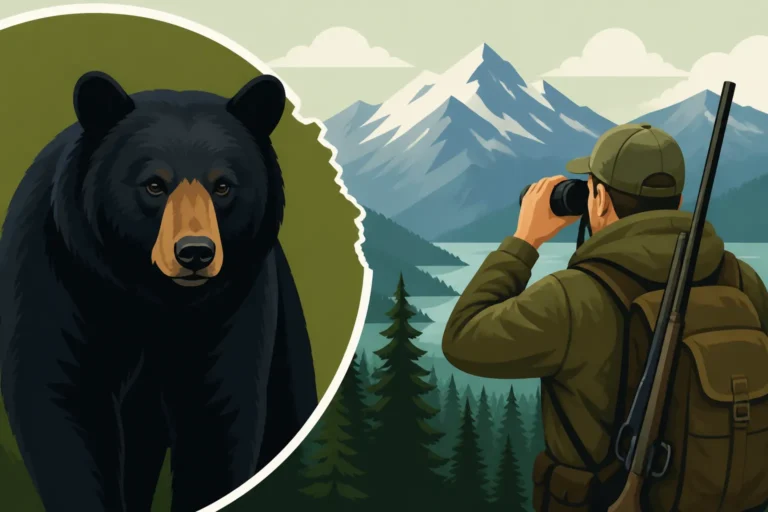
Many hunters have extensive experience with black bears, but grizzlies are a different beast entirely. While both are powerful, grizzlies generally possess a more assertive temperament, especially sows with cubs or bears protecting a food source. They're often larger, with a distinctive shoulder hump and a dished-in face profile, as opposed to the straighter profile of a black bear. Their claws are longer and straighter, designed for digging, not climbing, which means they're less likely to climb trees than black bears (though they can and do, especially cubs).
The biggest difference often lies in their defense mechanisms and attack motivations. A black bear, when feeling threatened, might often bluff charge or even run off. A grizzly, on the other hand, can be more prone to a defensive charge if it feels surprised, cornered, or if its cubs are perceived to be in danger. Understanding these subtle yet critical distinctions can inform your approach and reactions in the field. You're not just looking for "a bear"; you're looking for the specific indicators that tell you if it's a grizzly and how it might react.
Common Grizzly Habitats and Seasonal Movements
Grizzly bears are incredibly adaptable, but they do have preferred habitats and seasonal patterns that are crucial for hunters to be aware of. They thrive in diverse ecosystems, from dense coastal rainforests to high alpine meadows and vast interior forests. Areas rich in berries, salmon streams, or abundant ungulates (like deer, moose, and elk) are prime grizzly territory. Places with good cover for bedding and denning are also critical. For insights into where these majestic animals are most prevalent, you might want to look into Where British Columbia's Grizzlies Are Densest.
Their movements are heavily dictated by food availability throughout the year. In spring, they emerge from dens, often feeding on new green vegetation or winter-killed carcasses. As summer progresses, berry patches become critical, especially huckleberries and blueberries in higher elevations. Come fall, especially in coastal regions, salmon runs are a huge draw, concentrating bears along rivers and estuaries. In interior areas, they'll be heavily feeding on high-calorie foods like nuts and berries, or scavenging for gut piles left by other hunters, to put on weight before denning. Hunters pursuing species like elk or moose in areas known for significant grizzly populations should always assume a bear is in the vicinity, particularly during the rut when both bears and ungulates are highly active. This means exercising extreme caution when Quartering a Moose in Grizzly Country or indeed, any large animal.
Recognizing Warning Signs and Body Language
Being able to read a bear's body language is a superpower in grizzly country. Often, a grizzly will give you plenty of warning before escalating to an attack. Look for signs like:
- Head down, ears back: A clear sign of aggression or agitation.
- Huffing or popping jaws: These vocalizations indicate stress and a desire for you to leave.
- Swatting the ground: A territorial display.
- Stiff-legged walking with head swaying: This bear is unsure of you and assessing the threat.
- Standing on hind legs: This isn't usually aggressive; the bear is trying to get a better look, smell, or listen. It's often a sign of curiosity.
If a grizzly is making direct eye contact, has its head lowered, ears back, and is moving towards you in a determined fashion, it's likely exhibiting defensive behaviour. This is a critical moment to respond appropriately, which we'll cover in a later section. Recognizing these nuances can mean the difference between a minor scare and a serious incident. Always scan your surroundings, not just for your quarry, but for fresh bear sign like scat, tracks, or overturned rocks indicating recent feeding activity.
Essential Gear and Practices for Grizzly Country
Preparation isn't just about having the right weapon for your hunt; it's about having the right tools and mindset for potential grizzly encounters. This includes what you carry on your person and how you manage your camp.
Bear Spray: Carrying, Accessibility, and Practice
Bear spray is your first line of defense, and frankly, it should be considered mandatory for anyone venturing into grizzly country. It's not a substitute for a firearm, but rather a highly effective deterrent that works in many situations where a firearm might be less ideal or even unsafe to deploy.
The key to bear spray effectiveness is immediate accessibility. It does absolutely no good tucked away in your backpack. It needs to be on your hip, chest harness, or in a readily available holster that allows for a quick draw and deployment. Practice drawing it (with a dummy can or safely pointed away from people and pets in an open area) so that in a high-stress situation, the action is muscle memory. Know how to remove the safety clip and spray. Make sure your can is not expired.
While bear spray can be incredibly effective, it's not a magic bullet. It needs to be deployed at close range (typically within 5-10 meters) and you need to aim for the bear's face, specifically the eyes and nose. Wind can be a factor, so always be aware of the wind direction if you need to use it. Many hunters carry a can on their person, and perhaps another in the camp for quick access. For more general advice on staying safe, see Bear Safety While Hunting in British Columbia.
Firearms for Defense: Considerations and Training
For many hunters, a firearm is also a consideration for bear defense, especially in areas with high grizzly density or when hunting dangerous game. It's a deeply personal choice, and it's essential to understand the responsibilities and limitations that come with it. A common question among hunters is the effectiveness of various calibres in defense scenarios. While bigger is generally better for bear defense, shot placement under extreme duress is paramount.
If you choose to carry a firearm for bear defense, it must be something you are proficient with under stress. This means practice. Not just at the range, but practicing drawing and aiming quickly and safely, even while wearing your hunting pack or in awkward positions. A large-calibre revolver or a powerful pump-action shotgun loaded with slugs are common choices. When considering Bear Spray and Firearms in Camp, remember the best defense is often a combination of vigilance, deterrents, and a plan. Your firearm should be easily accessible, but always handled with the utmost safety, particularly around camp or other people.
It’s worth noting that if you are a non-resident, bringing a firearm into Canada has specific regulations that must be followed precisely. It's always best to check current Canadian Border Services Agency (CBSA) guidelines well in advance of your trip.
Camp Protocols and Food Storage
A clean, organized camp is a safe camp in grizzly country. Bears are incredibly curious and have an exceptional sense of smell, easily drawn to anything that smells like food, even if it's just a used wrapper.
Key Camp Protocols:
- Food Storage: All food, cooking utensils, garbage, and scented items (like toothpaste or deodorant) must be stored in bear-resistant containers, hung from a tree well away from camp, or secured in a hard-sided vehicle. Never keep food inside your tent.
- Cooking Area: Cook at least 100 meters downwind from your sleeping area. This helps to ensure that food odors don't linger around where you sleep.
- Cleanliness: Clean up all food scraps immediately. Don't bury garbage; pack it out. Wipe down cooking surfaces thoroughly.
- Game Meat: If you harvest an animal, process it away from your camp, and get the meat cooled and hung as quickly as possible, again, well away from your sleeping area. Consider how best to manage Hanging Meat at a Backcountry Camp in grizzly country. If you are successful in the field, remember that a gut pile can attract bears from a great distance. Be aware of your surroundings when dressing an animal and when returning to retrieve meat.
- Noise: Make noise while hiking or walking through dense brush. Talking, singing, or occasionally calling out can help alert a bear to your presence, giving it a chance to avoid you.
- Pet Management: If you hunt with dogs, ensure they are well-trained and under control. An excited dog could accidentally provoke a bear.
For hunters using outfitters, make sure you understand their camp protocols and follow them diligently. When researching potential trips, platforms like BookYourHunt or GoHunt can sometimes offer insights into outfitters' safety practices in bear country, and it's always a good idea to ask specific questions about their grizzly protocols.
What to Do in a Grizzly Encounter
The moment you encounter a grizzly can be terrifying, but knowing how to react is crucial. Your response depends heavily on the bear's behavior and the context of the encounter. Every situation is unique, but understanding the general principles can save lives.
Non-Aggressive Encounters: Staying Calm and Assessing the Situation
Sometimes, you'll simply see a grizzly at a distance, or it might be curious but not aggressive. In these scenarios, the goal is to make your presence known without provoking the bear, and then to safely back away.
- Stop and Assess: Freeze for a moment to gauge the situation. Is the bear aware of you? What is its body language telling you?
- Make Noise (Calmly): Speak in a calm, firm voice. This lets the bear know you're human and not prey. Avoid screaming or sudden movements.
- Appear Large: If you're with others, group together. Hold your arms up to make yourself look bigger.
- Slowly Back Away: Do not run. Running can trigger a chase response. Maintain eye contact (but don't stare fixedly, which can be seen as a challenge) and slowly move away, especially in the direction you came from. Give the bear ample space.
- Be Prepared: Keep your bear spray ready and accessible.
- Avoid Surprises: Use common sense. Don't approach a bear, especially a cub. If you see cubs, assume a sow is nearby, no matter how cute they are. Retreat immediately. This is fundamental advice from What to Do If You See a Grizzly.
Defensive Attacks: Playing Dead and Protecting Yourself
A defensive attack usually happens when a bear feels surprised, threatened, or is protecting cubs or a food source (like a carcass). These attacks are often characterized by a bear charging, possibly bluff charging first, and then making physical contact. The bear's goal is to neutralize the perceived threat, not to eat you.
If a grizzly charges and makes contact in a defensive attack:
- Play Dead: Drop to the ground immediately. Lie on your stomach, clasp your hands behind your neck to protect your head and neck, and spread your legs to make it harder for the bear to roll you over. Try to remain still and silent.
- Stay Down: Do not move until you are absolutely certain the bear has left the area. Grizzlies will often stand over you, sniff, and even mouth you to ensure the threat is gone. This can be agonizing, but moving could re-initiate the attack.
- Bear Spray (if possible): If the bear gets close enough during a charge before making contact, deploy your bear spray. Aim for the face. If it makes contact, playing dead becomes the priority.
It’s an incredibly tough instinct to override, but playing dead is the scientifically proven best response to a defensive grizzly attack. It signals to the bear that you are no longer a threat.
Predatory Attacks: Fighting Back
Predatory attacks by grizzlies are extremely rare, but they do happen. These are distinguished by a bear that stalks you, approaches silently, often at night, or seems intent on treating you as prey rather than a threat. There's usually no bluff charge or warning. The bear might approach calmly and persistently.
If you are certain it is a predatory attack:
- Fight Back: This is the time to fight with everything you have. Do not play dead.
- Target Vulnerable Areas: Hit, kick, and strike at the bear's face, eyes, and nose.
- Use Weapons: If you have a firearm, use it. Aim for vital organs. If you have a knife, aim for the throat or eyes. Bear spray should also be deployed aggressively.
- Make Noise: Yell, scream, do anything to create a commotion and potentially scare the bear off.
How do you distinguish between a defensive and a predatory attack? Defensive attacks are typically characterized by a sudden, intense burst of aggression, often after a perceived surprise or threat. Predatory attacks are more deliberate, quiet, and often lack the overt aggression of a defensive charge. If a bear approaches your camp silently at night, or if you encounter a bear that seems unusually focused on you without any clear provocation, it might be predatory. This is a very rare but terrifying scenario.
Post-Encounter Protocol and Reporting
Even if you successfully deter a grizzly without injury, the experience can be deeply unsettling. Knowing what to do afterward is just as important as knowing what to do during the encounter.
Assessing Safety and Immediate Actions
Once the immediate threat has passed and the bear has moved on, take a moment to compose yourself. Your adrenaline will be surging, and clear thinking might be difficult.
- Assess Yourself and Your Party: Check for any injuries, no matter how minor. Even a fall while attempting to play dead could result in a sprain or cut.
- Evaluate the Area: Take a moment to ensure the bear is truly gone and not just out of sight behind a bush or hill. Listen for any sounds.
- Relocate: As soon as it's safe to do so, move away from the area where the encounter occurred. If you were in your camp, consider moving your camp or packing up entirely if the situation warrants it. If you have harvested an animal and the bear was attracted to it, abandoning the carcass may be the safest option.
- Communicate: If you have a satellite messenger or satellite phone (highly recommended for Emergency Planning in British Columbia's Backcountry), let your contact person know what happened and that you are safe. For more on staying connected in remote areas, check out Satellite Communication on a Remote Hunt.
Reporting the Incident
Reporting bear encounters, especially those involving defensive charges or injuries, is crucial for wildlife management and public safety. This information helps wildlife biologists understand bear behavior, identify problem areas, and assess population health.
- Contact the Conservation Officer Service (COS): In British Columbia, the primary agency to contact is the COS RAPP line (Report All Poachers and Polluters). This line is monitored 24/7. Provide them with as much detail as possible: the date, time, location (GPS coordinates are best), species of bear, estimated size, its behaviour, your actions, and the outcome.
- Be Honest and Thorough: Don't sugarcoat details, but stick to the facts. Your report helps others, and it is a civic duty when recreating in bear country.
- Why Report?: Your report can help determine if a specific bear is becoming habituated or problematic, potentially preventing future incidents. It also contributes to a broader understanding of British Columbia's Grizzly Population Estimate and their distribution.
Learning from the Experience
Every encounter, even a non-event, is a learning opportunity.
- Review What Happened: Once you're safely out of the immediate area, discuss or reflect on the encounter. What led to it? What could you have done differently? Did you respond appropriately?
- Adjust Your Practices: Did your bear spray feel accessible enough? Was your camp truly bear-proof? Is your firearm training adequate? Use the experience to refine your safety protocols for future trips.
- Share Your Story (Responsibly): Sharing your experience with fellow hunters can be valuable, but always emphasize the lessons learned and responsible practices, rather than simply sensationalizing the event.
Hunting in British Columbia is an incredible privilege, offering access to some of the wildest places left. Grizzlies are a part of that wildness. By understanding them, respecting their space, and being prepared for potential encounters, you can dramatically increase your safety and continue to enjoy these extraordinary landscapes for years to come.
| Bear Encounter Type | Common Causes | Bear Behavior | Recommended Action |
|---|---|---|---|
| Non-Aggressive | Bear unaware, curious, or simply passing through | May stand on hind legs, sniff air, or ignore you; not directly approaching or showing aggression. | Remain calm, speak in a firm voice, appear large, slowly back away while maintaining eye contact. Have bear spray ready. |
| Defensive | Surprised bear, protecting cubs, food, or territory | Head down, ears back, huffing, jaw popping, swatting ground, direct charge (may be bluff). | Deploy bear spray if bear closes distance. If contact made, play dead: lie on stomach, clasp hands behind neck, spread legs, remain still. |
| Predatory | Bear views human as prey; rare | Silent approach, stalking, persistent following, often at night, no typical aggressive displays. | Fight back aggressively with anything available (firearm, knife, fists). Target face, eyes, nose. Do NOT play dead. |
Disclaimer
This article is for general informational purposes only and does not constitute professional advice. Laws, prices and regulations vary by location and change over time. Consult a qualified professional for guidance on your specific situation.