Hunting Above Timberline in Cold Weather
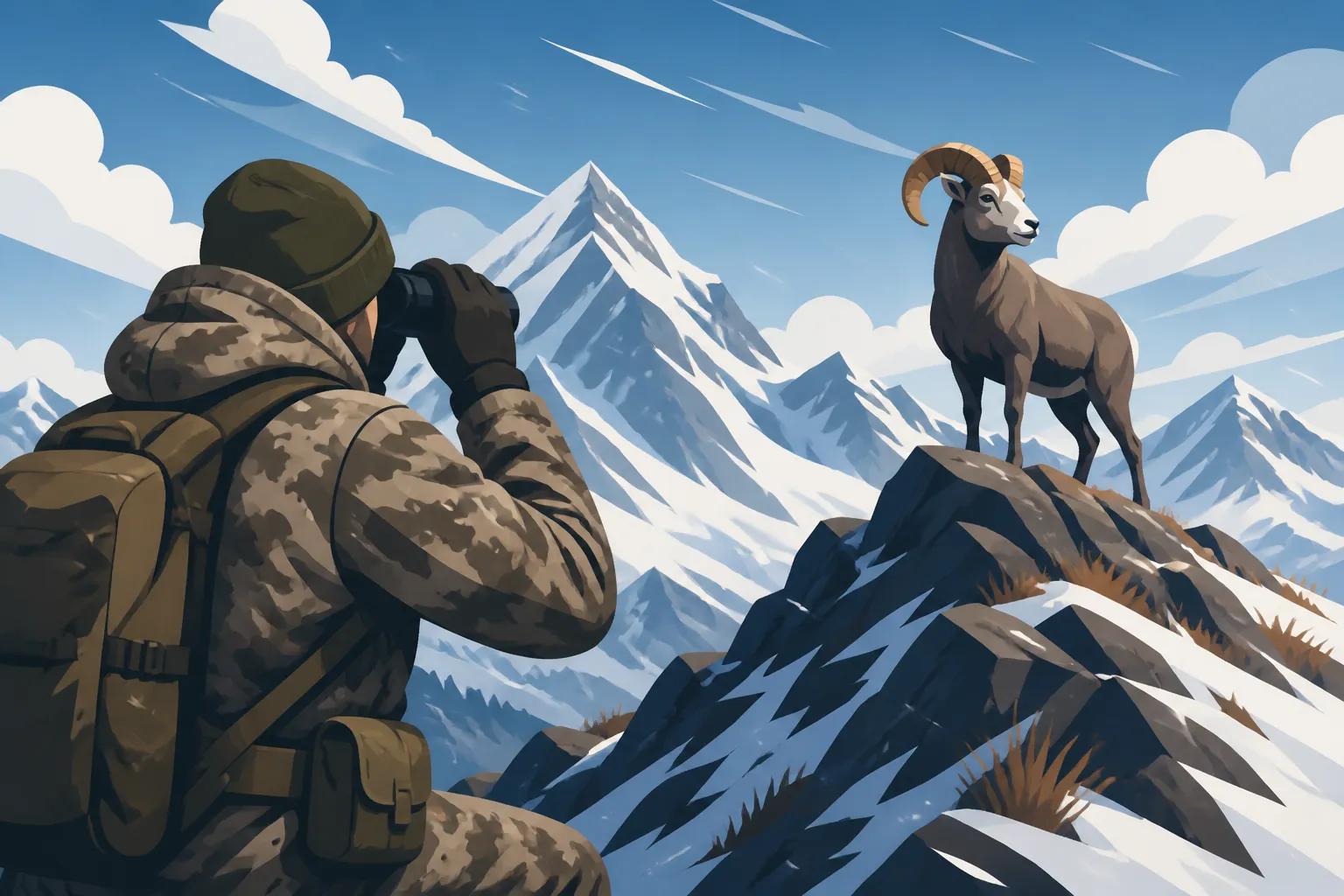
The crisp, thin air above timberline, often a hunter's dream for its expansive views and the promise of elusive game like sheep or goats, can quickly turn into a brutal adversary when cold weather sets in. The sheer exposure, the biting wind, and the unpredictable nature of mountain storms can transform a promising hunt into a survival ordeal if you're not adequately prepared. This guide is dedicated to helping you navigate the unique challenges of hunting in British Columbia's high alpine during colder conditions, equipping you with the knowledge and strategies to not only survive but thrive and succeed in these unforgiving environments.
Understanding the Alpine Environment in Cold Conditions
Hunting above timberline when the mercury drops isn't just about bundling up; it's about deeply understanding the environment you're stepping into. The alpine zone is a world unto itself, governed by different rules than the forests below, and these rules become amplified when winter's chill descends. Ignorance here isn't just uncomfortable; it can be downright dangerous.
The Unique Challenges of High-Altitude Cold
The first thing you'll notice above treeline is the sheer exposure. There are no dense stands of timber to break the wind or block the sun, meaning every gust feels more intense and any precipitation seems to cut right through your layers. Temperatures that might feel mild in a sheltered valley can plummet rapidly with altitude gain, often dropping by several degrees Celsius for every thousand feet you climb. This means that a comfortable 5°C day at the trailhead can easily become -5°C or colder on a ridge top, not accounting for wind chill.
Then there's the wind. The mountains act like funnels and accelerators for air currents, creating sustained, powerful winds that can strip heat from your body at an alarming rate. Wind chill can make an already cold day feel absolutely frigid, penetrating even well-insulated clothing and leading to frostbite if not properly managed. You might start your day feeling good, hiking hard and generating heat, but once you stop to glass, that wind will hit you, and you'll cool down fast. Understanding how to create micro-shelters, even just behind a large rock, becomes paramount. Furthermore, the terrain itself often becomes slick with ice or hidden under deep snowdrifts, making travel treacherous and greatly increasing the physical exertion required for every step.
Reading Weather Patterns Above Treeline
Mountain weather is notoriously fickle, and above timberline, it's an extreme sport. A clear, calm morning can morph into a raging blizzard in a matter of hours, trapping hunters and making navigation impossible. It's not uncommon to experience all four seasons in a single day. Therefore, having a deep understanding of local weather patterns and how to interpret the signs around you is non-negotiable. Always check multiple weather forecasts before heading out – reputable sources like Environment Canada, alongside specialized mountain forecasts, can provide crucial insights. Pay close attention to trends: is the barometer rising or falling? A rapidly falling barometer often signals an incoming storm.
Beyond the forecast, you need to be constantly observing the sky, the clouds, and the wind. Lenticular clouds, often shaped like lenses, can indicate strong winds and turbulent air at altitude. A clear halo around the sun or moon can suggest moisture in the upper atmosphere, a precursor to precipitation. Watch how the wind changes direction and strength throughout the day, as this can give you clues about approaching fronts. Tools like a Kestrel weather meter can provide real-time data on wind speed, temperature, and barometric pressure, giving you critical information on the ground. When planning your route, use tools like GoHunt to analyze historical weather data and terrain features, helping you predict wind patterns and potential areas of snow accumulation or ice. Remember, if the weather turns truly nasty, knowing when to pull the plug and seek lower, safer ground is a sign of experience, not weakness.
Animal Behavior in Cold Alpine Settings
The animals that call the alpine home in cold conditions are remarkably adapted to their environment, but they also change their behavior significantly. Species like bighorn sheep, Stone's sheep, and mountain goats are built for these harsh landscapes, often displaying incredible resilience. However, they are still creatures of comfort, and they'll seek out the most advantageous locations to conserve energy and find food when it's cold.
Expect game to use south-facing slopes more frequently, as these areas receive more direct sunlight, melt snow faster, and provide warmer bedding sites. They'll also gravitate towards wind-sheltered benches, drainages, or the lee side of ridges, especially during high winds. Food sources become scarcer, so they might concentrate on exposed, rocky areas where sparse vegetation remains accessible, or descend slightly into the subalpine timberline to browse on shrubs or lichen. When you're glassing for animals, remember that they'll be trying to blend in, often bedding down to escape the elements. Their activity levels might shift; while they still need to feed, their movements might be more deliberate and less frequent. Understanding these patterns is key to Glassing an Alpine Basin for Rams or Hunting Mountain Goat on British Columbia Rock. Look for areas where they can feed, bed, and travel efficiently without expending too much energy.
Essential Gear for Cold Weather Alpine Hunting
Heading above timberline in the cold without the right gear is a recipe for disaster. This isn't just about being comfortable; it's about survival. Every item in your pack needs to serve a purpose, be reliable, and be appropriate for the extreme conditions you might face. Skimping on quality here is a critical mistake that could put your life at risk.
Layering Strategies for Extreme Cold
Effective layering is the cornerstone of cold weather comfort and safety. Forget your heavy, bulky parka; a well-designed layering system allows you to adapt to constantly changing temperatures and activity levels. The goal is to regulate your core temperature, staying warm without overheating and sweating, as moisture against your skin in cold conditions is your worst enemy.
Start with a moisture-wicking base layer, preferably merino wool or a synthetic blend, against your skin. This is crucial for drawing sweat away from your body. Next comes a mid-layer, typically a fleece or lightweight puffy jacket, to provide insulation. For colder conditions, you might use two mid-layers of varying thickness. The outer layer is your shell – waterproof, windproof, and breathable. Look for materials like Gore-Tex or similar proprietary membranes. Crucially, bring an additional, heavy-duty insulating layer, like a very warm down or synthetic puffy jacket, that you can throw on instantly when you stop moving or during glassing sessions. This "belay parka" can make all the difference when the wind picks up or you're stationary for long periods. Remember, you might start the hike cold, but you'll warm up quickly. You want to be able to shed layers before you sweat, and add them back on the moment you stop. This dynamic adjustment is what keeps you safe and comfortable.
Footwear and Hand Protection
Your feet and hands are particularly vulnerable to cold and frostbite, so investing in top-tier protection here is paramount. For footwear, you need insulated, waterproof boots with excellent ankle support and a stiff sole that can handle steep, rocky, and potentially icy terrain. Look for boots designed for mountaineering or extreme cold weather hunting. Brands like Scarpa, La Sportiva, or Schnee's offer excellent options. Ensure they are well-broken in before your hunt to prevent blisters, and always bring multiple pairs of merino wool socks, changing them frequently to keep your feet dry. Gaiters are also essential for keeping snow out of your boots, especially when post-holing through deeper drifts. Read more about choosing the right Boots for Steep British Columbia Country.
Hand protection requires a similar multi-layer approach. Start with thin, wool or synthetic liner gloves that allow for dexterity. Over these, wear a pair of warmer, insulated gloves that are still functional enough for shooting or handling gear. Finally, carry a pair of oversized, heavily insulated mittens for extreme cold or when you're stationary. Mittens are generally warmer than gloves because they allow your fingers to share warmth. Look for options with waterproof shells and gauntlets that extend over your jacket cuffs to prevent snow entry. Having multiple options ensures you can maintain some dexterity when needed, but quickly transition to maximum warmth.
Specialized Hunting Equipment for Winter Alpine
Beyond clothing, several pieces of specialized equipment become non-negotiable for cold weather alpine hunting. A high-quality backpack is vital, one that can comfortably carry your gear, extra layers, and potentially an animal quarter. Look for packs with sturdy external frames or suspension systems designed for heavy loads, and ensure it has accessible pockets for water bottles, snacks, and frequently used items. For navigation, a reliable GPS device paired with a mapping app like the one offered by GoHunt, loaded with offline maps of your hunting area, is critical. Always carry a compass and physical maps as a backup.
Optical equipment must also be up to the task. Binoculars and spotting scopes should be fog-proof and perform well in low light, as shorter days are common in cold weather. Consider models with ED glass for superior clarity. Trekking poles are an absolute game-changer in steep, icy, or snowy terrain, providing stability, reducing strain on your knees, and helping you probe for hidden obstacles. Crampons or micro-spikes might be necessary for crossing icy slopes or glaciers, and an ice axe can be a lifesaver in truly steep, hard-packed snow or ice. Don't forget a dependable headlamp with extra batteries, as darkness comes early and lingers late. Finally, ensure your rifle or bow is capable of performing in extreme cold, as some lubricants can seize up or batteries can drain rapidly.
| Item Type | Essential Features for Cold Weather Alpine Hunting | Why It Matters |
|---|---|---|
| Base Layers | Merino wool or synthetic, moisture-wicking | Wicks sweat, prevents chilling, maintains warmth |
| Mid-Layers | Fleece, lightweight puffy (down or synthetic) | Provides insulation, allows for flexible warmth |
| Outer Shell | Waterproof, windproof, breathable (e.g., Gore-Tex) | Protects from elements, prevents heat loss |
| Emergency Insulation | Heavy puffy jacket (down or synthetic) | Crucial for warmth during stops or emergencies |
| Boots | Insulated, waterproof, stiff sole, ankle support | Prevents frostbite, provides traction and stability |
| Socks | Merino wool, multiple pairs | Keeps feet dry and warm, prevents blisters |
| Gloves/Mittens | Layered system: liners, insulated gloves, heavy mittens | Dexterity when needed, maximum warmth for exposure |
| Pack | Durable, comfortable, capacity for heavy loads | Carries gear efficiently, aids in meat packing |
| Navigation | GPS, offline maps (GoHunt), compass, physical map | Prevents getting lost in rapidly changing conditions |
| Trekking Poles | Adjustable, sturdy | Stability, reduces fatigue, aids in traversing snow/ice |
| Crampons/Spikes | Dependent on terrain | Essential for safe travel on ice and hard snow |
| Headlamp | Bright, long battery life, extra batteries | Navigating in low light or darkness |
| Sleeping Bag | Rated for extreme cold, lightweight | Critical for warmth and recovery in camp |
| Shelter | 4-season tent or bivy, robust | Protection from wind, snow, and extreme cold |
Tactical Approaches for Hunting Above Timberline
Successfully hunting above timberline in cold weather demands a strategic blend of physical endurance, careful planning, and precise execution. The margins for error are far thinner than in milder conditions, making every decision and movement critical.
Scouting and Approaching Game in Snow
Scouting is fundamental, and in snowy conditions, it takes on new dimensions. Fresh snow can actually be your friend, revealing crisp tracks that tell you where animals are moving, bedding, and feeding. Learning to read these tracks – their freshness, direction, and the animal's gait – is an invaluable skill. However, older, crusty snow can make tracking difficult and noisy. Use tools like GoHunt to analyze satellite imagery for potential wintering grounds, south-facing slopes, and benches where animals might seek refuge. Look for the faint traces of game trails often used year after year, even when covered by snow.
When approaching game in snowy conditions, stealth is paramount. The crunch of snow underfoot can echo loudly in the still alpine air, especially on a cold day. Consider soft-soled boots or snowshoes if the snow is deep, and practice a slow, deliberate cadence. Always move into the wind to keep your scent from drifting towards the animals. Use natural features like ridges, drainages, and rock formations for concealment. When the terrain allows, move slowly uphill, using the elevation to your advantage, especially if you're Hunting a Subalpine Basin at First Light. Remember that animals will also be more alert in open, exposed terrain, constantly scanning for threats. Patience is your best friend; take your time, glass thoroughly, and plan your approach meticulously.
Stalking and Shooting in Icy Conditions
Stalking in icy or hard-packed snow can be incredibly challenging. Every step must be precise and quiet. Crampons or micro-spikes are essential for maintaining traction and preventing a slip that could send you sliding down an incline or alert game. Practice moving with them before your hunt. If you encounter sheer ice, sometimes the only option is to bypass or wait for a change in conditions. Remember that an ice axe can provide crucial self-arrest capability if you do fall.
When it comes time to shoot, the cold and wind can play havoc with accuracy. Your hands might be numb, your breathing shallow and rapid from exertion, and the wind can push your bullet off target. Practice shooting in cold conditions with gloves on, if possible, to understand how it affects your grip and trigger pull. A sturdy shooting rest, whether a bipod, tripod, or your backpack, is vital for stability. Account for wind drift, using a wind meter to gauge speed, and make necessary adjustments to your hold or scope. In the excitement of the moment, it's easy to rush, but taking an extra second to calm your breathing, ensure a solid rest, and make a clean shot is far more important. A missed shot, especially on a challenging animal like a mountain goat, can mean a long, difficult retrieve or even losing the animal.
Post-Harvest Challenges and Meat Care
Congratulations, you've successfully harvested an animal above timberline in the cold! Now the real work begins, and it's intensified by the environment. Field dressing needs to happen quickly and efficiently. The cold is a double-edged sword: it helps cool the meat rapidly, preventing spoilage, but it also makes working with numb hands incredibly difficult. Make sure you have sharp knives, a game bag, and sturdy gloves. Consider bringing a lightweight saw for quartering. Read more about Getting Meat Out of Steep British Columbia Country.
Packing out meat from the alpine is always physically demanding, but in cold, potentially icy conditions, it becomes even more arduous. The risk of slipping and falling is high, and the sheer weight of the meat combined with your gear will test your limits. Take frequent breaks, stay hydrated, and ensure your footing is secure. If you're Hanging Meat at a Backcountry Camp, ensure it's secure from predators and in a location where it will continue to cool. If conditions are extremely cold, you might need to cover the meat to prevent it from freezing solid, which can make butchering later a nightmare. The goal is to cool the meat, not freeze it solid in the field, unless you have no other choice.
Staying Safe and Resilient in the Backcountry
Beyond hunting skills, operating safely and effectively above timberline in cold weather requires a strong emphasis on personal resilience, sound judgment, and meticulous emergency preparedness. The consequences of even minor mistakes can be severe in this unforgiving environment.
Nutrition, Hydration, and Energy Management
Maintaining your energy levels and core body temperature is critical in cold weather. Your body burns more calories simply trying to stay warm, so adequate nutrition is paramount. Pack high-energy, easily digestible foods that don't freeze solid, such as nuts, dried fruit, jerky, energy bars, and chocolate. Hot meals and drinks, even instant coffee or soup, can provide a significant morale and warmth boost. A small, lightweight stove for melting snow and heating water is invaluable.
Hydration is just as important as nutrition, yet often overlooked in the cold. You still sweat, and the dry, cold air can lead to significant fluid loss. Carry insulated water bottles to prevent freezing, and if using a hydration bladder, ensure the tube is insulated and you blow water back into the bladder after each sip. Melting snow is often necessary for water, so factor in the time and fuel required. Dehydration can lead to fatigue, impaired judgment, and an increased risk of hypothermia. Regularly consume fluids, even if you don't feel thirsty, to prevent these issues.
Emergency Preparedness and Communication
No matter how well you plan, emergencies can happen. Being prepared is not optional; it's a fundamental aspect of responsible backcountry hunting. Always tell someone your exact hunting plan, including your route, expected return time, and who to contact if you don't check in. This is part of Emergency Planning in British Columbia's Backcountry. Carry a comprehensive first-aid kit specifically tailored for mountain environments, including supplies for severe cuts, sprains, and hypothermia. Know how to use everything in it.
A reliable form of communication is non-negotiable in remote British Columbia. Cell service is virtually non-existent above timberline. A satellite messenger device, such as a Garmin inReach or Zoleo, allows you to send and receive texts, check weather forecasts, and, most importantly, send an SOS signal in an emergency. This is a critical investment for anyone venturing into the high country. Read more about Satellite Communication on a Remote Hunt. A whistle for signaling, a reflective emergency blanket, and a fire-starting kit are also basic survival essentials. Understand the signs and symptoms of hypothermia and frostbite, both in yourself and your hunting partners, and know how to treat them. Knowing the Weather Windows in British Columbia's Mountains can help you avoid some emergency situations entirely, but preparedness is always key. And while we're talking about emergencies, always be aware of your surroundings and know What to Do If You See a Grizzly, even in colder weather.
Disclaimer
Hunting is an inherently dangerous activity. This guide provides general information and recommendations. Weather conditions, terrain, and individual capabilities vary. Always conduct thorough personal research, seek professional advice, and ensure you have the necessary skills, permits, and safety equipment before venturing into the backcountry. The author and publisher assume no liability for any injuries or damages incurred. Hunt responsibly and safely.