Horseback and Fly-In Camps in British Columbia
For many hunters, the vast, untamed wilderness of British Columbia presents an irresistible allure, yet its sheer scale and lack of road access often feel like an insurmountable barrier. This guide is all about peeling back those layers of challenge, diving deep into the world of horseback and fly-in hunting camps, and showing you how these incredible experiences unlock the province's most remote and promising hunting grounds.
The Call of the Wild: Why Go Remote in British Columbia?
The idea of truly escaping the everyday, of venturing into country where the only tracks are those of wild animals, is a powerful draw. British Columbia, with its immense swaths of unroaded mountains and forests, offers some of the last true wilderness hunting opportunities on the continent. But what exactly drives hunters to commit to the additional logistics, cost, and effort of a remote camp hunt? It's more than just getting away; it's about connecting with a primal hunting experience and chasing opportunities that simply don't exist closer to civilization.
True Wilderness Experience
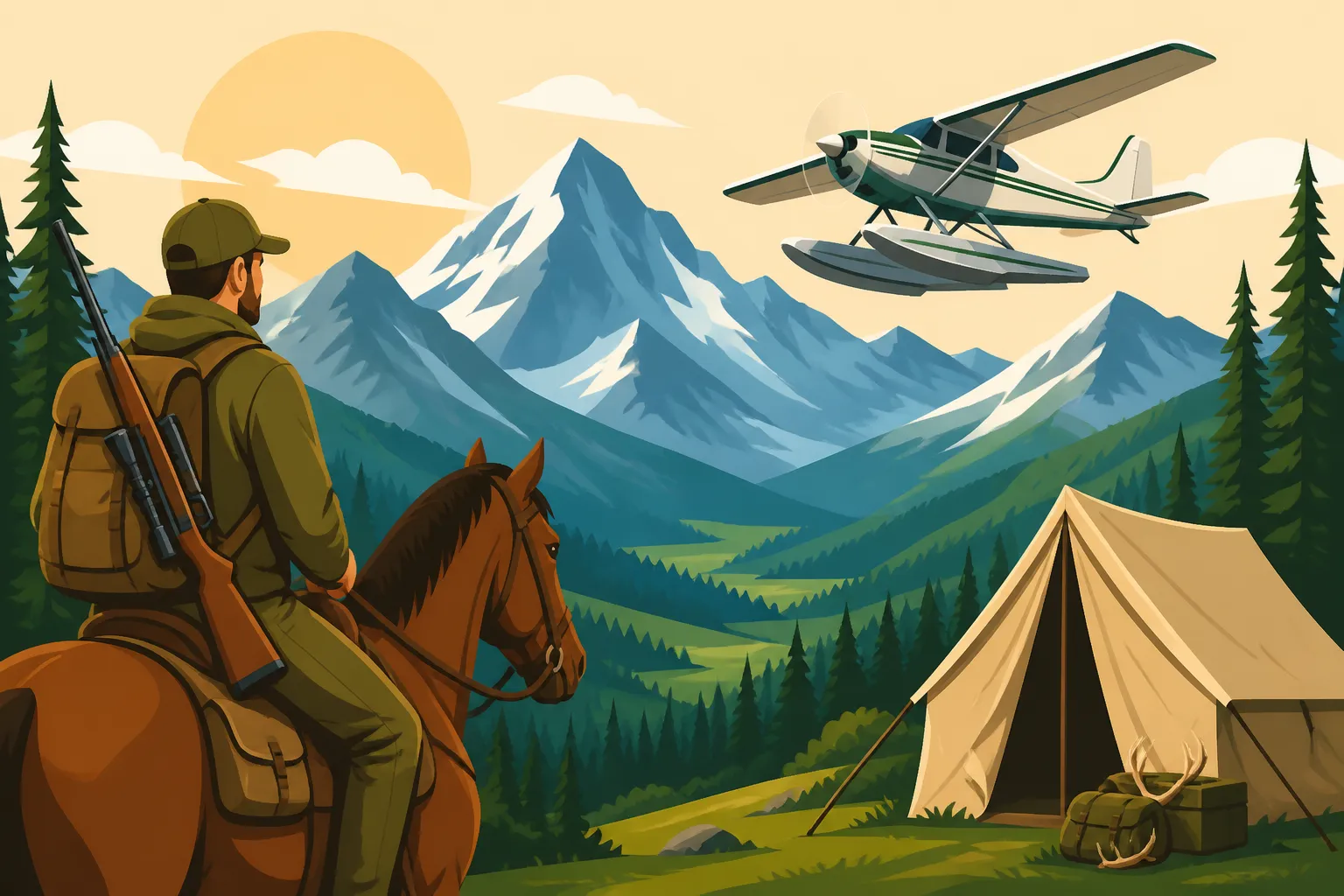
Stepping out of a small bush plane onto an alpine lake, or riding deep into a valley where the only sound is the creak of saddle leather, is an experience fundamentally different from parking a truck and walking a logging road. Remote camps offer a genuine immersion into the wild. You're not just visiting the backcountry; you're living in it, often for days or even weeks. This means waking up to panoramic views, seeing untouched landscapes, and truly feeling the solitude that only vast wilderness can provide. It's an opportunity to test yourself, rely on your skills, and appreciate nature in its most raw form.
The absence of human infrastructure means fewer distractions and a deeper focus on the hunt itself. You become acutely aware of the wind, the scent of the forest, the subtle sounds of distant wildlife. This kind of experience shapes you as a hunter, honing your observational skills and instincts in a way that road-accessible areas often cannot. It’s an adventure that resonates deeply, long after the trip is over, and truly represents what many envision when they dream of hunting British Columbia.
Unpressured Game and Trophy Potential
Let's be honest, everyone loves the idea of finding that exceptional animal. In areas easily accessed by vehicle, game animals become wary and often nocturnal due to constant human presence. Trophy-class animals, particularly, are masters at avoiding pressure. When you venture into remote, unpressured country, the game animals often exhibit different behavior. They might be more visible during daylight hours, less prone to bolting at the first sign of human scent, and generally more numerous because they haven't been subjected to years of intense hunting pressure.
This isn't to say remote hunts are "easy," far from it. The terrain is often rugged, and the weather unpredictable. However, the potential for encountering mature animals, those older, wiser bucks, bulls, and rams that have learned to elude hunters in accessible areas, is significantly higher. Whether you're chasing a massive bull moose in the Omineca or a full-curl Stone's sheep in the far north, remote access often puts you in prime position for a truly memorable encounter. It's about leveling the playing field a bit, moving beyond the educated animals that inhabit easily reached zones.
Beyond the Roads: What Remote Access Unlocks
British Columbia's road network, while extensive, is still a minuscule fraction of its total landmass. There are vast wilderness areas, including high alpine plateaus, deep river valleys, and remote mountain ranges, that are simply unreachable by vehicle. This is where horseback and fly-in camps become not just an option, but a necessity. They are the keys that unlock these hidden treasures, allowing hunters to access zones that would otherwise be foot-miles beyond reasonable reach.
Consider the time saved and the physical toll reduced by flying into an alpine basin versus packing in for days. Or the ability of horses to navigate dense timber and river crossings that would be impossible for vehicles. These methods allow hunters to bypass the fringes of accessible country and penetrate directly into the heart of prime habitat, offering a distinct advantage. They provide access to parts of British Columbia's mountains that remain truly wild, far from the nearest human settlement, where game can live out their lives with minimal disturbance.
The Classic: Horseback Hunting Camps
For generations, the horse has been the backbone of backcountry exploration and hunting in North America. In British Columbia, this tradition is alive and well, with many outfitters still relying on a string of trusty pack and saddle horses to get hunters and their gear deep into the wilderness. A horseback hunt is more than just transportation; it's an immersive experience that connects you to the history and spirit of mountain hunting.
The Traditional Approach
A horseback hunt is an authentic expedition. It starts with meeting your outfitter and guides, who often have generations of experience with horses and navigating the specific terrain. The horses themselves are usually mountain-savvy, calm, and accustomed to packing heavy loads and carrying riders through challenging country. You'll spend hours in the saddle, sometimes for days, as you travel further and further from the nearest road, traversing old game trails, crossing rivers, and climbing mountain passes. This slower pace allows you to soak in the scenery, observe wildlife along the way, and truly feel the vastness of the land.
The camp itself is often set up in a strategic location – a sheltered valley, near water, or with commanding views of potential hunting grounds. It's typically a canvas wall tent setup, sometimes with a wood stove for warmth, offering a rustic but comfortable base camp. The guides and wranglers work tirelessly, managing the horses, cooking hearty meals, and ensuring everything runs smoothly. It's a team effort, and you become part of that team, sharing the chores and camaraderie of camp life. This traditional approach is a stark contrast to modern, fast-paced life, offering a profound sense of stepping back in time.
Logistics and What to Expect
Before embarking on a horseback hunt, understanding the logistics is crucial. Outfitters will provide a list of recommended gear, keeping weight and bulk in mind, as everything must fit on a packhorse. Expect to carry your essentials in a small daypack, with the rest of your personal gear, sleeping bag, and extra clothing packed into soft duffels that can be easily loaded onto the animals. Weight limits are strict, so careful planning is key.
Travel days can be long, often starting at dawn and ending late in the afternoon. You'll likely spend anywhere from four to ten hours in the saddle, depending on the distance to camp and the ruggedness of the trail. Once in camp, daily hunts might involve more riding to distant ridges or basins, followed by extensive walking and glassing on foot. Meals are typically hearty and fulfilling, designed to fuel active hunters. Be prepared for early mornings, late nights, and the constant care required for both the horses and the camp itself.
Physical Demands and Preparation
While horses do much of the heavy lifting for transportation, a horseback hunt is far from a passive experience. Spending multiple hours in the saddle, day after day, requires a certain level of physical conditioning, especially in your core and legs. You'll be climbing on and off, adjusting your weight, and navigating uneven terrain. If you're not accustomed to riding, practicing beforehand can make a huge difference in your comfort and endurance. Even experienced riders will feel it by the end of a long day.
Beyond the riding, many horseback hunts still involve significant walking, climbing, and Packing Out of British Columbia's Steep Country once game is down. Expect to be physically active, often at higher elevations, which can be demanding. Good cardiovascular fitness is essential, as is a certain level of mental toughness for enduring long days, varying weather conditions, and the inherent challenges of backcountry life. Prioritizing physical preparation, including strength training and endurance exercises, will greatly enhance your enjoyment and success on a horseback hunt in British Columbia's vast wilderness.
The Modern Edge: Fly-In Hunting Camps
For those who want to reach the most remote corners of British Columbia quickly, or access terrain that even horses struggle with, fly-in hunting camps are the answer. Utilizing small bush planes or helicopters, these operations can drop hunters and their gear into incredibly pristine and often untouched areas, offering a unique blend of speed, efficiency, and access to truly wild country.
Speed and Access to Untouched Wilds
The primary advantage of a fly-in hunt is the sheer speed and directness of access. Instead of days spent on horseback or arduous hiking, you can be transported from a remote airstrip directly into your hunting grounds in a matter of hours, sometimes even minutes. This opens up vast areas of British Columbia that are simply too far or too rugged to reach by any other means, ensuring you're hunting in areas with minimal human disturbance. Think high alpine basins, remote lake chains, or distant plateaus far from any road or human trail.
This direct access means more time actually hunting and less time traveling. It allows outfitters to place camps in strategic locations precisely tailored to specific game movements or seasonal concentrations, like Hunting a Subalpine Basin at First Light for sheep or goat. For hunters with limited time, or those seeking specific hard-to-reach species, flying in can be an invaluable option, maximizing their opportunities in truly untouched wilderness.
Types of Aircraft and Landing Zones
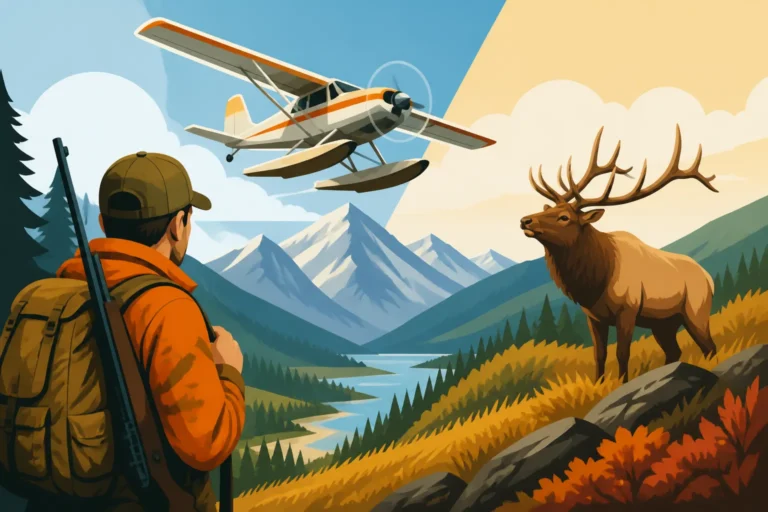
Different types of aircraft are used for fly-in camps, each suited to specific terrain and logistical needs. Bush planes, like Cessnas or De Havilland Beavers, are common for lake access (if equipped with floats) or landing on short, unimproved airstrips often carved into remote valleys. These planes are robust and designed for rugged conditions, capable of carrying a good amount of gear.
Helicopters, while generally more expensive, offer unparalleled flexibility, as they can land in very tight spots with minimal flat ground, such as mountain ridges or small clearings. This means even more precise placement of spike camps or reaching terrain that's otherwise completely inaccessible. The choice of aircraft often depends on the specific location of the hunt, the species targeted, and the outfitter's logistical setup, giving hunters options for different levels of remoteness.
Logistical Considerations and Costs
While fast, fly-in hunts come with their own set of logistical challenges and costs. Weight restrictions are paramount, even more so than with horseback hunts. Every pound counts, and hunters must be extremely efficient with their gear choices. Expect stringent limits on clothing, food, and other necessities, often enforced by the aircraft's payload capacity. Weather is another significant factor; flights can be delayed or cancelled due to fog, high winds, or low visibility, leading to frustrating but necessary delays.
The cost of a fly-in hunt is generally higher than a horseback hunt due to the expense of aircraft operation and maintenance. Fuel, pilot fees, and the specialized nature of bush flying contribute to a premium price tag. However, for many, the efficiency and access to truly prime, unpressured habitat make it a worthwhile investment. It's vital to discuss all flight contingencies and potential extra costs with your outfitter upfront.
Choosing Between Horseback and Fly-In Access
Deciding whether to go with a horseback or fly-in camp isn't just a matter of preference; it's a strategic decision that can significantly impact your hunt experience, success, and budget. Both methods offer incredible access to British Columbia's remote hunting grounds, but they cater to different types of hunters and different objectives. Understanding the pros and cons of each will help you make the best choice for your next adventure.
Cost, Time, and Comfort
When comparing horseback and fly-in options, these three factors often top the list. Horseback hunts generally come with a lower price tag than fly-in expeditions, primarily because the operational costs of horses and wranglers are less than aircraft and pilots. However, horseback hunts typically require more travel time, with days spent riding into camp. This slower pace means more time in the saddle but also a more gradual immersion into the backcountry, which some hunters find incredibly rewarding. Comfort levels are generally rustic in both, but horseback camps might feel a touch more "settled" due to the ability to bring slightly more camp gear.
Fly-in hunts, on the other hand, demand a higher financial investment due to the specialized aircraft and logistical complexities. But they offer unparalleled speed, getting you into the heart of the hunting area much faster. This time efficiency can be crucial for hunters with limited vacation days. While the flight itself is quick, waiting on weather can introduce unexpected delays. Comfort in fly-in camps can be very basic, sometimes just spike camps with minimal amenities, emphasizing agility and light packing. You are paying for speed and access, rather than a leisurely journey.
Terrain and Target Species
The type of terrain you plan to hunt and the species you're targeting can also influence your choice. Horses are exceptionally good at navigating dense forests, crossing rivers, and climbing moderate mountain slopes, making them ideal for pursuing animals like Moose Hunting British Columbia's Interior in heavy timber, or Elk Hunting in British Columbia's Kootenay Valleys. They can cover significant distances over varied ground and carry substantial loads, making them suitable for longer expeditions into more rolling or timbered country.
Fly-in access often shines when targeting species in extremely rugged, high-alpine environments, such as Sheep and Goat Hunting in British Columbia. Helicopters can drop hunters directly into basins high above timberline, drastically cutting down on the grueling ascent. Bush planes on floats can open up remote lake systems for moose or caribou (where seasons permit) that are surrounded by impenetrable muskeg or dense bush. If your dream is to hunt Mountain Goat on British Columbia Rock or Stone's Sheep in Northern British Columbia, a fly-in option might give you the best chance of reaching their remote strongholds.
Experience Level and Expectations
Your personal experience level and what you hope to get out of the hunt are vital considerations. If you're an experienced equestrian or simply enjoy the unique cadence of traveling by horseback, then a horseback hunt offers a deep, traditional wilderness experience. It's about the journey as much as the destination, fostering a strong bond with both the animals and your guides. It requires patience and a willingness to adapt to the slower pace of animal-powered travel.
Conversely, if your priority is to get into the absolute furthest reaches with minimal travel time, or if physical limitations make extensive riding challenging, a fly-in hunt might be more suitable. It's a more modern approach, focusing on rapid insertion and intensive hunting in a specific area. However, it still demands significant physical fitness for the actual hunting once on the ground, especially for mountain species. Consider your comfort with flying in small aircraft and your tolerance for potential weather delays as well.
Here's a quick comparison to help visualize the differences:
| Feature | Horseback Hunting Camps | Fly-In Hunting Camps |
|---|---|---|
| Cost | Generally lower operational costs | Generally higher operational costs (aircraft, fuel, pilot) |
| Travel Time | Slower, multi-day ride into camp often | Faster, hours to reach remote locations |
| Terrain Access | Good for forests, river crossings, moderate slopes, varied ground | Best for high alpine, very rugged, truly remote areas; lake access |
| Physical Demand | Requires riding endurance, core strength, plus hiking | Less travel fatigue, but still high demand for on-foot hunting |
| Gear Weight | Strict, but slightly more flexible than air | Very strict and critical due to aircraft payload limits |
| Weather Impact | Can be challenging in heavy rain/snow, but often still moves | Significant impact; flights can be grounded by weather |
| Experience Type | Traditional, immersive journey, slower pace | Efficient, quick access, focused on specific remote areas |
Preparing for Your Remote British Columbia Hunt
Once you've decided on the type of remote hunt, the real preparation begins. A successful trip into British Columbia's backcountry, whether by horse or plane, demands meticulous planning and a solid understanding of the challenges you might face. This isn't a trip where you can just wing it; your safety, comfort, and hunting success depend on being well-prepared.
Essential Gear for Remote Camps
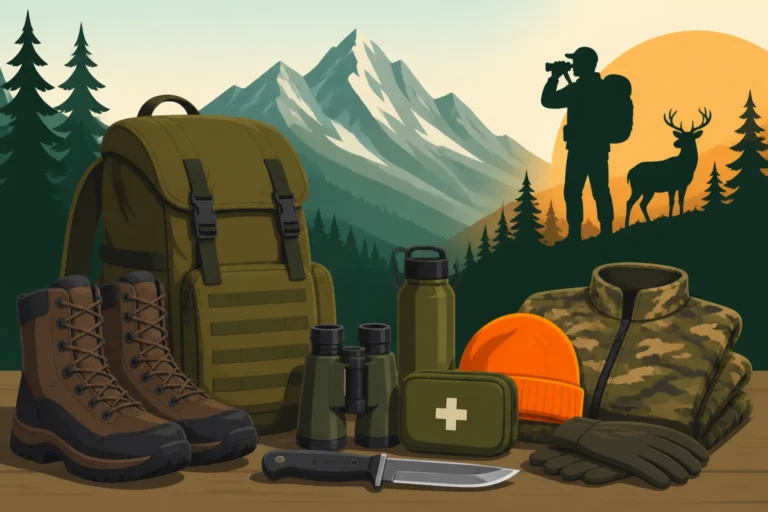
Packing for a remote camp hunt is an art form. Every item needs to be functional, durable, and as lightweight as possible to adhere to strict weight limits. Your outfitter will provide a detailed packing list, but generally, expect to focus on layering clothing systems suitable for unpredictable mountain weather. Quality rain gear is non-negotiable for Hunting in British Columbia's Coastal Rain or sudden downpours in the interior. A reliable sleeping bag rated for colder than expected temperatures, a durable sleeping pad, and a lightweight tent (if spike camping away from the main camp) are crucial for comfortable nights.
Optics are paramount: a good pair of binoculars (10x or 12x), a spotting scope for long-range glassing, and a rangefinder. Navigation tools like a GPS unit with preloaded maps or a satellite messenger like an inReach or Spot device are vital, especially since cell service is virtually non-existent in these remote areas. Don't forget a quality headlamp with extra batteries, a robust first-aid kit, and personal hygiene items that are minimalist and biodegradable. Your rifle or bow should be sighted in perfectly, and you'll need appropriate ammunition or arrows, securely packed.
Physical and Mental Conditioning
Remote hunting in British Columbia is physically demanding. Regardless of whether you ride in or fly in, the actual act of hunting often involves steep climbs, long hours of walking with a heavy pack, and navigating uneven terrain. Fitness for a British Columbia Sheep Hunt isn't just about strength; it's about endurance and resilience. Start a rigorous training program months in advance, focusing on cardiovascular fitness through hiking with a weighted pack, stair climbing, and general strength training. Pay particular attention to your legs, core, and shoulders.
Mental conditioning is just as important. Be prepared for long days, unpredictable weather, potential setbacks, and the solitude of the backcountry. Develop a positive attitude, a willingness to push through discomfort, and an open mind. A remote hunt is an adventure, and things rarely go exactly as planned. Being mentally tough and adaptable will make the experience much more enjoyable and increase your chances of success. Embrace the challenge, and you'll find incredible rewards.
Safety and Communication
Safety in British Columbia's backcountry is not something to take lightly. Remote areas mean help is hours, if not days, away. Emergency Planning in British Columbia's Backcountry should be a serious discussion with your outfitter. Always carry a personal satellite communication device, such as a Garmin inReach or Zoleo, which allows for two-way texting and SOS capabilities, even when you're far beyond cellular range. This is your lifeline.
Awareness of wildlife, especially bears, is critical. Outfitters will have protocols in place for Bear Safety While Hunting in British Columbia, but you should be familiar with bear spray use and proper food storage. Always let someone know your itinerary and expected return. Carry fire-starting tools, a knife, and basic survival items in your daypack. Staying hydrated, nourished, and recognizing the signs of hypothermia or other medical issues are also crucial. Remember, self-reliance and good judgment are your best allies in the wilderness.
Finding and Booking Your Remote Camp Outfitter
The success of your remote British Columbia hunting adventure hinges almost entirely on the quality and reliability of your outfitter. This is not a casual booking; it requires thorough research, clear communication, and a careful selection process to ensure you're entrusting your valuable time and resources to a reputable professional.
Vetting Outfitter Credentials and Reputation
Start by looking for outfitters with a proven track record specifically in horseback or fly-in operations in British Columbia. Check their guide licenses and ensure they are current and in good standing. The Guide Outfitters Association of British Columbia (GOABC) is an excellent resource for finding licensed outfitters and understanding industry standards. Don't hesitate to ask for references from past clients—and then follow up with those references. Inquire about success rates, but also about the overall experience, camp conditions, guide demeanor, and how the outfitter handles unexpected challenges like bad weather or difficult hunting. Checking a British Columbia Guide Licence is a non-negotiable step.
Platforms like BookYourHunt and GoHunt can be useful starting points for discovering various outfitters and reading initial reviews, but always cross-reference information and engage directly with the outfitter before making any commitments. Look for transparency in their communication and a willingness to answer all your questions. A good outfitter will be upfront about the challenges as well as the opportunities of a remote hunt.
Understanding Hunt Packages and Inclusions
Remote hunt packages vary significantly, so it's absolutely crucial to understand what's included and what's not. Typically, packages will cover guide services, food, lodging at the main camp, and transportation from a designated meeting point to the main camp (whether by horse or aircraft). However, many costs are often not included: your hunting license and species tags, government surcharges, travel to British Columbia and to the outfitter's rendezvous point, meat processing and shipping, taxidermy, personal gear, and gratuities for your guides and camp staff.
Always get a detailed written contract that outlines all inclusions and exclusions, payment schedules, and cancellation policies. Ask about potential extra costs, such as additional flying time if you request it, or costs associated with a trophy export permit. Being clear on these details upfront avoids unpleasant surprises later.
Booking Process and Timeline
Remote hunts, especially for coveted species like sheep or mountain goat, often book up years in advance. It's not uncommon for hunters to book a hunt three to five years out, sometimes even more. If you're planning a trip for a popular season or a high-demand species, starting your research and booking process well in advance is essential. This also gives you ample time for physical preparation and saving funds.
The booking process typically involves a significant deposit to secure your dates, with the balance due closer to the hunt date. Understand the deposit refund policy in case you need to cancel, and consider travel insurance that specifically covers hunt cancellation or interruption. Communicate regularly with your outfitter in the months leading up to your hunt to confirm details, ask any new questions, and ensure you're fully prepared for the adventure of a lifetime. Booking a British Columbia Hunt Years Ahead is often a necessity for these sought-after experiences.
Disclaimer
This article is for general informational purposes only and does not constitute professional advice. Laws, prices and regulations vary by location and change over time. Consult a qualified professional for guidance on your specific situation.