Horseback Access to British Columbia’s Alpine
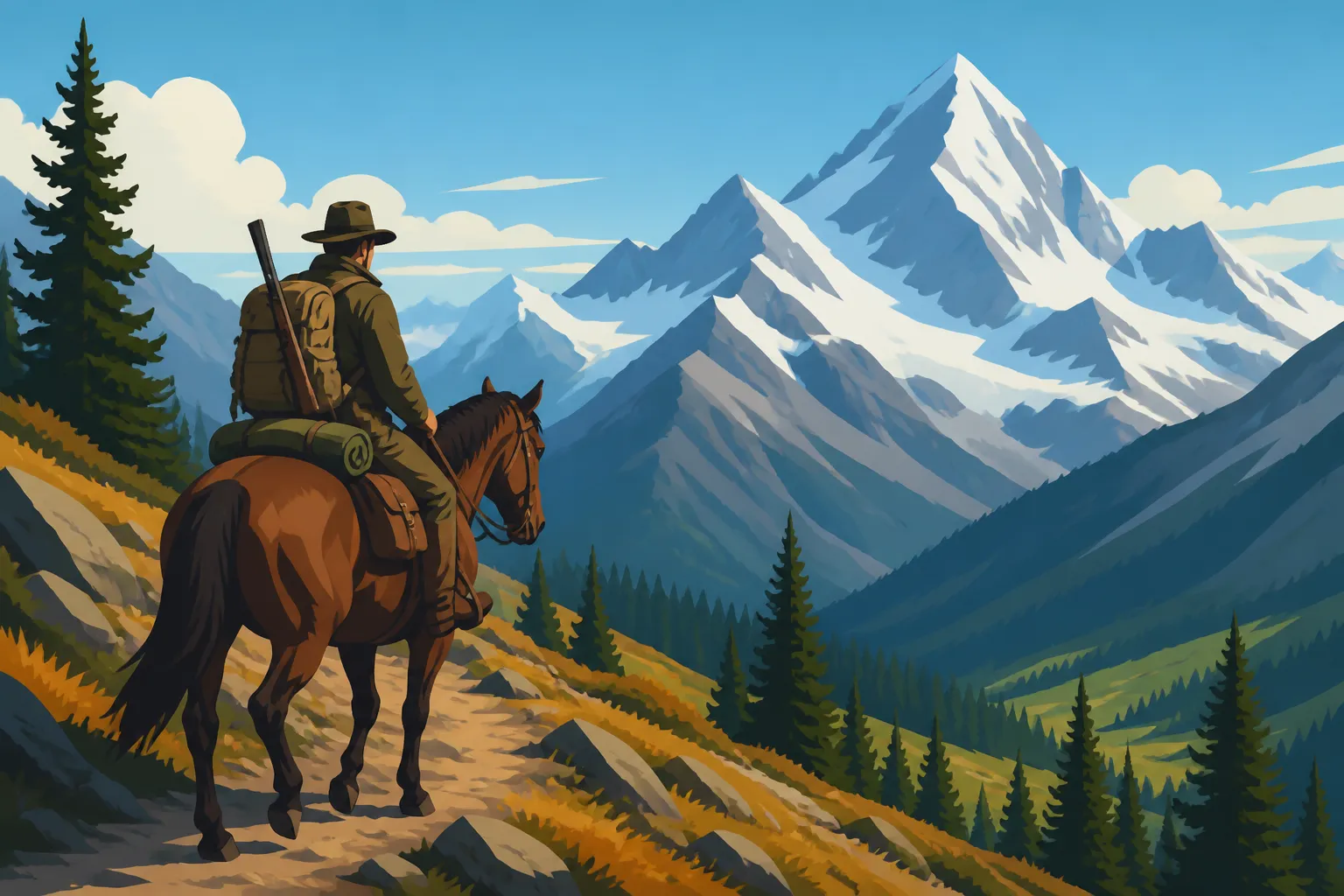
The thought of truly wild, untamed British Columbia hunting often conjures images of distant mountain ranges, pristine alpine basins, and game that has rarely seen a human. While that vision is incredibly appealing, the practical challenge of getting yourself, your gear, and ultimately your harvest out of such remote areas can feel like an insurmountable hurdle. Many of us find ourselves staring at maps, wishing we could push beyond the vehicle-accessible zones, but the sheer logistics can be overwhelming. This guide is all about demystifying one of the most effective and rewarding ways to conquer those distances: horseback access into British Columbia's breathtaking alpine country.
Planning Your Horseback Alpine Hunt
Embarking on a horseback hunt into the alpine isn't just about saddling up and riding off; it requires meticulous planning, an understanding of the terrain, and a deep respect for both the environment and your equine partners. It’s a commitment that pays off with unparalleled access and unforgettable experiences.
The Allure of Remote British Columbia Alpine
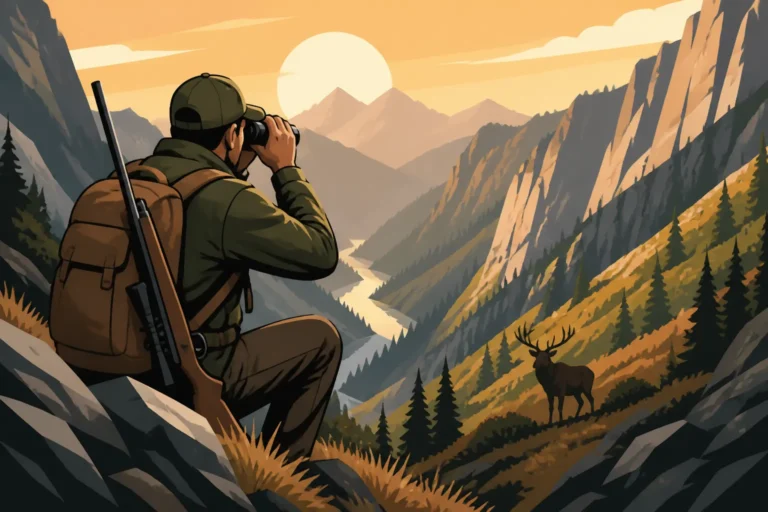
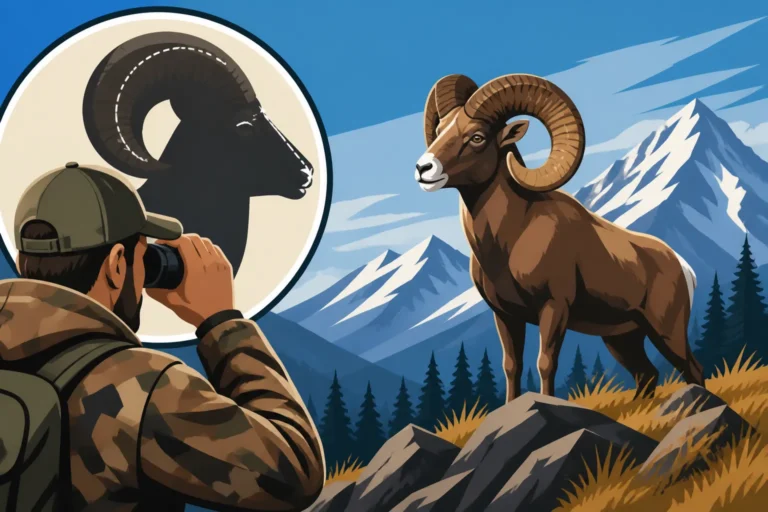
The mountains of British Columbia hold a magnetic pull for hunters seeking true wilderness. Above the timberline, the vast open basins, scattered rockslides, and hidden meadows offer a unique hunting experience. This is where species like mountain goat and bighorn sheep thrive, often miles from the nearest road or even ATV trail. The air is crisp, the views are expansive, and the sense of accomplishment from reaching these high places is immense. For many, it's not just about the quarry; it's about the journey, the challenge, and the profound connection to the landscape. When you're glassing an alpine basin for rams, you're not just looking for an animal; you're immersing yourself in an ecosystem where few others venture.
Navigating Regulations and Season Dates
Before you even think about packing a pannier, you need to understand the regulatory landscape. British Columbia's hunting regulations are complex and vary by region and Management Unit (MU). You'll need to check specific season dates for the species you intend to pursue in your chosen MU, paying close attention to any Limited Entry Hunting (LEH) requirements or antler restrictions. For example, some areas might have specific rules for hunting mountain goat on British Columbia rock. Always consult the most current British Columbia Hunting Licences and Fees and the latest regulations synopsis. It's crucial to know exactly what areas are open to horseback travel, as some protected areas or sensitive habitats might have restrictions. Understanding the nuances of British Columbia's Two-Year Regulations Synopsis is non-negotiable for a successful and legal hunt.
Mapping Your Route and Identifying Access Points
This is where the real armchair adventure begins. Modern mapping tools, like the ones offered by GoHunt, have revolutionized backcountry planning. You can digitally scout vast areas, identify potential trailheads, assess terrain difficulty, and even mark water sources and suitable campsites. Look for historical pack trails, old mining roads, or even game trails that might offer a reasonable path upwards. Pay close attention to elevation changes, dense timber patches, and potential creek crossings. Remember, what looks like a small stream on a map could be a raging river in early season. When you’re scouting a British Columbia Management Unit online, consider satellite imagery to get a clearer picture of vegetation and obstacles. Identifying the best routes for horseback access often means finding existing access points like old logging roads or lesser-used recreation trails that transition into designated pack trails or open country.
Equipping for the Journey: Horse and Rider
A successful horseback hunt hinges on having the right equipment for both you and your horses, ensuring safety, efficiency, and comfort in challenging mountain environments. Compromises here can lead to serious trouble miles from anywhere.
Selecting the Right Horses and Tack
Not just any horse can tackle British Columbia's rugged alpine terrain. You'll need sure-footed, calm, and experienced mountain horses that are accustomed to steep climbs, rocky descents, water crossings, and being around gunfire and wild game. Trust between horse and rider is paramount. As for tack, it needs to be robust and well-maintained. Pack saddles, like Decker or Sawbuck designs, are essential for distributing weight evenly and securing your load. Panniers, either soft or hard-sided, protect your gear, while top packs allow for additional volume. Breeching and breast collars are critical for safety on steep inclines and declines, preventing the saddle from shifting forward or backward. Consider durable saddle blankets, secure halters, and plenty of lead ropes. Having a horse first-aid kit is just as important as your own, stocked with essentials for minor injuries or ailments.
Essential Gear for the Hunter
While your horses carry the bulk of the load, your personal gear still needs to be lightweight, functional, and durable. Think layers for clothing, as alpine weather can change dramatically in minutes. A good waterproof and windproof shell is non-negotiable. Sturdy, broken-in boots designed for steep country are crucial for when you dismount to stalk. Navigation tools, including a reliable GPS with pre-loaded maps (like those available through GoHunt), a compass, and a satellite communication device (like an inReach or Garmin Messenger), are vital for emergency planning in British Columbia's backcountry. Don't forget bear spray and possibly a firearm for bear safety while hunting in British Columbia, especially in remote areas. For detailed insights on footwear, you might want to read about Boots for Steep British Columbia Country.
Here's a quick overview of essential gear:
| Item Category | Hunter Gear (Alpine Specific) | Horse Gear (Backcountry Specific) |
|---|---|---|
| Navigation | GPS with downloaded maps, compass, satellite messenger | Reliable halter and lead, bell for pack horse, high-viz markers |
| Shelter | Lightweight tent, warm sleeping bag, durable sleeping pad | Canvas panniers, pack saddles (Decker/Sawbuck), hobbles, picket rope |
| Clothing | Layering system (wool/synthetic), waterproof shell, sturdy boots, gaiters | Protective leg wraps, breast collar, breeching, rain sheets |
| Safety | Comprehensive first-aid kit, bear spray, signaling device, headlamp | Horse first-aid kit, spare halter, heavy-duty rope, shoeing kit (if applicable) |
| Food/Water | Dehydrated meals, water filter/purifier, high-energy snacks, emergency rations | Compressed grain, hay nets, collapsible water buckets, electrolyte supplements |
| Game Care | Game bags (synthetic/breathable), sharp knife, bone saw (lightweight) | Pack boards or heavy-duty plastic bags, large game bags for transport |
| Miscellaneous | Binos, rangefinder, spotting scope, camera, repair kit | Horse shoeing kit, saddle repair kit, fly spray, picket pins |
Mastering the Art of Packing and Weight Management
Packing a horse for the backcountry is an art form. Weight distribution is absolutely critical – loads must be balanced both side-to-side and front-to-back to prevent sores, injuries, and discomfort for the horse. Aim for a maximum of 20-25% of the horse's body weight, including the saddle. Secure everything tightly to prevent shifting, which can spook a horse or snag on obstacles. Use waterproof dry bags for sensitive items like sleeping bags and electronics. Food, cooking gear, and camp essentials go into easily accessible panniers. For items like rifles, specialized scabbards that attach securely to the saddle are a must. Thinking through how you will pack out meat is also a major consideration. Having a clear plan for packing meat with a frame pack or directly on horses is essential. Remember, every item carried in means it must be carried out, either by horse or in your backpack.
On the Trail: Techniques for Alpine Travel and Camp Setup
Once your horses are packed and you’ve double-checked your route, the real adventure begins. Navigating British Columbia's alpine with horses demands specific skills and a commitment to low-impact camping.
Navigating Challenging Terrain with Horses
Horseback travel in the alpine means facing varied and often difficult terrain. You'll encounter steep, rocky trails, dense timber, boggy meadows, and potentially snowfields. Good horsemanship is key: ride defensively, picking careful lines and giving your horses their head to choose their footing. Lead pack animals from a saddle horse when possible, or dismount and lead them through particularly treacherous sections. Always be aware of hazards like deadfall, washouts, and loose rock. When crossing streams or rivers, assess the depth and current carefully; don't just blindly follow the horse in front. A valuable tip when heading into high country is to allow your horses time to acclimate to the elevation, much like you would yourself. This also applies to hunting British Columbia's alpine in September when conditions can rapidly change.
Establishing a Sustainable Backcountry Horse Camp
Setting up a camp in the alpine requires adherence to Leave No Trace principles, especially when horses are involved. Choose a site away from water sources, on durable surfaces like rock or mineral soil, not fragile alpine meadows. Minimize impact by spreading out your camp rather than concentrating activity in one small area. For your horses, consider using hobbles or a picket line rather than tying them directly to trees, which can damage bark. Portable electric fences are also an excellent option for containing horses and protecting vegetation. If carrying hay, ensure it’s certified weed-free to prevent introducing invasive species. Properly manage horse manure by scattering it or packing it out where feasible. If you're planning on setting a spike camp above timberline, be mindful of exposed locations and sudden weather changes. Always remember to pack out everything you pack in, including all garbage and any unconsumed feed.
Efficient Game Retrieval with Equine Assistance
This is arguably the biggest advantage of horseback hunting. When you're miles into the backcountry, getting a downed animal out can be the most physically demanding part of the hunt. With horses, a successful harvest transforms from a multi-day ordeal of getting meat out of steep British Columbia country on your back to a more manageable task. Quartering your animal in the field is usually necessary, and having durable game bags to protect the meat is crucial. The quarters can then be packed onto your horses using pack boards or directly into panniers. This allows you to transport significantly more weight much faster and with less personal exertion, ensuring the meat gets to cool storage more quickly, especially important in warm early seasons. Having horses allows you to target areas where you wouldn't otherwise venture, knowing that if you're successful, your loyal pack animals will be there to help with the heavy lifting.
The Realities and Rewards of Horseback Hunting in BC
Horseback hunting in British Columbia's alpine is not for the faint of heart, but it offers a profound connection to the land and an experience that few other hunting methods can provide.
Managing Risks and Unexpected Challenges
British Columbia's backcountry is wild and unpredictable. Weather can shift rapidly from sunny skies to torrential rain or snow, even in summer. This can turn an easy trail into a muddy, slippery mess, making travel dangerous. Dealing with unexpected challenges, from a thrown horse shoe to an injured animal or person, requires preparedness. Always carry a comprehensive first-aid kit for both humans and horses, know basic first aid, and have a satellite communication device for emergencies. Encounters with large predators, particularly grizzly bears, are also a possibility in many alpine areas; understand what to do if you see a grizzly and always practice good bear safety. Road closures due to wildfire or maintenance can also impact your access and exit strategy. Being prepared for these contingencies is as important as the hunt itself. GoHunt can be invaluable for checking current fire bans and road conditions before you depart.
Embracing the Backcountry Ethos
Beyond the thrill of the hunt, horseback access to British Columbia's alpine fosters a deep appreciation for wilderness and self-reliance. It teaches patience, resilience, and problem-solving skills. Spending days or weeks traveling through stunning, untouched landscapes, relying on your own skills and the strength of your horses, builds character. The camaraderie with fellow hunters and the bond formed with your equine partners create memories that last a lifetime. It’s an immersion into an older way of hunting, respecting the rhythm of nature and the power of tradition. The quiet clip-clop of hooves, the smell of pine and horse sweat, and the vast silence of the high country offer a profound escape from modern life.
Preserving the Resource: Ethical Considerations
As hunters, and especially as backcountry horse hunters, we are stewards of the land. Practicing ethical hunting means not only following all regulations but also ensuring minimal impact on the environment. This includes packing out all trash, avoiding sensitive alpine vegetation, and adhering to fair chase principles. For species like British Columbia's wild sheep and where they live, careful trophy assessment is essential to ensure you're harvesting a legal animal without impacting the breeding stock. Understanding the delicate balance of these ecosystems and doing your part to preserve them for future generations is paramount. Our ability to continue using these wild spaces for hunting relies on our responsible behaviour today.
Disclaimer
Please be aware that hunting regulations, seasons, and access rules in British Columbia can change. Always consult the official British Columbia Hunting and Trapping Regulations Synopsis and relevant local authorities before planning any hunting trip. Safety in the backcountry is paramount, and preparation is key to a successful and responsible hunt.