Exporting a Trophy From British Columbia
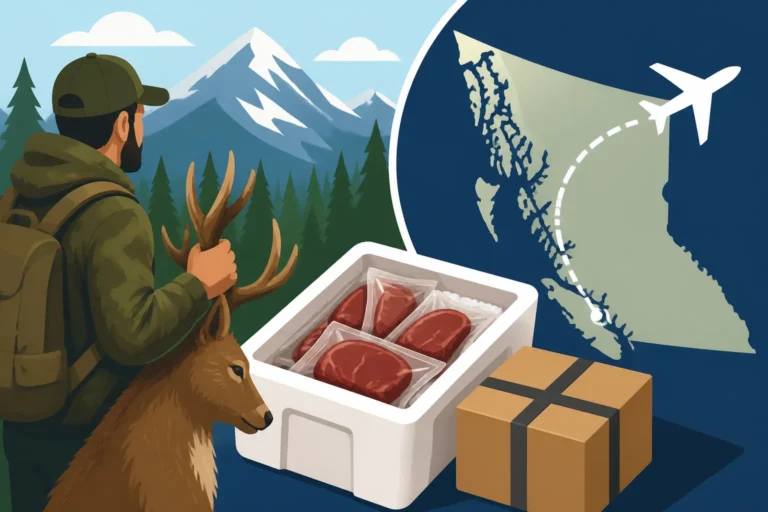
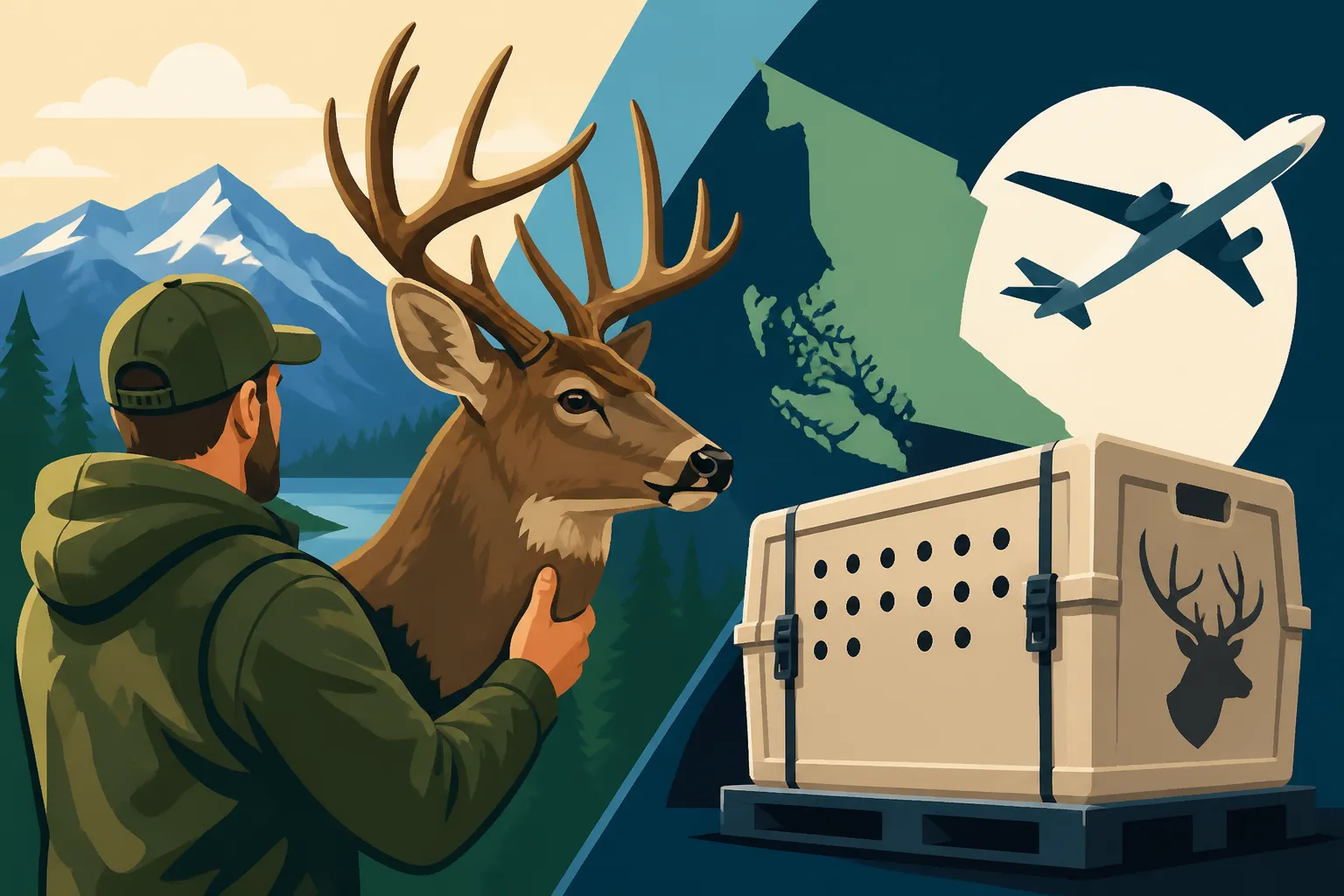
Oh, the thrill of a successful hunt in British Columbia! You've put in the time, faced the elements, made the shot, and now you're standing over a magnificent animal, a memory etched in your mind forever. But as that initial wave of triumph subsides, a new, often bewildering question arises: "How on earth do I get this incredible trophy home?" It's a logistical puzzle that can quickly turn excitement into frustration, especially if you're an out-of-province or international hunter. This guide is here to untangle that knot, walking you through the often-complex process of exporting your hard-earned British Columbia trophy.
Understanding the Basics of Trophy Export
Bringing home a trophy from British Columbia isn't as simple as tossing it in a suitcase. There are layers of regulations, paperwork, and preparation involved, and understanding these from the outset will save you a world of headaches down the line. It's truly a process that demands respect and diligent attention to detail.
Why Exporting is More Than Just Packing a Box
When we talk about a "trophy," it can encompass several different components: the skull with antlers or horns attached, the cape (hide used for a shoulder mount), the full hide (for a life-size mount), and, of course, the meat. Each of these components has its own set of rules, both for exporting out of Canada and importing into your home country. For instance, exporting meat across international borders is often fraught with incredibly strict regulations due to concerns about disease transmission, making it impractical for many hunters. Hides, especially raw ones, also have specific requirements, often needing proper salting and treatment to prevent spoilage and satisfy agricultural inspections. Antlers and cleaned skulls, while generally less problematic than raw biological material, still require proper documentation.
Consider the sheer variety of animals harvested in BC—from a coastal blacktail deer to a northern Stone's sheep, or a massive moose from the Omineca. Each species might have slightly different considerations. The frustration often comes from assuming uniformity, only to discover that the rules for a black bear hide might differ significantly from those for a bighorn sheep skull. Don't fall into the trap of thinking one size fits all. What works for a whitetail in Alberta might not fly for a mule deer from the Okanagan. It's a deeply specific process.
Key Documents You'll Absolutely Need
This is where the rubber meets the road. Without the correct paperwork, your trophy is going nowhere, or worse, could be seized. The most critical piece of documentation is your British Columbia hunting licence and the corresponding species tag. This tag, correctly filled out and attached to the animal as required, is proof of legal harvest. Beyond that, you'll need confirmation of your harvest report—British Columbia has British Columbia's Compulsory Reporting Rules for most big game species, and without that report filed, your trophy isn't fully legal for export. If you hunted with a guide, their guide outfitter report will also be an essential document, proving that the hunt was conducted legally under Rules for Non-Residents Hunting British Columbia.
For international travelers, Canada Border Services Agency (CBSA) will require a customs declaration, and your home country's customs and wildlife authorities will demand specific import permits or declarations. For example, if you're heading back to the United States, you'll need to work with the U.S. Fish and Wildlife Service (USFWS) and likely a customs broker to navigate their import regulations. Failing to have original documents, or at least certified copies, can lead to significant delays, added costs, or even the outright confiscation of your trophy. Imagine flying all the way home, only to have your hard-won ram held up indefinitely at the border because a crucial piece of paper is missing. It's a heart-wrenching scenario that can be entirely avoided with meticulous preparation.
Navigating CITES and Protected Species
The world of international wildlife trade is governed by treaties, and one of the most significant is CITES. Understanding its role is paramount for anyone looking to export certain trophies from British Columbia.
What is CITES and How Does It Affect Your Trophy?
CITES, the Convention on International Trade in Endangered Species of Wild Fauna and Flora, is an international agreement between governments. Its aim is to ensure that international trade in specimens of wild animals and plants does not threaten their survival. While many common game animals in British Columbia, such as deer and elk, are generally not CITES-listed, some species or their subspecies can be. Bears, for example, especially if you're dealing with specific populations or subspecies, can sometimes fall under CITES Appendices. Even though British Columbia's grizzly hunt is closed, if you're importing a black bear, its identification as definitely a black bear (and not a grizzly, for example, if there were any ambiguity) becomes critical under CITES rules.
For any CITES-listed species, you will need not one, but two CITES permits: an export permit from Canada and an import permit from your destination country. Applying for these permits is not a quick process. It involves submitting detailed applications to the relevant authorities in both countries, often requiring scientific names, proof of legal acquisition (those hunting licenses and tags again!), and sometimes even biological samples or photos. The lead times can be extensive, sometimes months, so this is absolutely something you need to consider well in advance of your hunt, especially if you're targeting species that historically have stricter regulations like sheep or certain carnivores. Don't wait until your trophy is sitting in a freezer to start this process.
Species That Might Require Extra Scrutiny
While the majority of big game species harvested by residents and non-residents in British Columbia don't typically fall under CITES for routine export, there are definitely animals that warrant extra scrutiny. Mountain sheep (Bighorn, California, and Stone's sheep) and Mountain goats, for example, are highly valued and often subject to intense conservation efforts. While they may not always require CITES permits, many countries, especially the U.S., have specific import requirements for these species that go beyond a simple customs declaration. This often includes proving the animal's origin, the legality of the hunt, and sometimes even specific inspections by wildlife officials upon entry.
Similarly, bears, particularly black bears with unique colour phases (like the Kermode bear, which is protected), can sometimes raise flags simply due to identification challenges or past CITES listings for other bear species. It's vital to be absolutely certain of your species identification on all paperwork. A misidentified animal, even an honest mistake, can lead to serious complications. The key takeaway here is: if you're planning a hunt for a high-value, iconic, or potentially sensitive species, double-check all CITES and import regulations with both Canadian and your home country's wildlife agencies before you even book your trip. Planning this crucial step is as important as figuring out where you're going to hunt in British Columbia's Nine Hunting Regions.
The Role of Outfitters, Taxidermists, and Customs Brokers
You've successfully hunted your animal, the paperwork is a maze, and you're a long way from home. This is where leaning on experienced professionals becomes not just helpful, but often essential.
How an Outfitter Can Help (or Not)
Many British Columbia outfitters understand the challenges their clients face in getting trophies home. After all, they want you to have a successful and complete experience! As such, a good outfitter will often provide crucial assistance with initial trophy preparation. This can include proper field skinning, caping the animal for a mount, cleaning skulls (often via boiling or the use of dermestid beetles for a Euro mount), and providing the necessary basic documentation for your harvest. They will typically ensure that your species tag is correctly affixed and that they have filled out their portion of any required guide reports.
However, it's important to understand the limits of their service. While an outfitter like those listed on platforms like BookYourHunt will be knowledgeable about local regulations, their responsibility generally ends once the trophy leaves their camp or their designated drop-off point. They are not typically customs brokers, taxidermists, or international freight forwarders. It's crucial to clarify with your outfitter exactly what services they provide regarding trophy care and documentation before you book your hunt. Don't assume anything. Ask specific questions: "Will you salt my hide?", "Can you arrange for initial skull cleaning?", "What paperwork do you provide for export?" Knowing this upfront will help you plan your next steps more effectively and avoid surprises. A good outfitter will be transparent about their role, allowing you to focus on the hunting itself, whether you're targeting Mule Deer Hunting in British Columbia or Moose Hunting British Columbia's Interior.
Engaging a Professional Taxidermist or Expediter
For many hunters, especially those heading home internationally, engaging a professional taxidermist in British Columbia is the best and often most straightforward route. These professionals are specialists not just in artistry, but also in the intricate dance of international trophy movement. They understand CITES requirements, import/export regulations, and the correct methods for preparing a trophy to pass customs inspections. They can take a raw hide and skull, process it into a display-ready mount or prepare it properly for shipment to your home taxidermist.
Furthermore, many BC taxidermists work closely with customs brokers and international freight companies, essentially becoming your one-stop shop for getting your trophy home. They can apply for the necessary CITES permits on your behalf, arrange specialized packaging, and coordinate the shipping. While this adds to the overall cost of your hunt—and it's a cost many hunters underestimate (see What a British Columbia Guided Hunt Costs for more on comprehensive budgeting)—it dramatically reduces the administrative burden and risk for you. Alternatively, you might use a dedicated expediting service. These companies specialize solely in the logistics of moving hunting trophies across borders and are experts in navigating the legal landscape. When you're researching your hunt on sites like GoHunt, remember to also factor in the time and expense of these post-hunt services. They are as critical to the experience as the hunt itself.
The Customs Process at the Border
Whether you're driving or flying, you will encounter border customs, and this is a moment for absolute honesty and preparedness. When you arrive at the Canadian border exit point (if driving your trophy out) or at your destination country's entry point, you must declare all wildlife products. Have all your documentation ready: your hunting licence, species tags, harvest report confirmation, any CITES permits, and your bill of sale or receipt for taxidermy services.
Customs officials are primarily looking for illegal trade, undeclared items, and potential biological risks. They will scrutinize your paperwork to ensure it matches the items you are transporting. Common issues include incomplete forms, discrepancies in species identification, or attempting to transport items that are prohibited (such as raw meat into certain countries). Be prepared for physical inspection of your trophy. Officials might examine hides for parasites, check skulls for proper cleaning, and verify that antlers match the tag. This process can be slow, so allow ample time. Trying to rush or hide anything will only lead to severe penalties, including fines, seizure of your trophy, and even criminal charges. It's simply not worth the risk.
Practical Steps for Shipping Your Trophy Home
Once the hunt is over and the initial paperwork is sorted, the real work of preparing and shipping your trophy begins. This stage requires careful consideration to ensure your trophy arrives safely and legally.
Preparing Your Trophy for Shipment
Proper preparation is absolutely vital. For skulls, a thorough cleaning is paramount. This can be done by boiling (though this can damage delicate bone structure if not done carefully), or more effectively, by using dermestid beetles, which meticulously clean the bone without heat damage. The skull should then be thoroughly dried and potentially bleached. For hides and capes, immediate and thorough salting is crucial to prevent hair slippage and bacterial growth. This process involves generously salting the flesh side of the hide, allowing it to "sweat out" moisture, then re-salting. Some hunters choose to have their hides professionally tanned in British Columbia before export, which further preserves them and often simplifies customs checks.
Antlers and horns, while less perishable, still need care. Ensure they are securely attached to a clean skull plate if being shipped that way. For packing, invest in sturdy, custom-built wooden crates for larger mounts or antlers. Smaller pieces can go into reinforced cardboard boxes. Line the crates with heavy-duty plastic to protect against moisture and clearly label the contents, recipient, sender, and all relevant permit numbers on the outside. Imagine the journey your trophy will take—it needs to withstand handling, potential temperature fluctuations, and the rigors of travel. You don't want your prized British Columbia's Record Moose arriving with a broken antler or a spoiled hide.
Here’s a quick overview of trophy component preparation:
| Trophy Component | Preparation Method | Key Considerations |
|---|---|---|
| Cape/Hide (Raw) | Thorough salting and drying | Must be done immediately and correctly to prevent hair slip; re-salt as needed. |
| Cape/Hide (Tanned) | Professional tanning | More expensive but provides superior preservation and can simplify customs. |
| Skull (Euro Mount) | Boiling or dermestid beetle cleaning | Must be completely free of tissue, degreased, and thoroughly dried. |
| Antlers/Horns | Secure to skull plate (if applicable), dry | Ensure clean and dry; protect points from breakage during transit. |
| Meat | Quartering, cooling, freezing | Strict regulations for transport; often impractical for international export. See Getting Meat Processed in British Columbia for local options. |
Choosing a Shipping Method
Your choice of shipping method will largely depend on the size and type of your trophy, your destination, and your budget.
- Air Cargo: This is often the quickest and most reliable method for capes, skulls, and antlers, especially for international shipments. It typically involves using a freight forwarder or a taxidermist who has established relationships with airlines. The downside is cost, which can be substantial.
- Freight Forwarding: Similar to air cargo, but can also involve ground transport for larger, heavier shipments. These companies specialize in customs clearance and logistics, making them ideal for complex international moves.
- Driving Yourself: If you live in a contiguous region (e.g., the Lower 48 states of the U.S. or another Canadian province), driving your trophy home can be an option. This requires meticulous preparation, proper cooling or freezing if transporting raw hide/meat, and navigating customs directly. This route is often chosen for deer or bear from British Columbia's Peace Region Farmland and Bush that's relatively close to home. Remember to have all your paperwork ready for both the Canadian and your home country's border crossing.
- Specialized Cooler/Freezer Freight: For meat, this is usually the only practical option, but it is extremely costly and often only feasible for domestic shipments due to international import restrictions on raw meat. If you want to ship meat home, consult Shipping Meat Home From British Columbia for detailed guidance.
Remember, the method you choose must strictly comply with all export and import regulations. Shipping a trophy illegally can have severe consequences, far outweighing any perceived savings.
Timelines and Costs to Consider
Exporting a trophy from British Columbia is not a quick process, and it is rarely cheap. The timeline can vary wildly:
- Permits: CITES permits can take several weeks to many months to acquire.
- Taxidermy: If you're having a full mount or advanced hide tanning done in BC, that can take anywhere from a few months to over a year, depending on the taxidermist's workload and the complexity of the project. Even basic skull cleaning and cape preparation will take time. Consult British Columbia Taxidermists and Wait Times to manage your expectations.
- Shipping: Once ready, actual shipping time can range from a few days to several weeks, depending on the method and destination.
Costs are another significant factor that many hunters overlook in their pre-hunt budget. You should anticipate expenses for:
- Taxidermy services: Field prep, skull cleaning, caping, tanning, or full mounting.
- Permit fees: CITES export/import permits, if required.
- Customs broker fees: Often necessary for international shipments.
- Shipping costs: Freight, air cargo, specialized packaging.
- Import duties/taxes: Your home country may levy these.
- Potential storage fees: If your trophy is held for inspection or paperwork.
These costs can easily add up to hundreds or even thousands of dollars, representing a significant portion of your overall hunt expenditure. Factor these into your budget from the very beginning, right alongside your tags and travel, to avoid any unpleasant financial surprises. Thinking about What Shipping a Cape and Horns Costs upfront is part of being a prepared hunter.
Disclaimer
This article is for general informational purposes only and does not constitute professional advice. Laws, prices and regulations vary by location and change over time. Consult a qualified professional for guidance on your specific situation.