British Columbia Spring Bear Hunt Packages
If you're dreaming of a British Columbia spring bear hunt, you're not alone. It's a rite of passage for many hunters, offering the thrill of pursuing magnificent black bears in some of the most stunning landscapes on earth. But for many, the sheer number of options and the complexity of booking a guided hunt can feel overwhelming, leaving you wondering where to even begin. This guide aims to demystify British Columbia spring bear hunt packages, helping you understand what's out there and how to pick the right adventure for you.
Why British Columbia is the Ultimate Spring Bear Destination
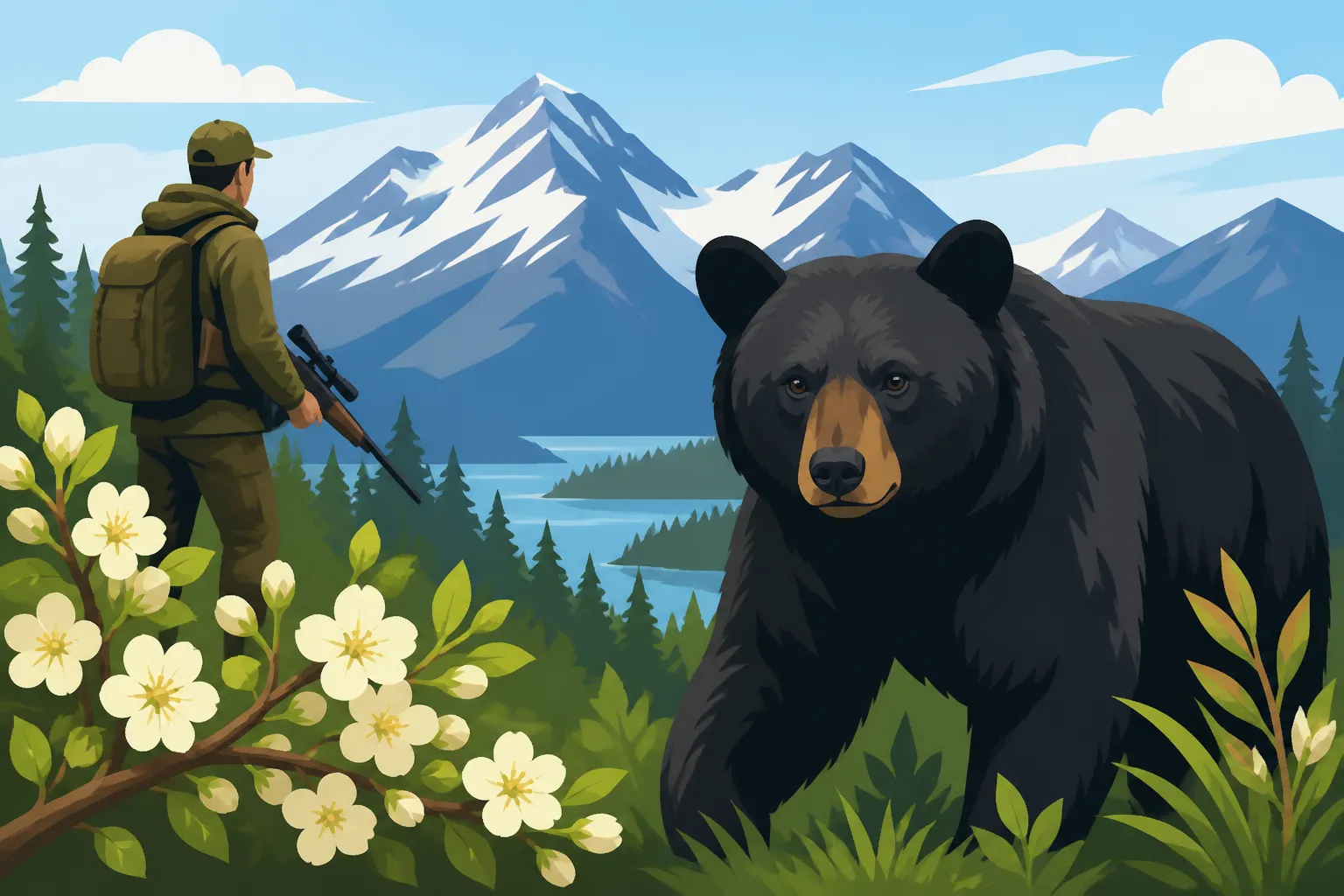
British Columbia is globally renowned for its exceptional black bear hunting opportunities, particularly in the spring. As the snow recedes and the green-up begins, bears emerge from their dens, hungry and often concentrated in accessible areas. This unique season offers a blend of breathtaking scenery, abundant bear populations, and a variety of hunting experiences that are truly second to none.
Abundant Black Bear Populations
British Columbia boasts a robust and healthy black bear population, making it one of the most reliable places to pursue these animals. From the dense coastal rainforests to the vast interior plateaus, bears are widely distributed, offering diverse hunting environments. This abundance means that ethical, sustainable hunting practices are in place, contributing to the health of the population while providing incredible opportunities for hunters. It's not just about numbers; it's about the quality of the bears, with many regions known for producing large, mature boars that are a true challenge to pursue.
The province's varied geography creates diverse habitats that cater to bears' needs throughout the spring. Whether they are feeding on new grasses in avalanche chutes, browsing on berry bushes on logging roads, or scouring coastal estuaries for nutrient-rich seaweed and fish, the opportunities are everywhere. This adaptability of black bears to different ecosystems means that spring hunts can be tailored to various preferences, from rugged mountain excursions to more accessible road-based adventures. Understanding What a Coastal Black Bear Weighs can give you an idea of the impressive size some of these animals reach.
Unique Spring Hunting Opportunities
The spring season offers a distinct advantage: bears are typically focused on feeding after their long winter sleep, making them more predictable and often more visible. As the lower elevations green up first, bears are drawn to these areas to forage on emerging vegetation, offering excellent glassing opportunities. This "green-up" period is often what outfitters target for their prime hunts, and knowing the British Columbia Spring Bear Season Dates is crucial for planning.
The weather during spring can be a mixed bag, from crisp, clear days to wet, drizzly conditions, especially on the coast. However, these conditions often work in the hunter's favor, keeping the bears active and providing good stalking conditions. A spring bear hunt also often coincides with other outdoor activities, allowing for a broader backcountry experience, from fishing to photography, creating a truly memorable adventure beyond just the hunt itself.
Understanding Spring Bear Hunt Package Inclusions
When you start looking at British Columbia spring bear hunt packages, you'll quickly realize that not all packages are created equal. The term "package" can cover a wide range of services, and understanding what's typically included—and what isn't—is vital for setting your expectations and budgeting effectively.
Standard Package Components
Most reputable outfitters will include several core components in their spring bear hunt packages. This typically starts with professional guide services, ensuring you're accompanied by experienced locals who know the territory, bear behavior, and all the regulations. Accommodation is another standard inclusion, which can range from comfortable lodge settings to rustic wall tents or spike camps, depending on the hunt style. Meals are almost always part of the deal, usually hearty and plentiful, designed to fuel your backcountry efforts.
Transportation during the hunt is also a key component, covering travel from a designated meeting point to the hunting grounds, and then moving around the area itself. This could involve 4×4 vehicles, ATVs, jet boats, or even horses, depending on the remoteness and terrain. Finally, initial field care of your harvested bear, including skinning and caping for taxidermy, is usually covered. They’ll also often ensure the meat is handled correctly to prevent spoilage, which is especially important in Keeping Meat Cool in an Early Season.
Common Exclusions and Extra Costs
While packages cover a lot, it's crucial to be aware of what they typically don't include, as these can significantly add to your overall cost. Your hunting license and species tags are almost universally extra, and you'll need to purchase these separately. Travel to and from British Columbia, including flights, vehicle rentals, and any pre- or post-hunt lodging, is also your responsibility. Don't forget about meat processing beyond the initial field care, taxidermy services, and the cost of shipping your meat or trophy home.
Gratuities for your guide and camp staff are customary and expected, and these can be a substantial addition to your budget, so make sure you factor them in. Any personal hunting gear, optics, firearms, and ammunition are also up to you to provide. Lastly, expect to pay for any specialized permits if applicable, or for additional activities you might want to pursue, such as fishing licenses or extra days if you extend your trip. Understanding the full scope of potential costs will help you plan better; for instance, many hunters wonder what a British Columbia bear hunt costs and finding out all the extra fees beforehand is essential.
Different Types of Spring Bear Hunt Packages
British Columbia's vast and varied landscape offers a diverse array of spring bear hunting experiences. Outfitters tailor their packages to specific terrains and hunting styles, providing options that cater to different physical abilities, preferences, and budgets. Knowing these types will help you narrow down what kind of adventure you're looking for.
Road and ATV-Based Hunts
Road and ATV-based hunts are often the most accessible and can be a fantastic option, especially if you're looking for a more comfortable experience or have physical limitations. These hunts typically utilize the extensive network of active and deactivated logging roads that crisscross much of British Columbia's interior and coastal regions. Hunters will often spend their days slowly driving these roads, glassing clearcuts, powerline corridors, and the edges of burns for bears feeding on new growth. When a bear is spotted, the approach is usually a stalk on foot.
These packages often feature lodge or cabin accommodations, offering hot showers and comfortable beds after a day in the field. The focus is on maximizing time glassing and minimizing strenuous hiking. While still requiring stealth and accurate shooting, the physical demands are generally lower than those of a true backcountry hunt. This style is often popular for those new to bear hunting or looking for a more relaxed pace. Many successful hunts take place Glassing Logging Roads for Spring Bears.
Boat-Based Coastal Hunts
For a truly unique and often spectacular experience, boat-based coastal hunts are incredibly popular along British Columbia's extensive coastline, including Vancouver Island and the mainland inlets. These hunts involve navigating coastal waters in a boat, often a sturdy aluminum vessel or Zodiac, to access remote beaches, estuaries, and river mouths where bears frequent. Bears are drawn to these areas in spring to feed on nutrient-rich sedge grasses and kelp at low tide, or to search for early salmon fry.
Hunters will spend their days glassing shorelines from the boat, and once a bear is located, a shore landing is made, followed by a stealthy stalk on foot. Accommodations for these packages can range from comfortable floating lodges or motherships to rustic shore cabins. The physical demands can vary, but often involve walking on uneven, rocky beaches, through dense coastal undergrowth, and sometimes across tidal flats. The scenery is often breathtaking, offering opportunities to see whales, eagles, and other marine wildlife alongside your bear hunt. If you're keen on this, look for packages that specify Hunting Bears on a Coastal Estuary in May.
Backcountry and Fly-In Hunts
For the adventurous and physically fit hunter, backcountry and fly-in hunts offer the ultimate wilderness immersion. These packages target more remote, often untouched areas far from roads, typically accessed by bush plane, helicopter, or extensive horseback travel. The goal is to get into pristine habitat where bears might see less human pressure, and to experience British Columbia's wild heart. Accommodations are usually spike camps, wall tents, or primitive cabins, emphasizing a raw, authentic wilderness experience.
These hunts are physically demanding, involving significant hiking over rugged terrain, potentially steep climbs, and long days in the field. They require a high level of fitness, mental fortitude, and a willingness to embrace the elements. The reward, however, is an unparalleled sense of accomplishment and the chance to hunt in truly wild country. These expeditions offer a deeper connection to nature and a challenging, rewarding pursuit of a trophy bear. For those looking for the full wilderness experience, a fly-in or horseback hunt into the deep interior could be the perfect fit. Planning for such a trip requires careful consideration of What to Bring on a British Columbia Guided Hunt.
Choosing the Right Outfitter and Package for Your Adventure
Selecting the right outfitter and package is arguably the most critical step in planning your British Columbia spring bear hunt. A great outfitter can make your trip a dream come true, while a poor choice can lead to disappointment. With so many options, it's essential to do your homework and choose wisely.
Researching and Vetting Outfitters
Start your research early, often a year or more in advance, as popular outfitters book up quickly. Begin by looking at guide outfitter associations and online platforms dedicated to booking hunting trips. Websites like BookYourHunt often list numerous British Columbia outfitters, detailing their packages, available dates, and sometimes even reviews. Pay close attention to outfitters specializing in spring bear hunts, as their experience in this specific season will be invaluable. Look for clear information on their website about their history, hunting areas, and success rates.
Once you have a shortlist, the real vetting begins. Contact potential outfitters directly with a list of detailed questions. Ask about their specific hunting area (Management Unit), the types of terrain they hunt, and their preferred methods. Inquire about the experience level of their guides, the typical group size, and what their average harvest success rate has been for spring bear over the past few seasons. Don't shy away from asking for references from past clients; a reputable outfitter will gladly provide them. When reviewing references, ask about the overall experience, not just whether they got a bear. Did the guide work hard? Was the camp comfortable? Was communication clear? Resources like GoHunt also often provide detailed reports and outfitter directories that can aid your research.
Matching Package to Your Expectations and Abilities
This is where honest self-assessment comes into play. Consider your physical fitness level. Are you prepared for strenuous mountain hiking, or would you prefer a more vehicle-accessible hunt? Think about your comfort level with different types of accommodations. Are you envisioning a cozy lodge, or are you up for a rustic tent camp in the backcountry? Your budget is another major factor; longer, more remote, or more luxurious hunts typically come with a higher price tag.
Beyond logistics, reflect on what you truly want from this experience. Is it solely about harvesting a large bear, or is the adventure, the scenery, and the challenge of the hunt equally important? Some hunters prioritize a high success rate, while others are drawn to the solitude of a true wilderness expedition, even if it means a lower chance of filling a tag. Discuss these expectations openly with potential outfitters to ensure alignment. A good outfitter will be upfront about what their packages offer and what you can realistically expect. For instance, if you're passionate about Hunting British Columbia's Alpine in September for sheep, your fitness requirements for a spring bear hunt might already be high.
Preparing for Your British Columbia Spring Bear Hunt
Once you've booked your spring bear hunt package, the real fun of preparing begins! This isn't just about packing a bag; it's about physical conditioning, mental readiness, and ensuring you have all the necessary permits and gear for a successful and safe adventure in British Columbia's wilderness.
Physical and Mental Conditioning
A spring bear hunt, regardless of the package type, can be physically demanding. Even road-based hunts can involve unexpected climbs or long drags to retrieve a bear. For boat-based or backcountry hunts, the physical demands are significantly higher, requiring solid cardiovascular fitness, leg strength, and endurance. Start a fitness regimen well in advance. Focus on hiking with a loaded pack, incline walking, and strength training. Simulating the demands of the hunt will pay dividends in the field, making the experience more enjoyable and increasing your chances of success.
Mental preparation is just as crucial. British Columbia's weather can be unpredictable, especially in spring. Be prepared for rain, cold, and even snow. Understand that hunting involves long hours, patience, and sometimes disappointment. A positive attitude and resilience are key. Familiarize yourself with Bear Safety While Hunting in British Columbia, as encounters are always a possibility. Knowing what to do in various situations can greatly reduce stress and allow you to focus on the hunt.
Essential Gear and Paperwork
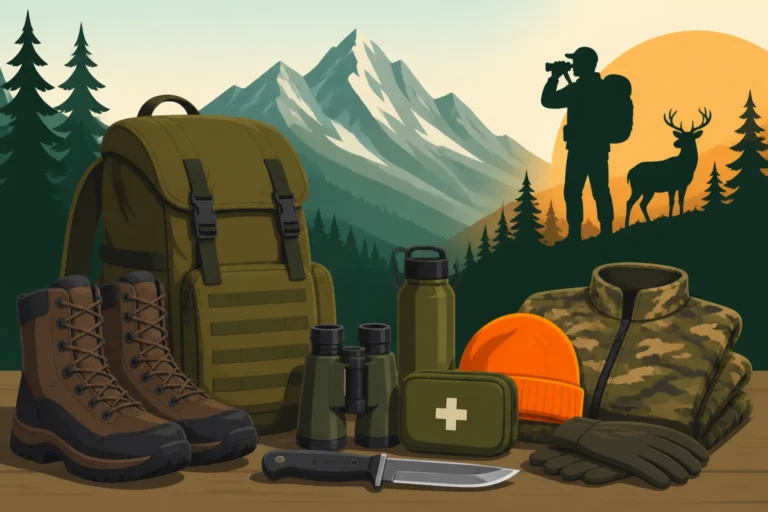
Your gear list will depend largely on the type of hunt package you've chosen, but some essentials are universal. Quality layering clothing is paramount for adapting to changing conditions; think waterproof outer shells, insulating layers, and moisture-wicking base layers. Good quality hunting boots, broken in well before the trip, are non-negotiable for comfort and safety on varied terrain. Optics, including binoculars and a spotting scope, are vital for glassing, especially on long-range bear hunts. A reliable backpack to carry your day's essentials, and potentially meat if you're doing a self-pack out, is also crucial. Don't forget a first-aid kit, navigation tools (GPS, map, compass), and a way to communicate in areas without cell service, such as a satellite messenger.
On the paperwork front, ensure your British Columbia hunting license, species tags for black bear, and any required federal migratory game bird permits (if you plan to combine your trip with bird hunting) are purchased and valid. Non-residents will also need to declare any firearms at the Canadian border. It's also wise to make copies of all important documents and keep them separate from the originals. For meat and hide care, having a good quality knife, game bags, and perhaps a small tarp will be useful, especially for Skinning and Caring for a Bear Hide in the field.
Cost Considerations for British Columbia Spring Bear Hunts
Let's talk about the elephant in the room: cost. A guided spring bear hunt in British Columbia is an investment, and understanding the general shape of these costs can help you budget realistically and avoid sticker shock. While specific prices are constantly changing, we can explore what influences the cost and what you can expect financially.
Factors Influencing Package Price
Several key factors drive the price of a British Columbia spring bear hunt package. The most significant is often the duration of the hunt; a 5-day hunt will generally be less expensive than a 7-day or 10-day expedition. Access method plays a huge role: road or ATV-based hunts tend to be at the lower end of the spectrum due to easier logistics, while boat-based hunts incur vessel costs, and fly-in or horseback hunts involve significant charter fees, pushing prices higher. The remoteness and quality of the hunting area also matter; prime, less-pressured territories might command a premium.
Accommodation and amenities also contribute. A rustic tent camp will naturally be more economical than a comfortable lodge with gourmet meals and private rooms. The number of hunters per guide can also affect the price, with a 1:1 hunter-to-guide ratio typically being more expensive than a 2:1 ratio. Finally, the reputation and experience of the outfitter can influence pricing; highly sought-after outfitters with excellent success rates may have higher prices. It’s always good to ask specifically What a Guide Fee Actually Covers when comparing options.
Budgeting for the Entire Trip
Beyond the package price itself, it's crucial to budget for the entire trip, accounting for those often-overlooked expenses that can quickly add up. As mentioned earlier, your hunting license and species tags are separate costs. Travel expenses, including flights, vehicle rentals, and fuel to and from British Columbia, can be substantial, especially for international travelers. Don't forget pre- and post-hunt lodging if you need to stay in a city like Vancouver or Prince George before heading to your meeting point.
Tipping your guide and camp staff is a significant part of the overall cost and should be factored in from the outset; a common guideline for Tipping a British Columbia Guide is often a percentage of the hunt cost, paid in cash. There are also costs associated with trophy care beyond field dressing, such as taxidermy and the often-considerable expense of shipping your cape, skull, and meat home. Lastly, allocate funds for personal gear upgrades, emergency funds, and any souvenirs or unexpected expenses that might arise during your adventure. Planning for these ancillary costs will ensure a stress-free experience.
| Package Type | Typical Duration | Access Method | Physical Demand | Accommodation Type | General Cost Shape |
|---|---|---|---|---|---|
| Road/ATV-Based | 3-6 Days | 4×4, ATV | Low to Moderate | Lodge, Cabin, Camp | Lower-Mid Range |
| Boat-Based Coastal | 5-8 Days | Boat (Zodiac, Vessel) | Moderate | Lodge, Mothership | Mid to Upper Range |
| Backcountry/Fly-In | 7-10+ Days | Bush Plane, Horseback | High | Spike Camp, Wall Tent | Upper Range |
Disclaimer
This article is for general informational purposes only and does not constitute professional advice. Laws, prices and regulations vary by location and change over time. Consult a qualified professional for guidance on your specific situation.