How Elevation Moves British Columbia Game
One of the biggest head-scratchers for any hunter in British Columbia, especially if you're new to the varied landscapes, is figuring out where the animals actually are. You scout a beautiful basin in August, full of sign, only to return in October and find it utterly devoid of life. Or you spend days still-hunting thick timber in the valley bottom without a whisper, while a friend spots elk up high. It's frustrating, feeling like you're always a step behind. This guide is all about peeling back the layers of that mystery, showing you how elevation profoundly dictates the movements of British Columbia game animals throughout the year, and how understanding these shifts can put you in the right place at the right time.
Understanding Elevation Zones in British Columbia
British Columbia is a province of dramatic vertical relief, from sea level up to towering peaks well over 10,000 feet. This isn't just pretty scenery; it's a series of distinct ecological zones, each with its own climate, vegetation, and wildlife patterns. Understanding these zones is the first step in decoding how game animals utilize them.
The Valley Bottoms and River Flats
These are the lowest elevation points, often characterized by major river systems, extensive wetlands, agricultural fields, and broad U-shaped valleys carved by ancient glaciers. Think of the Fraser Valley, the Kootenay River bottoms, or the Skeena River benches. In the early spring, these areas are often the first to green up, offering crucial forage when the higher elevations are still buried under snow. They serve as critical winter range for many species, providing relatively milder temperatures, thermal cover, and accessible food sources. You'll find a mix of species here, from white-tailed deer in the agricultural fringes to moose in the willow-choked river courses, and even elk utilizing brushy hillsides adjacent to farmlands. These areas can hold game year-round, but their importance often peaks in late fall and winter as animals descend from higher ground.
During the late season, when snow piles deep up high, these valley bottoms become magnets. Deer and elk, especially, will congregate in south-facing aspects that shed snow faster, seeking out residual browse or even agricultural leftovers. Hunters often find success cruising the edges of these zones when the upper country becomes impassable. However, these accessible areas also tend to see the most hunting pressure, so animals quickly learn to become nocturnal or seek refuge in private timber or deeper cover.
Mid-Elevation Forests and Benchlands
As you move up from the valley bottoms, you enter the vast mid-elevation forests. These zones, typically ranging from a few hundred feet above the valley floor to around 4,000-5,000 feet, are the workhorses of British Columbia's game habitat. They encompass a diverse mosaic of timber types—dense conifer stands, mixed forests with aspen and birch, and old burns regenerating with succulent browse. Here, game animals find a balance of security cover, consistent forage, and relatively stable temperatures.
These benchlands and plateaus are often riddled with old logging roads and cutblocks, which, for many hunters, define their access strategy. Mule deer frequently use these areas in the shoulder seasons, moving between summer ranges and wintering grounds. Black bears are also prevalent, especially where berry bushes thrive in regenerating cutblocks or along old roadbeds. Hunting a Recent Cutblock in Its Third Year can be incredibly productive. These areas offer excellent opportunities for still-hunting or spot-and-stalk as animals utilize the varied terrain, often moving between thick timber for bedding and sunnier clearings for feeding. You might find elk trails crisscrossing these areas, leading from a bedding knoll down to a spring seep or an open slide path.
The Subalpine and Alpine Regions
Finally, we ascend into the truly wild country: the subalpine and alpine. The subalpine is the transitional zone, typically marked by stunted, wind-battered trees like subalpine fir and Engelmann spruce, interspersed with open meadows, willow thickets, and avalanche chutes. Above this, the alpine is the realm of rock, ice, and sparse tundra vegetation, where only the hardiest plants and animals survive. Think of the vast open bowls and craggy peaks that define much of British Columbia's high country.
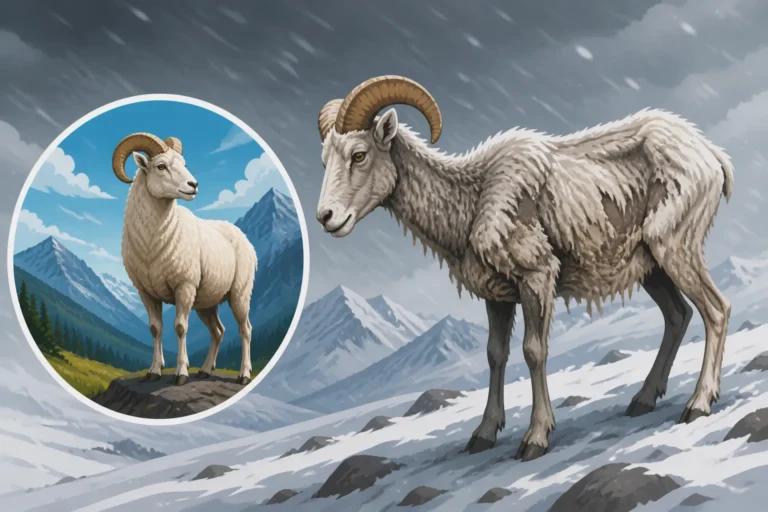
This is prime summer habitat for many of our iconic big game species. Mountain goats and sheep call the rocky alpine home year-round, relying on their incredible climbing abilities and specialized diets. Mule deer, moose, and elk migrate to these elevations once the snow melts, seeking refuge from insects, cooler temperatures, and a bounty of nutrient-rich forage that greens up later than in the valleys. Hunting British Columbia's Alpine in Early September can be an unforgettable experience, with animals often found feeding in the open meadows at first light or bedding on sheltered benches. These higher elevations are generally less accessible, requiring more effort to reach, which often translates to lower hunting pressure and older, larger animals. However, the weather here can be fickle, changing from warm sunshine to driving snow in a matter of hours, a critical factor for hunters to consider.
Seasonal Movements Driven by Elevation
The calendar is a powerful orchestrator of animal movements, but it's elevation that provides the stage. Understanding these seasonal shifts is paramount to consistent hunting success in British Columbia.
Spring Green-Up and Ascent
As the grip of winter loosens and the sun begins to warm the south-facing slopes, the green-up begins. This isn't a uniform event across the landscape; it starts in the valley bottoms and slowly creeps uphill, following the melting snow line. For many herbivores, especially deer and elk, this emerging green forage is a lifeline after a long, lean winter. They will follow this green wave upwards, eating the most nutritious new growth as it becomes available.
In April and May, you'll see black bears emerging from their dens and making their way to the first green shoots in avalanche paths and open hillsides, often at mid-elevations. For bears, these early greens act as a laxative, clearing their systems after hibernation. Deer and elk also begin their slow ascent. You might find them lingering in south-facing pockets just above the main valley floor in May and June, feeding heavily to regain lost weight and support new antler growth or gestation. Moose, too, will start to spread out from their wintering areas, often favouring willow flats and riparian zones as the snow recedes. This gradual upward migration is driven purely by nutrition and the desire to escape the warming temperatures and insect pressure of the lower elevations.
Summer High-Country Living
By mid-summer, much of British Columbia's big game has settled into their high-elevation summer ranges. This is when the subalpine and alpine truly come alive. Mule deer bucks, often in bachelor groups, seek out the cooler air and rich forage of alpine meadows. Elk herds spread out across open basins and timbered ridges, enjoying the abundant grasses and forbs. Even moose, known for their preference for water, will move higher into subalpine lakeshores and willow thickets, taking advantage of the cooler temperatures and less disturbed habitat.
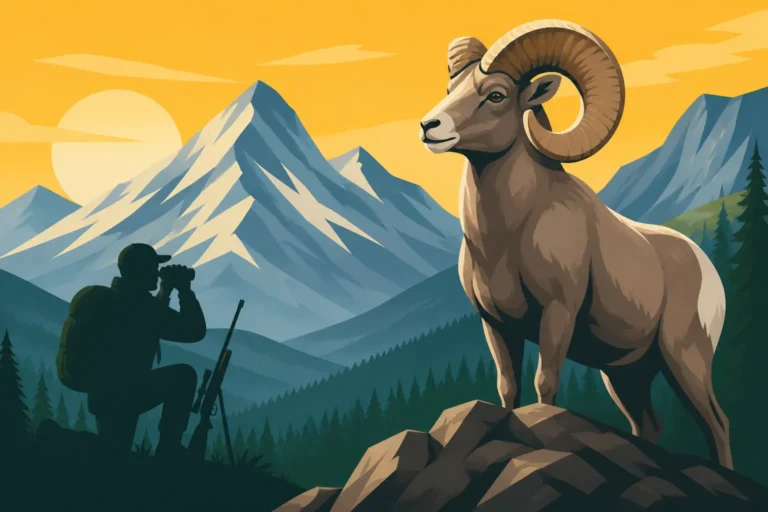
The benefits of the high country in summer are manifold. Cooler temperatures help animals conserve energy and avoid overheating, especially crucial for large-bodied species like elk and moose. The forage quality up high is often superior, providing a nutrient boost critical for antler development and fat reserves before winter. Furthermore, the expansive, open terrain offers a measure of security from predators, as animals can spot danger from a distance. For hunters, this translates to knowing that if you're looking for mature bulls or bucks in July and August, you need to be Backpacking Into British Columbia Sheep Country or other high-elevation areas, glassing vast slopes and basins, often far from roads. This is also a fantastic time for scouting, as animals are relatively visible and less skittish.
Fall Migration and Descent
As summer wanes and the first frosts paint the alpine slopes, a critical shift begins. The forage in the high country starts to lose its nutritional value, and the increasing likelihood of early snowstorms signals the impending descent. This is the period most vital to hunters: the fall migration. The timing of this migration is highly variable, depending on the species, the specific region, and, crucially, the weather.
Typically, in September, game animals will still be found high, especially early in the month. This is prime time for Bowhunting British Columbia's September Seasons, as bowhunters often capitalize on animals still in their summer patterns. However, even a light dusting of snow or a sustained cold snap can trigger a downward movement. Mule deer and elk will begin to stage at mid-elevations, often in dense timber or on sheltered benches, waiting for more snow to push them further down to traditional winter ranges. Moose, too, will move, often concentrating in specific areas for the rut before continuing their descent. This is where British Columbia's diverse terrain truly comes into play; animals might move laterally across a ridge before dropping into a sheltered valley, or make a swift, dramatic descent. Hunters need to pay close attention to weather forecasts and snow levels, as these will be the primary drivers for when animals vacate the high country. Hunting Above Timberline in Cold Weather can be incredibly productive if you catch the animals starting their first push down, but it demands toughness.
Winter Concentration and Survival
When deep snow blankets the high and mid-elevations, British Columbia's game animals are forced into their winter ranges, which are almost exclusively in the lower valley bottoms and south-facing slopes. Survival becomes the overriding instinct. Snow depth is the most critical factor here; even a few feet of powder can make foraging impossible and mobility extremely difficult, leaving animals vulnerable to predators and starvation.
Winter ranges are typically characterized by accessible forage (often browse like willow, dogwood, or even evergreen needles), thermal cover (dense conifer stands that intercept snow and block wind), and escape routes. Deer, elk, and moose will concentrate in these relatively small areas, and this concentration makes them highly vulnerable to stress and disease. For hunters with late-season tags, knowing these wintering grounds is crucial, but it's also a time when ethical considerations about disturbing stressed animals become paramount. It's not uncommon to see hundreds of deer or elk congregated in a single valley bottom or on a particular bench when the snow is deep, all attempting to conserve energy and find what little food is available. Hunting Moose Off a British Columbia Forest Road can be a tactic, but ethical hunting practices require careful consideration of animal stress during this vulnerable time.
Factors Influencing Elevation Movement Beyond Season
While the seasons provide the overarching framework, many other dynamic elements can cause British Columbia game to shift elevations, sometimes rapidly and unexpectedly. A savvy hunter understands these nuanced influences.
Weather and Snowpack
Perhaps no factor has a more immediate and dramatic impact on game movement than weather, particularly snowpack. A sudden, heavy snowfall in the mountains can push animals down from their high-elevation summer ranges in a matter of days, sometimes even hours. I've seen a September alpine hunt transform from mild, sunny glassing conditions into a full-blown blizzard overnight, emptying basins of game as they flee the accumulating snow.
Conversely, a warm, mild winter with minimal snow in the valley bottoms might see animals linger at higher elevations longer than usual, or even winter over in areas that typically wouldn't sustain them. Persistent cold temperatures without much snow might encourage animals to stay higher if food is still accessible, but seeking thermal cover in dense timber, often at mid-elevations, becomes critical. Rain, especially the prolonged coastal rains, can also influence movement, pushing deer into thicker cover or out onto open feed where the wet forage is more palatable. Hunters who consistently monitor detailed weather forecasts, including snow accumulation predictions for specific elevations, gain a significant advantage in anticipating game movements.
Forage Availability and Quality
Animals are driven by their stomachs. The availability and nutritional quality of forage play a huge role in where they choose to be at any given elevation. As mentioned, the spring green-up pulls them up, following the most nutritious new growth. In the heat of summer, high-elevation forage can be more succulent and digestible than dried-out valley bottom vegetation.
However, as fall progresses, many high-elevation plants begin to senesce (die back) and lose their nutritional value. At this point, animals might start to drop to mid-elevations where browse species like willow, aspen, or regenerating conifers in cutblocks still offer viable food sources. Drought conditions can also alter this significantly; a dry summer might mean poor forage quality up high, causing an earlier descent, or forcing animals to seek out more reliable water sources at lower elevations. Understanding the plant communities at different elevations and their seasonal changes is like reading a biological map of where game will be feeding. What Mule Deer Eat in the Dry Interior is a perfect example of how specific forage affects distribution.
Hunting Pressure and Escape Cover
Let's be real, British Columbia's most accessible hunting areas, especially near population centres or along major road systems, see a lot of human activity. Game animals are not dumb; they quickly learn to associate human presence, vehicles, and gunshots with danger. This hunting pressure is a significant driver of elevation movement.
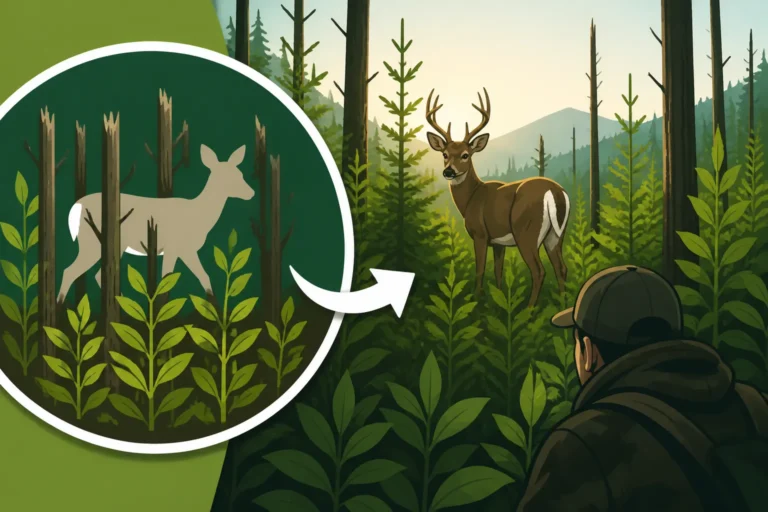
When the general open seasons begin and hunters fan out across the landscape, animals that were once visible in open areas will often seek out denser, higher, or more remote cover. They might move into steep, rugged terrain that hunters are less willing to tackle, or drop into deep timber at mid-elevations where visibility is limited. It's a classic cat-and-mouse game. Often, animals will move higher to escape immediate pressure, only to be pushed down to winter range by snow later in the season. Conversely, heavy pressure on high-country basins might push animals down prematurely, creating opportunities for hunters positioned lower down. Knowing where the pressure points are, and looking for areas that offer good escape cover above or below those points, can be a highly effective strategy.
Predator Dynamics
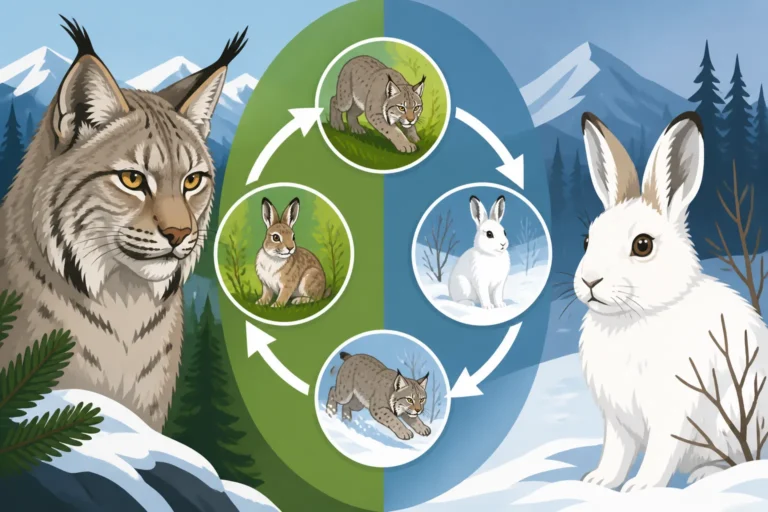
While often overlooked by human hunters, predators like wolves, cougars, and even grizzly bears play a constant role in shaping where game animals choose to live and move. A strong wolf pack active in a particular valley bottom might encourage elk or moose to spend more time at higher, steeper elevations where they can better detect and evade predators, or where the terrain offers a defensive advantage.
Conversely, a grizzly bear focused on a salmon stream in the fall might clear out a lower river bottom of deer for a period. Animals will constantly assess risk versus reward, balancing the need for good forage with the imperative for safety. This can mean subtle shifts in elevation, or even more dramatic ones if a predator becomes particularly persistent in an area. For instance, a deer might prefer to feed on a lower, open hillside with rich grasses, but if a cougar has been sighted there repeatedly, it might choose the relative safety of a denser, slightly higher timber patch, even if the forage isn't quite as good.
Hunting Strategies for Elevation-Dependent Game
Now that we've dug into why animals move with elevation, let's talk about how to use this knowledge to fill your tag. It's about more than just showing up; it's about anticipating.
Scouting Smart Across Elevations
Effective scouting in British Columbia means looking at the whole mountain, not just one section. You need to identify potential travel corridors, key feeding areas at different elevations, and bedding cover. Start by studying maps – topographical maps are your best friend here. Look for natural funnels, saddles, benches, and south-facing slopes. These are often the first to melt out in spring and provide critical winter range.
Digital tools have revolutionized this. Applications like GoHunt provide incredibly detailed topographical maps, satellite imagery, and even layers showing land ownership and logging road networks. You can virtually scout an entire management unit, identifying high-country basins, mid-elevation cutblocks, and valley-bottom pinch points from your couch. This allows you to plan routes that cover multiple elevation zones, so you're not caught flat-footed if the weather pushes game up or down unexpectedly. Focus on connecting the dots: where do animals feed high in summer, and what's the most logical, safest path for them to get to their wintering grounds when the snow flies? Scouting a British Columbia Management Unit Online is an invaluable starting point.
Timing Your Hunt with Elevation Shifts
This is where the rubber meets the road. Knowing when to hunt high and when to hunt low is crucial.
- Early Season (September/Early October): If you're chasing mule deer, elk, or even black bears early in the rifle season, your focus should often be on the mid to high elevations. Animals are likely still in their summer patterns, enjoying the abundant forage and cooler temperatures of the subalpine and alpine. This is the time for physically demanding hunts, glassing large areas, and being prepared for rapid weather changes. Focus on areas just below the treeline, high meadows, and avalanche chutes. Hunting British Columbia's September Archery Opener demands this high-country mindset.
- Mid-Season (Mid-October/November): This is the transition zone. As temperatures drop and snow becomes a real possibility in the high country, animals will start their descent. They'll often stage in mid-elevation benchlands, timbered ridges, and cutblocks, especially those with good cover. This can be an incredibly productive time to intercept animals moving between ranges. Pay attention to fresh snow lines. If it snows a foot up high, but only an inch at mid-elevation, that's where the game will be.
- Late Season (Late November/December): With deep snow typically covering the mid and high elevations, animals are usually pushed down to their traditional winter ranges in the valley bottoms, lower benches, and south-facing slopes. This is when road hunting, still-hunting thick timber, or focusing on agricultural fringes can be effective. However, these areas often have significant pressure, so targeting private land (with permission) or accessing remote lower valleys that are still difficult to reach can pay off.
Accessing Different Elevation Zones
British Columbia offers a range of access methods, and the elevation you're targeting often dictates the best approach.
- Vehicle Access: Logging roads and forest service roads (FSRs) crisscross vast portions of British Columbia's mid-elevation zones. These allow hunters to cover significant ground and access areas that would otherwise be foot-slogging nightmares. However, many FSRs are deactivated, gated, or seasonal, so checking road conditions and access restrictions is vital. Finding Open Forest Roads in British Columbia is a constant challenge. Always consider vehicle limitations and potential washouts, especially on steeper grades. For serious elevation gain, you'll often park and hike the rest of the way.
- Horseback Hunting: For truly remote mid- to high-elevation country, horses are game-changers. They allow hunters to carry heavy loads, cover vast distances efficiently, and access areas far beyond what a truck can reach or a backpacker can reasonably manage. This is a common method for reaching sheep and goat country, or for extended hunts for elk and moose in the subalpine. Horseback Hunting British Columbia's Backcountry opens up a whole new world.
- Foot Travel (Backpacking/Day Hunting): The most common and often most effective method. For alpine and subalpine hunts, backpacking is essential for multi-day trips. Even for day hunts, prepare for significant elevation gain and loss. Good physical conditioning is paramount. When hunting mid-elevations, parking the truck and walking often gets you away from road hunters and into areas where animals feel safer. You'll be climbing, descending, and traversing, so comfortable, supportive boots are non-negotiable.
Ethical Considerations
Understanding elevation and animal movements also comes with an ethical responsibility. During harsh winter conditions, when animals are concentrated on winter ranges and struggling for survival, hunting can place additional stress on already vulnerable populations. While legal, a truly ethical hunter considers the overall health of the herd. Avoid needlessly chasing animals through deep snow, and respect private land boundaries, which often provide critical refuge for wintering game. It's about being a responsible steward of the resource, ensuring that these incredible animals continue to thrive across all of British Columbia's diverse elevations.
British Columbia Game Elevation Movements at a Glance
To summarize the intricate dance between species, seasons, and elevation, here's a quick overview of typical patterns for some popular British Columbia game. Remember, these are general guidelines, and local conditions, weather, and pressure can always cause variations.
| Species | Spring (April-June) | Summer (July-August) | Fall (Sept-Oct) | Winter (Nov-March) | Key Elevation Use |
|---|---|---|---|---|---|
| Mule Deer | Ascending mid-elevations, following green-up | High alpine meadows, subalpine timber | Descending to mid-elevations, staging | Lower valleys, south-facing slopes, timber | Migratory: uses all zones seasonally |
| Black-Tailed Deer | Mid-elevations, regenerating cutblocks | Mid-elevations, dense second growth | Mid-to-low elevations, coastal fringes | Low elevations, sheltered coastal forests | Less dramatic vertical movement than Mule Deer |
| Moose | Mid-elevations, riparian areas, wetlands | Subalpine lakeshores, willow flats, cool timber | Mid-elevations, rutting areas, wetlands | Lower valley bottoms, thick willow/dogwood | Uses mid-to-high summer, low winter |
| Elk (Rocky Mtn) | Ascending mid-elevations, open slopes | High alpine basins, open timber, meadows | Descending mid-elevations, timber, draws | Lower valley bottoms, south-facing slopes | Migratory: uses all zones seasonally |
| Elk (Roosevelt) | Mid-elevation clearings, old growth fringes | Mid-elevation deep timber, wet bottomlands | Mid-elevation valleys, dense old growth | Low elevation river bottoms, coastal forests | Less pronounced vertical migration, more horizontal |
| Mountain Goat | High alpine cliffs, rock slides | High alpine cliffs, steep bowls | High alpine, sheltered benches | High alpine, steep south-facing rock faces | Year-round alpine dwellers, minimal vertical movement |
| Bighorn Sheep | High alpine slopes, grassy ridges | High alpine slopes, grassy ridges | High alpine, often descending slightly | High alpine, wind-blown ridges, south-facing | Year-round alpine dwellers, specific preferred terrain |
| Black Bear | Mid-elevations, avalanche chutes, south-facing | Mid-to-high elevations, berry patches | Mid-to-low elevations, salmon streams, berry | Denning in varied elevations | Versatile: follows food sources across elevations |
Understanding how elevation moves British Columbia game is truly the cornerstone of consistently successful hunting in this province. It's not just about finding an animal; it's about understanding its world, anticipating its next move, and being there when it happens. By observing weather patterns, studying the landscape, and respecting the animals' natural rhythms, you'll find yourself much more attuned to the wild pulse of British Columbia.
Disclaimer
This article is for general informational purposes only and does not constitute professional advice. Laws, prices and regulations vary by location and change over time. Consult a qualified professional for guidance on your specific situation.