Why the Sheep Tag Costs the Most
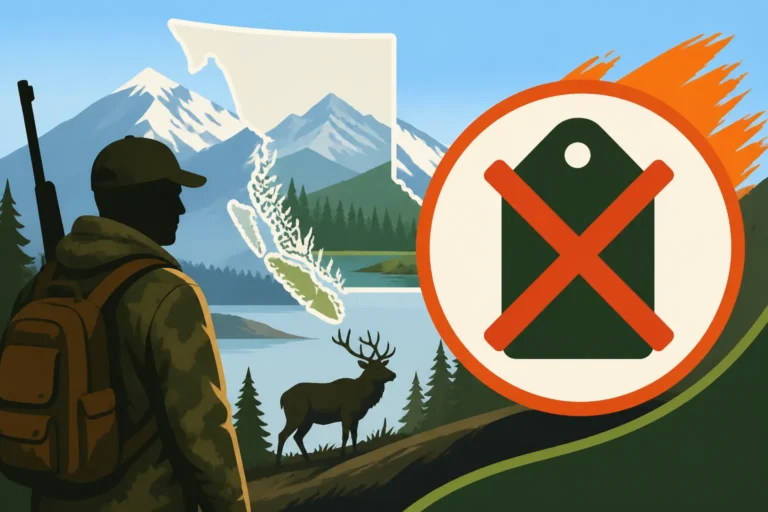
It's a question that echoes in every hunter's mind when they first glimpse the price tag: why does a sheep tag in British Columbia cost so much more than almost any other big game animal? For many, the sticker shock can be enough to make them re-evaluate their hunting dreams, but there's a deep, complex, and often overlooked set of reasons behind that hefty price. This isn't just about a simple piece of paper; it's about scarcity, conservation, logistical realities, and the sheer dedication required for one of the most coveted hunts in the world.
The Elusive Nature of British Columbia's Wild Sheep
Hunting wild sheep in British Columbia is often considered the pinnacle of North American big game hunting, and for good reason. These animals inhabit some of the most unforgiving and breathtaking landscapes on earth, and their populations are inherently limited, leading to a hunt that is both challenging and incredibly exclusive.
Scarce Populations and Conservation Priorities
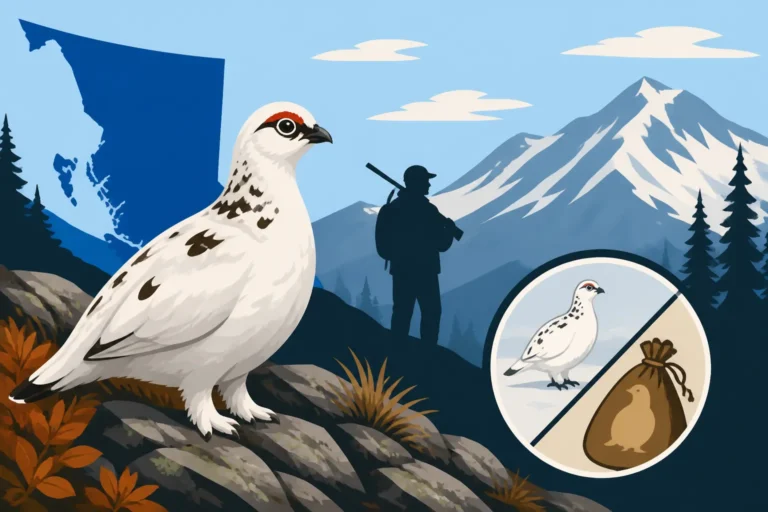
British Columbia is home to several distinct wild sheep species: Rocky Mountain Bighorn Sheep, California Bighorn Sheep, Stone's Sheep, and even a small, isolated population of Dall's Sheep in the far northwest. Unlike more prolific species such as deer or even black bears, wild sheep populations are relatively small and localized. They thrive in specific, high-alpine environments, often above timberline, making their habitat sensitive to changes and disturbances.
Conservation efforts are paramount for these iconic animals. Their limited numbers mean that every hunt must be carefully managed to ensure sustainable populations for the future. The provincial government invests heavily in monitoring herd health, habitat protection, and anti-poaching initiatives. A significant portion of the revenue generated from these high-priced tags is directly funneled back into these critical programs. It’s a direct investment by hunters into the future of the species they so deeply admire. Without these funds, the management required to maintain healthy, huntable sheep populations simply wouldn't be possible. This commitment to long-term sustainability naturally drives up the cost, reflecting the immense value placed on these unique ecosystems.
The Limited Entry Hunting System
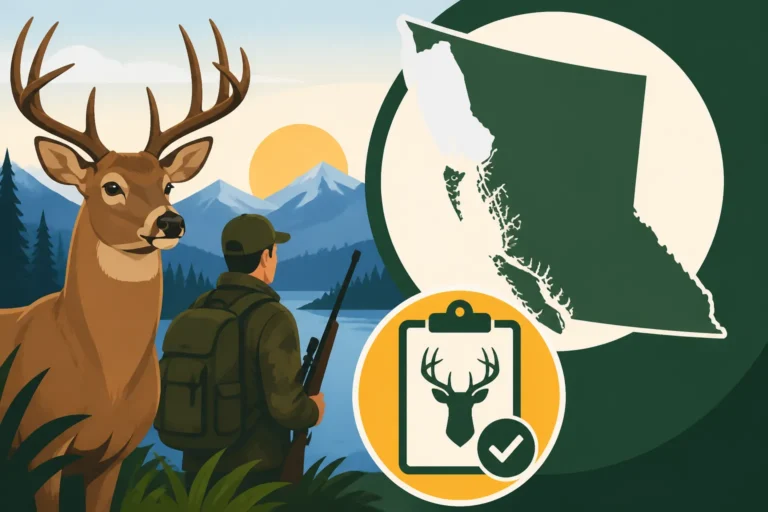
For resident hunters in British Columbia, obtaining a sheep tag is primarily through the Limited Entry Hunting (LEH) draw system. This system is designed to allocate a finite number of tags for specific species in particular management units (MUs) to prevent overharvesting and maintain healthy populations. The odds of drawing a sheep tag can be incredibly slim, often less than 1% in some highly sought-after areas. Hunters often apply for decades, accumulating points, hoping that one day their number will be called. This exclusivity, the lottery aspect, inherently increases the perceived value and, by extension, the price.
This isn't just a simple purchase; it's a dream many hunters chase for a lifetime. When you consider How British Columbia's LEH System Works, you begin to understand that these tags are not readily available to everyone who wants one. The system ensures that only a few lucky individuals each year get the chance to pursue these magnificent animals, preventing undue pressure on sensitive herds. This scarcity means that when a non-resident does get a tag, the demand—and therefore the price—is already incredibly high. Even for residents, while the direct tag fee is lower, the opportunity cost of years of applications and waiting is immense.
The Guiding Mandate: Why Non-Residents Pay More
For non-resident hunters (both from other Canadian provinces and internationally), the cost skyrockets further due to a fundamental rule in British Columbia hunting regulations: non-residents must hunt with a licensed guide outfitter or under a Permit to Accompany a resident.
Mandatory Professional Guiding
This regulation is a crucial piece of the puzzle when discussing why British Columbia sheep tags cost so much. It's not just about buying the species tag itself; it's about the entire hunting experience being facilitated by a professional. The purpose of this rule is multifaceted: it helps manage non-resident hunting pressure, ensures ethical hunting practices by experienced professionals, and supports the local guide outfitting industry, which in turn contributes significantly to the province's economy and conservation efforts.
A licensed guide outfitter provides not just knowledge of the terrain and game, but also all the logistical support, safety measures, and legal compliance required for a hunt in remote areas. This is particularly true for high-stakes hunts like sheep, which often take place in extremely challenging environments. When you look into Rules for Non-Residents Hunting British Columbia, you'll quickly see that the guide requirement is non-negotiable for most non-resident big game species, and especially for sheep. This foundational rule fundamentally changes the cost structure for anyone coming from outside the province.
The Outfitter's Investment in a Sheep Hunt
Operating a guide outfitting business, especially one that specializes in sheep hunts, requires an enormous investment. Outfitters hold vast territories, often covering thousands of square miles of rugged mountains. Their costs include:
- Aircraft: Bush planes or helicopters are often essential for accessing remote sheep country, scouting, and packing out game. These are incredibly expensive to own, operate, and maintain.
- Horses and Tack: Many sheep hunts are horseback supported, requiring a string of well-trained animals, their feed, and specialized equipment. Keeping horses in prime condition for mountain hunting is a year-round commitment.
- Camps and Equipment: Setting up and maintaining backcountry camps, including wall tents, cooking gear, satellite communication, and emergency supplies, is a significant overhead.
- Experienced Staff: Good sheep guides are hard to find and command high wages. They need to be exceptional mountaineers, trackers, and survivalists, capable of leading clients safely through treacherous terrain.
- Concession Fees and Insurance: Outfitters pay substantial fees to the province for their guide territory certificates and carry extensive insurance.
- Pre-Season Scouting: Guides spend weeks, often months, before the season even opens, scouting new areas, monitoring sheep movements, and preparing their camps.
When you start adding up these operational costs, the price tag for a guided sheep hunt, which can range from $40,000 to over $100,000 USD, begins to make more sense. This is why when people refer to the "sheep tag costing the most," they are invariably including the guide outfitter fee, which for non-residents, is a mandatory component of the hunt. Resources like GoHunt can provide insights into reputable outfitters and what their packages typically include, helping hunters navigate this significant investment.
Beyond the Tag: The Realities of a Sheep Hunt's True Cost
Even if you manage to secure a tag, the inherent nature of sheep hunting itself means the costs don't stop there. This isn't a hunt you do in a weekend with minimal gear; it's an expedition that demands meticulous preparation and significant financial outlay.
Extreme Terrain and Logistical Challenges
British Columbia's wild sheep live in some of the most remote and vertical landscapes imaginable. Whether you're chasing Stone's Sheep in the vast expanse of the northern Rockies or California Bighorns in the arid mountains of the Fraser Canyon, the terrain is physically demanding and logistically challenging. Access often means flying into a remote lake, embarking on a multi-day horseback trek, or undertaking an arduous backpack hunt over several mountain passes.
The sheer effort required to reach sheep habitat translates directly into costs. Fuel for remote flights, specialized transportation, and the sheer number of days spent in the field all add up. Unlike a deer hunt on logging roads, a sheep hunt is a full-scale expedition. Guides and hunters alike often carry heavy packs, navigate treacherous rock slides, and scale dizzying peaks. Understanding Why Goat Hunting Is the Hardest Pack Out gives you a sense of the physical and logistical demands inherent in these mountain hunts, which are often shared with sheep hunting. Every extra day in the field, every specialized piece of equipment needed for safety and success in such an environment, contributes to the overall expense.
Specialized Gear and Extended Backcountry Stays
Successful sheep hunting demands the best gear available. This isn't a place for shortcuts on quality. Hunters and guides need:
- High-End Optics: Spotting scopes, binoculars, and rangefinders are crucial for locating sheep from miles away in vast, open country. Brands like Swarovski, Zeiss, or Kowa are standard.
- Lightweight, Durable Backpacking Gear: Tents, sleeping bags, cooking systems, and clothing must be ultralight yet capable of withstanding extreme alpine conditions, from searing sun to sudden blizzards.
- Specialized Footwear: Mountain hunting boots need to provide exceptional support, grip, and durability for navigating steep, rocky terrain.
- Advanced Navigation and Communication: Satellite phones or messengers are non-negotiable for safety in areas with no cell service.
A typical guided sheep hunt might last 10-14 days, often with multiple spikes into even more remote areas. This means carrying enough food, fuel, and supplies for an extended stay, all while maintaining a minimal pack weight. The cost of acquiring this top-tier equipment, combined with the duration of the hunt, adds significantly to the overall investment. For many, simply getting physically prepared for Backpacking Into British Columbia Sheep Country is a year-round commitment, let alone the gear acquisition.
Breaking Down the Numbers: What Your Investment Supports
So, while the "tag" itself might not be the astronomical figure, the reality of what it unlocks, especially for non-residents, certainly is. Let's consider the breakdown.
Understanding the Species Tag Fee
For a resident of British Columbia, the species tag for a wild sheep (Bighorn or Stone's) is a relatively modest fee, typically around $80-$100 CAD as of recent regulations. This fee, along with a base hunting licence and Habitat Conservation Trust Foundation surcharge, goes directly to the provincial government and is earmarked for wildlife management and habitat conservation. This is in stark contrast to other tags; for instance, a resident black bear tag might be around $20, or a deer tag slightly higher. The higher species tag fee for sheep reflects its unique conservation status and the intense management required.
For non-residents, the species tag fee is significantly higher, often in the range of $1500-$2000 CAD, depending on the specific sheep species. This increased fee for non-residents is common across many jurisdictions, reflecting the value placed on the resource and the need for additional funding from those who are not contributing to the local tax base. However, this is just the government fee for the tag. It does not include the mandatory guide outfitter costs.
| Item | BC Resident (approx. CAD) | Non-Resident (approx. CAD) | Notes |
|---|---|---|---|
| Basic Hunting Licence | $35-$50 | $75-$100 | Required for all hunters. |
| Habitat Conservation Surcharge | $5-$10 | $5-$10 | Contributes to wildlife and habitat conservation. |
| Sheep Species Tag | $80-$100 | $1,500-$2,000 | This is the direct cost of the tag itself, before any guide outfitter fees. |
| Guide Outfitter Fee | N/A | $40,000-$100,000+ | Mandatory for non-residents. This is the primary driver of the "most expensive" perception. Includes services, logistics, camp, etc. Exact cost varies by outfitter, duration, and species (e.g., Stone's vs Bighorn). |
| Total Basic Cost | ~$120-$160 | ~$41,600-$102,110+ | This table highlights the massive difference due to the mandatory guide requirement for non-residents. |
This table clearly illustrates that while the actual government "tag" fee for a resident is manageable, the non-resident tag is substantially higher, and it's the addition of the mandatory guide outfitter fee that truly makes British Columbia sheep hunting the most expensive. This system ensures that opportunities are available to residents, while non-residents contribute significantly more to the provincial economy and conservation efforts through guiding services.
Funding Future Generations of British Columbia Sheep
Every dollar spent on these expensive tags, whether it's the direct government fee or the fees paid to outfitters, contributes to a larger ecological and economic picture. The high cost ensures that British Columbia can maintain its world-class wildlife management programs. These funds support:
- Population Surveys: Essential for understanding herd numbers, age structures, and health.
- Habitat Restoration: Projects to improve and expand crucial sheep habitat.
- Predator Management: Balanced approaches to ensure stable prey populations.
- Research: Scientific studies to better understand sheep biology and dynamics.
When considering a hunt for British Columbia's Wild Sheep and Where They Live, you're not just buying a chance at a trophy; you're investing in the very future of these animals. The outfitting industry itself also provides employment in remote areas and drives tourism dollars into the province. The Guide Outfitters Association of British Columbia plays a vital role in advocating for sustainable hunting and ensuring professional standards, further cementing the value of this investment. Even with the daunting price tag, many hunters view a successful sheep hunt not just as a personal achievement, but as a profound contribution to conservation and the wild heritage of British Columbia. This commitment to conservation is echoed in everything from British Columbia Hunting Licences and Fees to the smallest details of game management, ensuring that this incredible hunting opportunity persists for generations to come.
Disclaimer
Hunting involves inherent risks, and regulations can change frequently. Always consult the most current British Columbia Hunting and Trapping Synopsis, official government websites, and licensed professionals before planning any hunting trip. This guide is for informational purposes only and should not be considered legal advice.