Fitness for a British Columbia Sheep Hunt
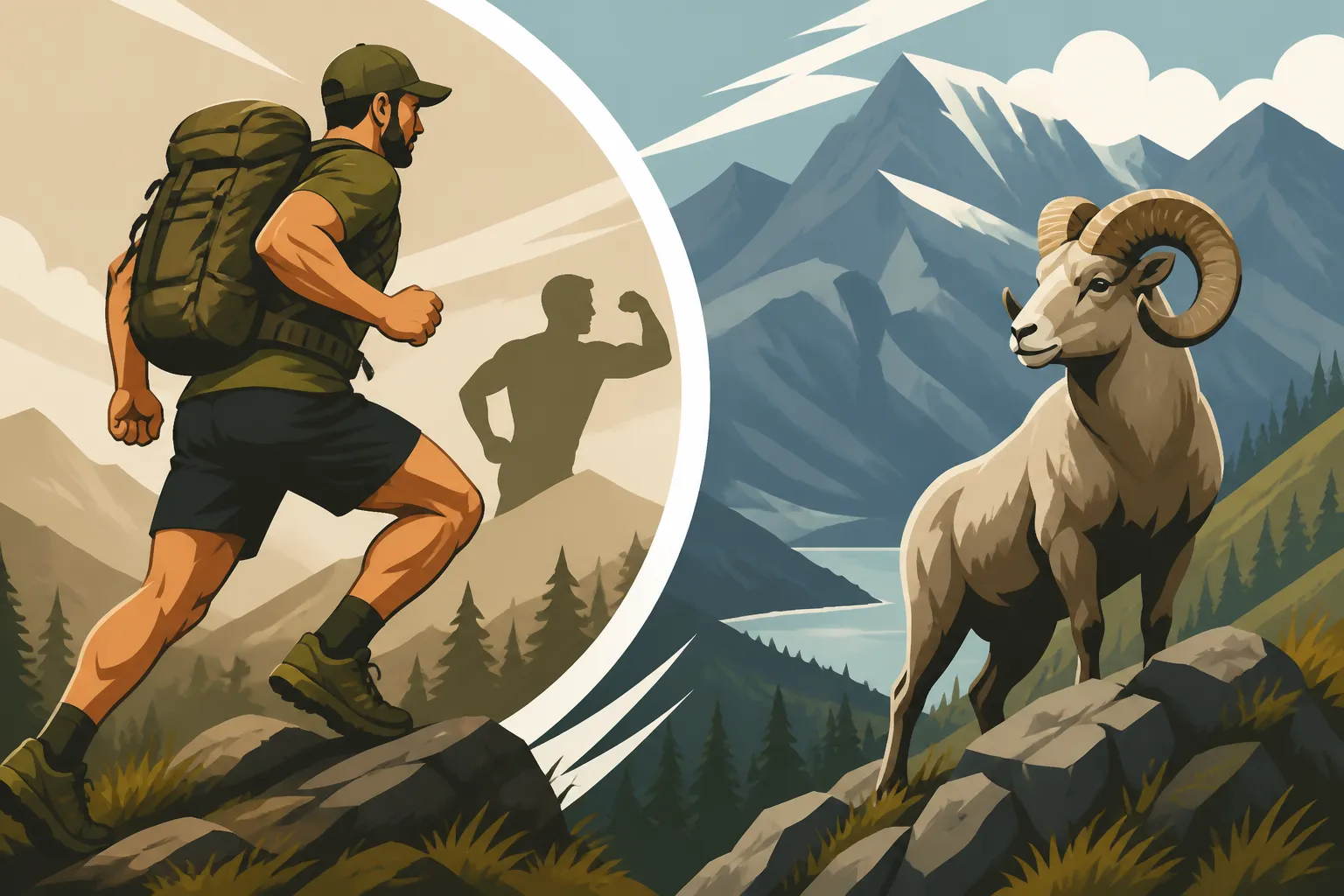
The majestic allure of British Columbia's wild sheep, whether it's the iconic Stone's sheep or the elusive bighorn, calls to many hunters, but the reality of pursuing these animals in their rugged alpine domain can be a brutal shock if you're not adequately prepared. Climbing thousands of feet in elevation, often with a heavy pack on your back, navigating treacherous terrain, and enduring unpredictable mountain weather isn't just a physical challenge; it's a mental crucible. This guide aims to help you understand the immense physical demands of a BC sheep hunt and lay out a realistic approach to get your body and mind ready for the adventure of a lifetime.
Why British Columbia Sheep Hunts Demand Peak Fitness
When you envision a sheep hunt, you're likely picturing vast, dramatic landscapes, and that vision is absolutely correct. What often gets overlooked, however, is the sheer verticality and unforgiving nature of these environments. British Columbia's sheep habitat, particularly for species like the Stone's sheep, is typically found in the high alpine, far above timberline, where the air is thin and the slopes are relentlessly steep. This isn't a leisurely stroll through rolling hills; it's a full-on mountaineering endeavor that demands a unique blend of strength, endurance, and resilience.
The Relentless Ascent and Descent
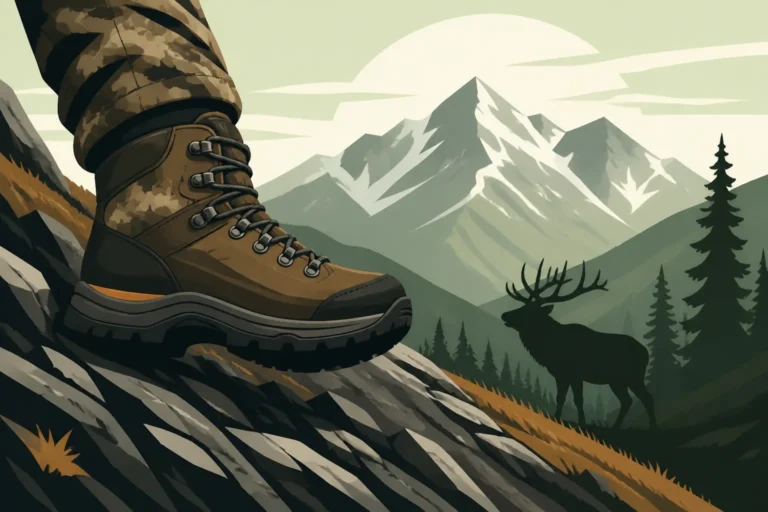
The primary physical challenge of any British Columbia sheep hunt is the vertical gain and loss. You will spend days, sometimes weeks, constantly climbing and descending steep, uneven terrain. This isn't just about walking uphill; it often involves scrambling over loose rock slides, navigating scree fields, and picking your way through boulder-strewn slopes. Every step requires balance, core strength, and stability, especially when you're carrying a pack loaded with essentials for a multi-day backcountry excursion. The constant pounding on your joints during descents can be just as demanding, if not more so, than the climb itself, making strong legs and knees absolutely crucial.
Think about a typical day: you might wake before dawn, hike miles uphill to a glassing point, spend hours scanning distant peaks, and then, upon spotting a ram, embark on an arduous stalk that could involve another thousand feet of elevation change in a short amount of time. Then, if successful, you're facing the monumental task of Packing Meat With a Frame Pack back down the mountain, often in fading light or worsening weather. The cumulative fatigue from days of this grind can quickly break even a seasoned hunter if they haven't put in the dedicated training.
High Altitude and Unpredictable Weather
Many of British Columbia's prime sheep hunting grounds are situated at elevations where the air is noticeably thinner. While not as extreme as some of the highest peaks in the world, hunting consistently at 6,000 to 8,000 feet (and sometimes higher) will test your cardiovascular system. Reduced oxygen levels mean your body has to work harder for every breath, and activities that feel easy at sea level become significantly more taxing. This isn't something you can "tough out" on the mountain; consistent cardiovascular training is essential to help your body adapt and perform efficiently at elevation.
Beyond altitude, the weather in the alpine can turn on a dime. A sunny morning can give way to a whiteout blizzard, driving rain, or freezing temperatures within hours. Hunting Above Timberline in Cold Weather means dealing with exposure, and your body's ability to generate and conserve heat while still exerting itself is paramount. This isn't just about dressing right; it's about having the physical reserves to continue functioning when conditions are less than ideal. Imagine trying to make a careful stalk, or quarter an animal, when your hands are numb, your muscles are shivering, and visibility is minimal. Your physical fitness plays a direct role in your safety and success in these harsh environments.
Key Physical Demands and How to Train for Them
Getting ready for a British Columbia sheep hunt isn't about being a bodybuilder or an Olympic marathoner; it's about developing functional strength and endurance specifically tailored to the unique challenges of mountain hunting. It's a holistic approach that focuses on cardiovascular fitness, muscular strength, joint stability, and overall body resilience. Researching potential hunting units through platforms like GoHunt can often give you an idea of the typical elevation profiles, helping you focus your training on similar demands.
Cardiovascular Endurance: The Engine of Your Hunt
Your heart and lungs are your most critical assets on a sheep hunt. The ability to climb sustained grades for hours on end, recover quickly, and then go again is non-negotiable. Without a strong cardiovascular base, every uphill step will feel like a monumental effort, draining your energy and mental resolve.
- Long, Sustained Efforts: Forget quick sprints. Focus on activities that mimic the prolonged, steady effort of hiking uphill. Incorporate weekly long hikes (2-4 hours initially, building up to 6-8 hours) with a weighted pack on uneven terrain. Find the steepest hills you can. If you don't have mountains nearby, use a stair climber, incline treadmill, or even a stadium stairwell. Aim for your heart rate to be in your aerobic zone, where you can still carry on a conversation, but with effort. This builds your aerobic base, teaching your body to use oxygen efficiently.
- High-Intensity Interval Training (HIIT): While sustained efforts build your base, HIIT helps improve your body's ability to recover quickly from bursts of intense activity, like a steep final push on a stalk or packing out a heavy load. Incorporate short intervals of maximum effort followed by brief recovery periods. This could be sprinting up a steep hill for 60 seconds, then walking down, repeating 5-10 times. Or 30 seconds of burpees followed by 30 seconds rest. HIIT trains your anaerobic system, which is crucial for those moments when you need to dig deep.
- Backpacking with Weight: This is perhaps the most specific training you can do. Start with a light pack (20-30 pounds) and gradually increase the weight (up to 50-70 pounds, or what you anticipate carrying on the hunt) as your fitness improves. This simulates the actual load you'll be carrying, allowing your body to adapt to the pressure on your shoulders, hips, and knees. Make sure your backpack fits well; issues with fit will be magnified on the mountain. Consider practicing Backpacking Into British Columbia Sheep Country in your local hills, even for an overnight trip, to get a real feel for the experience.
Muscular Strength and Joint Stability: Built for the Mountain
While cardio gets you there, strength keeps you going, especially when navigating tricky terrain or shouldering heavy loads. Focus on functional movements that engage multiple muscle groups, particularly your core, legs, and back. These are the muscles that will bear the brunt of the work.
- Leg Strength: Your legs are your primary movers. Squats (bodyweight, goblet, front, back), lunges (forward, reverse, lateral), step-ups onto a high box, and calf raises are all essential. These exercises build strength in your quadriceps, hamstrings, glutes, and calves, which are vital for climbing, descending, and maintaining stability. Don't neglect single-leg exercises, as mountain travel is rarely symmetrical.
- Core Strength: A strong core is the foundation of all movement and stability. It helps you maintain balance on uneven ground, protects your back from strain when carrying a pack, and allows for efficient transfer of power. Incorporate planks, side planks, Russian twists, leg raises, and bird-dog exercises. Focus on control and proper form, rather than speed or simply going through the motions.
- Back and Shoulder Strength: Carrying a heavy pack for days demands a strong back and resilient shoulders. Pull-ups, rows (dumbbell, barbell, cable), overhead presses, and deadlifts are excellent for building the musculature needed to comfortably bear weight. Again, prioritize proper form to prevent injury. Many hunters find platforms like BookYourHunt helpful for finding outfitters, and many outfitters emphasize the physical demands, giving you a better understanding of the load you'll need to carry.
- Joint Prehab: Focus on exercises that strengthen the small stabilizing muscles around your knees, ankles, and hips. Balance exercises, single-leg deadlifts, and resistance band work for hip abductors and adductors can significantly reduce the risk of sprains and strains on unforgiving terrain. Strong, stable joints will allow you to navigate Hunting Mountain Goat on British Columbia Rock or traverse steep scree with greater confidence.
Table: Key Fitness Components for a BC Sheep Hunt
| Fitness Component | Why It's Crucial | Example Exercises | Training Frequency (General) |
|---|---|---|---|
| Cardiovascular Endurance | Sustained climbing, high altitude, quick recovery. | Long hikes (weighted pack), stair climber, incline treadmill, trail running, HIIT (sprints/burpees). | 3-4 times/week |
| Leg Strength | Climbing steep grades, descending, stability on uneven ground. | Squats, lunges, step-ups, box jumps, calf raises, single-leg exercises. | 2-3 times/week |
| Core Strength | Balance, pack stability, back protection, efficient movement. | Planks, side planks, Russian twists, leg raises, bird-dog. | 3-5 times/week |
| Back & Shoulder Strength | Carrying heavy packs, maintaining posture, managing rifle weight. | Pull-ups, rows, deadlifts, overhead presses, farmer's carries. | 2-3 times/week |
| Joint Stability & Flexibility | Preventing injury on uneven terrain, full range of motion. | Balance drills, resistance band work for hips/ankles, stretching, yoga, foam rolling. | Daily (flexibility), 2-3 times/week (stability) |
Developing a Training Plan
A successful training plan for a British Columbia sheep hunt isn't a last-minute sprint; it's a marathon that should start months, ideally 6-12 months, before your hunt date. This allows for gradual progression, injury prevention, and time to adapt to new demands. Start where you are, not where you think you should be.
Phased Approach to Training
Your training should be structured in phases, gradually increasing intensity and specificity.
- Base Building (Months 1-3): Focus on establishing a solid cardiovascular foundation and general full-body strength. This means consistent moderate-intensity cardio, and introducing fundamental strength exercises. Don't worry about heavy weights or extreme distances yet. This is about building habits and resilience. Think about getting comfortable with longer hikes on varying terrain, even if it's just local parks or trails.
- Specific Preparation (Months 4-8): This is where you ramp up the intensity and start mimicking hunt conditions more closely. Increase pack weight and duration of your hikes. Incorporate more steep climbs and descents. Increase the difficulty of your strength training, focusing on compound movements. Begin to add longer, more challenging hikes on weekends, potentially even exploring different areas to simulate the diverse terrain you might encounter when Scouting a British Columbia Management Unit.
- Peak Conditioning (Months 9-11): Your training should now be highly specific. Your longest and heaviest pack hikes should be scheduled here, pushing your limits. Ensure you're comfortable carrying your fully loaded hunting pack, rifle, and all necessary gear for multiple hours. This is also a good time to test your Boots for Steep British Columbia Country and other crucial gear.
- Taper (Last 2-4 Weeks): Reduce the volume and intensity of your training significantly. This allows your body to recover, repair, and be fresh for the hunt. Maintain some light activity, but avoid anything strenuous that could lead to injury or excessive fatigue. The goal is to arrive at your hunt feeling strong and rested, not burnt out.
Nutrition, Hydration, and Recovery: The Unsung Heroes
Training is only half the battle. What you put into your body, and how you allow it to recover, are just as crucial for sustained performance and injury prevention.
- Fuel Your Body: Eat a balanced diet rich in lean protein for muscle repair, complex carbohydrates for sustained energy, and healthy fats for overall health. Avoid processed foods and excessive sugar. During your training, experiment with what foods and snacks work best for you on long hikes, mimicking what you'll eat on the hunt. This is also a good time to test out your What to Wear for British Columbia's Coastal Rain or other gear, ensuring it performs as expected when your body is under stress.
- Stay Hydrated: Proper hydration is critical for muscle function, energy levels, and preventing cramps. Drink plenty of water throughout the day, not just during workouts. On longer training sessions, practice using electrolyte mixes to replenish essential minerals lost through sweat, just as you would on the hunt.
- Prioritize Recovery: Muscle soreness and fatigue are inevitable, but smart recovery can prevent injury and allow you to train consistently. Incorporate stretching, foam rolling, and adequate sleep into your routine. Listen to your body; if something feels off, take an extra rest day or modify your workout. Pushing through pain often leads to injuries that can derail your entire preparation. Don't underestimate the mental strain of recovery, especially when you're itching to get out there and push harder.
Mental Fortitude and Preparation
While physical fitness is paramount, the mental game on a British Columbia sheep hunt can be just as, if not more, challenging. The sheer grind, the solitude, the adverse weather, and the inevitable setbacks can wear down even the most physically prepared hunter. Building mental resilience is a crucial, often overlooked, aspect of preparation.
Embracing Discomfort and Setbacks
Sheep hunting is inherently uncomfortable. You'll be cold, wet, tired, hungry, and sometimes utterly discouraged. Your ability to push through these moments, to maintain a positive attitude when the weather turns nasty or a ram vanishes, will define your success and enjoyment of the hunt.
- Practice in Adverse Conditions: Don't always train on sunny, pleasant days. Go for those long hikes when it's raining, when it's chilly, or when you're tired after a long day at work. This teaches your body and mind to keep going when conditions are less than ideal. Learn to be efficient and safe in these conditions. This is where testing gear like your raingear or layered clothing really pays off.
- Simulate Mental Challenges: On your long training hikes, intentionally push yourself a bit further than you think you can go. Or try navigating a difficult section of trail when you're fatigued. These small victories build confidence in your ability to endure. Visualize hunt scenarios: imagine climbing for hours only to find no sheep, and then visualize how you'd react positively and continue the search. Researching the habits of British Columbia's Wild Sheep and Where They Live can also help you mentally prepare for the effort required to get to them.
- Manage Expectations: Understand that sheep hunting is often difficult and success is never guaranteed. This isn't a canned hunt. Mentally preparing for the possibility of going home empty-handed, yet having given it your all and enjoyed the experience, is part of the journey. This realistic approach will help you avoid crushing disappointment and appreciate the privilege of being in such incredible wild places.
Safety, Self-Reliance, and Patience
Beyond the physical and mental grind, successful sheep hunting requires a high degree of self-reliance and patience. You'll often be far from help, and careful planning and a calm demeanor are critical.
- Develop Self-Reliance Skills: Learn basic first aid, how to navigate with a map and compass (and GPS as a backup), and how to set up an effective camp in varied weather. Understand Bear Safety While Hunting in British Columbia and carry appropriate deterrents. Knowing you can handle emergencies and navigate effectively builds confidence and reduces anxiety, freeing up mental energy for the hunt itself. Familiarize yourself with using a Satellite Communication on a Remote Hunt device; it's your lifeline when cell service is non-existent.
- Embrace Patience: Sheep hunting is largely a game of patience. Long hours spent glassing, slow stalks, and waiting for the right shot opportunity are the norm. Cultivate this patience in your daily life and training. Don't rush your workouts; focus on proper form. Don't get discouraged if your progress is slow; consistency is key. This patience will translate directly to your success on the mountain. When you're Glassing an Alpine Basin for Rams, you might spend an entire day watching one ridge, only to move on and find a ram on the next. That level of patience is cultivated.
- Practice with Your Gear: Become intimately familiar with your rifle or bow. Practice shooting from various field positions, especially those you might encounter on steep, uneven ground. Know your optics inside and out. Being comfortable and proficient with your tools reduces stress and increases your focus on the hunt itself. This includes getting your Boots for Steep British Columbia Country broken in and ensuring your What to Wear for British Columbia's Coastal Rain is tested and reliable.
Getting fit for a British Columbia sheep hunt is a monumental task, but it’s one that will not only improve your chances of success but also profoundly enhance your entire experience. It's about respecting the animal, the mountains, and yourself enough to show up prepared. The payoff, whether it's a magnificent ram or simply the incredible views and sense of accomplishment, will be worth every single painful step of training.
Disclaimer
This article is for general informational purposes only and does not constitute professional advice. Laws, prices and regulations vary by location and change over time. Consult a qualified professional for guidance on your specific situation.