Spring Bear Hunting British Columbia’s Logging Roads
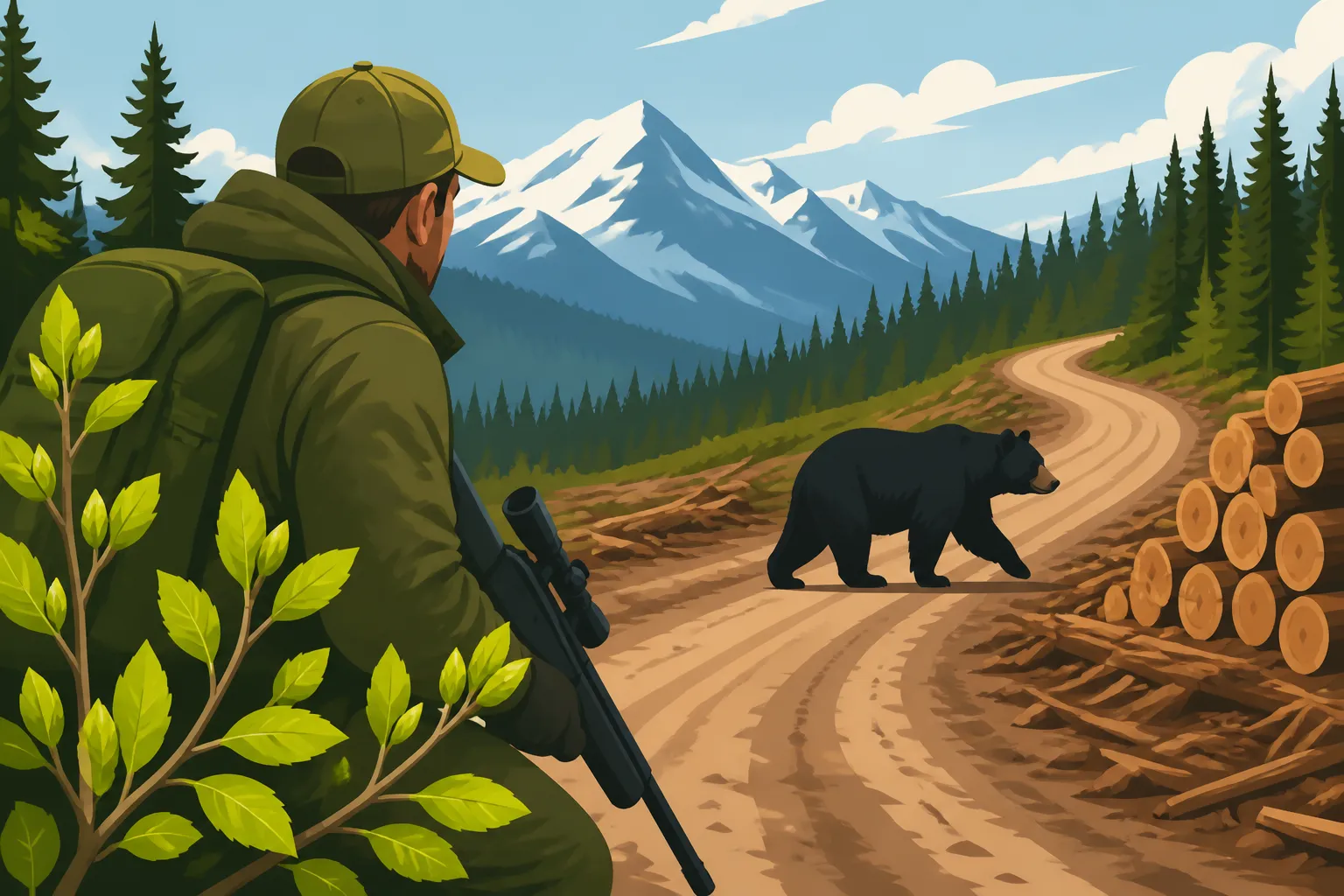
For many hunters in British Columbia, the spring bear season is a highly anticipated time, offering the first real opportunity to get out after a long winter. However, simply driving the vast network of logging roads hoping to stumble upon a bear can be a frustrating and unproductive exercise, leaving you feeling like you're just burning fuel. This guide will walk you through effective strategies for targeting spring bears specifically along British Columbia’s logging roads, transforming your drives into focused, productive hunts.
Understanding Spring Bear Behavior Around Logging Roads
Black bears emerging from hibernation in the spring are driven by a few critical needs: food, warmth, and security. Their behaviour during this period is highly predictable, and understanding these patterns is key to finding them along the extensive logging road systems that crisscross British Columbia. It's not just about where the roads are, but what the roads reveal about the habitat and the bears using it.
The Lure of Green-Up Along Road Edges
When bears first come out of their dens, often high up on protected slopes, their digestive systems are just waking up. They're seeking easily digestible, nutrient-rich forage to kickstart their metabolism. Early spring green-up is exactly what they crave. Logging roads, especially those on south-facing slopes, are often the first places to shed snow and experience this vital flush of new growth.
These sun-drenched road edges and clearings become veritable buffets of emerging grasses, sedges, and forbs. Think about it: a road cut often exposes mineral-rich soil, and the open canopy allows sunlight to penetrate, warming the ground faster than the dense forest. This creates a microclimate where vegetation sprouts weeks ahead of the deeper woods. Bears will often move down from their higher elevation dens, following the receding snow line, directly to these accessible green zones. You'll frequently spot them grazing contentedly along the shoulder, almost like cows in a pasture, often oblivious to the world until you're right on top of them. Understanding the nuances of Timing a British Columbia Spring Bear Hunt means paying close attention to these early feed sources.
Seeking Warmth and Sunlight
Beyond food, warmth is another powerful draw for newly awakened bears. After months in a den, their body temperatures need to regulate, and the sun is their best friend. Logging roads, particularly those that receive ample direct sunlight, become prime sunning spots. Bears will often lay out on the bare gravel or asphalt, soaking up the heat, especially on cooler spring mornings or after a rain shower.
This is why south-facing slopes are goldmines. Not only do they green up faster, but they also capture and retain more solar radiation. Look for areas where the road itself is exposed to the sun for extended periods, perhaps a wide-open stretch or a large cutblock with plenty of south-facing exposure. I've personally seen bears literally stretched out, fast asleep, in the middle of a sun-drenched logging road, completely content in their warmth. Their dark fur absorbs the sun effectively, helping them thermoregulate after a long, cold winter.
Proximity to Denning Areas and Water Sources
While bears will travel for food and warmth, they often don't venture too far from reliable denning areas or accessible water sources, especially early in the season. Many dens are located on steep, secluded slopes, often with good drainage. Logging roads that traverse these types of areas or cut through adjacent drainages can put you right in their travel corridors.
Look for roads that run along the bottom of steep slopes or parallel to creek beds. These are natural pathways for bears moving between their den sites, feeding areas, and water. A bear might travel a few hundred yards from a steep, brushy slope down to a sunny road edge for a meal, then quickly retreat back into the security of denser cover. This also means you need to be constantly aware of your surroundings, not just ahead of you on the road, but also on the hillsides above and below. Often, a bear might be just within the tree line, watching the road, waiting for a chance to emerge when it feels safe.
Scouting British Columbia's Logging Road Networks
Effective spring bear hunting along logging roads isn't about blind luck; it's about strategic scouting and observation. The vastness of British Columbia's forest service road network can be overwhelming, but with a systematic approach, you can narrow down productive areas and significantly increase your chances of success. It's truly a puzzle, and the more pieces you put together, the clearer the picture becomes.
Pre-Season Map and Satellite Reconnaissance
Before you even turn the key in your truck, significant scouting can be done from the comfort of your home. Start by familiarizing yourself with British Columbia's Management Units and Regions. Online mapping tools, including the provincial government's own resources and commercial platforms like GoHunt, are invaluable. Look for areas with:
- South-facing slopes: Use topographic maps or satellite imagery to identify slopes with southern exposure. These will be your primary targets for early green-up and warmth.
- Recent cutblocks (clear-cuts): Areas logged in the last 1-5 years are often excellent. The disturbance stimulates new growth, creating abundant forage.
GoHuntmapping layers can often show timber harvest data or you can look for the distinct patterns of clear-cuts on satellite view. Look for a mix of open areas and regenerating forest, providing both food and cover. - Logging road density: While you don't want to hunt roads that are too active with industrial traffic, a network of well-established, older logging roads provides multiple access points and edges.
- Proximity to known denning habitat: This is harder to pinpoint without local knowledge, but often means steep, rocky, or heavily treed areas adjacent to potential feeding zones.
Mark potential hotspots on your map. This initial phase helps you prioritize which roads to focus on when you're actually out in the field. Don't just pick one or two; identify several backup routes. Many of these roads are outlined clearly when you are Scouting a British Columbia Management Unit Online.
In-Season Road Cruising and Bear Sign
Once the season opens (check your specific British Columbia Spring Bear Season Dates), it's time to hit the roads. This isn't just about driving; it's about intelligent road cruising. Drive slowly, with your windows down, constantly scanning both sides of the road, the clear-cuts, and the forest edges. Your eyes should be like a radar, sweeping back and forth, not just fixed straight ahead.
Look for fresh bear sign:
- Tracks: Muddy sections of road, old puddles, or soft shoulders will often reveal fresh paw prints. Pay attention to size and direction of travel.
- Scat: Bear droppings are a clear indicator of recent activity. In spring, scat will often be soft and green, filled with grass and other herbaceous material.
- Rub trees: Bears love to rub against trees, especially conifers, to mark their territory and shed winter fur. Look for patches of matted hair and bark damage on saplings or larger trees along the road.
- Diggings: Bears will dig for roots and grubs. Freshly disturbed earth along road banks or in clearings can be a good sign.
- Turned-over rocks/logs: They often flip these over searching for insects.
A crucial part of this is knowing Finding Open Forest Roads in British Columbia, as many can be gated or deactivated. If you find fresh sign but no bear, slow down and really pick apart the surrounding habitat. A bear that just crossed the road might still be close by, just inside the timber.
Utilizing Glassing Opportunities
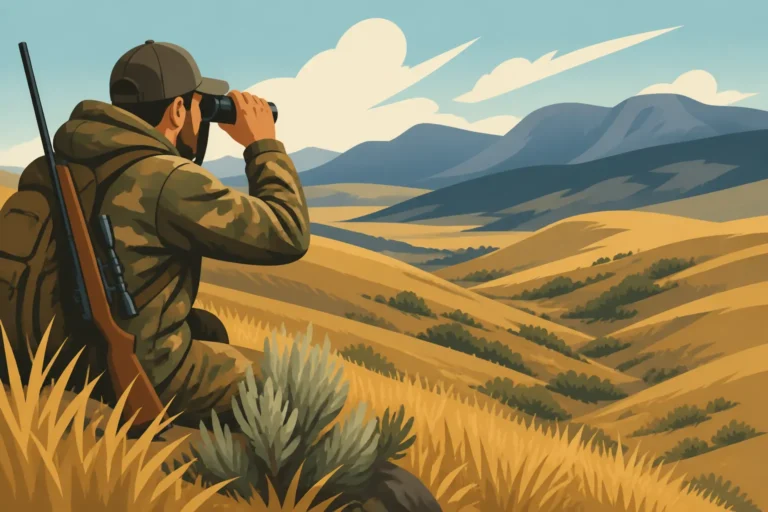
Logging roads often provide fantastic elevated vantage points. Instead of just driving, pull over at strategic spots, shut off your engine, and spend 15-30 minutes quietly glassing the clear-cuts, draw bottoms, and opposite hillsides with good binoculars or a spotting scope. This is especially effective in the early morning and late evening, when bears are most active.
Focus on:
- Open slopes: Any area with new green growth, especially south-facing.
- Draws and creek beds: Natural travel corridors.
- Shady edges: Bears might retreat to the shade on warm days.
- The edge where the cutblock meets the standing timber: This transition zone provides food and immediate cover, making it a natural hangout for bears.
Patience is key here. A bear can appear as if from nowhere. Take your time, break the landscape into grids, and methodically scan. I can’t tell you how many times I’ve been road hunting, stopped for a break, pulled out the binos, and then spotted a bear a kilometer away that I would have driven right past. For more insights on this technique, check out Glassing Logging Roads for Spring Bears.
| Road Type | Description | Bear Sign/Hunting Approach |
|---|---|---|
| Active Mainline | Well-maintained, gravel, often used by industrial traffic. | Less likely to see bears directly on the road due to traffic, but check feeder roads and adjacent cutblocks. Best for access to other areas. |
| Deactivated/Older | Overgrown, less maintained, potentially gated. Vehicle access might require ATV/foot. | Often excellent. Less human disturbance. Look for thick green-up along edges. Good for spot-and-stalk if access is limited. |
| Steep/Switchback | Roads climbing hillsides, offering multiple levels and views. | Provides good glassing points. Bears use these for movement up/down slopes. Check benches and flat areas within the switchbacks. |
| Valley Bottom Roads | Often follow rivers/creeks. Can be flat, dense, or open depending on logging history. | Bears often follow these water sources. Look for openings and sunny clearings. Can be good for still-hunting early in the morning. |
| High Elevation Roads | Closer to subalpine. Only accessible later in spring as snow melts. | Bears follow the snowline up. Later in spring, these can be very productive as higher elevation green-up begins. Patience with snow is key. |
Effective Hunting Techniques on Logging Roads
Hunting British Columbia's logging roads isn't just about driving around. It involves a mix of active techniques tailored to the terrain and bear behavior. The goal is to maximize your chances of encountering a bear and then executing a successful stalk.
The Spot-and-Stalk Method
This is by far the most effective and rewarding method for hunting spring bears on logging roads. It relies heavily on good glassing and a disciplined approach. Once you've spotted a bear, the real hunt begins.
- Stop and Observe: As soon as you spot a bear, pull over safely, out of sight if possible, and assess the situation. How far away is it? What's its body language? Is it feeding, bedding, or moving? Is it a sow with cubs (which are illegal to hunt in BC and must be correctly identified before any shot is considered)? Utilize your binoculars or spotting scope to confirm it's a legal, solitary boar. This critical step aligns with the need for proper identification, as discussed in Judging a Boar From a Sow With Cubs.
- Plan Your Stalk: Map out your approach. Identify terrain features that offer cover (ridges, dense timber, depressions) and consider the wind direction. Bears have an incredible sense of smell, so staying downwind is paramount. Sometimes, a long, circuitous route is necessary to achieve this. If the wind isn't right, or the terrain offers no cover, you might have to wait for the bear to move or consider a different approach.
- Execute the Stalk: Move slowly and quietly. Every step should be deliberate. Use natural contours of the land, thick brush, and timber to conceal your movement. Avoid breaking the skyline. Constantly re-evaluate the bear's position and your approach. If the bear is feeding, it might be preoccupied, giving you more time. If it's alert, you need to be even more cautious.
- Final Approach and Shot: Once you're within your effective shooting range, find a stable shooting position. Take your time, calm your breathing, and wait for a clear, ethical shot opportunity. Aim for the vitals (heart/lungs). Remember, the bear may be moving, so anticipate its movements.
Spot-and-stalk requires patience, physical fitness, and a good understanding of wind and terrain. It's often exhilarating and deeply satisfying when executed correctly.
Still-Hunting the Edges
Still-hunting involves moving very slowly and deliberately through the forest, stopping frequently to observe and listen. While not strictly "on" the logging road, it's an excellent technique for working the edges of clear-cuts and the transition zones where bears often feed and travel.
Park your vehicle and start walking into the timber adjacent to a promising road section or cutblock. Take five quiet steps, then pause for five minutes, scanning everything. Use your ears to pick up subtle sounds: a rustle in the leaves, a distant twig snap. Bears can be incredibly quiet.
Focus your attention on:
- Thick brush: Bears often bed down in dense cover just off the road.
- Transition zones: The interface between new growth in a clear-cut and older timber.
- Small openings or draws: Pockets of green-up deeper in the woods.
Still-hunting is about awareness and stealth. It's a fantastic way to surprise a bear that might be just beyond the visual range of the road. It also forces you to slow down and truly immerse yourself in the environment, picking up on details you'd miss from a vehicle. This method is particularly useful when Hunting British Columbia's Logging Road Network where visibility from the road itself might be limited.
Strategic Road Driving and Intermittent Stops
Even if you're primarily spot-and-stalk hunting, covering ground efficiently with your vehicle is part of the strategy. The "driving" part of logging road hunting isn't just about getting from A to B; it's an active hunting technique in itself, though it shouldn't be the only technique.
Think of your vehicle as a mobile glassing platform. Drive slowly (20-30 km/h) and constantly scan. Don't just look for an entire bear; often, you'll first catch a patch of black fur, an ear flick, or a head popping up.
Make frequent, strategic stops:
- Pull-offs with good views: Stop at every vantage point that offers a clear view of a clear-cut, a valley, or an opposite hillside.
- Corners and crests: These are natural ambush points or areas where bears might be just out of sight. Approach them with caution and be ready to stop.
- Areas of fresh sign: If you see tracks or scat, pull over, get out, and glass the surrounding area carefully. The bear might be close.
Remember, the goal is not to drive past bears, but to drive to bears. Your eyes and binoculars should be constantly working. Sometimes the bear you spot is on a far hillside, and other times it's a quick movement on the road's edge just ahead of you. Keep an open mind and be ready to adapt your approach based on what you observe.
Safety and Ethics on British Columbia Logging Roads
Hunting on British Columbia's logging roads comes with its own set of responsibilities and potential hazards. Being prepared and respectful is crucial for a safe and ethical hunting experience for everyone sharing these vast natural spaces.
Bear Safety Protocols
While you're out hunting bears, remember that you are in their territory. Both black bears and grizzlies (which are not open for hunting but are present in many parts of BC) can pose a threat if surprised or if they feel threatened. Always carry bear spray and know how to use it. A firearm is a tool for hunting, but bear spray is often the quickest and most effective deterrent in a surprise encounter.
- Make noise: When hiking or walking in dense brush off the road, periodically call out or clap to avoid surprising a bear.
- Be aware of your surroundings: Don't walk with headphones in. Scan the terrain, especially dense berry patches or salmon streams where bears might be focused on feeding.
- Carry a first aid kit: Minor injuries can quickly become serious in remote areas.
- Travel with a partner: Two sets of eyes and ears are always better than one.
- Know what to do in an encounter: For black bears, make yourself look big, make noise, and fight back if attacked. For grizzlies, generally play dead if attacked, but be prepared to fight back if the attack is predatory. Reviewing the comprehensive guide on Bear Safety While Hunting in British Columbia is highly recommended before heading out.
Sharing the Roads with Other Users
Logging roads are not exclusively for hunters. You will encounter other users:
- Industrial traffic: Logging trucks, graders, and other heavy equipment often have the right-of-way. Always yield to them. Use a radio to communicate with active worksites if you're on a road with industrial activity.
- Recreationists: Hikers, mountain bikers, off-road vehicle enthusiasts, and campers also use these roads. Be courteous and share the space.
- Other hunters: Respect other hunters' space and don't crowd them. Communication is key to avoiding conflicts and ensuring safety.
It's essential to understand that many roads, particularly actively used ones, require vehicles to travel with headlights on and to communicate via radio channels at specific pull-offs. Always assume there's oncoming traffic around blind corners. Remember that Driving a Deactivated Logging Road comes with its own challenges and dangers, so be prepared for difficult terrain and potential washouts.
Understanding British Columbia Regulations
British Columbia has specific regulations regarding hunting, especially around roads. Familiarize yourself with them to avoid violations.
- Shooting from a vehicle: It is illegal to shoot from a vehicle or across a highway or public road in British Columbia. You must be off the travelled portion of the road and have a clear line of sight.
- Loaded firearms: Firearms cannot be loaded in a vehicle. The chamber must be empty, and any magazine must be removed or empty.
- Management Unit boundaries: Always know which Management Unit (MU) you are in. Seasons and bag limits vary drastically between MUs. Use accurate maps (like those available through
GoHuntor provincial government sources) and GPS to ensure you are always within legal hunting boundaries. Read Reading a British Columbia MU Map to ensure you understand these critical distinctions. - Compulsory reporting: All harvested bears in British Columbia require compulsory reporting within a specific timeframe. Failing to do so can result in fines and loss of hunting privileges.
Adhering to these rules not only ensures you hunt legally but also promotes a positive image for all hunters. Ignorance of the law is not an excuse.
Post-Harvest Considerations and Meat Care
Congratulations, you've successfully harvested a spring bear! The hunt isn't over yet, though. Proper field dressing, meat care, and transportation are crucial steps, especially in the often-warm spring weather of British Columbia. You've worked hard for this animal; now it's time to honour it by taking care of the meat and hide.
Efficient Field Dressing and Cooling
Spring temperatures in British Columbia can range from near freezing to surprisingly warm, sometimes hitting 20°C (68°F) or more, even in higher elevations. Heat is the enemy of meat. Your priority after a successful harvest is to cool the animal down as quickly as possible.
- Bleed out: Ensure the animal is thoroughly bled out. This helps cool the meat and removes excess blood.
- Gutting: Immediately field dress the bear, removing all internal organs. This reduces bacterial contamination and allows heat to escape the body cavity. Be meticulous; leave no entrails.
- Skinning: Skinning the bear quickly is paramount in warm weather. The hide acts like an insulator, trapping heat. Get the hide off the animal as soon as possible. Quartering the bear and removing the hide in sections while the animal is hanging or laid out can be efficient.
- Airflow: Once skinned and quartered, elevate the meat off the ground and allow for maximum airflow. If you're near your vehicle, hanging the quarters in a shady spot with a breeze is ideal.
Remember, bear fat spoils quickly and can taint the meat. Trim off as much fat as you can from the muscle tissue during field dressing. Focus on getting clean, fat-free meat into a cool environment. This immediate action is vital for Meat Care in British Columbia's Warm Early Seasons.
Transporting Meat and Hide
Getting your bear back to camp or home requires careful planning, especially if you're deep on a logging road network.
- Game bags: Always carry good quality, breathable game bags. These protect the meat from flies, dirt, and debris while allowing it to cool.
- Coolers/Ice: If you have a long drive ahead, have coolers packed with ice. Place the bagged meat directly on the ice, but ideally separate it from melting water. Some hunters put ice in plastic jugs or bags to avoid direct water contact.
- Ventilation: Ensure your vehicle's cargo area is well-ventilated during transport. Don't throw a tarp directly over hot meat; this will just trap heat.
- Hide care: The hide also needs immediate attention. Roll it up with the flesh side out and get it into a cool place. If you can’t get it to a freezer or taxidermist within a few hours, consider salting it generously (non-iodized salt) to prevent hair slippage. For longer periods, freezing is essential.
Bear meat is surprisingly versatile and delicious when cared for properly. It's fantastic for roasts, stews, burgers, and even sausages. Don't let improper care ruin your hard-earned harvest.
Compulsory Inspection and Reporting
As mentioned earlier, all black bears harvested in British Columbia are subject to compulsory reporting. This means you must report your kill to the provincial government within 30 days of harvest. This data is critical for wildlife management and population assessments.
Additionally, in some regions, certain species may require compulsory inspection by a provincial wildlife biologist or conservation officer. While black bears generally don't require the physical inspection that grizzlies once did, it's always wise to double-check the current regulations in the British Columbia Hunting and Trapping Regulations Synopsis for your specific Management Unit. Fulfilling these obligations ensures you remain a responsible and legal hunter, contributing to the health of British Columbia's wildlife populations for future generations.
Disclaimer
Please remember that hunting regulations can change. It is your responsibility to review the most current British Columbia Hunting and Trapping Regulations Synopsis before heading afield. This guide provides general information and should not replace official government publications or professional advice. Always prioritize safety and ethical hunting practices.