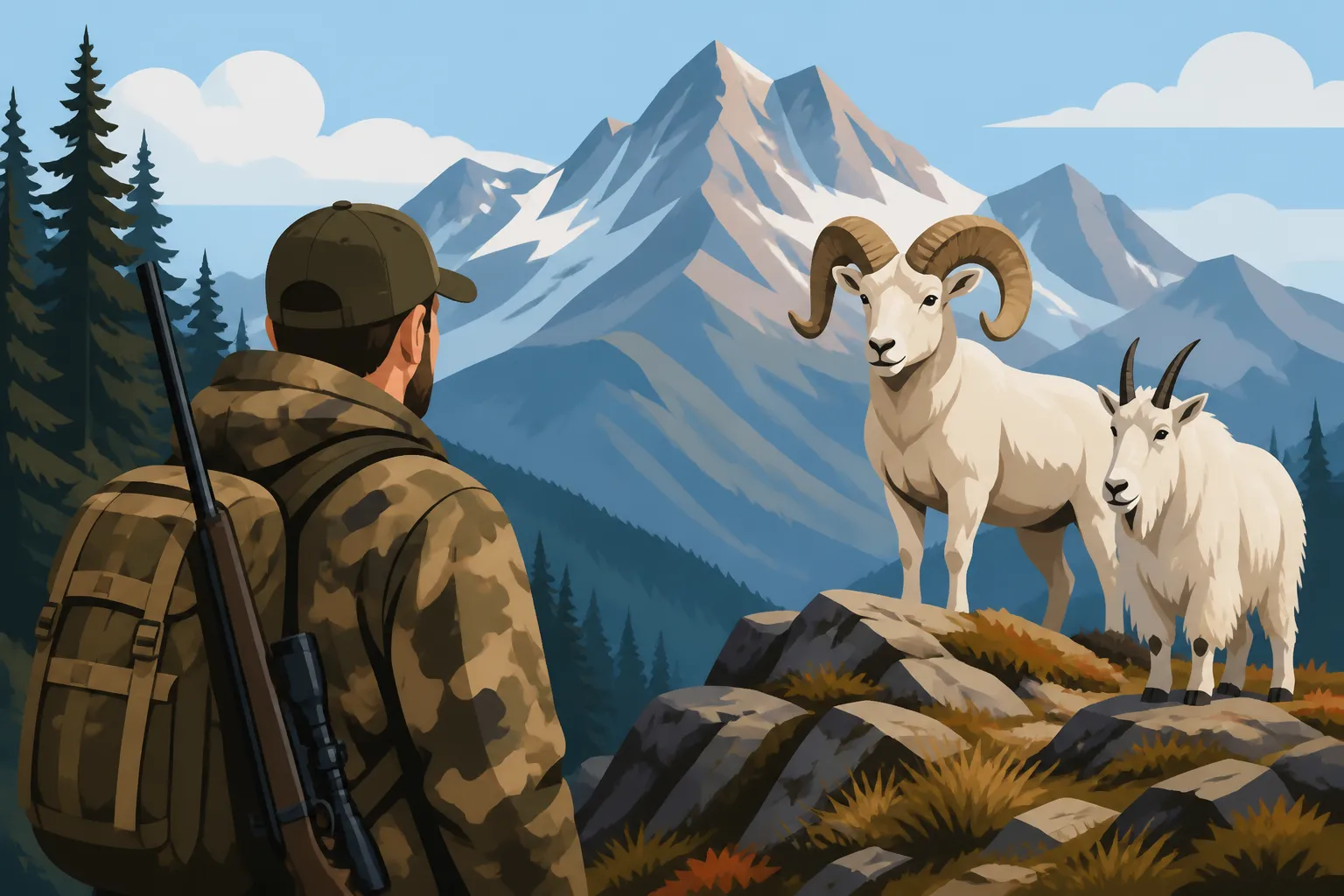
Sheep and Goat Hunting in British Columbia
The jagged peaks and expansive alpine of British Columbia call to a special kind of hunter, one who thrives on challenge and seeks truly wild encounters. Many dream of pursuing a majestic Stone's sheep or a hardy mountain goat, yet the sheer scale and remoteness of these hunts can feel utterly overwhelming, especially when trying to understand the complex regulations and unique demands. This guide is designed to demystify British Columbia's sheep and goat hunting, offering a comprehensive look at what it takes to succeed in these incredible landscapes.
The Allure and Unique Challenges of Mountain Hunting in British Columbia
There's something deeply primal and profoundly rewarding about hunting in British Columbia's high country. It's an experience that strips away the ordinary, forcing you to confront your limits and truly connect with the raw wilderness. But let's be honest, it's not for everyone. The mountains here don't give up their secrets easily, and the animals that call them home are masters of their rugged domain.
Why Sheep and Goat Hunting is Different
Unlike hunting deer or moose in more accessible timber or agricultural land, sheep and goat hunting fundamentally changes the game. You're not just looking for an animal; you're often searching for a tiny white or grey speck on a vast mountainside, sometimes miles away. The terrain itself becomes as much of an obstacle as the animal's senses. You'll spend countless hours glassing, hiking through scree, navigating steep pitches, and often traversing areas that feel more like climbing than walking. It's a vertical world, and every decision, from packing your gear to planning your route, must account for gravity and exposure. This isn't just a hunt; it's an expedition, often requiring weeks of preparation and a complete shift in mindset from other forms of hunting.
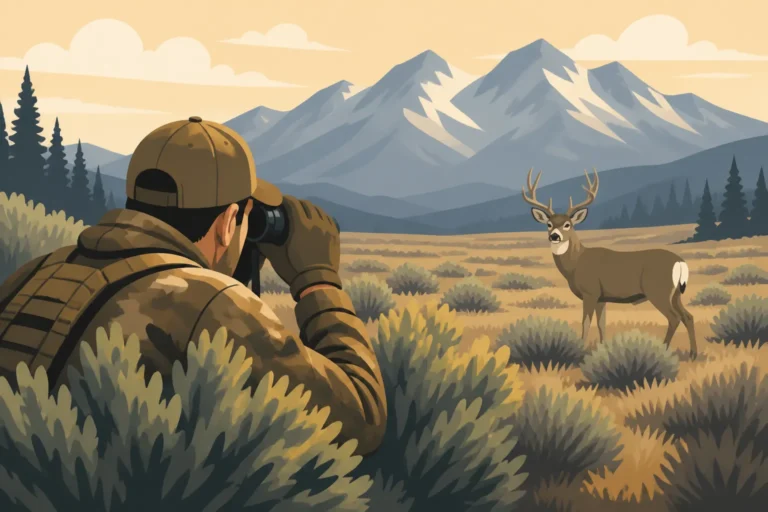
Imagine staring through your binoculars for hours, your eyes watering from the wind and sun, scanning endless ridges and bowls. You're looking for movement, a subtle flash of white against grey rock, or the distinct shape of a ram's curl on a distant bluff. When you finally spot what you're looking for, the real work begins: analyzing the terrain, planning an approach that keeps you out of sight and scent, and often having to wait out changing weather patterns. The sheer physical and mental endurance required is immense, but the payoff of reaching that hard-won animal in such a pristine setting is unmatched.
Mental and Physical Demands
Let's be clear: sheep and goat hunting in British Columbia demands peak physical and mental conditioning. You'll be climbing thousands of vertical feet daily, often with a heavy pack, in thin air, over unstable ground. This isn't a casual stroll; it's a grind that tests every muscle and every ounce of willpower. Your cardiovascular fitness needs to be top-notch, and your legs, back, and core must be strong enough to carry heavy loads, potentially including meat and a cape, over incredibly difficult terrain for multiple days. Acclimatization to higher altitudes, if you're coming from sea level, is also a serious consideration, as the fatigue can set in quickly and impact decision-making.
Beyond the physical, the mental fortitude required is equally significant. You'll face frustrating setbacks: animals moving off, unexpected weather, relentless fatigue, and the constant psychological battle of pushing past your comfort zone. Doubt can creep in, especially when you're cold, wet, hungry, and miles from civilization. Maintaining focus, patience, and a positive attitude is crucial. You need to be able to make critical decisions under pressure, often when completely exhausted. Hunters who succeed in these environments often spend months, or even years, preparing their bodies and minds, not just for the shot, but for the entire arduous journey. It's a journey of self-discovery as much as it is a hunt for an animal.
Understanding British Columbia's Mountain Species
British Columbia is home to some of North America's most iconic mountain game, each with its own habitat preferences, behaviours, and hunting challenges. Understanding these species is the first step to a successful hunt.
Stone's Sheep and Their Northern Strongholds
Stone's sheep, a subspecies of thinhorn sheep, are the jewel of British Columbia's northern mountains. Their striking dark bodies with white rumps, muzzles, and sometimes a white belly patch, make them truly magnificent. These sheep primarily inhabit the remote alpine and subalpine regions of northern British Columbia, particularly in areas like the Spatsizi Plateau, Cassiar Mountains, and other vast northern ranges. They thrive in rugged, open country, utilizing steep slopes, rocky outcroppings, and high meadows for grazing, security, and escape from predators. Their exceptional eyesight and preference for open terrain mean that spotting them from a distance, and executing a flawless stalk, is paramount.
Hunting Stone's sheep is almost exclusively a backpack hunt, often requiring fly-in access to truly remote areas where few people ever venture. The season typically runs from August into September, when rams are often found in bachelor groups high on the mountain. Successful hunters spend days, sometimes weeks, methodically glassing vast expanses of country. Getting within shooting range demands incredible stealth and often involves navigating treacherous terrain, all while battling the notoriously unpredictable weather of the northern Rockies. The trophy ram, typically judged by its horn curl and age, represents a lifetime achievement for many mountain hunters.
Mountain Goats and Their Alpine Domains
Mountain goats are the undisputed kings of British Columbia's highest, most rugged peaks. Found throughout the province's vast mountain ranges, from the Coast Mountains to the Rockies, these animals are perfectly adapted to extreme vertical environments. Their shaggy white coats provide camouflage against snow and rock, while their specialized hooves give them incredible traction on sheer cliffs and icy ledges. Goats prefer the steepest, most inaccessible terrain, often above timberline, making their pursuit one of the most physically demanding hunts imaginable. They are often found in small family groups or as solitary billies.
Hunting mountain goats often involves relentless climbing, traversing scree fields, and navigating narrow, exposed ledges. While their white coats can make them visible, their ability to blend into snow patches or disappear behind a ridge is remarkable. The hunting season typically runs from September through October, when their coats are prime. It's a hunt where patience is key, as you might spend hours watching a goat move before a safe and ethical shot opportunity arises. Retrieving a goat from its chosen habitat is often the most dangerous and difficult part of the hunt, frequently requiring specialized gear and extreme caution. If you're looking for a true test of grit and mountaineering skills, a British Columbia mountain goat hunt delivers. For more details on this challenging pursuit, check out our guide on Hunting Mountain Goat on British Columbia Rock.
Bighorn Sheep in the Southern Interior (Rocky Mountain and California)
While Stone's sheep dominate the northern scene, British Columbia's southern interior is home to two impressive subspecies of bighorn sheep: Rocky Mountain Bighorns and California Bighorns. These sheep are quite distinct from their northern cousins, with their short, grey-brown coats and massive, curling horns on the rams.
Rocky Mountain Bighorns are primarily found in the southeastern part of the province, particularly in the Kootenay and East Kootenay regions, where their range extends into the Rocky Mountains. They often inhabit steep, open grasslands, rocky cliffs, and river breaks, preferring areas with good visibility to detect predators. These are typically larger-bodied sheep with impressive horn growth. Hunting for Rocky Mountain Bighorns is usually done on foot, often involving long hours of glassing from opposing slopes to locate rams. Access can be challenging, but generally less remote than for Stone's sheep, with more road systems in their range, though serious climbing is still a given.
California Bighorns are found further west, in the dry interior regions such as the Fraser Canyon and the Okanagan. They are slightly smaller than Rocky Mountain Bighorns and tend to inhabit arid, sagebrush-covered hillsides, grassy benches, and steep canyons. Their habitat selection makes them incredibly wary, and the open terrain means long-range glassing and careful, patient stalks are essential. Both bighorn subspecies are managed through highly coveted Limited Entry Hunting (LEH) draws, making tags incredibly difficult to obtain. The intense competition for these tags means that only a small percentage of hunters ever get the opportunity to pursue these magnificent animals. Understanding Judging a Full-Curl Ram in the Field is vital for those lucky enough to draw a tag.
Navigating Regulations and Obtaining Tags
Hunting sheep and goat in British Columbia isn't just about physical prowess; it's also about meticulous planning and strict adherence to provincial regulations. Securing a tag for these sought-after species is a process in itself.
Limited Entry Hunting LEH for Sheep and Goat
For both sheep (Stone's, Rocky Mountain Bighorn, and California Bighorn) and mountain goats, hunting is almost exclusively managed through a Limited Entry Hunting (LEH) draw system. This means you cannot simply buy an over-the-counter tag. Instead, hunters must apply for specific species, management units (MUs), and season dates during a designated application period, typically in the spring. The number of tags available is extremely limited and varies year by year, based on population surveys and management goals. The odds of drawing a sheep or goat tag can be incredibly low, often in the single digits or even fractions of a percent, depending on the unit and species.
The LEH system is designed to control harvest pressure and ensure sustainable populations. It's a game of patience and persistence, where many hunters apply for decades before drawing a coveted tag. Understanding How British Columbia's LEH System Works is crucial. Each application costs a small fee, and unsuccessful applicants typically accrue "loyalty points" that slightly improve their odds in subsequent years, though a draw is never guaranteed. This high barrier to entry only adds to the prestige and challenge of these hunts. Many hunters utilize tools like GoHunt's draw odds data to strategically apply for units with the best chances, though for prime sheep and goat units, even the "best" chances are still very slim.
Understanding Regional Differences and Rules
British Columbia is a vast province, divided into nine administrative regions, each with its own unique geography, wildlife populations, and specific hunting regulations. While the LEH system is province-wide, the specific rules regarding sheep and goat hunting—such as antler point restrictions for sheep, specific open seasons, or even temporary closures—can vary significantly from one management unit (MU) to another, even within the same region. It's absolutely critical to consult the most current British Columbia Hunting and Trapping Synopsis every single year. This document, available online, is the ultimate authority on all regulations and outlines the open seasons, bag limits, and any special conditions for each species in every MU.
For instance, a Stone's sheep hunt in the remote Peace Region (Region 7) will have different access considerations, terrain, and possibly slightly different season dates or ram requirements (e.g., full curl only) compared to a Rocky Mountain Bighorn hunt in the Kootenays (Region 4). Goats, while found in many mountainous regions, may have specific MUs designated as "LEH only for nannies" or "billies only" to manage herd demographics. Ignoring these hyper-local rules can lead to serious legal consequences, including fines and license suspension. Always double-check the specific MU you've drawn a tag for and ensure you understand all the nuances of its regulations before heading into the field.
Compulsory Inspection and Reporting Requirements
Successfully harvesting a sheep or goat in British Columbia comes with important post-harvest obligations. Both species are subject to Compulsory Inspection and Compulsory Reporting rules. For compulsory inspection, specific parts of the animal, typically the skull or horns for sheep and goats, must be presented to a certified provincial inspector within a set timeframe (often within 72 hours or a few days of harvest) and at designated inspection locations. This allows wildlife biologists to collect valuable data on age, sex, and health, which is vital for ongoing population management. Failure to present the required parts for inspection is a serious offense.
In addition to inspection, all hunters who harvest a sheep or goat must complete a Compulsory Report within 30 days of harvest. This report details information such as the date and location of the harvest, the sex of the animal, and other relevant data. Even if you don't harvest an animal on an LEH tag, in some cases, you might still be required to report "no harvest." These reporting requirements are not merely bureaucratic hurdles; they are essential tools for wildlife management, providing critical data points that help shape future hunting opportunities and conservation efforts. Always keep your LEH authorization and hunting license handy, as inspectors will need to verify your information. More information on Which Species Still Need Compulsory Inspection can be found in our detailed guides.
Essential Gear for British Columbia Mountain Hunts
The unforgiving nature of British Columbia's mountains demands a highly specialized and robust gear list. Every item in your pack must be carefully considered for its weight, durability, and functionality. Cutting corners on gear here isn't just uncomfortable; it can be dangerous.
Backpacking and Shelter Systems
Your backpack is arguably the most critical piece of equipment for a mountain hunt. It needs to be large enough (typically 65-85 liters, or even larger for a sheep hunt expecting to pack out meat and cape) to carry several days' worth of food, shelter, clothing, and gear, yet comfortable enough to carry heavy loads over brutal terrain. A high-quality internal or external frame pack that can securely haul meat is non-negotiable. Brands like Mystery Ranch, Kifaru, and Stone Glacier are popular choices among serious mountain hunters for their robust design and load-carrying capabilities.
Your shelter system must be lightweight, compact, and capable of withstanding severe alpine weather, including high winds, heavy rain, and even snow, often in the same day. A durable three- or four-season tent or a lightweight tarp and bivy system are common choices. Look for models designed for high-wind performance and waterproofness. Paired with a warm sleeping bag rated for temperatures well below what you expect (always assume colder than forecast) and an insulated sleeping pad, this forms your backcountry home. For those pushing into extreme altitudes, a lighter bivy setup might be preferred to cut weight. Remember, hypothermia is a real threat, and your shelter is your lifeline. Consider practicing Setting a Spike Camp Above Timberline before your hunt.
Optics: The Most Crucial Tool
For sheep and goat hunting, your optics are not just an aid; they are your primary hunting tool. You will spend far more time looking through glass than walking. High-quality binoculars (10×42 or 10×50 are standard) are essential for general scanning and identifying animals. Paired with a sturdy tripod, a high-power spotting scope (20-60x or 25-75x magnification with a large objective lens, 65mm or 80mm) becomes indispensable for evaluating animals at extreme distances, judging trophy quality, and making decisions about your stalk. Brands like Swarovski, Zeiss, Leica, and Vortex offer excellent clarity and light transmission, which are paramount in low-light conditions or when trying to pick apart shadows on a distant slope.
Rangefinders are also critical, especially in the deceptive vertical terrain of the mountains. An angle-compensating rangefinder will give you an accurate shooting distance, accounting for the steep up or downhill angles. Carrying a spare set of batteries for all electronic optics is a smart move. Without top-tier optics, you simply won't find the animals, let alone be able to judge them effectively. This is one area where investing in the best you can afford will directly impact your success. Even GoHunt's digital mapping tools integrate well with effective glassing strategies, helping you identify prime areas where your optics will be most effective.
Mountain-Specific Clothing and Footwear
Layering is key for mountain hunting, as weather conditions can change rapidly and drastically. Start with moisture-wicking base layers (merino wool or synthetic) to manage sweat. Mid-layers should provide insulation, such as fleece or puffy jackets. Outer layers must be completely waterproof and windproof, but also breathable, to protect against the elements. Think high-quality Gore-Tex or similar technical fabrics. Brands like Sitka, Kuiu, and First Lite are popular for their specialized mountain hunting apparel. Avoid cotton at all costs, as it loses all insulating properties when wet.
Footwear is another non-negotiable item. You need sturdy, waterproof, high-ankle hiking boots with excellent ankle support and a stiff sole for side-hilling and kicking steps into scree. Break them in thoroughly before your hunt to avoid blisters. Many hunters opt for mountaineering boots for the most extreme terrain. Pair these with quality wool or synthetic socks to prevent blisters and manage moisture. Gaiters are also highly recommended to keep scree, snow, and moisture out of your boots. Remember, your feet are your transportation; if they fail, your hunt is over.
Firearms, Ammunition, and Shooting Skills
For sheep and goat, a flat-shooting, accurate rifle chambered in a cartridge capable of extended ranges is essential. Common calibers include .270 Win, .280 Rem, 7mm Rem Mag, .30-06, and .300 Win Mag. The rifle itself should be relatively lightweight, durable, and reliable in harsh conditions. Optics for your rifle should also be robust, with clear glass and a reticle designed for long-range holdovers. Familiarity with your rifle and scope is paramount. Practice shooting from various field positions—prone, kneeling, using your backpack as a rest—at different distances and angles. Mountain hunting often presents steep shots, which can be deceiving.
Ammunition choice is also critical. Use premium, bonded, or monolithic bullets designed for excellent terminal performance and penetration on thick-skinned animals, especially for goats which can be surprisingly tough. Practice shooting out to 400-500 yards or further if you are comfortable, ensuring you know your rifle's ballistic capabilities inside and out. A shot at a mountain animal can be the culmination of days of effort, and you must be confident in your ability to make an ethical kill. Don't forget a sling for comfortable carrying and a small cleaning kit. For more on appropriate firearms, consider Legal Rifle Calibres for Big Game.
Scouting and Accessing Remote Mountain Terrain
The success of a British Columbia sheep or goat hunt hinges heavily on thorough scouting and understanding how to access the remote, challenging landscapes these animals call home. It's often said that the real hunt begins long before you set foot on the mountain.
Pre-Season Scouting Strategies Online and In-Person
Gone are the days when pre-season scouting was purely about boots on the ground. Today, a significant portion of effective preparation happens digitally. Tools like GoHunt's mapping services, Google Earth, and the provincial government's iMapBC portal are invaluable. These resources allow you to virtually explore management units, identify potential alpine basins, escape routes, bedding areas, and water sources. You can mark waypoints for promising ridges, avalanche chutes, and potential camp locations. Pay close attention to terrain features like south-facing slopes (which melt out earlier and offer better forage), benches, and breaks in elevation that might hold animals. Identifying potential access routes, old logging roads (even deactivated ones), and trail systems is also crucial. For example, knowing Scouting a British Columbia Management Unit Online can give you a significant edge.
While online scouting provides an excellent foundation, nothing truly replaces in-person reconnaissance, if feasible. Even a short trip to the general area can provide invaluable insights into road conditions, actual trail difficulty, vegetation density, and the sheer scale of the landscape. If an in-person visit isn't possible, reach out to local Ministry of Forests, Lands, Natural Resource Operations and Rural Development (FLNRORD) offices, or connect with other hunters who have experience in similar terrain. They can often offer localized knowledge about animal movements, winter range, and any recent changes in habitat due to wildfires or logging.
Access Methods: Foot, Horse, and Air
Accessing British Columbia's remote sheep and goat country often requires creativity and significant effort. Foot access is the most common, involving long, strenuous hikes, sometimes for multiple days, simply to reach the hunting grounds. This is where your physical conditioning and carefully chosen pack system truly earn their keep. Starting from a logging road or remote trail, you'll carry everything you need on your back.
For larger, more distant territories, horses can be a game-changer. Horseback hunting allows you to cover vast distances more efficiently, carry heavier and more comfortable camp gear, and save your legs for the actual hunting once you establish a spike camp. However, it requires significant experience with pack animals and knowledge of horse-friendly trails, as well as finding areas where Horseback Access to British Columbia's Alpine is viable.
Finally, for the truly remote, untouched wilderness areas, float planes or helicopters offer the only practical access. These fly-in hunts allow you to reach areas that would otherwise be inaccessible on foot, maximizing your hunting time in prime habitat. However, they come with a significant financial cost and additional logistical planning, including weight limits for gear and strict scheduling for drop-off and pick-up. Many guided sheep and goat hunts rely on air charters to reach their hunting territories. Regardless of the method, always have a backup plan for egress, especially in areas prone to sudden weather changes.
Reading the Mountain: Identifying Key Habitat
Learning to "read the mountain" is an acquired skill that differentiates successful mountain hunters. Sheep and goats are creatures of habit and terrain. Look for areas with a mosaic of steep, broken rock for security, interspersed with grassy alpine meadows or subalpine shrubbery for feeding. South-facing slopes often hold animals longer in the fall due to sun exposure melting snow and providing forage. Watch for natural travel corridors like benches, sheep trails, or game paths that animals use to move between feeding and bedding areas. Drainage systems and cirques can also be natural funnels or holding areas.
Understanding their behaviour is also key. Sheep often bed on ledges or high points with excellent visibility, allowing them to spot predators from afar. Goats prefer the absolute steepest, most inaccessible cliffs, often seeking cool, shaded areas in summer or sun-exposed areas in cooler weather. Water sources, while sometimes scarce in the high alpine, are always points of interest. Fresh tracks, scat, and rubs on rocks can indicate recent activity. The more time you spend observing the terrain and animal behaviour, the better you'll become at predicting where they might be, and planning your approach. Learning to read the subtle signs of the mountain can often lead you to an animal when others might give up.
Strategies for a Successful Stalk
Once you've spotted a sheep or goat, the real chess match begins. A successful stalk requires meticulous planning, extreme patience, and the ability to adapt to ever-changing conditions in a challenging environment.
Spotting and Stalking Techniques for Sheep
Spotting sheep, especially Stone's rams or bighorns, often involves hours of methodical glassing from a vantage point across a valley or drainage. You're looking for subtle movements, a flash of white, or the distinctive curve of a horn against a rocky backdrop. Once an animal is located and positively identified as a legal ram, the next step is to carefully analyze its position, the surrounding terrain, wind direction, and escape routes. A good pair of binoculars on a tripod, and a spotting scope, are indispensable here. GoHunt's mapping overlays can assist in planning routes around terrain features.
The stalk itself is a slow, deliberate process. The goal is to close the distance without being seen, heard, or smelled. This often means taking circuits that add miles to your approach, utilizing ridges, draws, and rock formations for cover. Sheep have incredible eyesight, so staying out of their line of sight is paramount. Wind is another critical factor; always approach from downwind to prevent your scent from being carried to the animals. Move slowly, carefully checking for loose rocks that might dislodge and make noise. As you get closer, assess the ram's behaviour. If it's feeding, it might present a better opportunity than a bedded animal that's constantly scanning. Be prepared to wait for hours, sometimes even overnight, if the conditions aren't right. Remember, the mountain always dictates the pace.
Approaching Goats in Vertical Terrain
Goat stalks present a unique set of challenges due to their preference for extremely steep and broken terrain. Unlike sheep, which often utilize open slopes for feeding, goats are frequently found on sheer cliffs, rock slides, and narrow ledges where an approach can be treacherous and highly exposed. Your primary focus must always be on safety. Assess the stability of the rock, potential for rockfall, and your own comfort level with heights.
When planning an approach, consider how the goat will react. They often have multiple escape routes up or across vertical faces. Try to position yourself above them if possible, as goats tend to look down less often than up. However, getting above them can be incredibly difficult and sometimes impossible without specialized climbing gear. Wind is still a factor, but the swirling thermals in steep drainages can make it unpredictable. Move with extreme caution, testing every handhold and foothold. Often, you'll need to approach from an angle that minimizes the sheer verticality, even if it means a longer traverse. Be prepared for a closer shot than with sheep, as closing distance in such terrain can be difficult, and a wounded goat can quickly disappear into inaccessible cliffs. Always prioritize an ethical shot that ensures a quick kill to prevent the animal from falling into an unrecoverable position.
Dealing with Weather and Terrain Obstacles
British Columbia's mountains are notorious for their unpredictable weather. A clear, sunny morning can quickly turn into a whiteout snowstorm, torrential rain, or a fierce wind gale. Hunters must be prepared for all conditions. This means carrying appropriate layers, waterproof outerwear, and having a flexible mindset. A sudden weather change can force you to abandon a stalk, or even hunker down in your tent for a day or two. Visibility can drop to mere yards, making navigation and spotting impossible.
Terrain obstacles are constant companions in mountain hunting. Scree slopes can be exhausting to climb and treacherous to descend. Boulder fields demand careful foot placement to avoid twisted ankles. Snow and ice patches, even in late summer, can create dangerous conditions, especially on steep ascents or descents. Canyons and draws can be impassable, requiring long detours. Always factor in extra time for difficult terrain. A good GPS or satellite communicator like a Garmin inReach is essential for navigation, especially if visibility drops or you become disoriented. Be realistic about your abilities and don't push past safe limits. The mountain will always be there for another hunt.
Field Care, Pack Out, and Trophy Preservation
The work doesn't end when the animal is on the ground. In fact, for sheep and goat hunters, the hardest part often begins now: properly caring for the meat and trophy, and then embarking on the grueling pack out.
Quartering and Cooling Meat in the Mountains
Once your animal is down, the priority is to begin field dressing and quartering as quickly and efficiently as possible, especially if the weather is warm. Get the hide off and the guts out to allow the meat to cool. For a sheep or goat, this typically means skinning and quartering the animal, separating the four quarters, backstraps, tenderloins, neck meat, and ribs. For a head-on trophy, carefully cape out the hide, ensuring enough material for the taxidermist. Keep the meat as clean as possible, avoiding dirt, hair, and moisture. Many hunters use game bags made of breathable, synthetic material to protect the meat from flies and debris while allowing it to cool.
Cooling the meat is critical to prevent spoilage, particularly during early season hunts when temperatures can still be warm. In the high alpine, shade and cool evening temperatures often aid this process. If possible, hang the quarters from a tree or rock overhang to promote airflow and keep them away from scavengers. Never stack meat directly on the ground. If you anticipate a lengthy pack out or warm conditions, consider boning out the meat to reduce weight and volume, making it easier to transport and cool. For specific advice on preserving your harvest, our article on Keeping Meat Cool in an Early Season might be helpful.
The Grueling Pack Out
This is where the physical demands of mountain hunting truly hit home. Packing out a sheep or goat from its alpine domain is almost always an immense physical challenge, arguably the most difficult aspect of the entire hunt. You'll be carrying hundreds of pounds of meat, hide, and gear over the same treacherous terrain you just navigated, but now with a severely heavy and unbalanced load. A full sheep or goat can easily require multiple trips or the assistance of hunting partners to pack out. For example, a mature billy goat can weigh upwards of 300 pounds, requiring immense effort to break down and carry.
Every step must be deliberate and measured. Loose scree, steep descents, and long climbs will be amplified by the weight on your back. Hydration and nutrition are vital during this phase. Take frequent breaks, manage your energy, and don't push yourself to exhaustion, especially if hunting alone or in adverse weather. Having a well-fitting, robust pack designed for heavy loads is non-negotiable. Plan your route carefully, looking for the path of least resistance, even if it adds distance. The pack out can take hours or even days, transforming the exhilaration of the harvest into a test of pure endurance. Many hunters claim they get into shape for the pack out, not just the hunt itself. For an in-depth look, see Why Goat Hunting Is the Hardest Pack Out.
Caring for Hides and Horns
Proper care of the hide and horns is essential for preserving your trophy. After caping, meticulously clean any blood and excess flesh from the hide. Generously salt the hide, paying close attention to the ears, nose, and lips, which tend to spoil quickly. Spread it out flat in the shade to dry, flipping it periodically. A properly salted hide will dry stiff and can be rolled up for transport. For horns, especially on sheep, ensure the skull plate is clean. If you can't get it to a taxidermist immediately, freezing the cape is a good option.
The provincial regulations regarding compulsory inspection mean that you will need to present the skull (with horns attached) to an inspector. Ensure you know the specific requirements and locations for your region. After inspection, if you're crossing international borders, you'll need to research the export/import requirements for wildlife parts, which can involve CITES permits for certain species. Find a reputable taxidermist who specializes in mountain game, as they understand the nuances of these magnificent animals. Shipping a cape and horns can be costly and requires careful packaging.
Safety and Preparedness in British Columbia's Backcountry
British Columbia's mountains are breathtakingly beautiful, but they are also wild and unforgiving. Prioritizing safety and thorough preparedness is not just a recommendation; it's a necessity for any sheep or goat hunt.
Bear Safety and Encounter Prevention
British Columbia is home to both grizzly and black bears, and encounters are a real possibility, especially in more remote areas or during prime berry seasons. Proactive bear safety measures are paramount. Always carry bear spray (and know how to use it) and have it easily accessible. Many hunters also carry a firearm for bear defense, but bear spray is often the first line of defense. Make noise while hiking, especially in dense vegetation, to avoid surprising a bear. Store all food and scented items in bear-resistant containers or hung from a tree well away from your camp. Never sleep with food in your tent.
Be acutely aware of your surroundings, constantly scanning for bear sign like tracks, scat, or disturbed ground. If you encounter a bear, remain calm, speak in a low, firm voice, and slowly back away. Never run. Understand the difference between defensive and predatory behaviour, and react accordingly. If you harvest an animal, field dress it quickly and move the meat away from the kill site to reduce the risk of attracting bears to your camp or the site itself. Our guide on Bear Safety While Hunting in British Columbia provides comprehensive advice on managing encounters.
Emergency Planning and Communication
Even the most experienced backcountry travelers can face unexpected emergencies. A twisted ankle, a sudden turn in weather, or an unforeseen health issue can quickly become life-threatening in remote terrain. A robust emergency plan is non-negotiable. Always inform someone reliable of your exact hunting area, planned route, expected return date, and emergency contact information. This "trip plan" should be left with someone who knows when to initiate a search if you don't check in.
Carrying reliable communication devices is crucial. While cell service is virtually non-existent in most mountain hunting areas, satellite communicators like the Garmin inReach or Zoleo offer two-way messaging, GPS tracking, and an SOS button that can directly alert search and rescue services. A good quality first-aid kit, tailored to backcountry injuries, is essential. Know basic first aid and CPR. Carrying an emergency shelter, fire starter, headlamp, and extra food and water are also vital components of your emergency kit. Being prepared for the worst ensures you can enjoy the hunt more safely. Learn more about Satellite Communication on a Remote Hunt for greater detail.
Navigating Extreme Weather and Terrain
British Columbia's mountains present a dynamic and often challenging environment. Weather can shift dramatically and rapidly, from warm sunshine to freezing rain, heavy snow, or dense fog, often within hours. Always check the localized mountain forecast before and during your hunt, but be prepared for anything. This means having the right clothing layers, waterproof gear, and a flexible itinerary. If a storm rolls in, it might be safer to hunker down in camp than to push forward into dangerous conditions.
The terrain itself poses inherent risks. Steep, rocky slopes, scree fields, snow patches, and potential for rockslides or avalanches (especially in shoulder seasons) demand constant vigilance. Always test your footing, use trekking poles for stability, and avoid traveling at night or in extremely poor visibility unless absolutely necessary. Be aware of fatigue, which can lead to poor judgment and accidents. If traversing particularly exposed or dangerous sections, sometimes turning back is the safest and smartest decision. There's no trophy worth risking your life over. Understanding Weather Windows in British Columbia's Mountains is key to planning and executing a safe hunt.
Disclaimer
The information provided in this guide is for general informational purposes only and is not a substitute for official regulations. Hunting laws and regulations in British Columbia are complex and subject to change. It is the sole responsibility of the hunter to consult the most current British Columbia Hunting and Trapping Synopsis and all applicable federal and provincial laws before engaging in any hunting activities. Always prioritize safety and ethical hunting practices.