British Columbia Meat Processing and Shipping
You've just put in the hard yards, climbed the hills, and finally connected with a fantastic animal in British Columbia's stunning, rugged backcountry. That surge of adrenaline and accomplishment is incredible, but then the very real, very practical questions start swirling: "Now what? How do I get this meat out of here, keep it good, and eventually home?" It's a logistical challenge that can feel as daunting as the hunt itself, especially when you're miles from the nearest road or butcher shop. This guide is here to walk you through every step of British Columbia meat processing and shipping, from field to freezer, ensuring your hard-earned harvest is cared for properly.
Field Processing Your Harvest in British Columbia
The journey of your meat begins the moment your animal hits the ground. Proper field processing isn't just a nicety; it's absolutely crucial for meat quality and adherence to regulations. Neglect this step, and all your hard work can literally go to waste. British Columbia's diverse terrain, from coastal rainforests to arid interior grasslands, presents its own unique challenges, but the core principles remain the same.
Basic Field Dressing and Quartering Essentials
The first and most critical step is field dressing to cool the carcass down as quickly as possible. This involves removing the entrails to prevent bacterial growth and allow air to circulate. You'll want a sharp knife, a game bag, and some rope. For larger animals like moose or elk, or even a big mule deer in steep country, quartering the animal in the field is often the only practical way to get it out. This means breaking the animal down into its major muscle groups, typically four quarters plus the backstraps and tenderloins. It's a physical job, and having the right tools, like a good bone saw or a sturdy knife for joints, makes a world of difference. Always work cleanly, keeping dirt, hair, and digestive fluids off the meat as much as possible.
Once dressed or quartered, the meat needs to breathe. This means getting it off the ground and into quality game bags. These bags protect the meat from flies, dirt, and debris while still allowing air to circulate, which is essential for cooling. In British Columbia, where the weather can change in an instant, having a few extra ropes to hang quarters from trees or secure them to a pack frame can be invaluable. Remember to always keep the evidence of sex requirements for specific species, as regulations demand certain parts remain naturally attached to a portion of the meat or hide until you've reached your final destination.
Cooling and Airflow in the Backcountry
Cooling is the number one priority for preserving meat quality, especially in British Columbia's early seasons when temperatures can still be quite warm. After field dressing and quartering, the goal is to get the internal temperature of the meat down as quickly and efficiently as possible. This often means finding a shady spot, ideally one with a breeze, to hang the game bags. Airflow is key to dissipating heat and allowing a protective "crust" to form on the meat, which further protects it from bacteria. Don't underestimate the power of a cool night if you're lucky enough to have one; letting the meat hang overnight can significantly drop its temperature.
For those situations where a cool breeze and shade aren't enough, or if you're hunting during a warm spell, improvisation becomes necessary. If you have access to snow or ice, even a few pockets of it carefully placed within the body cavity or around bagged quarters can help. However, be cautious not to let meat sit directly in melted ice water, as this can degrade quality. Packing out as quickly as possible to get to a cooler or refrigeration unit is always the best strategy in warmer conditions. Platforms like GoHunt, often used for pre-scouting terrain and access, can also be invaluable in identifying potential cool, shady spots or water sources for cooling near your hunt area, helping you plan your post-harvest logistics effectively.
Dealing with British Columbia's Weather Challenges
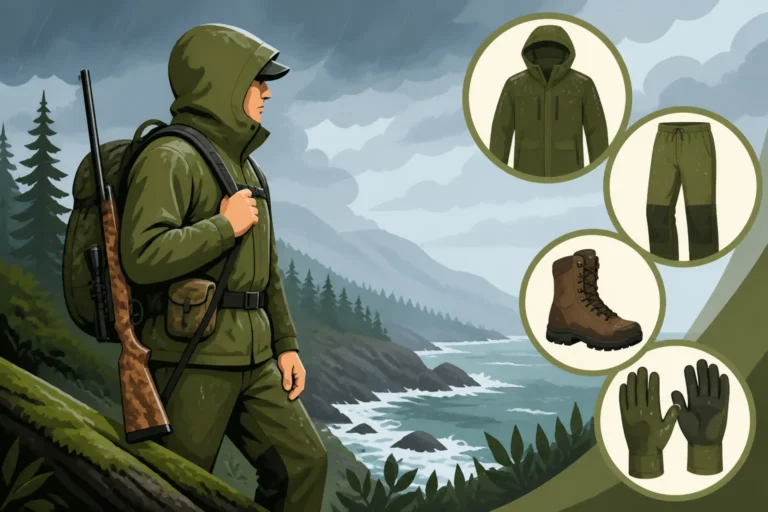
British Columbia's weather is famously unpredictable and can throw a wrench into even the best-laid meat care plans. Field Dressing in British Columbia's Wet Weather for instance, requires extra diligence. If it's raining, protecting your meat from moisture is paramount. Wet meat spoils faster, and a steady drizzle can turn a carefully field-dressed animal into a soggy mess. Consider bringing tarps or large, clean garbage bags (used outside the game bags, never directly on the meat) to shield hanging quarters from rain.
Conversely, hunting in British Columbia's high country during early September can sometimes mean surprisingly warm days, followed by cold nights. Keeping Meat Cool in an Early Season is a constant battle. During the day, keep meat covered with breathable game bags, in the deepest shade you can find, and away from direct sunlight. At night, if temperatures drop, maximizing airflow becomes even more effective. For those inevitable deep pushes into the backcountry, where getting meat out fast isn't an option, understanding how to manage these temperature swings is crucial for ensuring your meat makes it home in prime condition.
Temporary Storage and Transport from the Field
Once your animal is processed in the field, the next challenge is moving it efficiently and safely to a more permanent cooling solution, whether that's your truck, a base camp, or directly to a processing facility. This stage is where your packing skills and pre-hunt planning truly shine.
Packing Out of Remote British Columbia Country
Getting your meat out of British Columbia's steep, rugged terrain is often the most physically demanding part of the entire hunt. Whether you're Packing Out of British Columbia's Steep Country on your back, using a game cart, or utilizing horses, having a solid plan is essential. For backpackers, a sturdy frame pack is non-negotiable. Distribute the weight evenly, and make multiple trips if necessary rather than risking injury or exhaustion. Remember that British Columbia regulations require you to retrieve all edible meat, so leaving quarters behind is not an option.
For larger animals like moose, quartering into manageable pieces is crucial. Quartering a Moose in Grizzly Country is not just about convenience; it’s about efficiency and safety. You'll want to ensure all major muscle groups are boned out, if possible, to reduce weight, making the pack out more feasible. Some hunters prefer to bone out all the meat in the field, storing it in heavy-duty game bags, which significantly reduces weight compared to packing out bone-in quarters. This also helps with cooling, as boneless meat can cool faster. However, be mindful of any local regulations that might require certain bones to remain with the meat until inspection.
From Backcountry to Vehicle: Cooling Solutions
Once you've made it back to your vehicle, the job isn't over. Your goal is to maintain the cool temperature you achieved in the backcountry. Large coolers are your best friend here, especially if you have a long drive ahead. Fill them with block ice or frozen water bottles. Dry ice can also be an option for longer hauls, but it needs to be handled with extreme care and not placed directly on the meat. Wrap your game bags in old sleeping bags, blankets, or even tarps inside the cooler to provide insulation and prevent direct contact with melting ice water.
Another excellent solution, particularly for multi-day trips or in areas with limited access to ice, is to use breathable insulated bags designed for game meat. These bags allow some airflow while keeping the meat cool. If you're fortunate enough to be near a cold stream or river, even submerging sealed game bags briefly can help drop the temperature rapidly, provided the bags are completely watertight. For those adventurous souls utilizing a jet boat to access remote areas, Jet Boating a British Columbia River to Camp can provide an efficient way to transport large amounts of meat quickly, directly to a staging area with cooling facilities.
Professional Meat Processing Services in British Columbia
For many hunters, especially those from out of town or those who simply prefer not to process their own large game, utilizing a professional butcher is the best option. British Columbia has a network of excellent processors, often family-run businesses with decades of experience handling wild game.
Finding a Reputable British Columbia Butcher
Locating a reliable butcher who specializes in wild game is key. While not every small town will have one, many communities with a strong hunting tradition do. Start your search by asking local hunters, outfitters, or even local conservation officers for recommendations. You can often find a list of processors through local hunting clubs or online forums dedicated to British Columbia hunting. Remember, these businesses get extremely busy during peak hunting seasons, especially in October and November, so it’s always a good idea to call ahead to check their availability and current turnaround times.
When you call, ask about their services: Do they skin and cut? What are their hanging capabilities? Do they offer vacuum sealing or specific cuts? What about sausage making or jerky? For those who book guided hunts, particularly through platforms like BookYourHunt, your outfitter will almost certainly have a preferred local processor they work with, streamlining this step considerably. This can be a huge advantage, as they'll often coordinate drop-off and pickup, saving you valuable time and hassle.
Processing Options and Custom Cuts
Professional butchers offer a range of services beyond just basic cuts. You can often specify exactly how you want your meat processed: steaks, roasts, stew meat, ground meat, and even specialty products like jerky, pepperoni, or various types of sausage. Many hunters opt for vacuum sealing, which extends the freezer life of your meat significantly by protecting it from freezer burn. This is a worthwhile investment, especially if you plan to store your game for a year or more.
It’s important to communicate your preferences clearly with the butcher. If you want specific cuts, like bone-in chops or tenderloins left whole, make sure they understand. They can also advise you on the best ways to handle less common cuts or how to maximize the yield from your animal. Don't be afraid to ask questions; a good butcher will be happy to guide you through the options, ensuring you get the most out of your hard-earned meat.
Estimated Costs and Turnaround Times
The cost of professional meat processing varies widely depending on the size of the animal, the complexity of the cuts, and any specialty products you request. Generally, it's priced per pound of hanging weight or dressed weight. While specific figures can't be given here, expect to pay a reasonable fee for the quality of service and convenience. It's an investment in your harvest.
Turnaround times can also vary significantly. During the busiest periods of the hunting season, it's not uncommon for processing to take a week or even longer for larger animals or complex orders. If you're traveling from out of province or country, this is a crucial factor to consider in your travel plans. Always confirm the estimated completion time with the butcher when you drop off your animal, and have a backup plan for temporary storage if there's a delay. A good communication strategy with your chosen processor will alleviate much of this stress.
Preparing for the Journey Home: Packaging and Permits
Once your meat is professionally processed or you've handled it yourself, the next critical step is preparing it for transport, especially if you're traveling a significant distance. This involves careful packaging and understanding relevant regulations.
Proper Packaging for Transport
Whether your meat is destined for a short drive home or a cross-country flight, proper packaging is paramount. If you're driving, sturdy coolers filled with ice (block ice lasts longer than cubed) or dry ice are essential. For flying, specialized insulated shipping boxes are highly recommended. These are typically heavy-duty cardboard boxes lined with thick Styrofoam, designed to keep contents frozen for extended periods. Vacuum-sealed packages placed inside these boxes offer the best protection against spoilage and freezer burn.
When packing, ensure every package is clearly labeled with the type of meat and the date. This makes it much easier to manage your freezer inventory later. For air travel, check with your airline regarding their specific requirements for transporting frozen meat. Most airlines require meat to be fully frozen and properly packaged to prevent leakage. Dry ice is generally permitted, but there are strict rules about the amount and labeling of the container. Plan this well in advance, as these rules can vary.
Evidence of Origin and Species Identification
Transporting game meat, particularly across provincial or international borders, often requires specific documentation to prove its legal origin. You must always retain proof of your hunting license, species tags, and harvest report. This information demonstrates that the animal was legally harvested according to British Columbia regulations. Transporting Game Meat in British Columbia usually just requires your tags and license if you're staying within the province.
For non-residents, special permits or declarations might be necessary when crossing into another province or the United States. Always research the regulations of your destination before you travel. For example, some jurisdictions might require a CITES permit for certain species, or a veterinarian's inspection. Ensure you have adequate Evidence of Sex Requirements for your animal if required by regulations, until the meat is at its final destination. This typically means keeping a specific portion of the animal (like a skull plate with antlers or an intact tail) naturally attached to a cut of meat or hide, especially for antlered or horned species where antler point restrictions apply.
Shipping Meat Across Borders
Shipping meat, particularly across the Canada-US border, is where things can get complicated. It requires meticulous planning and adherence to strict customs and agricultural regulations.
Rules for Non-Residents Taking Meat Home
For non-residents, especially those from the United States, taking game meat home involves navigating both Canadian export and US import regulations. Generally, legally harvested game meat for personal consumption can be taken across the border. However, it must be properly packaged, labeled, and accompanied by your valid British Columbia hunting license, species tags, and any compulsory inspection or harvest report documentation. Taking Meat Across the Border is definitely a scenario where "know before you go" is paramount.
The meat must be de-boned for certain species or if there's a risk of certain diseases (like CWD, though British Columbia currently maintains a CWD-free status for its wild herds, surveillance is ongoing). Check with the USDA and US Customs and Border Protection for their most current rules regarding game meat imports. These regulations can change, so it's vital to get the latest information directly from official sources before your trip. For hunters who used platforms like BookYourHunt to find a reputable outfitter, these outfitters often have established protocols and can offer invaluable advice on successfully navigating these border regulations, sometimes even coordinating with shipping brokers.
Courier Services and Customs Declarations
If you're not driving your meat home yourself, you'll need to arrange for a reputable courier service specializing in frozen goods. Not all courier companies handle perishable items or cross-border shipments of wild game. Research companies that have experience with this, as they will be familiar with the necessary documentation and handling requirements.
When using a courier, you'll need to complete customs declarations accurately. This includes clearly stating that the package contains legally harvested wild game meat for personal consumption, along with all supporting documentation (license, tags, harvest reports). Be prepared for potential delays at the border due to inspections. Using a reputable outfitter (which many find through services like BookYourHunt) can be a significant advantage here, as they often have preferred shipping partners and can assist with the paperwork, ensuring a smoother process. This can relieve a lot of stress for the non-resident hunter.
Avoiding Common Pitfalls
The biggest mistake hunters make when shipping meat across borders is not doing their homework. Assume nothing and verify everything. Common pitfalls include:
- Improper packaging: Leaking coolers or insufficient freezing can lead to spoilage and rejection at the border.
- Missing documentation: Failure to provide proof of legal harvest can lead to confiscation.
- Ignorance of specific regulations: Rules around CWD or specific species can change, catching unprepared hunters off guard.
- Timing issues: Delays in processing or shipping can lead to meat sitting too long without proper refrigeration.
To mitigate these risks, plan your meat processing and shipping logistics well in advance of your hunt. Make calls, confirm regulations, and budget both time and money for these crucial post-harvest steps.
Alternative Uses for Your British Columbia Harvest
While steaks, roasts, and ground meat are the staples, British Columbia game meat is incredibly versatile. Don't let any part of your hard-earned animal go to waste; explore creative ways to utilize your harvest. Remember, Rules on Wasting Game Meat are strictly enforced in British Columbia.
Beyond Steaks and Roasts: Specialty Products
Beyond the standard cuts, wild game is fantastic for a variety of specialty products. Consider having a portion of your meat turned into sausage, jerky, or pepperoni. Many professional butchers offer these services, allowing you to enjoy your harvest in different forms throughout the year. These products are not only delicious but also make excellent gifts for friends and family, sharing the bounty of your hunt.
Smoking is another excellent preservation and flavour enhancement technique. Smoked game meat can be a delicious addition to charcuterie boards or used in recipes where you want a deep, robust flavour. Think smoked deer or moose ribs, or even a cured and smoked ham from a bear hindquarter.
Utilizing Organs and Bones
Don't overlook the incredible nutritional value of the organs and bones. Liver, heart, and kidneys are packed with nutrients and can be prepared in various delicious ways. Many hunters consider the heart a prize, often grilling it fresh from the field. Liver can be sliced and fried, or even ground into paté.
Bones, too, have significant value. They make an exceptional base for rich, nutritious bone broth, which can be frozen and used in soups, stews, or as a healthy beverage. The marrow in larger bones is also a delicacy, often roasted and spread on toast. Utilizing these parts of the animal is a testament to respecting the life taken and ensuring maximum value from your hunt.
Donating Surplus Meat
If you find yourself with more meat than your freezer can hold, or simply wish to give back, consider donating surplus game meat to local charities or food banks. Many communities have programs that accept legally harvested and professionally processed wild game. This is a fantastic way to share your harvest with those in need and ensure that no meat goes to waste. Always check with the specific organization about their requirements for accepting wild game donations, as they will have strict guidelines on processing and packaging.
| Stage of Processing & Shipping | Key Actions | Considerations |
|---|---|---|
| Field Dressing | Gut immediately, clean cavity, hang if possible | Cool rapidly, prevent contamination, observe evidence of sex rules |
| Quartering | Break down into manageable pieces | Reduce weight, proper game bags, protect from elements |
| Cooling/Temporary Storage | Get meat off ground, maximize airflow, shade | Use game bags, avoid direct water contact, manage temperature swings |
| Packing Out | Use frame pack or game cart, multiple trips | Physical demand, proper weight distribution, adhere to legal retrieval |
| Transport to Processor | Use coolers with ice/dry ice, insulated bags | Maintain temperature, protect from leakage, check vehicle capacity |
| Professional Processing | Find reputable butcher, specify cuts | Book ahead, discuss options (vacuum seal, specialty products), confirm turnaround |
| Final Packaging | Label clearly, vacuum seal for freezer | Prevent freezer burn, organize freezer, prepare for travel |
| Cross-Border Shipping | Research regulations (Canada/US), documentation | Hunting license, tags, harvest reports, de-boning rules, CITES |
| Courier/Airline Prep | Use insulated shipping boxes, fully frozen meat | Airline/courier specific rules, dry ice limits, customs forms |
Disclaimer
This article is for general informational purposes only and does not constitute professional advice. Laws, prices and regulations vary by location and change over time. Consult a qualified professional for guidance on your specific situation.