Group Size and Hunter to Guide Ratio
One of the trickiest parts of planning a guided hunt in British Columbia is nailing down the details that truly impact your experience, and the group size and hunter to guide ratio is right at the top of that list. It’s a factor that directly influences everything from the amount of personalized attention you receive to the overall dynamics of your trip. This guide will help you understand what these ratios mean for your hunt, so you can make an informed decision and avoid any unwelcome surprises when you arrive at camp.
Why Group Size and Hunter to Guide Ratio Matters So Much
You might be thinking, "A guide is a guide, right? What difference does one more hunter make?" Well, in the rugged, wild landscapes of British Columbia, that difference can be monumental. It's not just about splitting the guide's attention; it's about how the entire expedition functions, from spotting game to making a stalk, and even how you manage unexpected situations in the backcountry. Your ratio directly shapes the intimacy and effectiveness of your hunting adventure.
Personalized Attention Versus Shared Experience
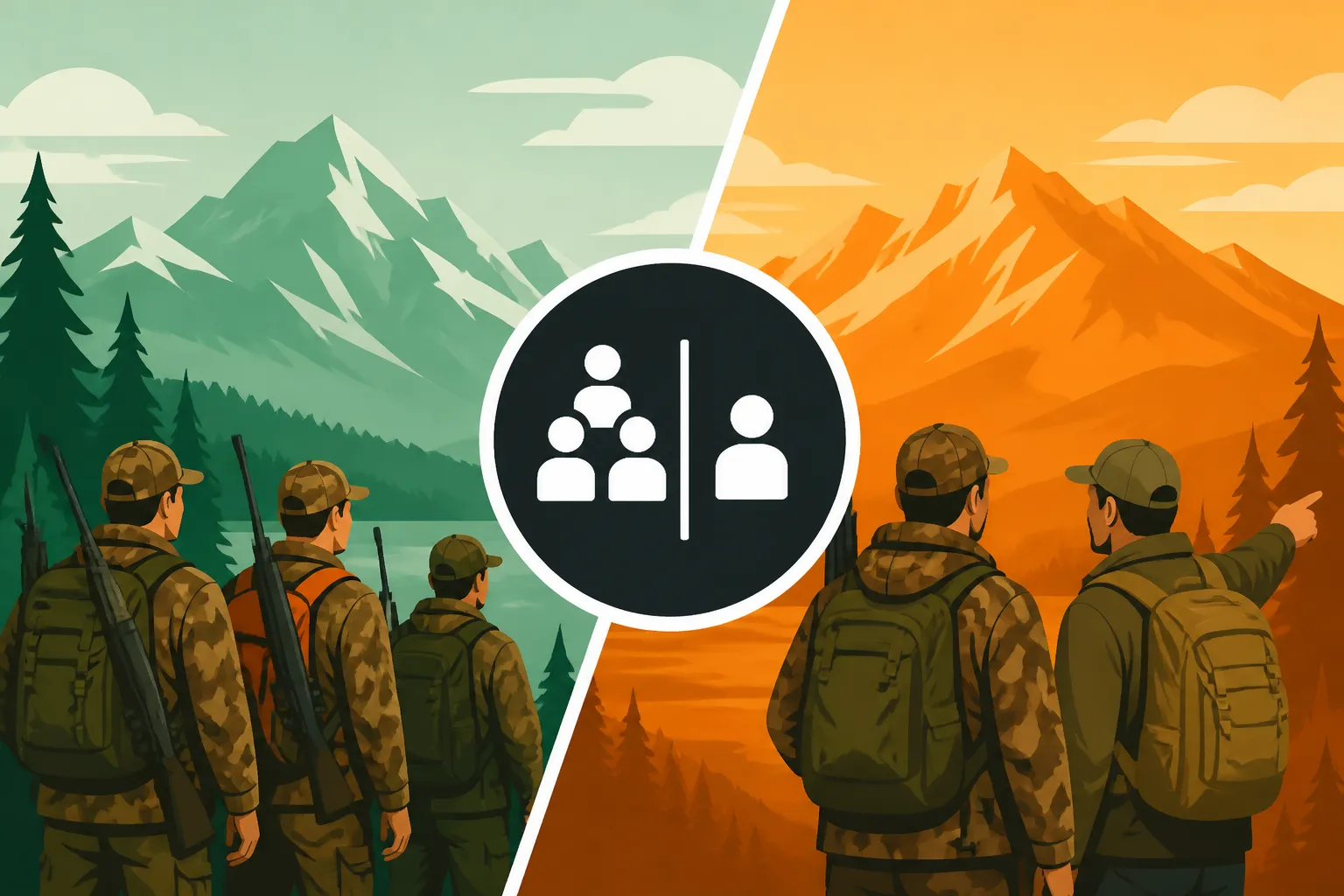
Imagine you've booked a dream sheep hunt in the remote mountains. With a 1:1 hunter to guide ratio, you and your guide become an incredibly tight unit. Every move, every glassing session, every decision is tailored specifically to your pace, your preferences, and your physical capabilities. The guide is focused solely on putting you on the animal of a lifetime. This level of personalized attention means more direct instruction, more opportunities for questions, and a stronger bond forged over challenging terrain. It feels like a true partnership.
However, if you're part of a 2:1 or even 3:1 group, that dynamic shifts. While still effective, the guide's attention naturally has to be divided. This isn't necessarily a bad thing, especially if you're hunting with a close friend or family member and enjoy the shared experience. You might spend more time glassing as a trio, discussing strategies, or celebrating small victories together. But it does mean less one-on-one coaching and potentially a slower pace if one hunter needs more assistance. For some, the camaraderie of a small group hunt is paramount, a chance to create memories with others while still pursuing game.
Safety Considerations in British Columbia's Backcountry
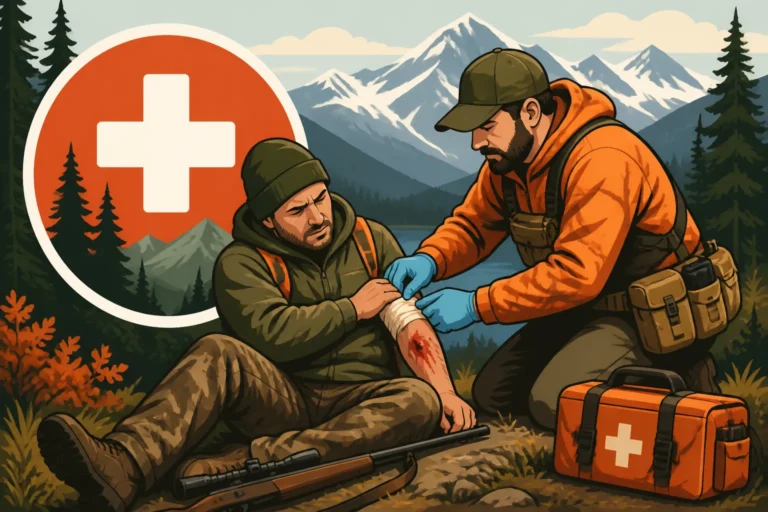
British Columbia is beautiful, but it's also wild and can be unforgiving. Whether you're navigating dense coastal rainforests or climbing steep alpine basins, safety is always a primary concern. The hunter-to-guide ratio plays a crucial role here. In a 1:1 situation, the guide can keep a very close eye on you, your footing, and your reactions to the environment. They can quickly address any signs of fatigue, dehydration, or potential hazards like grizzly encounters. Bear Safety While Hunting in British Columbia is always a critical consideration, and a guide can manage these situations more directly with fewer people.
With more hunters in the group, the guide's ability to constantly monitor everyone lessens. This isn't to say it's unsafe, as professional guides are highly skilled at managing groups. But it does mean you, as a hunter, might need to be more self-aware and proactive in communicating your needs or concerns. For instance, crossing a fast-moving creek or traversing a rocky slope requires careful attention from everyone involved. In a larger group, the guide might focus on the most challenging individual, while others are expected to manage themselves with a bit more autonomy. It's a subtle but significant shift in responsibility and oversight.
Flexibility and Adaptability in the Field
Hunting rarely goes according to plan. Weather can change in an instant, animals can vanish, and access points can become impassable. A lower hunter-to-guide ratio often translates directly to greater flexibility and adaptability in the field. If you're on a 1:1 hunt and the weather turns nasty on a mountain peak, the guide can easily make the call to shift tactics, move to a different elevation, or even change the target species if necessary (within legal limits, of course). The decision-making process is streamlined.
When you have two or more hunters with one guide, adapting to unforeseen circumstances becomes a little more complex. The guide has to consider the capabilities and desires of all hunters. If one hunter is exhausted but another is still fresh, decisions about pushing further or heading back require more negotiation. If a stalk requires absolute silence and precision, managing multiple hunters (and their gear, and their inevitable small noises) can make it exponentially harder. This is particularly true for Spot-and-Stalk Mule Deer in British Columbia or Stalking a Bedded Buck in Open Timber where noise and movement are deadly to success. While a good guide can handle it, the inherent flexibility of a smaller group often allows for quicker, more decisive actions that can sometimes make the difference between success and disappointment.
Understanding Different Ratio Types and Their Implications
When you're looking at guided hunt packages, especially through platforms like BookYourHunt or GoHunt, you'll often see specific hunter-to-guide ratios listed. These aren't just arbitrary numbers; they define the core structure of your trip and heavily influence the experience you're going to have. Let's break down the common ratios you'll encounter and what each truly entails.
The Coveted 1:1 Ratio: Unparalleled Focus
The 1:1 ratio means one hunter, one guide. This is often considered the gold standard for serious hunters, especially those pursuing challenging species like Stone's sheep or mountain goats in remote British Columbia terrain. The primary implication here is focus. Your guide is entirely dedicated to your success, your safety, and your comfort. They can move at your pace, spend extra time glassing a specific basin you're interested in, or patiently coach you through a tricky shot setup. There's no compromise on attention.
This unparalleled focus comes with a higher price tag, as you are essentially bearing the full cost of the guide's expertise, logistics, and time. However, for many, the investment is worth it. It means maximum flexibility in decision-making, direct communication, and a truly personalized adventure. If you're physically preparing for a demanding hunt and want every possible advantage, or if you're a first-time hunter looking for intensive mentorship, a 1:1 ratio is often the ideal choice. It's an immersive experience where the guide effectively becomes your partner in the field.
The Classic 2:1 Ratio: A Balanced Approach for Pairs
The 2:1 ratio, meaning two hunters per guide, is perhaps the most common and popular choice for many guided hunts, particularly for species like moose, elk, or black bear. It strikes a balance between personalized attention and shared cost. This setup is perfect for two friends, a parent and child, or a couple who want to experience the hunt together. You still get significant attention from your guide, but you're also sharing the experience with someone else, often adding a layer of camaraderie to the trip.
With a 2:1 ratio, the guide will naturally split their time and focus between the two hunters. This means coordinated stalks, shared glassing sessions, and often, both hunters being present for a shot opportunity, even if only one is authorized to shoot the animal. It can be a highly enjoyable social experience, and the cost per person is typically lower than a 1:1 hunt. However, it does require both hunters to have compatible fitness levels, similar hunting styles, and a willingness to compromise on occasion. One hunter's success can sometimes depend on the other's patience and cooperation. When Calling Moose in the Rut or Bugling to a Roosevelt Elk Bull, two sets of eyes and ears can be a huge advantage.
Larger Group Ratios (3:1 and Beyond): When They Make Sense
While less common for big game hunting in remote backcountry settings, you'll occasionally see 3:1 or even larger ratios, particularly for hunts that involve more static setups or higher-volume action, such as waterfowl hunting, or some specific types of bear hunts where multiple hunters might be situated in different locations or a boat-based operation is moving between known spots. These ratios significantly reduce the cost per hunter, making guided experiences more accessible.
For example, on a Hunting British Columbia's Coastal Rain bear hunt from a boat, a single guide can often manage several hunters positioned at different vantage points along the shoreline. The guide operates the boat, identifies likely areas, and helps spot bears, but the actual stalking or shooting might be more independent for each hunter once an animal is located. Similarly, a dedicated bird hunting guide might manage a larger group by setting up multiple blinds or directing hunters to specific fields. The trade-off is, of course, a substantial reduction in personalized attention. You'll likely receive general guidance rather than intensive one-on-one coaching, and the pace of the hunt will be dictated by the group's collective dynamic rather than individual preference.
What to Expect from Common Ratios in British Columbia
Knowing the numerical definition of a ratio is one thing, but truly understanding what it feels like on the ground in British Columbia is another. Each ratio creates a distinct atmosphere and workflow, and what's ideal for one hunter might be far from it for another. Let's delve into the practical realities.
The Solo Hunter's Experience (1:1): Intense Focus on Your Success
Imagine a crisp September morning high in the Coast Range, on a Hunting Mountain Goat on British Columbia Rock. With a 1:1 ratio, your guide will have spent countless hours scouting specifically for your hunt, knowing your physical capabilities and aspirations. When you step out of the tent, the plan for the day revolves entirely around you. If you need a break, you take one. If you want to push harder, the guide will push with you. There's no waiting for another hunter to catch up, no compromise on glassing time because someone else is eager to move.
The guide is constantly assessing the situation, communicating directly with you about wind, terrain, and animal behaviour. They'll hand you the spotting scope, explain what you're seeing, and talk you through potential shot scenarios. When a stalk begins, it's just you and the guide, moving as one, anticipating every challenge. This intensity is fantastic for learning, for pushing your limits, and for feeling completely immersed in the moment. It's often the experience sought after when Booking a British Columbia Sheep Hunt, where every detail can make or break the outcome. The bond you form with your guide in this setting is often incredibly strong, built on shared effort and singular focus.
Hunting with a Partner (2:1): Sharing the Experience and the Guide's Time
Many hunters find the 2:1 ratio to be the sweet spot, particularly for species like elk or moose in the Interior. Let's say you're on an Elk Hunting in British Columbia trip with your best hunting buddy. The guide will still be highly attentive, but their time and focus will be distributed. You'll glass together, maybe taking turns on the spotting scope. When a good bull is located, the guide will formulate a plan that considers both your abilities. On a stalk, you might move in unison, or one of you might be positioned while the other backs up the shot.
The beauty of a 2:1 hunt is the shared experience. You get to witness your partner's successes, celebrate together, and commiserate during slow periods. It's a fantastic way to bond and create lasting memories. However, it also means a bit more give and take. If your buddy needs a bit more time getting ready, you'll wait. If a shot opportunity arises and only one of you can take it, clear communication with the guide is key to ensuring it's handled fairly and effectively. This dynamic can be incredibly rewarding, fostering teamwork and shared passion for the hunt. For certain hunts, such as Calling Moose in British Columbia's Interior, having two hunters to react to a calling sequence can be very effective, with one person calling and another ready to shoot.
Group Dynamics in Larger Parties (3:1+): The Social Aspect and Potential Trade-offs
While less common for truly strenuous backcountry big game hunts, larger ratios like 3:1 or even more hunters per guide are sometimes utilized for specific types of British Columbia adventures, like a British Columbia Spring Bear Hunt Packages that involves boat travel on the coast or driving logging roads. In these scenarios, the guide's role shifts slightly from intensive coaching to more of a logistical and strategic manager. They'll get you to the hunting grounds, help glass, and advise on where to focus efforts, but individual stalking and shooting opportunities might be managed more independently.
The primary benefit here is the social aspect and the reduced cost. You'll be sharing camp, stories, and the general experience with a larger group of fellow hunters. This can be great for building new friendships and enjoying a lively atmosphere. The trade-off is inevitably less direct, personalized attention. The guide will have to make decisions that accommodate the group as a whole. You might find yourself waiting more, or perhaps having fewer opportunities for one-on-one instruction. It's crucial for hunters in these larger groups to be self-sufficient, understand the general plan, and be good communicators with both the guide and their fellow hunters. It's often more about the collective experience and less about an individual's specific desires.
Choosing the Right Ratio for Your Hunt Style
Deciding on the perfect hunter-to-guide ratio isn't about finding a universally "best" option; it's about aligning the hunt's structure with your personal goals, budget, physical condition, and preferred hunting style. What works for a seasoned mountain hunter might not suit a first-timer or someone looking for a more relaxed experience. Thinking through these factors honestly will lead you to the most satisfying choice. When you're browsing platforms like BookYourHunt, pay close attention to the ratios offered for various Hunting Guides and Outfitters in British Columbia.
Consider Your Budget: The Direct Correlation Between Ratio and Cost
Let's be realistic: a guided hunt in British Columbia is an investment, and the hunter-to-guide ratio is one of the biggest drivers of that cost. Generally speaking, a 1:1 hunt will be the most expensive per hunter, a 2:1 will be less, and a 3:1 or higher will be the most budget-friendly. This is simply because the fixed costs of the guide's time, gear, transportation (like horses or jet boats for Horseback Hunting British Columbia's Backcountry or Jet Boat Access on British Columbia Rivers), and camp logistics are spread across fewer or more people.
It’s tempting to always gravitate towards the cheapest option, but consider what you might be sacrificing. If your budget only allows for a 3:1 hunt, but your dream is a very physically demanding sheep hunt where you truly need constant guidance and support, that might be a mismatch. Conversely, if your budget is generous, a 1:1 experience might provide invaluable benefits. Think about the overall value proposition: what level of service, attention, and likelihood of success are you hoping to achieve for your investment? Websites like GoHunt often provide tools to help you compare packages and understand the typical price ranges associated with different ratios and species.
Your Hunting Goals and Preferences: Solitude Versus Social Interaction
Are you seeking a deeply personal, introspective journey into the wilderness, where it's just you and your guide against the elements? Or do you thrive on shared experiences, laughing around the campfire, and celebrating successes with friends? Your inherent personality and what you hope to gain from the experience should heavily influence your ratio choice.
A 1:1 hunt lends itself to solitude, intense focus, and a direct connection with both your guide and the wild environment. It’s ideal for introspection and a deep dive into the hunting process. If you prefer quiet reflection and minimal distractions, this is likely your best bet. On the other hand, a 2:1 or even 3:1 hunt can be a fantastic social occasion. It's an opportunity to bond with a partner or make new friends, sharing the highs and lows of the hunt. This shared camaraderie can be just as rewarding as harvesting an animal for many hunters. There's no right or wrong answer here; it's about knowing yourself and what kind of memories you want to create.
Species and Terrain Considerations: How the Animal and Landscape Influence the Ideal Ratio
Certain species and types of terrain naturally lend themselves to specific hunter-to-guide ratios. For instance, a demanding Sheep and Goat Hunting in British Columbia expedition in the rugged mountains often benefits immensely from a 1:1 guide relationship. The sheer physical challenge, the precision needed for long-range glassing, and the intricate details of a high-country stalk all demand maximum guide attention and minimal distractions. The risks are higher, the effort is greater, and the margin for error is smaller.
Compare that to a Black Bear Hunting British Columbia's Spring hunt in accessible areas, perhaps involving glassing clearcuts from logging roads or boating estuaries. While a 1:1 is still excellent, a 2:1 can be highly effective and perfectly enjoyable. Multiple sets of eyes can help spot bears, and the physical demands are often less extreme, making it easier for a guide to manage two hunters simultaneously. For a classic Moose Hunting British Columbia's Interior trip, where calling is a primary tactic, having two hunters with one guide can even be advantageous, with one hunter focusing on the call and the other on setting up a shot. Always consider the nature of the hunt itself when weighing your options.
Here's a quick overview of how ratios typically shake out:
| Ratio | Hunter Focus | Social Aspect | Cost Implications | Ideal For |
|---|---|---|---|---|
| 1:1 | Maximum | Minimal | Highest per hunter | Demanding species (sheep, goat), first-timers, intensive coaching, solitude |
| 2:1 | Balanced | High | Medium per hunter | Hunting with a friend/partner, good balance of cost/attention, many big game species |
| 3:1+ | General oversight | Very High | Lowest per hunter | Less physically demanding hunts, some bear or bird hunts, social groups |
Ultimately, the best hunter-to-guide ratio is the one that aligns most closely with your individual expectations and the type of hunt you're planning. Don't be afraid to ask outfitters detailed questions about how they manage their different ratios and what a typical day looks like for each option. This pre-trip homework will ensure your British Columbia hunting adventure is everything you dreamed of.
Disclaimer
This article is for general informational purposes only and does not constitute professional advice. Laws, prices and regulations vary by location and change over time. Consult a qualified professional for guidance on your specific situation.