British Columbia Day Rates Versus Full Packages
One of the biggest head-scratchers for hunters looking to explore British Columbia's incredible wilderness, especially if you're coming from out of province or another country, is trying to figure out how outfitters price their services. It's not always as straightforward as it seems, and the distinction between a "day rate" and a "full package" can leave you wondering what you're truly getting for your hard-earned money. This guide aims to demystify these pricing structures, helping you understand the pros and cons of each, so you can plan your ultimate BC hunting adventure with confidence and no unwelcome surprises.
Understanding British Columbia Guided Hunts
British Columbia offers some of the most diverse and breathtaking hunting opportunities in North America, from the coastal rainforests to the vast northern Rockies. However, navigating the regulations and logistics, particularly for those unfamiliar with the province, can be a complex undertaking. For non-residents, understanding the requirements for guided hunts is the first crucial step.
Why Non-Residents Need a Guide
If you're a non-resident of British Columbia, the law is quite clear: you generally cannot hunt big game in the province without the services of a licensed guide outfitter or by obtaining a "Permit to Accompany" a resident hunter. This regulation is in place to help manage wildlife populations, ensure ethical hunting practices, and provide a high level of safety in often remote and challenging terrain. It's not just about pointing you to an animal; it's about navigating the vast British Columbia's Guide Outfitter Territories, understanding the specific regulations for each management unit, and ensuring proper field care and reporting of your harvest.
Think about it: British Columbia is enormous, with countless mountains, dense forests, and remote valleys. Without local knowledge and expertise, a non-resident could easily find themselves in a challenging situation, whether it's getting lost, misidentifying game, or even encountering dangerous wildlife without proper preparation. A licensed guide provides that crucial layer of experience, bringing years of intimate knowledge of the area, animal behaviour, and safety protocols. They've spent countless hours scouting, setting up camps, and understanding the nuances of the terrain and weather patterns, all of which are essential for a successful and safe hunt.
The Role of British Columbia Outfitters
British Columbia outfitters are much more than just guides; they are comprehensive service providers. They operate within specific, legally defined territories and hold the necessary allocations for various species. This means they're responsible for everything from pre-hunt scouting and planning to providing transportation, lodging, food, and often specialized equipment like horses, jet boats, or even bush planes. Their goal is to maximize your chances of success while ensuring an ethical and memorable experience.
The scope of an outfitter's role extends beyond the hunt itself. They handle the necessary permits and licenses for their clients, often assisting with the acquisition of British Columbia's Species Licences and Tags well in advance. They are also responsible for the legal processing of game after the harvest, including field dressing, quartering, and often arranging for transport to a butcher or taxidermist. This all-encompassing approach aims to relieve the hunter of many logistical burdens, allowing them to focus entirely on the hunt. The outfitter often serves as your primary contact and problem-solver throughout the entire expedition.
Deciphering Day Rates for British Columbia Hunts
When you're sifting through different hunt offerings, you might come across outfitters advertising "day rates." This pricing model can initially seem appealing due to its apparent flexibility, but it's crucial to understand what it typically entails and where the potential hidden costs might lie.
What's Typically Included in a Day Rate?
A day rate, in its simplest form, usually covers the cost of the guide's time and expertise for a single day of hunting. This often includes their direct guidance in the field, transportation within the hunting area (e.g., in a truck, ATV, or boat provided by the outfitter), and basic field lunches. It's often presented as an hourly or daily charge for the guide's presence and knowledge, giving you access to their insights into the local terrain and animal movements.
Some outfitters might offer a slightly more inclusive day rate that covers a bare-bones camp setup, such as a basic wall tent or spike camp. However, even then, this often means you're responsible for bringing a significant portion of your own gear, from sleeping bags and personal provisions to specialized equipment like optics or rain gear. The idea is that you're largely self-sufficient outside of the guide's direct hunting services. This model is generally less common for truly remote, multi-day big game hunts in British Columbia, but it does exist, particularly for shorter, more accessible hunts or for specialized purposes.
The Hidden Costs and Variables of Day Rates
While a day rate might look attractive upfront, it’s essential to scrutinize what isn't included, as these can quickly add up and inflate your total expenditure. Often, the day rate doesn't cover accommodations, meals beyond a simple field lunch, or the necessary permits and licenses, which are significant costs on their own. You might also find that fuel for transportation, specialized equipment rental (like horses for mountain hunts), or even additional personnel like a packer or camp cook, are extra charges.
Consider a situation where you book a five-day hunt on a day rate. You're paying for the guide's presence, but suddenly you realize you need to factor in hotel stays before and after the hunt, all your dinners, the cost of your British Columbia Hunting Licences and Fees and species tags, potential meat processing, and the inevitable tips. These ancillary expenses, which are often bundled into a full package, can create a patchwork of bills that makes budgeting challenging. This is where a service like GoHunt or BookYourHunt can be useful for initial research, as they often have breakdowns or at least provide contact points to ask these detailed questions to various outfitters. Always ask for a detailed list of what's not included when considering a day rate.
When a Day Rate Might Make Sense
A day rate can be a viable option in specific circumstances. For instance, if you're a resident hunter who needs specialized expertise for a particularly challenging species in a familiar area, a day rate might be a cost-effective way to tap into an outfitter's local knowledge for a few days without needing their full logistical support. This could apply if you have your own extensive camping gear, an established camp, and only need assistance with finding game or navigating complex terrain for a short period.
Additionally, some outfitters might offer day rates for less intensive hunts, such as a localized bird hunt or a short predator call-in session, where the logistics are simpler and don't require an elaborate camp or extensive travel. For non-residents, however, due to the legal requirement for a guide for big game and the inherent complexities of remote BC hunting, day rates are less common for multi-day, trophy-oriented excursions. It's often best suited for specific, limited engagements rather than a full-scale hunting expedition.
Exploring Full Package British Columbia Hunts
In contrast to day rates, full package hunts are the most common and often the most practical option for non-resident hunters pursuing big game in British Columbia. These packages are designed to be comprehensive, taking much of the planning and logistical burden off the hunter's shoulders.
The Comprehensive Nature of Full Packages
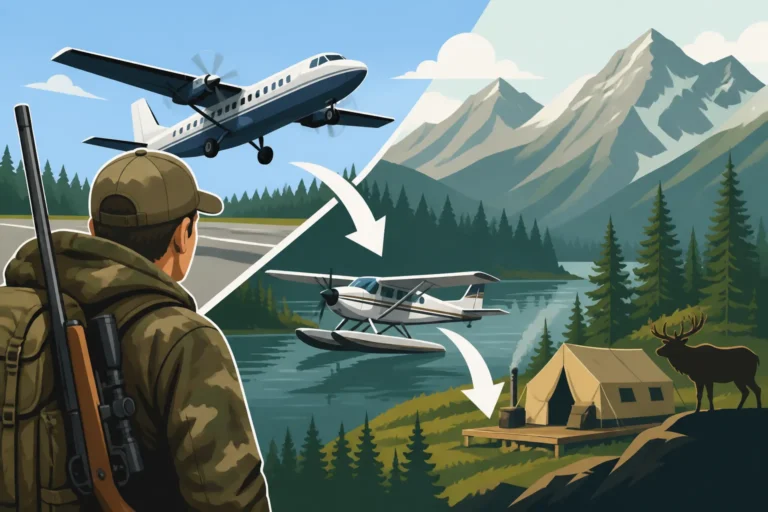
A full package hunt typically includes almost everything you need from the moment you meet your outfitter until you depart. This usually covers the guide's services, all meals, comfortable accommodations (which could range from a remote lodge to a well-equipped wall tent camp or even spike camps in the alpine), and all in-field transportation necessary for the hunt. For hunts requiring specialized access, like those for mountain goats or sheep, this might also include horseback travel, jet boat shuttles on rivers, or even charter flights into remote areas.
The intention behind a full package is to provide a seamless experience where the hunter can focus solely on the hunt itself, without worrying about cooking, setting up tents, or navigating logistics in unfamiliar territory. These packages are built around the entire duration of the hunt, from the designated start to finish, and aim to provide a consistent level of service throughout. Whether you're considering a Booking a British Columbia Bear Hunt, a Booking a British Columbia Moose Hunt, or a challenging Booking a British Columbia Sheep Hunt, a full package simplifies the process considerably.
Advantages of All-Inclusive Pricing
The primary advantage of a full package is the peace of mind that comes with all-inclusive pricing. You generally know the vast majority of your costs upfront, allowing for much more predictable budgeting. This transparency helps avoid those uncomfortable conversations about unexpected charges while you're deep in the backcountry. While tags and licenses are almost always extra, most other significant operational costs are covered.
Furthermore, full packages streamline the entire hunting experience. The outfitter handles all the camp logistics, from meal preparation to tent maintenance, allowing you to conserve your energy for the physical demands of the hunt. This is especially valuable on physically demanding hunts in places like the northern Rockies or the Coast Range. Knowing that a hot meal and a dry place to sleep await you after a long day of stalking a ram or calling a bull can make a huge difference to your morale and overall success. It also means the outfitter is invested in making every aspect of your stay enjoyable, not just the time spent with a rifle in hand.
Situations Where a Full Package Shines
Full package hunts truly shine in situations where the logistics are complex, the terrain is remote, or the hunt requires specialized equipment and expertise that most hunters don't possess. For example, embarking on a Stone's sheep hunt in the far north of British Columbia almost mandates a full package, given the need for bush planes, extensive backcountry camps, and experienced wranglers and packers. The sheer effort and resources required to execute such a hunt safely and effectively are immense.
Similarly, a multi-day moose hunt in British Columbia's interior, often involving jet boat access up a remote river or extensive travel on deactivated logging roads, benefits greatly from an outfitter providing all the infrastructure. Even for black bear hunts, especially those on the coast involving boat access to estuaries, a package can simplify the experience by including the specialized vessel, fuel, and knowledge of tidal charts and prime feeding areas. For most non-residents, particularly those traveling from afar, the comprehensive nature of a full package is usually the most practical and stress-free way to pursue big game in British Columbia.
Comparing Day Rates and Full Packages: A Deep Dive
Choosing between a day rate and a full package requires careful consideration of several factors, from the financial implications to the kind of hunting experience you're seeking. It's not just about the sticker price; it's about the overall value and fit for your specific needs.
Cost Structure and Transparency
The cost structure is perhaps the most glaring difference. A day rate presents a lower apparent cost per day, but as we discussed, it often hides a multitude of additional expenses that can accumulate rapidly. These could include everything from extra vehicle miles to specialized gear, food, and accommodation. This fragmented billing can make it very difficult to predict your final budget, leading to potential stress and frustration during the trip.
Full packages, conversely, offer a much higher initial price point, but they provide significantly greater cost transparency. When an outfitter quotes you a package price for a What a British Columbia Guided Hunt Costs, that price typically encompasses the vast majority of your in-camp expenses. While you'll still need to budget for your British Columbia's Species Licences and Tags, travel to the outfitter's meeting point, and don't forget the gratuity for your hard-working guide and camp staff (check out Tipping a British Columbia Guide), the operational costs of the hunt itself are largely consolidated. This allows for much more straightforward financial planning.
| Feature | Day Rate | Full Package |
|---|---|---|
| Cost Transparency | Low – many hidden fees, unpredictable total | High – most costs bundled, predictable budget |
| Inclusions | Guide's time, basic field lunch, some transport | Guide, all meals, accommodation, in-field transport |
| Exclusions | Accommodations, most meals, permits, gear rental, tips | Licences, tags, travel to meeting point, tips |
| Logistical Burden | High for hunter (camp, food, gear) | Low for hunter (outfitter handles everything) |
| Flexibility | Potentially higher for specific needs/shorter duration | Fixed itinerary, less customization mid-hunt |
| Ideal Hunter | Local residents with own gear, specific needs | Non-residents, remote hunts, comprehensive experience |
| Booking Complexity | More individual arrangements required | Simplified; one booking covers most aspects |
Flexibility Versus Predictability
Day rates can offer a certain degree of flexibility, especially if you're a local hunter who might only need a guide for a couple of days to target a specific animal or access a challenging area. You might be able to pick and choose which services you require, tailoring the experience more precisely to your individual needs and existing gear. However, this flexibility comes at the cost of predictability, both in terms of budget and the overall hunting experience. If weather turns bad or an animal isn't found, extending a day rate hunt can suddenly become very expensive.
Full packages, while less flexible in their core offerings (e.g., you typically book a 7-day moose hunt, not a 3-day flexible one), provide immense predictability. You know exactly how many days you'll be hunting, where you'll be staying, what you'll be eating, and what level of support you'll receive. This predictability reduces stress and allows you to fully immerse yourself in the adventure. For multi-day hunts into remote areas, having a predictable, well-supported base camp is invaluable for hunter comfort and success. It ensures that the outfitter has the resources committed to see your hunt through, regardless of minor setbacks.
Ideal Hunter Profiles for Each Option
The choice between day rates and full packages often boils down to the hunter's profile, experience level, and specific goals. A day rate might appeal to a seasoned resident hunter who is intimately familiar with British Columbia's backcountry and has all their own gear, but needs an outfitter's specialized knowledge for a short, targeted mission. Perhaps they want to access a specific area with a jet boat for a couple of days, or they need help tracking a difficult animal.
Conversely, a full package is almost always the superior choice for non-resident hunters, those venturing into truly remote or challenging terrain, or anyone seeking a comprehensive, stress-free hunting vacation. If you're traveling a long distance, a package ensures that your investment covers all the critical elements of the hunt, from the time you land until you depart. It’s also ideal for hunters who may be less experienced with backcountry living or who prefer to have all the logistical heavy lifting handled by professionals. Before you commit, be sure to ask Questions to Ask Before Booking to ensure the package meets your expectations.
Navigating Booking and Logistics for British Columbia Hunts
Once you have a grasp of the pricing models, the next step is to actually engage with outfitters and manage the booking process. This involves careful research, understanding contractual terms, and planning for the practical aspects of your trip.
Researching and Vetting Outfitters
Finding the right outfitter is paramount, regardless of whether you're considering a day rate or a full package. Begin by researching outfitters that specialize in the species you wish to hunt and operate in the regions you're interested in. Websites like BookYourHunt or GoHunt can be excellent starting points for discovering reputable outfitters and reading reviews from past clients. However, don't stop there. Good outfitters are often booked years in advance, especially for high-demand species like Stone's sheep or trophy moose.
When you identify potential outfitters, reach out to them directly. Ask detailed questions about their operations, success rates (and what "success" truly means to them – e.g., opportunity vs. harvest), the specific area you'll be hunting, and, crucially, what's included and excluded in their pricing structure. Request references from previous clients and take the time to contact them. Their honest feedback about the hunt, the guide, the camp, and the overall experience is invaluable. You're entrusting your safety, significant funds, and precious vacation time to these professionals, so thorough vetting is essential. Look for outfitters who are transparent and eager to answer all your questions.
Deposit, Cancellation, and Payment Considerations
Booking a British Columbia hunt, especially a full package, involves a significant financial commitment, and understanding the payment terms is critical. Most outfitters require a substantial deposit upfront to secure your dates, often months or even years in advance. This deposit is usually non-refundable or only partially refundable under specific conditions. It's their way of securing your commitment and covering their initial planning and preparation costs.
Carefully read the outfitter's contract regarding cancellation policies. Life happens, and circumstances can change, so know what your options are if you need to cancel or postpone your hunt. Some outfitters may allow you to roll over your deposit to a future year or transfer it to another hunter, while others may enforce strict forfeiture rules. The final payment is typically due a certain number of days or weeks before the hunt commences. Always clarify the accepted payment methods and currency. Consider travel insurance that covers hunt cancellations, as this can be a lifesaver if unforeseen events prevent you from going.
Practicalities Beyond the Hunt Itself
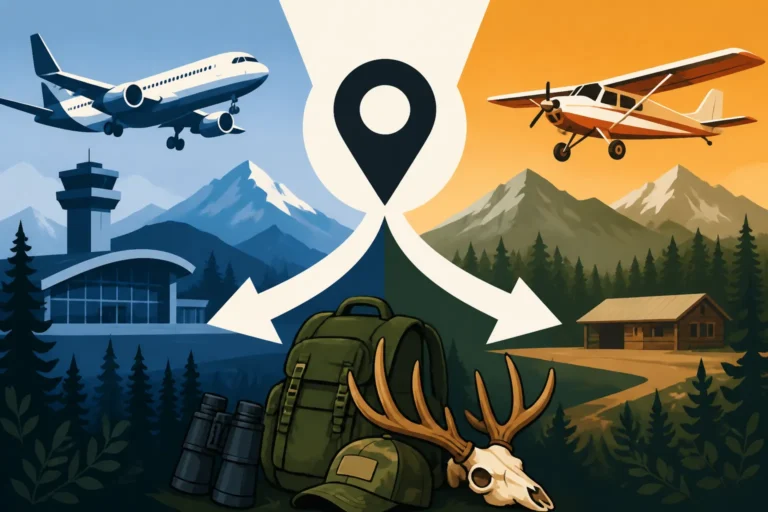
Your hunt doesn't begin and end at the outfitter's camp. There are numerous practicalities to consider for your British Columbia hunting adventure. First, think about your travel to and from the designated meeting point, which could be a major airport like Vancouver or Prince George, or a smaller regional airstrip. Factor in flights, potential hotel stays before and after the hunt, and ground transportation. Depending on the remoteness of your hunt, this logistical leg can be substantial.
Next, consider your personal gear. Even with a full package, you'll be responsible for bringing your own clothing, boots, optics, sleeping bag (sometimes), and other personal items. Refer to a comprehensive packing list, like the one often provided by outfitters or found in articles such as What to Bring on a British Columbia Guided Hunt. Finally, think about what happens after a successful harvest. You'll need to arrange for British Columbia Meat Processing and Shipping if you plan to take meat home, and potentially taxidermy and trophy export if you're taking a hide and horns. These are often additional costs and logistical steps that require careful planning.
Disclaimer
This article is for general informational purposes only and does not constitute professional advice. Laws, prices and regulations vary by location and change over time. Consult a qualified professional for guidance on your specific situation.