Hunting Guides and Outfitters in British Columbia
Embarking on a British Columbia hunting adventure as a non-resident can feel like navigating a dense thicket of regulations and logistics, often leaving prospective hunters wondering where to even begin. The sheer scale of the province, combined with specific rules for those from outside B.C., means that self-guided hunts are simply not an option for many species. This comprehensive guide will demystify the world of hunting guides and outfitters in British Columbia, explaining their essential role, the services they offer, and how to successfully plan and execute an unforgettable guided hunt in this spectacular wilderness.
Understanding the Role of Outfitters and Guides in British Columbia Hunting
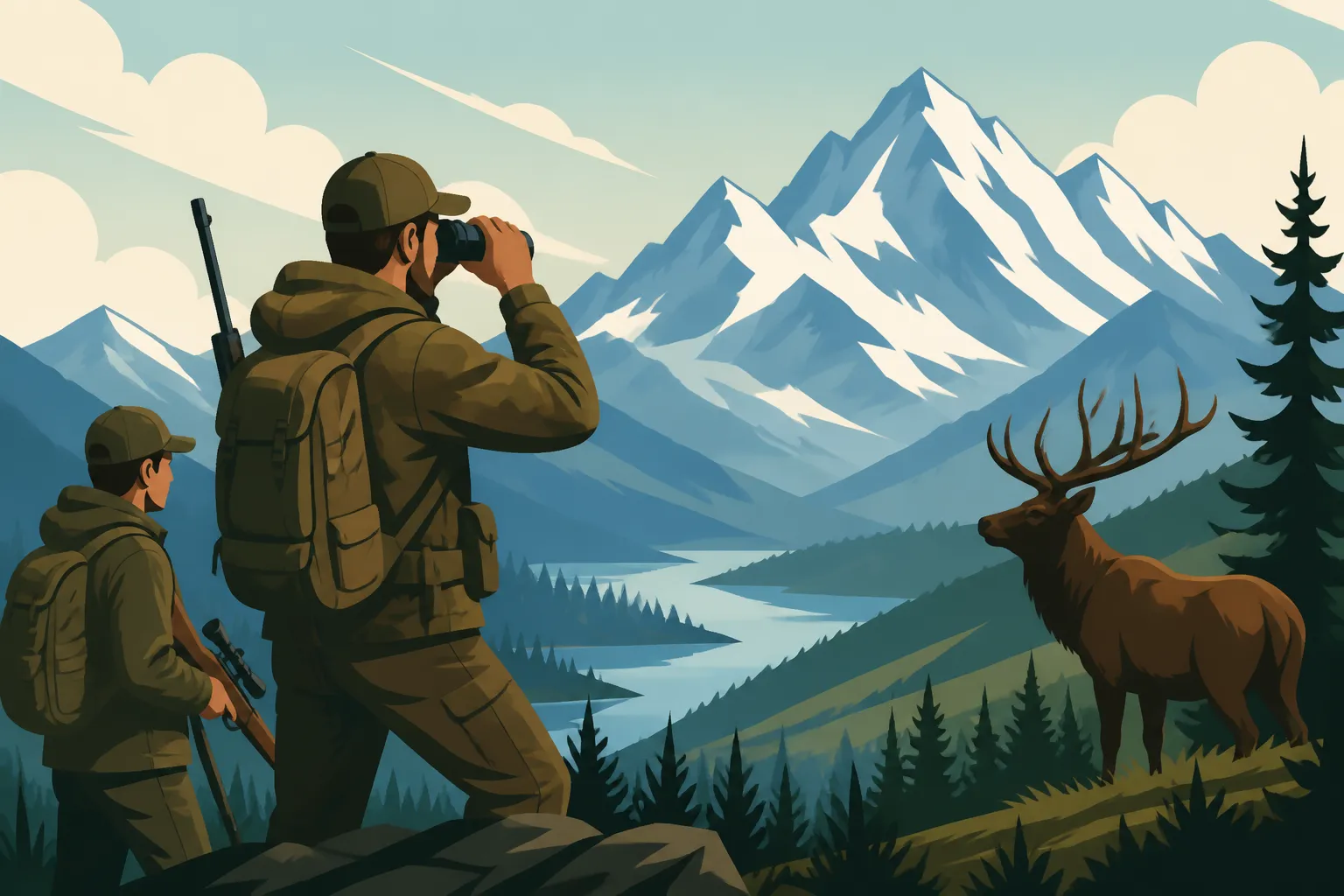
When you dream of hunting British Columbia, you likely envision towering peaks, vast untouched forests, and the challenge of pursuing iconic big game species. For many, especially those coming from outside the province, making that dream a reality hinges entirely on the professional services of a licensed guide outfitter. These individuals and businesses are not just escorts; they are the gatekeepers to the B.C. wilderness, offering expertise, access, and a crucial link to the province's unique hunting regulations.
What is a British Columbia Guide Outfitter?
A Guide Outfitter in British Columbia is a licensed professional who operates within a specific, government-allocated territory. This isn't just a casual side gig; it's a serious business governed by provincial law. These territories are often vast, encompassing diverse landscapes from coastal rainforests to high alpine tundra and interior grasslands, each with its own set of challenges and opportunities. An outfitter holds the exclusive commercial rights to guide non-resident hunters within their allocated area for certain species. This exclusivity is a cornerstone of B.C.'s wildlife management strategy, helping to control hunting pressure and maintain healthy game populations.
Think of it this way: a guide outfitter is your local expert, intimately familiar with their territory, the habits of the local game, and the ever-changing conditions of the backcountry. They invest heavily in equipment, staff, and knowledge to provide a safe and productive hunting experience. Their licensing ensures a level of accountability and professionalism, meaning you're dealing with someone who has met provincial standards. It's not just about taking you to an animal; it's about managing a complex operation in some of the most remote and challenging environments imaginable.
The Value Proposition of a Guided Hunt
The appeal of a guided hunt goes far beyond simply having someone show you where to go. For many non-residents, a guided experience is the only way to legally hunt big game in British Columbia. Beyond the legal mandate, the value lies in the unparalleled local knowledge. A good guide has spent countless hours scouting, tracking, and observing game in their specific area. They understand seasonal movements, preferred habitats, and the nuances of various species. This local intelligence dramatically increases your chances of success and helps you avoid critical mistakes that could easily ruin a self-guided trip.
Consider the practicalities: navigating unmarked logging roads, interpreting game sign in unfamiliar terrain, setting up a safe and comfortable backcountry camp, and even the crucial aspect of game recovery and meat care in a remote setting. These are all areas where an outfitter's experience is invaluable. They provide the necessary equipment, from reliable vehicles and boats to horses or even aircraft for remote access. Perhaps most importantly, they prioritize safety, understanding the inherent risks of hunting in wild country, from bear encounters to challenging weather conditions. A guided hunt means you have an experienced partner looking out for you every step of the way, allowing you to focus on the thrill of the hunt.
Evolution of Guided Hunting in BC
The history of guided hunting in British Columbia is as rich and rugged as the province itself, evolving from early trappers and prospectors showing visiting sportsmen the ropes, to the highly regulated and professional industry we see today. In the early days, guides were often pioneers who knew the land intimately, leading clients on extended expeditions into truly untamed wilderness. As demand grew and conservation concerns became more prominent, the provincial government began to formalize the industry, establishing guide outfitter territories and specific licensing requirements.
In recent decades, the industry has continued to adapt. There's been a significant shift towards sustainable harvest practices, with outfitters often playing a key role in wildlife conservation efforts within their territories. The types of hunts have diversified too, from traditional horseback trips deep into the mountains to modern jet boat or fly-in expeditions. Technology has also played a part; while still deeply rooted in tradition, many outfitters now leverage satellite communication, mapping software, and even social media to connect with clients and showcase their operations. The essence, however, remains the same: connecting hunters with the wild beauty and abundant game of British Columbia, facilitated by seasoned professionals.
The Legal Framework: Non-Residents and Guided Hunts
British Columbia has distinct regulations governing who can hunt what, and where. For hunters who do not reside in the province, these rules are particularly stringent, primarily to ensure conservation and fair allocation of hunting opportunities. Understanding this legal framework is not just about compliance; it's about knowing your options and planning your hunt effectively.
Mandatory Guiding for Non-Residents
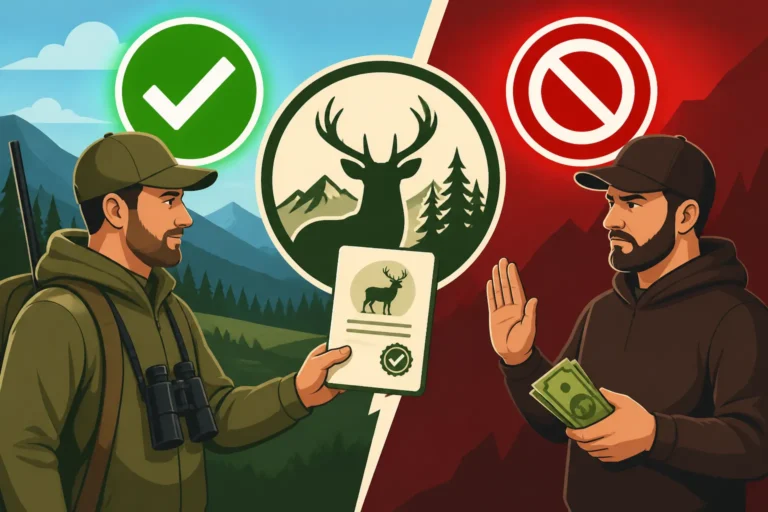
This is perhaps the most critical piece of information for any non-resident considering a hunt in British Columbia: with very few exceptions, you cannot hunt big game in B.C. without the services of a licensed guide outfitter. This applies to most popular species like moose, elk, caribou, sheep, goats, and even black bears in many regions. The province mandates this to ensure non-resident hunters are accompanied by experienced professionals who understand the local terrain, wildlife, and complex regulations. It's a measure designed to promote safety, ethical hunting, and wildlife management.
The only real exception for big game for non-residents is typically for some general open season deer hunts, or certain small game and waterfowl, which can sometimes be hunted unguided. However, even these can have regional restrictions or specific rules about private land access. For the vast majority of non-resident hunters targeting major species, booking with a guide outfitter isn't just recommended – it's a legal requirement. Ignoring this rule can lead to severe penalties, including hefty fines, confiscation of gear, and even a ban from hunting in B.C. in the future. Always double-check the latest British Columbia's Two-Year Regulations Synopsis for precise details on which species require a guide.
The Permit to Accompany Option
While mandatory guiding is the general rule for non-residents (specifically non-resident aliens, meaning anyone not a Canadian resident), there's a unique provision for non-resident Canadians (those living in other Canadian provinces). This is called a "Permit to Accompany" and it offers an alternative to hiring a guide outfitter. Essentially, it allows a non-resident Canadian to hunt big game in British Columbia if accompanied by a resident of B.C. who holds a valid hunting licence and certain other qualifications.
This permit acts as a sponsorship, with the B.C. resident taking on significant responsibility for the non-resident hunter. The resident must have been a B.C. resident for at least two years, hold the relevant species licence for the area, and can only accompany one non-resident Canadian at a time for big game. The Permit to Accompany must be applied for and approved in advance, and there can be limits on which species or management units it applies to. This option is popular among family and friends from different provinces who wish to hunt together, offering a more affordable and personal experience than a fully guided hunt. It's important to understand What a Permit to Accompany Allows and the responsibilities involved for both parties.
Understanding Guiding Territories
A unique aspect of British Columbia's guided hunting industry is the system of exclusive guiding territories. The entire province is divided into these territories, each allocated to a specific guide outfitter. This means that an outfitter holds the sole commercial right to guide non-resident clients for specific species within the boundaries of their designated territory. This system was put in place to ensure proper management of wildlife resources, prevent overcrowding, and provide a business framework for outfitters.
These territories can vary wildly in size and character, from thousands of square kilometres of remote wilderness to smaller, more accessible areas. For instance, an outfitter operating in the Northern Rockies might have a vast, rugged territory ideal for sheep, moose, and caribou, while a coastal outfitter might have a territory focused on black bear and Roosevelt elk. When you book a hunt with an outfitter, you are hunting within their exclusive territory. This system also means that outfitters have a vested interest in the long-term health of the wildlife populations in their areas, often actively participating in habitat enhancement and conservation efforts. Researching British Columbia's Guide Outfitter Territories can give you a better idea of the regional specializations.
| Guide Type | Legal Requirement for Non-Residents (Big Game) | Primary Client Base | Key Advantage | Cost Implications |
|---|---|---|---|---|
| Guide Outfitter | Mandatory for Non-Resident Aliens | Non-Resident Aliens & Non-Resident Canadians | Exclusive territory access, full service, expertise | Highest |
| Permit to Accompany | Option for Non-Resident Canadians | Non-Resident Canadians | Hunt with a B.C. resident host, more personal | Lower (no guide fee) |
| Self-Guided | Only for B.C. Residents (and limited exceptions for non-residents) | B.C. Residents | Independence, lower cost | Lowest (licence/gear only) |
Types of Guided Hunts and Services Offered
British Columbia's diverse landscapes and abundant game offer an incredible array of guided hunting experiences. Outfitters have adapted to these varied conditions, providing everything from rugged, traditional backcountry expeditions to more comfortable lodge-based hunts. Understanding the different types of services can help you choose the adventure that best suits your fitness level, preferences, and budget.
Backcountry Expeditions
For many, the quintessential B.C. hunting experience involves venturing deep into the backcountry, far from roads and civilization. These expeditions are often the most physically demanding but also the most rewarding, offering true wilderness immersion. Common modes of transport for backcountry hunts include horseback, fly-in, and sometimes even backpack-only trips.
Horseback hunts are a classic, allowing hunters to cover vast distances in rugged mountain terrain, accessing areas that would be impossible to reach on foot. Imagine riding for days through alpine meadows and timbered ridges, setting up spike camps each night under a canvas of stars. These hunts are physically challenging even for the horses, requiring riders to be comfortable in the saddle and prepared for long days. Fly-in hunts, on the other hand, utilize bush planes or helicopters to transport hunters directly to remote lakes, airstrips, or alpine basins. This drastically reduces travel time and opens up truly untouched regions, often targeting species like sheep, goat, and high-country moose. These hunts demand hunters to be self-sufficient once dropped off, often relying on spike camps and their own two feet for daily hunting. Regardless of the mode of access, a backcountry hunt is about raw wilderness, the unpredictable elements, and the profound satisfaction of earning your trophy deep in nature. For those seeking true adventure, these are the pinnacle of guided experiences. Consider Horseback Hunting British Columbia's Backcountry for more insights into this rugged style of hunt.
Drive-In and Lodge-Based Hunts
Not every guided hunt in British Columbia requires weeks of living out of a backpack or saddle. Many outfitters offer more accessible options, particularly for those who prefer a higher level of comfort at the end of a long day. Drive-in hunts typically involve using trucks or ATVs to access hunting areas from a central lodge or established camp. These camps often feature cabins, wall tents with wood stoves, and amenities like hot showers and hearty meals, making them ideal for hunters who want a comfortable base of operations.
Lodge-based hunts take comfort to the next level, with some outfitters offering luxurious accommodations, gourmet meals, and amenities that might even include Wi-Fi or satellite TV. While you'll still be out hunting hard during the day, your evenings will be spent in warmth and comfort. These types of hunts are excellent for hunters with physical limitations, those who prefer not to "rough it," or those who simply enjoy a more relaxed camp experience. They often target species found in more accessible areas, such as black bears along logging roads or certain deer and elk populations near agricultural interfaces. While the experience is different from a deep backcountry trek, the thrill of the chase and the beauty of British Columbia are still front and center.
Specialty Hunts and Combination Packages
Beyond the general big game experiences, many British Columbia outfitters specialize in particular species or offer unique combination packages. For instance, some outfitters are renowned for their expertise in Sheep and Goat Hunting in British Columbia, focusing on the incredibly challenging pursuit of these high-altitude animals. Others might focus specifically on Moose Hunting British Columbia's Interior, using calls and tracking techniques tailored to that majestic species.
Combination packages are another popular choice, allowing hunters to pursue multiple species on a single trip. Imagine a fall hunt where you might target a mule deer buck in the morning and call a black bear in the afternoon. Or perhaps a spring trip that combines bear hunting with world-class fishing. These packages offer incredible value and the chance to experience more of British Columbia's diverse wildlife. Some outfitters even cater to specific interests, such as photography hunts, wilderness tours, or even waterfowl hunting expeditions in the province's rich estuaries. When exploring options, it's worth checking if an outfitter offers a "combo" that aligns with your multi-species aspirations, potentially making the long journey to B.C. even more worthwhile.
Choosing the Right Outfitter: Key Considerations
Selecting the right guide outfitter is arguably the most critical decision you'll make when planning your British Columbia hunt. Your choice will directly impact your safety, enjoyment, and ultimately, your success. With many reputable outfitters across the province, knowing how to research, vet, and communicate effectively is paramount.
Researching and Vetting Potential Outfitters
The internet is a powerful tool for initial research, but it's just the starting point. Begin by identifying what species you want to hunt, when you want to hunt, and what kind of experience you're looking for (e.g., hardcore backcountry vs. lodge-based). Websites like BookYourHunt or GoHunt can be excellent platforms for discovering outfitters, reading initial reviews, and filtering by species and region. However, don't stop there. Dive deeper into each outfitter's dedicated website, looking for comprehensive information about their operations, specific hunts offered, and their philosophy.
Once you have a shortlist, the real vetting begins. Reach out to the outfitters directly via phone or email. Pay attention to their responsiveness and the clarity of their communication. A good outfitter will be happy to answer all your questions thoroughly. More importantly, ask for references – and always follow up on them. Speak to past clients about their experiences: what was the guide like? Was the camp as described? How was the food? What was the actual success rate for their group? Verify their licensing through the Guide Outfitters Association of British Columbia or the provincial government's wildlife branch if possible. Remember, this is a significant investment of time and money, so due diligence is essential.
Asking the Right Questions Before You Book
Once you've narrowed down your choices, prepare a list of specific questions to ask your potential outfitter. Don't be shy; clarity now prevents disappointment later. Here are some key areas to cover:
- Success Rates: Be realistic. Ask about historical success rates for the specific species and hunt you're interested in. Understand that "opportunity rate" (seeing game) is different from "harvest rate" (taking an animal). An honest outfitter will discuss both.
- Inclusions and Exclusions: What exactly is covered in the price? This is vital. Does it include transportation from the nearest airport, species tags, trophy fees, meat processing, or taxidermy prep? What about licences, which have separate British Columbia Species Licences and Tags costs? Clarify every detail to avoid surprise costs.
- Guide-to-Hunter Ratio: What is the ratio? Is it 1-on-1, 2-on-1, or higher? This impacts the personalized attention you receive.
- Physical Demands: Be honest about your fitness level and ask about the typical physical demands of the hunt. Is it strenuous hiking, riding, or mostly glassing from a vehicle?
- Camp Life: What are the accommodations like? Wall tents, cabins, lodge? What about food? Dietary restrictions?
- Emergency Procedures: What is their plan in case of injury or a severe weather event in the backcountry? Satellite communication is standard, but ask about their full protocol. Emergency Planning in British Columbia's Backcountry is something every hunter should consider.
- Weapon Requirements: Are there specific calibre or bow weight recommendations? What are the Legal Rifle Calibres for Big Game in B.C.?
- Best Time to Hunt: Ask about the optimal time within the season for the species you're targeting, considering factors like the rut or prime feeding patterns. British Columbia Big Game Season Dates will vary by species and region.
Understanding Outfitter Contracts and Policies
Before you commit, carefully review the outfitter's contract and policies. This document is a legal agreement outlining the terms of your hunt, including payment schedules, cancellation policies, and liability waivers. Pay close attention to:
- Deposit and Payment Schedule: When are deposits due, and are they refundable? What are the payment milestones leading up to your hunt date? Many outfitters require a significant deposit well in advance, often a year or more out, especially for highly sought-after species like sheep or prime Moose Hunting British Columbia's Interior dates.
- Cancellation Policy: What happens if you need to cancel? What if the outfitter has to cancel due to unforeseen circumstances like wildfires, early snow, or other natural disasters? Is there a possibility of rebooking or a refund? Travel insurance that covers hunt cancellations is often a wise investment.
- Trophy Fees: Some hunts have additional "trophy fees" that are only charged if you harvest an animal, especially for premium animals or if you take a second species. Make sure you understand these potential additional costs.
- Liability Waiver: You will almost certainly be asked to sign a waiver acknowledging the inherent risks of hunting in the wilderness. Read it thoroughly and understand what you are agreeing to. Don't hesitate to seek legal advice if you have concerns, though most waivers are standard for adventure tourism.
- Ethical Practices: A reputable outfitter will adhere to ethical hunting practices and conservation principles. Their contract or policies should reflect this, emphasizing fair chase and responsible stewardship of wildlife.
Booking Your Hunt: Planning, Costs, and Logistics
Booking a guided hunt in British Columbia is a significant undertaking, requiring careful planning and a clear understanding of financial commitments and logistical details. This isn't a last-minute decision; prime dates and top outfitters often book out years in advance.
Navigating Hunt Pricing Structures
Guided hunts in British Columbia are an investment, and prices can vary dramatically based on the species, duration, remoteness, and level of service. You'll typically encounter a few different pricing models:
- Package Prices: Most outfitters offer all-inclusive (or mostly inclusive) package prices for a set number of days targeting a specific species. These are usually quoted per hunter and might include guiding services, accommodations, meals, and field transportation.
- Day Rates: Less common for full big game hunts, but sometimes offered for shorter trips or specific species like predator hunting. A day rate covers the guide's time and basic services per day.
- Trophy Fees: This is where things can get tricky if not clarified. Some outfitters include the trophy fee in the package price. Others charge a separate fee only if you harvest an animal. This is particularly common for very high-value species like sheep or goat, or if you're attempting to take a second animal on a combo hunt. Ensure you know if and when a trophy fee applies, and how it's calculated (e.g., flat fee, based on size).
- Additional Costs: Always budget for additional expenses that are not included in the base package. These almost always include your provincial hunting licence and specific species tags (e.g., a Moose Species Licence Cost will be separate from the hunt package), the federal migratory bird permit if applicable, goods and services tax, tips for your guide and camp staff, travel to and from British Columbia, personal gear, meat processing, and taxidermy and shipping costs for your trophy.
Being upfront with your budget and asking for a detailed breakdown of all potential costs will prevent any unpleasant surprises down the line.
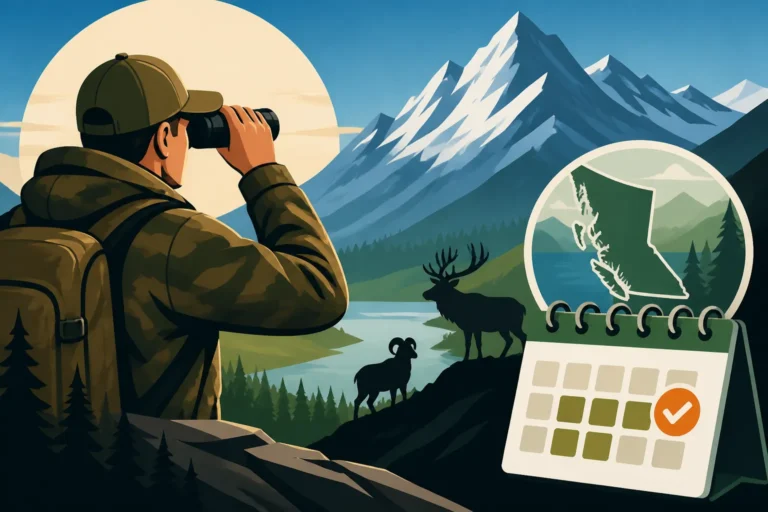
The Booking Timeline and Deposit Schedule
Booking a British Columbia guided hunt is not like reserving a hotel room. For sought-after species and prime dates, outfitters often have bookings extending several years into the future.
- Early Booking is Key: For high-demand hunts like those for Stone's sheep, quality moose, or prime rut dates for elk or deer, it's not uncommon to book 2-5 years in advance. Even for more readily available hunts, booking a year or more out is highly advisable to secure your preferred dates and outfitter.
- Deposit Requirements: Expect to pay a substantial non-refundable deposit to secure your booking. This typically ranges from 25% to 50% of the total hunt cost. The deposit confirms your commitment and allows the outfitter to plan their schedule and resources.
- Payment Milestones: The remaining balance is usually broken into one or two further payments, often due at 90 days and/or 30 days prior to your hunt start date. Make sure you understand this schedule and adhere to it. Failure to make payments on time could result in forfeiture of your deposit and loss of your hunt.
- Licence and Tag Purchase: Once your hunt is confirmed, you'll need to purchase your non-resident hunting licence and specific species tags. Ensure you understand the current British Columbia Hunting Licences and Fees and the deadlines for obtaining them. Many outfitters will assist in navigating this process.
A solid booking timeline, meticulously followed, ensures a smooth path to your British Columbia adventure.
What's Typically Included and Excluded
To avoid any confusion, here's a general overview of what you can usually expect to be included and excluded in a standard guided British Columbia hunt package:
Typically Included:
- Guiding Services: The expertise of a licensed guide (and potentially an assistant guide).
- Accommodations: Lodging at a main camp, spike camp, or lodge.
- Meals: All food and non-alcoholic beverages during the hunt.
- Field Transportation: Use of vehicles, horses, boats, or small aircraft to access hunting areas within the territory.
- Field Preparation: Initial caping, quartering, and packing out of harvested game to camp.
- Trophy Prep: Basic skinning, salting of capes, and skull preparation for taxidermy.
Typically Excluded (Budget For These!):
- Hunting Licences and Tags: Provincial hunting licence, species tags (e.g., British Columbia Deer Species Licence Cost), and any special permits like the federal migratory game bird permit.
- Travel to British Columbia: Flights to the nearest major airport (e.g., Vancouver, Prince George, Cranbrook), and any ground or charter transfers to the outfitter's base camp.
- Pre and Post-Hunt Accommodation/Meals: Any hotel stays or meals before or after your hunt.
- Personal Gear: Your rifle/bow, ammunition, optics, clothing, sleeping bag, and other personal items.
- Gratuities/Tips: For your guide and camp staff (often a significant amount, discussed further below).
- Trophy Fees: If not specified as included in the package.
- Meat Processing: Butcher services beyond field care.
- Taxidermy: Costs for actual taxidermy work.
- Shipping: Export fees and shipping costs for meat and trophies back home.
- Alcoholic Beverages: BYOB is common.
- Communication: Satellite phone rental or data plans for personal devices.
- Travel Insurance: Highly recommended for trip cancellation and medical emergencies.
Always get a written list of inclusions and exclusions from your outfitter.
Preparing for Your Guided British Columbia Hunt
A successful guided hunt in British Columbia is not just about the guide; it's also about your own preparation. The rugged terrain, unpredictable weather, and demanding nature of the hunt mean that being physically, mentally, and practically ready is crucial.
Physical and Mental Conditioning
British Columbia hunting can be incredibly demanding. Whether you're on a multi-day horseback hunt deep in the mountains, stalking a blacktail buck through dense coastal rainforest, or climbing steep alpine slopes for goats, you'll be putting your body to the test.
- Physical Fitness: Start a fitness regimen well in advance. Focus on cardiovascular endurance (hiking, running, stair climbing) and strength training, particularly for your legs, back, and core. Incorporate exercises that mimic hunting movements, like carrying a heavy pack uphill. If your hunt involves horses, consider taking some riding lessons to get comfortable in the saddle. Many outfitters specifically highlight the need for hunters to be in good physical shape, especially for mountain hunts for sheep or goat. Fitness for a British Columbia Sheep Hunt applies to many other species as well.
- Mental Toughness: The backcountry can be tough. You might face adverse weather, long days without seeing game, missed opportunities, or discomfort. Mental resilience, patience, and a positive attitude are just as important as physical strength. Be prepared for the unexpected and maintain a good sense of humor.
- Pre-Hunt Check-ups: Ensure you're in good health and discuss your hunt plans with your doctor, especially if you have any pre-existing conditions or are heading to high altitudes. Carry any necessary personal medications, clearly labelled.
Gear and Clothing Essentials
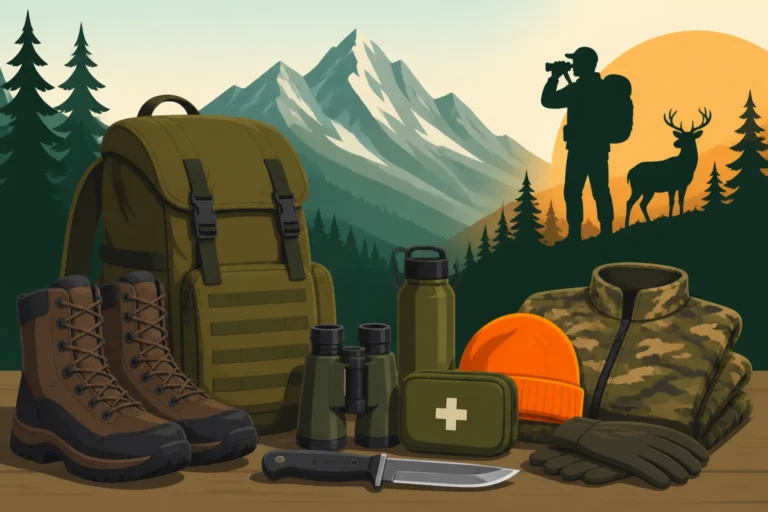
British Columbia's climate is incredibly varied, from the wet coast to the dry interior and the frigid northern mountains. Your gear and clothing choices need to reflect the specific region and time of year you'll be hunting. Your outfitter will provide a detailed packing list, but here are some general essentials:
- Layered Clothing System: This is paramount. Start with a moisture-wicking base layer, add insulating mid-layers (fleece, down), and top it with waterproof and windproof outer shells. Avoid cotton.
- Quality Boots: Invest in well-broken-in, waterproof, supportive hunting boots appropriate for the terrain. Good socks (wool or synthetic) are also crucial. Boots for Steep British Columbia Country are a must for mountain hunts.
- Rain Gear: Even in the interior, unexpected rain or snow can occur. High-quality, breathable rain gear is non-negotiable, especially for Hunting in British Columbia's Coastal Rain.
- Optics: Binoculars (10×42 or 10×50 are popular), a spotting scope for mountain hunts, and a rangefinder are indispensable for finding and judging game.
- Pack: A comfortable day pack for essentials, and potentially a larger frame pack for packing out meat if you're involved in that process. Packing Meat With a Frame Pack is a valuable skill.
- Sleeping System: A warm sleeping bag rated for colder than expected temperatures, and an insulated sleeping pad.
- Navigation: While your guide will lead, having your own GPS or reliable mapping app (e.g., onX for British Columbia) with downloaded maps is a good backup.
- Personal First Aid Kit: For minor ailments and personal medications.
- Headlamp: With spare batteries.
- Blaze Orange: British Columbia has specific British Columbia Blaze Orange and Safety Rules. Ensure you have the required amount and type for visibility and safety.
Firearms, Ammunition, and Border Crossing
Bringing firearms into Canada, especially as a non-resident, requires strict adherence to Canadian law and careful preparation.
- Legal Firearms: Understand what firearms are legal for hunting in B.C. Generally, non-restricted rifles and shotguns suitable for hunting are allowed. Handguns and certain "assault-style" rifles are prohibited. Your outfitter can advise on appropriate calibres for your target species, but often a .30-calibre rifle (e.30-06, .300 Win Mag) is a versatile choice for big game. Ensure your bow meets Bow Draw Weight Rules in British Columbia.
- Non-Resident Firearm Declaration: You must complete a Non-Resident Firearm Declaration Form (RCMP 5589) in triplicate before arriving at the border. Do not sign it until you are in front of a Canadian Border Services Agency (CBSA) officer. This acts as a temporary licence and registration. There is a fee associated with this. Be prepared for Declaring a Firearm at the Canadian Border.
- Ammunition: You can bring up to 200 rounds of ammunition for hunting purposes, but it must be properly stored in a separate, secure container from your firearm.
- Storage: Firearms must be transported unloaded and securely locked in a case.
- Honesty at the Border: Be completely honest with CBSA officers about your firearms. Any misrepresentation can lead to serious legal trouble.
- Outfitter Rental: If the thought of crossing the border with your firearm is too daunting, many outfitters offer rifle rentals. Discuss this option with them well in advance.
Life in a Guided Camp: Expectations and Etiquette
Once you're physically prepared and your gear is packed, understanding what to expect from camp life and how to interact with your guide and fellow hunters will contribute greatly to a positive experience.
Typical Camp Life and Daily Routines
Guided camps in British Columbia, whether a rustic tent camp or a comfortable lodge, operate with routines designed for efficiency and success.
- Early Mornings: Expect very early starts, often before dawn, to get out to prime hunting locations when game is most active. Coffee will be plentiful!
- Meals: Camp meals are usually hearty and designed to fuel hunters for long, active days. In backcountry camps, food might be simpler but still nutritious. In lodge camps, you might enjoy more elaborate cooking. Be sure to communicate any dietary restrictions to your outfitter well in advance.
- Hunting Days: Your days will revolve around hunting. This could involve hiking, riding, glassing, stalking, or sitting on stands, depending on the species and terrain. Lunches are often packed and eaten in the field.
- Evenings: Evenings are for relaxing, sharing stories, planning for the next day, and getting a good night's sleep. Your guide will likely discuss strategies and expectations for the following morning.
- Chore Sharing: In more rustic camps, hunters might be asked to help with minor chores, like gathering firewood or helping with dishes. Be a willing participant; it's part of the experience.
- Limited Communication: In remote camps, cell service is often non-existent. Outfitters typically have satellite phones for emergencies. Embrace the digital detox! However, for urgent communication, Satellite Communication on a Remote Hunt devices are invaluable.
Hunter-Guide Relationship and Communication
Your relationship with your guide is paramount to the success and enjoyment of your hunt. They are your host, your expert, and your partner in the field.
- Respect and Trust: Approach your guide with respect and an open mind. Trust their experience and knowledge of their territory and the game. They want you to succeed as much as you do.
- Clear Communication: Be clear about your expectations, physical limitations, and any concerns you have. Don't assume your guide knows what you're thinking. If you're tired, say so. If you have a question about a strategy, ask.
- Follow Instructions: When in the field, listen carefully and follow your guide's instructions implicitly, especially regarding safety, stalking, and shooting. Their directions are based on years of experience and intimate knowledge of the area.
- Patience and Flexibility: Hunting is unpredictable. There will be slow days. Be patient and understand that conditions can change rapidly. A good hunter is flexible and adapts to the situation.
- Shooting Skills: Your guide expects you to be proficient with your weapon. Practice regularly before your hunt to ensure you can make an ethical shot under pressure. Discuss realistic shooting distances and scenarios with your guide beforehand.
Safety Protocols and Emergency Preparedness
Safety is always the top priority in the British Columbia wilderness. Your outfitter will have established protocols, but you also have a role to play.
- Bear Safety: British Columbia is home to black bears and grizzlies. Your guide will be well-versed in Bear Safety While Hunting in British Columbia. Listen to their instructions regarding food storage, camp conduct, and what to do in an encounter. Always carry bear spray and know how to use it, even if you are also carrying a firearm.
- First Aid and Medical: Outfitters will carry comprehensive first aid kits, and guides are trained in wilderness first aid. However, ensure you have your personal medications and a small kit for minor issues. Be upfront about any medical conditions.
- Weather Awareness: Mountain weather can change rapidly from sunny to snowy in hours. Always be prepared for drastic temperature shifts and precipitation.
- Know Your Limits: Don't push yourself beyond your physical capabilities. Communicate fatigue or discomfort before it becomes a problem.
- Emergency Plan: Your outfitter will have an emergency communication plan, typically involving satellite devices. Ask about their specific plan for medical evacuation or other emergencies.
Post-Hunt Logistics: Meat, Trophies, and Departure
The hunt doesn't end when you pull the trigger. There's a significant amount of work and planning involved in ensuring your hard-earned game meat and trophy make it home legally and in good condition.
Field Care, Processing, and Shipping Game Meat
Proper meat care begins immediately after the harvest, especially in British Columbia's varied temperatures, which can be warm even in early seasons.
- Field Dressing: Your guide will expertly field dress the animal, quartering it to facilitate cooling and packing out. This is a crucial step to prevent spoilage. You may be asked to help, and it's a great learning opportunity. Field Dressing in British Columbia's Wet Weather is a skill your guide will master.
- Packing Out: Getting the meat out of the backcountry is often the most physically demanding part of the hunt. This could involve horses, ATVs, boats, or backpack trips. Getting Meat Out of Steep British Columbia Country requires serious effort.
- Cooling and Storage: Once at camp, the meat needs to be kept cool and clean. Outfitters will have established methods for Hanging Meat at a Backcountry Camp, often in breathable game bags in shaded, well-ventilated areas, or even in coolers with ice if accessible.
- Butchering and Packaging: Most outfitters do not offer full butchering services beyond field care. You will need to arrange for a local butcher to process your meat. Your outfitter can usually recommend reputable processors in the area. Once processed, the meat will be packaged and frozen.
- Shipping Meat Home: Shipping large quantities of frozen meat can be complex and expensive, especially across international borders. Discuss options with your outfitter and butcher. It often involves specialized coolers and air freight. Some hunters opt to simply enjoy some of the meat locally and donate the rest. Keeping Meat Cool in an Early Season is vital for quality.
Trophy Preparation, Taxidermy, and Export
For many, the trophy is a cherished reminder of their hunt. Proper care from the field to your home is essential.
- Caping and Skull Prep: Your guide will expertly cape the animal (removing the hide for a shoulder mount or full mount) and prepare the skull (removing brain matter and cleaning it for a European mount or to be boiled clean for taxidermy). Skinning and Caring for a Bear Hide or other species is a delicate process.
- Salting and Drying: Capes are typically salted heavily and dried to preserve them for transport to a taxidermist.
- Choosing a Taxidermist: You can often choose to have a British Columbia taxidermist work on your trophy, or ship the raw cape/skull to your preferred taxidermist at home. If shipping, ensure it's properly prepared and documented. Your outfitter can often recommend local taxidermists.
- Export Permits and Documentation: This is critical, especially for international hunters. You will need specific export permits from British Columbia and potentially import permits for your home country. For certain species like sheep or goats, CITES (Convention on International Trade in Endangered Species of Wild Fauna and Flora) permits may be required. Your outfitter and chosen taxidermist will usually assist with this complex paperwork. Exporting a Trophy From British Columbia details these requirements.
Departure Planning and Border Crossing with Game
Your departure requires careful planning, especially if you're transporting meat or trophies.
- Final Documentation: Ensure all your hunting licences, tags, harvest reports, and any export permits are in order and readily accessible. Compulsory reporting rules apply to many species, with deadlines typically within 30 days of harvest.
- Transporting Meat/Trophy: If driving, ensure meat is well-frozen and packed in quality coolers. If flying, you'll need approved shipping containers and must check airline regulations for transporting frozen meat or capes.
- Border Declaration: When crossing the border, declare all game meat, hides, and antlers. Have all your documentation ready. Customs officials may inspect your items. Failure to declare can lead to confiscation and penalties.
- Saying Goodbye: Don't forget to thank your guide and the camp staff. Tipping is customary and a direct reflection of their hard work and service. It is a critical part of the guide's income. Discuss appropriate tipping percentages with your outfitter beforehand, or reference common industry standards.
Embarking on a guided hunt in British Columbia is an adventure of a lifetime. With thorough preparation, clear communication, and realistic expectations, you'll be well on your way to a memorable and successful experience in one of the world's premier hunting destinations.
Disclaimer
This article is for general informational purposes only and does not constitute professional advice. Laws, prices and regulations vary by location and change over time. Consult a qualified professional for guidance on your specific situation.