Guided Hunts for Hunters From Overseas
As an overseas hunter dreaming of British Columbia, you're probably facing a maze of questions about how to legally and effectively hunt this incredible province. The regulations can seem daunting, especially when you factor in international travel, firearms, and the necessity of a licensed guide. This guide is here to break down the complexities of guided hunts for international visitors, ensuring you understand exactly what's involved from planning to packing out your trophy.
Understanding the Rules for Non-Resident Alien Hunters
One of the biggest hurdles for hunters coming from outside Canada is understanding the specific legal framework that applies to them. British Columbia has clear distinctions for residents, non-residents (from other Canadian provinces), and non-resident aliens (international hunters). It's not just about buying a licence; it's about adhering to a system designed to manage wildlife and ensure safe, ethical hunting practices, often with the support of the guiding industry.
The Non-Resident Alien Licence Requirement
Unlike Canadian residents who can hunt many species independently after passing their CORE exam and getting their FWID, non-resident alien hunters in British Columbia generally must hunt with a licensed guide outfitter or under a Permit to Accompany. This isn't just a suggestion; it's a legal requirement. This structure is in place for several reasons, including managing the allocation of limited resources, ensuring safety in often remote and rugged terrain, and providing a high standard of ethical hunting. Your guide will be your primary point of contact for navigating the local hunting landscape, from understanding specific management unit rules to interpreting season dates.
This requirement means your hunting experience will be fundamentally different from what a resident might undertake. You're not just booking a trip; you're entering into a professional relationship where the guide is responsible for your safety, legal compliance, and the overall success of your hunt within the regulations. They possess the local knowledge and expertise, often having dedicated guide outfitter territories, which are specific geographic areas where they have exclusive rights to guide non-resident alien hunters for certain species. Understanding Rules for Non-Residents Hunting British Columbia is critical before you even start looking at trip dates.
Navigating Firearms and Border Crossing
Bringing firearms into Canada as a non-resident alien requires meticulous preparation. You can't just show up at the border with your rifle. The process involves declaring your firearms at the port of entry using a specific form (Non-Resident Firearm Declaration, RCMP 5589/CAFC 909). This declaration acts as a temporary licence and registration, valid for 60 days. It's crucial that the information on this form exactly matches your firearms. Any discrepancies can lead to significant delays, confiscation, or even refusal of entry.
I've heard countless stories of hunters being held up at the border because they missed a detail on their paperwork, or they brought a prohibited firearm. For instance, handguns are almost always prohibited for hunting in Canada, and certain semi-automatic rifles might also fall under restrictions. Always double-check current Canadian firearms import regulations before you travel. Many guide outfitters can also assist you with this paperwork or even arrange for a rental rifle if you prefer to avoid the hassle altogether. Discussing Bringing Firearms Into British Columbia with your guide well in advance will save you a lot of headaches.
Finding and Booking Your British Columbia Guided Hunt
Once you understand the fundamental requirements, the next step is finding the right outfitter and booking your dream hunt. This isn't a quick decision; it involves research, communication, and a clear understanding of what you're signing up for. British Columbia has a vast landscape, offering diverse hunting experiences, from mountain goat hunts in the Coast Range to moose hunts in the northern interior.
Choosing the Right British Columbia Outfitter
Selecting an outfitter is perhaps the most critical decision an overseas hunter will make. This is a significant investment of time and money, and you want to ensure you're choosing a reputable professional who aligns with your hunting goals and expectations. Start by defining what kind of hunt you envision: what species, what terrain, what level of physical challenge? Are you looking for a Booking a British Columbia Sheep Hunt high in the alpine, or a Booking a British Columbia Moose Hunt in a more accessible area?
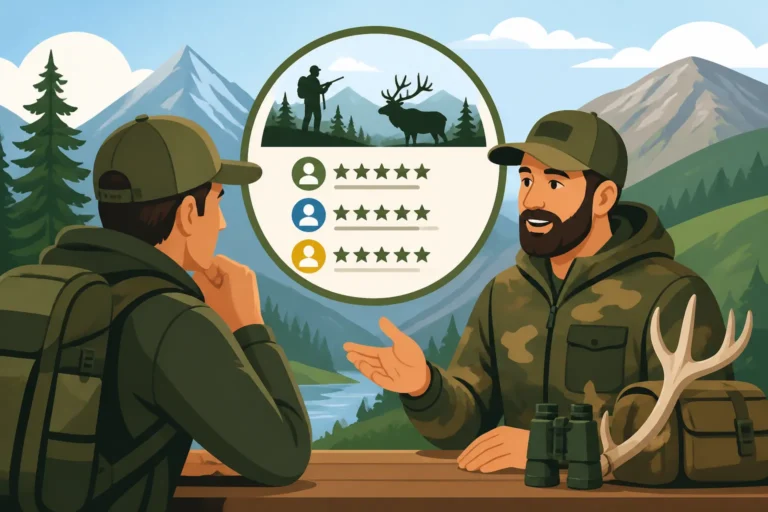
Online platforms like BookYourHunt can be a great starting point, allowing you to browse various outfitters, compare their offerings, and read reviews from previous clients. Similarly, resources like GoHunt often provide detailed information on hunt areas and species, which can help you narrow down your choices. Don't be shy about asking for references from past clients, and make sure to talk to them directly about their experiences. A good outfitter will be transparent about their success rates, camp conditions, and what to realistically expect from the hunt. Remember, success rates are not guarantees, but rather an indicator of opportunities presented.
Understanding Hunt Packages and Costs
Guided hunts in British Columbia come in various packages, and their costs can vary dramatically depending on the species, duration, remoteness, and level of service. For highly sought-after species like sheep or mountain goat, expect a premium price. These hunts often involve significant logistical challenges, like fly-in camps or extensive horseback travel, which contribute to the overall cost. A typical package usually includes the guide's services, accommodation (from spike camps to comfortable lodges), meals, and field transportation during the hunt.
What's not included is just as important. Generally, you'll be responsible for your British Columbia hunting licence, species tags, the Habitat Conservation Trust Fund surcharge, any applicable taxes, and travel expenses to and from the outfitter's rendezvous point. Tips for your guide and camp staff are also standard practice and can be a significant addition to the overall expense. Some outfitters might offer all-inclusive packages that cover more, but always clarify these details upfront. A detailed breakdown can be found in What a British Columbia Guided Hunt Costs.
| Aspect | Usually Included in Package | Often Not Included in Package |
|---|---|---|
| Guiding | Professional guide services, 1-on-1 or 2-on-1 ratio | Additional guides, specialized permits |
| Accommodation | Camp lodging (spike camp, wall tent, lodge), meals | Pre/post-hunt hotel stays, premium liquor |
| Transportation | Field transport (truck, ATV, horse, boat, bush plane) | Airfare to BC, travel to rendezvous point, gear shipping |
| Field Care | Initial field dressing, caping, quartering | Meat processing, taxidermy, trophy shipping, CITES permits |
| Licences/Tags | None | Provincial hunting licence, species tags, HCTF surcharge |
| Fees | None | Taxes, border declaration fees, export fees |
| Personal Gear | None (rentals may be extra) | Personal hunting gear, optics, clothing |
| Gratuities | None | Tips for guide, cook, wranglers |
The Importance of a Detailed Contract
Before you commit to anything, ensure you receive and thoroughly review a detailed contract from your chosen outfitter. This contract should clearly outline all inclusions and exclusions, payment schedules, cancellation policies, and any specific terms regarding the hunt itself. Pay close attention to the cancellation policy; unforeseen circumstances can arise, and knowing your options for rescheduling or refunds is crucial. Most outfitters require a significant deposit to secure your booking, with the balance due closer to the hunt date.
Ask about their policy if you wound an animal but don't recover it – some outfitters consider a wounded animal a filled tag. Clarify the number of hunting days, travel days, and what happens if weather or other factors impact the hunt duration. This is your chance to ask every question, no matter how small, so you can embark on your adventure with full confidence. Booking When British Columbia Outfitters Book Up means planning far in advance, sometimes years, for prime spots.
Preparation: From Paperwork to Physical Fitness
Once your hunt is booked, the real preparation begins. This phase is critical for non-resident alien hunters, as it involves a mix of administrative tasks, physical conditioning, and careful gear selection to ensure a successful and enjoyable trip.
Essential Paperwork and Permits
Beyond your basic hunting licence and species tags (which your outfitter will usually help you acquire or advise you on), there's a few other key pieces of paperwork. If you plan to bring your own firearm, revisit the Non-Resident Firearm Declaration form and ensure it's completed accurately. You'll need original copies of these documents with you when you cross the border. Some species, particularly certain sheep and goats, may also require CITES (Convention on International Trade in Endangered Species of Wild Fauna and Flora) permits for export, even if they are legally hunted in British Columbia. This is something your guide outfitter should be well-versed in, but it's ultimately your responsibility to ensure you have the correct documentation for legal export and import into your home country.
Furthermore, consider obtaining travel insurance that specifically covers hunting activities and potential medical emergencies in remote areas. Standard travel insurance may not cover helicopter evacuations or other incidentals that can arise during a backcountry hunt. Discussing your itinerary with your insurance provider can help you secure appropriate coverage. Your guide outfitter should also have their own liability insurance, but it's always wise to protect yourself.
Physical Conditioning for British Columbia Terrain
British Columbia is known for its rugged, diverse, and often challenging terrain. A guided hunt is not a sightseeing tour; it's a physically demanding endeavor. Whether you're chasing Mountain Sheep Season Dates and Curl Rules in high alpine basins or still-Hunting Roosevelt Elk in British Columbia Old Growth through dense coastal rainforests, a good level of physical fitness will dramatically increase your chances of success and enjoyment. This isn't just about being able to walk; it's about being able to walk for hours, often uphill, with a pack, in varying weather conditions.
Start a comprehensive fitness regimen well in advance of your hunt. Focus on cardiovascular endurance, strength training (especially legs and core), and hiking with a weighted pack on uneven terrain. Simulate the conditions you expect to encounter. If you're going on a mountain hunt, find hills or stairs and spend time climbing them. If your hunt involves horseback riding, take some lessons to get comfortable in the saddle. The fitter you are, the less likely you are to get injured, and the more you'll be able to keep up with your guide, maximizing your hunting opportunities. Many outfitters list physical demands on their websites or when you inquire, so pay close attention to their recommendations.
Gear Selection for Variable Conditions
British Columbia's weather can be notoriously unpredictable, from scorching sun to torrential rain and even snow, all within a single day, depending on the region and season. Layering is key. Invest in high-quality waterproof and windproof outerwear, moisture-wicking base layers, and insulating mid-layers. Good boots are non-negotiable – they should be broken in, waterproof, and provide excellent ankle support. For serious mountain hunts, this might mean stiff, mountaineering-style boots.
Consider a durable, comfortable backpack, good optics (binoculars, spotting scope – though your guide will likely have high-quality ones), and a reliable headlamp. Don't forget a first-aid kit, emergency fire starters, and personal navigation tools like a GPS or satellite messenger, even if your guide carries them. Having your own ensures you're never without critical safety gear. Your outfitter will typically provide a detailed gear list, but don't hesitate to ask specific questions based on your personal preferences and needs.
The Hunt and Post-Hunt Logistics
You've planned, prepared, and finally, you're on the hunt! But the process doesn't end when you pull the trigger. There are important post-hunt logistics to manage, especially for overseas hunters bringing trophies and meat home.
In the Field: Working With Your Guide
Your guide is your partner in the field, and a successful hunt often hinges on clear communication and teamwork. Listen to their instructions, respect their experience, and be prepared to adapt to changing conditions. They know the terrain, the animal behaviour, and the local regulations inside and out. They are there to put you in the best position to succeed, but it's still hunting, and nothing is ever guaranteed.
Always prioritize safety. This includes firearm safety, bear safety, and being aware of your surroundings, particularly in steep or dangerous country. Your guide will handle things like Quartering a Moose in Grizzly Country or Getting Meat Out of Steep British Columbia Country, but you’ll be expected to help with smaller tasks and keep pace. Remember that your guide is often a wealth of information about the local ecosystem, tracking, and hunting strategies; don't hesitate to ask questions and learn from their expertise.
Meat Care and Transporting Game Meat
Once an animal is down, proper meat care becomes paramount, especially in warmer early seasons. Your guide will ensure the animal is field dressed and quartered quickly to begin the cooling process. For overseas hunters, transporting meat back home can be complex, and often impractical or extremely expensive due to import/export regulations and refrigeration requirements. Many hunters opt to donate the meat to local communities or have it processed and shipped to Canadian friends or family if feasible.
If you do wish to export meat, research the import regulations of your home country before your hunt. Different countries have varying rules regarding raw meat products, processing requirements, and veterinary inspections. Your outfitter can advise on local meat processors who can prepare the meat for transport, but the ultimate responsibility for compliance rests with you. The alternative might be to enjoy some of the meat while in British Columbia and focus on taking home your trophy.
Trophy Care and Export
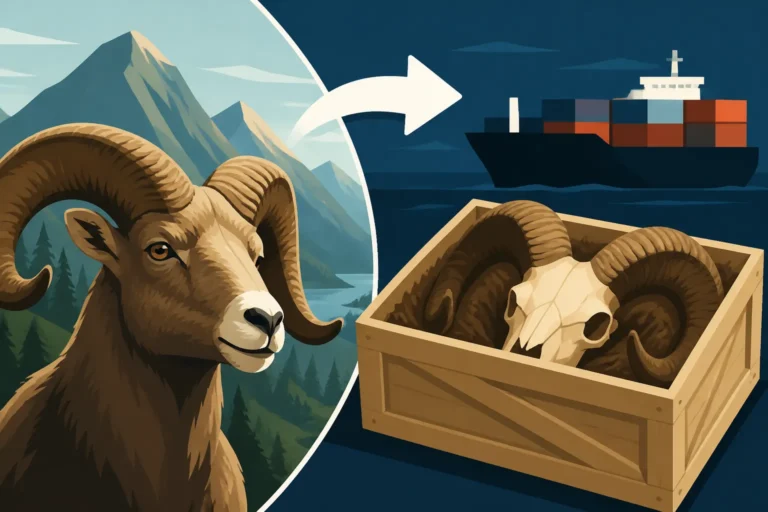
For many overseas hunters, the trophy is a key objective. Your guide will handle the initial caping and salting of your trophy hide (cape, skull, horns). For specific species like Dall's or Stone's Sheep, you'll need to follow strict procedures to ensure compliance with CITES regulations for export. This involves specific tags and paperwork, and potentially additional inspections. CITES Paperwork for a Sheep or Goat is not something you want to neglect.
Most outfitters have established relationships with local taxidermists who can handle the full process: tanning, mounting, and preparing the trophy for international shipment. This can take a considerable amount of time, sometimes a year or more, and will involve additional costs for the taxidermy work and shipping fees. Again, research your home country's import regulations for wildlife trophies. Some countries have restrictions on certain species or require specific health certificates. It's often best to let the outfitter's recommended taxidermist handle the initial processing and then coordinate shipment to a taxidermist of your choice at home.
The experience of hunting in British Columbia as an overseas hunter is truly unique, offering some of the most spectacular landscapes and diverse big game opportunities in the world. With thorough preparation, a clear understanding of the regulations, and the guidance of a professional outfitter, you'll be well on your way to a memorable and successful adventure.
Disclaimer
This article is for general informational purposes only and does not constitute professional advice. Laws, prices and regulations vary by location and change over time. Consult a qualified professional for guidance on your specific situation.