What a Guided Elk Hunt Costs
The dream of hunting elk in British Columbia is a powerful one, often conjuring images of bugling bulls echoing through vast mountain valleys. But let's be realistic: turning that dream into a reality, especially for those seeking a guided experience, often comes with a hefty price tag and a maze of expenses that can be confusing to navigate. This comprehensive guide aims to demystify the financial commitment involved in a guided elk hunt in British Columbia, breaking down the various costs you'll encounter and helping you understand what influences the final bill.
Understanding the Core Costs of a Guided Elk Hunt
When you start looking at guided elk hunts in British Columbia, the first thing you'll notice is a wide range of prices. It's not just a single number; it's a package, and understanding what that package typically includes is the critical first step.
The Base Package Price: What's Generally Included?
At the heart of any guided hunt is the base package price. This figure covers the outfitter's primary services and infrastructure for a set number of days. While every outfitter is different, you can generally expect this to include the professional guiding service itself – meaning you'll have experienced guides leading you in the field. This isn't just someone pointing you in a direction; it's a professional with intimate knowledge of the terrain, elk behaviour, and local regulations, dedicated to helping you find and harvest an animal.
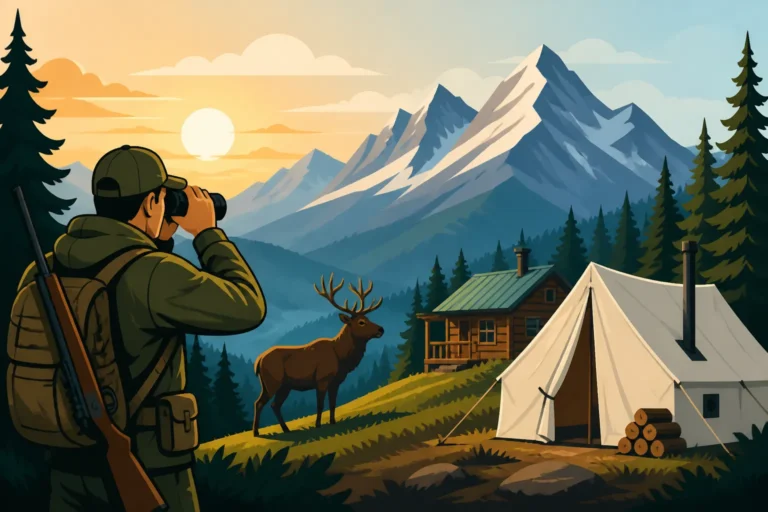
Beyond the guide, the base package almost always includes accommodations for the duration of your hunt. This could range from comfortable lodge-style settings with all the amenities to more rustic spike camps, wall tents deep in the backcountry, or even cabin camps accessible by rough roads. Your meals are also typically part of this package, keeping you fueled for those long days chasing elk. Finally, the base price usually covers transportation within the outfitter's operating territory, from the main camp to hunting areas, which might involve ATVs, 4×4 trucks, or even horses. It's essentially your entire field experience, from sunrise to sunset, provided by the outfitter.
The duration of the hunt plays a huge role here. Most guided elk hunts are structured for a specific number of days, commonly between six and ten hunting days. A longer hunt naturally means more time, more food, more logistical support, and thus a higher price. When comparing different outfitters, always pay close attention to the number of hunting days included versus the total days of the trip, which might factor in travel days to and from the camp. This base package is the foundation; everything else builds upon it.
Species Tags and Licence Fees: Non-Negotiable Add-ons
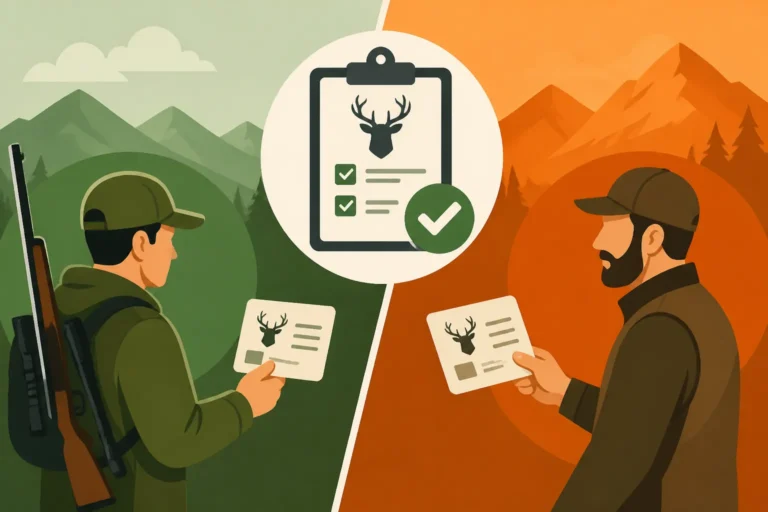
Separate from the outfitter's fee are the mandatory government charges that every hunter must pay to legally hunt in British Columbia. These are non-negotiable and are usually not included in the outfitter's advertised package price. First, you'll need a basic hunting licence. For non-residents, this fee is significantly higher than for residents, reflecting the province's management goals and resident priority. Next, for elk, you'll need a specific elk species licence, often referred to as a "tag."
The cost of these licences and tags varies depending on whether you are a Canadian resident, a non-resident Canadian, or a non-resident alien. These fees are set by the provincial government and can change, so it's always crucial to check the most current regulations and fee schedules directly from the official British Columbia government website well in advance of your trip. Outfitters usually provide guidance on how to acquire these, or in some cases, might assist with the process. You can learn more about these requirements in guides like British Columbia Hunting Licences and Fees and British Columbia Deer and Elk Tags.
Sometimes, access to certain prime elk hunting areas is managed through a Limited Entry Hunting (LEH) draw system, which is essentially a lottery for specific tags in specific management units. While many guided hunts operate under General Open Season rules where a tag can be purchased outright, some outfitters might offer hunts in LEH zones if they have secured those allocations. If an LEH tag is required for your desired hunt, there will be an application fee for the draw, regardless of whether you are successful. Non-residents wishing to hunt in an LEH zone must do so through a licensed guide-outfitter. This adds another layer of planning and potential cost to the process, as outlined in British Columbia's Limited Entry Hunting Draws. Always confirm with your chosen outfitter what type of tag is needed for your specific hunt and what the associated governmental costs will be.
Factors That Significantly Influence the Price Tag
The base package and mandatory government fees are just the beginning. Several key factors can dramatically swing the cost of a guided elk hunt, turning an average price into a premium experience. Understanding these will help you choose a hunt that aligns with both your expectations and your budget.
Hunt Style and Accessibility: Drive-in vs. Fly-in vs. Horseback
The remote, vast landscapes of British Columbia mean that how an outfitter gets you into elk country is a massive cost driver. The easiest and generally most affordable option is a "drive-in" camp. These are typically accessible by truck, often on well-maintained or regularly used British Columbia's Forest Service Road Network, sometimes requiring a sturdy 4×4. The logistics are simpler, fuel costs are lower, and the wear and tear on equipment is less, which translates to a more accessible price point for the hunter.
As you move into more remote terrain, the costs escalate. Hunts requiring extensive use of ATVs, jet boats (for accessing river systems like those in Jet Boat Access on British Columbia Rivers), or especially horses, will be more expensive. Horseback hunts, for instance, involve the significant cost of maintaining a string of animals, hiring wranglers, and moving camp multiple times. This style, like those detailed in Horseback Hunting British Columbia's Backcountry, offers an incredibly immersive backcountry experience but comes with a corresponding price increase. The pinnacle of expense, and often remoteness, is the "fly-in" hunt. Utilizing bush planes or helicopters to access areas far beyond any roads or trails means significant charter fees. These hunts offer unparalleled access to pristine, low-pressure areas but the cost of aviation is a major factor in the final price.
Trophy Quality and Specific Hunt Expectations
Another significant influence on cost is the specific goal of the hunt, particularly if it's geared towards harvesting a very large, mature bull elk. Outfitters who consistently produce high-scoring animals invest heavily in their guiding territories and management practices. They might spend more time scouting, employ more experienced guides, and have exclusive access to territories known for exceptional genetics and age structure within the elk herd. These areas might be harder to access, requiring specialized equipment or techniques, all of which contribute to the higher price.
While "trophy fees" are not common in British Columbia for elk (unlike some other species or jurisdictions), the focus on trophy potential inherently raises the cost. Hunts targeting specific age-class bulls, or those in highly sought-after British Columbia's Management Units and Regions where opportunities for large bulls are known to be higher, will command a premium. An outfitter might offer a standard elk hunt, and then a "premium" elk hunt that focuses exclusively on mature, high-scoring bulls, often with a higher success rate due to the focused effort and prime location. This isn't about paying extra if you do shoot a big one; it's about paying for the increased opportunity and dedication to that specific goal from the outset. You're paying for the specialized knowledge and effort to pursue a British Columbia's Record Moose or a record elk (if that were on offer).
Duration of the Hunt and Group Size
The length of your hunt directly correlates with the cost. More days in the field mean more expenses for the outfitter: more food, more guide wages, more fuel, more wear and tear on equipment. A 10-day elk hunt will naturally be more expensive than a 6-day hunt, even if the daily rate is similar. This extended time, however, often increases your chances of success, especially for elusive species like elk, giving you more opportunities to encounter game and deal with unpredictable weather.
The hunter-to-guide ratio also plays a critical role. A 1:1 (one hunter per guide) experience provides the most personalized and dedicated guiding service, often leading to higher success rates and a more tailored hunt. However, this also means the full cost of the guide is allocated to one client. A 2:1 ratio (two hunters per guide) is more common and helps reduce the individual cost, as the guide's wages are split between two clients. While still effective, it might involve some compromises in terms of individual attention or strategy. Some outfitters might offer hunts with a higher ratio, such as 3:1, which would be the most budget-friendly option, but could potentially reduce the personalized experience. Always confirm the hunter-to-guide ratio when inquiring about prices. Some outfitters even offer combination hunts, where you pay extra to add another species, like a bear, to your elk hunt. This makes for a longer, more expensive trip but can be a great way to maximize your time in British Columbia.
Beyond the Package: Additional Expenses to Budget For
While the outfitter's package and government tags form the core of your expenses, there's a myriad of other costs that often get overlooked but are absolutely essential to budget for. Failing to account for these can lead to unexpected financial strain during your trip.
Travel and Logistics to British Columbia
Getting to British Columbia itself is your first major consideration. For most non-residents, this means airfare to a major hub like Vancouver (YVR), Prince George (YXS), or even smaller regional airports closer to your outfitter's territory, such as Cranbrook (YXC) for Kootenay elk country. The cost of flights can vary wildly based on your origin, time of year, and how far in advance you book. From these arrival points, you might need to arrange further ground transportation – a rental vehicle for the drive to the outfitter's base camp, or even a pre-arranged shuttle service provided by the outfitter.
It's also wise to budget for accommodation and meals before and after your hunt. You might need to arrive a day early to meet your guide, prepare your gear, or sight in your rifle, and similarly, you might need an overnight stay on your way home, especially if you're dealing with game processing or trophy preparation. If you're bringing your own firearm, remember the federal requirements for declaring it at the Canadian border. The Non-Resident Firearm Declaration form is a must, and there's an associated fee for that as well. Don't forget travel insurance for cancellations or medical emergencies, especially given the remote nature of many BC hunts.
Gear, Gratuities, and Game Handling
Hunting in British Columbia's diverse and often rugged terrain requires specific gear. While outfitters will provide a packing list, you'll need to invest in quality clothing layers suitable for variable weather, reliable optics, and, crucially, appropriate footwear. Boots, especially, are not an area to skimp on; durable, waterproof, and comfortable boots are essential for navigating steep country, as discussed in Boots for Steep British Columbia Country. The cost of high-quality hunting gear can add up quickly, but it's an investment in your comfort, safety, and success.
Gratuities are a customary and expected part of a guided hunt experience. Your guide works incredibly hard, often for long hours, in challenging conditions, to ensure you have a successful and safe hunt. Cooks and wranglers also contribute significantly to your overall experience. While the amount is discretionary, it's essential to budget for tips. A general guideline is often a percentage of the hunt cost, but a conversation with your outfitter beforehand can help you understand the norms.
Finally, consider the costs associated with your harvested animal. While field dressing is typically part of the guide's service, you'll need to budget for professional meat processing if you plan to take meat home. This includes butchering, wrapping, and freezing. If you're flying, shipping frozen meat can be complicated and expensive, as detailed in Shipping Meat Home From British Columbia. For trophy animals, there are taxidermy costs for caping, skull cleaning, and potentially crating and shipping your cape and antlers. If you harvest a species that requires CITES permits (like sheep or goats, as mentioned in CITES Paperwork for a Sheep or Goat), there might be additional paperwork and fees for export, though elk typically do not fall under CITES.
Here's a simplified look at how some of these costs can stack up:
| Cost Category | Typical Inclusions/Factors | Impact on Total Cost |
|---|---|---|
| Base Hunt Package | Guide services (1:1 or 2:1 ratio), lodging, meals, in-territory transportation, set hunt duration (e.g., 7-10 days). | High (The primary expense) |
| Government Fees | Non-resident hunting licence, elk species tag, potential LEH application fees. | Moderate (Mandatory) |
| Hunt Accessibility | Drive-in (e.g., truck, ATV), Horseback, Jet Boat, Fly-in (bush plane, helicopter). | High (Varies greatly) |
| Trophy Focus | General opportunity hunt vs. dedicated big-bull hunt in prime areas. | Moderate to High (Premium for specialized hunts) |
| Travel to BC | Airfare to regional airport, ground transport (rental car/shuttle) to outfitter rendezvous, pre/post-hunt lodging. | Moderate (Variable) |
| Personal Gear | Specialized hunting clothing, boots, optics, sleeping bag, personal items. | Moderate (One-time or recurring investment) |
| Gratuities | Tips for guide, cook, wrangler. | Moderate (Customary, percentage-based) |
| Game Handling | Meat processing, taxidermy (caping, skull cleaning), crating/shipping of meat/trophy. | Moderate (Optional, but significant if utilized) |
Navigating Options and Getting the Best Value
The prospect of such a significant investment can be daunting, but with smart planning and thorough research, you can find a guided elk hunt in British Columbia that meets your aspirations without completely breaking the bank. It’s all about doing your homework and asking the right questions.
Researching Outfitters and Understanding Inclusions
The first and most crucial step is comprehensive research. Don't just pick the first outfitter you find. Take the time to explore various options. Websites like BookYourHunt and GoHunt are excellent resources where you can browse multiple outfitters, compare their offerings, read reviews from past clients, and even directly inquire about specific hunts. These platforms allow you to filter by species, region, hunt style, and even price range, giving you a broad overview of the market.
When you contact an outfitter, be incredibly clear about what is included in their quoted price. Get a detailed breakdown. Does the "in-territory transportation" mean only 4×4 trucks, or does it include horseback access or even a short float plane flight to a spike camp? What kind of accommodations are provided? Are alcoholic beverages included, or is it strictly non-alcoholic options? Asking these questions upfront will prevent any unwelcome surprises once you arrive. Don't be shy about asking for references – reputable outfitters will gladly provide contact information for previous clients who can share their honest experiences. This due diligence is critical for ensuring you're getting the value you expect and avoiding any misunderstandings about the What a British Columbia Guided Hunt Costs in its entirety.
Timing Your Hunt and Considering Alternatives
The timing of your hunt can also impact the cost. Peak dates, particularly during the elk rut, are often the most sought-after and therefore command higher prices. If your schedule is flexible, consider shoulder seasons. While the hunting experience might be different (e.g., no bugling rut action), the opportunities can still be excellent, and the price might be more palatable. Some outfitters might offer discounts for early or late season bookings, or for booking during less popular times.
For those who are non-residents but have a close resident friend or family member in British Columbia who is an experienced hunter, there's a unique alternative to a fully guided hunt: the Permit to Accompany. This permit allows an eligible BC resident to accompany a non-resident hunter, enabling the non-resident to hunt without hiring a professional guide-outfitter. It's not a guided hunt in the traditional sense, and there are strict rules and responsibilities for the accompanying resident. This option significantly reduces the cost of the guiding service itself, though you still incur all the other expenses like licences, tags, travel, and gear. You can find more details about this option in The Permit to Accompany Explained. It's a fantastic way to experience hunting in BC with a local, but requires a strong relationship and careful adherence to regulations.
Remember, a guided elk hunt in British Columbia is an investment in an experience, often a once-in-a-lifetime adventure. While the costs are substantial, understanding what goes into that price, budgeting meticulously, and researching thoroughly will set you up for a successful and memorable hunt.
Disclaimer
This article is for general informational purposes only and does not constitute professional advice. Laws, prices and regulations vary by location and change over time. Consult a qualified professional for guidance on your specific situation.