What Non-Residents Get Wrong About British Columbia
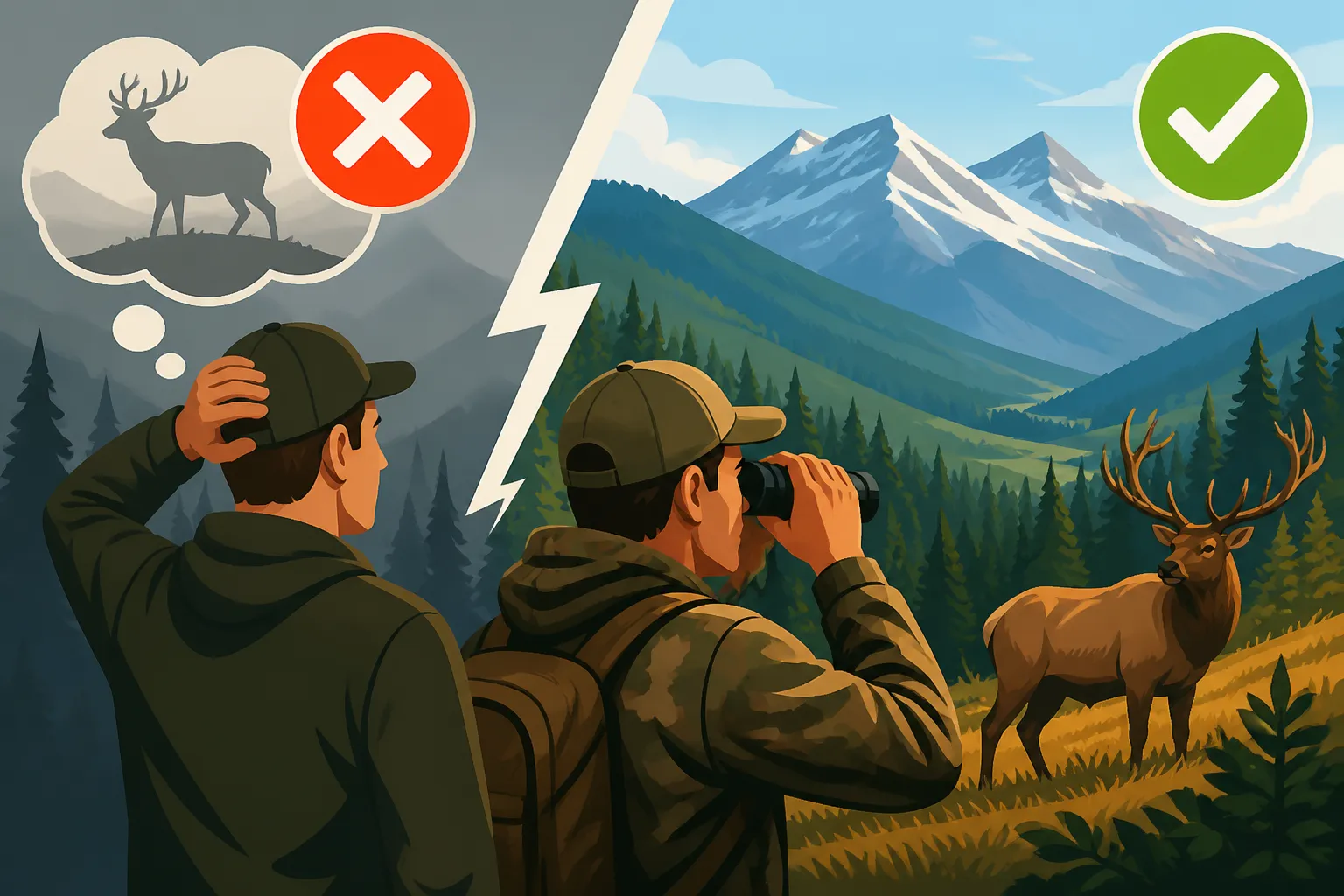
It's incredibly frustrating when you dream of a British Columbia hunting adventure, pour over maps, and read online forums, only to arrive and realize that some fundamental aspects of hunting here are vastly different from what you expected. Many non-resident hunters come to British Columbia with a few common misconceptions that can quickly derail their trip, from misunderstanding access rules to underestimating the sheer scale and challenge of our wild places. This guide aims to clear up some of those common pitfalls, giving you a more realistic picture of what to expect so your trip to British Columbia can be the incredible experience you've always envisioned.
Misconceptions About Access and Rules
One of the biggest areas where non-residents trip up is around the regulations for non-residents and the realities of accessing hunting land in British Columbia. It’s not as simple as showing up with a rifle and a dream.
The Permit to Accompany Conundrum
Many non-residents, especially those from south of the border, hear about the "Permit to Accompany" and immediately think it's a loophole to avoid the higher cost of a fully guided hunt. They envision calling up a friendly British Columbia resident, having them sign a form, and then heading off on an unguided hunt as a team. While the spirit of a Permit to Accompany is indeed about a non-resident being accompanied by a resident, the reality is far more structured and involves significant responsibilities for the resident.
Firstly, the resident who issues the permit must personally accompany the non-resident hunter at all times in the field. This isn't just a signature on a piece of paper; it's a full-time commitment. The resident hunter is responsible for ensuring the non-resident complies with all hunting regulations, from species identification to bag limits and reporting requirements. This means they're putting their own hunting licence and reputation on the line. It's not a casual favour; it's a serious undertaking. Often, non-residents underestimate the commitment this asks of a local, assuming someone will just volunteer their entire hunting season to them.
Secondly, the resident providing the permit cannot profit from it. They cannot charge a fee for the permit itself, or for their time. While the non-resident can contribute to shared expenses like fuel, food, or camp supplies, the resident cannot legally accept payment for guiding services. This is a key distinction that separates it from a commercial guided hunt. Many residents are happy to introduce friends or family to hunting, but asking a stranger to dedicate their time and assume such legal responsibility for free is a big ask. If you're coming from out of province or country and don't have a close friend or family member who is a British Columbia resident hunter willing to put in that time, a commercial guide service is generally your only legal option for hunting big game. Understanding British Columbia's Permit to Accompany is crucial for non-residents planning a trip.
Crown Land Isn't Always "Open"
British Columbia boasts an immense amount of Crown land, giving the impression that you can simply drive anywhere and start hunting. While it's true that a vast percentage of the province is public land, accessible to resident hunters, "accessible" doesn't always mean "easy to get to" or "free of restrictions."
Many areas of Crown land are managed for multiple uses, including forestry, mining, and recreation. This means that logging roads, while providing access, can also be deactivated, gated, or subject to industrial traffic protocols requiring radio communication. You might see a promising looking road on a map, only to find a locked gate or a massive cross-ditch just a few kilometres in, making vehicular access impossible without a key or a seriously capable off-road vehicle. Finding Open Forest Roads in British Columbia can be a challenge even for locals.
Furthermore, private property can checkerboard even remote areas, sometimes without clear signage. It's your responsibility as a hunter to know where you are at all times and to respect private land boundaries. Accidentally trespassing can lead to fines and legal headaches, and it leaves a bad impression of hunters generally. Hunters often assume that if it's not a town or a farm, it's public, but significant swaths of British Columbia are private forest land, especially on Vancouver Island and other timber-rich regions. These lands are often gated to prevent public access, even if they appear wild and remote. Knowing British Columbia Trespass and Private Land Law is vital.
Season Dates and Bag Limits Aren't Uniform
A common mistake is assuming that British Columbia's hunting regulations are uniform across the entire province, or even across a single species. This couldn't be further from the truth. British Columbia is divided into nine administrative regions, which are further broken down into specific Management Units (MUs). Each MU can have vastly different season dates, bag limits, and antler restrictions for the same species.
For example, a mule deer season might open for a "4-point or greater" buck in one MU, while a neighbouring MU might have an "any buck" season, or no open season at all. The season dates for black bears can vary significantly between coastal regions and the interior, or between spring and fall hunts. What's legal in one valley might be strictly prohibited just over the ridge. This complexity requires diligent research using the official British Columbia Hunting and Trapping Regulations Synopsis, which is updated every two years. Simply looking up "British Columbia deer season" online and seeing a general date range is insufficient; you need to drill down to the specific MU you plan to hunt. Non-residents often find this level of detail overwhelming, but platforms like GoHunt can sometimes offer tools to help navigate these complex regulations and apply for Limited Entry Hunts.
Underestimating the Terrain and Logistics
British Columbia's beauty is undeniable, but it's also a rugged, formidable landscape that demands respect and thorough preparation. Non-residents often underestimate the physical and logistical challenges involved.
British Columbia Is Vast and Rugged
Looking at a map, it's easy to see British Columbia as a huge landmass. What's harder to grasp is the vertical nature of much of the terrain. Even in areas accessible by road, you'll often find yourself staring up at mountainsides that quickly turn into steep, dense timber, rock slides, and alpine basins. A "short" hike can quickly become an all-day vertical grind.
This isn't your flatland hunting experience. Even relatively "easy" hunts for black bears along logging roads often require extensive glassing and then a significant stalk up or down incredibly steep terrain. Mule deer in the Okanagan Breaks are masters of disappearing into sagebrush draws and steep, rocky hillsides. Getting Meat Out of Steep British Columbia Country is a major consideration, and many non-residents are simply not prepared for the physical exertion required to not only reach game but also to pack it out. The sheer scale and difficulty of travel, even just walking, are frequently underestimated.
The Importance of Planning and Self-Sufficiency
When you're out in British Columbia's backcountry, particularly in the vast northern or interior regions, you are often truly on your own. Cell service is unreliable at best, and often non-existent once you leave populated areas or main highways. This means that if something goes wrong – a vehicle breaks down, someone gets injured, or you get turned around – you need to be self-sufficient or have a robust communication plan.
Bringing a satellite messenger or a satellite phone isn't a luxury; it's a necessity for safety in many parts of the province. Emergency planning, including first aid, survival gear, and extra food and water, should be paramount. Non-residents often rely too heavily on the "I'll figure it out" mentality, which can quickly turn dangerous in British Columbia's remote wilderness. Having a detailed route plan, leaving it with someone responsible, and knowing how to navigate with a map and compass (in addition to GPS) are crucial. Remember, batteries die, and technology can fail.
Weather and Environmental Challenges
British Columbia's weather is notoriously unpredictable and can change dramatically within a single day, or even within a few hours. A clear, sunny morning can quickly give way to a torrential downpour, dense fog, or even an early season snowfall, especially as you gain elevation. Hunting in British Columbia's Coastal Rain presents unique challenges, while the Interior can swing from scorching heat to freezing temperatures in a matter of weeks.
Non-residents sometimes pack for "one type" of weather, forgetting that you might encounter all four seasons in a single hunt. This means layering clothing is essential, and high-quality waterproof and windproof gear is not optional; it’s mandatory. Beyond weather, environmental challenges like active wildfires, smoky conditions, or early snow closures on forest roads can affect access and hunting opportunities without much warning. It's not uncommon for a planned hunting area to become inaccessible due to a wildfire closure, leaving hunters scrambling to find alternatives.
The Reality of Wildlife Populations and Hunting Pressure
While British Columbia is known for its diverse and abundant wildlife, non-residents sometimes arrive with inflated expectations based on trophy photos and highlight reels. The reality of hunting success rates and the presence of other hunters can be quite different.
Not Every Species is a Sure Bet
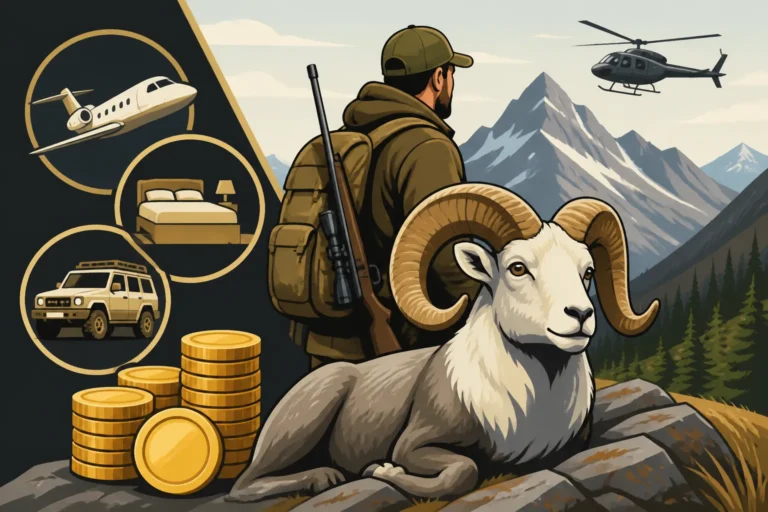
Many non-residents dream of a "slam" of British Columbia species – moose, elk, sheep, and goat. While all these animals exist here, and in some areas thrive, not every hunt is a guaranteed success, nor are all species equally abundant or accessible for non-residents. Certain species, like Stone's sheep or mountain goat, often require dedicated, physically demanding, and expensive guided trips due to their remote habitat and the complexity of accessing them. A common mistake is to think that just because a species exists, you'll easily find a trophy animal.
Even for more common species like black bears or mule deer, success requires skill, persistence, and often a bit of luck. Trophy-sized animals are the exception, not the rule, and they typically inhabit the hardest-to-reach areas. It’s important to manage expectations and appreciate the experience of being in the wild, rather than solely focusing on punching a tag. Researching success rates with outfitters, perhaps through a platform like BookYourHunt, can help temper expectations and provide a more realistic view.
Understanding Limited Entry Hunting (LEH)
For many coveted species and specific management units, British Columbia uses a Limited Entry Hunting (LEH) system. This is essentially a lottery draw for specific tags, designed to manage harvest pressure on certain populations or in particular areas. Non-residents, especially from other jurisdictions, sometimes don't fully grasp that many prime hunting opportunities, particularly for moose, elk, and some sheep and goat hunts, are available only through this draw system.
Applying for an LEH draw requires planning, understanding the odds, and accepting that you might not get a tag. This can be a huge shock for those used to over-the-counter tags for most species. While non-residents can apply for LEH through an outfitter, it still involves the same draw system, and there are no guarantees. Understanding How British Columbia's LEH System Works is vital. Some resources, like GoHunt, provide data and tools to analyze LEH odds, which can be invaluable for strategizing applications, even for non-resident guided hunts.
Hunting Pressure is Real, Even in Remote Areas
It's easy to imagine vast, empty wilderness where you'll be the only hunter for miles. While British Columbia certainly has truly remote areas, especially if you're willing to go deep into the backcountry, many easily accessible areas, particularly those with good road networks, see significant hunting pressure from resident hunters. Opening weekend, especially for general open seasons, can feel surprisingly crowded on popular logging roads and accessible river valleys.
Even areas that require some effort to reach – a walk-in past a gate, or a short boat ride – will often have other hunters. It’s rare to have an entire valley to yourself unless you’re flying in or packing in for multiple days deep into a true wilderness area. Non-residents who expect complete solitude and undisturbed game herds might be surprised to find other vehicles at trailheads or hear distant rifle shots. Being prepared for company and having backup hunting spots is a smart strategy.
Financial and Time Commitments
Hunting in British Columbia, especially as a non-resident, is an investment. Misjudging the full financial outlay and time commitment is another common pitfall.
The True Cost of a British Columbia Hunt
Beyond the species tag itself, the costs for a non-resident hunt in British Columbia can add up quickly, especially if you're engaging a guide. Non-residents are required to use the services of a licensed British Columbia guide outfitter for big game, unless hunting under a Permit to Accompany (which, as discussed, comes with its own stringent requirements and restrictions).
A guided hunt typically includes a daily rate or a package price that covers the guide's services, accommodation, food, and often transportation in the field. However, this base price rarely includes your actual hunting licence, species tags, the federal migratory game bird permit (if applicable), government surcharges, travel to British Columbia, meat processing, trophy export fees, taxidermy, or tips for your guide and camp staff. What a British Columbia Guided Hunt Costs can be substantial, and non-residents often only budget for the "hunt package" itself, overlooking all these significant add-on expenses. These overlooked costs can easily add thousands to the overall price tag.
| Item | Resident Unguided | Permit to Accompany | Non-Resident Guided |
|---|---|---|---|
| Hunting Licence & Species Tags | Required | Required | Required |
| Guide Fees | Not applicable | Not applicable | Required |
| Resident Accompaniment | Not applicable | Required | Not applicable |
| Camp & Food | Self-provided | Shared or self-provided | Included in package |
| Transportation (in field) | Self-provided | Shared or self-provided | Included in package |
| Travel to BC | Not applicable | Required | Required |
| Meat Processing | Self-provided/Paid | Shared/Paid | Additional cost |
| Trophy Export/Taxidermy | Optional/Paid | Optional/Paid | Additional cost |
| Tips | Not applicable | Not applicable | Expected |
Time Investment for Scouting and Logistics
Even if you’re coming with a guide, there’s a significant time investment beyond the actual hunting days. If you're planning an unguided trip (as a resident or with a Permit to Accompany), the scouting and logistical planning can take months. This involves detailed map study, researching regulations for specific MUs, understanding access points, and potentially pre-tripping areas if you're able.
For non-residents coming on a guided hunt, while much of the logistical heavy lifting is handled by the outfitter, you still need to factor in travel time to British Columbia, any layovers, and potentially overnight stays in gateway cities like Vancouver or Prince George before connecting to your remote hunt location. Packing, preparing your firearms for travel, and handling paperwork at the border also require dedicated time. Don't underestimate the time it takes to get from your home to a remote British Columbia hunting camp; it's rarely a one-day affair. Checking resources like British Columbia Hunt Trip Planning Timeline can give a good overview of what's involved.
Exporting Trophies and Meat
The hunt isn't over when you pull the trigger. For many non-residents, bringing their hard-earned trophy and meat home is a key part of the experience. However, the process of exporting game from British Columbia and then importing it into your home country (especially the United States) involves a labyrinth of regulations, paperwork, and costs.
This includes proper tagging, evidence of sex requirements, and potentially CITES permits for certain species like sheep or goats, which need to be arranged well in advance. Then there are veterinary inspections, brokerage fees, and the cost of shipping itself, which for large game like moose or elk can be substantial. Meat processing can be arranged locally, but shipping frozen meat across international borders is a complex and often expensive undertaking. Many non-residents are caught off guard by the sheer volume of paperwork and the additional costs involved in getting their harvest home legally. Understanding Exporting a Trophy From British Columbia is critical for successful post-hunt logistics.
British Columbia offers some of the most incredible hunting opportunities on the planet, but success and satisfaction often hinge on a realistic understanding of the challenges and regulations. By addressing these common misconceptions head-on, you can better prepare for your adventure and ensure a safer, more enjoyable, and ultimately more successful experience in our wild province.
Disclaimer
This article is for general informational purposes only and does not constitute professional advice. Laws, prices and regulations vary by location and change over time. Consult a qualified professional for guidance on your specific situation.