How Many Days a Guided Hunt Runs
One of the biggest questions that swirls around when you're dreaming of a British Columbia hunting trip, especially if you're considering a guided experience, is "How long is this really going to take?" It's not just about the actual days spent with a rifle or bow in hand; it’s about travel, camp logistics, unexpected weather, and what happens once that animal is on the ground. This guide aims to pull back the curtain on the typical duration of guided hunts in our vast province, helping you set realistic expectations for your adventure of a lifetime.
Understanding the Standard Hunt Duration by Species
When you're looking at guided hunts in British Columbia, you'll quickly notice that the length of the trip can vary quite a bit depending on what species you're after. Some animals require a more significant time commitment due to their elusive nature, the terrain they inhabit, or simply the logistics of getting to and from prime habitat. Understanding these general durations can help you plan your vacation time and budget.
The Typical Week-Long Big Game Adventure
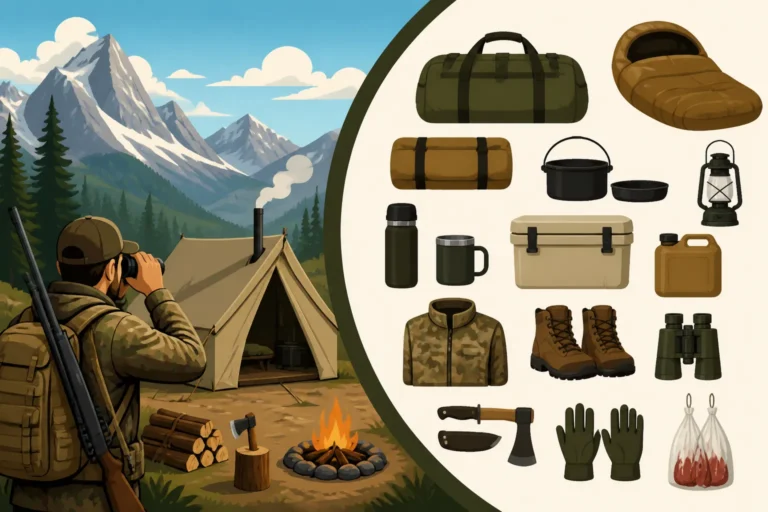
For many of our iconic big game species in British Columbia, like Stone's sheep, mountain goat, moose, or elk, you're generally looking at a commitment of seven to ten days, sometimes even longer. This might seem like a lot, but it's really the minimum needed to ensure a quality experience with a reasonable chance of success. Think about a remote sheep hunt; it’s not just the five days you might spend glassing steep slopes. It includes a travel day or two to get to the staging area, perhaps a bush plane flight or a long horseback ride into a spike camp, several full days of intense hunting in challenging terrain, and then the return journey, which might be just as long if you're packing out a heavy ram. These kinds of hunts are often physically demanding and require that buffer of time to account for weather delays, animal movement, and the sheer effort of the pursuit. Outfitters plan these trips meticulously because they know that to truly put you in a position for a trophy, you need to immerse yourself in that environment for an extended period. For instance, a dedicated sheep hunt might see you spending days simply traversing the alpine, spotting and stalking, with the actual shot being a small fraction of the overall effort. This is why when you see packages like Booking a British Columbia Sheep Hunt or Booking a British Columbia Moose Hunt, they often lean towards that 7-10 day mark. Even for something like a tough Elk Hunting in British Columbia trip in the Rockies, those extra days give you crucial flexibility.
Shorter Hunts for Deer and Bear
In contrast, hunts for species like black bear or most deer species often fall into a shorter timeframe, typically ranging from three to six days. There are several reasons for this difference. Black bears are much more numerous and widely distributed across British Columbia, making them generally more accessible. Their hunting methods can also be less time-intensive; for example, a spring bear hunt might involve glassing logging roads or coastal estuaries, which allows for quicker movement and coverage of more ground. Similarly, for deer, especially the abundant black-tailed deer on the coast or mule deer in more accessible interior areas, a few solid hunting days can be quite effective. A dedicated Hunting Blacktail in British Columbia's Coastal Rain trip, for example, often involves accessing second-growth timber blocks by truck and then still-hunting, which is less about long-distance travel into remote areas and more about careful, deliberate hunting in a specific zone. While a longer hunt always increases your odds, many outfitters offer successful shorter packages because the opportunities for these species are often more immediate. These can be fantastic options if you're looking for a focused hunt without the extensive time commitment of a deep backcountry expedition. Many of the British Columbia Spring Bear Hunt Packages are designed with this shorter duration in mind, often catering to hunters who might only have a long weekend or a few extra days off.
Specialized and Combo Hunts
Beyond the standard big game packages, British Columbia offers a variety of specialized hunts, such as those for predators like cougars or wolves, or dedicated bird hunts for grouse and waterfowl. These can have very different durations. A cougar hunt, especially with hounds, might be shorter, perhaps three to five days, focusing intensely on tracking and pursuit. Bird hunts, like those for upland species, could be even shorter, often two to three days, as they rely on covering accessible terrain and flushing game.
Then there are "combo hunts," which aim to harvest multiple species within one trip. These naturally extend the duration. If you're hoping for a moose and a black bear, or an elk and a deer, your outfitter will build in extra days to allow for the increased effort, travel, and different habitat requirements of each animal. A combo hunt might push past the ten-day mark, even into two weeks, to give you a realistic chance at both. This is where options like British Columbia Combination Hunt Packages come into play, offering a comprehensive experience but demanding a longer stay. Some outfitters even offer unique experiences like British Columbia Waterfowl and Upland Guides that combine different types of bird hunting over several days. Each additional species or specialized method adds complexity and, more importantly, time to the overall hunting itinerary, and it's something you absolutely need to factor into your planning.
Factors Influencing Hunt Length
It's not just the species itself that dictates how many days your guided hunt will run. British Columbia is a vast and wild place, and its rugged landscape, unpredictable weather, and the sheer logistics of hunting in remote areas all play a huge role in the overall duration. Thinking through these elements will help you appreciate why outfitters structure their trips the way they do and why a few extra days can sometimes make all the difference.
The Role of Access and Terrain
British Columbia's diverse geography means that how you get to your hunting grounds, and what that ground looks like, significantly impacts hunt length. Consider a hunt deep in the Northern Rockies for sheep or goat. Reaching these remote areas often requires multiple days just for travel, whether it's by bush plane to a secluded lake followed by a hike, or several days of Horseback and Fly-In Camps in British Columbia travel to reach a high-country spike camp. These travel days are essential parts of the "hunt" even if you're not actively stalking game, as they set the stage. Outfitters need to factor in not just getting in, but also getting out, which can be even more challenging with an animal packed. In contrast, hunts in more road-accessible areas, perhaps for mule deer in the Okanagan or black bears along the extensive British Columbia's Logging Road Network, might have shorter "in-field" hunting durations because the daily commute to and from prime areas is less arduous. Similarly, if your hunt involves specialized transportation like Jet Boat Access on British Columbia Rivers, those boat days become part of the overall itinerary. The sheer scale and ruggedness of British Columbia's terrain dictate a slower pace, especially when you’re pushing into steep, unforgiving mountains or navigating dense, wet coastal forests. This means more days are built into the schedule to cover ground and find animals effectively.
Weather and Hunting Pressure
British Columbia weather is famously unpredictable, especially in the mountains and along the coast. A sudden snowstorm can shut down mountain passes, fog can ground bush planes for days, and heavy rain can make tracking difficult and animals less active. Outfitters build contingency days into their schedules to account for these possibilities. Imagine being on a dream sheep hunt, only to have a three-day whiteout halt all glassing. Those days still count towards your trip, even if you’re stuck in a tent. Having extra time means you don't lose your entire hunt if Mother Nature decides to throw a curveball. Conversely, if you're hunting in a general open season management unit that sees more hunting pressure, having more days allows you to move into different areas or wait for less crowded times during the week. In remote areas, where pressure is minimal, the longer duration simply allows for a more relaxed and thorough exploration of vast territories. The flexibility offered by a longer hunt can often be the difference between success and going home empty-handed, especially when you consider Weather Windows in British Columbia's Mountains which can dictate when and where you can effectively hunt. While Opening Weekend Crowds on British Columbia Crown Land can be managed with careful planning, prolonged bad weather is a force no hunter can control, making buffer days invaluable.
Trophy Care and Logistics Post-Harvest
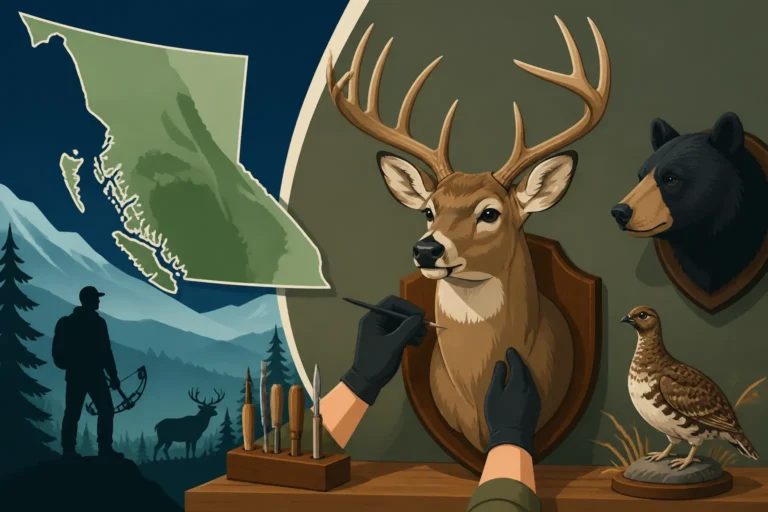
This is a detail many hunters overlook when planning, but it's critically important. Once you've harvested an animal, especially a large one like a moose or an elk, the "hunt" doesn't end. In fact, a significant amount of work begins. Field dressing, quartering, and packing out a large animal from remote British Columbia terrain can be an arduous multi-day task. Imagine taking a bull moose deep in the bush; Quartering a Moose in Grizzly Country is a serious undertaking that can easily consume a full day or more, depending on the conditions and the distance to a pick-up point. Then there's the actual packing out, which, in steep country, can take several more days of hard effort. For a species like mountain goat, the challenges of Packing Out of British Columbia's Steep Country are legendary, often taking as long as the hunt itself. Even for smaller animals, the care of meat and hide, especially in warmer early seasons, requires immediate attention. Add to this the travel time back to the main camp, processing facilities, or a waiting vehicle, and suddenly, two or three days post-harvest are consumed before you even begin your journey home. Outfitters factor these crucial logistical days into the overall hunt duration to ensure the meat is handled properly, and your trophy makes it out in good condition.
What to Discuss with Your Outfitter About Hunt Duration
When you're investing in a guided hunt, especially in a place as wild and vast as British Columbia, clarity on the duration of your trip is paramount. Don't assume anything. A good outfitter will be transparent, but it's your responsibility to ask the right questions and ensure your expectations align with what's being offered.
Clarifying In-Field Hunting Days vs. Travel Days
One of the most common misunderstandings in guided hunt bookings revolves around what constitutes a "hunt day." When an outfitter says a "7-day hunt," does that mean seven full days of actively hunting, or does it include the days you spend traveling to and from camp? Often, it's the latter. For a remote fly-in camp, a "7-day hunt" might look like this: Day 1 is travel to the staging area and fly-in to camp, Day 2-6 are actual hunting days, and Day 7 is flying out and traveling home. This means you're really only getting five full days of hunting. It's crucial to get a detailed itinerary from your outfitter that breaks down each day. Ask specifically: "How many actual days will I be in the field with a guide, actively pursuing game?" This small distinction can drastically change your perception of value and opportunity. For example, if you're researching different outfitters, platforms like BookYourHunt often detail the length of the trip, but you'll still want to verify the exact number of hunting days versus travel days with the specific outfitter. Always ask for a day-by-day breakdown to avoid any surprises.
Understanding Success Rates and Contingency Planning
The duration of a hunt is often directly linked to potential success rates. While no ethical outfitter can guarantee a kill, longer hunts generally offer more opportunities and better odds, especially for difficult species or in challenging conditions. But what happens if you're successful early in your trip? Say you've booked a seven-day moose hunt, and you harvest your bull on day two. Will the outfitter simply take you back to town, ending your trip prematurely? Or are there options for secondary species (if you have the tags and it's permitted) or other activities? Conversely, what if you don't fill your tag by the end of the scheduled days? Is there any flexibility for an extension, and at what cost? These are vital questions to ask upfront. A good outfitter will have clear policies. Some might offer a reduced rate for non-hunting activities if you tag out early; others might have specific rules about extending your stay. It's all part of managing expectations. When you're looking at Success Rates on British Columbia Sheep Hunts, for instance, remember that those statistics are often based on the full, advertised hunt duration, and your personal experience might vary. Being clear about these contingencies ensures there are no sour notes at the beginning or end of your adventure.
Customization and Flexibility
Sometimes, a standard package duration just doesn't quite fit your needs or desires. You might want a longer, more immersive experience, or perhaps you have limited vacation time and need a shorter, more intense hunt. It's always worth asking your outfitter about customization and flexibility. Can they add an extra day or two to a standard package? What would the additional cost be for those extra days, and what would they entail? Sometimes, an outfitter might have a slot open that allows for a slightly longer stay, especially in the shoulder seasons. Or, if you're a first-time hunter, you might want to consider a slightly longer trip to account for the learning curve. Reputable outfitters want you to have a great experience and are often willing to work with you to tailor a trip that suits your schedule and goals, provided it aligns with their operational capabilities and the hunting regulations. Resources like GoHunt can be invaluable here, as they often provide general information about various hunt types and their typical durations, helping you formulate questions about what might be possible to customize with your chosen outfitter. Don't be afraid to initiate this conversation; it shows you're a serious and thoughtful client, and it helps the outfitter understand your specific needs.
Here's a general idea of how long guided hunts typically run in British Columbia for some popular species:
| Species (Primary Target) | Typical Guided Hunt Duration | Key Factors Influencing Length | Common Access Methods |
|---|---|---|---|
| Mountain Sheep (Bighorn, Stone's) | 10-14+ Days | Extreme remoteness, challenging terrain, weather, low densities | Fly-in, horseback, backpack |
| Mountain Goat | 7-10 Days | Remote, steep country, physical demands, packing out | Fly-in, horseback, backpack |
| Moose | 7-10 Days | Large animal, often remote, high packing effort, rut timing | Roads, jet boat, ATV, horseback |
| Roosevelt Elk | 7-10 Days | Dense coastal timber, often physical, weather, calling | Road, foot, boat |
| Rocky Mountain Elk | 6-8 Days | Mountain terrain, calling/spot & stalk, sometimes remote | Road, ATV, horseback, foot |
| Black Bear (Spring/Fall) | 4-6 Days | Plentiful, varied hunting methods, often road-accessible | Road, ATV, boat (coastal), foot |
| Mule Deer | 5-7 Days | Spot & stalk, diverse terrain, often combination with other species | Road, ATV, foot |
| Black-Tailed Deer | 4-6 Days | Dense coastal habitat, weather, often close to roads | Road, foot, boat |
| Cougar | 3-5 Days | Tracking with hounds, specific weather conditions (snow) | Road, snowmobile, ATV, foot |
| Predator (Wolf, Coyote) | 3-5 Days | Highly variable, often opportunistic or specialized calling | Road, snowmobile, ATV, foot |
| Upland Birds (Grouse) | 2-3 Days | Easily accessible, high densities, can be combined | Road, foot |
| Waterfowl | 2-4 Days | Specific staging areas, tides (coastal), blinds, decoys | Road, boat, foot |
Disclaimer
This article is for general informational purposes only and does not constitute professional advice. Laws, prices and regulations vary by location and change over time. Consult a qualified professional for guidance on your specific situation.