What a Guide Does When Someone Gets Hurt
It's a fear no one wants to face in the wilderness: what happens when things go seriously wrong? You've spent countless hours planning, saving, and dreaming of your British Columbia hunting adventure, but in the back of your mind, a nagging question might linger – what if someone gets hurt? It's a valid concern, especially in the rugged, remote landscapes we often find ourselves in. This guide aims to pull back the curtain on that worry, explaining exactly what a professional guide does when an injury or emergency strikes in the vast wilds of British Columbia, giving you peace of mind that you're in capable hands.
The Guide's Immediate Actions in an Emergency
When an accident happens in the backcountry, time is often of the essence. A professional hunting guide in British Columbia isn't just someone who knows where the game is; they are trained first responders with critical skills for handling urgent situations. Their initial actions are crucial in stabilizing the scene and ensuring the best possible outcome for the injured party.
Initial Assessment and Scene Safety
The very first thing a guide does is prioritize safety – not just for the injured person, but for everyone present. Imagine you're deep in the Purcell Mountains Hunting the Purcell Mountains for Goats and a hunting partner takes a nasty fall, potentially breaking a leg. Your guide immediately assesses the immediate surroundings for any ongoing hazards. Is there loose rock? Is there a risk of further falling? Is the injured person's firearm secured? They’ll quickly make sure the area is stable and that no one else is in danger before approaching. This swift, calm evaluation of the scene is paramount to preventing a bad situation from escalating into something catastrophic.
Once the scene is secure, the guide will perform a rapid assessment of the injured individual. This isn't just a quick look; it's a trained eye checking for responsiveness, breathing, severe bleeding, and signs of shock. They’ll be looking for clues as to the nature and severity of the injury, all while maintaining a reassuring presence. Many professional guides have wilderness first aid or even advanced wilderness first responder certifications, which are specifically designed for emergencies far from conventional medical help. This training means they know how to make critical decisions under pressure, often with limited resources, to manage the immediate aftermath of an injury.
They'll ask concise questions, gather information about how the injury occurred, and start forming a plan. This methodical approach, even in chaotic moments, is a hallmark of a well-trained guide. They understand that every second counts and that their ability to remain calm and focused is vital for everyone's morale and safety.
First Aid and Stabilization
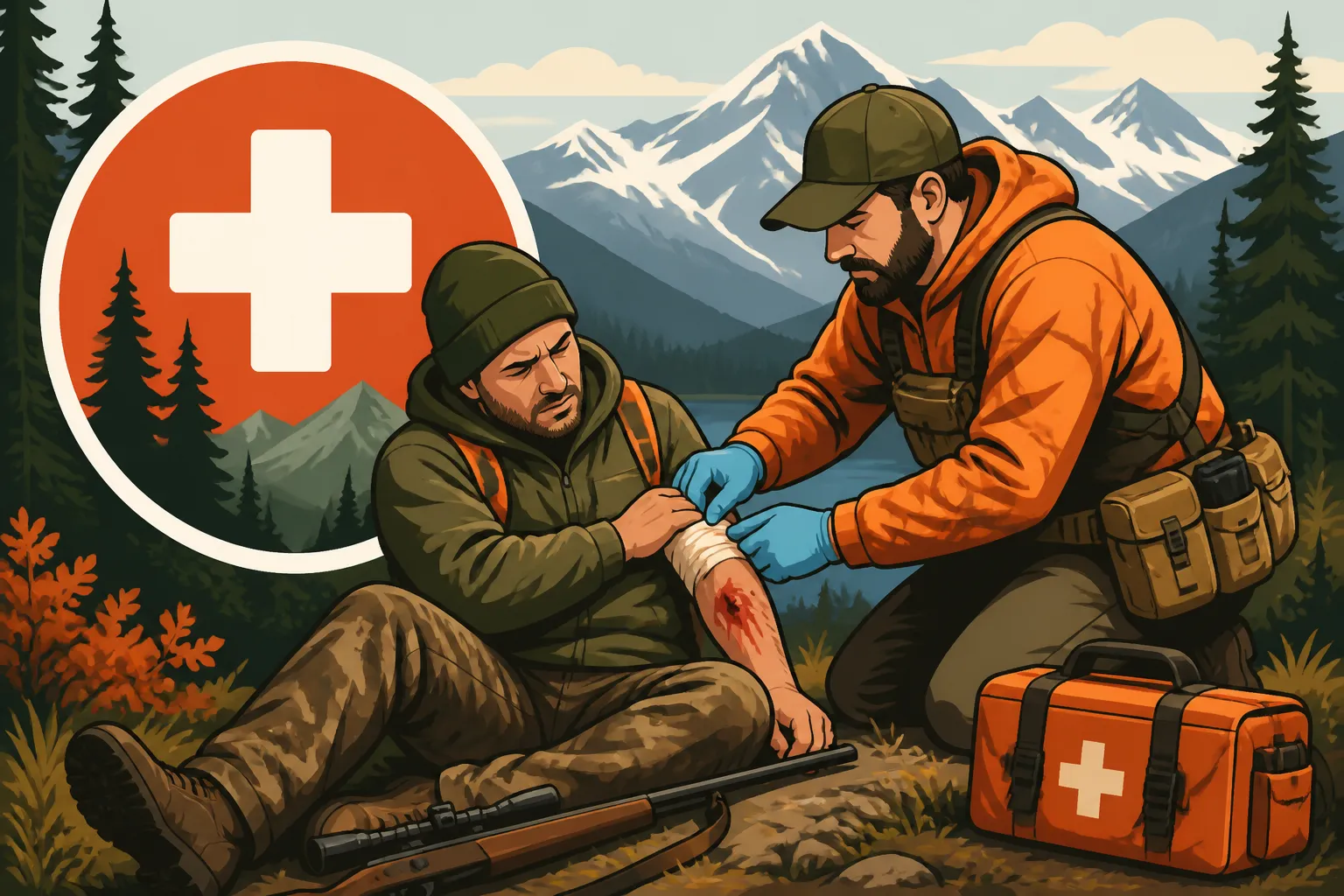
With the scene secured and an initial assessment complete, the guide shifts focus to providing immediate medical attention. This often means breaking out their wilderness first aid kit, which is typically far more comprehensive than a small personal one. If it’s a deep cut, they’ll work to stop the bleeding; if it’s a suspected fracture, they’ll immobilize the limb. For instance, if a sprained ankle leaves someone unable to bear weight after a long day of Backpacking Into British Columbia Sheep Country, the guide will know how to properly splint it to prevent further injury and manage pain.
Stabilization isn't just about bandaging wounds or setting splints; it also involves managing shock, keeping the injured person warm, and monitoring their vital signs. In British Columbia’s often unpredictable weather, especially in alpine or coastal regions Hunting in British Columbia's Coastal Rain, hypothermia can quickly become a secondary threat. The guide will use their knowledge of backcountry living to deploy extra layers, emergency blankets, and hot liquids to combat the cold and maintain the injured person’s body temperature, all while keeping a watchful eye for any changes in their condition.
Their training enables them to provide advanced first aid, not just basic care. This might include administering medication if they are trained and authorized to do so, or using specialized gear like a SAM splint or trauma dressings. The goal is always to stabilize the patient, alleviate suffering, and prevent the condition from worsening until professional medical help can arrive. This immediate, skilled intervention can make a significant difference in the long-term recovery of the injured hunter.
Communication and Calling for Help
Once initial first aid is administered and the injured person is as stable as possible, the guide's next priority is establishing communication and calling for outside help. In many remote British Columbia hunting areas, cell service is non-existent. This is why professional guides always carry reliable satellite communication devices, such as a satellite phone or a satellite messenger like a Garmin inReach or a Zoleo. Imagine being deep in the Omineca moose country Hunting a Lake Chain in the Omineca when a hunter experiences sudden, severe chest pain. The guide will immediately activate their satellite device.
The guide will convey critical information to emergency services: their precise GPS coordinates, the nature of the injury, the number of people in the party, the current weather conditions, and any immediate hazards. They are trained to be concise and accurate, understanding that every piece of information helps search and rescue (SAR) plan their response effectively. This communication is often a back-and-forth process, with SAR asking follow-up questions to gain a full understanding of the situation. Satellite Communication on a Remote Hunt is not just a convenience; it's a lifesaver.
Beyond contacting SAR, the guide will also typically inform their outfitter base camp, if one exists, or their designated emergency contact. This ensures that their team is aware of the situation and can provide additional logistical support, such as preparing vehicles or alerting other personnel. Maintaining a calm and clear demeanor during these stressful communications is crucial, as panic can lead to misunderstandings and delays in response.
Coordinating Evacuation and Further Care
Once external help has been alerted, the guide's role shifts to managing the situation on the ground while awaiting and coordinating with incoming rescue teams. This phase requires constant vigilance, adaptability, and clear communication with both the injured party and the rescuers.
Working with Search and Rescue (SAR)
Coordinating with Search and Rescue (SAR) is a critical component of a guide's responsibilities during an emergency. Whether it's a local volunteer SAR group, the RCMP, or a specialized helicopter rescue team, the guide acts as the primary contact and ground liaison. For example, if a hunter suffers a serious injury high up in the mountains while Glassing an Alpine Basin for Rams, a helicopter evacuation might be necessary. The guide will prepare the landing zone, ensuring it's clear of debris and marking it clearly for the incoming aircraft, using signals or smoke as pre-arranged with SAR.
The guide provides real-time updates on the patient's condition and the evolving situation at the scene. They understand that SAR teams rely heavily on this ground-level intelligence to make informed decisions about personnel, equipment, and approach. This might involve describing terrain features, weather patterns, or the best routes for ground crews to access the location. They will also assist SAR personnel upon arrival, providing context about the patient, the incident, and the specific challenges of the environment. Their intimate knowledge of the area, cultivated through years of Scouting a British Columbia Management Unit, becomes invaluable in these moments.
During this waiting period, the guide continues to provide care, comfort, and reassurance to the injured hunter, managing any changes in their condition and keeping them as warm and safe as possible. They remain the constant presence, bridging the gap between the remote wilderness and the incoming medical assistance.
Transport to Medical Facilities
Once the evacuation is underway, whether by helicopter, ATV, boat Jet Boat Access on British Columbia Rivers, or by foot, the guide's focus shifts to ensuring a smooth transition to further medical care. This often means accompanying the injured person during the initial stages of transport. For instance, if the injury occurred on a remote logging road Hunting British Columbia's Logging Road Network and an ambulance can reach the location, the guide will ensure the patient is safely transferred and provide any relevant information to the paramedics.
In many cases, the guide will be responsible for getting the injured person to the nearest appropriate medical facility. This could range from a small rural clinic in a place like Bella Coola to a major hospital in Prince George or Vancouver, depending on the severity of the injury and the location. They'll manage the logistics of this journey, including arranging transportation, ensuring the patient's comfort, and communicating with family members or the outfitter’s office about the patient’s status and destination. The commitment extends beyond the immediate rescue, ensuring continuity of care until the client is safely in medical hands.
It's a testament to the comprehensive nature of a guided hunt that this support network is in place. Many outfitters have established protocols and relationships with local medical services, ensuring that even in the most remote corners of British Columbia, help can be accessed and further care facilitated efficiently.
Managing Gear and Logistics Post-Incident
An emergency doesn't just impact the injured person; it affects the entire hunting party and the logistical operations of the outfitter. After an evacuation, the guide takes on the crucial task of managing the remaining gear and logistical fallout. If a client had to be flown out, their personal equipment – rifle, backpack, tent, etc. – needs to be accounted for, packed up, and safely returned to them or brought back to base camp. This attention to detail ensures that even in distress, a client's belongings are respected and secured.
The guide also has the responsibility of managing the rest of the hunting trip, depending on the severity of the incident and the wishes of the remaining clients. This might mean an early end to the hunt for everyone, a relocation to a different area, or adjusting plans to accommodate the reduced party. It's a delicate balance of professionalism, empathy, and practical decision-making, often requiring the guide to be the strong, calm leader in a difficult situation. They might need to break down a backcountry spike camp Setting a Spike Camp Above Timberline or coordinate the return of vehicles, all while ensuring the safety and well-being of those still with them.
Furthermore, the guide is often involved in the necessary incident reporting. This documentation is vital for the outfitter, for insurance purposes, and for any regulatory bodies. They’ll meticulously record the details of the incident, the actions taken, and the outcomes. This thoroughness is part of the accountability that comes with being a licensed professional guide in British Columbia Guide Outfitter Licensing Rules.
Prevention, Preparedness, and Client Responsibilities
While we all hope an emergency never happens, a significant part of a guide's role, and indeed the entire outfitting operation, is dedicated to prevention and preparedness. This proactive approach significantly reduces risks and ensures a more effective response if an incident does occur.
Pre-Trip Safety Briefings and Protocols
Before any hunter steps foot into the British Columbia wilderness, a reputable guide will conduct a comprehensive safety briefing. This isn't just a formality; it's a vital session designed to inform, educate, and set expectations. The guide will cover everything from handling firearms safely, to bear safety while hunting in British Columbia Bear Safety While Hunting in British Columbia, to basic backcountry protocols. They'll discuss the terrain, potential hazards, and the plan for communication in remote areas.
These briefings also cover what to do in various scenarios, from getting separated from the group to encountering dangerous wildlife. Guides will typically review the emergency communication plan, detailing how they will call for help and what to expect during a rescue. They’ll also explain the importance of staying calm and following instructions should an emergency arise. This proactive approach ensures that everyone in the party understands the risks and the established safety nets. It also provides an opportunity for clients to ask questions and voice any concerns, fostering a sense of shared responsibility for safety.
Reputable outfitters ensure their guides are trained not just in hunting, but in wilderness survival and first aid. They invest in proper gear, maintain communication systems, and have detailed emergency response plans in place. This commitment to safety is a core part of their service and should be a key factor when you are choosing an outfitter for your hunt.
Client's Role in Safety and Disclosure
While guides are highly trained and prepared, hunters also have a significant responsibility in ensuring their own safety and the safety of the group. One of the most critical aspects is physical fitness. Hunting in British Columbia, especially for species like sheep or goat in steep terrain, demands a high level of physical conditioning. Fitness for a British Columbia Sheep Hunt isn't just about bagging an animal; it's about safely navigating rugged country and being able to react to unexpected situations. Platforms like GoHunt, while often focused on strategies for draws and units, implicitly encourage a thorough approach to preparation that includes physical readiness.
Equally important is transparent communication with your guide about any medical conditions, allergies, or medications you take. Imagine if a hunter with a severe bee allergy gets stung in a remote area – if the guide isn't aware, they can't be prepared with an EpiPen or other necessary intervention. Disclosing this information upfront allows the guide to adapt their emergency plan and carry appropriate medications if necessary. This isn't an invasion of privacy; it's a crucial part of wilderness safety. You are partnering with your guide for your well-being in a challenging environment.
Furthermore, clients must adhere to the guide’s instructions and safety protocols. The guide's experience in the specific hunting area, their knowledge of animal behavior, and their understanding of local hazards are unparalleled. Disregarding their advice, whether it's about firearm handling, traversing difficult terrain, or maintaining group proximity, significantly increases risk. It’s a partnership, and mutual respect for safety protocols is essential for a successful and safe hunt.
Insurance and Emergency Planning
Before embarking on a British Columbia hunting trip, especially if you are a non-resident, it is absolutely essential to consider comprehensive travel and medical insurance. Standard health insurance often has limitations when it comes to remote medical evacuation or extensive out-of-province medical treatment. A specialized wilderness travel insurance policy, sometimes called "medevac" insurance, can cover the substantial costs associated with helicopter rescue, ground ambulance, and repatriation to your home country if needed. This type of insurance is an absolute must, providing a critical financial safety net in case of a serious accident or illness.
When researching outfitters, whether through direct contact or platforms like BookYourHunt, always inquire about their emergency plans and what specific insurance they recommend or require their clients to carry. A reputable outfitter will be transparent about their protocols and happy to discuss these critical details. They might even have preferred providers or offer advice on what specific coverages are most important for a British Columbia hunt. Asking Questions to Ask Before Booking should definitely include inquiries about emergency procedures and insurance recommendations.
Understanding what your policy covers—and, crucially, what it doesn't cover—is vital. Read the fine print, especially concerning adventure sports clauses, geographical limitations, and evacuation specifics. This proactive planning protects you from potentially crippling financial burdens in addition to the physical and emotional stress of an emergency. Remember, a guide will do everything in their power to help, but financial responsibility for medical care and evacuation ultimately rests with the client.
| Aspect of Emergency Response | Guide's Responsibility | Hunter's Responsibility |
|---|---|---|
| Scene Safety | Secure area, assess hazards | Remain calm, follow instructions |
| First Aid | Administer immediate care, stabilize | Communicate symptoms, cooperate |
| Communication | Contact SAR via satellite | Provide accurate details of injury |
| Evacuation | Coordinate with SAR, prepare landing zone | Cooperate with rescuers, remain calm |
| Medical Transport | Arrange transit to medical facility | Follow medical advice, inform family |
| Gear Management | Secure client's belongings | Provide inventory, communicate needs |
| Pre-Trip Disclosure | Conduct safety briefings, review plan | Disclose medical conditions, fitness level |
| Insurance | Advise on importance of coverage | Secure adequate travel/medical insurance |
| Following Instructions | Give clear, concise commands | Adhere to all safety rules and guide's advice |
Disclaimer
This article is for general informational purposes only and does not constitute professional advice. Laws, prices and regulations vary by location and change over time. Consult a qualified professional for guidance on your specific situation.