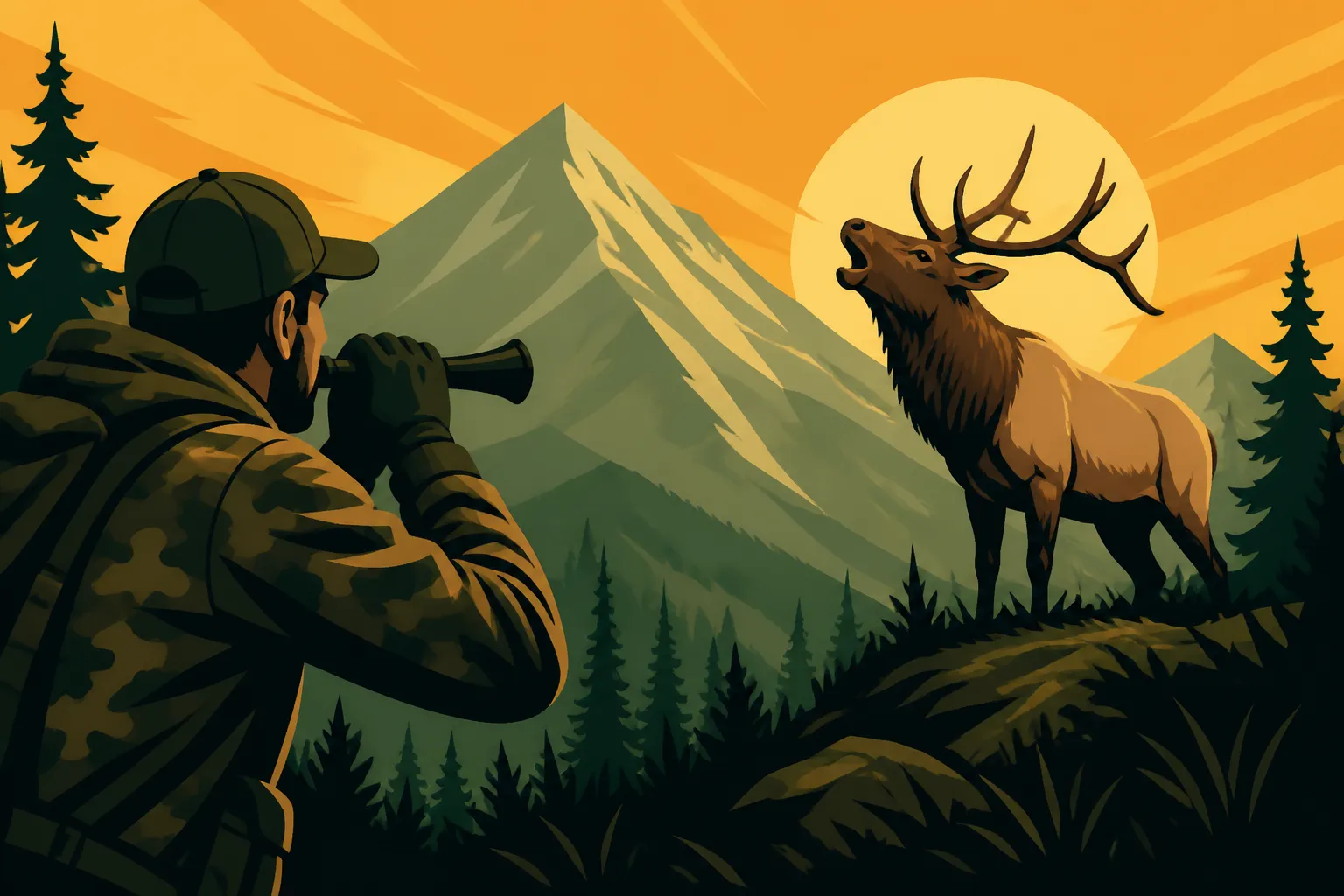
Bugling to a Roosevelt Elk Bull
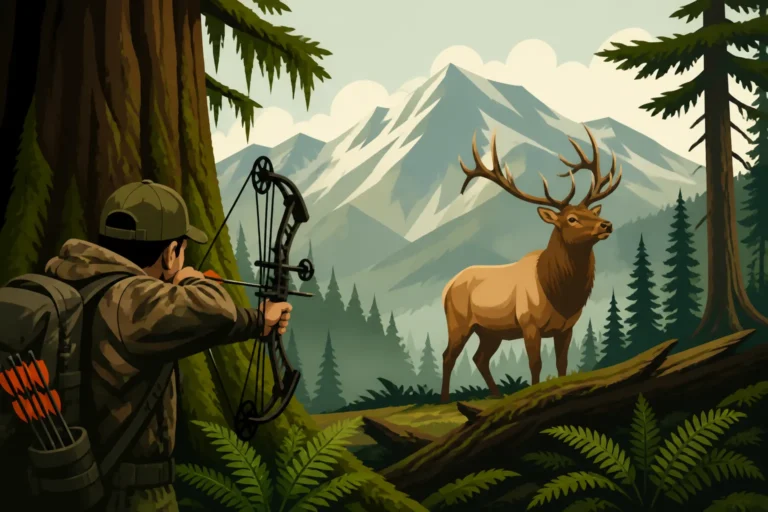
There’s nothing quite like the sound of a bull elk bugle cutting through the misty, rain-soaked timber of coastal British Columbia. It’s a primal sound that promises excitement, but actually getting a Roosevelt elk bull to respond and come into range can feel like an impossible puzzle, leaving many hunters frustrated and second-guessing every call. This guide is dedicated to breaking down the intricacies of bugling to a Roosevelt elk bull, offering practical advice and deep insights to help you decode their vocalizations and increase your chances of success in the challenging but incredibly rewarding pursuit of these magnificent animals.
Decoding the Roosevelt Elk Rut and Their Vocalizations
When you're out in the British Columbia wilderness, especially during the rut, understanding why a Roosevelt elk makes noise is just as important as knowing how to mimic it. These aren't just random sounds; they're a complex language that tells us a lot about the bull's intentions, dominance, and location. Many hunters get hung up on just making a loud bugle, but the real magic happens when you start to comprehend the conversation taking place in the woods.
The Nuances of the Rutting Season
The Roosevelt elk rut typically kicks off in early to mid-September and can stretch well into October, with peak activity often observed in the latter half of September. Unlike their Rocky Mountain cousins, Roosevelt elk on the coast often operate in denser timber and rugged, wet terrain, which can make locating and calling them a unique challenge. During this time, the bulls are incredibly vocal, vying for dominance and cows. It's a period of high stakes, high energy, and, if you play your cards right, high reward. Knowing exactly When British Columbia's Elk Rut Peaks is crucial for timing your hunt.
The rut isn't a constant, uniform period of activity. It fluctuates with weather, herd dynamics, and even the time of day. Early morning and late evening are often prime times for vocalizations, but a cloudy, misty, or rainy day can keep bulls active and responsive to calls throughout the day. It’s not uncommon to hear a distant bugle echo through the fog, signaling that despite the gloom, the elk are up and moving. This is where patience and persistence truly pay off.
Understanding the Elk's Vocal Repertoire
Roosevelt elk have a surprisingly diverse vocabulary, and recognizing these different calls is fundamental to effective bugling. It’s not just about hitting the highest note; it’s about speaking their language. Here’s a breakdown of the key sounds you’ll encounter and attempt to replicate:
- The Bugle: This is the iconic, piercing scream that usually starts low, rises to a high-pitched whistle, and often ends with a series of grunts or "chuckles." It's primarily a challenge call from a dominant bull asserting his territory and warning off rivals. It’s also used to locate cows and other bulls. A strong, confident bugle often signals a bull that’s ready to fight or gather his harem.
- Chirps and Mews: These are softer, more inquisitive sounds, often made by cows and calves. Cows use mews to communicate with their calves and other cows, signaling contentment or to gather the herd. A soft mew can be incredibly effective when you’re trying to coax a bull closer, making him think there’s a lone cow in the vicinity.
- Grinding or Chuckling: This guttural sound typically follows a bugle and indicates aggression, excitement, or a bull gathering his cows. The more intense the chuckle, the more agitated or dominant the bull often is. Learning to add realistic chuckles to your bugles can make your calls much more convincing.
- Growls and Bellows: These are deep, resonant sounds, often heard when bulls are sparring or intensely challenging each other. They convey serious intent and dominance. These are less common for hunters to replicate but important to recognize.
Understanding these sounds helps you interpret the bull's mood and proximity. A bull that responds to your bugle with a strong bugle and intense chuckles might be a hot, aggressive animal ready to come investigate. One that responds with a soft, distant bugle might be less interested or simply moving away. You can also gain an understanding of How Heavy a Roosevelt Elk Bull Gets by the depth and power of their bugle. The bigger, more dominant bulls often have a more resonant, authoritative call.
The Art and Science of Bugling for Roosevelt Elk
Successfully bugling a Roosevelt elk isn't just about blowing a call; it's a strategic dance of deception, patience, and observation. You're not just making noise; you're creating a scenario, painting a picture in the bull's mind that compels him to investigate. It requires finesse, understanding the terrain, and knowing when to push and when to back off.
Mastering Your Calling Sequence
Once you've tuned into the elk's language, the next step is to craft effective calling sequences. This isn't a one-size-fits-all approach; it changes based on the bull's response, the terrain, and the overall hunting pressure.
Here's a breakdown of common scenarios and how to adapt your calls:
- Locating Calls (Early Morning/Evening): Often, your first calls of the day are designed to simply locate elk. A single, strong, but not overly aggressive bugle, or a series of cow mews, can be effective. Listen intently for a response. If a bull answers from a distance, don't immediately blast another challenge bugle. Let him wonder, then offer a soft cow call to pique his interest. Many hunters use apps like GoHunt to mark potential elk bedding or feeding areas before they even step foot in the woods, helping them strategically place their locating calls.
- The Aggressive Challenge: If a bull is bugling frequently and aggressively, he might be willing to challenge another bull. Respond with a confident bugle, perhaps with some grunts or chuckles at the end. Raking a tree with a branch after your bugle can add a visual and auditory element of realism, mimicking a bull thrashing. Be prepared for a quick approach if he decides to come in hot.
- The Submissive or Inquisitive Approach: Sometimes, an aggressive bugle can scare off a less dominant bull, or a bull that's already with cows and doesn't want to fight. In these cases, a series of soft cow mews, perhaps with a subtle "lost calf" sound, can draw him in. He might be curious, or he might think a lonely cow is looking for company. This can be especially effective when you're hunting in dense timber where visual contact is limited.
- The "Silent Treatment": Not every bull will respond immediately, or loudly. Sometimes, a bull will go silent and try to circle downwind to scent-check the "new elk" in his territory. This is where patience is paramount. Don't overcall. Make a few soft calls, wait 15-20 minutes, then perhaps move a short distance and try again. This tactic can also work wonders when you are Hunting Roosevelt Elk in British Columbia Old Growth where visibility is extremely limited.
It’s about striking a balance. Too much calling, especially aggressive bugling, can make a bull suspicious or simply cause him to hang up. Too little, and he might lose interest. Think of it as a conversation: listen more than you talk, and respond thoughtfully.
Reading Elk Behavior and Responses
The most skilled elk callers aren't just good at making sounds; they're masters at reading an elk's reaction to their calls. Every subtle shift in their vocalization, every rustle in the brush, provides clues.
Here are some things to pay attention to:
- Volume and Intensity of Response: A weak, distant bugle suggests a bull that's moving away or isn't particularly interested. A strong, close, and aggressive bugle indicates a bull that's likely headed your way or very close by.
- Direction of Bugle: Is his bugle getting closer? Moving left or right? This helps you adjust your position and anticipate his approach. Sometimes, a bull will try to parallel your position, waiting for you to make a mistake.
- Silence and Circling: As mentioned, a sudden silence after a few exchanges often means the bull is trying to get downwind. This is a critical moment to stay hidden, watch the wind, and prepare for a potential cross-wind approach.
- Non-Vocal Cues: Listen for snapping branches, hoofsteps, or the distinct sound of antlers raking a tree. These are all signs of a bull actively moving and potentially looking for a fight or a cow.
Understanding these cues allows you to adjust your strategy on the fly. If he's hot, get ready. If he's cautious, back off on the aggression and try more subtle cow calls. For example, in the dense Hunting British Columbia's Coastal Rain forests, you'll often hear them before you see them, making these auditory cues invaluable.
Approaching and Setting Up for a Bugle Sequence
Calling a Roosevelt elk is one thing; getting a clean, ethical shot is another. The coastal terrain of British Columbia, with its dense rainforests, steep slopes, and ever-present moisture, presents unique challenges for setting up. Your approach and setup are just as critical as your calling technique.
The Critical Role of Wind Direction
I cannot stress this enough: the wind is your ultimate guide and your most brutal betrayer. Elk have an incredible sense of smell, and even the slightest waft of human scent will send them scattering. Before you even let out your first call, assess the wind direction and velocity using a wind checker.
- Always approach and set up with the wind in your favor, meaning your scent is blowing away from where you expect the elk to be. This usually means approaching from downwind.
- Anticipate swirling winds, especially in mountainous or heavily timbered areas. Coastal valleys and draws can create tricky air currents. Pay attention to how the wind shifts throughout the day.
- Have an escape plan or alternative setup if the wind shifts unexpectedly. Sometimes, moving just a few yards can put you back in a favorable wind pattern. If you're using a tool like GoHunt, you can often analyze terrain features that might cause wind eddies or thermal drafts, helping you plan your approach more effectively.
Ignoring the wind is a surefire way to educate an elk and send him running, likely without you ever seeing him. Many seasoned hunters will tell you tales of calling in a monster bull, only for a slight breeze to swirl their scent right to the animal, ending the encounter instantly.
Navigating Dense Coastal Terrain
Roosevelt elk habitat in British Columbia is often characterized by thick stands of old-growth timber, dense second growth, and steep, brushy slopes. This makes movement quiet, and setting up an ambush challenging.
- Move slowly and deliberately: Every snapped twig or rustling leaf can give away your position. Pick your steps, utilizing soft mossy ground, downed logs, or animal trails.
- Utilize natural cover: Instead of trying to find an open shooting lane, look for natural blinds like large trees, dense brush, or fallen logs. You want to be able to see the elk before it sees you, and break up your outline.
- Create shooting lanes (if possible and ethical): Sometimes, if you're going to be stationary for a while, a few judicious snips with pruning shears can open up a narrow shooting lane. However, be mindful not to alter the environment excessively, and focus on creating lanes towards where you expect the elk to appear.
- Position yourself for success: When you make your calls, anticipate the elk's approach. If you're using aggressive bugles, the bull might charge in. If you're using cow calls, he might sneak in quietly. Position yourself where you have good visibility, cover, and a clear shot opportunity, typically 50-100 yards out, especially with a bow. This often means having your back to dense cover, or being elevated slightly. Remember to always consider Bear Safety While Hunting in British Columbia, as these areas are prime grizzly and black bear habitat.
The Ambush Setup: Hunter and Caller Dynamic
When hunting with a partner, the hunter-caller dynamic can be incredibly effective. One person calls, and the other positions themselves for the shot.
- Caller Placement: The caller should be positioned behind the hunter, usually 50-100 yards back, off to one side. This draws the bull's attention to the caller, diverting its focus from the hunter who is waiting in ambush.
- Hunter Placement: The hunter should be positioned forward, with an unobstructed view of where the elk is expected to emerge. They should be completely still and ready to shoot.
- Communication: Silent communication (hand signals) between the hunter and caller is crucial. The caller needs to know when the hunter is ready, and the hunter needs to know if the caller is seeing or hearing something different.
This strategy capitalizes on the elk's natural instinct to approach the sound, allowing the hunter to remain hidden and prepare for the shot.
Essential Gear and Safety for Coastal Elk Hunting
Hunting Roosevelt elk in British Columbia, especially when you're actively bugling and moving through their dense, wet habitat, requires specific gear and a strong emphasis on safety. The unique environment demands preparedness.
Calls and Calling Accessories
You'll need a variety of calls to effectively speak the elk's language. Don't rely on just one.
- Diaphragm Calls: These are versatile and allow for hands-free operation, which is critical when you need to hold your bow or rifle. Practice with different types (single, double, triple reed) to find what works best for you.
- Bugle Tubes: Essential for amplifying your diaphragm calls and adding realism to your bugles. They also allow you to create different tones and pitches. Some come with grunt tubes that mimic the chuckles.
- External Reed Calls: Great for cow and calf mews, and easy to use for beginners. These can be particularly useful for subtle communication when a bull is close.
- Grunt Tubes: Can be used independently or in conjunction with a bugle tube to add the deep, guttural grunts and chuckles that often accompany a challenge bugle.
It's wise to carry backups for all your calls, as reeds can tear or calls can get lost in the thick undergrowth. Experiment with various brands and styles to find what gives you the most authentic sound.
Weather-Resistant Apparel and Footwear
The British Columbia coast is synonymous with rain. Being wet and cold will quickly ruin a hunt and can even become dangerous.
- Layered Clothing: Start with moisture-wicking base layers, add insulating mid-layers (fleece or down), and finish with a waterproof and breathable outer shell. Brands like Sitka Gear or Kuiu offer excellent options designed for this kind of environment.
- High-Quality Rain Gear: Your outer shell must be truly waterproof. Look for jackets and pants with Gore-Tex or similar durable waterproof membranes. Ensure zippers are sealed and cuffs are adjustable to keep water out.
- Waterproof Boots: Invest in durable, waterproof hiking boots with good ankle support. Rubber boots can also be an excellent choice for extremely wet conditions, though they may lack the support needed for steep climbs. Pair them with moisture-wicking wool socks. Proper Boots for Steep British Columbia Country are non-negotiable for comfort and safety.
- Gloves and Headwear: A waterproof hat with a brim will keep rain off your face, and waterproof gloves will keep your hands warm and functional.
Table: Essential Gear for Coastal Roosevelt Elk Hunting
| Category | Item | Why It's Essential |
|---|---|---|
| Calling Gear | Diaphragm Calls | Hands-free, versatile for bugles and cow calls. |
| Bugle Tube | Amplifies calls, adds realism, creates diverse tones. | |
| External Reed Calls | Easy for cow/calf mews, good for close-range work. | |
| Grunt Tube | Adds aggressive chuckles and grunts. | |
| Apparel | Layered Clothing | Manages moisture and warmth in fluctuating coastal weather. |
| Waterproof Outerwear | Critical for staying dry in British Columbia's frequent rain. | |
| Waterproof Boots | Essential for navigating wet, muddy, and steep terrain. | |
| Wool Socks | Wicks moisture, prevents blisters, provides warmth even when damp. | |
| Waterproof Gloves/Hat | Keeps extremities warm and dry, improves visibility. | |
| Navigation | GPS/Mapping Device | Essential for tracking movement and finding your way in dense woods. |
| Compass & Map | Backup navigation, crucial when electronics fail. | |
| Safety | Bear Spray | Non-negotiable for protection against coastal grizzlies. |
| First-Aid Kit | Comprehensive kit for injuries in remote areas. | |
| Satellite Communicator | Crucial for emergency contact in areas without cell service. | |
| Headlamp | For early morning and late evening movement, hands-free light. | |
| Optics | Binoculars (10×42) | Spotting elk at a distance, identifying details. |
| Other | Wind Checker | Absolutely critical for scent management. |
| Small Saw/Pruners | For clearing shooting lanes, if needed. |
Safety and Emergency Preparedness
Coastal British Columbia is beautiful but unforgiving. Remote areas mean help is far away.
- Bear Safety: Coastal areas are home to a healthy population of both black bears and grizzlies. Always carry bear spray, know how to use it, and have it readily accessible. Make noise while walking, especially in dense brush, to avoid surprising a bear. Ensure you understand Bear Safety While Hunting in British Columbia.
- Navigation Tools: A reliable GPS device or a smartphone app with downloaded offline maps (like GoHunt) is crucial. Always carry a physical map and compass as a backup. Knowing how to use them is paramount. For more remote excursions, consider using Satellite Communication on a Remote Hunt.
- First-Aid Kit: A comprehensive first-aid kit, tailored for remote backcountry use, is non-negotiable. Include pain relievers, bandages, blister treatment, antiseptic wipes, and any personal medications.
- Emergency Shelter/Fire Starter: A lightweight emergency bivy sack or tarp, along with multiple ways to start a fire (lighter, waterproof matches, ferro rod), can be lifesaving in an unexpected overnight situation. Having an Emergency Planning in British Columbia's Backcountry strategy is not just a good idea, it's essential.
- Buddy System: Whenever possible, hunt with a partner. If you must hunt alone, inform someone of your exact hunting area and expected return time. Be aware that sometimes What Happens If Weather Ruins the Hunt can be a real risk, so have contingency plans.
Bugling to a Roosevelt elk bull is an incredibly rewarding experience that connects you deeply with the wilderness and the animals you pursue. By understanding their language, mastering your calls, reading their responses, and preparing for the unique challenges of British Columbia's coastal environment, you'll greatly improve your chances of success.
Disclaimer
Hunting is an inherently dangerous activity. This guide provides information for educational purposes only and does not substitute for proper training, experience, or adherence to all local, provincial, and federal hunting regulations. Always prioritize safety, respect wildlife, and obtain all necessary licenses and permits before heading into the field. Be aware of private property boundaries and only hunt where legally permitted.