British Columbia Outfitters Who Take Youth Hunters
It's a common aspiration for many of us passionate about British Columbia's wild places to pass on the tradition of hunting to our children and grandchildren. However, the thought of introducing a young hunter to a guided experience can be daunting, from ensuring their safety to finding an outfitter who genuinely embraces and caters to younger participants. This comprehensive guide will help you understand what to look for in British Columbia outfitters who are not just tolerant of youth, but truly excited to mentor the next generation of ethical hunters.
The Value of Introducing Youth to Hunting in British Columbia
Introducing youth to hunting isn't just about the pursuit of game; it's about instilling a profound connection to nature, teaching vital life skills, and fostering a deep respect for wildlife and the land. British Columbia, with its vast wilderness and diverse game, offers an unparalleled classroom for these lessons. A guided hunt, especially for a young person, can accelerate this learning and provide experiences that would be difficult to replicate independently.
Fostering a Connection to Nature and Conservation
For a young person, stepping into the immense landscapes of British Columbia, far from screens and city distractions, can be a transformative experience. A guided hunt immerses them in the rhythms of the wild, showing them firsthand the intricate balance of ecosystems. They learn about animal behaviour, habitat, and the role of hunting in conservation efforts. A good outfitter doesn't just point out an animal; they explain its place in the environment, the signs it leaves, and the impact of human presence. This deep exposure helps to cultivate a conservation ethic that lasts a lifetime. Imagine a youth hunter spending days Glassing an Interior Hillside for Mule Deer and learning about their migratory patterns and diet. This isn't just a trip; it's a living lesson in ecology.
Moreover, guides often have intimate knowledge of their territories and can share local lore, history, and ecological insights that bring the landscape to life. This personal connection reinforces the importance of preserving these wild spaces for future generations, making the abstract concept of conservation tangible and immediate.
Developing Practical Skills and Responsibility
Hunting demands a unique set of practical skills, many of which are invaluable far beyond the hunt itself. For youth, a guided experience provides a safe and structured environment to develop these abilities. They learn navigation, tracking, proper firearm or bow handling, field dressing, and basic survival techniques. These aren't just technical skills; they come bundled with lessons in patience, perseverance, and critical thinking.
A responsible outfitter will emphasize safety above all else, teaching the proper use of gear and the importance of situational awareness. They'll also teach ethical hunting practices, such as shot placement, tracking wounded animals, and ensuring no meat is wasted. This hands-on training, often under the direct supervision of an experienced guide, instills a strong sense of personal responsibility and accountability. Young hunters quickly realize the weight of their decisions and actions in the field, a lesson that can profoundly shape their character.
Creating Lasting Memories and Strengthening Bonds
Perhaps one of the most significant benefits of a guided hunt with youth is the opportunity to create indelible memories and strengthen familial bonds. Sharing a challenging, rewarding, and often unpredictable outdoor adventure can forge connections that endure for years. The quiet moments spent glassing a distant ridge, the shared excitement of a successful stalk, and the camaraderie around a campfire—these are the experiences that become family legends.
A youth-friendly outfitter understands this deeply. They recognize that for a young hunter, the success of the trip isn't solely measured by a trophy, but by the overall experience, the learning, and the time spent with family and mentors. They facilitate these moments, ensuring that the atmosphere is encouraging, supportive, and focused on the journey as much as the destination. These shared experiences become a foundation for ongoing discussions about nature, ethics, and life itself.
Identifying a Truly Youth-Friendly Outfitter
Finding an outfitter who genuinely welcomes and caters to youth hunters requires looking beyond basic services. It’s about finding someone with the right mindset, appropriate safety protocols, and a tailored approach to ensure a positive and enriching experience for younger participants.
The Right Mindset: Patience and Mentorship
The most crucial characteristic of a youth-friendly outfitter is their patience and their dedication to mentorship. Hunting with a young person is inherently different from hunting with an experienced adult. Youth may move slower, ask more questions, get tired quicker, or need more guidance with shooting fundamentals and fieldcraft. An outfitter who views this as an opportunity to teach and guide, rather than a hindrance to success, is invaluable.
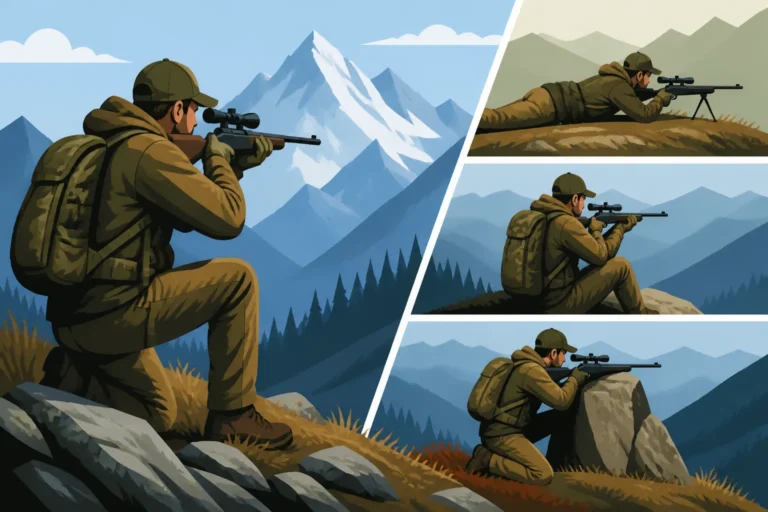
Look for outfitters who speak enthusiastically about past youth hunts, sharing anecdotes that highlight their teaching approach. They should prioritize the young hunter's learning and enjoyment over just punching a tag. This often means a slower pace, more breaks, and more explanations. They understand that a missed shot or a difficult hike is part of the learning process and shouldn't detract from the overall adventure. This patient, mentoring approach ensures that the young hunter feels supported and empowered, not rushed or pressured. For example, a guide teaching Stalking a Bedded Buck in Open Timber to a youngster needs to be extra patient and explain every single step, not just execute it quickly.
Emphasizing Safety and Age-Appropriate Challenges
Safety is paramount, especially when hunting with youth. A truly youth-friendly outfitter will have rigorous safety protocols in place, from firearm handling rules to backcountry emergency preparedness. They'll ensure that the young hunter understands and adheres to all safety guidelines without exception. This includes understanding British Columbia Blaze Orange and Safety Rules and ensuring proper gear fit and function.
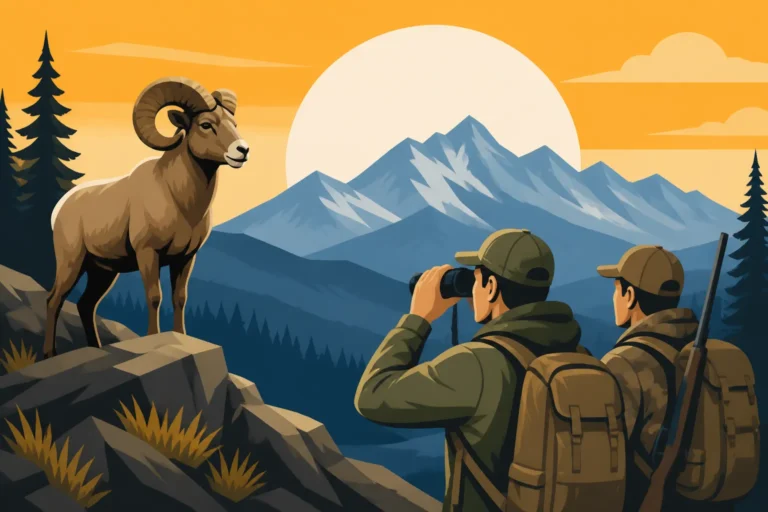
Beyond general safety, they'll also consider age-appropriate challenges. While some youth are incredibly fit and capable of demanding hunts like Backpacking Into British Columbia Sheep Country, others might be better suited for less physically taxing experiences. A good outfitter will discuss your child's physical capabilities and mental maturity honestly, and suggest hunts that align with their abilities. They won't push a young hunter beyond their limits, ensuring the experience remains positive and builds confidence, rather than leading to frustration or exhaustion. They might suggest a black bear hunt near logging roads or a waterfowl hunt from a blind, both of which can be incredibly exciting without being overly strenuous.
Tailored Experiences and Species Selection
A one-size-fits-all approach rarely works for youth. An outfitter who specializes in youth hunts, or is at least highly experienced with them, will offer tailored experiences. This could involve choosing species known for higher success rates or less arduous hunts, like black bear or certain deer seasons, which can be less physically demanding than a deep mountain sheep hunt. They might also adjust the daily schedule, allowing for more sleep, regular meals, and downtime.
Consider the type of game: a Black Bear Hunting British Columbia's Spring trip can be a fantastic first big game hunt, often involving glassing logging roads or coastal estuaries, which can be less strenuous. Conversely, a multi-day hike for mountain goats might be too much for many young hunters. Outfitters who offer a range of species and methods, and are willing to discuss which would be best for a particular youth, are showing that they understand the unique needs of young hunters. They might also offer combo trips that include fishing or other outdoor activities, providing variety and keeping young minds engaged.
| Feature | Youth-Friendly Outfitter | Standard Outfitter (May Vary) |
|---|---|---|
| Pace of Hunt | Slower, frequent breaks, emphasis on learning | Faster, focused on efficiency and harvest |
| Mentorship | Active teaching, patience with questions/mistakes | Assumes hunter knows basics, less direct instruction |
| Safety Focus | Explicit, continuous instruction, tailored supervision | Assumes hunter's existing safety knowledge |
| Physical Demands | Flexible, offers less strenuous options, realistic | Often assumes high fitness, less adaptable |
| Species Options | Recommends accessible hunts, often high success rate | Any species within territory, less consideration for youth |
| Camp Environment | Welcoming, family-oriented, potentially less rustic | May be more focused on adult hunters, potentially more rustic |
| Expectations | Focus on experience, learning, and effort | Primarily focused on harvesting game |
Preparing Your Youth Hunter for a British Columbia Guided Trip
A guided hunting trip in British Columbia, even with a youth-friendly outfitter, is still a significant undertaking. Proper preparation is key to ensuring your young hunter has a safe, enjoyable, and successful experience. This isn't just about packing the right gear; it's about mental and physical readiness.
Physical Conditioning and Mental Preparation
British Columbia's diverse terrain can be challenging, from steep mountain slopes to dense coastal rainforests. Even if you've chosen a less physically demanding hunt, your young hunter still needs a basic level of fitness. Encourage regular outdoor activity, hiking, and walking in the months leading up to the trip. This builds stamina and helps prevent fatigue, which can quickly turn an exciting adventure into a miserable one. Talk to your outfitter about the expected terrain and physical exertion, and tailor your preparation accordingly. You don't want to be caught off guard by the Why Goat Hunting Is the Hardest Pack Out description if you're not prepared.
Mental preparation is just as important. Discuss expectations honestly. Remind them that hunting involves early mornings, long periods of quiet, and no guarantees of success. Explain that the experience itself, the time in nature, and the learning are the real rewards, regardless of whether an animal is harvested. Instill in them the importance of listening to the guide, following instructions, and respecting the wildlife. Talk about Bear Safety While Hunting in British Columbia and other vital wilderness protocols. Managing expectations upfront can prevent disappointment and foster resilience in the face of challenges.
Essential Gear and Clothing Considerations
Having the right gear makes a world of difference for any hunter, but especially for youth who are still learning to adapt to the elements. British Columbia weather can be unpredictable, so layers are essential. Think about good quality, moisture-wicking base layers, insulating mid-layers, and waterproof and windproof outer shells. Ill-fitting or inadequate gear can lead to discomfort, cold, and a ruined experience. Ensure their boots are broken in, waterproof, and provide good ankle support, especially if they'll be navigating uneven terrain.
For firearms or bows, ensure they are appropriate for the youth's size and strength. A firearm with too much recoil or a bow with too heavy a draw weight will lead to poor accuracy and potentially instill a fear of shooting. Practice extensively before the trip, focusing on safe handling and consistent accuracy. Discuss what the outfitter provides versus what you need to bring. Many outfitters have a recommended gear list, and following it diligently will set your young hunter up for success. Understanding What to Wear for British Columbia's Coastal Rain or what boots are suitable for Boots for Steep British Columbia Country will be crucial.
Understanding Rules, Regulations, and Ethics
Before embarking on any hunt, your youth hunter needs a solid grasp of hunting ethics and British Columbia's specific regulations. They should already have completed their hunter education (CORE exam in British Columbia) and understand the basic British Columbia Youth Hunting Rules and Minimum Age to Hunt in British Columbia. Review the specific regulations for the species they'll be pursuing, including bag limits, antler restrictions, and season dates.
A guided hunt is an excellent opportunity for practical lessons in ethical hunting. The guide will reinforce these principles, but a pre-existing understanding from the young hunter's side will make the lessons resonate deeper. Discuss fair chase, responsible shot placement, and the importance of full utilization of harvested game. This foundational knowledge ensures that your young hunter approaches the hunt with respect and responsibility, embodying the true spirit of ethical hunting.
Finding and Booking the Right Outfitter for Young Hunters
The search for the perfect youth-friendly outfitter can feel overwhelming, given the vast options in British Columbia. However, with a focused approach and the right questions, you can find a guide who will make your young hunter's experience truly exceptional.
Researching Outfitters and Asking Key Questions
Start your research by looking for outfitters who explicitly mention youth hunts or family packages on their websites or social media. Websites like BookYourHunt can be a great starting point, allowing you to filter by specific services or inquire directly about youth programs. Don't be afraid to call and speak directly with the outfitter. Ask specific questions:
- "What is your experience guiding youth hunters, and what age groups do you typically take?"
- "What kind of success rates have you seen with young hunters, and how do you measure success for them?"
- "How do you adapt the hunt pace and daily schedule for a younger participant?"
- "What species do you recommend for a youth's first big game hunt, considering their age and experience level?"
- "What are your safety protocols, especially regarding firearms or bows with youth?"
- "Can you provide references from families who have hunted with their children?"
Pay attention to their responses; a genuine enthusiasm for mentoring youth will be evident. If they sound hesitant or treat it as an afterthought, they might not be the right fit. Platforms like GoHunt also provide valuable insights into specific hunting areas and can sometimes have community forums where you can ask for recommendations for youth-friendly outfitters. Looking at Reading Outfitter Reviews Honestly can also offer insights into how they treat all clients, including younger ones.
Understanding Costs and What's Included
Guided hunts in British Columbia represent a significant investment, and bringing a youth hunter along will add to that. It's crucial to get a clear, itemized breakdown of costs. Inquire about the base price, species licence fees, guide fees, food, lodging, and any additional charges for things like transportation, meat processing, or trophy preparation. Understand What a British Columbia Guided Hunt Costs in general, and then ask how that applies to a youth hunter. Some outfitters might offer discounted rates for youth, or specific packages designed for family groups.
Ensure you understand what is included in the package price. Will your child have their own guide, or will they share one with you? Are meals and accommodations youth-friendly? What about specific equipment, or is it expected that you bring everything? Don't be shy about clarifying every detail to avoid any surprises. Remember to factor in potential costs like Tipping a British Columbia Guide as well.
Securing Licences, Tags, and Permits
Before the hunt, ensure all necessary paperwork is in order for your youth hunter. This includes their British Columbia resident or non-resident hunting licence, any required species tags (deer, bear, etc.), and their FWID. If you are a non-resident bringing a youth from outside BC, you might need a The Permit to Accompany Explained if you're not booking a full guide service. A non-resident alien, for instance, requires a licensed guide or a valid Permit to Accompany to hunt big game. Check the specific regulations for the species and region you plan to hunt, as these can vary.
Many outfitters will assist with licence and tag acquisition, or at least guide you through the process, but ultimately, it's your responsibility to ensure everything is legal and correctly filled out. Double-check all application deadlines, especially for limited entry hunts or special permits, if applicable. Having all paperwork sorted well in advance removes a major source of stress and allows you to focus on the excitement of the upcoming adventure. This preparation is a great opportunity to teach your youth hunter about the administrative side of hunting, emphasizing compliance and responsibility.
Disclaimer
This article is for general informational purposes only and does not constitute professional advice. Laws, prices and regulations vary by location and change over time. Consult a qualified professional for guidance on your specific situation.