Boat-Based Bear Hunts on the Coast
For many hunters, the image of a British Columbia bear hunt conjures up visions of sprawling interior forests or vast alpine slopes. But what if I told you there’s an entirely different, incredibly immersive way to pursue black bears that few experience? Getting out on the coast in a boat, navigating the intricate network of inlets and estuaries, presents its own unique set of challenges and rewards, often leaving hunters feeling overwhelmed by the sheer logistics of it all. This guide aims to unravel the complexities of boat-based bear hunts on the BC coast, helping you understand the allure, plan your adventure, and maximize your chances for success in this truly wild environment.
The Allure of Coastal Boat-Based Bear Hunts
There’s something undeniably captivating about hunting the British Columbia coast from the water. It’s a completely different rhythm than a traditional truck-and-foot hunt. Instead of dusty logging roads or steep mountain trails, your access route is the ocean, your vantage points are sheltered coves, and your companions are often seals, eagles, and the relentless coastal rain. Many hunters are drawn to this experience because it opens up vast, untamed territories that are otherwise inaccessible, offering a truly remote and often solitary pursuit.
Unique Access to Untouched Wilderness
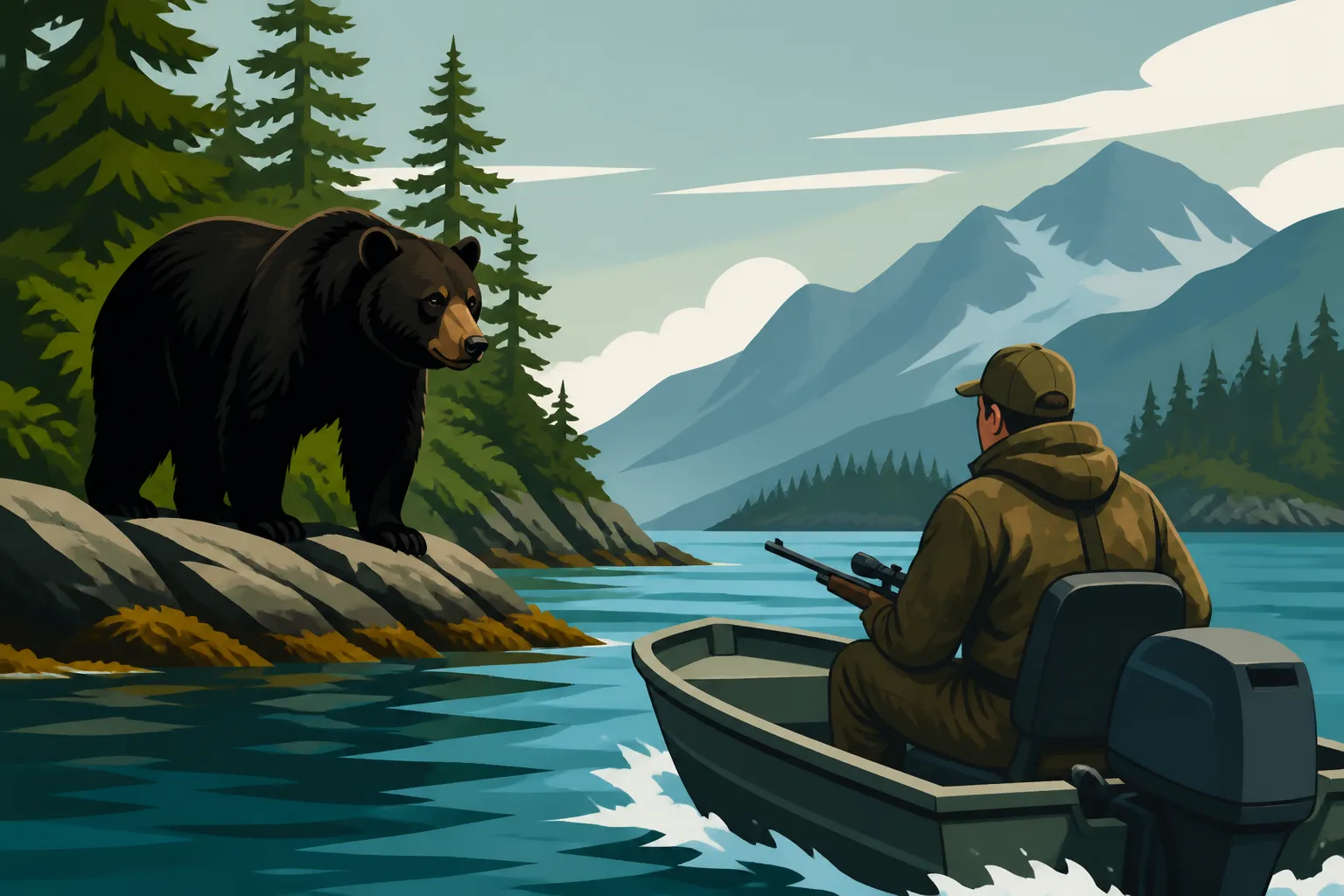
One of the biggest draws of a boat-based bear hunt is the unparalleled access it provides. Imagine gazing at a map and seeing countless fingers of saltwater reaching deep into rugged mountains, creating a labyrinth of bays, inlets, and estuaries. Many of these areas have no roads, no trails, and see very little human traffic. A boat, whether it's a sturdy aluminum skiff or a comfortable cabin cruiser, becomes your mobile basecamp, allowing you to explore vast stretches of coastline that remain pristine. This kind of access means you're often hunting areas where bears are less pressured and more likely to follow their natural routines, providing a more authentic wilderness encounter. You can often drop anchor in a quiet bay, launch a smaller skiff or even a kayak, and begin glassing prime feeding areas that would be impossible to reach on foot from land. This remoteness also offers a profound sense of solitude, allowing you to truly disconnect and immerse yourself in the natural world. Hunting a Coastal Inlet From a Boat really highlights this advantage.
A Different Hunting Experience
A boat-based hunt demands a different skill set and mindset. It's less about covering miles on foot and more about careful navigation, reading tides, and patiently glassing vast expanses of shoreline. Bears along the coast often frequent intertidal zones, river mouths, and avalanche chutes that spill down to the water, especially in spring when they emerge from their dens seeking fresh green growth. Your boat allows you to systematically scout these areas, moving quietly from one promising spot to the next. You'll spend hours behind binoculars, scanning the green growth on hillsides, the edges of clearcuts, and the nutrient-rich estuaries. The hunt becomes a dance with the tides and the weather, waiting for that perfect window when a bear emerges onto a sedge flat or a salmon stream. It's a game of patience and observation, punctuated by moments of intense excitement when a dark shape finally appears against the vibrant green backdrop. Hunting Bears on a Coastal Estuary in May delves deeper into these specific tactics.
Stunning Scenery and Wildlife
Beyond the pursuit of bears, a boat-based hunt on the BC coast offers a breathtaking natural spectacle. The fjords are dramatic, with towering mountains plunging directly into the sea, often capped with ancient glaciers. Waterfalls cascade hundreds of feet, and mist often hangs mysteriously over the rainforest. You’re constantly surrounded by wildlife: seals and sea lions lounging on rocks, porpoises playing in your wake, eagles soaring overhead, and sometimes even whales breaching in the distance. This immersive experience, where the hunt is just one part of a larger adventure into one of the world's most beautiful and rugged coastlines, is what keeps many hunters coming back year after year. The opportunity to witness these ecosystems firsthand, far from the crowds, is a profound reward in itself.
Planning Your Coastal Bear Hunt
Embarking on a boat-based bear hunt requires meticulous planning. This isn't a spur-of-the-moment trip. From understanding the best times to go to choosing the right vessel or outfitter, every detail contributes to a safe and successful adventure. Many hunters find themselves wondering where to even begin, given the sheer scale and complexity of the coastal environment.
Timing Your Hunt for Success
The timing of your coastal bear hunt is critical and largely depends on the bear's behaviour and food sources.
The most popular time for boat-based bear hunts on the coast is typically in the spring, from April through June. This is when black bears are emerging from hibernation, often gaunt and hungry. They gravitate towards the lush, green growth found in estuaries, river deltas, and lower avalanche chutes where the first fresh vegetation appears. These areas are easily glassed from a boat, and bears are often highly visible as they gorge on sedges and grasses. The weather can be variable, ranging from sunny and calm to wet and stormy, but the opportunity to spot bears feeding in open areas is generally excellent. Timing a British Columbia Spring Bear Hunt offers further insights into this period.
Fall hunts, usually from September to October, offer a different dynamic. Bears are then focused on fattening up for winter, often keying into berry patches higher up the slopes or, most famously, congregating along salmon-spawning rivers and streams. Accessing these salmon streams by boat can be productive, but it often requires more active hiking inland from your anchor point. Fall weather can be more challenging, with increased rainfall and shorter daylight hours, but the chance to encounter a truly massive boar feasting on salmon is a powerful draw. You'll need to research specific salmon run timings and local regulations carefully for fall hunts.
Choosing Your Vessel or Outfitter
Your choice of vessel or whether to hire an outfitter is perhaps the most significant decision.
Self-Guided with Your Own Boat: This option offers maximum independence and can be more budget-friendly if you already own a suitable boat. You'll need a vessel that is seaworthy enough for coastal conditions, equipped with reliable navigation, communication (VHF radio, satellite messenger), and safety gear. A robust aluminum boat in the 18-24 foot range, capable of handling choppy water, is common. You'll also need a smaller tender (like a sturdy skiff or inflatable) for accessing shallow areas and shore. This route requires extensive knowledge of coastal navigation, tides, weather patterns, and boat mechanics. You are fully responsible for all logistics, from fuel to food to emergency preparedness. Hunting From a Boat on the Coast can provide more detail on this.
Hiring a Chartered Boat: For those without their own boat, chartering a vessel with an experienced skipper can be a fantastic option. This provides the safety and knowledge of a professional mariner, allowing you to focus on the hunt. You'll still be self-guided in terms of hunting, but the captain handles the boat operation, navigation, and often cooking. This can be a great middle-ground, offering flexibility without the full responsibility of boat ownership.
Booking a Guided Hunt: For many non-resident hunters, or residents seeking a worry-free experience, a fully guided boat-based hunt is the way to go. Outfitters provide everything: the boat, an experienced guide who knows the best hunting grounds, food, lodging (often on board a larger vessel or in a remote cabin), and all the necessary permits and knowledge of local regulations. This is particularly valuable for the BC coast, where local knowledge of tide charts, wind patterns, and bear movements is paramount. Companies like BookYourHunt often list reputable outfitters offering these specific types of coastal bear hunts. When researching, ask detailed questions about their boats, safety protocols, typical hunt areas, and success rates. It's a significant investment, but it offers a seamless and often highly successful experience. Booking a British Columbia Bear Hunt offers more on what to consider.
Essential Gear and Preparation
Regardless of how you choose to hunt, specific gear is non-negotiable for a coastal bear hunt.
Clothing: The coastal weather is famously unpredictable. Think layers. Waterproof and windproof outerwear is absolutely essential – a good quality rain jacket and pants will be your best friend. Synthetic or wool base layers, warm mid-layers, and waterproof hiking boots are critical. Expect dampness, even on sunny days.
Optics: High-quality binoculars (10×42 or 12×50) are crucial for glassing vast shorelines. A spotting scope on a sturdy tripod is highly recommended for evaluating bears from a distance before making a move.
Firearms/Archery: Ensure your rifle is suitable for bears and capable of accurate shots at varying distances. A good quality scope is vital. Archery hunters will need to be proficient with their setup. Don't forget your non-resident firearm declaration if coming from outside Canada.
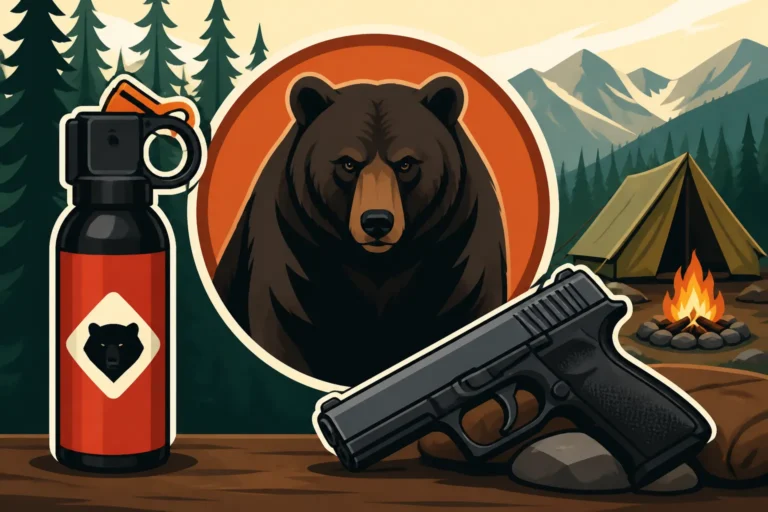
Navigation & Safety: GPS devices, marine charts, tide tables, and compasses are vital. A reliable VHF radio, satellite messenger (like an InReach or Garmin GPSMAP with satellite features, which can integrate with services like GoHunt for mapping), and emergency flares are not optional. Bear spray and air horns for bear safety are paramount, especially when ashore. Bear Safety While Hunting in British Columbia should be reviewed thoroughly.
Meat Care: You'll be processing your bear far from town. Bring a sharp knife kit, game bags, and a plan for cooling and storing meat in a marine environment. Large coolers with plenty of ice are a must. Cooling a Bear Hide in Warm Weather details specific strategies for this unique challenge.
What to Expect on a Coastal Boat Hunt
The day-to-day reality of a boat-based bear hunt is unlike any other. It involves a dance with the elements, keen observation, and the unique challenges of operating in a marine environment. Understanding these dynamics will set realistic expectations and help you mentally prepare for the adventure.
Daily Routine and Tactics
Your days will likely start early, often before dawn, to take advantage of first light when bears are most active. After a quick breakfast, you'll be underway, navigating through mist-shrouded inlets. The primary tactic is "spot and stalk." The boat serves as your mobile glassing platform. You’ll slowly motor along shorelines, peering into every bay, estuary, and avalanche chute with your binoculars. The guide or skipper will often have specific areas known for bear activity, but you'll also be exploring new territory.
Once a bear is spotted and judged to be a legal animal (and a desirable one!), the real work begins. The boat will be anchored quietly, often some distance away, and a smaller skiff or Zodiac will be deployed to take you ashore. This shore approach is often stealthy, navigating through tide flats or rocky beaches. Once on land, it becomes a traditional stalk, using terrain and wind to your advantage to close the distance for an ethical shot. This blend of marine navigation and land-based stalking is what makes coastal boat hunts so engaging.
Reading Tides and Weather
Tides are an ever-present force on the BC coast, dictating access, bear movement, and safe navigation. Bears often feed most actively on exposed sedge flats at lower tides. You'll need to know when high and low tides occur to plan your approach to these areas. Misjudging a tide can leave your small skiff stranded on a mudflat for hours or, worse, make an area inaccessible. Understanding currents, especially in narrow passages, is also vital for safe boating.
Coastal weather is notoriously fickle. A sunny morning can quickly turn into a wind-lashed, rainy afternoon. Fog can roll in suddenly, reducing visibility to mere feet. You must always be prepared for rain, wind, and cool temperatures, even in spring. Flexibility in your hunting plans is key; sometimes, a particular inlet might be too rough, forcing you to seek calmer waters. Always respect the weather and the ocean, as they are powerful forces that demand respect.
Ethical Shooting from Shore
When hunting bears from a boat, the actual shot will almost always take place from solid ground. Shooting from a moving or even anchored boat is generally unsafe and unethical for big game. Once you've successfully stalked within range on shore, it's crucial to take a steady, ethical shot. Bears, particularly large coastal boars, are incredibly tough animals. Shot placement is paramount for a quick, humane kill. Always ensure you have a clear, unobstructed shot, and know your effective range. After the shot, be prepared for a thorough follow-up, as wounded bears can be dangerous and disappear quickly into dense coastal vegetation. This is where a good guide's experience truly shines, both in tracking and in providing backup.
Maximizing Success and Safety
A boat-based bear hunt in British Columbia is an incredible adventure, but it comes with inherent risks. By focusing on safety, ethical practices, and being prepared for the unexpected, you can significantly enhance your chances of a successful and memorable trip.
Bear Safety and Encounter Preparedness
Encounters with bears are a given on a coastal hunt, not just the one you're pursuing. Both black bears and grizzlies inhabit the BC coast, sometimes in the same areas. It’s imperative to carry bear spray and know how to use it. Make noise when moving through dense bush on shore to avoid surprising a bear. Store all food securely in the boat and pack out all garbage. If you do encounter a grizzly, know the difference between defensive and predatory behaviour and react accordingly. Never approach a bear, especially a sow with cubs. Your guide will be invaluable in managing these situations. What to Do If You See a Grizzly is essential reading for coastal hunters.
Boating Safety and Emergency Planning
The ocean is beautiful but unforgiving. Before embarking, ensure all onboard safety equipment is current and accessible: life jackets for everyone, flares, first-aid kit, fire extinguisher, spare parts, and tools. File a float plan with someone reliable on land, detailing your route and expected return. Check marine weather forecasts religiously. If you're self-guided, know how to handle minor mechanical issues. Have a satellite communication device like a Garmin InReach or Spot device – cell service is virtually non-existent in many remote coastal inlets. This device allows you to send emergency messages and check in with loved ones. Understanding how to use these devices for both routine communication and genuine emergencies can be a lifesaver. Emergency Planning in British Columbia's Backcountry applies equally to coastal adventures.
Meat Care in a Remote, Wet Environment
Once you've harvested a bear, the real work of meat care begins, and it's particularly challenging in the coastal environment. High humidity and often mild temperatures mean you need to cool the meat quickly to prevent spoilage. Quarter the bear immediately and get the hide off. Hang the quarters in breathable game bags in a cool, shaded, well-ventilated area on the boat or ashore. Many boats are equipped with a cooler or even a small walk-in fridge. If not, large coolers packed with ice are vital. Ensuring the meat stays dry is also crucial; rain and condensation can accelerate spoilage. A bear hide needs special attention; cool it rapidly and get it salted if possible to prevent hair slippage. Discuss meat handling and transport logistics with your outfitter or plan thoroughly if self-guided. Field Dressing in British Columbia's Wet Weather provides practical tips for this.
Table: Boat-Based vs. Land-Based Coastal Bear Hunts
Here's a quick comparison to help you weigh the unique aspects of each approach to hunting bears on the BC coast:
| Feature | Boat-Based Coastal Hunt | Land-Based Coastal Hunt (Road/Trail Access) |
|---|---|---|
| Access | Remote inlets, estuaries, unroaded coastlines | Logging roads, established trails, more accessible areas |
| Hunting Style | Spot & stalk from water, then stalk ashore | Spot & stalk from land, hiking to vantage points |
| Primary Challenge | Tides, marine weather, boat maintenance, navigation | Steep terrain, dense bush, road closures, grizzly safety |
| Bear Pressure | Generally lower in remote areas | Potentially higher in easily accessed areas |
| Scenery | Dramatic fjords, marine wildlife, vast ocean views | Coastal rainforest, mountain vistas, less marine life |
| Cost | Higher (boat ownership/charter/outfitter fees) | Potentially lower (vehicle access, DIY camping) |
| Comfort | Often better (boat as basecamp, dry lodging) | Varies (tent camping, potential for wet conditions) |
| Required Skills | Marine navigation, boat handling, tide reading | Advanced hiking, bush navigation, land-based tracking |
Boat-based bear hunts on the British Columbia coast offer an unparalleled blend of adventure, stunning scenery, and unique hunting challenges. With thorough planning, attention to safety, and a deep respect for the wild marine environment, you're set for an experience that transcends the ordinary and leaves you with memories for a lifetime.
Disclaimer
This article is for general informational purposes only and does not constitute professional advice. Laws, prices and regulations vary by location and change over time. Consult a qualified professional for guidance on your specific situation.