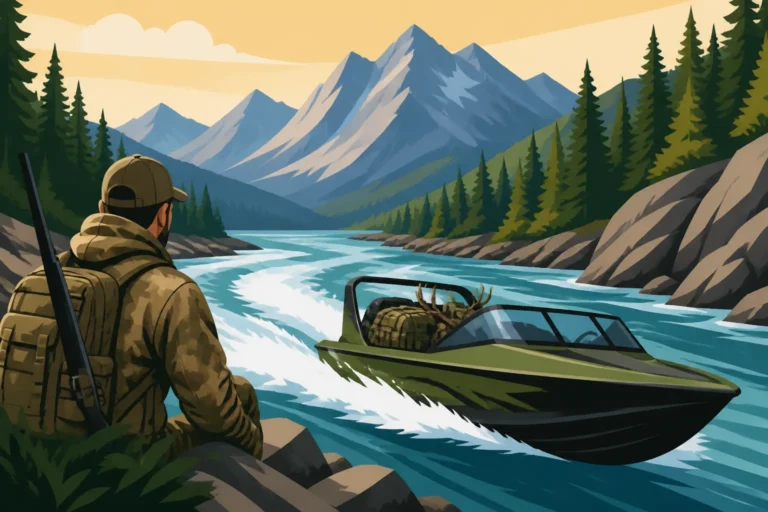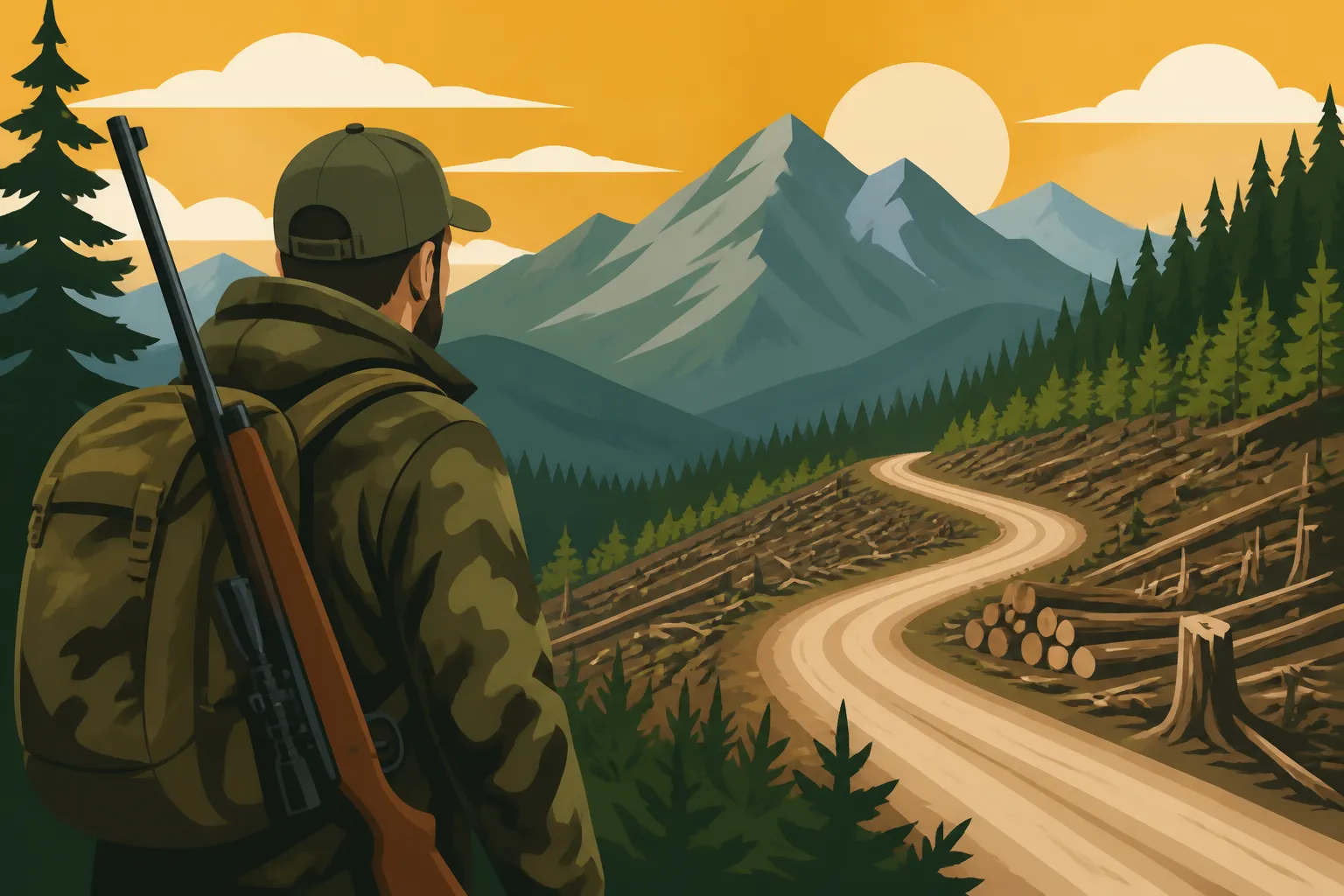
Hunting British Columbia’s Logging Road Network
Navigating the vast wilderness of British Columbia for hunting can feel incredibly daunting, especially when you're trying to figure out how to even get to those prime spots. It’s easy to get lost in maps, confused by access rules, or disheartened by seemingly endless tracts of inaccessible terrain. This comprehensive guide will peel back the layers on British Columbia's extensive logging road network, offering practical, realistic advice on how to use these vital arteries to your advantage, understand their nuances, and make your hunting trips safer and more successful.
Understanding British Columbia's Logging Road Network
The backbone of access for many hunters in British Columbia isn't always a well-maintained highway; often, it's the intricate web of logging roads, officially known as Forest Service Roads (FSRs). These aren't your typical paved routes; they're working industrial roads, constantly changing, and understanding their nature is paramount to a successful and safe hunt. They offer unparalleled access deep into the backcountry, but they also come with their own set of rules, challenges, and considerations.
The Dynamic Nature of Forest Service Roads
Unlike public highways, FSRs are primarily built and maintained for industrial operations, mainly logging, mining, and sometimes hydroelectric projects. This means their status is fluid and can change rapidly. A road that was perfectly passable last year might be overgrown, washed out, or actively being used by heavy machinery this season. This dynamic environment can be frustrating for hunters who rely on consistent access, but it's part of the reality of hunting in a province rich with natural resource activity. You need to be prepared for the unexpected and understand that conditions can shift without much warning, often making your "plan A" quickly obsolete. Knowing that a road might be active with logging trucks at any moment requires a heightened sense of awareness and specific safety protocols.
Differentiating Active, Deactivated, and Abandoned Roads
Not all logging roads are created equal, and understanding the distinctions between them is crucial for planning your access and managing your expectations. Each type presents different opportunities and challenges for the hunter.
- Active FSRs: These roads are currently in use by industrial operations. You'll often see active logging camps, heavy machinery, and the infamous "radio calls" requiring you to announce your location on specific channels. These roads are generally well-maintained, but also the most dangerous due to large, fast-moving industrial traffic. When you’re on an active FSR, you’re essentially a guest in a busy workplace, and safety should be your absolute top priority. Industrial traffic always has the right of way, and you need to drive defensively, be visible, and communicate your movements.
- Deactivated FSRs: These roads have been closed to vehicle traffic, often with a gate, ditch, or large berm. This deactivation might be temporary, or it could be for long-term watershed protection or wildlife management. While frustrating for vehicle access, deactivated roads can be a hunter's best friend. They often lead to excellent hunting grounds, as they restrict casual vehicle traffic, leading to less human pressure and more undisturbed game. Think of them as long, linear hiking trails into prime habitat. Many excellent hunting opportunities arise when you are Driving a Deactivated Logging Road.
- Abandoned Roads: These are old logging roads that have simply fallen out of use and are no longer actively maintained or formally deactivated. They might be overgrown with alders, have missing culverts, or be reclaimed by the forest. Access can be difficult, sometimes requiring a chainsaw to clear brush or careful negotiation of washouts. However, because they are so difficult to access, they can lead to truly untouched hunting territory where game rarely sees human pressure. These are often the roads that demand the most effort but can yield the biggest rewards for the intrepid hunter.
Navigating Road Status and Public Access
Knowing which roads are open, which are gated, and which are active requires diligent research. The good news is that there are resources available to help. The BC government's iMapBC tool, or specialized apps like GoHunt, can be invaluable for showing FSR networks, but they don't always reflect real-time conditions. Forestry companies sometimes post their active radio channels and traffic rules at the start of their operating areas, so pay close attention to any signage you see. Understanding British Columbia's Forest Service Road Network is key to planning your hunting trips efficiently. Sometimes, access closures are due to British Columbia Road and Weather Closures, so always check local advisories. Remember, while most FSRs are on Crown Land and thus generally open for public use, active industrial sites often have restrictions for safety reasons. Respect these rules; they are there to protect you and the workers.
Here’s a quick overview of the different road types and what they mean for you as a hunter:
| Road Type | Status | Vehicle Access | Hunter Density | Industrial Traffic | Condition | Best Use Case |
|---|---|---|---|---|---|---|
| Active FSR | Industrial Operation | Generally Open | Moderate to High | High (Heavy) | Maintained | Quick access, but requires extreme caution; glassing |
| Deactivated FSR | Gated/Barriered | Foot/ATV/Horse Only | Low to Moderate | None | Variable (Poor) | Accessing deeper areas on foot, less pressure |
| Abandoned Road | Overgrown/Reclaimed | Very Limited (Bushwack) | Very Low | None | Unmaintained (Very Poor) | Reaching truly remote, untouched hunting grounds |
Planning Your Hunt Along the Road Network
Effective planning is absolutely critical when you intend to use British Columbia's logging roads for hunting. Winging it can lead to wasted time, missed opportunities, or worse, dangerous situations. A solid plan involves thorough research, strategic mapping, and understanding the best times to venture out. This methodical approach will not only enhance your chances of success but also ensure a safer, more enjoyable experience.
Researching Road Access and Conditions
Before you even load your rifle or bow, you need to understand the roads. Start by checking the current status of the FSRs in your target management unit. Government websites, local forestry offices (if you can reach them), and online forums dedicated to BC hunting are good starting points. Search for recent reports on washouts, active logging, or temporary closures. It's not uncommon for roads to be completely closed due to wildfire damage, mudslides, or scheduled maintenance. Remember that a road marked "open" doesn't mean it's smooth sailing – it could still be severely rutted, have large potholes, or require a high-clearance 4×4. Always assume the worst and prepare your vehicle accordingly. You can get a head start by learning how to go about Scouting a British Columbia Management Unit Online.
Utilizing Mapping Tools and Resources
Modern technology has revolutionized how we navigate the backcountry. Digital mapping applications are indispensable for road hunting. Tools like GoHunt's mapping system, Gaia GPS, or OnX Hunt allow you to download offline maps, mark waypoints, track your route, and view property boundaries, including Crown Land and potential private forest lands. They often display FSRs and even faint tracks that might not appear on older paper maps. Spend time at home meticulously planning your routes, identifying potential access points, and noting any sections that look particularly difficult. GoHunt, for example, often updates its map layers with public land boundaries and road networks, which is incredibly useful for understanding where you can legally access and hunt. These apps can help you find Finding Open Forest Roads in British Columbia and identify potential access points beyond the main FSRs.
Timing Your Hunt for Optimal Road Access and Game Movement
The timing of your hunt profoundly impacts both road conditions and game behavior. Early spring bear hunts might find roads still snowed in at higher elevations, but clear lower down. Fall hunting often coincides with active logging, meaning more industrial traffic. Consider these factors:
- Weather Conditions: Rain can turn dry roads into muddy quagmires, and early snow can make higher FSRs impassable. Always check the weather forecast for the specific elevation range you plan to hunt.
- Industrial Schedules: Logging operations typically run weekdays, so hunting on weekends might offer less industrial traffic, though you still need to be vigilant. This can vary by company and project, however.
- Game Movement: Deer and elk often use roads and clearings for foraging, especially at dawn and dusk. During the rut, moose might be more active near roads looking for cows. Bears are often seen feeding on new growth along logging roads in the spring, making Spring Bear Hunting British Columbia's Logging Roads a popular strategy. Understanding these patterns helps you optimize your time on the road.
Hunting Strategies for Logging Road Systems
Hunting British Columbia's logging road network isn't just about driving around hoping to bump into an animal. It requires a strategic approach, blending different tactics depending on the road's status, the terrain, and the species you're after. These methods are designed to maximize your chances while also acknowledging the unique environment that FSRs create.
Spot-and-Stalk Along Road Edges
This is perhaps the most common and effective method for hunting along active or recently deactivated logging roads. It relies heavily on good optics and patience. The clearings created by the roadsides, especially those adjacent to fresh cutblocks or natural openings, offer excellent visibility for spotting game.
- Glassing: Drive slowly, stopping frequently at vantage points to get out, set up your binoculars or spotting scope, and systematically glass the slopes, clearings, and treelines. Pay close attention to subtle movements, changes in colour, or horizontal lines that don't belong in a vertical forest. This is particularly effective for Glassing Logging Roads for Spring Bears as they emerge from dens and seek early forage. Use a steady rest, like a tripod or the hood of your truck, for prolonged glassing sessions.
- Identify and Plan: Once you spot an animal, don't rush. Take your time to evaluate it, paying attention to antler points if you're hunting deer under British Columbia's Four-Point Antler Rules. Plan your stalk meticulously, considering wind direction, terrain features that offer cover, and the animal's likely escape routes. This might involve parking your vehicle some distance away and approaching on foot.
- Stealthy Approach: Logging roads, especially older ones, can be noisy underfoot with loose rock and gravel. If your stalk takes you along the road, walk slowly, placing each foot carefully. Often, you'll need to leave the road and use the timber for cover, which is where your ability to move quietly through the bush becomes essential.
Still-Hunting Deactivated Roads and Clearings
Deactivated roads, with their restricted vehicle access, offer a fantastic opportunity for still-hunting. This method involves moving slowly and deliberately through the terrain, pausing frequently to observe, listen, and scan for game. Since vehicle traffic is limited, game in these areas might be less wary of human presence, though they will still be alert.
- Covering Ground Quietly: Without the noise of a vehicle, you can become much more subtle. Walk the old road grades, which are often softer underfoot due to vegetation reclaiming them. These routes provide relatively easy travel deeper into the forest than bushwhacking would allow. Focus on stretches where the road cuts through dense timber, crosses small creeks, or opens into clearings or old cutblocks. These are natural places for game to browse or bed down.
- Reading Sign: Deactivated roads, especially muddy or dusty ones, are excellent for finding fresh tracks, droppings, and rubs. Learn to interpret this sign to understand game movement patterns. If you find fresh tracks heading into a particular draw or block, follow them slowly and carefully, using the wind to your advantage.
- Integrating with Habitat: These old roads frequently connect different habitat types—dense forest, open clearings, creek bottoms, and benches. Animals will often travel these natural corridors between bedding and feeding areas. By still-hunting these transitions, you can intercept game moving between these zones. For example, Hunting a British Columbia Cutblock Edge that abuts an old road can be incredibly productive.
Using Roads for Access to Deeper Backcountry
Beyond being hunting grounds themselves, logging roads are vital for accessing truly remote, untrammeled backcountry. Sometimes, the best hunting isn't on the road, but a few kilometers off it.
- Trailheads and Drop-Off Points: Identify spots where the road system brings you close to untouched wilderness. These might be where a deactivated road ends, or where a major FSR intersects with an old trapline or game trail. Park your vehicle and embark on a foot-based hunt from there.
- Backpacking In: For longer hunts, roads provide the initial access point for backpacking deeper into the mountains. This allows you to reach areas that see minimal hunting pressure, often holding older, larger animals. This requires a dedicated approach, including proper backpacking gear, navigation skills, and a commitment to multi-day excursions.
- Horseback or ATV Access: In some areas, ATV or horseback travel on deactivated roads might be permitted (check local regulations!). This significantly extends your range, allowing you to get beyond the typical day-hunt radius. However, remember the extra logistics and potential impact these methods entail. Using horses for packing out heavy game is also a time-honored tradition in some parts of British Columbia. For true wilderness access, consider the possibilities of Horseback Hunting British Columbia's Backcountry.
Safety and Ethics on British Columbia's Logging Roads
Hunting on British Columbia's logging road network presents unique challenges and responsibilities. While these roads offer incredible access, they also demand a heightened awareness of safety protocols and a steadfast commitment to ethical conduct. Ignoring these aspects can lead to dangerous situations, negative public perception of hunters, and damage to the very resource we cherish.
Sharing the Roads with Industrial Traffic
This is arguably the most critical safety concern when hunting FSRs. Active logging and resource extraction operations use these roads daily, often with heavy machinery that is much larger and faster than your hunting vehicle.
- Radio Protocols: Many active FSRs require two-way radio communication. You'll need a proper radio (often a VHF frequency programmed for forestry channels) and knowledge of the "call-out" system. Typically, this involves announcing your location and direction of travel at designated kilometer markers. Ignoring these protocols isn't just rude; it's incredibly dangerous and can lead to head-on collisions with fully loaded logging trucks that cannot stop quickly. Always yield to industrial traffic. They are working, and you are recreating.
- Visibility: Make sure your vehicle is highly visible. Drive with your headlights on. If you're out of your vehicle, especially in low light or fog, wear blaze orange. This is not just a regulatory requirement in some areas or seasons; it's a critical safety measure.
- Defensive Driving: Dust, blind corners, and steep grades are common on FSRs. Drive slowly, especially around curves, and be prepared to stop or pull over quickly. Assume there's always another vehicle coming. Pull completely off the road when stopping to glass or to let traffic pass.
Bear Safety and Encounter Preparedness
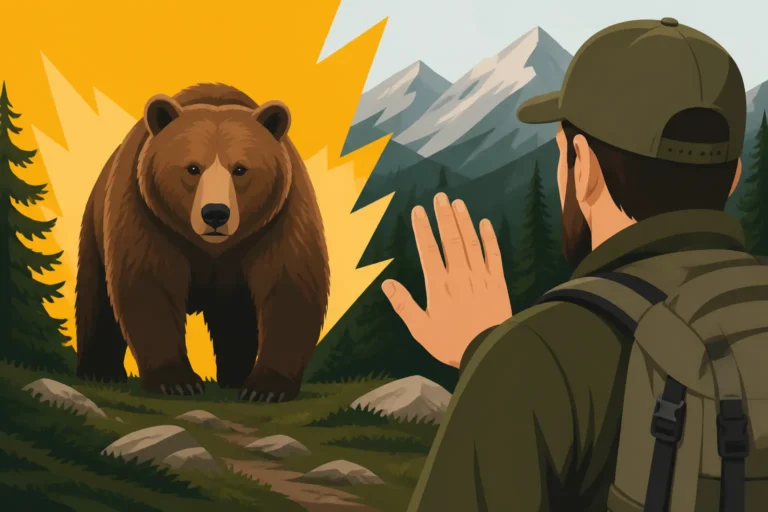
British Columbia is bear country, home to both black bears and grizzlies. Logging roads, with their associated clearings and regenerating vegetation, can be prime bear habitat, especially during spring and fall.
- Awareness: Always be aware of your surroundings, particularly when walking through dense brush along road edges or approaching berry patches. Look for bear sign: tracks, scat, and overturned rocks.
- Bear Spray: Carry bear spray, know how to use it, and keep it immediately accessible. It's your first line of defense. Remember, a firearm is a last resort and requires significantly more training and skill under pressure. Being prepared with a reliable deterrent is part of a comprehensive Bear Safety While Hunting in British Columbia plan.
- Food Storage: If you're camping near a logging road, practice strict bear-safe food storage. Hang food, use bear-resistant containers, and never store food in your tent or vehicle where bears might access it. Dispose of garbage properly. This minimizes attractants and prevents habituation, protecting both bears and future hunters.
Ethical Hunting Practices and Respect for the Resource
Hunting logging roads often means you are highly visible to other users—other hunters, recreationalists, and industrial workers. Your actions reflect on the entire hunting community.
- Respect Private Land and Closures: Always verify land ownership and respect private property boundaries. Just because a logging road crosses private land doesn't mean you have hunting access. Similarly, obey all "no hunting" or "closed area" signs, whether they are for wildlife management, safety, or conservation.
- Responsible Harvest: Stick to legal shooting hours, bag limits, and antler restrictions. Do not shoot from a motorized vehicle or across a road (check specific regulations as these can vary). Ensure you have a clear shot and ethical killing zone before pulling the trigger.
- Meat Care and Waste: Once an animal is down, especially in warmer early seasons, the clock starts ticking. Get to the animal quickly, field dress it efficiently, and start the cooling process immediately. Roads provide easier access for packing, but proper Meat Care in British Columbia's Warm Early Seasons is still critical to prevent spoilage. Never waste game meat; it's a legal and ethical requirement to retrieve all edible portions.
- Leave No Trace: Pack out all your garbage, including spent cartridges. If you make a gut pile, ensure it's off the road and not visible from common viewpoints. Leave the area cleaner than you found it.
Equipment and Vehicle Considerations for Road Hunting
The varied conditions of British Columbia's logging road network demand specific vehicle capabilities and gear choices. Being under-prepared can quickly turn a hopeful hunting trip into a frustrating or even dangerous ordeal. Equipping yourself properly ensures you can navigate the terrain, deal with emergencies, and effectively handle any game you might harvest.
Vehicle Requirements for Rough Terrain
Your average sedan simply won't cut it for most FSRs in British Columbia. A capable vehicle is often your most important piece of "gear."
- High Clearance 4×4: This is almost a non-negotiable. Many FSRs are rough, rutted, rocky, or cross drainages that require significant ground clearance. Four-wheel drive is essential for navigating steep sections, loose gravel, mud, or snow.
- Good Tires: All-terrain (AT) or mud-terrain (MT) tires are a must. They offer better traction and are more resistant to punctures from sharp rocks and logging debris. Always carry a full-sized spare tire, and ensure it's in good condition and properly inflated. A tire repair kit and portable air compressor can also be lifesavers.
- Recovery Gear: Even with a capable 4×4, getting stuck is always a possibility. Essential recovery gear includes a winch (and knowing how to use it safely), tow straps, shackles, a shovel, and traction boards (like Maxtrax). A high-lift jack can also be invaluable for tire changes or lifting a vehicle out of a rut.
- Protection: Skid plates protect vital undercarriage components from rocks and stumps. Heavy-duty bumpers can provide better approach and departure angles and serve as attachment points for winches.
- Fuel: FSRs often stretch for many kilometers, and gas stations are rare or non-existent once you leave the main highways. Always start with a full tank and consider carrying extra fuel in approved containers, especially if exploring remote areas.
Essential Gear for Roadside Hunting and Recovery
Beyond your primary hunting equipment, specific gear enhances safety and efficiency when hunting along roads.
- Optics: High-quality binoculars (10×42 or 12×50) are crucial for glassing clearcuts and hillsides from the road. A spotting scope on a tripod extends your reach for distant evaluation of game.
- GPS/Satellite Communicator: Even if you're using a phone app like GoHunt, a dedicated GPS unit provides redundancy. A satellite communicator (e.g., Garmin inReach, Zoleo) is absolutely vital for communication beyond cell service, allowing you to send texts, receive weather updates, and trigger an SOS in an emergency. Cell service is often non-existent on British Columbia's remote FSRs.
- First-Aid Kit: A comprehensive first-aid kit capable of handling trauma and basic medical issues is essential. Ensure it includes items for severe bleeding, sprains, and blisters.
- Game Bags and Rope: Once you harvest an animal, you need to get it out and keep the meat clean. Quality game bags are paramount. Strong rope is useful for tying meat in trees to cool, hanging quarters, or dragging smaller game. For larger animals like moose or elk, a good frame pack is essential for Packing Out of British Columbia's Steep Country once you've quartered it.
- Lighting: Headlamps with extra batteries are necessary for early morning starts or late evening recoveries. A powerful spotlight can be useful for following blood trails after dark (where legal).
- Tools: A sharp knife, a small saw or hatchet, and game shears are indispensable for field dressing.
Communication and Emergency Preparedness
Being able to communicate and handle emergencies is critical when you're often far from help.
- Trip Plan: Always leave a detailed trip plan with someone responsible. Include your route, target hunting areas, expected return time, and vehicle description.
- Extra Supplies: Carry extra water, non-perishable food, blankets, and warm clothing. If you break down or get stuck, you might be spending an unexpected night out.
- Knowledge of Basic Mechanics: Knowing how to change a tire, jump-start a battery, or troubleshoot basic engine issues can be invaluable when help is hours or days away.
- Forestry Radio: As mentioned, if you plan to hunt active FSRs, a VHF radio programmed with local forestry channels is a non-negotiable safety item. Learn the protocols before you go.
- Understanding Nearest Help: Before heading out, identify the nearest towns, hospitals, and ranger stations. Know their contact numbers and approximate travel times.
Common Species Found Along Logging Roads
British Columbia's logging road networks, while primarily infrastructure, create unique habitat dynamics that attract a variety of game species. The clearings, regenerating forests, and edges they provide can be absolute magnets for animals seeking food, cover, or travel corridors. Understanding which species frequent these areas, and why, can significantly increase your hunting success.
Deer and Elk Habits Near Roads
Logging roads often intersect prime deer and elk habitat, making them excellent places to encounter these animals.
- Mule Deer and Black-Tailed Deer: Both mule deer and black-tailed deer thrive in areas with diverse forage and cover, which logging operations often create. Fresh cutblocks along FSRs quickly sprout new growth like willow, fireweed, and clover, which are prime deer browse. Deer will often feed along these road edges, especially in the early mornings and late evenings, before retreating into the denser timber during the day. Old logging roads that are regenerating with thick alder and willow can be perfect for Still-Hunting Second Growth for Blacktail. They use the road corridors as travel routes between feeding areas and bedding sites, particularly during the rut when bucks are actively searching for does. Glassing these clearings from a vantage point along an FSR can be highly effective.
- Elk: Elk also take advantage of the forage found in clearings adjacent to logging roads. In areas with Rocky Mountain Elk or Roosevelt Elk, these animals will often browse on new grasses and forbs, especially in areas that have been clear-cut a few years prior. The roads also provide easier travel for large herds, and during the rut, bulls might be found bugling from the timber adjacent to roads or even crossing them as they pursue cows. When Hunting Roosevelt Elk in British Columbia Old Growth, nearby FSRs can be the only way to get close to their remote habitats. Pay attention to fresh tracks crossing the road or wallows found in muddy sections.
Black Bear Opportunities
Black bears are perhaps one of the most consistently found big game species along British Columbia's logging road networks. Their omnivorous diet and reliance on specific food sources make these areas highly attractive.
- Spring Foraging: In spring, as soon as the snow recedes, bears emerge from their dens seeking fresh green growth. Logging roads and their associated clearings are often the first places to "green up," offering nutrient-rich grasses, clover, and dandelions. This makes roadsides prime locations for Glassing Logging Roads for Spring Bears. Bears will often forage openly along the road edges, particularly on south-facing slopes that get more sun.
- Fall Berries: Later in the summer and fall, logging cutblocks and road edges are often covered in berry bushes – huckleberries, blueberries, and salmonberries are common. Bears will frequent these areas to fatten up before hibernation. While roads provide access, caution is paramount when approaching dense berry patches as bears can be territorial over food sources.
- Travel Corridors: Bears also use logging roads as convenient travel routes, moving between different feeding grounds or from bedding cover to water sources. Spotting a bear crossing a road, or finding fresh tracks, is a good indicator of their presence in an area.
Upland Birds and Small Game
It's not just big game that benefits from logging roads; these networks also create fantastic habitat for various upland bird species and other small game.
- Grouse: Ruffed grouse, spruce grouse, and dusky (blue) grouse are commonly found along FSRs. Ruffed grouse prefer the dense, regenerating alder and willow thickets found along ditches and cutblock edges. Spruce grouse often frequent the edges of conifer stands that border roads. Dusky grouse (often called "blue grouse") can be found higher up in more open, drier timber adjacent to roads. They often dust themselves in the gravel, making them visible, or "drum" in the early morning from nearby trees. Walking deactivated roads is an excellent way to jump-shoot these birds. Consider Walking Up Blue Grouse on a Logging Road or Hunting Ruffed Grouse in an Alder Bottom often found along these access routes.
- Snowshoe Hare: The dense, young growth that proliferates in disturbed areas along logging roads and clearcuts is ideal habitat for snowshoe hares. These areas provide both abundant food and crucial cover from predators. A pair of binoculars or a shotgun can make for some fun small game hunting while you're primarily focused on big game.
- Other Small Game/Predators: Coyotes and wolves will also utilize logging roads as travel corridors, especially where they can scent game or scavenge. Sometimes, a well-placed game call along a quiet FSR can bring in a curious predator.
Disclaimer
The information provided in this guide is for general informational purposes only. Hunting regulations and road conditions in British Columbia are subject to change without notice. Always consult the official British Columbia Hunting and Trapping Regulations Synopsis, check current road conditions, and verify all regulations with the appropriate provincial authorities before embarking on any hunting trip. Hunter safety is paramount; always prioritize responsible and ethical hunting practices.