Which Airport to Fly Into for Your Hunt
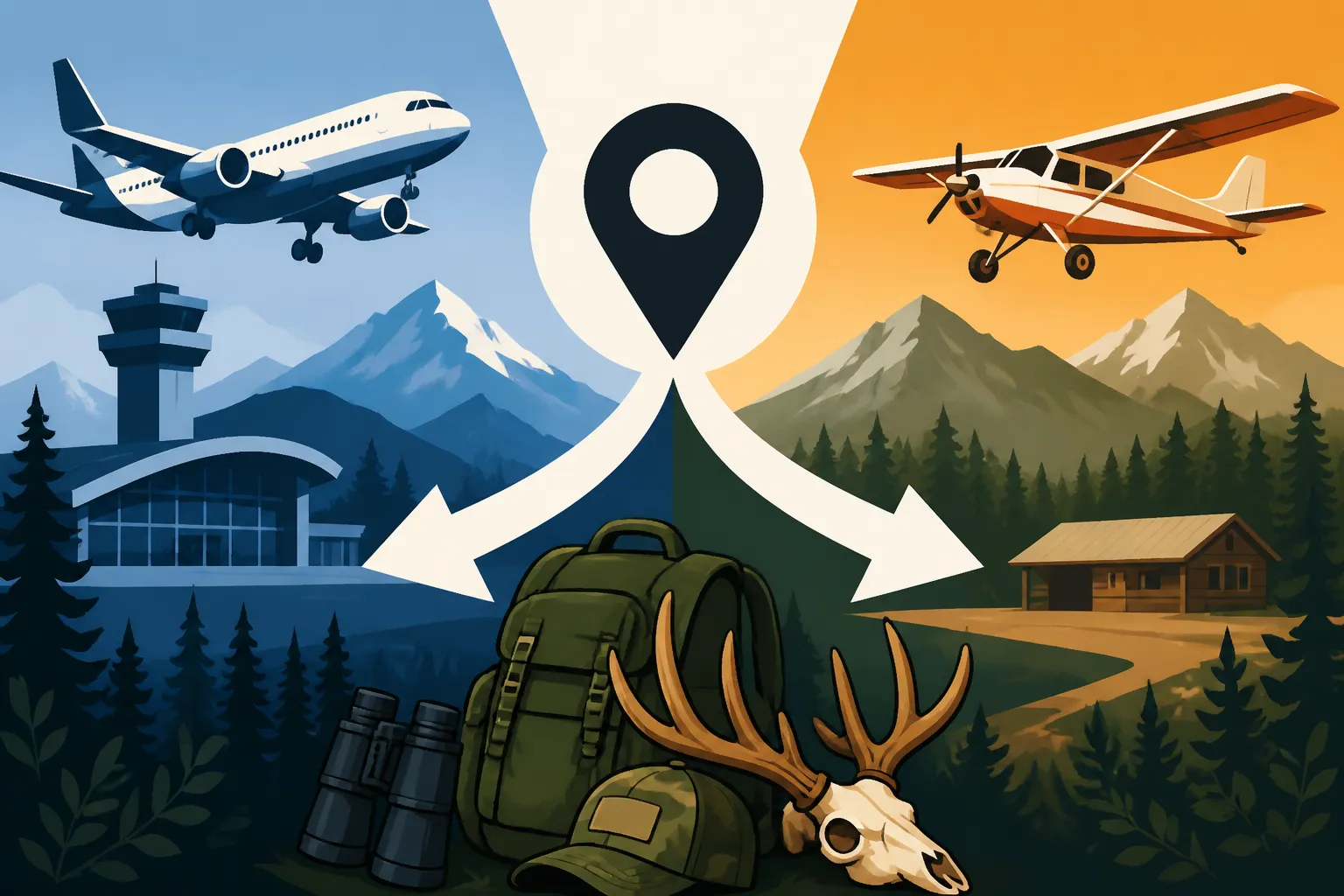
Planning a hunting adventure in British Columbia is incredibly exciting, but the sheer size of our province can make initial logistics feel like a puzzle. One of the first, and often most stressful, decisions is figuring out which airport makes the most sense for your arrival, especially when you’re coming from a distance with a rifle and a lot of gear. This guide will help you navigate the various options, match your arrival point to your hunting destination, and ensure a smoother start to your BC hunt.
Major Hubs: Vancouver (YVR) and Beyond
British Columbia is vast, stretching from the Pacific Ocean to the Rocky Mountains, and its airports reflect this diversity. While Vancouver International Airport (YVR) acts as the province's main international gateway, several regional airports serve as crucial hubs for accessing specific hunting grounds. Understanding these primary and secondary hubs is the first step in streamlining your travel plans.
Vancouver International Airport (YVR) – The Primary Gateway
For most hunters flying into British Columbia from outside the province, or even from other parts of Canada, Vancouver International Airport (YVR) is likely to be your initial point of entry. It's a bustling, modern airport, well-equipped to handle international arrivals, including the necessary customs and declarations for firearms. You’ll find a wide array of rental car agencies, though if you're traveling with an outfitter, they might arrange your pickup directly from here or coordinate further travel.
The sheer volume of flights means more flexibility in your travel schedule, and typically, more competitive airfares. However, navigating a large international airport with hunting cases, especially after a long flight, can be a bit of a marathon. Remember to build in ample time for customs, baggage claim, and any potential issues with firearm declarations. From YVR, you're usually looking at further travel, whether it's a domestic connecting flight to a smaller regional airport, a ferry ride to Vancouver Island, or a multi-hour drive into the Interior. This is often where hunters start considering their next step, whether it's a small charter or a long drive on British Columbia's logging road network.
Regional Airports as Secondary Hubs
Once you've landed at YVR, or if you're flying directly from another Canadian city, several regional airports offer more direct access to specific hunting areas, cutting down on drive times significantly. These airports are generally smaller, less congested, and often provide a much more relaxed arrival experience.
For instance, Kelowna International Airport (YLW) is a fantastic gateway for hunts in the Okanagan, Thompson, and even parts of the Cariboo, offering access to prime Mule Deer Hunting in British Columbia and British Columbia's California Bighorn Range. Similarly, Prince George Airport (YXS) is often referred to as the "hub of the North," providing access to vast tracts of moose, bear, and even remote sheep country in the Omineca and Peace regions. Cranbrook/Canadian Rockies International Airport (YXC) is perfect for those targeting the Kootenays, known for its Elk Hunting in British Columbia and the majestic Rocky Mountain Bighorns. Terrace (YXT) is another key northern airport, ideal for coastal black bear hunts or accessing areas further north towards the Skeena region. When researching potential hunts, many platforms like GoHunt provide excellent maps and information that can help you cross-reference hunting units with the nearest regional airfields.
Choosing a regional airport can save you a full day or more of driving, especially if your hunt is in a more remote area. While direct flights might be fewer, the convenience of landing closer to your final destination often outweighs the slightly higher ticket price or the need for a connecting flight from YVR. Always coordinate these plans with your outfitter, as they often have preferred regional airports for client pickups.
Matching Your Airport to Your Hunting Region
British Columbia’s diverse geography means that the best airport for your hunt is heavily dependent on where you’ll actually be chasing game. From the rainforests of the coast to the dry Interior plateaus and the vast northern wilderness, each region has its own logistical considerations for air travel.
Coastal Hunts and Vancouver Island
If your hunting adventure is planned for British Columbia's rugged coastline, including the mainland coast or Vancouver Island, YVR will likely be your initial landing spot. From Vancouver, you’ll typically transition to a ferry or a smaller connecting flight. For Vancouver Island hunts, airports like Nanaimo (YCD) or Comox (YQQ) are excellent choices. These airports cater specifically to island traffic and put you much closer to prime Black-Tailed Deer Hunting in British Columbia and Roosevelt Elk on British Columbia's Coast country.
Consider the journey beyond the airport as well. Coastal hunting often involves boat-based access or navigating extensive networks of logging roads through dense temperate rainforests. If your outfitter operates out of a specific coastal town, they might even suggest a float plane connection from a harbour near YVR directly to their lodge or a remote inlet. This specialized transport can be an incredible experience but requires careful planning and coordination with your guide. When checking out outfitters on sites like BookYourHunt, pay close attention to their recommended travel logistics; they know their territory best.
Interior and Kootenay Hunts
For those heading to British Columbia's vast Interior, which includes the dry grasslands of the Okanagan, the diverse forests of the Cariboo, and the spectacular mountains of the Kootenays, your airport choices expand. Kelowna (YLW) is a major hub for the southern Interior, putting you within a reasonable drive of many Mule Deer Across British Columbia's Interior hot spots and areas known for California Bighorn sheep. Kamloops (YKA) offers similar access further north into the Thompson region, known for its diverse game populations.
For hunts in the Kootenays, Cranbrook (YXC) is undoubtedly the most convenient option. It places you right in the heart of Rocky Mountain Elk in British Columbia's East country and offers superb access to mountain goat and bighorn sheep terrain in the Purcell and Rocky Mountains. These interior regions often involve extensive driving on forest service roads, so having a good, reliable vehicle, or ensuring your outfitter provides transport, is crucial. Remember that while these airports are smaller than YVR, they still connect well with major Canadian cities, making your initial journey relatively straightforward.
Northern British Columbia and Remote Adventures
The North of British Columbia is truly wild, offering incredible opportunities for species like moose, black bear, and various sheep. Prince George (YXS) serves as the main gateway to this enormous region, often referred to as the "capital of the north." From YXS, hunters can access vast areas, including the Omineca, Cariboo, and northern reaches of the province. It's a key airport if you're planning a Moose Hunting British Columbia's Interior trip or targeting Stone's Sheep in Northern British Columbia.
Further north, airports like Terrace (YXT), Fort St. John (YXJ), and Smithers (YYD) become essential for accessing more remote territories. Terrace is excellent for coastal bear hunts, salmon fishing, and accessing parts of the Skeena region. Fort St. John is your entry point for the Peace River country, known for its immense tracts of wilderness and big game. Many of these northern hunts involve connecting to even smaller bush planes or embarking on long drives over challenging terrain from these hubs. The distances are considerable, and often, outfitters will meet you directly at these smaller regional airports before commencing the final leg of your journey, which might include getting From the Airport to a Remote Camp.
Logistics and Considerations for Hunters
Beyond simply picking an airport, there are several crucial logistical factors for hunters flying into British Columbia. These range from declaring your firearms to understanding the nuances of connecting flights and ground transportation, all of which require meticulous planning.
Firearms and Border Crossing
This is, without a doubt, one of the most critical aspects of flying into British Columbia for a hunt. Canadian law requires all non-residents to declare firearms at the point of entry. You will need to complete a Non-Resident Firearm Declaration form (form RCMP 5589) in triplicate. It’s highly recommended to fill this out before you arrive, but do not sign it until you are in front of a Canadian Border Services Agency (CBSA) officer.
The process involves presenting your firearm in a locked, non-restricted container, separate from any ammunition. Be prepared for a thorough inspection and a series of questions from the CBSA officer. Honesty and preparedness are paramount. Any discrepancies or undeclared items can lead to significant delays, confiscation of your firearms, and even refusal of entry. It's not uncommon for new hunters to underestimate this step, leading to frustrating delays. Always double-check the current regulations on Declaring a Firearm at the Canadian Border and ensure your firearm is legal for import and hunting in British Columbia. If you're Flying to British Columbia With a Rifle, understanding these rules is not just a recommendation, it's a requirement.
Connecting Flights and Smaller Aircraft
Once you've cleared customs at a major hub like YVR, your journey might involve a connecting flight to one of the smaller regional airports mentioned earlier. When planning these connections, allow generous layover times. Delays can happen, and rushing through customs and security with a firearm can be stressful.
Smaller regional airlines and charter companies often have stricter baggage weight and size restrictions than major carriers. This is especially true if your final leg is on a float plane or a small bush plane heading deep into the backcountry. Your large rifle case, camping gear, and other hunting necessities might push you over the limits, incurring extra fees or even requiring a separate freight shipment. Always confirm baggage policies with each airline involved in your itinerary, particularly the smaller carriers. Think strategically about packing; sometimes, a single, larger, robust duffel is better than multiple smaller bags for backcountry flights.
Ground Transportation from the Airport
Upon arrival at your final airport destination, whether it's YVR, Prince George, or Cranbrook, you'll need to consider how you'll reach your hunting area. If you're with an outfitter, they will usually arrange for your pickup, often a crucial part of the British Columbia Guided Hunt Costs. This is generally the most straightforward option, as they are equipped to handle your gear and navigate the local roads, some of which might be rough forest service routes.
If you're planning a self-guided hunt or meeting a resident friend who holds a Permit to Accompany, you might opt for a rental vehicle. Be aware that many rental agreements have restrictions on driving on unpaved roads, and British Columbia's hunting areas often require travel on gravel or dirt. Additionally, a standard sedan won't cut it for many backcountry access points. You'll likely need a truck or a sturdy SUV with good clearance, which can be more expensive and harder to secure, especially during peak hunting seasons. Plan for potentially long drives, sometimes several hours, even from regional airports, and factor in fuel stops, as services can be sparse in remote areas.
| Airport Code | Primary Region Served | Common Species Accessed | Typical Next Steps for Hunters |
|---|---|---|---|
| YVR | Lower Mainland, Coast, Vancouver Island (via ferry/connections) | Blacktail, Coastal Bear, Roosevelt Elk | Connecting flight, ferry, rental car, outfitter pickup |
| YLW | Okanagan, Thompson, Southern Cariboo | Mule Deer, Whitetail, Interior Bear, California Bighorn | Rental car, outfitter pickup |
| YXS | Omineca, Peace, Northern British Columbia | Moose, Black Bear, Stone's Sheep, Elk | Rental car, charter flight, outfitter pickup |
| YXC | Kootenays, Rocky Mountains | Elk, Mule Deer, Whitetail, Mountain Goat, Bighorn Sheep | Rental car, outfitter pickup |
| YXT | Skeena, North Coast | Coastal Bear, Moose, Blacktail | Rental car, charter flight, boat access, outfitter pickup |
| YCD/YQQ | Vancouver Island | Blacktail, Roosevelt Elk, Black Bear, Coastal Wolf | Rental car, outfitter pickup |
Working with Your Outfitter or Host
The success and smoothness of your hunting trip often hinges on clear communication with your guide or host, especially when it comes to travel logistics. They are your best resource for navigating the intricacies of British Columbia.
Communication is Key
It cannot be stressed enough: communicate your travel plans with your outfitter or the resident you'll be hunting with (under a Permit to Accompany) as early and as thoroughly as possible. They know their British Columbia Guide Outfitter Territories Explained intimately and can provide invaluable advice on the best airport, specific flight times, and what to expect upon arrival. They often have preferred air carriers, local shuttle services, or even their own vehicles for client pick-ups, especially for more remote operations.
Many outfitters include airport transfers from a specific regional airport as part of their package. Confirm exactly which airport this applies to and if there are any extra charges for pickups outside of those parameters. Platforms like BookYourHunt allow you to easily message outfitters directly to clarify these details well in advance, preventing misunderstandings and ensuring you both are on the same page from the start. This proactive communication can save you a world of stress and unexpected costs down the line.
Timing Your Arrival and Departure
Consider arriving a day before your hunt officially begins. This buffer allows for potential flight delays, gives you time to clear customs without rushing, and lets you settle in, organize your gear, and mentally prepare for the adventure ahead. After a long journey, jumping straight into a demanding hunt can be exhausting, and a day of rest can make a huge difference in your initial performance and enjoyment.
Similarly, plan for some flexibility on your departure day. While outfitters strive for efficient meat and trophy care, sometimes unforeseen circumstances, like weather delays for bush planes or unexpected issues with meat processing, can push things back. You don't want to be scrambling to catch a flight while your hard-earned game is still being prepared. Discuss these timelines with your outfitter when you're Booking a British Columbia Hunt Years Ahead to ensure everyone's expectations are aligned. A relaxed hunter is a happy hunter, and often, a more successful one.
Disclaimer
This article is for general informational purposes only and does not constitute professional advice. Laws, prices and regulations vary by location and change over time. Consult a qualified professional for guidance on your specific situation.