What Outfitters Provide in a Backcountry Camp
Heading out into British Columbia's vast wilderness on a guided hunt is an incredible experience, but if you've never done it before, you might be picturing yourself hauling everything from your sleeping bag to a full kitchen setup. The reality is, a good outfitter handles a tremendous amount of the logistical heavy lifting, leaving you to focus on the hunt. This guide will walk you through exactly what a reputable British Columbia outfitter typically provides in a backcountry camp, so you know what to expect and what you still need to pack.
The Essentials: Shelter, Sustenance, and Safety in the Wild
When you commit to a backcountry hunt, the first concerns are always the basics: where will you sleep, what will you eat, and how will you stay safe? Outfitters meticulously plan these elements to ensure your comfort and well-being, even in the most remote settings. They understand that a well-rested, well-fed, and secure hunter is a more effective hunter.
Camp Setup and Accommodation
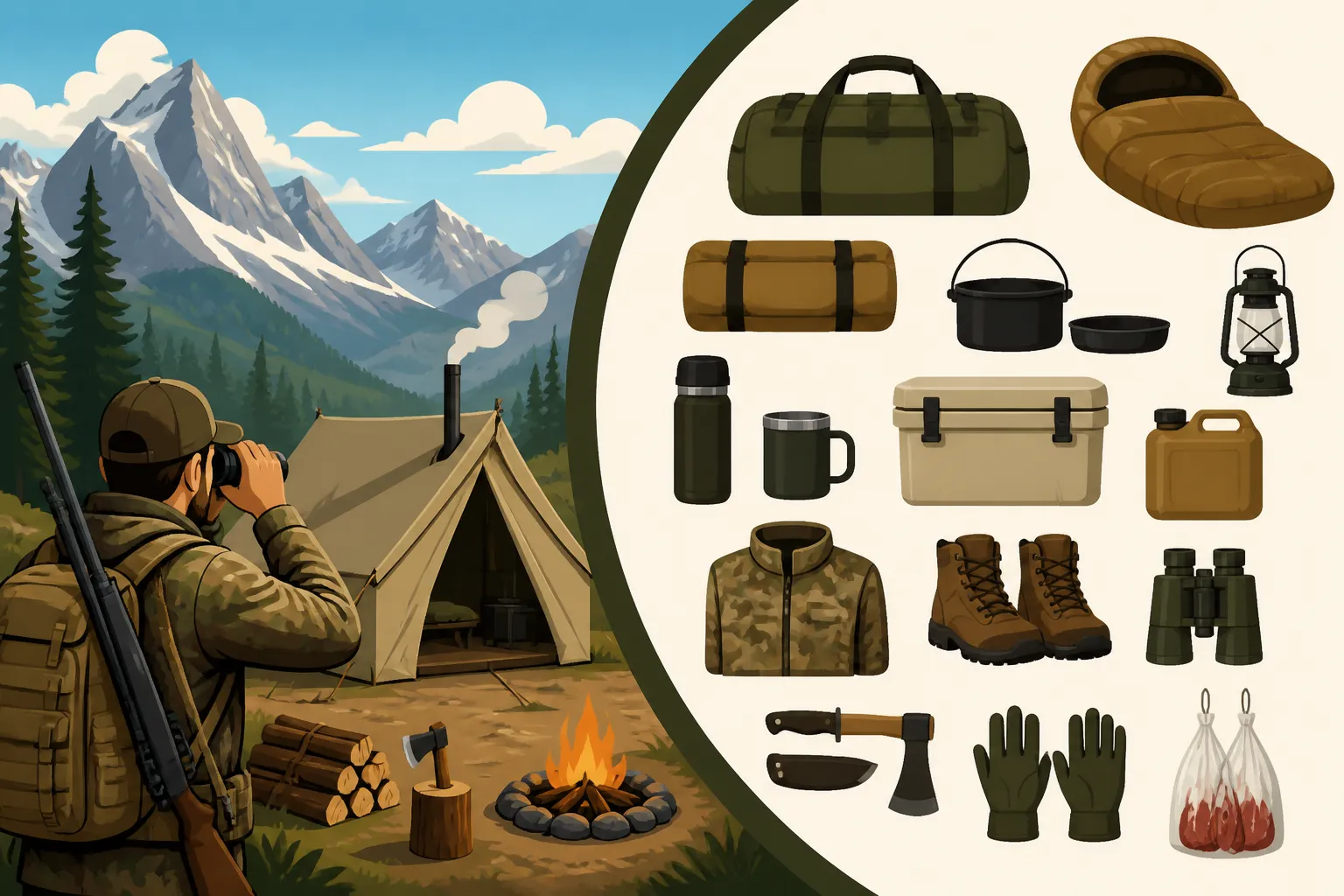
Forget roughing it entirely. While "backcountry" implies remote, it doesn't always mean primitive. Most British Columbia outfitters pride themselves on providing comfortable and functional camp setups. You'll likely find yourself in sturdy canvas wall tents, designed to withstand mountain weather. These aren't your average pop-up tents; they're often equipped with wood stoves for warmth, turning a chilly evening into a cozy retreat. Imagine coming back after a long day chasing mule deer up a steep slope, and walking into a tent where a fire is already crackling, drying your gear, and warming the air.
Depending on the specific hunt and the outfitter, accommodation can vary. For truly spike-camp scenarios deep in the alpine, you might be in lighter, more portable dome tents, but even then, your outfitter will provide quality sleeping pads and bags to ensure you get crucial rest. Other camps might feature more substantial cabins or a series of tents dedicated to sleeping, cooking, and gear storage. The goal is always to provide a dry, warm, and safe haven from the elements, allowing you to recharge for the next day's adventure.
You can expect sturdy cots or thick sleeping pads to keep you off the cold ground, making a significant difference in sleep quality. Lighting is usually provided, from lanterns to headlamps, ensuring you're not fumbling in the dark. The thought and care put into these camp setups really underscore the value of a guided hunt; it's about minimizing the discomforts of the wilderness so you can focus on the incredible experience of pursuing game in British Columbia.
Food and Hydration
A hungry hunter is a miserable hunter, and outfitters know this well. You can expect hearty, filling meals designed to fuel strenuous days in the mountains. Breakfasts are typically substantial, often including eggs, bacon, pancakes, and coffee, ensuring you start your day energized. For lunch, guides usually pack a convenient meal for you to take into the field, such as sandwiches, jerky, fruit, and snacks that are easy to eat on the go. This means you don't have to worry about preparing a meal mid-day while you're focused on the hunt.
Evenings are often a highlight, with a hot, home-style dinner waiting for you back at camp. Think stews, roasts, pasta dishes, or grilled meats, often accompanied by fresh vegetables and desserts. Many outfitters employ a dedicated cook in their main camps, which is a true luxury in the backcountry. They are accustomed to dealing with various dietary needs if communicated in advance, whether it's allergies or preferences. This full-service approach to meals takes a huge burden off your shoulders, allowing you to simply enjoy the camaraderie and recount the day's events.
Hydration is equally critical. Outfitters will ensure a clean water supply, whether it's through advanced filtration systems, fresh spring water hauled to camp, or bottled water. You'll have access to plenty of water for drinking, cooking, and basic hygiene. In many camps, hot drinks like coffee, tea, and hot chocolate are readily available throughout the day, providing warmth and comfort, especially during cold mornings or evenings. This constant availability of good food and drink is a cornerstone of a well-run backcountry operation.
Emergency Preparedness and Communication
Safety is paramount, and a professional British Columbia outfitter will have robust emergency plans in place. This includes comprehensive first aid kits that go far beyond what an individual hunter would carry, often including advanced medical supplies. Guides are typically trained in wilderness first aid, and some may have higher medical certifications. They are prepared to handle common injuries like sprains, cuts, and even more serious medical emergencies while awaiting further assistance. You're not just relying on your own small kit; you have a team prepared for the unexpected.
Communication in remote areas is challenging, but outfitters utilize modern technology to mitigate this. Satellite phones, personal locator beacons (PLBs), or satellite messengers like those offered by GoHunt are standard equipment. These devices allow for critical communication with the outside world in case of an emergency, or even just for daily check-ins if required. While you might bring your own personal satellite device, your outfitter will have one specifically for coordinating logistics and emergencies. For more on this, check out our article on Satellite Communication on a Remote Hunt.
Beyond the immediate tools, an outfitter's emergency preparedness also involves detailed knowledge of evacuation routes, rendezvous points, and contacts for air support or search and rescue services. They understand the terrain, the local weather patterns, and the quickest ways to get help if needed. This layered approach to safety provides immense peace of mind, knowing that you're in capable hands should an unforeseen situation arise in the vastness of British Columbia's wilderness. You can learn more about how they plan for the unexpected in Emergency Planning in British Columbia's Backcountry.
Equipment and Logistics Provided by Your Outfitter
Hunting in British Columbia's backcountry isn't just about showing up with your rifle; it's about getting to the remote locations, having the right tools to hunt effectively, and taking care of your harvest. Outfitters manage a complex web of equipment and logistics to make this possible.
Transportation to and From Camp
Reaching a true backcountry camp in British Columbia often requires specialized transportation, and this is where an outfitter really shines. They provide the means to get you and your gear into the remote hunting grounds. This could involve anything from horse trains packing gear deep into the mountains, like those used for a Horseback Access to British Columbia's Alpine hunt, to jet boats navigating challenging rivers. Imagine being dropped off by a float plane on a pristine alpine lake, or riding deep into the timber on horseback, far from any roads.
Depending on the area and species, other modes of transport might include ATVs or side-by-sides to cover ground where trails permit, or even helicopters for specific high-alpine or extremely remote operations. For hunts along major waterways, Jet Boat Access on British Columbia Rivers is often how outfitters move hunters and gear efficiently. The specific mode of transport will be part of your hunt package discussion, and it's a huge component of the overall cost and experience. The outfitter handles all the permits, maintenance, and skilled operators for these specialized vehicles, which would be nearly impossible for an individual hunter to arrange on their own.
It's important to clarify with your outfitter exactly what transportation is included in your package. For example, some packages might include air charter from a regional airport to the main camp, but you're responsible for getting to that regional airport. This level of logistical coordination is a massive undertaking, saving you countless hours of planning and potential headaches. They ensure you arrive at your destination safely and with all your essential gear.
Field Gear and Support
When you're out hunting, your guide isn't just there to point out animals; they often provide critical field gear and support that significantly enhance your success and comfort. High-quality optics are a prime example. Most outfitters will have top-tier spotting scopes, tripods, and binoculars that are far superior to what many hunters own. These are essential for glassing vast mountainsides or open country, helping to locate game from a distance without disturbing them. Being able to sit and effectively glass for hours with excellent equipment is a game-changer, particularly in British Columbia's expansive landscapes.
Beyond optics, guides often carry a range of other essential field items: GPS devices with pre-marked waypoints, two-way radios for communication between hunting partners, and a solid array of tools for field dressing. When you harvest an animal, the outfitter provides all the necessary equipment for meat and trophy care, including game bags, knives, a portable saw, and often pack frames specifically designed for carrying heavy loads of meat. This means you don't have to carry a massive pack full of gear every day; your guide handles a significant portion of the shared load, literally.
The support extends to physical assistance, especially when it comes to packing out an animal. British Columbia is famous for its steep and rugged terrain. Having a guide to help quarter, bag, and carry heavy loads of meat back to camp or a pickup point is invaluable. They know the most efficient routes and how to handle game in challenging conditions. This support is crucial for both success in the field and the practical recovery of your harvest.
Game Care and Storage
Bringing home quality meat and a well-preserved trophy is a key part of any successful hunt, and outfitters are experts in proper game care. Immediately after a harvest, your guide will assist you with field dressing the animal quickly and efficiently. They'll have sharp knives, game bags to keep meat clean, and often the knowledge to debone or quarter the animal for easier packing. This is especially important in British Columbia's early seasons where temperatures can still be quite warm; rapid cooling is essential to prevent spoilage. For more details, refer to our article on Meat Care in British Columbia's Warm Early Seasons.
Back at camp, the outfitter will have facilities for hanging and cooling meat. This might be a dedicated meat pole in a shaded, airy location, or even insulated coolers packed with ice, depending on the camp setup and ambient temperatures. They understand the importance of air circulation and keeping meat dry and clean. They also assist with preparing the trophy. This includes caping the animal for a shoulder mount, salting the hide, and preparing the skull for transport, if desired.
For hunters who want to ship their meat or trophy home, outfitters often have established relationships with local butchers or taxidermists in nearby towns. They can help arrange the processing, packaging, and shipping, which can be a complex process, especially for international hunters. This logistical support post-harvest is a huge benefit, ensuring that your hard-earned animal is treated with the utmost care from the field all the way to your home.
The Intangibles: Expertise and Experience
Beyond the physical gear and logistical arrangements, one of the most valuable things an outfitter provides is their profound expertise and experience. This is what truly differentiates a guided hunt from a DIY adventure.
Professional Guiding and Local Knowledge
Your guide is your greatest asset in the British Columbia backcountry. These are individuals who live and breathe hunting, often with decades of experience in their specific guiding territory. Their local knowledge is simply unmatched. They know the terrain like the back of their hand—where the game beds, where they feed, their travel corridors, and how they react to different weather conditions. They've spent countless hours scouting, observing, and learning the habits of the animals in their area. This deep understanding is crucial for finding game.
A professional guide can spot animals you would never see, interpret subtle signs like tracks, droppings, and rubs, and make on-the-fly decisions about how to approach an animal or which ridge to climb next. They understand the nuances of the wind, the thermals, and how these factors influence an animal's movement and your ability to get close. They'll help you stalk effectively, position you for the best shot, and advise on shot placement. Their experience is what often turns a hopeful trip into a successful hunt.
Consider the immense amount of time and effort it would take for an individual to gain this level of intimate knowledge of a new area, especially in a province as vast and wild as British Columbia. When you book with an outfitter, you're essentially leveraging years of dedicated experience and expertise that would be impossible to replicate on your own in a short hunt. This professional guidance elevates the entire hunting experience and significantly increases your chances of success.
Camp Staff and Services
Many backcountry camps, especially those that serve multiple hunters or operate for extended periods, will have additional camp staff who contribute significantly to the smooth operation and your overall experience. Beyond the hunting guides themselves, you might encounter cooks, wranglers (if it's a horseback hunt), and general camp assistants. These individuals play a vital role in maintaining the camp, preparing meals, and handling many of the chores that would otherwise fall to the hunters.
Wranglers, for example, are essential on horseback hunts, ensuring the horses are cared for, saddled, and ready each day. Their expertise with horses in rugged terrain is critical for safety and efficiency. Cooks, as mentioned, transform simple ingredients into delicious, nourishing meals, allowing you to relax and refuel after a demanding day. Camp assistants keep things tidy, manage firewood, and generally ensure the camp runs smoothly.
These services mean that when you come back to camp, your focus can be entirely on resting, eating, and preparing for the next day's hunt. You don't have to worry about fetching water, chopping wood, or cleaning dishes. This level of support frees up your energy and mental bandwidth to concentrate on the hunting itself, truly making it a vacation from daily chores and an immersive wilderness experience. It's a key part of the value proposition of a guided hunt.
Permitting and Regulatory Compliance
Navigating British Columbia's hunting regulations can be complex, especially for non-resident hunters or those unfamiliar with specific management units or species rules. Outfitters are experts in these regulations and handle much of the bureaucratic legwork, ensuring you remain compliant. They will guide you through the process of obtaining your general hunting licence and specific species tags. For example, knowing the ins and outs of British Columbia's Four-Point Antler Restriction or specific Limited Entry Hunting (LEH) rules is critical, and your outfitter will have this knowledge.
Furthermore, outfitters are responsible for adhering to all the rules of their guiding territory, including reporting requirements. They will ensure that your harvest is properly reported to the province, often within strict deadlines, such as those outlined in British Columbia's Compulsory Reporting Rules. This takes a significant burden off your shoulders, especially if you're an international hunter dealing with foreign regulations. They ensure all necessary paperwork, including permits for transporting game meat or trophies, is correctly filled out.
By entrusting your outfitter with these crucial administrative tasks, you can avoid common pitfalls or accidental violations of hunting laws. Their expertise means you can focus on the hunting experience itself, confident that all regulatory aspects are being handled professionally and correctly. This peace of mind is an invaluable part of the guided hunting package.
What You'll Still Need to Bring
Even with an outfitter providing so much, there are essential personal items and responsibilities that remain yours. Knowing what to pack is crucial for a comfortable, safe, and successful hunt.
Personal Gear and Clothing
This is where you need to be meticulous. Your personal clothing and gear are paramount to your comfort and safety. Think in layers, as British Columbia's weather can change dramatically, especially in the mountains. You'll need good quality base layers, insulating mid-layers, and a waterproof/windproof outer shell. Specific articles like What to Wear for British Columbia's Coastal Rain can provide excellent guidance, even if you're not hunting directly on the coast, as mountain weather can be equally unforgiving.
Footwear is another critical item. Invest in high-quality, broken-in hunting boots that are waterproof and offer excellent ankle support, especially if you're hunting in steep or rocky terrain. Our guide on Boots for Steep British Columbia Country offers valuable insights. Don't forget multiple pairs of wool or synthetic socks. Other personal items include a comfortable daypack, good quality binoculars (even if the outfitter has a spotting scope), a headlamp with extra batteries, a small personal first-aid kit, toiletries, and any personal medications. It's always best to bring more than you think you'll need, especially for warmth and rain protection.
Packing lists from outfitters are usually very detailed for a reason: they want you to be prepared. While they provide the camp, you provide the personal endurance and protection from the elements. A cold, wet, or uncomfortable hunter is less effective and less likely to enjoy the experience. Pay close attention to these lists and invest in good gear; it truly makes a difference in the backcountry.
Your Hunting Weapon and Ammunition
Your rifle, bow, or muzzleloader is, of course, a deeply personal piece of equipment, and it's something you are solely responsible for bringing. This includes ensuring it is properly sighted in and that you are thoroughly familiar and proficient with it. Bring plenty of the ammunition you plan to use—enough for practice shots, test shots upon arrival, and the hunt itself, plus a little extra for good measure. Be aware of any legal restrictions on firearm calibres or bow draw weights in British Columbia.
It's absolutely critical that you have practiced extensively with your weapon before the hunt. Mountain hunting often presents unusual shot angles, distances, and limited time for setup. The last thing you want is to miss a shot of a lifetime because you weren't confident with your equipment. Your outfitter might have a range near camp where you can confirm your zero, but this is not the time for extensive practice. You can find information on legal firearms in Legal Rifle Calibres for Big Game.
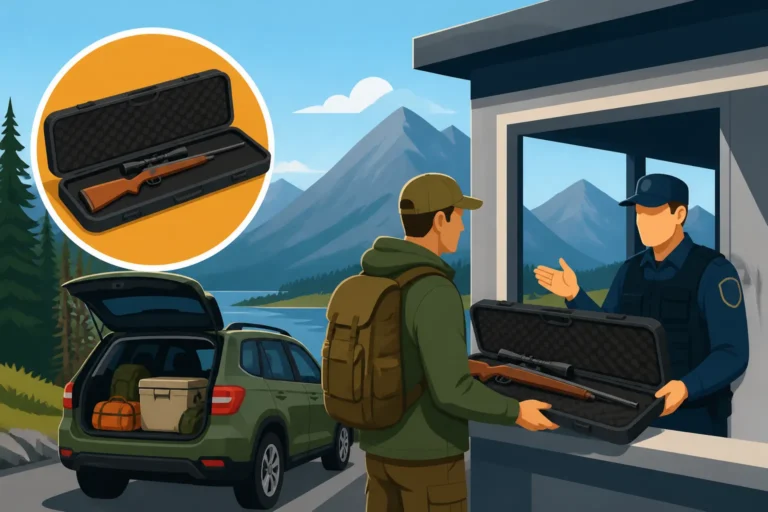
For non-residents, particularly those from outside Canada, there are specific regulations for bringing firearms into the country. You'll need to complete a Non-Resident Firearm Declaration Form. Your outfitter can usually offer advice on this process, but it's your responsibility to ensure all paperwork is in order before you arrive at the border. Never assume; always verify well in advance.
Financial Considerations and Gratuities
While your hunt package covers a significant amount, it's important to budget for additional financial considerations. The total price of a guided hunt, especially for trophy animals like sheep or moose, can be substantial. For a general overview, you might want to read What a British Columbia Guided Hunt Costs. Beyond the base fee, many hunts have additional costs like species licences and tags, which you purchase separately. There might also be trophy fees if you harvest a specific animal or a larger-than-average one.
Gratuities for your guide and camp staff are a customary and expected part of a guided hunt. Guides and cooks work incredibly hard, often for long hours in challenging conditions, to ensure your hunt is successful and comfortable. While it's always discretionary, a standard tip reflects appreciation for their efforts. For more detailed insights, our article on Tipping a British Columbia Guide offers valuable advice. It's wise to budget for this, typically as a percentage of your hunt cost, and plan to carry cash for this purpose, as remote camps don't have credit card machines.
Other potential costs include meat processing and taxidermy services if you choose to use local providers, and the cost of shipping your meat or trophy home. While your outfitter can often facilitate these services, the actual costs are usually borne by the hunter. When researching hunts, especially on platforms like BookYourHunt, make sure to get a clear breakdown from the outfitter of exactly what is and isn't included in the package price. This transparency will help you budget effectively for the entire adventure.
What Outfitters Provide in a Backcountry Camp: A Summary Table
Here's a quick overview of what you can generally expect an outfitter to provide versus what you'll need to bring yourself on a British Columbia backcountry hunt.
| Category | Outfitter Typically Provides | Hunter Typically Brings |
|---|---|---|
| Camp & Shelter | Wall tents/cabins, sleeping cots/pads, wood stoves, camp lighting, fuel | Personal sleeping bag (often), pillow, personal comfort items |
| Food & Drink | All meals (breakfast, packed lunch, dinner), water, coffee/tea | Personal snacks, preferred beverages, specific dietary supplements |
| Transportation | Access to/from camp (horses, jet boat, ATV, float plane), field transport | Travel to primary staging point, personal vehicle (if driving to trailhead) |
| Field Gear | High-quality spotting scopes, tripods, GPS, radios, game bags, pack frames | Personal binoculars, rangefinder, camera, knife, headlamp |
| Game Care | Field dressing tools, meat cooling/hanging setup, trophy preparation | N/A (though you might have personal game care preferences) |
| Guiding & Support | Professional guide, local knowledge, camp staff (cook, wrangler) | Your personal physical fitness and mental preparedness |
| Safety & Comm. | Extensive first aid, satellite phone/InReach, emergency plan | Personal small first aid kit, personal satellite messenger (optional) |
| Regulatory | Assistance with licences/tags, harvest reporting, compliance assurance | Your valid hunting licence and species tags (purchased by you) |
| Personal Items | N/A | All clothing layers, sturdy boots, toiletries, medications, hunting weapon, ammunition |
Ultimately, a guided British Columbia backcountry hunt with a reputable outfitter is a comprehensive package designed to maximize your chances of success and provide an unforgettable wilderness experience. They handle the vast majority of the logistics and heavy lifting, allowing you to focus on the thrill of the hunt.
Disclaimer
This article is for general informational purposes only and does not constitute professional advice. Laws, prices and regulations vary by location and change over time. Consult a qualified professional for guidance on your specific situation.