What a Guiding Territory Certificate Is
For non-resident hunters dreaming of British Columbia's vast wilderness and incredible big game opportunities, understanding the intricacies of the provincial hunting system can feel like trying to decipher an ancient scroll. One of the most significant, and often misunderstood, components is the "Guiding Territory Certificate." This guide will demystify what this certificate is, how it shapes hunting access, and why it's absolutely crucial for anyone looking to hunt in British Columbia, especially those coming from out of province.
Understanding the Guiding Territory Certificate
When you hear people talk about hunting in British Columbia, especially for species like moose, sheep, or elk, the phrase "guide outfitter" often comes up. But what exactly underpins the business of these outfitters? It's all rooted in something called a Guiding Territory Certificate, a foundational document that defines the very structure of guided hunting in this province. Without understanding this certificate, a non-resident's hunting plans in British Columbia are likely to hit a snag, or worse, be completely non-compliant.
The Legal Framework and Purpose
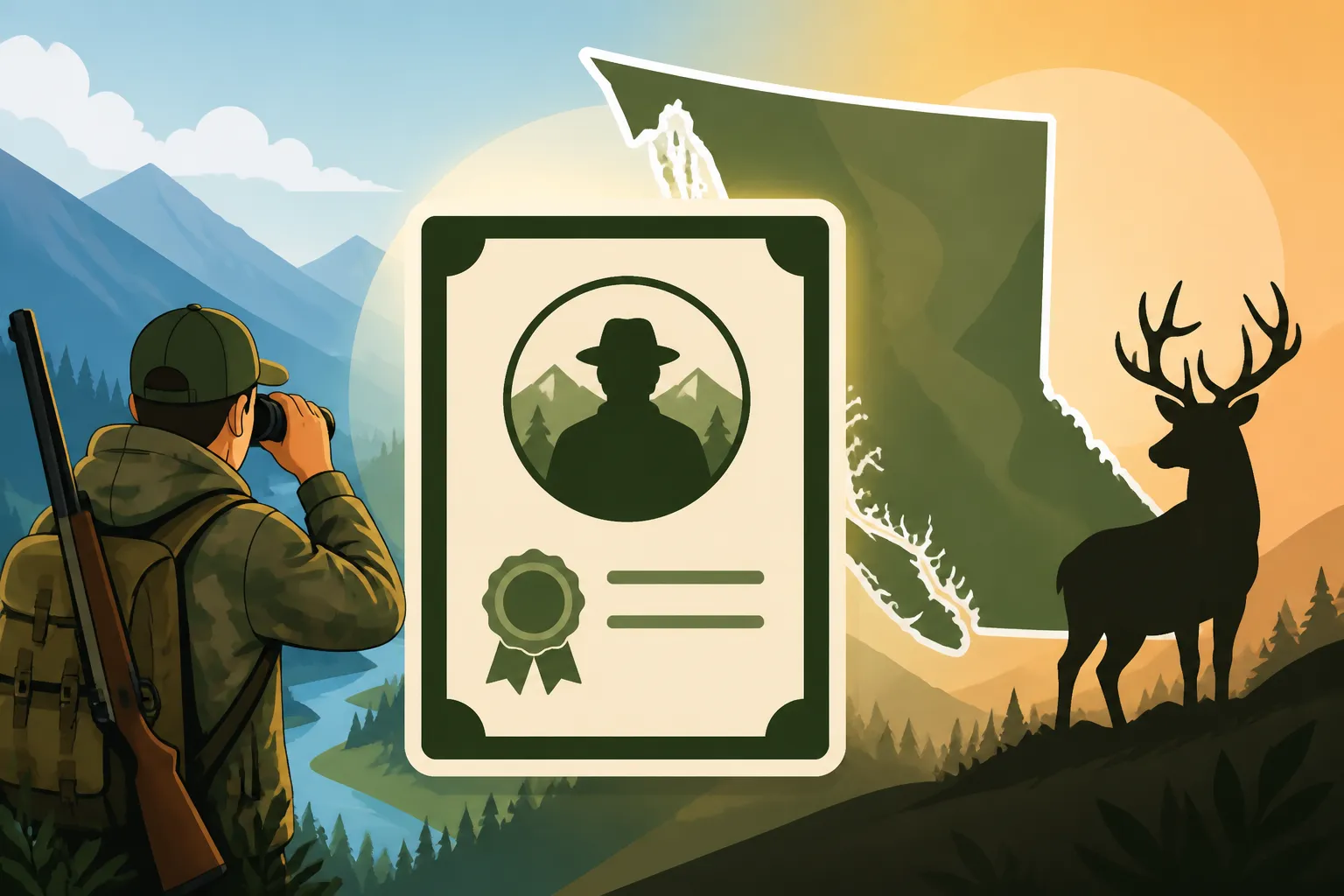
At its core, a Guiding Territory Certificate isn't just a piece of paper; it's a legal authorization issued by the Province of British Columbia. It grants an individual or a company the exclusive right to guide non-resident hunters for specific species within a clearly defined geographic area, known as a guiding territory. Think of it as a lease on a slice of British Columbia's public land, but specifically for the purpose of commercial guiding operations. This exclusivity is paramount: no other guide outfitter can legally operate within that territory for the species listed on the certificate, nor can unguided non-resident hunters pursue those animals in that area.
The primary purpose of this system is multi-faceted. Firstly, it provides a structured framework for managing guided hunting operations, ensuring accountability and adherence to provincial wildlife regulations. Secondly, it incentivizes guide outfitters to invest in the long-term health of the wildlife and habitat within their territories, as their business relies on sustainable populations. Thirdly, for the province, it acts as a mechanism for generating revenue through fees and taxes, which often gets reinvested into wildlife management initiatives. This system ensures that the incredible resource of British Columbia's wildlife is managed, and that non-resident hunting pressure is channeled through regulated and accountable operators.
Historical Context of Guiding Territories
The concept of guiding territories in British Columbia isn't new; it has deep roots stretching back over a century. Early in the province's history, as big game hunting gained popularity with visitors from outside the province, there was a need to manage access and prevent unregulated exploitation. The government recognized the value of wildlife resources and the economic potential of guided hunting. To bring order to what could otherwise be a chaotic free-for-all, a system was developed to assign specific areas to professional guides.
Initially, these territories might have been less formal, perhaps based on traditional trapping lines or areas guides historically worked. Over time, as regulations evolved and the demand for guided hunts grew, these territories became more rigorously defined, surveyed, and legally enshrined. The goal was to establish a professional guiding industry that could uphold ethical hunting standards, contribute to conservation, and provide a high-quality experience for clients while also controlling the overall impact on game populations. This historical evolution means that today's territories aren't just arbitrary lines on a map but are often deeply tied to long-standing guiding traditions and the natural contours of the land itself.
How British Columbia Guiding Territories Are Defined
The vastness of British Columbia means that its hunting opportunities are incredibly diverse, from coastal rainforests to arid interior grasslands to towering alpine peaks. To effectively manage hunting, especially for non-residents, the province has carved up its wild landscapes into these discrete guiding territories. It's a system designed to bring order and responsibility to what could otherwise be an overwhelming expanse.
Mapping and Boundaries
Each Guiding Territory Certificate is tied to a specific geographic area, meticulously outlined on official provincial maps. These boundaries are not fuzzy lines; they are often defined by natural features like mountain ranges, watersheds, rivers, or even existing land survey lines. When you look at a map of British Columbia's guiding territories, you'll see a patchwork quilt of these areas, each assigned to a different guide outfitter. Understanding these boundaries is crucial for any outfitter, as operating even a few hundred meters outside your designated territory can lead to serious legal repercussions.
These maps are publicly accessible, and serious hunters, even residents, often consult them to understand where guided-only hunting restrictions apply. The precision in mapping ensures that there's no ambiguity about who has the rights to guide where. For instance, an outfitter might have exclusive rights to guide for moose within the headwaters of the Skeena River drainage, while another outfitter holds the rights for bighorn sheep further south in the Kootenays. These aren't just large, amorphous zones; they can be quite detailed, sometimes even referencing specific forest service roads or cutblock edges. This level of detail is necessary to avoid conflicts between outfitters and to clearly delineate where guided non-resident hunting can legally occur. You can often find maps that illustrate British Columbia's Guide Outfitter Territories which helps visualize this complex system.
Exclusive Rights and Responsibilities
The "exclusive rights" granted by a Guiding Territory Certificate are significant. For a non-resident hunter, this means that if you want to hunt a species within a given territory, you must do so with the outfitter who holds the certificate for that area and species. You cannot simply walk into that territory and hunt as an unguided non-resident, even if you possess all the necessary provincial licenses and tags. This is the fundamental reason Why Non-Residents Need a Guide in British Columbia. The only exception to this rule is if a non-resident is hunting with a British Columbia resident under a specific "Permit to Accompany" where the resident is directly supervising and accompanying the non-resident. Even then, that permit has strict limitations and does not grant the same commercial guiding privileges as an outfitter's certificate.
Beyond the privileges, guide outfitters also bear significant responsibilities. They are expected to manage the wildlife populations within their territories sustainably. This includes adhering to strict harvest quotas, reporting all game taken, and often participating in wildlife surveys or habitat improvement projects. Their business success is directly tied to the health of the game populations in their territory, fostering a strong incentive for conservation. Furthermore, outfitters are responsible for the safety and well-being of their clients, requiring them to operate professionally and ethically. They are also expected to uphold the reputation of British Columbia's hunting industry, providing quality experiences that reflect positively on the province.
The Role of the Guide Outfitter
The guide outfitter isn't just someone who knows how to track an animal or set up a comfortable camp; they are essentially stewards of a significant portion of British Columbia's hunting landscape. Their role is multifaceted, blending business acumen with deep wilderness knowledge and a commitment to conservation. This position comes with considerable responsibilities, both legal and ethical, and it's what truly makes them the gateway for non-resident hunters into the province's incredible wilds.
Managing the Territory and Its Resources
A guide outfitter holding a certificate acts as a de facto land manager for their assigned territory, at least in terms of hunting operations. This means they are constantly monitoring game populations, observing habitat changes, and adapting their hunting strategies to ensure sustainability. For example, if an outfitter notices a decline in Moose in British Columbia's Interior and North numbers due to specific environmental factors, they might voluntarily reduce their harvest pressure for a season, even if their quota allows for more. This proactive approach is crucial, as their livelihood depends on healthy, viable game populations for years to come. They also need to be acutely aware of other land users, such as trappers, forestry operations, and resident hunters, and navigate potential conflicts or shared access responsibly.
This stewardship extends to habitat protection as well. While they don't own the land, they often participate in or support initiatives that benefit wildlife. This could involve reporting illegal logging, advocating for certain road closures during sensitive periods, or even conducting small-scale habitat enhancements like planting browse or creating water sources if permissible. The long-term perspective is vital; a good outfitter isn't just focused on this year's harvest but on ensuring their territory remains productive for future generations of hunters and wildlife alike. The investment required to maintain camps, equipment, and access within a territory further emphasizes this long-term commitment.
Services Provided to Hunters
For the non-resident hunter, the guide outfitter is the comprehensive package provider. When you book a guided hunt, you're not just buying a tag; you're securing a complete experience. This typically includes the expertise of professional guides, transportation to and within the hunting area (which can involve anything from 4×4 trucks on British Columbia's Forest Service Road Network to horses, boats, or even bush planes), accommodation in camps ranging from rustic wall tents to comfortable lodges, meals, and assistance with field dressing, packing out, and initial meat and trophy care. They handle all the logistics that would be incredibly challenging, if not impossible, for a non-resident to manage independently in a remote British Columbia wilderness.
Many outfitters specialize in certain species or types of hunts. For instance, some might focus on Sheep and Goat Hunting in British Columbia in the high alpine, requiring highly specialized skills and gear, while others might run Black Bear Hunting British Columbia's Spring hunts in more accessible timbered areas. When looking for an outfitter, services like BookYourHunt and GoHunt often list what different outfitters provide, giving hunters a clear picture of what to expect. These platforms help connect hunters with the right guide, outlining packages and detailing the level of service, from fully-inclusive luxury trips to more rugged, DIY-style drop camps where the outfitter simply provides transportation and basic camp setup.
Financial Commitments and Business Operations
Operating as a guide outfitter in British Columbia is a significant business undertaking, far beyond just leading clients into the woods. The certificate itself represents a substantial investment, often acquired through purchase from a retiring outfitter. Beyond the initial acquisition, there are annual fees to the province, insurance costs, and ongoing expenses for maintaining camps, vehicles, horses, and specialized equipment. A reputable outfitter will also invest heavily in their guides, ensuring they are well-trained, experienced, and hold all necessary certifications, including first aid and firearms safety.
The financial model of a guide outfitter is complex. They typically operate on a system of deposits and balances, often booked years in advance, especially for highly sought-after species like Stone's sheep or mountain goat. What a British Columbia Guided Hunt Costs can vary wildly depending on the species, duration, and level of service, but it's always a significant investment for the hunter. The outfitter must manage these bookings, handle marketing (often through platforms like BookYourHunt or GoHunt), process payments, and comply with all Canadian and provincial business regulations. It's a demanding business that requires passion for hunting, exceptional outdoor skills, and sharp entrepreneurial instincts.
Here's a simplified look at key aspects of a Guide Outfitter's operation:
| Aspect | Description |
|---|---|
| Territory Rights | Exclusive legal right to guide non-resident hunters for specified species within a defined geographical area. |
| Wildlife Management | Responsible for adhering to quotas, reporting harvests, and contributing to the sustainable management of game populations in their territory. |
| Logistics | Arranges transportation, accommodation, meals, and all necessary equipment for clients. |
| Guiding Services | Provides professional guides with expertise in tracking, stalking, game recovery, and field care. |
| Client Safety | Ensures client safety through proper planning, equipment, and emergency protocols. |
| Regulatory Adherence | Complies with all provincial and federal hunting, business, and firearm regulations. |
| Financial Investment | Significant capital investment in certificate, camps, equipment, staff, and ongoing operational costs. |
Impact on Hunters: Why It Matters to You
For both resident and non-resident hunters, the Guiding Territory Certificate system profoundly influences how and where you can pursue game in British Columbia. While residents enjoy more freedom on Crown Land, non-residents face specific restrictions that are directly tied to these certificates. Ignoring these rules can lead to serious legal consequences, so understanding the implications is paramount.
Non-Resident Access Limitations
The most significant impact of the Guiding Territory Certificate for non-residents is the strict limitation on unguided hunting. Simply put, a non-resident of Canada cannot legally hunt big game or certain furbearers in British Columbia unless they are accompanied by a licensed British Columbia guide outfitter who holds the certificate for that specific territory and species, or they are hunting under a British Columbia's Permit to Accompany with a resident. This means you can't just drive up from the States or fly in from Europe, buy a British Columbia Resident Hunting Licence Cost (or non-resident equivalent) and species tags, and head off into the woods on your own. It just doesn't work that way.
This system effectively carves out large portions of British Columbia's wilderness, making them exclusive to guided non-resident hunts for the duration of the outfitter's certificate. For instance, if you're keen on hunting Mule Deer Hunting in British Columbia in the Interior Plateau, and that particular area is within a guiding territory for mule deer, you will need to book with the outfitter who owns that territory. This limitation exists to ensure controlled hunting pressure, manage wildlife resources, and maintain a high standard of safety and ethics for non-resident hunting. It's a system designed to funnel non-resident activity through experienced, accountable professionals.
Planning a Hunt Within a Territory
If you're a non-resident and your hunting dreams involve British Columbia, your first step after deciding on a species and general area will be to research guide outfitters. You'll need to find an outfitter whose territory encompasses your desired hunting grounds and who offers hunts for the species you're after. This often involves extensive communication, checking references, and comparing packages. Platforms like BookYourHunt and GoHunt are invaluable resources for this, as they aggregate information on many different outfitters and their offerings. They can help you sift through options and identify an outfitter with suitable British Columbia's Guide Outfitter Territories for your target species.
When you book with an outfitter, you're not just purchasing a service; you're gaining legal access to hunt within their exclusive territory. The outfitter will handle the necessary provincial paperwork beyond your initial hunting license and species tags, ensuring that your hunt is fully compliant with all regulations. They will also advise on season dates, bag limits, and any other specific rules for their particular management unit. It's a comprehensive approach that ensures all legal bases are covered, allowing you to focus on the hunt itself rather than getting bogged down in administrative complexities. Understanding this process is key to a successful and legal Hunting Guides and Outfitters in British Columbia experience.
Challenges and Evolution of the System
While the Guiding Territory Certificate system has been a cornerstone of British Columbia's hunting industry for decades, it's not without its challenges and ongoing discussions. Like any long-standing regulatory framework, it faces pressure to adapt to changing societal values, conservation needs, and evolving recreational demands.
Balancing Public Access with Guiding Rights
One of the most persistent discussions around guiding territories revolves around the balance between the exclusive rights granted to outfitters and the general public's right to access Crown Land. British Columbia has vast expanses of public land, and resident hunters often feel that these territories limit their opportunities, particularly in prime hunting areas. While residents can hunt within a guiding territory for most species without a guide, they are still limited by access restrictions (such as deactivated roads) and the sheer vastness of the areas, which can be logistically challenging without the infrastructure an outfitter might provide. This tension often sparks debate about how to best allocate and manage hunting opportunities for all stakeholders.
The province continually evaluates this balance, considering factors like population growth, increasing interest in hunting, and the economic contributions of both resident hunting and the guiding industry. Sometimes, adjustments are made to specific territories or regulations to try and address these concerns. However, the fundamental principle of exclusive guiding rights for non-residents within these territories remains a key component of British Columbia's wildlife management strategy, ensuring a high-value, regulated experience for those coming from outside the province.
Conservation and Sustainable Management
The Guiding Territory Certificate system inherently links the outfitter's economic success to the long-term health of the wildlife populations within their territory. This creates a powerful incentive for conservation. An outfitter who over-harvests or mismanages their territory will quickly see a decline in game, which directly impacts their business. As a result, many guide outfitters are among the most vocal advocates for sound wildlife management practices, habitat protection, and anti-poaching efforts. They often invest their own time and resources into activities that support healthy ecosystems, understanding that they are responsible for their "piece of the pie."
However, the system is always under scrutiny to ensure it truly promotes sustainability. Factors like climate change, habitat alteration from industrial activity (such as logging or mining), and disease outbreaks can all impact game populations, sometimes beyond an outfitter's direct control. The province, in conjunction with groups like the Guide Outfitters Association of British Columbia (GOABC), regularly reviews regulations, harvest quotas, and conservation strategies to adapt to these challenges. The goal is to maintain robust wildlife populations while allowing for responsible hunting, ensuring that the legacy of British Columbia hunting continues for generations to come.
Disclaimer
This article is for general informational purposes only and does not constitute professional advice. Laws, prices and regulations vary by location and change over time. Consult a qualified professional for guidance on your specific situation.