Etiquette in a Guided Camp
Stepping into a guided hunting camp in British Columbia is an adventure, often representing a significant investment of time, money, and anticipation. However, many hunters, both seasoned and new, often overlook the unwritten rules and expectations that govern camp life. A lack of understanding about proper etiquette can quickly turn a dream hunt into a stressful experience for everyone involved. This comprehensive guide will walk you through the essential do's and don'ts, ensuring you contribute positively to the camaraderie and success of your British Columbia guided hunt.
Understanding the Foundation of Guided Camp Life
A guided hunt is a collective effort, a temporary community formed around a shared objective. While you are the client, you are also an integral part of a team. Recognizing this fundamental dynamic is the first step to a successful and enjoyable experience.
Respect for the Outfit and Crew
Your guide and the entire outfitter crew – from cooks to wranglers to camp helpers – are working tirelessly, often under challenging conditions, to make your hunt possible and productive. They are professionals with immense local knowledge, honed skills, and a deep commitment to their work. Approaching them with respect for their expertise and their effort is paramount. This isn't just about being polite; it's about acknowledging their vital role.
Imagine arriving at a remote camp after days of travel, where your guide has already spent weeks scouting, setting up, and preparing. Their insights into the animals, the terrain, and the weather are invaluable. Listening to their advice, even if it differs from what you've read online or heard from others, shows that you value their experience. Asking genuine questions and being open to learning from them fosters a much stronger hunting partnership. Remember, these folks live and breathe British Columbia hunting and understand the nuances of things like British Columbia Guide Outfitter Licensing Rules. A good outfitter will have clear processes for everything, from booking to field operations, often detailed on platforms like BookYourHunt, which helps manage expectations.
The Shared Space Mentality
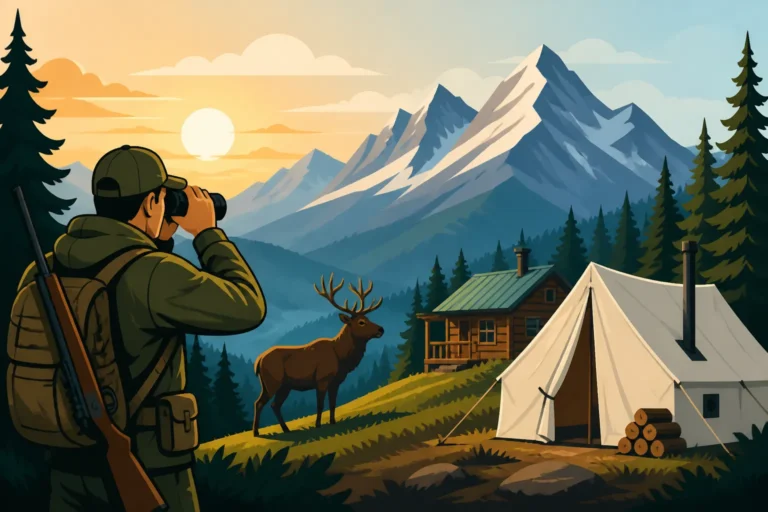
Guided camps, especially those in the remote backcountry of British Columbia, are by nature communal. Whether you're in a wall tent, a rustic cabin, or a more permanent lodge, you will be sharing space, resources, and time with your fellow hunters and the camp crew. This isn't your private resort; it's a functional base camp.
This means being mindful of your belongings, keeping your personal area tidy, and not monopolizing common spaces. Clutter, especially in a small tent or cabin, can quickly become a tripping hazard or an annoyance. Understand that while you might be accustomed to a certain level of privacy at home, camp life demands a more flexible and considerate approach. For example, if you've done your research on Booking a British Columbia Hunt Years Ahead, you've likely seen photos of camp setups, giving you an idea of the close quarters. Think of it as a temporary family, where everyone needs to pull their weight, even if it’s just keeping things organized.
Practical Etiquette in Camp
Good camp etiquette extends beyond a polite word; it’s about your actions, your awareness of others, and your willingness to contribute to a harmonious environment. These practical considerations can significantly impact the overall camp morale.
Noise, Personal Space, and Gear Management
Backcountry camps often start early and end late. Your routine, while important, shouldn't disrupt others. This means keeping noise to a minimum, particularly in the mornings when others might still be sleeping, or in the evenings when hunters are trying to unwind. If you're an early riser, be a quiet one. If you're returning late, move stealthily.
Personal space, even in tight quarters, is a nuanced thing. Don't rifle through someone else's gear, borrow items without asking, or leave your equipment scattered where it impedes others. Manage your gear responsibly. That expensive rifle case, your pack, your boots – they all need a designated spot that doesn't obstruct doorways or pathways. Knowing What to Bring on a British Columbia Guided Hunt means you'll have the right gear, and managing it properly ensures everyone stays safe and comfortable.
| Etiquette Point | Do This | Avoid This |
|---|---|---|
| Noise Levels | Speak softly, especially early/late. | Loud conversations, slamming doors/zips. |
| Personal Space | Keep your gear contained to your area. | Spreading belongings into common areas. |
| Borrowing | Ask permission before touching others' items. | Assuming it's okay to use someone else's gear. |
| Hygiene | Maintain reasonable personal cleanliness. | Neglecting personal hygiene after days in the field. |
| Common Areas | Leave shared spaces cleaner than you found them. | Leaving trash or personal items in shared areas. |
Meals, Chores, and Contribution
Mealtimes are often the social hub of a hunting camp. Show up on time, be appreciative of the food prepared by the cook, and offer to help with chores like washing dishes, fetching water, or gathering firewood. Even if the crew says it's not necessary, a genuine offer goes a long way. You're not there to be waited on hand and foot; you're part of the team. The efforts of the camp staff ensure you can focus on the hunt, so show your gratitude.
Don't be picky about food. While dietary restrictions are usually accommodated if communicated in advance during your booking process (which some outfitters list on sites like GoHunt), showing up with a long list of last-minute demands is inconsiderate. The cook has a difficult job, often with limited resources, to feed a hungry camp. Be flexible and grateful for what's provided. A little help, a little appreciation, and a bit of a can-do attitude significantly boost the camp spirit.
Field Etiquette and Expectations
The time you spend hunting with your guide is the core of your trip, and your behaviour in the field is just as important as your conduct in camp. This is where safety, success, and trust are built or broken.
Communication with Your Guide
Effective communication with your guide is the backbone of a successful hunt. Be honest about your physical capabilities, your shooting abilities, and your expectations. If you've been working on your Fitness for a British Columbia Sheep Hunt, tell them. If you have limitations, share them upfront. Don't exaggerate your skills or hide a previous injury that might impact your ability to hike or shoot. Your guide needs accurate information to plan the hunt safely and effectively.
Listen intently to your guide's instructions. When they tell you to stay put, to move slowly, or to approach an animal in a specific way, follow their lead. They are reading the terrain, the wind, and the animal's behaviour with years of experience. Arguing or second-guessing them in the field not only undermines their authority but can also jeopardize the hunt or, worse, safety. Ask questions, yes, but do it respectfully and at appropriate times. Discussing What Happens If Weather Ruins the Hunt is also a good pre-hunt conversation to manage expectations.
Respecting the Game and the Land
One of the most fundamental tenets of hunting etiquette is profound respect for the animals you pursue and the wild places they call home. This means taking ethical shots, ensuring a quick and humane kill, and being prepared to follow up on a wounded animal, no matter how difficult the terrain. Your guide will work with you on shot placement, but the ultimate responsibility for a clean kill rests with you.
After a successful harvest, participate in the field dressing, packing, and meat care. Don't expect your guide or wranglers to do all the dirty work. This is part of the hunting experience and a sign of respect for the animal. Learn how to Getting Meat Out of Steep British Columbia Country if you can. Moreover, leave no trace. Pack out all your garbage, spent casings, and any other non-natural items. Leave the hunting grounds as pristine as you found them. Ethical hunters understand that conservation and respectful land use are crucial for the future of British Columbia hunting. Pay attention to their advice on Grizzly Safety on a British Columbia Hunt – it’s not just for you, but for the entire camp.
Tipping and Departures
The hunt might be over, but your interaction with the outfitter isn't quite done. How you handle tipping and your final departure can leave a lasting impression, shaping whether you'd be welcomed back and how the crew feels about their hard work.
The Tipping Conversation
Tipping is a customary practice in the guided hunting industry, reflecting your satisfaction with the services provided by your guide and the entire camp crew. It's often a significant portion of their income and acknowledges their long hours, hard work, and dedication. Many hunters wonder How Much to Tip a British Columbia Guide or Tipping the Cook and Wranglers. There's no fixed rule, but generally, 10-20% of the hunt's base cost is considered standard for the guide, with additional amounts for the cook and wranglers.
It's best to address tipping discreetly. Handing money directly to your guide at the end of the trip, with a sincere thank you, is appropriate. If there's a camp manager or head guide, you can ask them about distributing tips to the rest of the crew if you prefer not to do it individually. Some outfitters, especially those listed on platforms like GoHunt, might provide guidance on their website or in pre-hunt information about their tipping expectations. If you are ever unsure, it’s always better to ask the outfitter discreetly beforehand. Remember, this isn't just about the kill; it's about the effort, the experience, and the safety the crew provided throughout your British Columbia guided hunt.
Leaving Camp on a Positive Note
As your hunt concludes and it’s time to head home, make sure you leave camp respectfully. This means ensuring your personal area is clean, all your garbage is packed out, and you haven't left any gear behind. It’s also important to gather all your harvested game meat, hide, and trophy components, ensuring they are properly prepared for transport according to British Columbia regulations.
Take the time to thank your guide, the cook, the wranglers, and any other camp staff personally. A sincere thank you and a firm handshake go a long way. If you had a particularly memorable experience, or if something went above and beyond your expectations, consider giving specific positive feedback. If there were issues, address them respectfully and privately with the outfitter or head guide, rather than airing grievances publicly or making a scene during departure. This ensures that everyone leaves with a positive memory of the experience. Remember to check regulations on Transporting Game Meat in British Columbia and Exporting a Trophy From British Columbia before you go.
Disclaimer
This article is for general informational purposes only and does not constitute professional advice. Laws, prices and regulations vary by location and change over time. Consult a qualified professional for guidance on your specific situation.