Setting a Spike Camp Above Timberline
There's a unique thrill, and often a fair bit of apprehension, that comes with the thought of packing a minimalist camp into the high country. For many hunters in British Columbia, the idea of setting a spike camp above timberline feels like the ultimate pursuit, offering access to some of the most remote and untouched hunting grounds. This guide will walk you through the nuances of establishing such a camp, helping you prepare for the specific challenges and incredible rewards of hunting in the alpine.
The Appeal of Above-Timberline Spike Camps in British Columbia
Hunting above timberline in British Columbia is an experience unlike any other. It’s a realm of vast panoramas, thin air, and hardy game animals, demanding a different approach than hunting the valleys or lower slopes. Setting a spike camp here isn't just about finding a place to sleep; it’s a strategic move that can dramatically increase your chances of success.
Why Go High? Unlocking Remote Hunting Opportunities
When you look at a topo map, especially for areas like the Rocky Mountain Trench or the Coast Range, you'll notice how quickly the terrain pushes above the treeline. Below, dense timber can hide game and make spotting incredibly difficult. Above, however, the landscape opens up, offering unparalleled visibility. This is especially true for species like mountain goat and the various wild sheep, which make their homes in these rugged, exposed environments. A spike camp above timberline places you right in their wheelhouse, allowing you to glass vast basins and ridges at first light without an hours-long climb from below.
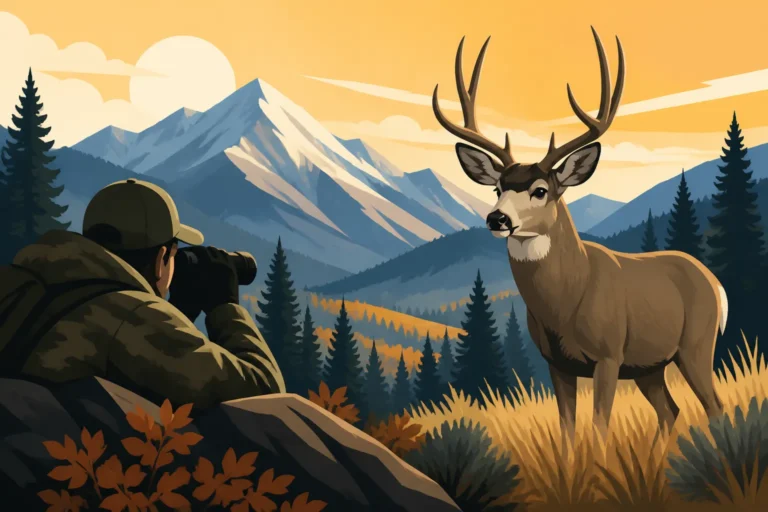
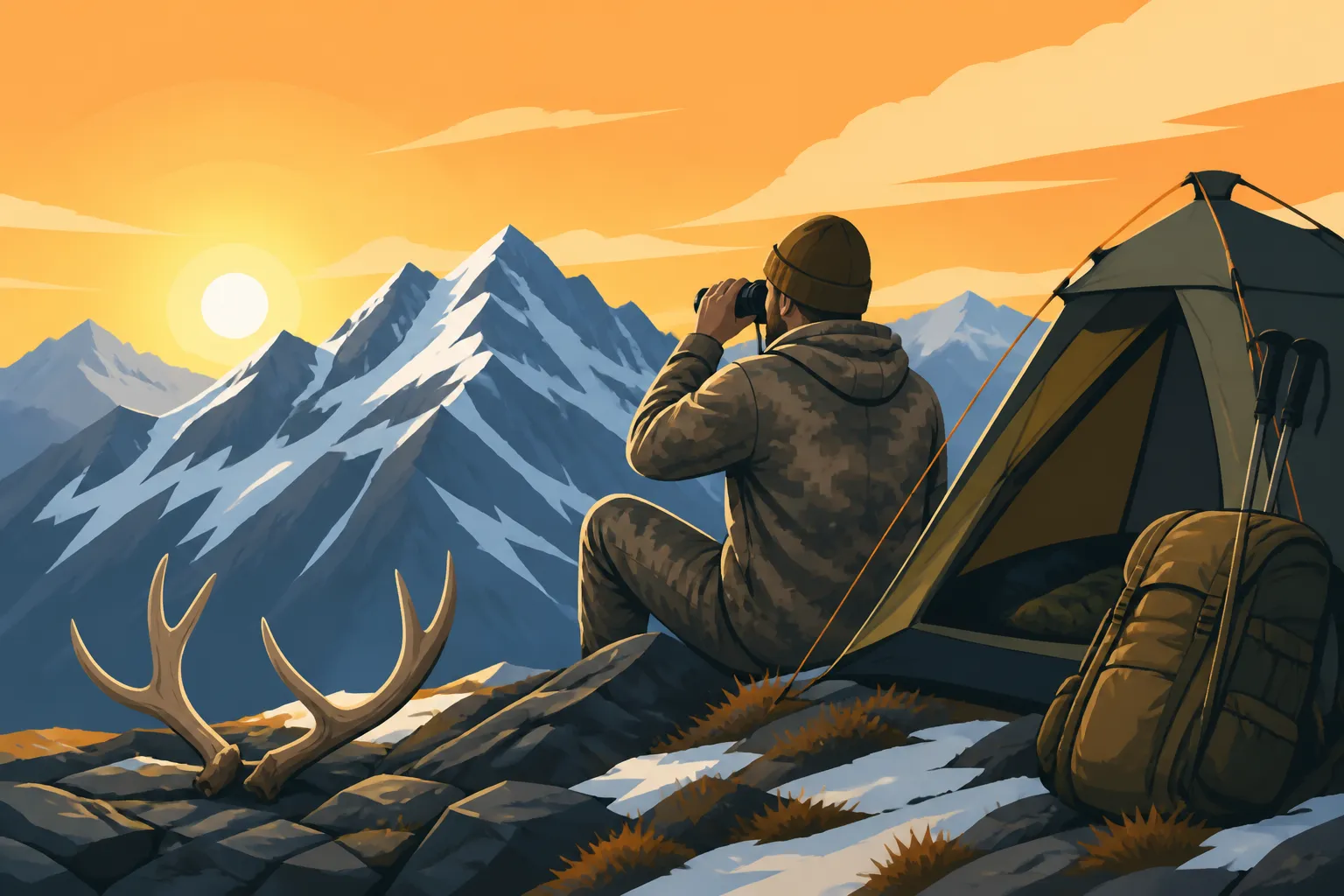
Imagine, for a moment, waking up to the first streaks of dawn painting the peaks, already positioned with your optics to scan a distant rock slide or a subalpine basin for movement. This immediate access to prime hunting ground during those crucial first and last hours of daylight is a game-changer. It means less time hiking to the hunt and more time actively hunting. This efficiency can be particularly vital when pursuing high-country species, which often feed during these low-light periods before bedding down in inaccessible spots as the sun climbs. Being there, ready, when the light breaks can turn a tough hunt into a memorable success. Furthermore, many of these high-elevation zones see significantly less hunting pressure simply because of the sheer effort required to get there. By embracing the challenge of an alpine spike camp, you're stepping into a world that many hunters only dream of reaching. For those drawn to the solitude and grandeur of remote hunting, the rewards are often worth every ounce of effort.
The Strategic Advantage of Proximity
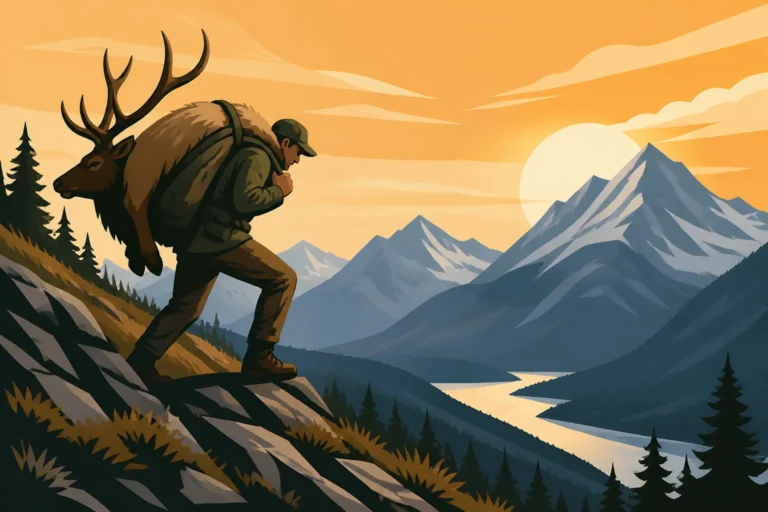
One of the biggest hurdles in high-country hunting is the sheer physical demand of gaining elevation. A day hunt from a valley-bottom base camp might involve thousands of feet of climbing, only for you to have to turn around and descend by afternoon, regardless of what you’ve seen. This limits your effective hunting window considerably. A spike camp, however, puts you directly in the action. By pitching your tent even a thousand feet higher, you significantly cut down on daily elevation gain, conserving precious energy for glassing, stalking, and, ultimately, packing out an animal.
Think about the difference: instead of a two-hour uphill hike before you even begin to hunt, you might just need to step out of your tent. This proximity allows you to fully capitalize on those fleeting golden hours of dawn and dusk when animals are most active. You can spend more time behind your binoculars, meticulously picking apart distant avalanche chutes or scanning a British Columbia lakeshore for game, rather than simply covering ground. It also enables quicker decision-making and response. If you spot a ram or a goat in a far-off basin, you’re already much closer to initiating a stalk, potentially saving you hours of approach. This strategic positioning means you're not fighting the mountain daily; you're living on it, becoming a temporary part of its wild rhythm. This can also be critical for managing your energy during multi-day hunts, allowing for better recovery and sustained effort over time, which is essential for success in challenging terrain.
Essential Considerations Before Heading Above Timberline
The alpine environment is beautiful but unforgiving. Before you even start packing your bag, a deep understanding of the unique challenges and requirements of above-timberline camping is paramount.
Weather Wisdom and Microclimates
British Columbia's mountains are notorious for their unpredictable weather, and above timberline, this variability is amplified exponentially. A sunny, calm morning can quickly give way to a whiteout blizzard, torrential rain, or violent thunderstorms in a matter of hours. The phrase "four seasons in a day" truly applies here. Understanding and respecting these rapid changes is non-negotiable for safety and comfort. You absolutely need to check multiple weather forecasts, like those from Environment Canada, AccuWeather, or specialized mountain weather services, paying close attention to alpine-specific predictions. However, even with the best forecasts, be prepared for the worst. The mountains have their own microclimates; one valley might be calm while the next ridge over is getting hammered by wind and rain.
Your gear choices must reflect this reality. A three-season tent might suffice for lower elevations, but above timberline, a four-season, expedition-grade tent is often a wise investment. Look for tents designed to withstand high winds and heavy snow loads. Always carry full rain gear – a quality jacket and pants – even if the forecast looks clear. Layering is key: synthetic or wool base layers, insulating mid-layers like fleece or puffy jackets, and a bombproof outer shell are essential. Don't forget warm gloves, a toque, and even a neck gaiter. Getting caught unprepared in a sudden storm above timberline isn't just uncomfortable; it can be life-threatening. Remember, the sun can disappear behind clouds, and temperatures can plummet dramatically, often accompanied by a biting wind. Having the right clothing ensures you can continue to hunt effectively and safely, even when the weather turns sour. It's not about being optimistic, it's about being ready for anything the mountain throws at you.
Water Sourcing and Purification
Above timberline, finding reliable water sources can be surprisingly tricky. While you might expect endless snowmelt, many basins can be dry by late summer, and what water is available can be contaminated. Never assume you'll find water exactly where you need it. Scouting your route and potential camp locations beforehand, often with the aid of topographical maps or apps like GoHunt, to identify perennial snowfields, small tarns, or trickling creeks is crucial. These water sources can also shift or dry up from year to year, or even within a single season, so don't rely solely on old maps.
Even if you find water, it's highly unlikely to be potable directly from the source. Giardia, cryptosporidium, and other nasty pathogens are common in backcountry water, especially from sources frequented by wildlife. A robust water purification system is essential. This usually means carrying a high-quality water filter (like a Katadyn BeFree or Sawyer Squeeze) and chemical purification tablets (like Aquatabs or iodine) as a backup. A portable UV purifier can also be a great primary option. Plan to carry enough water bottles or a hydration reservoir to collect several liters at a time, allowing you to stock up when you find a good source. If you're relying on snowmelt, remember that melting snow takes a lot of fuel and time, so factor that into your planning and fuel estimates. Dehydration can quickly sap your energy and decision-making ability at high altitudes, so prioritizing water is paramount. Always filter or treat any water you collect, even if it looks crystal clear.
Gear Selection: Striking the Balance Between Weight and Durability
The mantra for above-timberline spike camping is "lightweight and durable." Every ounce matters when you're gaining thousands of feet of elevation with all your essentials on your back. However, "light" cannot come at the expense of "durable" or "reliable," especially in such a harsh environment. Your gear needs to stand up to abrasive rock, piercing winds, and potential moisture. This is where strategic choices come into play. Your backpack should be a high-quality internal frame model, capable of comfortably carrying 50-70 pounds, often with an external load shelf for packing out meat. Reputable brands like Mystery Ranch, Kifaru, or Stone Glacier are popular for their robust designs.
When it comes to your sleep system, choose a sleeping bag rated well below the coldest temperatures you expect. Even in August, nights above timberline can drop below freezing. A down bag with a high fill power (800+ for warmth-to-weight ratio) paired with a high R-value sleeping pad (R-value 4.0 or higher for insulation from the cold ground) will provide comfort and crucial warmth. As mentioned, a four-season tent is often ideal, even if it's slightly heavier, for its ability to withstand high winds and provide reliable shelter. Your cooking system should be compact and efficient – a small canister stove like a Jetboil or MSR PocketRocket with enough fuel for your trip. Don't forget a first-aid kit that's comprehensive for backcountry emergencies, a headlamp with spare batteries, navigation tools (GPS device, map, compass), and a satellite communication device like a Garmin inReach or Zoleo for emergency contact. Every item in your pack should serve multiple purposes or be absolutely essential for survival and hunting effectiveness.
| Item Category | Key Considerations | Essential Brands/Features |
|---|---|---|
| Backpack | Internal frame, 50-70L capacity, durable fabric, comfortable for heavy loads, external load shelf for meat. | Mystery Ranch, Kifaru, Stone Glacier (or similar robust hunting pack brands) |
| Shelter | 4-season rating, high wind resistance, durable poles, lightweight for its class. | Hilleberg, MSR, Big Agnes (expedition models) |
| Sleep System | Sleeping bag rated for below expected temps (down 800+ fill power), sleeping pad R-value 4+. | Western Mountaineering, Feathered Friends, Nemo, Therm-a-Rest NeoAir XTherm |
| Water Purifier | Filter + chemical backup, robust and reliable. | Sawyer Squeeze, Katadyn BeFree, SteriPen (UV), Aquatabs |
| Navigation | GPS, topo maps, compass, satellite messenger. | Garmin inReach, Zoleo, Gaia GPS app, physical compass |
| Cooking System | Lightweight, efficient stove, sufficient fuel. | Jetboil, MSR PocketRocket, Soto WindMaster |
| Clothing (Layers) | Wool/synthetic base, fleece/puffy mid, waterproof/windproof shell, warm hat, gloves. | Kuiu, Sitka, Arc'teryx, Patagonia (for technical outerwear), Smartwool, Merino wool brands |
| Safety | Comprehensive first-aid kit, bear spray, headlamp + spare batteries, signaling mirror. | Adventure Medical Kits, Counter Assault (bear spray), Petzl, Black Diamond (headlamps) |
Setting Up Your Spike Camp: A Step-by-Step Guide
Once you've made the strenuous climb and arrived in the high country, the next critical step is establishing your temporary home. This isn't a casual affair; proper setup is vital for safety, comfort, and the success of your hunt.
Choosing the Right Location for Shelter and Safety
The specific spot you choose for your spike camp above timberline can make or break your experience, and even your safety. Look for natural depressions, the lee side of a large rock outcrop, or a small, relatively flat bench that offers some protection from the prevailing winds. Even a slight rise can be hammered by gusts, while a small dip can offer surprising calm. Avoid setting up camp directly in game trails, especially those leading to known bedding or feeding areas. Not only will you disturb the animals you're hunting, but it could also lead to an uncomfortable close encounter with a curious grizzly. For this reason, always practice bear safety while hunting in British Columbia, especially in remote areas.
Consider drainage carefully. Even if the ground looks dry, a sudden downpour can quickly turn a low spot into a puddle or even a small creek. Look for ground that will shed water naturally. Rock falls are another serious concern; never pitch your tent directly below a steep, unstable rock face, even if it seems like a convenient windbreak. Take a moment to scan the slopes above you for any signs of loose rock. Think about sun exposure too; while you might want shelter from the wind, a spot that catches the morning sun can help warm your tent and dry out gear. Finally, always be mindful of your hunting objectives. You want a location that provides a safe and comfortable base, but also one that offers strategic access to glassing points or potential stalk routes. Utilizing apps like GoHunt can help you scout potential camp locations and identify water sources remotely before you even step foot in the mountains, giving you a valuable head start.
Securing Your Shelter Against the Elements
Once you've picked your spot, securing your tent is absolutely critical. Above timberline, wind is your most formidable foe, capable of shredding tents, snapping poles, and turning a good night's sleep into a frantic struggle. Start by orienting your tent with the narrowest side facing the prevailing wind. This presents the smallest profile to the gusts. Next, fully stake out all guy lines and stake points. Don't skimp on this step, even if it feels tedious after a long hike. Use all available stakes, and if the ground is soft or rocky, use large rocks to reinforce your stakes or to anchor guylines directly. Many mountaineering tents come with extra long or V-shaped stakes designed for better holding power in varied terrain, and it's always wise to carry a few spares.
Inside your tent, place heavy items like your backpack in the corners to add extra weight and stability. If strong winds are expected, consider building a low rock wall around the windward side of your tent. This might seem like extra work, but it can significantly reduce wind pressure and prevent sleepless nights or damaged gear. Remember, a broken tent above timberline can be a serious emergency. Having a small repair kit with duct tape, extra guy line, and pole splint sleeves can be a lifesaver. Never underestimate the power of mountain winds; what feels like a gentle breeze at lower elevations can be a raging gale in the exposed alpine. This meticulous setup ensures that your shelter remains steadfast, allowing you to rest and recover effectively for the demanding days of hunting.
Food Storage and Bear Safety Protocols
Anytime you’re in British Columbia’s backcountry, bear safety is paramount, and above timberline is no exception, even if you see fewer trees. Grizzlies and black bears are opportunistic and can range widely in search of food. Improper food storage is a direct invitation for an unwanted visit, which can be dangerous and detrimental to both you and the bears. Your first rule: never keep food or anything that smells like food (toiletries, garbage, cooking pots) inside your tent. All scented items should be stored a minimum of 100 meters (about 110 yards) downwind from your sleeping area. This creates a safety buffer.
The most effective method for food storage is using a bear-resistant container (like a bear canister from brands such as BearVault or Counter Assault) or hanging your food from a sturdy branch. However, above timberline, suitable trees for hanging food are rare to non-existent. This makes bear canisters or electric bear fences your primary options. Bear canisters are robust, hard-sided containers designed to be impossible for a bear to open. They are an excellent, if heavy, investment. If you are using a bear canister, still place it away from your tent and, ideally, in a location where a curious bear wouldn't easily push it off a cliff or into a creek. Electric bear fences, while requiring more setup, offer another layer of protection by deterring bears with a mild shock. Always cook away from your tent and clean up thoroughly afterwards. Pack out all garbage, including food scraps. Even small crumbs can attract rodents, which in turn can attract larger predators. Adhering strictly to these protocols helps ensure that your camp remains safe and that you minimize negative encounters with the magnificent, yet potentially dangerous, wildlife of British Columbia. This diligence is part of responsible backcountry ethics.
Living and Hunting From Your High Camp
A spike camp above timberline isn't just about the physical setup; it's about adopting a lifestyle tailored to the unique rhythms and demands of the alpine. Efficiency and preparedness are your closest companions.
Efficient Daily Routines and Energy Conservation
Life in a spike camp, especially one high up, demands a strict and efficient routine. Your days revolve around the movements of game and the demands of the environment. Mornings often begin well before first light, allowing you to be at your glassing point as the sun touches the peaks. This means having your clothing, optics, and food for the day organized the night before. Simplicity is key for meals; dehydrated backpacking meals are standard fare because they are lightweight and require minimal cooking fuel and effort. Prioritize calorie-dense foods that offer sustained energy.
Conserving energy is paramount. Every step you take at altitude is more taxing, and every unnecessary movement saps your strength. Plan your movements carefully, whether it's a short trip to a water source or a long stalk across a basin. Use your binoculars and spotting scope extensively from static positions to minimize walking until you have a clear plan. When you're not actively hunting, rest. Read a book, study your maps, or simply close your eyes. Even short periods of rest can make a huge difference in your overall endurance over a multi-day hunt. Hydration is also a constant focus; sip water throughout the day, not just when you feel thirsty. Remember that the cold, dry air at altitude can lead to rapid dehydration. These small, consistent habits contribute significantly to your ability to stay sharp and effective throughout the entire hunt, helping you make the most of your time in the high country.
Contingency Planning for Unexpected Challenges
No matter how meticulously you plan, the mountains of British Columbia will eventually throw a curveball. A sudden injury, a drastic change in weather, a lost piece of gear, or even an animal falling into an inaccessible spot are all real possibilities. Having a solid contingency plan is not paranoia; it's a responsible part of hunting. First and foremost, always tell a trusted person your exact hunting route, your expected return date, and what to do if they don't hear from you. This "check-in" system is your primary lifeline.
Carry a comprehensive first-aid kit and know how to use it. Be prepared to self-rescue for minor injuries, or at least stabilize yourself for a longer wait for help. Your satellite communication device (Garmin inReach, Zoleo) is essential for calling for help in a true emergency, but also for receiving critical weather updates or communicating with your base contact. Carry enough extra food and fuel for at least two to three extra days beyond your planned trip length, in case you get weathered in or delayed. Know your escape routes and alternative ways off the mountain in different weather conditions. What if heavy fog rolls in, making navigation impossible? What if a significant snowfall makes your primary trail impassable? Having a good understanding of the local topography from your maps will allow you to consider multiple exit strategies. Finally, mentally prepare for the possibility of having to abandon a hunt if conditions become unsafe. A harvested animal is never worth risking your life. Being prepared for the worst allows you to confidently focus on the hunt itself, knowing you have a plan B, and even a C, for whatever the British Columbia backcountry might present. The unpredictable nature of the mountains is part of the allure, but it demands respect and preparedness.
Disclaimer
Hunting is an inherently dangerous activity. This guide provides general information and recommendations. Always consult the official British Columbia hunting regulations synopsis, obtain proper licenses, and prioritize safety above all else. Local conditions can vary greatly, and personal preparation and judgment are critical.