Hunting the Purcell Mountains for Goats
The Purcell Mountains are truly one of British Columbia's wild gems, a place where jagged peaks meet ancient glaciers and the air itself feels crisp with the promise of adventure. For many mountain hunters, the allure of a British Columbia mountain goat is a powerful draw, but the Purcells present a unique set of challenges and rewards that can feel overwhelming at first glance. This guide will walk you through what it really takes to pursue these magnificent animals in this rugged, unforgiving, yet incredibly beautiful landscape.
The Unforgiving Beauty of the Purcell Mountains for Goats
The Purcell Mountains, part of the Columbia Mountains range in southeastern British Columbia, are legendary for their steep, glaciated terrain and the hardy wildlife that calls them home. When you think of hunting mountain goats, the Purcells often come to mind because they offer that quintessential, challenging alpine experience. However, this isn't a stroll through a manicured park. This is raw, vertical wilderness, and it demands respect, preparation, and a certain level of grit.
Understanding the Purcell Terrain
The terrain in the Purcells is characterized by extremely steep slopes, expansive rockslides, high alpine basins, and often unpredictable weather. Elevation changes are dramatic, and what looks like a short distance on a map can translate into hours of strenuous climbing over scree, talus, and dense timber. Access usually involves navigating complex systems of forest service roads, many of which can be rough, deactivated, or simply end abruptly, forcing you to hoof it in from miles away. These mountains are not gentle. They are an arena for the truly dedicated, where every step is earned, and every gain in elevation brings a new vista and often, a new challenge. It’s common to encounter everything from thick timber at lower elevations to barren rock and snowfields above the tree line, often within a single day's ascent. Hunting Mountain Goat on British Columbia Rock truly requires a different mindset and skillset than other big game.
Where Mountain Goats Roam in the Purcells
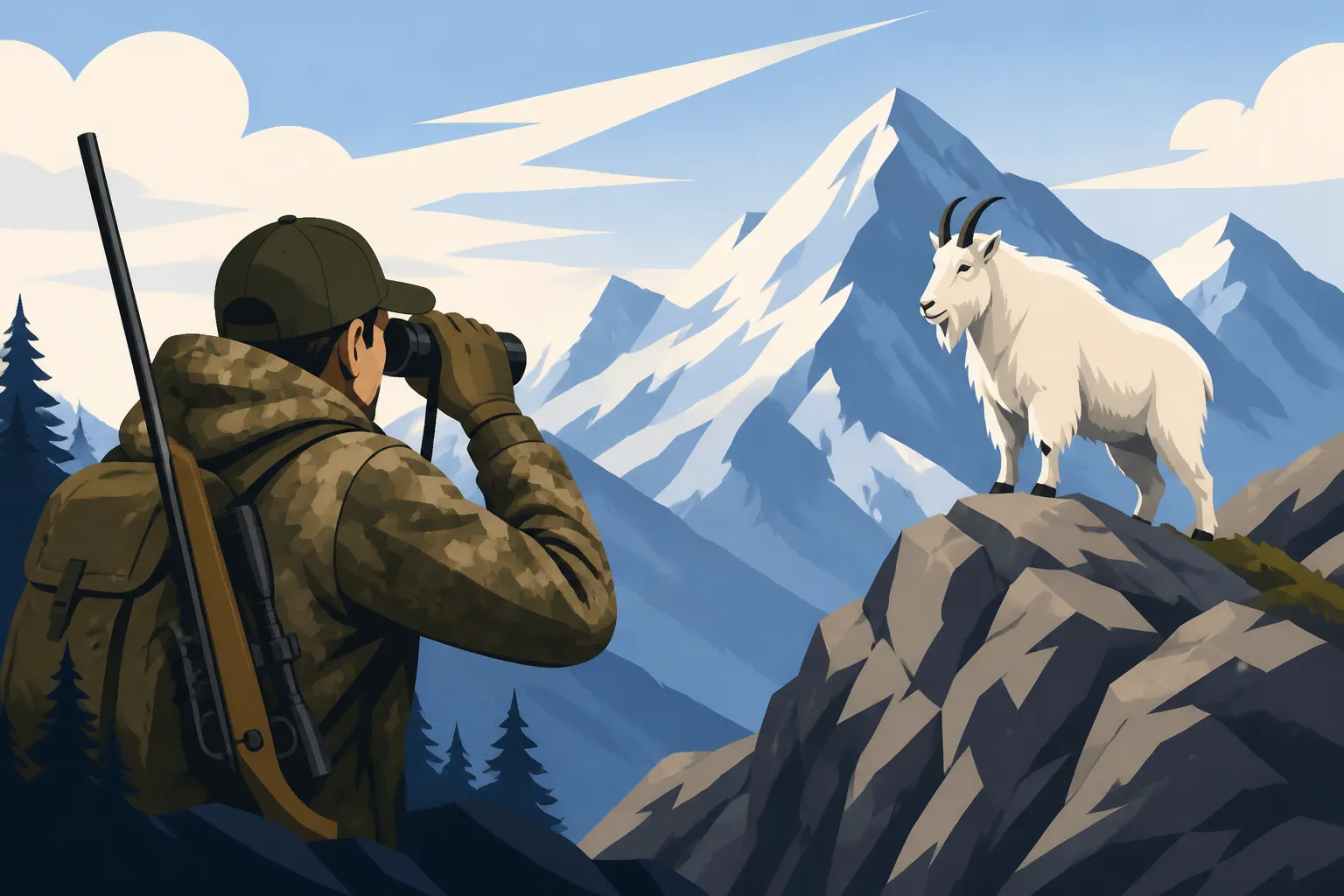
Mountain goats in the Purcells, like most of their kind, prefer the high, rugged alpine and subalpine environments. They thrive in areas with steep, rocky cliffs, ledges, and bluffs that offer refuge from predators and provide access to sparse but nutritious vegetation. You'll often find them grazing on alpine meadows adjacent to precipitous escape terrain, or bedded on small benches high up on rock faces, seemingly glued to the sheer rock. They are masters of their environment, and spotting them can be incredibly difficult, as their white coats blend seamlessly with snowfields and light-coloured rock. They might appear as small, distant specks, or not at all, even when they're relatively close. Understanding their habitat preferences is key to narrowing down your search, but even then, finding them is a test of patience and relentless glassing. This is not a landscape where you simply stumble upon them.
General Access Considerations
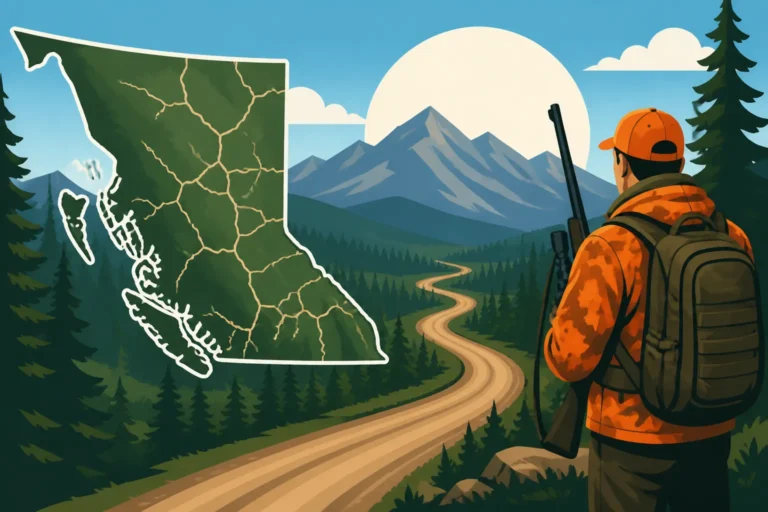
Getting into prime goat country in the Purcells often requires significant effort. Many areas are accessed via extensive networks of forest service roads (FSRs) that branch off major highways like Highway 95 or Highway 3. However, many of these FSRs are not regularly maintained. You might encounter washouts, large cross-ditches, or fallen timber. A high-clearance, 4×4 vehicle is usually essential, and even then, some spots may require you to park and hike for hours or even days to reach the high-alpine basins where goats reside. Using tools like onX Hunt can be incredibly helpful for visualizing the terrain, understanding road networks, and identifying potential access points and Crown land boundaries, giving you a crucial head start on your planning. Always be prepared for your primary road access to be impassable and have backup plans.
Strategies for Hunting Mountain Goats in the Purcell Mountains
Hunting mountain goats in the Purcell Mountains isn't just a physical challenge; it's a mental one. It demands meticulous planning, unwavering perseverance, and an intimate understanding of both the animals and the environment. This isn't a species you chase in a rush.
Scouting and Research
Before you even set foot in the Purcells, extensive scouting and research are paramount. Start by poring over topographical maps. Identify the steepest, most rugged areas with prominent rock faces, alpine basins, and high ridges. Look for areas above timberline that offer both feeding grounds and escape routes. Pay close attention to south-facing slopes in early season, as snowmelt exposes vegetation faster there. Utilizing satellite imagery, especially through platforms like onX Hunt, can help you identify specific cliff systems, prominent avalanche chutes, and potential bedding areas before you ever leave home. Combine this with reading the current British Columbia hunting regulations for Mountain Goat Season Dates by Region and checking for any specific Limited Entry Hunting (LEH) zones or rules in your chosen area.
Furthermore, leverage data sources like GoHunt to understand previous harvest statistics and drawing odds for particular LEH zones. This information, while not a guarantee, can give you a clearer picture of hunter success rates and where goats are more consistently found. Talk to other hunters who have experience in the Purcells, if possible. Their insights into specific drainages, road conditions, or goat behaviour can be invaluable. Remember, the more you know before you go, the better your chances. This kind of detailed groundwork is crucial because Why Goat Hunting Is the Hardest Pack Out is a very real consideration, and you don't want to make that trek for nothing.
Spot-and-Stalk in Extreme Terrain
Once you’re in the field, spot-and-stalk is the name of the game for mountain goats. This means setting up with high-quality optics (a good spotting scope and binoculars are non-negotiable) in a position that gives you a commanding view of multiple slopes, basins, and rock faces. Start glassing at first light and continue throughout the day. Goats can be incredibly difficult to spot against their rocky backdrop, often appearing as nothing more than a small white dot. Look for movement, or simply something that looks out of place.
When you finally spot a goat, the real challenge begins. The stalk on a mountain goat in the Purcells is almost always vertical, demanding extreme physical exertion and careful navigation of dangerous terrain. You'll often find yourself climbing through boulder fields, traversing steep scree slopes, or picking your way along narrow ledges. Patience is critical. Plan your approach carefully, taking into account wind direction, cover, and the goat's potential escape routes. Often, you'll need to gain significant elevation above the animal to execute a successful stalk, using ridges and terrain features to stay out of sight.
Essential Gear for Purcell Goat Hunting
The gear you bring into the Purcell Mountains for a goat hunt can make or break your trip. You'll be operating in extreme conditions, often far from any support.
| Category | Essential Items | Why It's Crucial |
|---|---|---|
| Optics | High-quality spotting scope (20-60x or higher), 10x binoculars, tripod | Spotting distant goats, assessing size, planning stalks. |
| Navigation | GPS device (with pre-loaded maps), physical map, compass, onX Hunt app, satellite messenger | Staying oriented, emergency communication, tracking progress. |
| Footwear | Sturdy, waterproof mountaineering boots (broken in!) | Ankle support, traction on steep rock, comfort for miles. Boots for Steep British Columbia Country are essential. |
| Clothing | Layering system (base, mid, outer shell), waterproof/windproof outerwear, warm hat, gloves | Adaptability to rapidly changing alpine weather, staying dry and warm. |
| Pack | Large internal frame pack (60L+) capable of packing meat | Carrying gear in, meat out; comfort for heavy loads. Packing Meat With a Frame Pack is crucial for the heavy load. |
| Shelter | Lightweight, durable tent/tarp, sleeping bag rated for cold, sleeping pad | Protection from elements, comfortable rest in alpine. |
| Safety | First-aid kit, bear spray, signaling mirror, whistle, fire starter, knife, headlamp | Emergency preparedness, animal defence. |
| Water | Water filter/purifier, multiple water bottles/reservoirs | Hydration is paramount; water sources can be limited or contaminated. |
| Food | High-calorie, lightweight backpacking food for duration of trip + extra | Sustaining energy for extreme exertion. |
| Hunting | Rifle/bow, ammunition, rangefinder, game bags, sharpening stone | Self-explanatory for the hunt, responsible meat care. |
Don't skimp on quality, especially for optics, navigation, and footwear. Your life, or at least the success and comfort of your hunt, can depend on it. Always have a plan for Getting Meat Out of Steep British Columbia Country before you pull the trigger.
Permits, Seasons, and Regulations in the Purcell Mountains
Hunting mountain goats in British Columbia, including the challenging Purcell Mountains, is almost exclusively managed through a Limited Entry Hunting (LEH) draw system. This means it's not simply a matter of buying a tag over the counter; you must apply and be drawn for a specific management unit (MU) and season. Understanding this system is fundamental to even having a chance at a Purcell goat.
The Limited Entry Hunting System
British Columbia utilizes the LEH system to manage pressure on sensitive species like mountain goats and ensure sustainable populations. For goats, this means applying for a draw in specific MUs where a limited number of authorizations are available. The odds of drawing a goat tag, particularly in desirable areas like parts of the Purcells, can be quite low, often requiring multiple years of applying to accumulate sufficient points or simply get lucky. Each LEH authorization specifies the species, sex, management unit, and season dates. You cannot hunt outside of these parameters. For more detail on how the draw works, check out British Columbia's Limited Entry Hunting Draws.
When applying, research is key. Platforms like GoHunt often provide historical draw odds and harvest success data that can inform your application strategy. While a high success rate might indicate a good area, it often also means very low draw odds. Conversely, a unit with slightly lower success might have better odds, increasing your chances of actually getting a tag in hand. Always ensure you are applying for the correct species and sex. Most goat LEH is for "any goat" but verifying this is critical.
Key Regulations and Season Dates
Beyond the LEH draw, there are several general regulations that apply to mountain goat hunting in British Columbia, and specifically within the Purcells. Season dates will be clearly outlined in your LEH authorization and are also published in the official British Columbia Hunting and Trapping Regulations Synopsis. These dates are generally in the fall, allowing hunters to access the high country after the warmest summer months but before heavy snows make it completely inaccessible. However, weather in the Purcells can turn rapidly, so always monitor conditions.
Another critical regulation is regarding identification of the animal. It is absolutely essential to correctly identify the sex of a mountain goat before harvesting. While both sexes have horns, nannies are typically smaller, have thinner horns that curve back more acutely, and often have a more pointed tip. Billies (males) tend to be larger, with thicker horn bases and a more gradual, robust curve. Misidentification can lead to severe penalties, so if you're unsure, pass on the animal. This is where high-quality optics and careful observation, sometimes for extended periods, become essential. British Columbia's Mountain Goat Numbers are managed carefully, and responsible hunting plays a huge role in that.
Compulsory Inspection and Reporting
Like many big game species in British Columbia, mountain goats are subject to compulsory inspection. This means that after harvesting a goat, you are required to present specific parts of the animal (typically the head, with horns attached, and sometimes the hide) to a BC wildlife official for inspection within a set timeframe. This process allows wildlife biologists to collect valuable data on the population, age structure, and health of the herd. The exact requirements, locations for inspection, and deadlines are detailed in the regulations synopsis and often on your LEH authorization. Failure to comply with compulsory inspection rules can result in fines or loss of hunting privileges.
In addition to compulsory inspection, you are also required to submit a harvest report for any species for which you held a tag, whether you were successful or not. This report provides crucial information for wildlife management and helps inform future season setting and LEH quotas. This reporting can often be done online through the provincial hunting portal. Keep detailed records of your hunt, including dates, location (management unit), and any animals observed or harvested, to make this reporting process accurate and straightforward.
Beyond the Hunt: Safety and Conservation in the Purcells
A successful hunt in the Purcell Mountains extends far beyond pulling the trigger. It encompasses the journey, the respect for the land, and the responsible management of the resource. Safety in this extreme environment and a deep understanding of conservation are paramount.
Navigating the Dangers of Mountain Hunting
The Purcell Mountains are not a place to take lightly. The dangers are real and ever-present.
- Weather: Rapid and dramatic weather changes are common. A clear morning can quickly turn into a whiteout blizzard or a torrential rainstorm, even in late summer or early fall. Be prepared for all conditions, pack extra layers, and always have an emergency bivy or shelter.
- Terrain: Falls are a significant risk on steep rock, scree, and icy slopes. Proper footwear, trekking poles, and careful route finding are essential. Avoid attempting climbs or traverses that are beyond your skill level, especially when alone or with a heavy pack. Hunting British Columbia's Alpine in Early September can still present extreme conditions.
- Wildlife Encounters: While goats are the target, you'll be sharing their habitat with grizzlies and black bears. Always carry bear spray, know how to use it, and practice good bear-safe camp hygiene. Bear Safety While Hunting in British Columbia is critical in these remote areas.
- Isolation: Cell service is non-existent in much of the Purcells. A satellite communication device is not a luxury; it's a necessity for emergencies. Satellite Communication on a Remote Hunt can literally be a lifesaver. Ensure someone back home knows your detailed itinerary and expected return date.
Responsible Hunting Practices
Ethical hunting in the Purcell Mountains means more than just following the law. It means leaving no trace, respecting wildlife, and contributing to conservation.
- Leave No Trace: Pack out everything you pack in, including all garbage, spent shell casings, and any non-biodegradable waste. Minimize your impact on the fragile alpine environment.
- Meat Care: After a successful harvest, proper meat care is critical. Get the meat cooled quickly and ensure it's kept clean. In steep country, this often means quartering the animal and packing it out in game bags, sometimes making multiple trips.
- Shot Placement: Mountain goats are tough animals. Aim for clean, ethical shots to ensure a quick harvest and minimize suffering. Practice shooting at various inclines and distances before your hunt.
- Conservation: Mountain goats are a precious resource. Your hunting license and species tags contribute directly to wildlife management and conservation efforts in British Columbia through initiatives like the Habitat Conservation Trust Foundation. By adhering to regulations, reporting your harvest, and practicing ethical hunting, you play a vital role in ensuring these magnificent animals continue to thrive for future generations.
Hunting mountain goats in the Purcell Mountains is an experience unlike any other. It’s a profound test of skill, endurance, and mental fortitude. But for those who embrace the challenge, the rewards of standing atop a rugged peak, with a hard-earned goat at your feet, are immeasurable.
Disclaimer
This article is for general informational purposes only and does not constitute professional advice. Laws, prices and regulations vary by location and change over time. Consult a qualified professional for guidance on your specific situation.