Why Goat Hunting Is the Hardest Pack Out
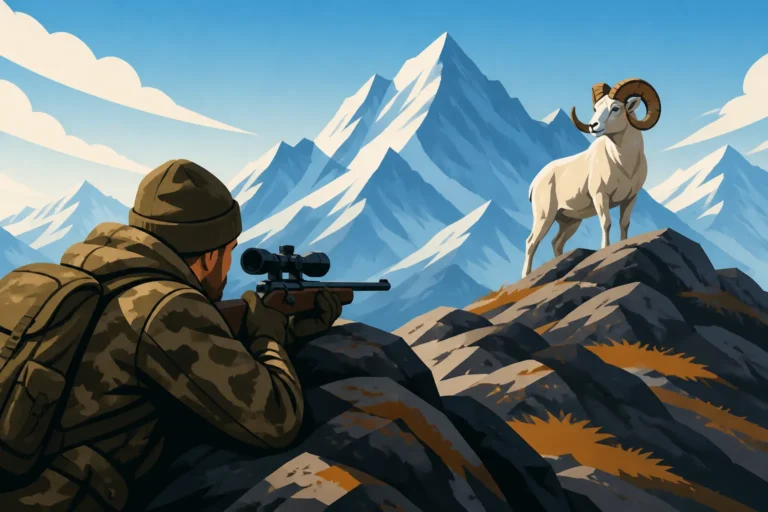
You’ve finally connected with that majestic white ghost high in the British Columbia mountains. The shot was perfect, the goat is down, and the adrenaline is still coursing through your veins as you soak in the view. But the moment of triumph is often quickly replaced by a stark realization: getting this animal off the mountain is going to be an epic battle. This guide will delve deep into why mountain goat hunting in British Columbia notoriously presents the toughest, most grueling pack out you'll likely ever face, and how to prepare for it.
The Unique Challenges of Mountain Goat Habitat in British Columbia
Hunting mountain goats isn't just about finding the animal; it's about conquering an environment that seems purpose-built to deter human intrusion. British Columbia's goats inhabit some of the most unforgiving, vertical landscapes on the continent, which directly translates into extreme difficulty when it comes time to pack out your harvest.
Extreme Vertical Terrain and Instability
Imagine standing at 7,000 feet, looking down thousands of feet into a valley, with your trophy lying on a tiny ledge just below a sheer rock face. This isn't an uncommon scenario when hunting goats. They thrive in rugged, high-alpine environments, often clinging to cliffs and ledges that feel almost impossible for a human to traverse, let alone with hundreds of pounds of meat and bone on their back. The Coast Range, the Northern Rockies, and the Purcell Mountains are prime examples of these formidable landscapes. You might find yourself scrambling across loose shale slides, navigating treacherous scree fields where every step risks a tumble, or carefully inching along narrow goat trails that offer no room for error.
The unstable nature of these environments adds another layer of danger. What looks like solid ground can crumble beneath your feet, and a misplaced step on a loose rock can send you sliding down a steep incline. The thin air at these elevations also compounds the problem, making every exertion feel monumental. Even if you've done your due diligence and read up on the topic, perhaps by looking at resources like "Hunting Mountain Goat on British Columbia Rock", the reality of the situation hits differently when you're actually there, facing gravity head-on. It’s not just physically draining; it’s mentally taxing to constantly assess risk and find the safest path forward on terrain that actively fights against you.
Volatile Weather and Alpine Exposure
British Columbia’s mountains are notorious for their rapidly changing weather patterns. You might start your day under brilliant sunshine, only to find yourself engulfed in a sudden snowstorm or thick, blinding fog within hours. These conditions are not just uncomfortable; they can quickly turn a challenging pack out into a life-threatening situation. When you're miles from the nearest road, high above timberline, a whiteout can make it impossible to see your route, disorienting you completely. Rain turns already slippery rock into a slick hazard, and snow can hide treacherous crevasses or unstable ground.
Beyond immediate danger, sustained exposure to cold, wind, and wet conditions takes a severe toll on your body. Hypothermia is a real concern, and even in milder conditions, the constant battle against the elements saps your energy. This harsh environment also poses a significant risk to your meat and hide. Warm temperatures, even at elevation, can lead to rapid spoilage if not properly managed, while freezing conditions can make skinning and quartering an even more arduous task. Every decision, from when and where to take a shot to how quickly you can get the animal processed, is dictated by the mountain's unpredictable temperament. It’s a constant dance with nature, where the mountain always leads.
The Staggering Demands of Packing a Goat Out
Bringing a mountain goat down is only half the battle; the true test of grit and endurance comes when you have to transform that beautiful animal into manageable loads and transport it back to civilization. This is where the physical and logistical demands truly separate goat hunting from almost any other pursuit.
The Sheer Weight and Awkward Bulk
A mature British Columbia mountain goat is a surprisingly robust animal, especially considering its compact appearance. While they might not be as massive as a moose or elk, a large billy can weigh upwards of 250-300 pounds. This isn't just live weight; their bone structure is incredibly dense, and their thick, shaggy hide, meant to insulate them from extreme cold, adds significant bulk and weight. After field dressing, you're still looking at a substantial amount of meat, bones, and hide to contend with. If you've ever hauled out other game, you might think you know what you're in for, but the goat is different.
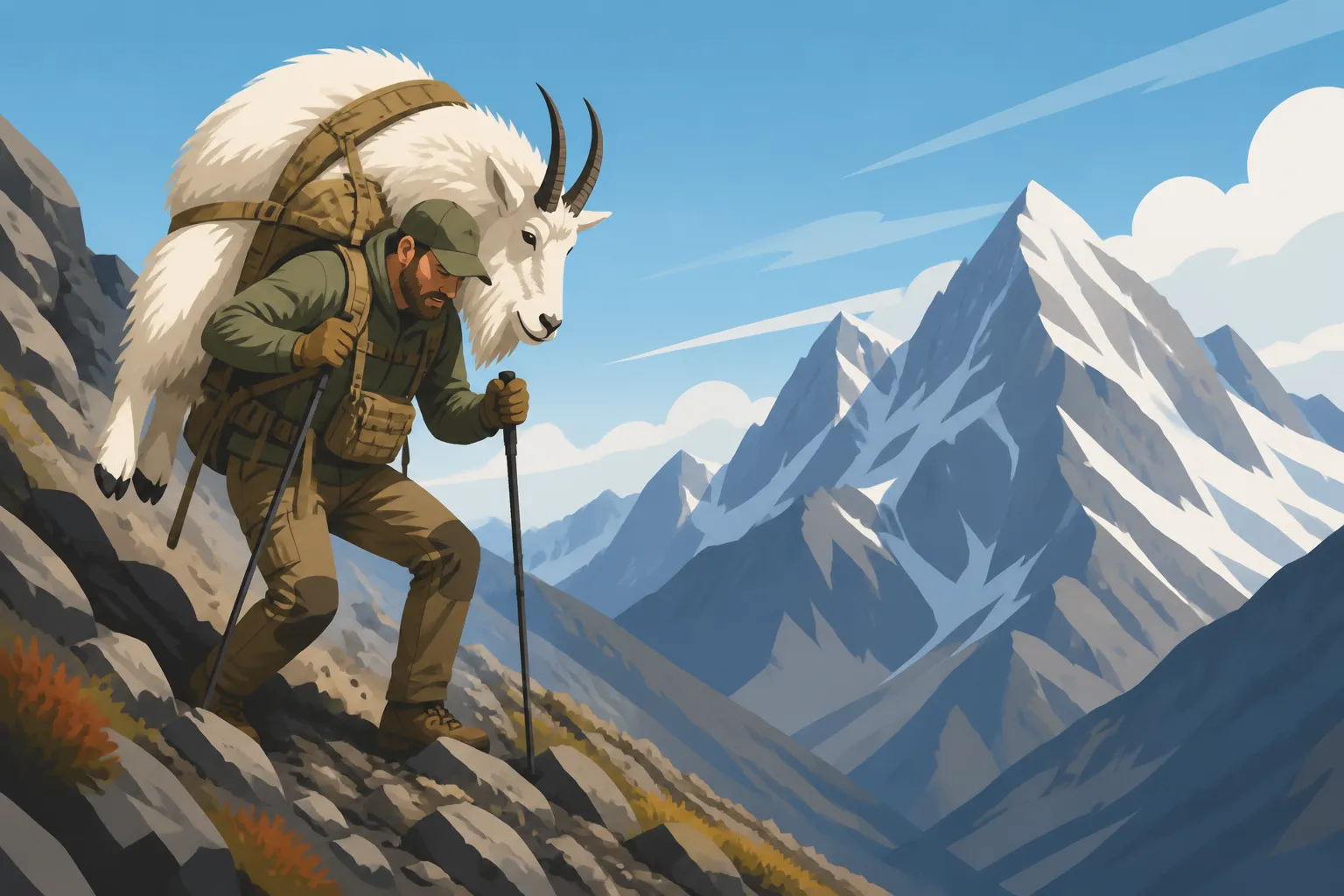
Unlike deer or even elk, which can sometimes be broken down into more uniform pieces, a goat's body shape and the requirement to often take out the entire hide with the head attached for trophy purposes make for very awkward loads. Imagine trying to balance a quarter of an animal, plus a hide and skull that want to shift and snag on everything, all while navigating a near-vertical slope. This isn't just about strength; it's about balance, leverage, and smart packing. The sheer density of the meat and bone means that even smaller pieces feel incredibly heavy after hours of strenuous hiking. Knowing "How Big a Mountain Goat Gets" is one thing, but feeling that weight on your back in the alpine is another entirely.
Technical Descents and Unavoidable Hazards
Once the animal is quartered and bagged, the real challenge of the descent begins. It’s one thing to climb up light, picking your way through technical terrain; it’s an entirely different beast to come down with a heavy, unbalanced pack. Every step requires extreme caution, especially on loose rock or steep pitches. Many goat hunters carry ropes and harnesses not just for climbing, but specifically for lowering quarters or even themselves down otherwise impassable sections. This adds another layer of gear and complexity to an already demanding situation.
Falling is a constant, terrifying risk. A minor slip with a heavy pack can lead to serious injury, not just for you but potentially for your hunting partner. The terrain often dictates that you can't simply take the easiest path down; you're forced to navigate around cliffs, through thick, stunted timber, or down rocky chutes that seem to have no end. This is where strategic thinking and prior planning, potentially utilizing mapping software like GoHunt to analyze contours and gradients, become absolutely critical. The act of "Getting Meat Out of Steep British Columbia Country" is less about brute force and more about calculated, slow, and steady progress, often taking hours, or even days, longer than anticipated.
Protecting Your Hard-Won Meat and Trophy
The effort doesn't end with getting the weight moving; you also have to protect your harvest from spoilage and damage. In the remote, often unpredictable environments where goats live, maintaining the quality of the meat and the integrity of the trophy hide is a race against time and the elements. Field dressing must be meticulous and efficient to allow for proper cooling, even when facing challenging conditions like wind, rain, or swarming insects.
If temperatures are too warm, even at high elevation, bacteria can quickly set in. If it’s freezing, the meat can stiffen and become impossible to quarter cleanly. The magnificent white cape of a mountain goat, one of its most prized features, requires careful handling to prevent hair slippage or damage from dragging over rough terrain. This often means carrying the hide in a separate, dedicated game bag, adding to the bulk and weight. The decision to carry out the hide and skull, especially if you're pursuing a record-book animal, adds significant weight and awkwardness, often necessitating an extra trip or a split load. This delicate balance of speed, care, and physical endurance makes the preservation aspect of the goat pack out uniquely challenging.
Strategies and Gear to Conquer the Ultimate British Columbia Pack Out
Given the immense challenges, successfully packing out a mountain goat in British Columbia isn't just about luck; it's about meticulous preparation, appropriate gear, and an unshakeable mindset. You can mitigate many of the difficulties by thinking ahead and training specifically for this kind of hunt.
Equipping Yourself for Alpine Extremes
Having the right gear is non-negotiable for a goat hunt. Your pack system is paramount. You need a robust frame pack designed for heavy loads, one that can comfortably distribute weight and allow for freedom of movement in technical terrain. Look for packs with good compression straps and multiple attachment points to secure awkward loads like horns or hides. For specific recommendations, doing your research through platforms like GoHunt can yield valuable insights into what experienced hunters prefer. Your boots are equally critical; they must offer exceptional ankle support, aggressive traction for scrambling on rock and scree, and be waterproof yet breathable. Thinking about "Boots for Steep British Columbia Country" is a vital part of planning.
Beyond the pack and boots, consider specialized equipment. High-quality trekking poles are essential for stability on steep descents and uneven ground, taking pressure off your knees. A compact emergency rope might be a lifesaver for lowering gear or assisting a partner. Navigation tools, including a reliable GPS or a mapping app like the one GoHunt provides, are critical for route finding in whiteout conditions or navigating unfamiliar terrain. Don't forget a satellite communication device; cell service is non-existent in much of goat country, and a satellite messenger or phone could be your only link to the outside world in an emergency. This kind of redundancy is why planning for "Satellite Communication on a Remote Hunt" is so important.
Building Physical and Mental Endurance
The demands of a goat pack out require peak physical condition. This isn't a hunt where you can get by on minimal training. Your regimen should focus on cardiovascular endurance – think long runs, hikes with weighted packs, and stair climbing – combined with strength training, particularly for your core, legs, and back. Practicing packing heavy loads on steep inclines and declines will simulate the real conditions you'll face. Remember, it's not just about getting up the mountain; it's about being able to safely and effectively get down with a heavy, awkward load.
Equally important is mental fortitude. Goat hunting is as much a mental game as it is a physical one. You'll face discomfort, exhaustion, doubt, and frustration. Learning to push through these moments, to remain calm under pressure, and to make sound decisions when fatigued is crucial. Realistic expectations are key: know that a pack out might take multiple trips, extend into the night, or even require an unplanned bivouac. Having the mental toughness to endure these hardships and maintain a positive attitude will make all the difference between success and a potentially dangerous situation. This mindset is vital, especially when you consider "Why Goat Populations Are Sensitive" and how much effort goes into securing that tag.
Strategic Planning and Teamwork for Success
A successful goat hunt and pack out hinge on meticulous planning and, ideally, a reliable hunting partner. Before you even set foot on the mountain, thoroughly scout your chosen "Management Unit for a mountain goat" using maps and aerial imagery. Identify potential approach and egress routes, paying close attention to contours, rockslides, and any natural choke points. Having a primary plan and several backup options is critical. Consider potential shot locations carefully, always thinking about the recovery. A goat that drops into an unrecoverable chute turns a dream hunt into a nightmare.
Working as a team is incredibly beneficial. Even if you're the one who pulls the trigger, having a partner to share the load, provide moral support, and assist with technical sections can be a game-changer. Discuss roles and responsibilities beforehand. Will one person take the first load while the other finishes processing? How will you communicate on tricky terrain? Practice your emergency plans and ensure both partners are competent in first aid and navigation. The old adage "many hands make light work" rings true, especially when you're "Packing Out of British Columbia's Steep Country" with a mountain goat.
| Aspect of Pack Out | Mountain Goat (BC Alpine) | Mule Deer (BC Interior) | Moose (BC Interior) | Black Bear (BC Coastal) |
|---|---|---|---|---|
| Terrain | Extreme vertical, loose rock, scree, cliffs, high altitude | Rolling hills, timber, clearcuts, draws, moderate slopes | Dense timber, swamps, river bottoms, thick brush, boggy ground | Coastal rainforest, dense brush, logging roads, estuaries |
| Elevation Gain/Loss | Thousands of feet, constant steep climbs/descents | Moderate to significant, often undulating | Minimal to moderate, mostly flat or gentle slopes | Moderate, often through dense undergrowth |
| Weight (Avg. Field Dressed) | 120-180 lbs (dense bone, thick hide) | 100-150 lbs | 600-900 lbs (very large body) | 150-300 lbs (can be heavier, but less dense) |
| Awkwardness of Load | Very high (hide/skull often combined with quarters, prone to snagging) | Moderate (quarters manageable, antlers can be awkward) | High (massive quarters, difficult to handle) | Moderate (slick hide, awkward to carry whole, but can be quartered) |
| Technical Skills Req. | High (ropes, careful foot placement, risk assessment) | Low to moderate (basic hiking, trail finding) | Low (strength, stamina, axe/saw for bone) | Low to moderate (brush busting, navigating downed timber) |
| Weather Impact | Extreme (rapid changes, whiteouts, hypothermia risk) | Moderate (rain, snow, but less extreme exposure) | Moderate (cold, snow, can hinder travel) | High (constant rain, fog, can make everything slick) |
| Speed of Retrieval | Extremely slow (often multiple days for full pack out) | Moderate (often one long day or two trips) | Slow (multiple trips, heavy loads) | Moderate to slow (dense cover, often need to debone) |
Disclaimer
Hunting in British Columbia's backcountry carries inherent risks. This guide provides general information and recommendations. Always consult the most current British Columbia Hunting Regulations Synopsis, obtain appropriate licenses and tags, and prioritize safety and ethical hunting practices. Personal preparedness, sound judgment, and adherence to all laws are crucial for a safe and successful hunt.