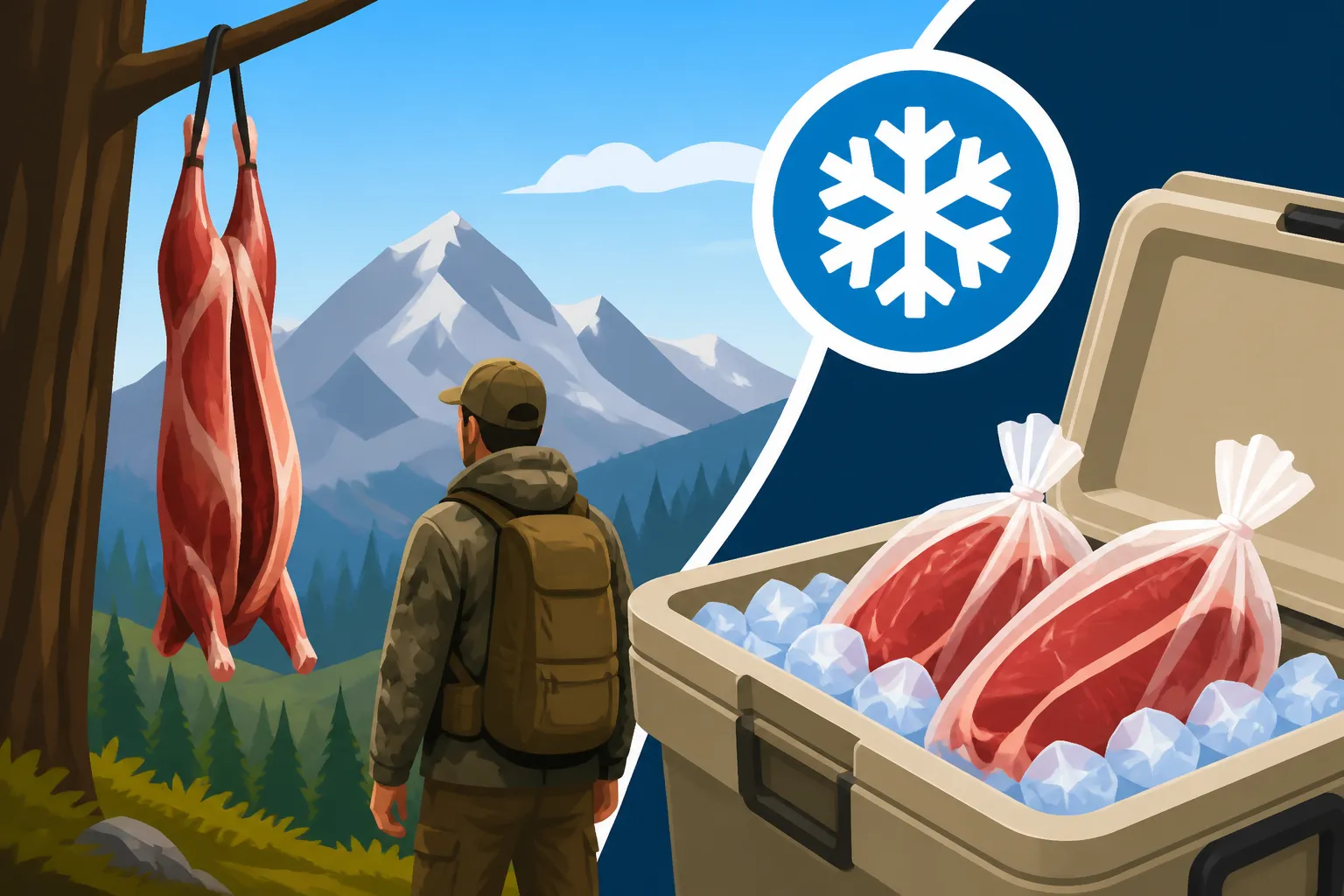
Keeping Meat Cool in an Early Season
There’s nothing quite like the crisp air of early fall in British Columbia, the promise of a new hunting season, and the thrill of spotting game after months of anticipation. But let's be honest, that early season sunshine, while glorious for hiking, can quickly turn into a hunter's biggest headache: how to keep that hard-earned meat from spoiling. It's a race against the clock, and losing precious game meat to the heat is a truly gut-wrenching experience that no one wants to face. This guide is all about equipping you with the knowledge and strategies to ensure your harvest makes it from the field to your freezer, perfectly preserved, even when the temperatures aren't cooperating.
Understanding the Battle Against Early Season Heat
The excitement of an early season hunt, whether it's the When British Columbia's Archery Season Opens in September or the Hunting British Columbia's October Rifle Opener, often coincides with temperatures that still feel a lot like summer. This creates a critical challenge for hunters: preserving meat in conditions that are far from ideal for cooling. It’s not just about comfort; it's about rapidly mitigating bacterial growth, which can quickly ruin a hunt if not managed properly.
The Science Behind Meat Spoilage in the Field
When an animal is harvested, its body temperature is still quite high, hovering around 38-40°C (100-104°F). This warmth, combined with the moist environment inside the carcass, creates a perfect breeding ground for bacteria. These microorganisms thrive in warm, oxygen-deprived conditions, and they get to work almost immediately, causing spoilage. There are two main culprits we're fighting:
- Bacterial Contamination: Bacteria, both from the gut contents and the external environment, begin to multiply rapidly at warmer temperatures. They break down muscle tissue, producing off-flavours, colours, and textures. This is why thorough and quick field dressing is paramount. Any delay in reducing the internal temperature of the carcass allows bacteria to gain a significant head start.
- Enzyme Activity: Natural enzymes within the animal's muscle tissue also contribute to spoilage if the meat isn't cooled quickly. While some enzyme activity is desirable for tenderizing (aging), excessive warmth accelerates this process to a detrimental degree, leading to mushy or sour meat. The goal is to bring the meat temperature down to about 4°C (40°F) or below as quickly as possible to halt significant bacterial and enzymatic activity.
Factors That Accelerate Spoilage
Beyond just the ambient temperature, several other factors contribute to how quickly your game meat can spoil in the field, especially in the British Columbia backcountry where conditions can vary wildly.
- Insulation of the Hide: An animal's hide is an incredibly efficient insulator, designed to keep it warm. Unfortunately, this works against us after harvest, trapping heat within the carcass. This is why getting the hide off, or at least breaking the animal down and exposing muscle surfaces to air, is critical. A thick-hided animal like a moose, especially a large bull weighing hundreds of kilograms, will retain heat for an alarmingly long time if not processed immediately.
- Humidity and Lack of Airflow: High humidity can prevent the meat surface from forming a dry "crust," which acts as a protective barrier against bacteria. Storing meat in plastic bags or piling it up allows moisture to accumulate and blocks vital airflow, exacerbating the problem. Air circulation is your best friend; it aids evaporative cooling, which can drop meat temperatures significantly.
- Contamination: Even if the weather is cool, poor field dressing techniques that lead to gut contents spilling onto the meat, or dirty knives and hands, can introduce massive amounts of bacteria. This contamination acts as a super-accelerant for spoilage, regardless of temperature.
Considering these challenges, a hunter must act swiftly and methodically to prevent meat loss. It’s not enough to simply gut an animal and hope for the best; active cooling strategies are absolutely essential when hunting during warmer periods.
Field Dressing and Initial Cooling Strategies
When you’re staring down a downed animal in the heat of an early British Columbia season, the clock is already ticking. Your first actions are the most critical in determining whether that meat will make it to the freezer in prime condition. Every minute counts, and a systematic approach will save you heartache.
Immediate Action: Gut, Skin, and Quarter
The moment your animal is down, especially a large one like an elk or a bull moose (check out What a British Columbia Bull Moose Weighs for an idea of the sheer volume of meat you might be dealing with), you need to get to work.
- Gutting First: This is non-negotiable. The internal organs, particularly the gut, are a major source of heat and bacteria. By removing them, you immediately eliminate a significant heat source and reduce the risk of contamination. Work carefully to avoid puncturing the stomach or intestines. If any gut contents do spill, clean the affected meat thoroughly with clean snow, water, or a very damp cloth.
- Skinning is Next: The hide, as mentioned, is an excellent insulator. Getting it off as quickly as possible allows the meat to begin radiating heat into the cooler air. For larger animals, you might not be able to skin the entire animal on the spot, but removing the hide from the top side and working your way around helps. You can often skin and quarter simultaneously, especially if you're in rugged terrain where you can’t easily roll the animal.
- Quartering: This is arguably the most important step for rapid cooling in warm weather. By breaking the animal down into its primal quarters (two front shoulders, two hindquarters, backstraps, tenderloins, and neck meat), you dramatically increase the surface area exposed to the air. This allows heat to dissipate much faster than a whole carcass would. It also makes the meat much more manageable for transport. For those new to the process, a quick search for "gutless method" or "boning out" can provide excellent visual guides. Don't forget the rib meat and other smaller sections; every bit counts towards your British Columbia's Rules on Wasting Game Meat obligations.
Maximizing Airflow and Elevation
Once the animal is gutted, skinned, and ideally quartered, your next priority is getting maximum airflow around the meat. Warm, stagnant air is the enemy.
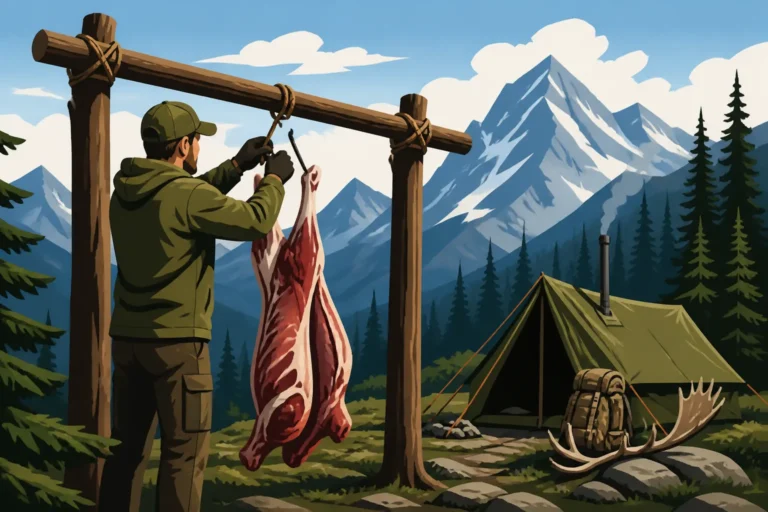
- Prop Open the Cavity/Hang Quarters: If you haven't fully quartered yet, use sticks or branches to prop open the body cavity. This allows air to circulate inside. If you have quartered the animal, try to hang each piece independently from a tree branch. This keeps the meat off the ground, where residual heat from the earth can slow cooling, and exposes all sides to the ambient air. Even a few feet off the ground can make a huge difference.
- Avoid Piling Meat: Never stack or pile meat directly on top of itself, even if it's skinned. This effectively re-insulates it, preventing heat loss. Lay quarters out individually, ideally on clean tarps or game bags, separated by air space.
- Seek Shade: Get the meat out of direct sunlight immediately. Even if the air temperature isn't scorching, direct sun will quickly raise the meat's surface temperature. Look for dense timber, north-facing slopes, or any natural shade you can find. When scouting your Scouting a British Columbia Management Unit Online or using tools like GoHunt, pay attention to areas with good canopy cover or persistent shadows, as these can be crucial for an emergency meat hang.
Initial Cleanliness and Protection
Preventing contamination and protecting the meat from pests is an ongoing process during initial cooling.
- Wipe Down and Dry: After gutting, if there’s any blood or moisture, wipe it down. Blood is a fantastic medium for bacterial growth. The goal is to get the surface of the meat as dry as possible, as quickly as possible.
- Game Bags are Your Best Friend: Invest in good quality, breathable game bags. These are not just for keeping flies off; they allow air to circulate while protecting the meat from dirt, leaves, and insects. Cotton or synthetic breathable bags are far superior to plastic garbage bags, which trap heat and moisture.
- Keep it Cool and Clean: Once bagged, keep the meat as cool and clean as possible. This might involve placing it near a snow bank if you're up high enough, or in the coldest part of a shaded draw.
By following these immediate and diligent steps, you give yourself the best possible chance of preserving your valuable harvest, even when the thermometer is higher than you’d like.
Advanced Cooling and Transportation Methods
Once the immediate field dressing and initial cooling are handled, the next challenge is maintaining that cooling and safely transporting your meat out of the backcountry. This is where a bit of planning and some specialized gear can make all the difference, particularly when temperatures are pushing the limits.
The Strategic Use of Game Bags
We touched on game bags in the initial stages, but their role extends far beyond just bug protection. Think of them as the first line of defense in maintaining a clean, breathable environment for your meat.
- Breathable Fabrics: The key is breathability. Traditional cheesecloth or purpose-made synthetic game bags (like those from brands such as Caribou Gear or KUIU) allow air to circulate freely around the meat. This promotes evaporative cooling, which is essential. Plastic bags, on the other hand, prevent this crucial airflow and trap heat and moisture, quickly leading to slime and spoilage.
- Protection from Contaminants: Beyond bugs, game bags protect your meat from dirt, needles, and other debris it might encounter during transport. Imagine trying to carry a bare quarter through dense British Columbia bush – it would be a mess.
- Proper Bagging: Each quarter should ideally go into its own bag. Don’t try to stuff multiple pieces into one bag if it means they’ll be pressed tightly together. The goal is separation and airflow, even within the bag. Once bagged, the meat can be hung or laid out for further cooling. For instance, if you're waiting for a Weather Windows in British Columbia's Mountains to move your meat, having it properly bagged and hung can buy you precious time.
Utilizing Ice and Coolers for Extended Preservation
Once you’re out of the deepest backcountry and closer to your vehicle or camp, ice and coolers become indispensable. However, simply throwing meat on ice isn't always the best approach.
- Block Ice vs. Cubed Ice: Block ice lasts much longer than cubed ice because it has less surface area exposed to the air. If possible, opt for several large blocks.
- The "Meat Cooler" Method:
- Clean Your Cooler: Start with a clean cooler. Give it a good scrub with soap and water, then rinse and dry thoroughly.
- False Bottom: Place a grill or a few sticks at the bottom of the cooler. This keeps the meat elevated above any melted water, which can contaminate and spoil the meat.
- Layering: Place a layer of ice on the bottom, then your game-bagged meat, then another layer of ice. Repeat. You want good ice-to-meat contact, but direct submersion in water is generally not recommended unless you’re doing a controlled "ice bath" for a very short period to crash temperatures.
- Drainage: If you're using loose ice, consider leaving the drain plug slightly open, or opening it periodically, to let out meltwater. This prevents the meat from sitting in contaminated water. Some hunters prefer to use sealed water bottles filled with frozen water to avoid direct meat-to-water contact.
- Location: Keep your coolers in the coolest possible location, ideally in the shade or even covered with a wet tarp to facilitate evaporative cooling on the outside of the cooler itself.
- Dry Ice: For extreme situations or very long hauls, dry ice can be incredibly effective. Be cautious, though:
- Ventilation: Dry ice emits carbon dioxide, so ensure adequate ventilation in your vehicle.
- No Direct Contact: Never place dry ice directly on meat, as it can cause "freezer burn" and damage the tissue. Place cardboard or a thick blanket between the dry ice and the meat.
- Handling: Always wear gloves when handling dry ice to prevent frostbite.
Water Crossings and Other Cooling Innovations
British Columbia's landscape often features abundant water, which can be harnessed for cooling.
- Float Hunting and River Cooling: If you're on a Jet Boat Access on British Columbia Rivers or engaged in a float hunt, a cool river can be a massive asset. Bagged meat can be submerged in flowing water for a controlled period to rapidly drop its temperature. Ensure the bags are securely tied off so they don't float away and that the meat is double-bagged if you're concerned about water ingress. Just be mindful of local regulations and potential contamination.
- Wet Wrapping (Limited Use): In very dry, windy conditions, you might wrap bagged meat in a wet cloth. As the water evaporates, it draws heat away from the meat. However, this is a risky strategy in humid conditions as it can promote bacterial growth. Use with extreme caution and only if you can guarantee continuous airflow and quick drying.
- Portable Cooling Devices: For those with access to power, portable 12V fridges/freezers (like those from Dometic or ICECO) are game-changers. While an investment, they offer controlled, reliable cooling. Smaller, battery-powered fans can also be used to enhance airflow around hanging quarters in a shaded camp, helping to dry the surface and encourage evaporative cooling, especially useful when you are Hanging Meat at a Backcountry Camp.
| Cooling Method | Pros | Cons | Best Use Case |
|---|---|---|---|
| Hanging/Air Drying | Cost-effective, promotes crust, natural | Requires shade/airflow, exposed to pests | Initial cooling in backcountry, overnight at camp |
| Ice in Cooler | Reliable, controlled temp, common gear | Heavy, requires ice source, careful drainage | Transport from field to home, camp storage |
| Dry Ice | Extreme cooling, long lasting | Expensive, safety precautions, CO2 risk | Very long transports, extreme heat, remote areas |
| River Submersion | Rapid temp drop, natural resource | Contamination risk, security, specific to terrain | Float hunting, river access, short-term rapid cool |
| Portable 12V Fridge | Consistent temp, no ice needed, reusable | High initial cost, power source required | Extended trips with vehicle access, base camp |
Remember, the goal is always to get the meat cooled as quickly as possible and keep it cool. A combination of these methods will often be the most effective strategy for ensuring your wild game meat is preserved properly, even in the warmth of an early British Columbia season. Once cooled, getting it onto a Packing Meat With a Frame Pack and out to the vehicle quickly is the next hurdle.
Common Mistakes and How to Avoid Them
Even with the best intentions, it's easy to make mistakes when dealing with game meat, especially under the pressure of an early season hunt. Avoiding these pitfalls is just as crucial as implementing good cooling strategies. A single misstep can compromise all your hard work.
Delaying Initial Processing
This is, hands down, the biggest and most common mistake. The moment an animal is down, its internal temperature is still high. Every minute that passes before gutting and cooling begins allows bacteria to multiply unchecked.
- The Trap: It's tempting to celebrate, take photos, or relax after a successful hunt. Perhaps you need to backtrack for more gear, or you're just exhausted. This delay is precisely what spoils meat.
- The Fix: Prioritize meat care above almost everything else. As soon as you verify the animal is down and safe to approach, get to work. Gutting should be almost immediate. Skinning and quartering should follow as quickly as physically possible. If you're hunting in a party, designate roles – one person can start the initial gutting while others prepare game bags or clear a workspace. Think of it as an emergency; because for your meat, it is.
Improper Storage and Transportation
Once the initial field dressing is done, the way you store and transport the meat can make or break its quality.
- Piling Meat: We mentioned this before, but it bears repeating. Piling quarters in a heap, whether on the ground, in a vehicle, or in a cooler, insulates them and prevents cooling. Heat gets trapped, and spoilage accelerates.
- The Trap: It's easy to stack quarters in the back of a truck, especially if space is limited or you're tired.
- The Fix: Always separate quarters. Lay them out in a single layer if possible, or use sticks, logs, or even empty game bags between them to create air gaps. In a truck, consider a tarp over the meat with gaps for airflow, or even a wet blanket for evaporative cooling if conditions are dry.
- Using Non-Breathable Bags: Plastic garbage bags are the absolute worst choice for game meat, especially in warm weather.
- The Trap: They're readily available, cheap, and seem convenient. They keep the mess contained.
- The Fix: Invest in good quality, breathable game bags made of cotton or synthetic material. They protect from bugs and dirt while allowing air to circulate, promoting the crucial "crust" on the meat surface that inhibits bacterial growth. Remember, plastic bags create a humid, stagnant environment – a bacterial paradise.
- Leaving Meat in a Hot Vehicle: A vehicle, especially one parked in the sun, can quickly become an oven.
- The Trap: After a long pack out, throwing meat in the back and driving home seems logical.
- The Fix: If you have a long drive ahead and no access to a refrigerated trailer, use coolers packed with ice (as described previously). If using a truck bed, ensure constant airflow and shade. Stop frequently to check on the meat. Better yet, if you can, find a cooler spot for your vehicle or even unload the meat and re-hang it in a shady spot at camp if you're staying overnight before the drive home. Planning for this can sometimes involve looking up forecasts via tools like GoHunt to predict Weather Windows in British Columbia's Mountains for your travel days.
Underestimating the Ambient Temperature
What feels cool to you might still be too warm for meat preservation.
- The Trap: A breezy day in the shade might feel pleasant, leading you to believe the meat is cooling adequately. Or perhaps the overnight low was cool, but you forget about the daytime high.
- The Fix: Always assume the worst when it comes to meat care in early season. A good rule of thumb is that if the ambient temperature is consistently above 4-7°C (40-45°F), you need active cooling measures beyond just hanging. Check actual temperatures, not just how it feels to you. Consider using a meat thermometer to check the internal temperature of the thickest part of the quarters, especially for large animals. This is where Emergency Planning in British Columbia's Backcountry can also include having a reliable meat thermometer.
Lack of Preparation
One of the biggest contributors to meat spoilage is simply not being prepared for the conditions you might encounter.
- The Trap: Heading out with just a knife and a hopeful attitude, without considering what you'll do if you harvest an animal on a warm day.
- The Fix: Before you even leave home, have a plan and the necessary gear. This includes:
- Multiple sharp knives and a small sharpener.
- Good quality, breathable game bags (at least 4-6, depending on the animal).
- A tarp or ground cloth to keep meat clean while processing.
- Strong cordage for hanging meat.
- Coolers and ice (or a plan to get them quickly) if your vehicle is nearby.
- A clean rag or paper towels.
- Even if you're hunting in areas known for cooler temperatures, like those mentioned in Hunting British Columbia's Coastal Rain, unexpected warm snaps can happen.
By understanding these common mistakes and actively working to avoid them, you dramatically increase your chances of bringing home high-quality, delicious wild game from your British Columbia adventures, regardless of what the early season weather throws your way.
Disclaimer
The information provided in this guide is for general informational purposes only and should not be considered professional advice. Hunting regulations, safety protocols, and best practices for meat handling can vary and are subject to change. Always consult the most current British Columbia Hunting Regulations Synopsis and adhere to all local, provincial, and federal laws. Hunter safety and ethical hunting practices should always be your top priority.