Hunting a Sagebrush Flat for Mule Deer
There’s nothing quite like the vast, open expanse of a sagebrush flat in British Columbia, especially when you’re out looking for mule deer. But let's be honest, those wide-open spaces, while beautiful, can be incredibly daunting. Many hunters feel overwhelmed by the sheer scale, wondering how on earth they’re going to find a buck in what seems like an endless sea of brush with precious little cover. This guide is here to unravel the mysteries of hunting mule deer in these unique, challenging environments, offering practical strategies and insights to help you navigate and succeed in British Columbia's sagebrush country.
Understanding Sagebrush Flat Dynamics for Mule Deer
Hunting mule deer in sagebrush flats isn't just about walking around and hoping to stumble upon an animal; it's about understanding why mule deer are there, how they use the terrain, and what makes these areas unique. These environments, often found in the drier regions like the Okanagan or Chilcotin, offer a very different set of challenges and opportunities compared to timbered mountains or dense forests.
Why Mule Deer Choose Sagebrush Habitats
Mule deer are incredibly adaptable creatures, and the sagebrush flats of British Columbia provide a unique blend of resources that they utilize throughout different seasons. While it might look sparse to the untrained eye, these areas are rich with specific browse species that mule deer thrive on, especially outside of the peak rut. You might wonder, "Where do they hide in all that open space?" Well, the truth is, the sagebrush itself, despite being relatively low, offers a surprising amount of visual cover, particularly when deer are bedded down or moving cautiously. The broken terrain, subtle draws, and scattered rock outcroppings within these flats also provide crucial thermal and security cover, allowing deer to disappear with remarkable ease. It's a landscape of subtle undulations, where a buck can be completely hidden just a few hundred yards away, tucked into a small depression or behind a clump of larger brush. For more general insights into these magnificent animals, check out our comprehensive guide on Mule Deer Hunting in British Columbia.
Seasonal Movements and Patterns in Sagebrush Country
Mule deer don't just hang out in sagebrush flats year-round; their presence and behavior are heavily influenced by the seasons, especially when hunting seasons roll around. In the early archery seasons, like a Hunting British Columbia's September Archery Opener, you might find deer spread out, taking advantage of the abundant feed. As the weather cools and rifle seasons commence, such as during Hunting British Columbia's October Rifle Opener, deer patterns often shift. They might start to concentrate in areas with richer browse, or move towards heavier timber pockets if these are nearby, especially as they begin to transition towards their winter range. During the pre-rut and rut, the larger bucks become more active, moving more frequently through these flats in search of does. Understanding these seasonal shifts is paramount. It means knowing whether to look for them high on the benches catching the morning sun, or down in the draws seeking shelter from the wind. Observing subtle changes in their preferred bedding sites—from open, breezy spots in early fall to sheltered, south-facing slopes later in the season—can make all the difference.
Key Strategies for Hunting Sagebrush Flats
Hunting in sagebrush country demands a specific approach, often prioritizing patience and keen observation over aggressive tracking. It’s a game of chess, not checkers, where every move is calculated and every bit of information you gather is vital.
Glassing Techniques and Patience
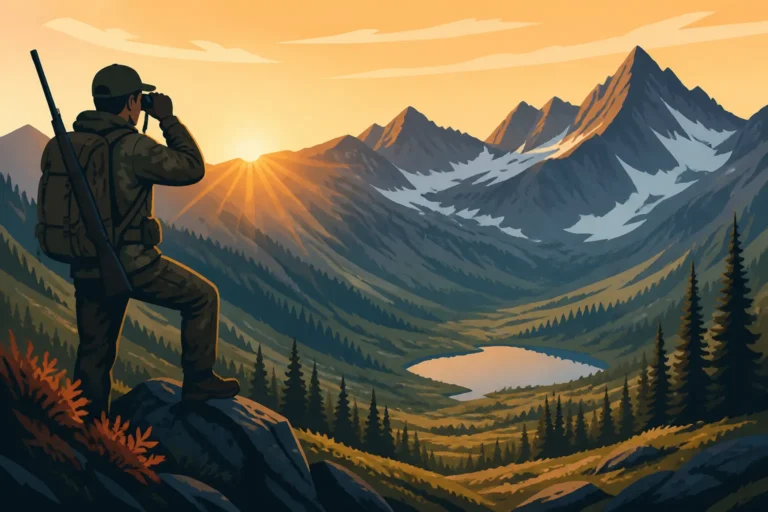
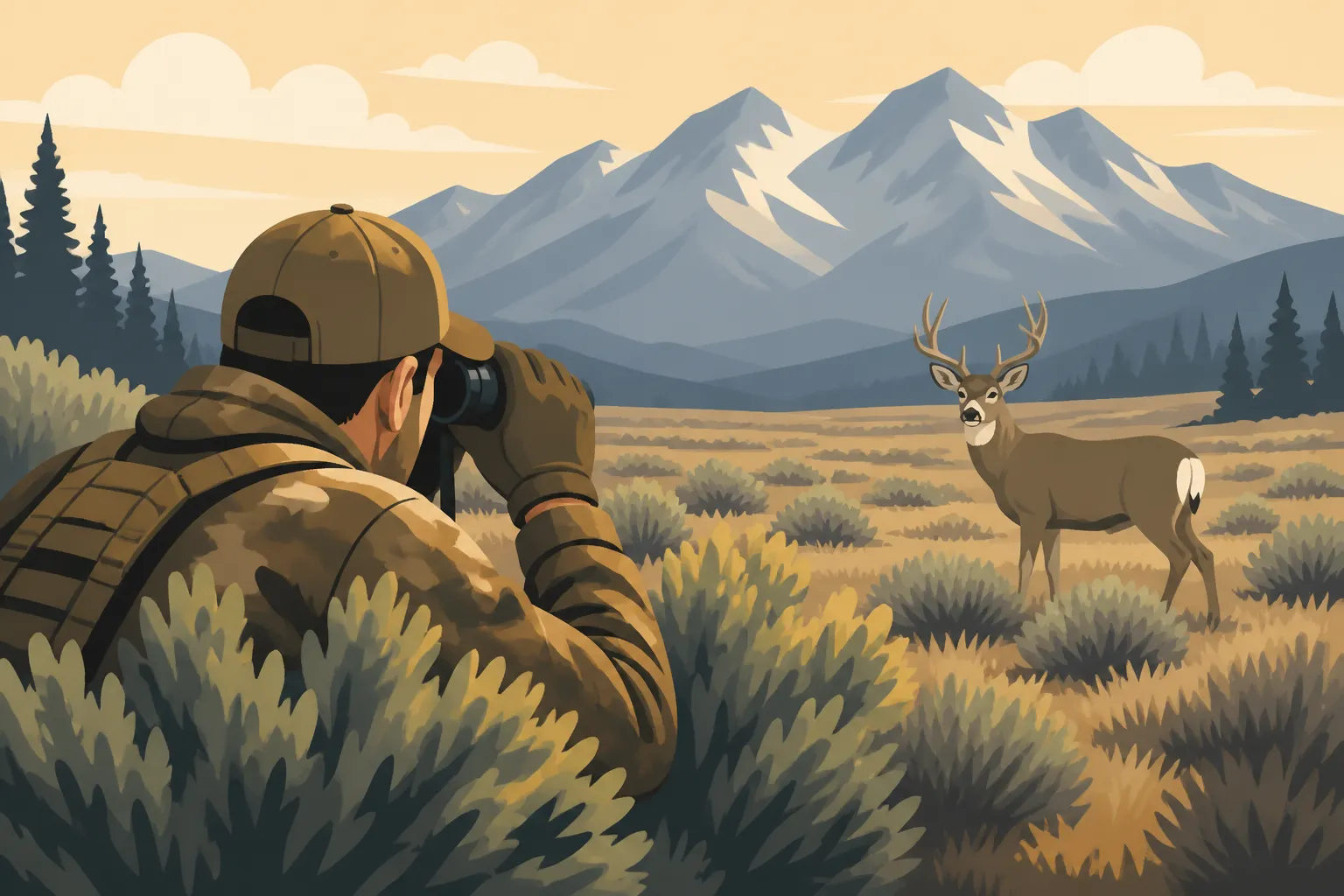
If there's one skill that will elevate your success in sagebrush flats, it's glassing. Forget just glancing around; we're talking about systematic, disciplined glassing. You need a good pair of binoculars, ideally 10x or 12x, and absolutely, unequivocally, a sturdy tripod. Trying to hold those binos steady freehand for extended periods will lead to fatigue and missed details. The mirage can be brutal in these open, sun-baked areas, making it incredibly difficult to discern a deer from a rock or a distant sagebrush clump. The trick is to find a vantage point, set up your tripod, and methodically grid out the landscape, leaving no stone unturned. Start close and work your way out, slowly scanning every patch of brush, every shadow, every subtle rise and fall in the terrain. Don't just look for an entire deer; look for parts of a deer: an antler tip, the curve of a back, the horizontal line of a deer’s belly against the vertical lines of sagebrush, or a darker patch that seems just a little too uniform.
This process requires immense patience. It’s not uncommon to spend an hour or more glassing a single basin, only for a buck to stand up from a bed you'd scanned five times already. The light also plays a huge role; early morning and late evening light can create shadows that hide deer, but also highlight them when they're moving. Midday sun, while harsh, can sometimes reveal deer bedded in the sparse shade they seek. If you're struggling to locate animals, a great resource like Glassing an Interior Hillside for Mule Deer can offer more specialized techniques. Remember, the sagebrush itself offers great camouflage, so look for anything that seems out of place.
Stalking in Open Terrain
Once you’ve spotted a mule deer, the real challenge begins: the stalk. Unlike hunting in dense timber where you can use trees and brush for cover, sagebrush flats offer minimal concealment. This is where your understanding of the terrain, wind, and the deer’s awareness comes into play. You’ll need to utilize every single dip, rise, and patch of taller brush as if it were a fortress. Moving slowly, deliberately, and often on your hands and knees or even belly-crawling, becomes the norm. Think about the shortest path between you and the deer that offers the most cover. Use online mapping tools like GoHunt to scout potential stalk routes well in advance, identifying hidden draws or low points you can exploit.
When planning your approach, always consider the wind, the sun, and the deer’s line of sight. A deer’s eyes are incredible, and they’ll pick up unnatural movements or shapes instantly. Move when their head is down, or when they are looking away. Sometimes, a successful stalk might mean a lengthy detour, circling wide to get a better angle or to stay out of sight. Remember that even a slight rise can completely conceal you from a deer if you stay low enough. It's often said that stalking a bedded buck in open country is one of the hardest hunting challenges, but for some excellent strategies, our article on Stalking a Bedded Buck in Open Timber offers transferable tactics.
Wind and Scent Management
In open sagebrush country, wind is not just a factor; it's the factor. Mule deer have an incredible sense of smell, and in an environment where visual cover is limited, they rely heavily on their nose to detect danger. Hunting a sagebrush flat without meticulously managing your scent is almost a guaranteed bust. Always approach your target with the wind in your favor, or at least crosswind. This means constantly checking the wind direction with a wind checker (a small bottle of powder or thread is essential) and being prepared to adjust your route or even abandon a stalk if the wind shifts unfavorably.
Beyond just playing the wind, minimizing your scent signature is crucial. Wear clean hunting clothes, store them in scent-proof bags, and avoid strong-smelling detergents, deodorants, or fuels. While no amount of scent control can completely fool a deer with a direct crosswind, every little bit helps in these open, airy environments where your scent can carry for long distances. A sudden change in wind direction can carry your scent right to a buck you thought was out of range, ruining an hours-long stalk in an instant. This is a common frustration, but it’s a non-negotiable part of hunting mule deer in the open.
Essential Gear and Preparation for Sagebrush Flat Hunts
Success in sagebrush flats isn't just about strategy; it's also heavily dependent on having the right gear and being properly prepared for the unique conditions these areas present. The dry, often exposed environment demands specific considerations for optics, clothing, and personal comfort.
Optics and Tripods: Your Eyes in the Field
We’ve already touched on the importance of optics, but let's dive a little deeper. High-quality binoculars (10x or 12x) are non-negotiable. Look for brands known for their crisp, clear glass and excellent light transmission, such as Zeiss, Swarovski, or Vortex. These will help you pick out subtle details even in challenging light or across long distances. However, a spotting scope is also a huge asset, especially when you need to confirm if that distant brown blob is indeed a mule deer or just a rock, or to verify antler size. A 60-80mm objective lens will give you excellent clarity and light gathering capabilities.
The tripod is equally critical. It stabilizes your optics, dramatically reducing eye strain and allowing you to pick apart the terrain with far greater precision. A sturdy, lightweight carbon fiber tripod is ideal, paired with a fluid head for smooth panning. Consider getting a tripod that can extend tall enough for standing glassing but also collapse low enough for comfortable sitting or even prone use.
| Optic Type | Recommended Magnification | Key Benefit | Consideration |
|---|---|---|---|
| Binoculars | 10x-12x | Wide field of view, initial scanning | Best paired with a tripod |
| Spotting Scope | 20x-60x (or higher) | Detailed observation, antler judging | Essential for long-range identification |
| Tripod | N/A | Stability, reduces eye strain | Carbon fiber for weight, fluid head for smooth movement |
Footwear and Clothing for Dry, Open Terrain
Footwear is vital. You’ll be doing a lot of walking, often across uneven, rocky, or dusty ground, sometimes with considerable elevation changes, even on what looks like a flat plain. Comfortable, broken-in hiking boots with good ankle support are essential. Ensure they are breathable, as these environments can get hot, but also offer decent water resistance in case of unexpected rain or morning dew.
Your clothing system should focus on layering, breathability, and sun protection. Lightweight, moisture-wicking base layers are a must. Over that, wear durable, quiet outer layers in camouflage patterns that blend with the sagebrush and dry grasses – tans, greens, and browns. Given the open nature of the flats, good camouflage isn't just about hiding from a distance; it's about breaking up your outline on a stalk. A wide-brimmed hat or cap is crucial for sun protection, and lightweight gloves can protect your hands from both sun and prickly brush. Remember, even if the mornings are cool, the midday sun can be intense.
Hydration and Sun Protection
The dry air and often intense sun in sagebrush country can lead to rapid dehydration and severe sunburn if you're not prepared. Always carry more water than you think you'll need. Hydration bladders in your pack are excellent for hands-free sipping throughout the day. Electrolyte supplements can also be beneficial, especially on long, hot days.
Beyond water, sun protection is critical. High-SPF sunscreen applied liberally to all exposed skin is a must. Don't forget your lips and ears. Sunglasses are also important to protect your eyes from glare and UV rays, which can be intense, especially when glassing for hours. Light-colored, long-sleeved shirts can help reflect sunlight and protect your arms, while neck gaiters or buffs can protect your neck and face. Being out in the open for hours at a time means constant exposure, and ignoring these precautions can quickly lead to discomfort or even heatstroke, effectively ending your hunt.
Reading the Sagebrush Landscape for Success
Mule deer leave clues, and in the sagebrush flats, learning to decipher these subtle hints is what separates successful hunters from those who just cover ground aimlessly. It’s about more than just spotting a deer; it’s about understanding their habits, their preferred foods, and how they interact with the terrain. To effectively hunt these areas, consider exploring resources like Hunting a Sagebrush Bench in the Okanagan for specific regional insights.
Identifying Key Browse and Bedding Areas
While sagebrush dominates the landscape, mule deer feed on a variety of plants. Understanding What Mule Deer Eat in the Dry Interior is crucial. Look for areas with a mix of different browse species, such as bitterbrush, serviceberry, aspen, or even specific grasses, as these areas will hold deer more consistently. Deer will often browse on these preferred plants during cooler parts of the day and then move to bedding areas.
Bedding areas in sagebrush flats are typically subtle. They’ll often be on slight rises that offer a commanding view of the surrounding terrain, allowing deer to see danger approaching. Alternatively, they might be tucked into a small depression, behind a cluster of larger sagebrush, or nestled against a rock outcropping to break the wind and offer some shade. When glassing, look for these subtle breaks in the uniform sagebrush. A small patch of slightly taller brush or a slight dip in the terrain could be holding a bedded buck. Understanding these nuances can save you miles of walking and put you in a position to spot deer more effectively.
Interpreting Tracks and Sign
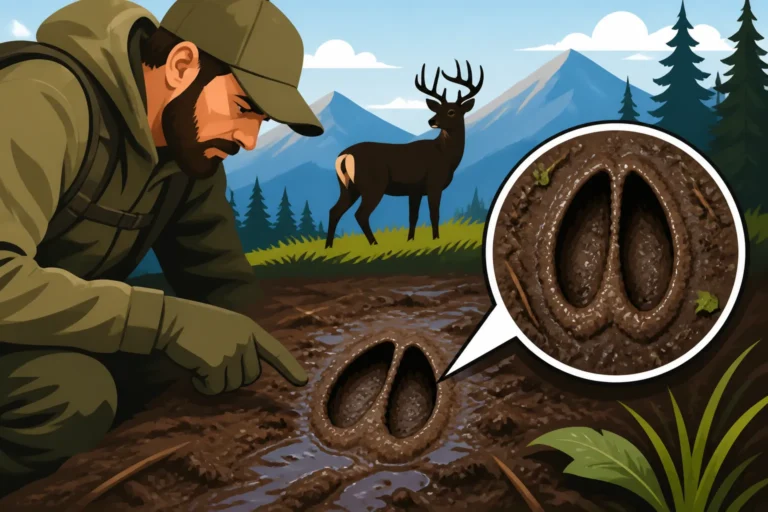
In the often dusty or sandy soil of sagebrush flats, fresh tracks and droppings can be excellent indicators of recent mule deer activity. Look for tracks along game trails, near water sources, or traversing subtle saddles and draws. Fresh tracks will have crisp edges, while older tracks will be softened by wind and dust. The size and depth of the tracks can give you an idea of the deer’s size and weight. Droppings, or scat, can also tell you how recently deer have been in an area; fresh scat is moist and dark, while older scat is dry and faded.
Beyond tracks and scat, keep an eye out for rub lines on smaller trees or larger sagebrush bushes, indicating where a buck has rubbed his antlers. Browse lines on bushes and trees show what deer have been eating and how recently. If you find a patch of desirable browse that looks heavily utilized, it's a good bet deer are frequently in that area. Even if you don't immediately see deer, finding fresh sign confirms that you are in an active area and that patience will likely pay off. For instance, knowing what to look for in areas like Hunting a Grassland Draw in the Okanagan will directly apply here.
Utilizing Topography for Cover and Advantage
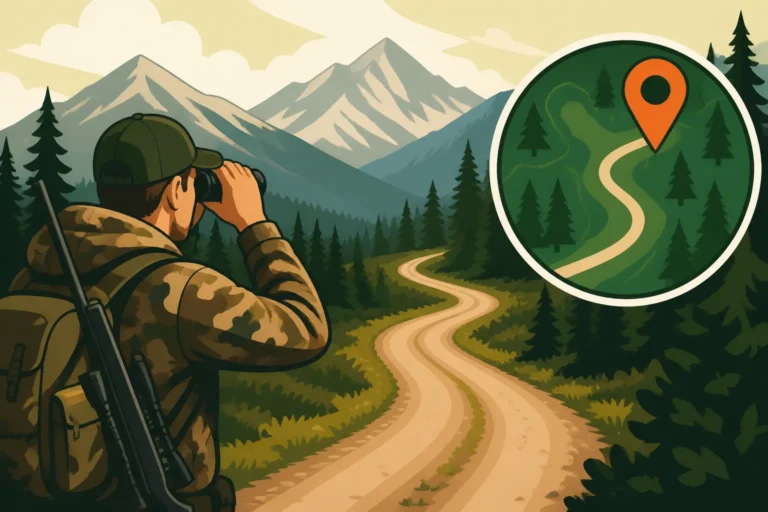
The beauty of sagebrush flats, despite their apparent openness, lies in their subtle topography. Hunters often make the mistake of assuming these areas are entirely flat, but they are rarely truly level. There are countless shallow draws, subtle ridges, washouts, and benches that can be used for cover during a stalk or to gain a vantage point for glassing. When planning your hunt, whether on foot or through e-scouting with tools like GoHunt, pay close attention to contour lines on a map. What looks like a minor dip could be enough to conceal your movement.
Using these natural features effectively is critical. When glassing, always try to position yourself on a high point that allows you to see into the folds of the terrain. During a stalk, plan your route to stay below the skylines, utilizing the natural contours to remain hidden. Imagine yourself as a predator, flowing with the land, always seeking the path of least resistance to your target while remaining out of sight. Remember that deer are experts at using this same topography to their advantage, often bedding on a rise that allows them to watch their back trail. Being able to read these features on a detailed map, whether a paper one or a digital one from a service like GoHunt, is a skill that takes time to develop but is invaluable. If you're new to reading these maps, our guide on Reading a British Columbia MU Map can give you a head start, and integrating that knowledge with tools like Using onX for British Columbia Crown Land can provide a powerful combination for effective scouting.
Disclaimer
Hunting is a challenging and rewarding pursuit, but it always carries inherent risks. The information provided in this guide is for informational purposes only and should not be considered a substitute for personal research, professional training, or adherence to all local regulations. Always prioritize safety, respect wildlife, and ensure you are familiar with British Columbia's hunting regulations and ethical practices before heading into the field. Conditions can change rapidly, and personal judgment is always paramount.