Hunting British Columbia’s Interior Sharptails
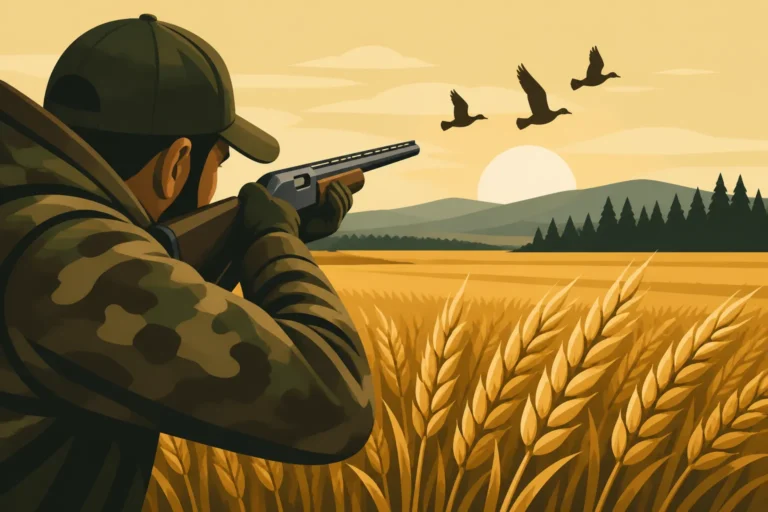
Hunting British Columbia's elusive sharptail grouse can feel like searching for a needle in a vast, golden haystack. These incredible birds offer a unique upland challenge, often found in vast, open landscapes that can seem daunting to newcomers. This comprehensive guide will equip you with the knowledge, strategies, and essential considerations for successfully hunting sharptails in British Columbia's interior, helping you unlock the secrets to pursuing these magnificent birds.
The Elusive Sharptail Grouse: Understanding Their World
Sharp-tailed grouse, often colloquially called "sharptails" or "prairie chickens" in some regions, are magnificent upland birds that truly represent the spirit of British Columbia's interior grasslands and open forest edges. Unlike their more reclusive forest-dwelling cousins, sharptails thrive in wide-open spaces, making them a unique challenge and a rewarding pursuit for any bird hunter. Understanding their biology and preferred habitats is the first step toward a successful hunt.
Identifying British Columbia's Sharptail Species
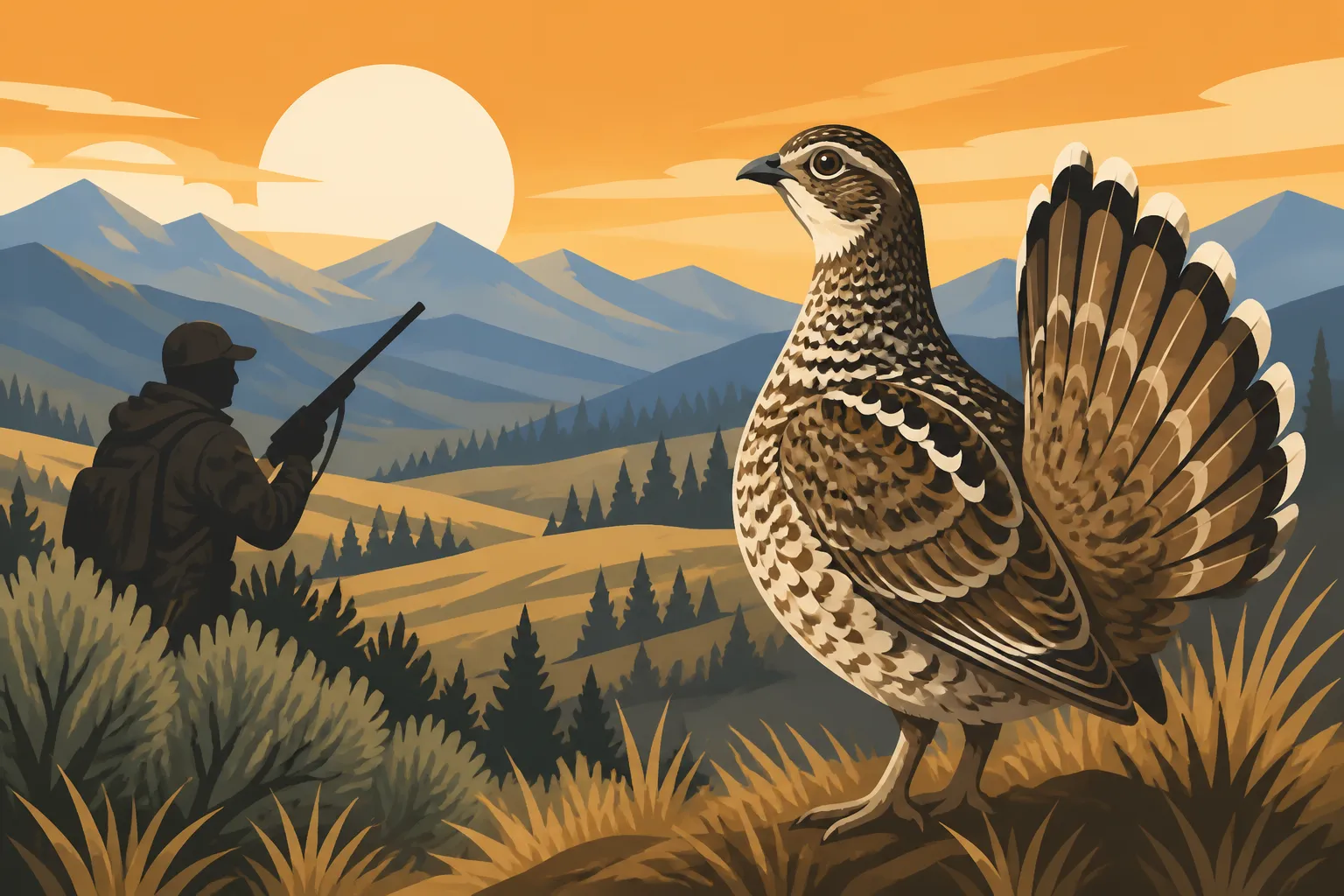
British Columbia is primarily home to the Plains Sharp-tailed Grouse (Tympanuchus phasianellus jamesi), although the species itself has several recognized subspecies across North America. These birds are distinct from other grouse species found in the province, such as ruffed grouse or spruce grouse, by their size, plumage, and behaviour. Sharptails are generally larger than ruffed grouse, boasting a robust body with distinct V-shaped markings on their breast and flanks, and a prominent, pointed tail—hence their name. They also have feathered legs and feet, a common adaptation for navigating snowy or cold environments.
Their plumage is a beautiful blend of browns, whites, and buffs, providing excellent camouflage in the dry, grassy environments they call home. When flushed, they often burst into the air with rapid wingbeats, emitting a distinctive cackle before gliding off on stiff wings, making them a thrilling target. Knowing how to identify them quickly in flight or while they’re holding tight is crucial, especially when you consider that British Columbia's Grouse Species includes several distinct types, each with its own habitat preferences and hunting nuances.
Preferred Habitat and Food Sources
Sharptails are creatures of the open grassland and savannah-like environments, preferring areas with a mosaic of native grasses, low-lying shrubs, and scattered aspen or coniferous bluffs. In British Columbia's interior, this often translates to vast, dry grasslands, sagebrush flats, old clearings, and the edges of agricultural fields, particularly those adjacent to denser cover. They rely on these varied landscapes for nesting, foraging, and predator evasion. You won't typically find them deep in dense timber like a blue grouse, but rather where the sun beats down on open expanses.
Their diet is highly seasonal, influencing where they can be found throughout the year. In spring and summer, they feast on green shoots, leaves, and insects, especially grasshoppers and crickets, which are abundant in their grassland habitat. As fall approaches and hunting seasons open, their diet shifts dramatically to berries, rose hips, various seeds, and grains if they are near cultivated fields. This change in diet means that a patch of land that held birds in September might be barren by late October, requiring hunters to constantly scout and adapt their approach. Knowing what they're eating is often the key to finding them.
Pinpointing Prime Sharptail Country in British Columbia
Finding sharptails in British Columbia's interior isn't about aimlessly wandering through the woods; it's about targeting specific ecosystems and understanding how these birds use the landscape. The sheer vastness of the interior can be intimidating, but with a focused approach, you can narrow down your search to highly productive areas.
Key Regions and Management Units
The most consistent sharptail populations in British Columbia are generally found within the expansive grasslands and open range country of the Southern Interior, particularly in regions like the Thompson-Okanagan, Cariboo, and parts of the Kootenays. Areas around Kamloops, Merritt, Williams Lake, and parts of the Okanagan Valley can offer excellent opportunities. These regions boast the critical mix of native bunchgrass, sagebrush, and scattered aspen groves that sharptails require.
When you're diving into specific management units (MUs) or regions, it's wise to consult the official British Columbia hunting regulations for details on open seasons, bag limits, and any specific restrictions that might apply. For instance, some MUs might have later opening dates or different daily limits compared to others. Tools like GoHunt can be invaluable for overlaying current regulations with topographical maps, helping you pinpoint Crown land where sharptails are known to exist and visualize their potential range, particularly useful when planning a trip to a new area or trying to understand British Columbia's Management Units and Regions.
Scouting for Sharptail Hotspots
Effective scouting is absolutely paramount for sharptail hunting. These birds are not evenly distributed; they concentrate in specific pockets of habitat. Begin your scouting by identifying large expanses of grassland, particularly those with good cover, such as sagebrush, rose bushes, or clumps of willow. Look for areas with a mix of short and taller grasses, often near natural water sources or gentle slopes.
Physical scouting should involve looking for specific signs of sharptail presence. Droppings, which are often small and dark, can indicate where birds have been feeding or roosting. Feathers, particularly near dusting bowls or under roosting trees, are also a good sign. Perhaps the most tell-tale sign, however, is the presence of "leks" or dancing grounds. While these are primarily used during the spring breeding season, knowing their location can indicate traditional sharptail strongholds that might still hold birds in the fall. During the hunting season, pay close attention to the edges of cultivated fields if they butt up against good native cover, as these can be magnets for feeding birds, much like you might approach Hunting an Interior Grassland Bench for other game.
Strategies for a Successful Sharptail Hunt
Once you've identified potential sharptail country, the next challenge is actually finding and flushing these birds. Their tendency to hold tight or flush wildly can make them a formidable quarry, but with the right techniques, you can increase your chances of success.
Walking Up Birds and Spot-and-Stalk
For hunters without dogs, walking up birds is the primary method, and it requires patience and a systematic approach. Sharptails often hold incredibly tight, especially in dense grass or sagebrush, only flushing when you're almost on top of them. This means moving slowly and deliberately, pausing frequently to scan the ground ahead. Think of it less like a brisk hike and more like a focused, grid-pattern search. Pay extra attention to brushy draws, the sunny sides of hills, and any subtle changes in topography that might offer birds shelter from wind or predators.
Another effective strategy, especially in very open country, is a form of spot-and-stalk. Using binoculars or a spotting scope, you might be able to spot birds from a distance as they feed or dust. Sharptails can be surprisingly visible against the background, especially in early morning or late evening light. Once spotted, a careful stalk can put you in a position for a flush. However, these birds are very wary, so using terrain features to break up your silhouette and moving slowly is critical, similar to how one might approach Hunting a Sagebrush Flat for Mule Deer. The goal is to get within shotgun range before they decide to run or fly.
The Advantage of a Good Bird Dog
Undoubtedly, a well-trained bird dog is a game-changer for sharptail hunting. Breeds like German Shorthaired Pointers, English Setters, Brittanys, and even Labrador Retrievers (if trained for upland work) can cover significantly more ground than a human, scenting out birds that you would otherwise walk right past. Their ability to point or flush birds on command allows the hunter to position themselves for a shot, greatly increasing success rates. When considering Using a Bird Dog in British Columbia Timber for other grouse, remember that sharptails need a dog with good range that can handle open country and potentially long retrieves.
A dog also helps immensely with locating downed birds in thick cover, preventing lost game—a critical ethical consideration. Hunting with a dog transforms the experience, turning it into a partnership where the dog does the hard work of finding, and you do the work of shooting and praising. It's truly a joy to watch a dog work a field for sharptails, meticulously covering ground until that electrifying moment of a solid point.
Ideal Timing and Weather Conditions
Sharptails are most active during the cooler parts of the day: early mornings and late afternoons. This is when they are typically out feeding or dusting. Mid-day can be tough, as birds will often move to denser cover to escape the heat or rest. Overcast days, especially those with a light drizzle or fog, can sometimes lead to better hunting, as birds may hold tighter and be less prone to running.
Wind, however, is a double-edged sword. A light breeze can help a bird dog pick up scent more easily. Too much wind, and birds can become jumpy, flushing prematurely, and shots become much more challenging. Furthermore, strong winds can make it harder for the hunter to hear a flush. Always keep an eye on the weather forecast when planning your British Columbia Game Bird Seasons hunts, as conditions can change rapidly in the interior.
Gear, Regulations, and Ethical Considerations
A successful and ethical sharptail hunt goes beyond just finding birds; it requires proper gear, a thorough understanding of regulations, and a commitment to responsible hunting practices.
Essential Gear for Sharptail Hunting
Your gear choices can significantly impact your comfort and effectiveness in the field.
- Shotgun: A 12-gauge or 20-gauge shotgun is ideal, typically with an improved cylinder or modified choke. This allows for a good spread on flushing birds while retaining enough pattern density for those slightly longer shots. Over-and-unders or semi-automatics are popular choices.
- Ammunition: For sharptails, lead shot is generally permissible for upland birds in British Columbia, but always double-check the regulations, especially if you might encounter waterfowl or are hunting near water, where Non-Toxic Shot Rules in British Columbia may apply. #5 or #6 shot are excellent choices, providing a good balance of pellet count and energy.
- Clothing: Layered clothing is key. British Columbia's interior can have cool mornings, warm afternoons, and sudden changes in weather. Durable, brush-resistant pants are a must, as you'll be walking through thorny bushes and tall grass. A good pair of comfortable, supportive hiking boots is also essential. Blaze orange is often a good safety choice, and in some areas, mandatory. Always confirm British Columbia Blaze Orange and Safety Rules.
- Navigation: A reliable GPS device or a mapping app like the one offered by GoHunt on your smartphone is indispensable for navigating vast open country and keeping track of your location, especially on public land. Carrying a compass and map as a backup is always a smart move.
- Water and Snacks: Staying hydrated and fueled is crucial, especially when covering many miles on foot.
- First-Aid Kit: A small, personal first-aid kit for minor cuts, blisters, and other common field injuries.
| Item | Description | Key Considerations |
|---|---|---|
| Shotgun | 12 or 20-gauge, pump, semi-auto, or O/U | Choke (IC/Mod), fit, reliability |
| Ammunition | #5 or #6 lead shot (check regulations for non-toxic requirements) | Adequate quantity, reliable patterning |
| Clothing | Layers, brush-resistant pants, durable shirt, blaze orange hat/vest | Comfort, durability, visibility, weather adaptability |
| Footwear | Sturdy, waterproof hiking boots | Ankle support, traction, comfort for long walks |
| Navigation | GPS device or smartphone app (e.g., GoHunt), map, compass | Battery life, redundancy, understanding terrain |
| Water & Snacks | Ample supply for a full day in the field | Easy access, energy-boosting |
| First-Aid Kit | Basic supplies for cuts, blisters, emergencies | Easily accessible, knowledge of contents |
| Game Vest/Pouch | For carrying harvested birds, extra shells, water | Comfortable fit, sufficient capacity |
| Bird Dog (Optional) | Pointer or flusher trained for upland birds | Training, health, electronic collar (for safety/control) |
Regulations and Bag Limits
Before heading out, meticulously review the current British Columbia Hunting and Trapping Synopsis. This document is your bible for all regulations, including season dates, bag limits, and specific management unit rules for British Columbia Game Bird Seasons. Sharptail seasons typically run in the fall, often overlapping with other grouse species, but specific dates and daily possession limits can vary by region.
For instance, a daily bag limit might be 5 sharptails, with a possession limit of 10. However, these numbers are subject to change, so always check the most recent synopsis. Adhering to these rules is not just about avoiding fines; it's about responsible wildlife management and ensuring healthy populations for future generations of hunters. Remember, British Columbia Shooting Hours also apply to game birds, so be aware of legal hunting times.
Ethical Hunting and Conservation
Ethical hunting for sharptails involves several key principles. First, always know your target and be certain of what you are shooting at. Misidentification can lead to inadvertently taking protected species or non-game birds. Second, only shoot birds within safe and effective range. Wounding birds is something every ethical hunter strives to avoid, and responsible shot placement is critical.
Conservation efforts are also paramount. Sharptail populations in parts of British Columbia have faced challenges due to habitat loss and degradation, primarily from agricultural expansion and development. Hunters have a vital role to play in conservation by supporting organizations like the British Columbia Wildlife Federation and the local Rod and Gun Clubs, which advocate for habitat preservation and sustainable hunting practices. Reporting poaching or any suspicious activities to the Report All Poachers and Polluters (RAPP) line helps protect these valuable resources. By being a responsible and informed hunter, you contribute to the longevity of sharptail hunting in British Columbia.
Disclaimer
Please remember that hunting regulations in British Columbia can change frequently. Always consult the most current British Columbia Hunting and Trapping Synopsis before planning and undertaking any hunting activity. This guide is for informational purposes only and does not supersede official government regulations. It is the hunter's responsibility to be aware of and comply with all applicable laws and regulations.