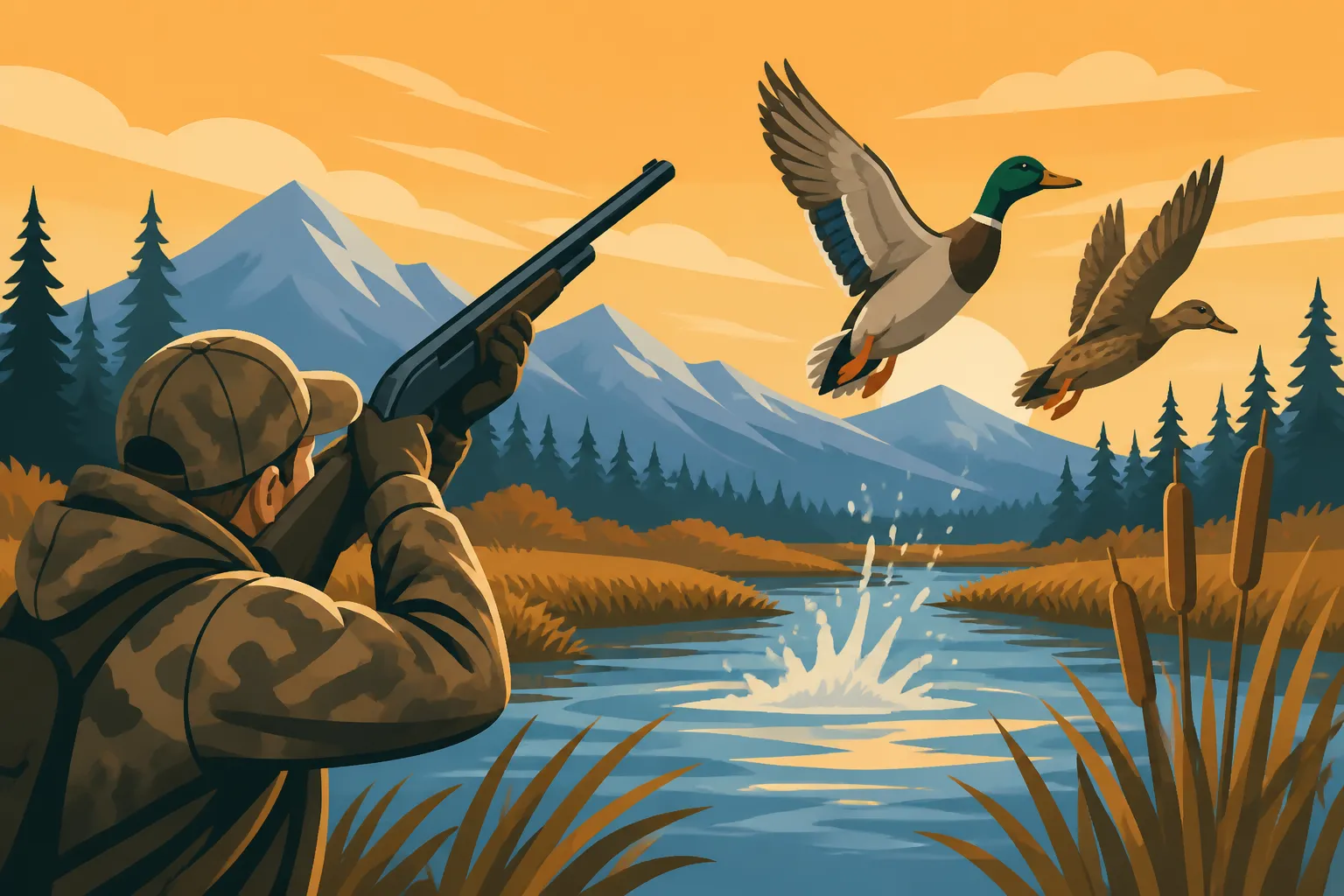
Jump-Shooting a Slough in the Interior
The crisp, autumn air in British Columbia's interior often brings with it a specific kind of frustration for waterfowlers: the ducks are here, but they're not always keen on flying into your carefully laid decoy spread. Many hunters find themselves staring at quiet skies, wondering how to get at those wary birds. This guide is all about tackling that exact challenge by mastering the technique of jump-shooting sloughs, a highly effective and incredibly exciting way to fill your limit when decoying isn't cutting it.
Understanding Interior Sloughs and Their Appeal
British Columbia's interior, especially regions like the Cariboo, the Peace, and even parts of the Okanagan, is dotted with countless sloughs. These aren't your grand, sprawling lakes or roaring rivers, but rather smaller, often shallow, stagnant or slow-moving bodies of water. Think of them as nature's hidden gems for waterfowl, offering sanctuary and sustenance away from more pressured areas. Hunters who focus solely on larger water bodies or traditional field hunts often overlook these quieter, more intimate spots, missing out on prime opportunities.
What Makes a Slough Prime Duck Habitat?
A good slough for jump-shooting is more than just a puddle; it's a vibrant micro-ecosystem. The best ones typically feature a combination of shallow water, often no more than a few feet deep, surrounded by dense reeds, cattails, sedges, and sometimes even stands of willows or aspens. This diverse vegetation provides crucial cover for ducks to feel secure from predators, both aerial and terrestrial. It's a place where they can loaf, preen, and most importantly, feed on the abundant aquatic invertebrates, seeds, and submerged vegetation that thrive in these rich environments.
These sloughs are particularly attractive to dabbling ducks like mallards, pintails, and widgeon, which prefer to feed in shallow water by tipping up or skimming the surface. You'll also often find teal species here, especially early in the season, zipping around with incredible agility. The presence of mudflats or exposed banks can also indicate good feeding grounds. A slough connected to a larger drainage system, even if only seasonally, can act as a crucial waypoint for migrating birds, offering a quick rest stop and a meal. Recognizing these key habitat features is the first step in successful jump-shooting, as it allows you to quickly assess a potential spot for its duck-holding potential without wasting precious time. It's about looking for those signs of life – disturbed mud, droppings, and the subtle sounds of feeding.
Seasonal Changes and Duck Movements
The interior's sloughs are dynamic environments, constantly changing with the seasons, and so too are the waterfowl movements they host. Early in the fall, after British Columbia Duck Season Dates have opened, you'll often find local birds that have hatched and grown up in the area. These birds might be a bit more complacent, often holding tight in the cover. As the season progresses and colder weather settles in, bringing with it the first hard frosts, migratory birds begin to push south from the far north, augmenting the local populations. This is when sloughs can really light up, as new birds seek out undisturbed feeding and resting areas.
Water levels also play a significant role. A slough that was teeming with ducks in September might be partially frozen by late October or completely dry by late summer, rendering it useless. Conversely, heavy rains can rejuvenate dry sloughs, making them suddenly attractive. Understanding these cycles is key. For instance, a small, isolated slough might freeze over quickly, pushing birds to larger, more open water, or to sloughs fed by springs that stay open longer. Always keep an eye on local weather patterns and water levels. A tool like GoHunt's mapping system can sometimes give you a better idea of terrain and potential water bodies, though recent ground intel is always best. During the migration, ducks will often use these sloughs as temporary refuges during the day, flying out to larger fields to feed in the evenings and mornings. This diurnal pattern can sometimes offer a morning opportunity before they head to the fields, or an afternoon chance as they return.
Essential Gear and Preparations for Jump-Shooting
Jump-shooting a slough isn't about setting up a grand camp or hauling in a dozen full-body decoys. It's a much more minimalistic and mobile approach, but that doesn't mean you can skimp on essential gear. The right equipment ensures your safety, comfort, and, ultimately, your success. Remember, you're often moving through thick cover and potentially uneven terrain, so mobility is paramount.
Shotguns, Ammunition, and Non-Toxic Shot Requirements
For jump-shooting ducks, a reliable shotgun is your primary tool. Most hunters opt for a 12-gauge shotgun, either a pump-action or a semi-automatic, due to its versatility and stopping power. A 20-gauge can also be effective, particularly for younger hunters or those sensitive to recoil, but it might reduce your effective range slightly. Barrel length is less critical than in a blind, but something in the 26-28 inch range is a good compromise for swinging on flushing birds and maneuvering through brush. You'll want to use a modified or improved cylinder choke, as shots will likely be at closer ranges on fast-moving birds.
When it comes to ammunition, British Columbia, like all of Canada, has strict Non-Toxic Shot Rules in British Columbia for migratory bird hunting. This means lead shot is absolutely forbidden when hunting ducks and geese. You'll need to use steel, bismuth, or tungsten-based shot. For jump-shooting ducks, steel shot in sizes #2, #3, or #4 is generally very effective. Bismuth and tungsten alloys offer better performance, mimicking lead more closely, but come at a higher cost. Make sure you have a sufficient supply of shells, as flushed birds can sometimes offer multiple shooting opportunities, and you don't want to run out when the action heats up. Carry them in a vest or shell belt for easy access.
Clothing, Waders, and Other Field Essentials
Your clothing choices for jump-shooting are critical for both comfort and concealment. Ducks have excellent eyesight, so camouflage is key. Opt for patterns that match the local vegetation—reeds, cattails, or a general marsh pattern. Layers are essential, as you'll be exerting yourself walking, then possibly standing still, and weather can change quickly in the interior. A good waterproof and windproof outer layer is non-negotiable, especially on damp, cool mornings.
Waders are perhaps the single most important piece of gear for slough jump-shooting. Chest waders, preferably breathable ones, allow you to navigate shallow water, retrieve downed birds, and remain hidden in wetland vegetation. Ensure they fit well and are free of leaks. Neoprene waders offer more warmth but can be cumbersome for walking long distances. Your boots on the waders should offer good traction, as slough bottoms can be muddy and slippery.
Beyond the basics, consider these field essentials:
- Game Vest or Bag: For carrying your harvested birds and extra shells.
- Whistle or Calls: While less crucial than in a blind, a sharp whistle can stop a flushing bird for a quick shot.
- Small Backpack: For water, snacks, first-aid kit, and any other personal items.
- Knife: For cleaning birds if desired, or for utility.
- GPS/Map and Compass (or a reliable app like GoHunt): Many sloughs are in remote areas, and it's easy to get disoriented in dense cover. Knowing where you are and how to get back is paramount. This can be especially important in areas where cell service might be spotty, as Where British Columbia Cell Coverage Ends can be unpredictable.
- Binoculars: Lightweight binoculars can help you spot birds from a distance without alerting them.
- Headlamp: Crucial for early morning starts or late evening retrieves.
- First-Aid Kit: Always, always carry one.
The Art of the Jump-Shoot: Technique and Strategy
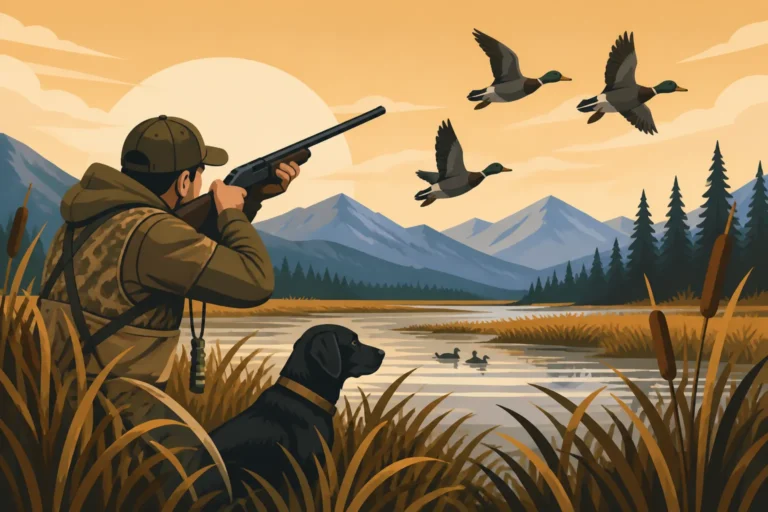
Jump-shooting is a thrilling, active form of waterfowl hunting that requires stealth, keen observation, and quick reflexes. It's less about brute force and more about understanding duck behaviour and using the landscape to your advantage. There's a certain cat-and-mouse element to it that makes every successful flush incredibly rewarding.
Approaching the Slough and Spotting Game
The approach is everything in jump-shooting. Ducks are naturally wary, and any sudden movement or noise will send them airborne long before you're in range. You need to approach slowly, quietly, and using available cover. This often means walking along the edge of the slough, or even through adjacent timber or brush, staying low and out of sight as much as possible. Wind direction is a critical factor: try to approach with the wind in your face (or at least quartering to you). This helps muffle your sound and carries your scent away from the birds, plus it often makes birds flush into the wind, slowing them down slightly for a better shot.
Before you even step into the immediate vicinity of the water, take a moment to observe. Use your binoculars to scan the water and the surrounding vegetation for any signs of ducks. Look for ripples on the water, subtle movements in the reeds, or the glint of a duck's head. Often, you'll hear them before you see them—soft quacks, feeding chatter, or splashes. If you're with a partner, spread out slightly to cover more ground, but always maintain visual contact and clear communication. Consider the sun's position too; approaching with the sun at your back will help illuminate the birds and keep you in shadow. Remember, these birds are not expecting you, so any unusual sight or sound will send them packing.
Executing the Shot and Retrieval
Once you've identified a likely area or spotted ducks, the next phase is about closing the distance for a shot. This requires careful, deliberate movement. If you're walking through shallow water or mud, lift your feet rather than dragging them to minimize splashing. As you get closer, keep your shotgun ready, held in a position that allows for a quick mount to your shoulder.
When ducks flush, they do so with explosive speed and often a cacophony of quacks and beating wings. This can be startling, and it's easy to rush your shot. The key is to pick a single bird, swing smoothly, and follow through. Don't spray and pray; focus on making a clean, ethical shot on one bird. Typically, you'll have one, maybe two, shots at flushing birds before they're out of range. Avoid shooting at birds directly over your head or birds that are flying directly away at a steep angle, as this can make for difficult retrieves and less effective shot patterns. Instead, wait for a bird to turn, presenting a more horizontal target.
Retrieval is just as important as the shot itself. Mark where the bird falls with your eyes, noting any landmarks. If it falls in dense cover, make a mental note of the trajectory. A well-trained dog is an invaluable asset for retrieving downed birds, especially in thick reeds or open water, reducing the chance of lost game. If you don't have a dog, you'll need to rely on your waders and careful searching. Once retrieved, quickly secure your bird in your game vest or bag. After the shot and retrieve, take a moment to assess the situation. Were there other birds? Did they fly to another part of the slough or disappear entirely? This information can inform your next move, whether it's continuing to stalk the same slough or moving on to the next.
Safety, Regulations, and Ethical Considerations
Hunting, especially in dynamic environments like British Columbia's sloughs, demands a high level of responsibility regarding safety, adherence to regulations, and ethical conduct. Ignorance of the rules is no excuse, and irresponsible behaviour puts yourself, others, and the sport at risk.
Staying Safe Around Water and Firearms
Waterfowl hunting often involves cold, wet conditions and the use of firearms in potentially unstable environments. Here are some critical safety considerations:
- Firearm Safety: Always treat every firearm as if it's loaded. Keep the muzzle pointed in a safe direction. Keep your finger off the trigger until you're ready to shoot. Be sure of your target and what's beyond it. In the context of jump-shooting, this means being acutely aware of your surroundings before taking a shot, especially if you're hunting with partners. Know where your partners are at all times.
- Wading Safety: Wading in sloughs can be treacherous. The bottom can be uneven, mucky, and deep in spots. Always test the depth with a stick or your foot before stepping into unknown territory. Be mindful of drop-offs. If hunting alone, tell someone your plan and expected return time. If you do go down in your waders, try to stay calm. The air trapped in your waders will likely keep you afloat for a moment, giving you time to regain your footing or crawl to shallower water.
- Cold Water Immersion: Falling into cold water can lead to hypothermia very quickly. Always dress in layers, and consider carrying a dry bag with spare clothes, a fire starter, and an emergency blanket. A personal flotation device (PFD) is always a good idea when dealing with water, especially if you're not a strong swimmer or are venturing into deeper areas. While Hunting From a Boat on the Coast might make a PFD obvious, it's just as important when wading deep in an interior slough.
- Bear Safety: British Columbia is bear country, even in areas that might seem well-trafficked. Always be bear aware, carry bear spray, and know how to use it. Make noise while moving through dense cover to avoid surprising a bear.
- Communication: If hunting with partners, establish clear communication signals. Whistles or hand signals can be effective in situations where verbal communication is difficult due to distance or noise.
Understanding British Columbia Waterfowl Regulations
Navigating the regulations for waterfowl hunting in British Columbia can seem daunting, but it's essential for legal and ethical hunting. Always consult the current British Columbia Game Bird Seasons and the federal Migratory Birds Regulations. These documents are updated regularly, and it's your responsibility to know the most current rules.
Key regulations to be aware of include:
- Licensing: You'll need a valid British Columbia hunting license, a federal Migratory Game Bird Permit, and a Wildlife Habitat Conservation Stamp.
- Season Dates and Bag Limits: These vary by species and region. Always confirm the specific dates and daily/possession limits for the ducks you intend to hunt in your specific Management Unit.
- Shooting Hours: There are specific British Columbia Shooting Hours for migratory birds, usually from half an hour before sunrise to half an hour after sunset.
- Non-Toxic Shot: As mentioned, non-toxic shot is mandatory for all migratory bird hunting.
- Retrieval: Hunters are required to make every reasonable effort to retrieve all migratory game birds killed or injured. This reinforces the importance of marking where birds fall and having effective retrieval methods.
- Evidence of Sex/Species: For certain species, or if regulations specify, you may need to leave an identifiable part of the bird on the carcass for transport. Always check the synopsis.
- Private Land Access: Many sloughs may be on private land. Always obtain permission from the landowner before accessing private property. Familiarize yourself with British Columbia Trespass and Private Land Law to avoid legal issues. Even if you're confident it's Crown land, confirm boundaries, possibly using resources like a GoHunt mapping subscription, to avoid accidental trespass. Many areas also fall under British Columbia Wildlife Management Area Rules, which can have their own specific regulations you need to follow.
Ethical hunting goes beyond simply following the rules. It means respecting the animals, the environment, and other users of the land. It means taking only what you need, making clean kills, and ensuring all downed game is recovered. Jump-shooting can be exhilarating, but always remember the privilege of hunting and uphold its integrity.
Disclaimer
Please remember that hunting regulations in British Columbia can change. Always consult the most current British Columbia Hunting and Trapping Synopsis, the federal Migratory Birds Regulations, and any local advisories before heading out. This guide is for informational purposes only and does not replace official regulatory documents.