British Columbia Hunting Lodges and Camps
The vast wilderness of British Columbia offers some of the most sought-after hunting experiences in North America, but figuring out where you'll stay and how to orchestrate a comfortable, efficient trip can be a real head-scratcher. Whether you envision a rustic backcountry adventure or a more pampered stay, understanding the various lodge and camp options is crucial. This comprehensive guide aims to illuminate the choices available, helping you plan your perfect British Columbia hunting basecamp.
The Wide World of British Columbia Hunting Accommodation
It can be overwhelming trying to figure out where you'll lay your head after a long day of hunting in British Columbia. The sheer scale of the province means options range from luxurious lodges to rustic spike camps, and knowing what's what before you commit is half the battle. This section will help demystify the choices available, giving you a clearer picture of the landscape.
More Than Just a Place to Sleep: The Lodge Experience
Many hunters dream of coming back to a warm, dry lodge after a day in the field, a hot meal waiting, and perhaps a roaring fire. These lodges often provide a full-service experience, aiming to make your hunt as comfortable and seamless as possible. You're not just renting a room; you're often buying into an entire package that includes guides, meals, and logistical support, which can be a huge relief when you're far from civilization.
This kind of setup is particularly appealing to those who might be travelling a long distance, or for hunters who simply want to focus all their energy on the hunt itself, rather than worrying about camp chores. Imagine not having to set up a tent, cook over a sputtering stove, or haul water. It changes the dynamic of the trip entirely, allowing for a more relaxed and focused approach to hunting. It's about maximizing your time in the field and minimizing the demands of camp life.
The lodge experience often serves as a central hub, from which daily hunts are launched. This might involve vehicle access to nearby areas, boat trips along a river or coast, or even short flights into remote regions. The convenience of returning to a permanent structure cannot be overstated, especially when the weather turns, which it often does in British Columbia's diverse climates. It's a proper base of operations, offering shelter, warmth, and proper facilities for a memorable trip.
Remote Camps and Outposts: Deeper into the Wild
While lodges offer comfort, many British Columbia outfitters also utilize more remote camps, sometimes referred to as spike camps or outposts. These are typically simpler, temporary, or semi-permanent structures designed to get hunters closer to the action in more rugged, difficult-to-access terrain. Think wall tents, small cabins, or even just strategically placed tent sites that provide essential shelter in the backcountry.
These camps are the workhorse of serious backcountry hunts for species like moose, sheep, or mountain goat. They cut down on travel time to and from prime hunting grounds, allowing hunters to be on location at first light and stay until last light without a long commute back to a main lodge. While they lack the amenities of a full lodge, their strategic placement makes them invaluable for maximizing hunting opportunity in expansive British Columbia's Northern Rockies.
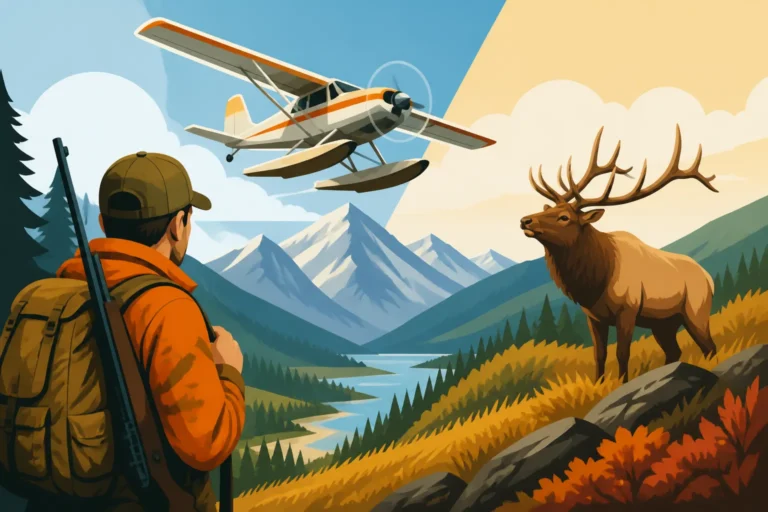
Access to these camps often involves more specialized transport – think horseback packing, jet boat access on British Columbia rivers, or even float planes. The experience is undeniably more rugged, but it's also incredibly immersive. You are truly "out there," often without cell service, relying on the skills of your guide and the resources packed into camp. It’s an adventure unto itself, perfect for those seeking a deeper wilderness experience, where the wild truly surrounds you.
Deciphering the Types of Hunting Accommodation
When you start looking into British Columbia hunting, you'll quickly realize there isn't just one type of "camp." The variety is immense, each suited to different hunting styles, terrains, and comfort levels. Let's break down the main categories you'll encounter, each offering a distinct experience in the vast and varied landscape of BC.
Full-Service Lodges: Comfort in the Wilderness
Full-service lodges are at the pinnacle of comfort for a hunting trip. These establishments typically offer heated accommodations, private or semi-private rooms, full kitchens providing delicious meals, and sometimes even amenities like hot showers, laundry service, and satellite internet access. You might find them nestled by a lake, perched overlooking a valley, or even deep within accessible wilderness areas, providing a luxurious base camp.
These lodges are often associated with reputable British Columbia guide outfitters who operate within specific territories. The package usually covers not just your accommodation and meals, but also the services of a professional guide, transportation within the hunting area, and often initial game processing. It’s a comprehensive experience designed to take care of every detail, letting you focus solely on the hunt. British Columbia Hunting Lodges and Camps are a great choice for hunters who prioritize comfort and convenience after a long day in the field.
For non-resident hunters, especially those coming from outside Canada, booking with a full-service lodge and guide is often a mandatory requirement for big game species like sheep, goats, or moose. These lodges have the infrastructure and experience to handle all the logistics, from pre-hunt planning to post-hunt trophy care and export. It's a significant investment, but for many, the peace of mind and quality of the experience are well worth it. You can explore options on platforms like BookYourHunt to see what's available and compare the different offerings.
Backcountry Camps: The True Wilderness Immersion
For the adventurous hunter, backcountry camps offer a raw and authentic wilderness experience. These camps are intentionally spartan, designed for functionality and minimal impact. They can range from a simple tent setup with basic cooking facilities to a more robust wall tent camp with a wood stove, cots, and perhaps a dedicated cook tent. The common thread is their remote location, often requiring significant effort to reach.
These are the camps you'll find when you're embarking on a true Backpack Hunting British Columbia's Sheep Country expedition or chasing moose deep in the interior. They are placed strategically to maximize hunting time in prime areas, minimizing daily travel. The focus is on the hunt, and the camp provides essential shelter and sustenance. You might be responsible for more of your own chores here, or your guide might handle everything depending on the outfitter and the specific package.
Access to backcountry camps is often an adventure in itself. It could involve hours of hiking, riding horses deep into the mountains, flying in via bush plane to a remote lake, or using jet boats to navigate otherwise impassable rivers. This immersive experience means you are truly living in the wild, waking up to the sounds of nature, and being mere steps from your hunting grounds. It demands a certain level of physical fitness and mental preparedness, but the rewards are often unparalleled for those seeking genuine solitude and challenge.
Fly-In Camps: Reaching the Untouched
Fly-in camps are a specialized type of backcountry camp, distinguished by their reliance on aircraft for access. These are often small, temporary camps established in truly remote areas that are inaccessible by road, boat, or even extended horseback travel. Picture a small cabin on a pristine lake, or a tent camp nestled in an alpine basin, reachable only by floatplane or helicopter, offering a gateway to truly wild places.
The appeal of a fly-in camp is simple: access to untouched wilderness and potentially unpressured game. This is where you go when you want to get away from it all and hunt truly wild animals in their natural habitat. Species like Stone's Sheep in Northern British Columbia or remote moose populations in the Omineca region are often targeted from these kinds of camps. The logistics are complex, involving bush pilots and strict weight restrictions, but the payoff can be extraordinary.
These camps typically offer basic shelter, cooking facilities, and perhaps some storage. The aircraft will drop off hunters, guides, and all necessary gear, then return at a pre-arranged time for pick-up. This means meticulous planning is essential, as there's no running back to town for forgotten items. The experience is about self-sufficiency and embracing the isolation, offering a rare opportunity to hunt in areas few others ever reach and create memories that last a lifetime.
Selecting the Ideal Hunting Lodge or Camp
Choosing the right accommodation for your British Columbia hunt is a critical decision that impacts your entire experience. It's not just about budget; it's about your hunting style, the species you're after, your comfort level, and what kind of adventure you're truly seeking. Thinking through these aspects before you commit will make all the difference.
Matching Accommodation to Your Hunting Goals
First and foremost, consider what you want to hunt. Are you dreaming of a Moose Hunting British Columbia's Interior adventure, calling a bull in the rut, where a comfortable base camp with road access might be perfectly suitable? Or perhaps you're aiming for Sheep and Goat Hunting in British Columbia, which often demands grueling climbs and a lightweight spike camp deep in the alpine. The species and terrain will largely dictate the type of camp that makes sense for your pursuit.
For instance, a general open season deer hunt in a more accessible management unit might be well-served by a rustic cabin or even a self-contained RV near forest service roads. However, a dedicated Elk Hunting in British Columbia trip in a remote Limited Entry Hunting zone could benefit immensely from a fly-in or horseback-accessed camp that minimizes travel time to the best areas. Be realistic about the physical demands and how the camp helps or hinders your ability to meet them.
Your personal hunting style also plays a huge role. If you're a seasoned backcountry hunter who loves minimalist camping, then a remote tent camp might be your ideal. If you prefer long days in the field followed by hot showers and chef-prepared meals, a full-service lodge is likely a better fit. Don't let romantic notions override practical considerations about what will make your hunt enjoyable and successful. Platforms like GoHunt can sometimes filter by camp type or amenities, helping narrow down options based on your preferences.
Location, Access, and Amenities: Key Considerations
The "where" and "how" of your camp are just as important as the "what." A lodge deep in British Columbia's Skeena Region Remote Units might offer unparalleled hunting, but the travel time and cost to get there will be substantial. Conversely, a camp in the Okanagan Access Near the Highways could be convenient but might experience higher hunting pressure. Evaluate the trade-offs between remote, prime hunting grounds and ease of access when making your decision.
Consider the amenities that genuinely matter to you. Is a hot shower non-negotiable? Do you need reliable electricity for charging electronics? What about cell service or satellite communication? While a full-service lodge will offer most modern comforts, remote camps will be much more basic. Discuss these specifics with your outfitter well in advance. Some camps might have generator power for a few hours a day, while others rely entirely on propane and headlamps.
Think about the logistical support. Does the camp provide transportation to hunting areas? Are there facilities for initial game processing, such as a meat pole or cooler? How will game meat be transported out of the field and back to the main base? These practical details, especially Meat Care in British Columbia's Warm Early Seasons or getting a heavy moose out of the bush, can significantly impact your experience and the success of your trip. Don't assume anything; ask detailed questions to ensure you're fully prepared.
| Accommodation Type | Key Features | Best For | Typical Access | Comfort Level |
|---|---|---|---|---|
| Full-Service Lodge | Heated rooms, chef meals, hot showers, guides, vehicle transport, amenities | Hunters seeking comfort, non-residents requiring guides, comprehensive packages | Road, boat, sometimes short flight | High |
| Backcountry Camp | Wall tents/cabins, basic cooking, guides, spike camps, close to hunting grounds | Rugged hunters, deep wilderness experience, specific species (sheep, goat, moose) | Horseback, jet boat, hiking, ATV | Moderate to Low |
| Fly-In Camp | Remote tent/cabin, basic amenities, guides, access to untouched areas | Extreme wilderness, unpressured game, remote species (Stone's sheep) | Floatplane, helicopter | Low to Moderate |
| DIY Base Camp | Your own tent/trailer, self-catering, self-guided | Experienced DIY hunters, budget-conscious, accessible General Open Seasons | Road (truck, ATV) | Varies (your gear) |
What to Expect: Services, Amenities, and Logistics
Once you've narrowed down the type of lodge or camp, understanding the intricacies of what's provided, what you're responsible for, and how the daily operations flow is crucial. Clear expectations prevent disappointment and ensure a smoother hunt, allowing you to focus on the experience itself.
The Day-to-Day in a Guided Camp
Life in a guided hunting camp, whether it's a plush lodge or a rustic tent, generally revolves around the rhythm of the hunt. Mornings start early, often before first light, with a hearty breakfast. Your guide will typically outline the day's plan, discussing target areas, potential game sightings, and necessary gear. Then it's off to the field, ready for the day's adventure.
Days are spent actively hunting – spotting, stalking, tracking, and waiting. Lunch might be packed and eaten in the field to maximize hunting time, or you might return to a closer camp for a quick break. The emphasis is always on being where the game is. Afternoons transition into evenings, often hunting until legal shooting light fades. This is where the type of camp really shows its value; a remote spike camp means minimal travel back, while a distant lodge requires more transit time.
Evenings are for winding down, sharing stories, and planning the next day. In a full-service lodge, this might involve a gourmet dinner, comfortable lounge time, and perhaps even a game of cards. In a backcountry camp, it's more likely a simple meal cooked over a stove, discussing plans by headlamp, and then crawling into your sleeping bag. Regardless, the atmosphere is usually one of camaraderie, shared passion, and anticipation for the next day's hunt.
Logistics and Support: Beyond the Hunt
The logistical support provided by lodges and camps is often one of their most valuable, yet sometimes overlooked, assets. This extends far beyond just getting you to the hunting grounds. It includes everything from safe water, power for charging devices, and proper food storage, to crucial elements like Emergency Planning in British Columbia's Backcountry.
Communication in remote areas is a big one. Many lodges and even some larger backcountry camps will have satellite phone or satellite internet access for emergencies. Guides will almost certainly carry satellite messengers or radios. Understanding the camp's communication plan is vital for your safety and peace of mind. Discuss this with your outfitter, particularly if you're venturing into truly remote regions with no cell service. Satellite Communication on a Remote Hunt is often a requirement for safety.
Game care is another critical service. Good outfitters will have established procedures for field dressing, quartering, cooling, and transporting your animal. This might involve packing it out on horseback, via ATV, or even by boat or plane. In camp, there should be appropriate facilities like meat poles or game bags to protect your harvest. Discuss how meat is handled, especially in warmer early seasons or when dealing with larger animals like moose, to ensure proper preservation. Getting Meat Out of Steep British Columbia Country can be a major undertaking, and good logistics are paramount.
Amenities: What to Expect at Different Levels
The amenities available will vary wildly between a luxury lodge and a minimalist spike camp. It’s important to have realistic expectations, so you know exactly what kind of comfort and convenience level you'll be experiencing.
Full-Service Lodges:
- Accommodation: Private or semi-private rooms, comfortable beds, linens, heating, and often private bathrooms.
- Food: Chef-prepared meals (often gourmet), packed lunches for the field, snacks, beverages. Dietary restrictions can usually be accommodated with advance notice, providing a worry-free culinary experience.
- Facilities: Hot showers, flush toilets (sometimes), common lounge areas, reliable power for charging, possibly laundry service, Wi-Fi or satellite internet, and a dedicated drying room for wet gear.
- Gear: Sometimes basic gear like optics or certain safety equipment might be available for use, but typically you bring your own specialized hunting gear.
Backcountry & Fly-In Camps:
- Accommodation: Wall tents, canvas tents, small rustic cabins, cots or sleeping pads. You'll bring your own sleeping bag and often a pillow.
- Food: Hearty, camp-cooked meals, often simpler but filling fare like stews, pasta, and dehydrated meals. Packed lunches are always standard. Water is typically filtered or boiled for safety.
- Facilities: Outhouse or designated latrine area, wood stove for heating (in wall tents), basic cooking setup. Power is usually limited to small generators for charging or solar panels for essential devices.
- Gear: Expect to bring all personal gear, including sleeping system, specific hunting clothing, optics, and personal first-aid supplies.
Before you book, get a detailed list from your outfitter about what they provide and what you need to bring. This clarity will save you headaches and ensure you're prepared for the specific conditions of your chosen camp, leaving no room for unwelcome surprises.
Cost Considerations for British Columbia Hunting Accommodations
Let's talk money, because a British Columbia hunting trip, especially one that includes a lodge or guided camp, is a significant investment. Understanding the cost structure and what you're paying for is key to smart planning, ensuring you get the most value for your hard-earned dollars.
Breaking Down the Price Tag
The cost of a hunting trip with lodge or camp accommodation in British Columbia is highly variable, depending on a multitude of factors. These include the species you're pursuing, the remoteness of the hunting area, the duration of the hunt, the level of luxury or ruggedness of the camp, and the experience level of the guides. Generally, guided hunts out of a lodge or remote camp are priced as all-inclusive or semi-inclusive packages.
A typical package might cover your guide services (usually 1:1 or 2:1 hunter-to-guide ratio), accommodation, all meals, transportation within the hunting area (e.g., truck, ATV, boat, horses), initial game care, and field trophy preparation. What's often not included are your British Columbia Hunting Licences and Fees and species tags, government taxes, travel to and from the outfitter's base, personal gear, gratuities for guides and camp staff, and any advanced taxidermy or meat processing beyond the field.
Species are a huge determinant of cost. For instance, What a British Columbia Sheep Hunt Costs or What a Guided Goat Hunt Costs will typically be significantly higher than a black bear or general season deer hunt, due to the extreme logistics, specialized guiding, and lower success rates often associated with these alpine species. Researching different outfitters and comparing their package inclusions is crucial. Don't be shy about asking for a detailed breakdown of what's covered and what isn't, so you can budget accurately.
Hidden Costs and How to Budget for Them
Beyond the base package price, there are several "hidden" or often overlooked costs that can quickly add up and surprise you if not planned for. Being aware of these upfront will help you budget realistically for your British Columbia hunting adventure, preventing any unwelcome financial shocks.
One of the biggest often-forgotten expenses is gratuities. Tipping your guide and other camp staff (cooks, wranglers, camp assistants) is customary and expected in the guiding industry. While there's no fixed rule, a general guideline often ranges from 10-20% of the hunt cost, depending on satisfaction and service. This can be a substantial sum, so factor it in when calculating your total trip expenses.
Travel to and from British Columbia is another big one. If you're flying in, consider airfare, potential overweight baggage fees for gear, and ground transportation to the outfitter's meeting point. For non-residents, there's also the cost of the Non-Resident Firearm Declaration if you're bringing your own rifle, plus any associated firearm transport fees. Don't forget hotel stays before or after your hunt, especially if travel delays are possible, or if your flight schedule necessitates it.
Finally, think about unexpected costs. What if you need a specific piece of gear that breaks or gets lost? What if you want to ship your meat home, or have your trophy fully processed by a taxidermist in British Columbia? These services will incur additional charges. It's always a good idea to have a contingency fund, perhaps 10-15% of your total trip cost, set aside for incidentals and emergencies that might arise during your adventure.
Booking and Preparing for Your Lodge or Camp Hunt
You've decided on the type of hunt, you've crunched the numbers, and now it's time to make it happen. Booking and preparing for a British Columbia hunting trip out of a lodge or camp involves several steps, from securing your spot to ensuring you have all the necessary gear and documentation. Proper planning here ensures a smoother, more enjoyable experience.
The Booking Process: From Inquiry to Confirmation
The booking process usually starts with researching outfitters. Websites like BookYourHunt or GoHunt are good places to begin, offering listings and reviews to help you narrow down your choices. Contact several outfitters that align with your hunting goals and budget. Be prepared to ask lots of questions: availability, what's included, what's not, references, and their typical success rates. Don't just focus on the harvest rate; ask about opportunities and the overall experience.
Once you've chosen an outfitter, you'll typically need to sign a contract and put down a deposit. Deposits are often non-refundable, so be sure you understand the cancellation policy. Many popular hunts, especially for high-demand species like sheep or prime moose hunts, book out years in advance. When British Columbia Outfitters Book Up can be quite early, so planning ahead is critical to secure your desired dates and species.
After booking, the outfitter will provide you with a detailed information packet. This will include lists of required gear, travel instructions, important dates (like when to buy your British Columbia Hunting Licences and Fees and species tags), and health and safety information. Read this packet thoroughly and don't hesitate to reach out with any questions. Early and consistent communication with your outfitter is key to a successful trip, and they are your best resource for specific details.
Gear, Fitness, and Paperwork: Getting Ready
Preparation isn't just about what's in your pack; it's about your physical condition and having all your ducks in a row legally. British Columbia hunts, especially those from remote camps, can be physically demanding. Neglecting these aspects can lead to discomfort, missed opportunities, or even safety issues.
Gear:
- Clothing: Layering is essential for British Columbia's unpredictable weather. Think waterproof and windproof outer layers, warm insulating layers (fleece, down), and moisture-wicking base layers. Don't forget a good hat and gloves. If you're on the coast, prepare for Hunting in British Columbia's Coastal Rain, where waterproof gear is paramount.
- Footwear: Sturdy, broken-in hiking boots that are waterproof are non-negotiable. Consider gaiters for wet or snowy conditions. For camp, comfortable camp shoes or slippers are a luxury you'll appreciate after a long day. Boots for Steep British Columbia Country are a must for mountain hunts, offering crucial support and traction.
- Sleeping System: For backcountry camps, a warm sleeping bag rated for colder than expected temperatures and a quality sleeping pad are critical for a good night's rest, essential for recovery and staying focused.
- Personal Items: Headlamp with spare batteries, a comprehensive first-aid kit, toiletries, any personal medications, sunscreen, and insect repellent.
- Hunting Gear: Rifle/bow, appropriate ammunition, quality optics (binoculars, spotting scope), rangefinder, a sharp hunting knife, and game bags. Confirm calibre requirements with your outfitter to ensure legality and effectiveness.
Fitness:
Many British Columbia hunts involve significant hiking, often over steep, uneven terrain, and at elevation. Start a fitness regimen well in advance. Focus on cardio, leg strength, and endurance. Being physically prepared will not only increase your chances of success but also your enjoyment of the hunt, making difficult ascents more manageable. Fitness for a British Columbia Sheep Hunt is particularly important given the extreme demands of alpine hunting.
Paperwork:
Ensure all your licenses, tags, and permits are purchased and valid before you leave. Non-residents must understand British Columbia's Rules for Non-Residents Hunting British Columbia and the requirements for the Non-Resident Firearm Declaration if bringing a firearm. Make copies of all important documents and keep them separate from the originals. Confirm with your outfitter about any compulsory reporting or inspection requirements for your species, as missing these deadlines can result in penalties.
Beyond the Lodge: Alternative Accommodations and DIY Options
While lodges and guided camps offer convenience and expertise, they're not the only way to hunt British Columbia. For experienced, self-sufficient hunters, or those on a tighter budget, there are numerous Do-It-Yourself (DIY) accommodation options available, often leveraging British Columbia's vast Crown Land and existing recreational infrastructure.
Embracing the DIY Backcountry: Tent and Truck Camps
British Columbia boasts an immense amount of public land, often referred to as Crown Land, which is generally open to hunting and camping unless specifically restricted. This is where the DIY hunter truly shines. Setting up your own tent camp, or using a travel trailer or truck camper as a base, offers unparalleled freedom and flexibility to explore diverse hunting grounds.
A well-equipped truck or SUV can become your mobile hunting headquarters. You can drive deep into British Columbia's Logging Road Network, finding quiet spots to set up a comfortable camp. Many hunters utilize small travel trailers or truck campers for their warmth and amenities, especially when hunting during colder seasons. This approach requires meticulous planning, self-sufficiency, and a solid understanding of backcountry safety, including Bear Safety While Hunting in British Columbia.
The advantage of DIY camping is the cost savings and the ability to explore different areas. You're not tied to a specific outfitter's territory. However, you are solely responsible for all logistics: scouting, navigation, game retrieval, meat care, and emergency preparedness. It's a challenging but incredibly rewarding way to experience British Columbia hunting, where every success is truly your own. Remember to check local regulations for random camping on Crown Land before you go.
Forest Service Recreation Sites and Cabins
British Columbia has a network of Forest Service Recreation Sites, often located by lakes, rivers, or in scenic wilderness areas. These sites typically offer basic amenities like outhouses, picnic tables, and fire rings. Some even have rustic cabins that can be booked in advance, providing a slightly more structured environment than pure random camping.
These sites are generally more accessible by vehicle and can be a good option if you want some basic infrastructure without the cost of a full-service lodge. They can be popular, especially during peak hunting seasons, so arriving early or booking ahead (if applicable) is advisable. They're a step up from raw backcountry camping in terms of convenience but still put you in charge of all your own hunting and camp logistics, from cooking to cleaning.
Another option, though less common for hunting, are privately-run recreation sites or even commercial campgrounds that might be located strategically near hunting areas. These offer more amenities like showers, power hookups, and sometimes even stores. While they might feel less "wilderness," their convenience can make them viable options, particularly for shorter hunts or if you're exploring a new region and want a comfortable base close to amenities.
The "Permit to Accompany" Alternative for Non-Residents
For non-resident Canadian hunters, British Columbia has a unique provision called the British Columbia's Permit to Accompany. This permit allows a non-resident to hunt big game without a licensed guide, provided they are accompanied by a resident hunter who holds a valid permit. This is a fantastic way for friends or family members who are BC residents to host a non-resident hunter, creating a personalized experience.
While not strictly an accommodation type, the Permit to Accompany significantly impacts your accommodation choices. It allows non-residents to utilize DIY camps, stay in cabins, or even at the resident's home, rather than being confined to guided lodge packages. This opens up a wider range of hunting experiences and can substantially reduce costs, making a BC hunt more accessible for many.
The resident hunter acting as the host takes on considerable responsibility, ensuring the non-resident complies with all regulations and is safely guided. It's not a casual undertaking, and both parties must understand the rules thoroughly to avoid any legal issues. However, for those with a strong resident connection, it offers a pathway to a more independent and often more budget-friendly British Columbia hunting trip, rich with personal connection. What a Permit to Accompany Allows is critical information for planning such a trip.
Maximizing Your British Columbia Hunting Lodge Experience
You've invested time, effort, and money into your British Columbia hunting trip. Whether you're in a luxurious lodge or a rugged spike camp, there are ways to ensure you get the most out of every moment, from pre-trip planning to post-hunt reflection. Making the most of the resources and people around you can elevate your experience from good to unforgettable.
Effective Communication with Your Outfitter and Guide
The success of any guided hunt hinges on clear and continuous communication. Before your trip, be upfront about your expectations, physical capabilities, and any specific goals you have (e.g., target species, antler size, type of hunt). If you have dietary restrictions, medical conditions, or concerns about Bear Safety While Hunting in British Columbia, communicate these well in advance to your outfitter.
Once in camp, listen intently to your guide. They are the experts on the local terrain, animal behaviour, and safety protocols. Respect their decisions and follow their instructions. Don't be afraid to ask questions, but avoid backseat guiding; your guide wants you to succeed as much as you do. Discuss daily plans, what you saw, and your comfort levels. Open dialogue builds trust and a more productive hunting partnership, leading to a more satisfying experience for everyone.
After the hunt, provide constructive feedback to your outfitter. This helps them improve their services for future clients. If you had an exceptional experience, consider leaving a positive review or testimonial, as word-of-mouth is crucial in the guiding industry. Good communication fosters a positive relationship and can even lead to future bookings or referrals.
Embracing the Camp Culture and Camaraderie
Hunting camps, whether rustic or refined, often foster a unique sense of camaraderie. You'll be sharing close quarters and intense experiences with your guide and fellow hunters. Embrace this camp culture; it's a vital part of the adventure. Participate in conversations, share stories (within reason), and contribute to a positive atmosphere, as a good mood is infectious.
Many hunters find that the memories made around the campfire or dinner table are just as cherished as the moments in the field. This shared passion for the outdoors and hunting creates instant bonds. You might learn new tips, hear incredible tales of past hunts, or simply enjoy the company of like-minded individuals, forging friendships that can last a lifetime.
Be a good campmate: keep your gear organized, respect quiet hours (especially before early mornings), and offer to help with chores if appropriate. In a guided setting, your role is generally to be ready to hunt and follow instructions, but a positive attitude and willingness to pitch in when needed are always appreciated by the hardworking camp staff. Remember, everyone is there to enjoy the experience.
Responsible Hunting and Trophy Care
Regardless of where you're staying, always uphold the highest standards of ethical and responsible hunting. This includes knowing and adhering to all British Columbia hunting regulations, respecting wildlife, and practicing proper shot placement to ensure a quick, humane harvest. Your actions reflect on the entire hunting community.
Once an animal is down, proper field care is paramount, especially when you're dealing with remote locations or warm weather. Your guide will typically lead this process, but you should be prepared to assist. This involves proper field dressing, quartering, and cooling of the meat. Be mindful of Keeping Meat Cool in an Early Season, as spoilage can quickly ruin your harvest. A well-cared-for animal means quality meat and a well-preserved trophy.
For trophy animals, discuss trophy care with your guide. This includes caping for a shoulder mount, proper salting, and protecting the hide and antlers during transport. If you plan to export your trophy, confirm the necessary permits and procedures, especially for species like sheep or goats that might require CITES paperwork. Exporting a Trophy From British Columbia can be a complex process, and a good outfitter will assist you with these details, ensuring your hard-earned trophy makes it home safely and legally.
Disclaimer
This article is for general informational purposes only and does not constitute professional advice. Laws, prices and regulations vary by location and change over time. Consult a qualified professional for guidance on your specific situation.