British Columbia Youth and First-Timer Guided Hunts
Stepping into the vast and awe-inspiring landscapes of British Columbia for a hunt can feel incredibly daunting, especially if it's your very first time, or if you're introducing a younger hunter to the tradition. The sheer scale, diverse regulations, and specialized skills required can make planning feel overwhelming. This comprehensive guide is here to walk you through the unique advantages and considerations of choosing a guided hunt specifically for youth and first-time hunters in British Columbia, ensuring a safe, educational, and memorable experience.
Why Consider a Guided Hunt for Your First British Columbia Experience?
Embarking on a hunting adventure in British Columbia is a dream for many, but for those new to the pursuit or for younger participants, it comes with a steep learning curve. The mountains are rugged, the weather can be unpredictable, and the game can be elusive. This is precisely where a guided hunt shines, offering a structured environment that prioritizes safety, knowledge transfer, and a genuine opportunity for success. It's not just about taking an animal; it's about building a foundation of skills and respect for the wild that will last a lifetime.
Safety First, Always
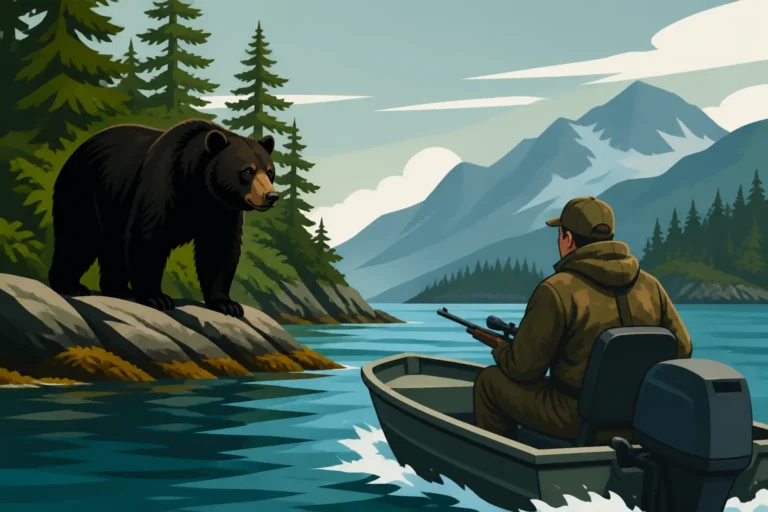
The British Columbia backcountry, while beautiful, demands respect. Navigating unfamiliar terrain, understanding wildlife behaviour, and safely handling firearms or bows are critical concerns, especially for new hunters who lack years of experience. A reputable guide brings invaluable expertise in wilderness first aid, navigation, and wildlife encounters, including crucial knowledge about Bear Safety While Hunting in British Columbia. They are trained professionals whose primary role is to ensure everyone in their party returns home safely. This peace of mind allows new hunters to focus on learning and experiencing the outdoors, rather than being constantly on edge about potential hazards.
Imagine a scenario: you're new to the mountains, tracking a fresh sign, and suddenly encounter an unexpected snow squall. Without an experienced guide who knows the local microclimates and how to navigate treacherous conditions, this could quickly turn into a dangerous situation. A guide not only mitigates these risks but uses them as teachable moments, explaining how to read weather patterns, interpret tracks, and move safely through challenging terrain. They'll also be intimately familiar with British Columbia's Blaze Orange and Safety Rules, ensuring all regulations are followed to protect the entire hunting party.
Moreover, guides are well-versed in game recovery techniques, which can be physically demanding and time-sensitive in remote areas. Ensuring an ethical kill and efficient recovery is paramount, and a guide's experience with quartering, packing, and preserving meat under various conditions is invaluable. This takes immense pressure off a new hunter, allowing them to participate in the process without feeling solely responsible for the complex logistics of getting an animal out of the field.
Accelerated Learning and Skill Development
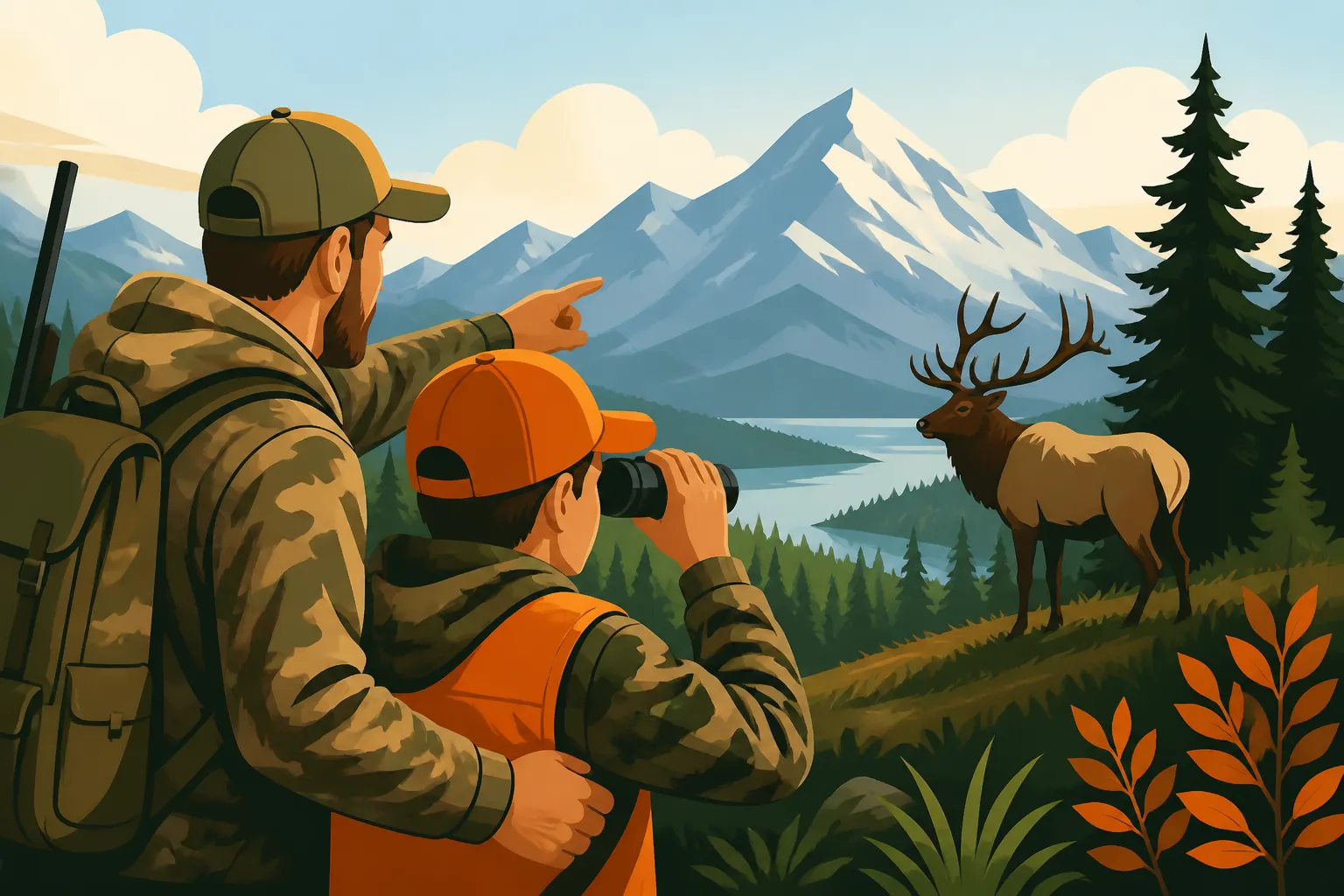
Think of a guided hunt as an immersive, hands-on masterclass in hunting. Instead of fumbling through trial and error, a new hunter gets direct, personalized instruction from someone who has spent decades honing their craft in British Columbia. This isn't just about pointing to an animal; it's about understanding the "why" behind every decision. From interpreting fresh tracks and identifying suitable habitat to perfecting a quiet stalk and making an ethical shot, every step becomes a lesson.
Guides can teach everything from glassing techniques on a vast mountainside to the subtle art of reading wind currents, all tailored to the specific species you're pursuing. For a young hunter, this mentorship can be profound. They learn not just skills, but the ethics and traditions of hunting, gaining a deeper appreciation for conservation and fair chase. They might learn how to identify What Mule Deer Eat in the Dry Interior or recognize the subtle differences between a legal ram and an illegal one, knowledge that simply cannot be gained from books or online videos alone.
The sheer amount of practical knowledge absorbed in a single guided trip often surpasses what a new hunter could learn in several unguided seasons. They'll witness how a seasoned professional approaches various situations, from setting up a comfortable camp in the wilderness to reacting calmly and decisively when an opportunity arises. This kind of accelerated learning builds confidence and competence, fostering a lifelong passion for hunting grounded in proper technique and respect.
Increased Chances of Success
Let's be honest, for a first-time hunter, the thrill of success is a huge motivator. While there are no guarantees in hunting, a guide significantly stacks the odds in your favour. They operate in specific British Columbia's Guide Outfitter Territories where they have intimate knowledge of the land, game movements, and local populations. They've spent countless hours scouting, observing, and learning the habits of the animals in their area, giving them an unparalleled advantage.
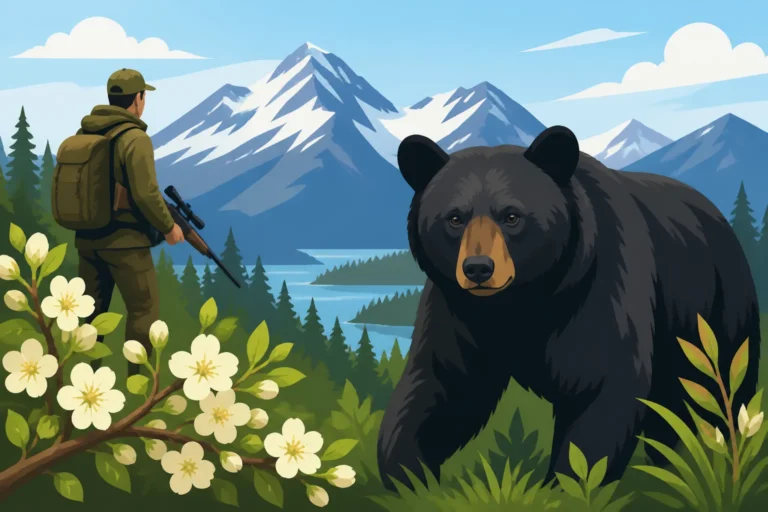
A guide knows where the animals feed, bed, and travel, often having multiple locations scouted based on weather patterns, time of year, and pressure. This deep understanding means less time spent searching blindly and more time in areas with high potential. They can quickly assess a situation, make informed decisions, and position the hunter for the best possible shot opportunity. This expertise is especially valuable when targeting species like Mule Deer Hunting in British Columbia or Black Bear Hunting British Columbia's Spring, where knowledge of specific habitats and behaviours is key.
For a young hunter, an early success can be transformative, solidifying their interest and commitment to hunting. It's not just about taking an animal, but proving to themselves that with proper guidance and effort, they can achieve their goals in the outdoors. A successful first hunt, even if it's a smaller animal, validates the hard work and dedication involved, making them eager for future adventures.
Finding the Perfect Outfitter for New and Young Hunters
Choosing an outfitter is perhaps the most critical decision when planning a guided hunt, and it becomes even more important when a first-timer or youth is involved. You're not just looking for someone with high success rates; you need someone who prioritizes safety, patience, and a genuine teaching approach. This isn't just a business transaction; it's an investment in a budding hunter's future.
What to Look for in a Beginner-Friendly Outfitter
When vetting outfitters, especially for a youth or first-time hunter, look beyond the trophy photos. Inquire specifically about their experience with new hunters. Do they enjoy teaching? Are they patient? A good outfitter for a beginner will emphasize education and safety over sheer harvest numbers. Ask about their assistant guides' experience as well – often, these are the individuals who will spend the most one-on-one time with the hunter. You want a team that is genuinely invested in the educational aspect of the hunt.
Consider the camp environment. Is it family-friendly? Some outfitters run very rugged, intense camps geared towards seasoned trophy hunters, which might not be ideal for a first-timer or a young person who needs a bit more comfort and a less intimidating atmosphere. Ask about typical camp size, facilities, and the general vibe. A welcoming, supportive camp can make all the difference in a new hunter's overall experience. Reputable booking platforms like BookYourHunt or GoHunt often provide detailed profiles and reviews, which can offer insights into an outfitter's approach and suitability for different hunter types. They sometimes list specific services or experiences tailored to youth or beginner hunters.
Crucially, ensure the outfitter is fully licensed and insured. British Columbia has clear British Columbia Guide Outfitter Licensing Rules to protect both hunters and the integrity of the industry. Don't hesitate to ask for references, particularly from clients who have brought new or young hunters on previous trips. Speaking directly with past clients can provide invaluable insights into the outfitter's communication style, patience, and commitment to a positive experience beyond just the harvest.
Tailored Hunts for Youth and First-Timers
Many outfitters understand the importance of fostering new hunters and offer specific packages or approaches tailored to them. This might mean hunts in less physically demanding terrain, shorter hunting days, or a greater emphasis on tracking and observation rather than relentless pursuit. For instance, a spring black bear hunt can be a fantastic introduction, often involving glassing from accessible vantage points, reducing the strenuousness of a deep backcountry trek.
When discussing options, openly communicate your expectations and the new hunter's skill level. Be honest about physical capabilities and what kind of experience you're hoping for. A good outfitter will listen and suggest species, locations, and hunt styles that align with these needs, rather than pushing a high-difficulty, high-cost trophy hunt. They might recommend species that are more abundant or offer longer seasons, increasing the likelihood of an encounter.
For youth hunters, particularly, safety briefings and firearm handling instruction should be thorough and repetitive. The guide should take the time to ensure the young hunter is completely comfortable and confident before any live hunting situation. This personalized attention not only builds skill but also reinforces responsible hunting practices from the very beginning. It's about empowering them with knowledge and confidence, not just pointing a rifle.
Involving the Guide Outfitters Association of British Columbia
The Guide Outfitters Association of British Columbia (GOABC) is a professional organization that represents the province's guide outfitters. They uphold a code of ethics and standards for their members, which can provide an additional layer of confidence when selecting an outfitter. While membership doesn't guarantee a perfect hunt, it indicates a commitment to professional conduct and industry best practices.
The GOABC website or resources from platforms like GoHunt and BookYourHunt can be excellent starting points for finding reputable outfitters. They often list outfitters by region and species, making it easier to narrow down your choices. When communicating with potential outfitters, asking about their GOABC membership and what that means for their operation can be a good way to gauge their professionalism and commitment to ethical guiding.
Beyond finding an outfitter, the GOABC can also be a valuable resource for understanding British Columbia's Compulsory Reporting Rules and other regulations that new hunters will need to learn. They often advocate for sustainable hunting practices and play a role in conservation, which aligns perfectly with the educational goals of a first-time hunt. Engaging with these resources can help ensure you're choosing an outfitter who is not only effective but also responsible.
Types of Hunts Best Suited for Novices
Not all big game hunts are created equal, especially when it comes to suitability for first-time or young hunters. Some species and hunting styles demand extreme physical prowess and advanced skills, which can quickly become discouraging for a beginner. The key is to select an experience that balances challenge with a reasonable chance of success, while allowing for comfortable learning.
Accessible Species for a First Hunt
For a truly positive introduction to big game hunting in British Columbia, consider species that offer more consistent opportunities and don't necessarily require days of grueling mountain climbing. Black bears are often an excellent choice. Spring bear hunts, for example, can be highly engaging, often involving glassing clear-cuts or open slopes where bears are out feeding after hibernation. This allows for patience, observation, and less physically demanding travel. British Columbia Black Bear Hunting British Columbia's Spring explains this further. Bears are relatively abundant across many regions of the province, increasing the chances of an encounter.
Deer species, such as Mule Deer Hunting in British Columbia or black-tailed deer, can also be fantastic for beginners, especially in regions with good populations and accessible terrain. These hunts can involve a mix of still-hunting, glassing, and short stalks, providing varied learning opportunities without overwhelming the new hunter. The focus can be on learning to spot game, understand their movements, and execute a patient approach. While trophy potential is always exciting, for a first-timer, the focus should be on the experience and the education.
Here's a quick comparison of popular beginner-friendly species:
| Species | Typical Hunt Style | Physical Demand | Learning Opportunity | Success Rate Potential |
|---|---|---|---|---|
| Black Bear | Spot-and-stalk, baiting (where legal), glassing clear-cuts | Low to Moderate | Animal behavior, spotting, stalking basics, shot placement | High |
| Mule Deer | Spot-and-stalk, still-hunting, glassing hillsides | Moderate | Reading terrain, interpreting sign, patient stalking, shot prep | Moderate to High |
| Black-tailed | Still-hunting, tracking in thick cover, calling | Moderate | Stealth, dense cover hunting, reading sign, calling | Moderate |
Hunting Styles and Terrain Considerations
The method of hunting itself significantly impacts the beginner's experience. A challenging backpack hunt deep into sheep country might be a lifelong dream, but it's rarely appropriate for a first-timer. Instead, look for hunts that offer a mix of accessibility and adventure. Road-accessible areas, though often more pressured, can provide easier starts and lower physical exertion, allowing the new hunter to focus on the core skills without exhaustion. Many outfitters operate in areas with extensive forest service road networks, making access simpler.
Spot-and-stalk hunting, especially for bears or deer in open or semi-open terrain, is ideal for learning. It involves glassing from a distance, identifying an animal, planning an approach, and then executing a careful stalk. This process breaks down the hunt into manageable steps, each providing distinct learning points for the new hunter. They learn patience during the glassing phase, critical thinking in planning the stalk, and precision during the final approach. This contrasts sharply with fast-paced, high-adrenaline hunts that might leave a beginner feeling lost or overwhelmed.
Consider hunt duration as well. A five-day hunt might be ideal, allowing enough time for multiple opportunities without being excessively long or physically taxing. For youth, shorter days might be necessary, with built-in breaks and opportunities for relaxation. A good outfitter will be flexible and responsive to the needs of a new hunter, ensuring they remain engaged and enthusiastic throughout the trip.
Timing Your First Hunt for Success and Comfort
The time of year you choose for a first-time guided hunt in British Columbia can dramatically impact the experience. Early seasons, like spring for black bears or early fall for deer, often present more predictable weather conditions than late fall or winter. Milder temperatures mean more comfortable days in the field and less extreme gear requirements, which is a huge benefit for someone just getting started. British Columbia Spring Bear Season Dates are a good example of an accessible timeframe.
For youth hunters, scheduling around school holidays is often necessary, making summer or early fall breaks prime opportunities. During these periods, daylight hours are longer, providing more time for hunting and learning each day. Less extreme weather also simplifies logistics around Keeping Meat Cool in an Early Season, which is a practical learning point for any hunter.
Discuss seasonal patterns with your chosen outfitter. They will have the best insights into when game is most active, when hunting pressure is lowest, and when weather is typically most cooperative for a beginner. For instance, while the rut for deer or moose can be exciting, these periods often involve more unpredictable animal movement and can be physically demanding. Sometimes, choosing a hunt just outside the peak rut can offer a more relaxed pace and equally good opportunities for a first-timer.
Preparing for Your British Columbia Guided Adventure
A successful first guided hunt isn't just about showing up; it's about preparation. For both youth and adult first-timers, going into the experience mentally and physically ready, and with the right gear, can make all the difference between a challenging struggle and a truly enjoyable adventure. Remember, British Columbia is wild, and even with a guide, you're expected to contribute to your own well-being and success.
Physical and Mental Preparation
British Columbia hunting can be physically demanding, even on less strenuous hunts. While your guide will tailor the experience, a certain level of fitness is always beneficial. For a new hunter, this doesn't mean running marathons, but being able to comfortably walk several miles over uneven terrain with a daypack. Incorporate regular walks, perhaps with a loaded backpack, into your routine months before the hunt. This helps build endurance and toughens your feet, preventing blisters and discomfort.
Mentally, it's important to prepare for the realities of hunting. It's not always glamorous; there will be early mornings, long periods of quiet waiting, potential discomfort from weather, and perhaps moments of disappointment. Instill patience and a positive attitude in new hunters. Talk about the broader experience: enjoying nature, learning about wildlife, and the camaraderie of the camp. Discussing What Happens If Weather Ruins the Hunt beforehand can help manage expectations if conditions become unfavorable.
It's also crucial to have completed all necessary hunter education and licensing requirements well in advance. For all new resident hunters in British Columbia, this means passing the British Columbia's CORE Exam and FWID and acquiring their FWID number. Knowing the provincial regulations and what's expected of a responsible hunter will build confidence and ensure legal compliance, allowing you to focus on the experience itself.
Essential Gear and Clothing
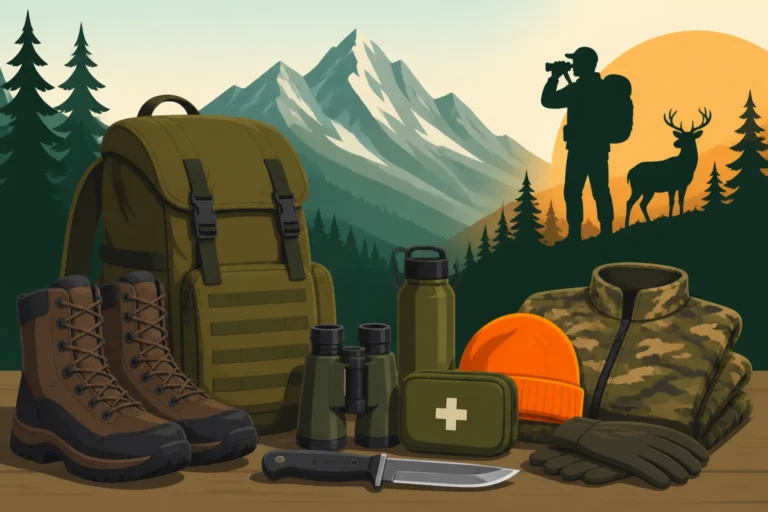
Packing wisely for a British Columbia hunt is vital, and even more so for first-timers who might not own a full kit. While your outfitter will provide a detailed packing list, some fundamentals bear repeating. Layering is key, as mountain weather can change dramatically from morning to afternoon. Think moisture-wicking base layers, insulating mid-layers, and a waterproof/windproof outer shell. Good quality hiking boots, properly broken in, are non-negotiable for comfort and safety on varied terrain. What to Bring on a British Columbia Guided Hunt is a more detailed resource.
For youth, ensuring their clothing fits well and is comfortable is paramount. Nothing sours an outdoor experience faster than ill-fitting, cold, or wet gear. Borrowing or renting gear for a first hunt can be an option to test what works before investing heavily. Binoculars are also essential for spotting game and are an excellent tool for new hunters to practice with, learning to patiently scan terrain for subtle signs of wildlife.
Regarding firearms, if the new hunter doesn't own one, many outfitters offer rifle rentals. This can be a great way to try different calibres and avoid the hassle of transporting a firearm if traveling a long distance. However, if using your own, ensure it's sighted in and you've had plenty of practice at various ranges and shooting positions. A new hunter should be comfortable and proficient with their chosen weapon before stepping into the field.
Setting Realistic Expectations and Embracing the Journey
The biggest pitfall for any hunter, especially a new one, is unrealistic expectations. Social media often highlights only the successful harvests, creating a false impression of easy hunts. The reality is that hunting involves effort, skill, luck, and often, not getting an animal. For a first-timer, emphasize that the true value lies in the entire experience: the time spent in nature, the lessons learned, the challenge, and the bond formed with the guide and fellow hunters.
Encourage the new hunter to ask questions, observe everything, and be present in the moment. The goal isn't just to fill a tag, but to develop a deep appreciation for the outdoors and the animals that inhabit it. Celebrate small victories, like a successful stalk, learning to identify fresh sign, or simply enduring a long day in the mountains. This mindset shifts the focus from a singular outcome to a rich, multifaceted journey.
Discuss potential challenges openly. You might get weathered out, travel might be arduous, or game might simply not cooperate. Having a contingency plan for Emergency Planning in British Columbia's Backcountry is always wise, but mentally preparing for the unexpected helps maintain a positive outlook. A guided hunt is a privilege and an adventure, and approaching it with an open mind and a spirit of learning will make it a truly unforgettable experience, regardless of the outcome.
Navigating Costs and Logistics for First-Time Guided Hunts
Understanding the financial and logistical aspects of a guided hunt is crucial, especially for families or individuals managing a budget for their initial foray into big game hunting. Guided hunts are an investment, and knowing exactly what you're paying for and what additional costs to anticipate will prevent unwelcome surprises.
Understanding What's Included (and What Isn't)
When looking at outfitter price lists, it's essential to scrutinize what exactly is covered in the quoted hunt package. Typically, a guided hunt fee will include the services of the guide(s), transportation within the hunting area (often by truck, ATV, boat, or horse), accommodations in camp (ranging from basic wall tents to lodges), and meals. Some packages might also include initial field dressing of the animal.
However, there are almost always additional costs that are not included. These commonly involve your personal hunting license and species tags, which must be purchased separately through the provincial system. For new hunters, this also includes the cost of obtaining your British Columbia Hunting Licences and Fees and potentially specific tags for the animals you intend to hunt. Other typical exclusions are travel to and from the outfitter's meeting point, trophy preparation (taxidermy, caping, salting, skull cleaning), meat processing and shipping (British Columbia Meat Processing and Shipping), gratuities for the guide and camp staff, and personal gear.
Always ask for a detailed breakdown of all potential expenses. A reputable outfitter will provide a clear list. For instance, an elk hunt might be quoted at a certain price, but then you'll add the elk species tag cost, the meat processing fee from a local butcher, and the tip for your guide. Being prepared for these "hidden" costs ensures you have a full picture of the total investment.
Booking Process and Important Questions
The booking process for a guided hunt usually begins well in advance, sometimes a year or more, especially for popular outfitters or specific prime dates. This is particularly true for hunts involving specialized access or limited availability. The initial step typically involves contacting the outfitter, discussing available dates, species, and costs, and then often placing a deposit to secure your spot.
Before committing, don't shy away from asking every question that comes to mind. Beyond the cost breakdown, inquire about the outfitter's specific experience with new or youth hunters, their safety protocols, and what kind of success rates they typically see on these types of hunts. Ask about the physical demands of the hunt and whether there are options for less strenuous terrain if needed. You might also ask about the guide-to-hunter ratio; a lower ratio (e.g., 1:1 or 2:1) often means more personalized attention, which is highly beneficial for a beginner.
It’s also wise to clarify their cancellation policy and what happens in unforeseen circumstances, like severe weather impacting travel or hunting conditions. For those using resources like BookYourHunt or GoHunt, these platforms can facilitate communication and provide a structured way to compare multiple outfitters, helping you ask the right questions and ensure all details are covered. Make sure all agreements, especially regarding deposits and payments, are clearly outlined in a written contract.
Travel and Accommodation Considerations
Your travel to the guide's base camp or designated meeting point is usually your responsibility and can be a significant part of the overall logistical planning. British Columbia is a vast province, and outfitters are located in diverse regions, from accessible valleys to remote northern territories. Consider how you'll get there: flying into a major hub like Vancouver or Prince George and then connecting to a smaller regional airport, or driving if feasible. For longer distances, assess the implications of Driving Into British Columbia With Firearms if you're bringing your own.
Many guided hunts will originate from a regional town, where you might need a night or two of accommodation before and after the hunt. Factor in these hotel stays, as well as any meals outside of the camp provisions. If flying, consider how your gear will be transported, including checked luggage fees, and for firearms, the specific airline regulations for safe transport.
Once in the field, camp accommodations vary widely. Some outfitters boast comfortable lodges with amenities, while others prefer spike camps that are more basic but allow for deeper penetration into prime hunting areas. Understand what to expect for your specific hunt and pack accordingly. For a first-timer, a more comfortable base camp can be beneficial, offering a warm, dry place to rest and recharge after a day of learning and adventure.
Disclaimer
This article is for general informational purposes only and does not constitute professional advice. Laws, prices and regulations vary by location and change over time. Consult a qualified professional for guidance on your specific situation.