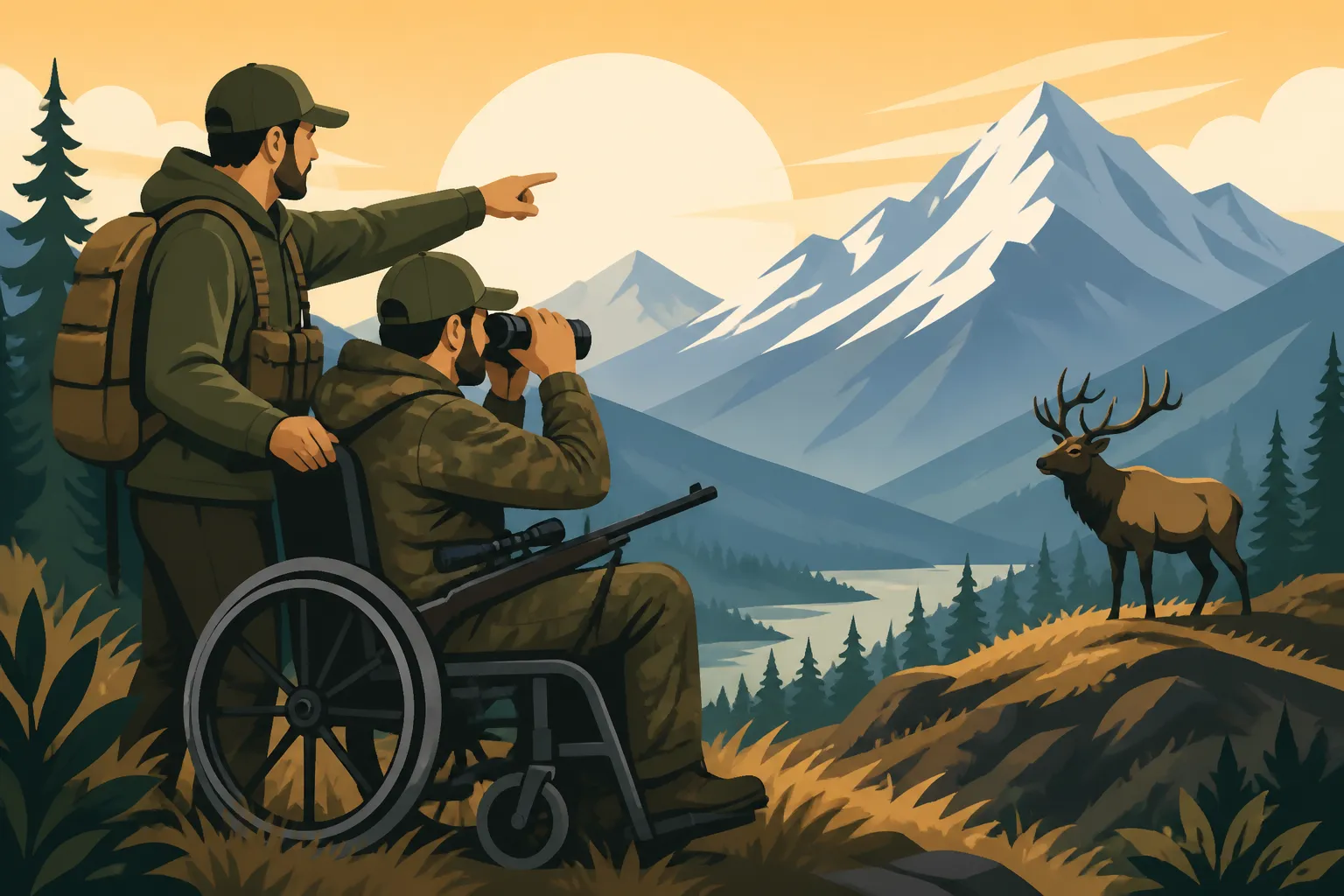
British Columbia Guided Hunts for Disabled Hunters
It's a tough reality that the incredible, rugged beauty of British Columbia, while breathtaking, often presents significant barriers for hunters with disabilities. Many folks dream of chasing big game in our mountains and forests, but the thought of navigating steep terrain, dense brush, or even just getting to a remote campsite can feel utterly impossible if you're facing mobility challenges or other physical limitations. This guide is here to break down those barriers, offering a comprehensive look at how disabled hunters can still experience the magic of a guided hunt in British Columbia, detailing the options, resources, and crucial planning steps involved.
Understanding the Unique Challenges for Disabled Hunters in British Columbia
Hunting in British Columbia is an experience unlike any other, known for its vast wilderness and diverse landscapes. However, these very features, which draw hunters from around the globe, can pose formidable challenges for individuals with disabilities. It's not just about getting to the hunting grounds; it's about every step of the journey, from scouting to packing out.
Accessibility in BC's Diverse Terrain
British Columbia's terrain is notoriously varied and often unforgiving. Picture dense coastal rainforests where every step is over slippery roots and through thick undergrowth, or the steep, rocky slopes of the Interior mountains that demand peak physical condition. Even the more gentle rolling hills of the Cariboo or Peace regions can become difficult to traverse if you're relying on a wheelchair, crutches, or have limited stamina. Logging roads, while offering access to some areas, can quickly turn into deeply rutted, washed-out tracks, impassable for many standard vehicles. This vast, wild landscape is part of its allure, but it undeniably creates significant hurdles for accessible hunting. Outfitters must have specialized knowledge and equipment to navigate these conditions while ensuring the safety and comfort of disabled hunters.
Consider a hunter with limited mobility who dreams of a Moose Hunting British Columbia's Interior trip. While vast, many prime moose habitats involve negotiating marshy ground, thick willow stands, or deep snow in later seasons. A traditional walk-and-stalk hunt might be out of the question. This is where the right outfitter, with adaptive vehicles or boat access, becomes not just a convenience, but a necessity. The frustration of seeing prime hunting land on a map but knowing it's physically out of reach is very real, and it’s why dedicated planning is so important for an accessible hunt in British Columbia.
Navigating Regulations and Specialized Permits
Beyond the physical landscape, there's also the regulatory landscape to consider. British Columbia has specific rules regarding hunting methods and equipment, and while generally supportive of all hunters, navigating special considerations for disabled individuals requires careful attention. While there aren't specific "disabled hunter permits" in the same way some jurisdictions have them, certain allowances or exemptions might be possible through specific applications, often tied to a medical practitioner's assessment. It's not always straightforward, and understanding exactly what accommodations are legally permissible and how to apply for them is crucial. This might involve looking into alternative methods of transport in certain zones, or even special considerations for shooting positions that might otherwise be restricted.
For instance, a hunter who requires the use of an ATV for mobility in an area where vehicle use is normally restricted might need to apply for an exemption. This isn't always a quick process and requires liaising with the provincial wildlife authorities. Similarly, if you are a non-resident, the general rule of needing to be accompanied by a licensed guide or a resident with a Permit to Accompany Explained remains, but the nature of that accompaniment, especially regarding physical assistance, becomes even more critical. It's important to start this research early, perhaps even before you contact outfitters, to understand the foundational rules. Many outfitters specializing in accessible hunts will be familiar with these nuances and can often assist in the application process, or at least direct you to the correct resources.
Finding Outfitters with Accessible Hunt Offerings
The key to a successful accessible hunt in British Columbia lies almost entirely in finding the right outfitter. Not all guides are equipped, either physically or philosophically, to accommodate hunters with disabilities. It requires a specific kind of dedication, specialized equipment, and a deep understanding of adaptive hunting techniques.
Researching Outfitter Capabilities and Adaptations
When you're researching potential outfitters, don't just ask if they offer "accessible" hunts; dig deeper. What specific adaptations do they have? Do they use tracked vehicles, UTVs with modifications, or even boats for accessing areas that would otherwise be impossible? How do they handle various levels of mobility impairment? Some outfitters might have specially designed blinds that accommodate wheelchairs, while others might focus on areas accessible by truck or via short, manageable walks from a road. Ask about their experience with hunters who have similar disabilities to yours. A guide who has successfully taken a hunter with a spinal cord injury on a Black Bear Hunting British Columbia's Spring hunt in the past will have invaluable insights and proven methods.
It's also important to consider the "soft" capabilities of an outfitter. Are they patient? Do they have staff trained in first aid for diverse medical needs? Do they understand the emotional and physical toll a hunt can take, and are they prepared to adapt the pace and schedule accordingly? A truly inclusive outfitter views the hunter's disability not as a limitation, but as a challenge to be met with creativity and respect. They should be transparent about what they can and cannot offer, ensuring there are no surprises once you arrive in camp. This detailed level of inquiry is crucial to avoid disappointment and ensure a safe, enjoyable experience.
Questions to Ask Potential Guides
Once you've identified a few promising outfitters, it's time to get specific. Prepare a comprehensive list of questions tailored to your individual needs. Here’s a starting point:
- Mobility: What are the specific access methods to the hunting areas? (e.g., ATV, truck, boat, horseback, short walks). Can these methods accommodate my specific mobility device (e.g., wheelchair, electric scooter, crutches)?
- Accommodations: What are the camp facilities like? Are cabins, tents, or lodges truly wheelchair accessible (ramps, wide doorways, accessible bathrooms)?
- Hunting Method: What hunting techniques do you employ for disabled hunters? (e.g., ground blinds, elevated stands with ramps, shooting from a vehicle, spot-and-stalk adapted for limited walking).
- Equipment: Do you have specialized equipment (e.g., adaptive shooting rests, modified blinds, track chairs) or are hunters expected to bring their own?
- Staff Training: Are your guides and camp staff trained in assisting individuals with specific disabilities, including medical considerations or personal care?
- Success Rates: While not the only measure, what are your success rates specifically for disabled hunters, and what does that success look like (e.g., opportunity, harvest)?
- References: Can you provide references from past disabled clients who have hunted with you?
- Emergency Plan: What is your emergency protocol, especially in remote areas, and how does it account for specialized medical needs?
Don't shy away from being extremely detailed about your needs. The more information you provide, the better an outfitter can assess if they are truly the right fit for your accessible British Columbia hunt.
Utilizing Online Resources and Communities
The internet has become an invaluable tool for disabled hunters seeking opportunities. Dedicated forums, social media groups, and specialized booking platforms can connect you with outfitters and other hunters who have experience with accessible hunts. Websites like BookYourHunt often feature filters or categories specifically for accessible hunting, allowing you to browse outfitters who explicitly state their ability to accommodate hunters with disabilities. While not all listings will have every detail, it's a great starting point for finding guides who are at least thinking about accessibility.
Similarly, platforms like GoHunt, known for their detailed hunt planning resources, might not have explicit "disabled hunter" filters but can still be useful. You can often find detailed information about specific management units, terrain, and road access, which can help you assess the general feasibility of an area before even contacting an outfitter. Reading reviews and testimonials from other hunters is also crucial. Look for mentions of a guide's patience, adaptability, and willingness to go the extra mile. Sometimes, connecting directly with another disabled hunter who has used an outfitter can give you the most honest and practical insights into what to expect. These communities can also offer advice on What to Bring on a British Columbia Guided Hunt regarding adaptive gear or comfort items.
Types of Adapted Hunting Opportunities in British Columbia
British Columbia outfitters who are committed to accessible hunting have developed a range of creative solutions to ensure that disabled hunters can participate safely and effectively. These adaptations can vary greatly depending on the species, terrain, and the hunter's specific needs.
Vehicle-Based and Blind Hunts
For many disabled hunters, accessing hunting grounds in a comfortable and controlled manner is paramount. Vehicle-based hunts often utilize rugged 4×4 trucks, UTVs, or even specialized tracked vehicles that can navigate rough terrain while minimizing physical exertion. These vehicles allow hunters to reach vantage points, clearings, or close to blinds without extensive walking. The hunt itself might involve spotting game from the vehicle and then making a short, assisted stalk, or it might be entirely conducted from a strategically placed blind. Blinds can range from simple pop-up structures to more permanent, insulated setups, often designed with ramps or wide entrances to accommodate wheelchairs.
Imagine a scenario in the Peace Region, where Hunting Moose Off a British Columbia Forest Road might be viable. An outfitter might use a side-by-side to transport a hunter to a specific cutblock edge or a willow flat, where a pre-set blind offers a clear line of sight over a feeding area. The guide would ensure the blind is comfortable, perhaps heated, and offers enough space for any adaptive equipment. This approach maximizes comfort and reduces physical strain, allowing the hunter to focus on the hunt itself. For hunters targeting species like black bear or deer, these blinds can be set up over bait (where legal and permitted), or along known game trails, providing excellent opportunities with minimal physical demand.
Specialized Equipment and Support
Beyond vehicles and blinds, specialized equipment plays a crucial role in empowering disabled hunters. This can include:
- Adaptive Shooting Rests: Stable platforms that can be adjusted for height and angle, often allowing for precision shooting from a wheelchair or a seated position.
- Trigger Assists: Devices that help hunters with limited hand dexterity to safely and effectively pull a trigger.
- Track Chairs: All-terrain electric wheelchairs designed to navigate mud, snow, and uneven terrain, offering incredible independence for some hunters.
- Two-Way Radios/Satellite Communicators: Essential for safety and communication in remote areas, allowing hunters to stay connected with their guide. This is vital when considering Emergency Planning in British Columbia's Backcountry.
An experienced outfitter will either own some of this equipment or have strong recommendations on what to rent or bring. They should be adept at setting up and using this gear to maximize the hunter's comfort and effectiveness. The goal is to make the hunting experience as seamless as possible, overcoming physical barriers through clever engineering and thoughtful planning. This support extends to the field dressing and packing out process, where a dedicated team ensures the game is handled efficiently, alleviating any physical strain on the hunter.
Companion and Assistant Hunter Roles
For many disabled hunters, a guided hunt involves more than just the professional guide; it often includes a companion or assistant hunter. This individual might be a family member, a close friend, or a specially designated helper who can provide personal assistance, additional spotting capabilities, or simply moral support. In British Columbia, non-residents always require a guide or a resident companion under a Permit to Accompany. For disabled hunters, the role of this companion can be expanded to include specific types of physical aid that go beyond the typical guiding duties.
It's crucial to discuss the role of a companion with your chosen outfitter well in advance. What level of assistance can they provide? Can they help with mobility, personal care, or tracking game? The outfitter needs to be aware of the entire support team and integrate them into the hunt plan seamlessly. For instance, on a Mule Deer Hunting in British Columbia trip in the Okanagan, a companion might assist in glassing open hillsides, helping the disabled hunter get into a comfortable shooting position, or even helping with the initial field dressing. This teamwork approach ensures that all needs are met, allowing the disabled hunter to fully immerse themselves in the experience without undue worry about practicalities.
| Adaptation Type | Best For | Key Features | Considerations |
|---|---|---|---|
| Vehicle-Based Hunts | Hunters with significant mobility limits | Access to remote areas, less physical exertion, quick repositioning | Limited to areas with trails/roads, potential noise, less "traditional" stalking |
| Fixed Blinds | Hunters preferring stationary hunting | Comfort, weather protection, often wheelchair-accessible, excellent concealment | Requires game to come to you, fixed vantage point, less dynamic |
| Track Chairs/ATVs | Hunters desiring independence/off-road mobility | Increased personal mobility, access to rougher terrain, feeling of autonomy | Cost, learning curve, battery life, specific vehicle trails may still be necessary |
| Adaptive Shooting Gear | Hunters with dexterity/strength challenges | Enhanced accuracy, ergonomic comfort, safe trigger operation | Requires specific fitting, additional weight/bulk, familiarity with equipment |
| Companion/Assistance | All disabled hunters, enhances safety | Personal support, spotting, field dressing aid, emotional support | Clear communication of roles, ensure companion is capable and understood by outfitter |
Planning Your Accessible British Columbia Hunt
Planning an accessible hunt in British Columbia involves many of the same steps as any other guided hunt, but with an added layer of detail and foresight concerning specific needs. The more meticulously you plan, the smoother and more rewarding your experience will be.
Health and Safety Considerations
Safety is paramount on any hunt, but for disabled hunters, it takes on an even greater significance. Before you even set foot in British Columbia, consult with your medical professionals. Get a thorough check-up and discuss the physical demands of the planned hunt. This might include discussing medication schedules, potential interactions with climate or altitude, and any specific emergency protocols for your condition. Share all relevant medical information with your outfitter and guide; they are your frontline support in the backcountry. They need to know about allergies, chronic conditions, and what to do in a medical emergency.
Consider the potential for unexpected weather events, which are common in British Columbia's mountains. Hunting British Columbia's Coastal Rain or sudden drops in temperature in the alpine can pose unique challenges for individuals with certain health conditions. Ensure your clothing and gear are appropriate for all possible weather scenarios, and that you have contingencies for staying warm and dry. Always carry a personal emergency kit with essential medications, extra batteries for any medical devices, and a Satellite Communication on a Remote Hunt device. While your outfitter will have their own safety protocols, having personal safeguards is always a good idea. Knowing that every contingency has been considered allows you to relax and enjoy the hunt more fully.
Logistics: Travel, Accommodation, and Game Care
The practicalities of an accessible hunt begin long before you reach the hunting grounds. Travel plans need to account for your specific needs, whether that's flying into a major hub like Vancouver or Prince George and then connecting to a smaller regional airport, or driving across the border. If flying, research airline policies on medical equipment and firearms well in advance. Many outfitters can assist with ground transportation from the nearest airport to their lodge or staging area. Questions about accessibility at stopovers and in the camp itself, such as ramps, wide doorways, or accessible bathrooms, are crucial.
Game care is another vital aspect. Once an animal is harvested, how will it be handled? Discuss with your outfitter their process for field dressing, quartering, and Keeping Meat Cool in an Early Season or for longer transport. If you plan to take your meat home, ask about their facilities for refrigeration or freezing and options for Shipping Meat Home From British Columbia. For trophy animals, inquire about Exporting a Trophy From British Columbia and the necessary paperwork, especially for species like sheep or goat that may require CITES permits. These logistical details, while not directly part of the hunt, can significantly impact the overall experience and should be ironed out upfront.
Financial Planning and Potential Assistance
An accessible guided hunt, especially one requiring specialized equipment or additional staff, can be a significant investment. It's important to have a clear understanding of all costs involved from the outset. This includes the outfitter's fees, species tags, license costs, travel expenses, potential gratuities for guides and camp staff, and any additional costs for adaptive equipment rentals or specialized services. Don't be shy about discussing your budget with potential outfitters; they may be able to suggest more cost-effective options or adapt certain aspects of the hunt to fit your financial parameters.
While dedicated financial assistance programs specifically for disabled hunters in British Columbia may not be widespread, several organizations exist that aim to make hunting accessible. These non-profits often work to connect disabled hunters with resources, offer grants, or even sponsor hunts. Researching these organizations can potentially open doors to opportunities that might otherwise be out of reach. Additionally, some outfitters might offer specific packages or discounts for disabled hunters, or collaborate with organizations that provide support. Always get a detailed breakdown of costs in writing to avoid any misunderstandings.
The Emotional and Experiential Value of Accessible Hunting
Beyond the pursuit of game, an accessible guided hunt in British Columbia offers profound emotional and experiential benefits. It’s about reclaiming a passion, connecting with nature, and proving that limitations don't define capability.
Beyond the Harvest: Connection and Community
For many disabled hunters, the experience goes far beyond simply harvesting an animal. It's about the feeling of independence, the thrill of being in the wilderness, and the camaraderie shared with guides and companions. The quiet mornings in a blind, watching the forest come alive, the crisp mountain air, the stunning vistas of the British Columbia's Northern Rockies – these are moments that nourish the soul. It's an opportunity to escape the confines of daily life and re-engage with a fundamental human experience. The sense of accomplishment that comes from successfully navigating a hunt, despite physical challenges, is immeasurable.
Furthermore, these hunts foster a powerful sense of community. Outfitters and guides dedicated to accessible hunting often become more than just service providers; they become friends and advocates. Sharing stories around a campfire, learning about the local wildlife, and simply being present in nature can build lasting bonds. It’s an opportunity to connect with like-minded individuals who understand the unique challenges and immense rewards of pursuing game in a wild landscape, and to be treated as a hunter, first and foremost, regardless of physical ability. This human connection often becomes one of the most cherished aspects of the entire trip.
Advocating for Future Accessibility
Every accessible hunt in British Columbia contributes to a larger movement towards greater inclusivity in the outdoors. By participating, disabled hunters demonstrate the demand for such opportunities and help to raise awareness among outfitters, wildlife agencies, and the broader hunting community. Sharing your stories, providing feedback to outfitters, and engaging with hunting organizations can inspire others and encourage the development of more accessible programs and facilities. It's about paving the way for future generations of disabled hunters, ensuring that the wild spaces of British Columbia remain open and welcoming to everyone who dreams of experiencing them.
Your journey on an accessible hunt can also inform improvements in regulations and infrastructure. When outfitters see the demand and successfully execute these hunts, it encourages them to invest further in adaptive equipment and training. It can also prompt wildlife agencies to review and potentially modify regulations to better support disabled hunters, perhaps by simplifying permit applications or expanding areas where certain adaptive methods are permitted. Your voice and your participation are powerful tools for advocacy, helping to shape a more inclusive future for hunting in British Columbia and beyond.
Disclaimer
This article is for general informational purposes only and does not constitute professional advice. Laws, prices and regulations vary by location and change over time. Consult a qualified professional for guidance on your specific situation.