Choosing the Right British Columbia Outfitter
Okay, you've decided to tackle the incredible wilderness of British Columbia for a hunt, and believe me, that's an adventure unlike any other. But if you're not a resident, you've probably quickly realized that securing a hunt here isn't as simple as just buying a tag and heading out. The thought of finding the right outfitter can be daunting, leaving many new or even seasoned non-resident hunters feeling completely overwhelmed by the sheer number of choices and the unique regulations. This guide is here to walk you through every step of choosing the right British Columbia outfitter, ensuring your hunting trip of a lifetime is everything you've dreamed of.
Understanding Why an Outfitter is Essential for Non-Residents
For those of us who don't call British Columbia home, the rules around hunting big game are a bit different, and for good reason. The province aims to manage its wildlife responsibly and ensure that hunters, especially those unfamiliar with the terrain and regulations, have a safe and ethical experience. This often means relying on the expertise of a professional.
The Legal Requirement for Non-Resident Hunters
Let's be blunt: if you're a non-resident of British Columbia and you want to hunt big game, you generally have two main paths. You either need to engage the services of a licensed British Columbia guide outfitter, or you need to be accompanied by a resident who holds a "Permit to Accompany." This isn't just a suggestion; it's the law. The province mandates this to ensure conservation, safety, and to provide a framework for ethical hunting practices. Many hunters from outside the province find the logistics of securing a Permit to Accompany host quite challenging, as it requires a resident to take on significant responsibility for your hunt. This is why, for many, hiring a guide outfitter becomes the most straightforward and often most effective route to experience hunting in this incredible province. It simplifies a lot of the regulatory hurdles and ensures you're operating within the legal framework.
Navigating British Columbia's Vast and Complex Landscape
British Columbia is enormous. We're talking about a landmass that's roughly the size of California, Oregon, and Washington combined, filled with everything from dense coastal rainforests and rugged mountain ranges to sprawling interior plateaus and vast northern wilderness. It's a place where you can drive for hours and still be in the same ecosystem, or cross a mountain pass and enter a completely different world. For someone unfamiliar with this terrain, it's not just about knowing where the animals live, but how to safely and effectively navigate those areas. An outfitter isn't just someone who puts you on game; they're an expert navigator, a survivalist, and a local wildlife biologist all rolled into one. They know the subtle nuances of game movement in different seasons, the safest routes through treacherous terrain, and how to adapt to the unpredictable weather that can change in a heartbeat. Without that local knowledge, getting lost, encountering dangerous wildlife unprepared, or simply wasting precious hunting time in unproductive areas becomes a very real possibility. They often utilize knowledge gained over decades in a specific area. Finding Open Forest Roads in British Columbia and Hunting British Columbia's Logging Road Network are just small pieces of a much larger puzzle that an outfitter intrinsically understands.
Defining Your Dream Hunt: What Are You Looking For?
Before you even begin sifting through outfitter websites or calling references, take a moment to really think about what you want from this experience. British Columbia offers such a diverse array of hunting opportunities that narrowing down your focus will make the selection process far less overwhelming.
Species and Hunt Style Preferences
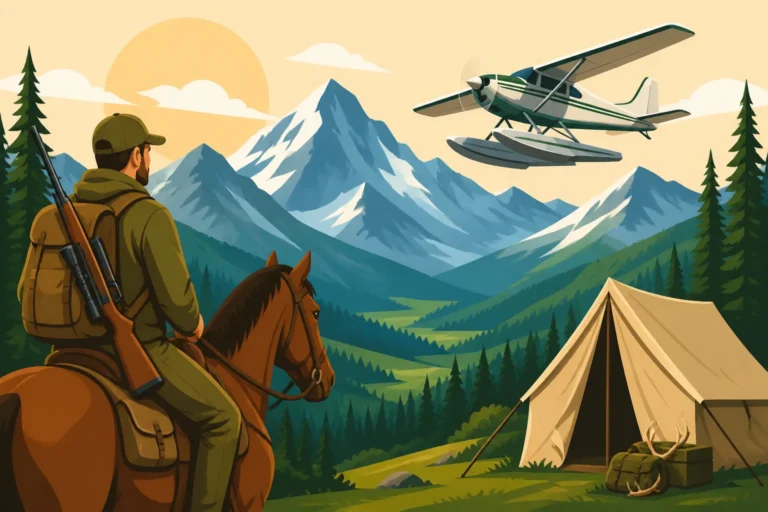
British Columbia is home to an incredible variety of big game species, each offering a distinct hunting challenge. Are you dreaming of a high-country adventure chasing elusive Stone's sheep or mountain goat? Perhaps you're envisioning a horseback hunt deep in the Cariboo for a massive bull moose, or a spot-and-stalk black bear hunt along a coastal estuary. Each species demands a different approach, a different skill set, and often, a different kind of outfitter. A sheep hunt, for instance, is typically a physically demanding backpack hunt into the alpine, requiring extreme endurance. A moose hunt might involve calling in dense timber or glassing willow flats, possibly with jet boat access or ATVs. Think about your preferred method of hunting: do you enjoy covering vast distances on horseback, flying into a remote lake, or are you more inclined to spend your days glassing from a strategic vantage point? Understanding these preferences is paramount. For example, if you want to experience Horseback Hunting British Columbia's Backcountry, you'll need an outfitter specializing in equine logistics.
| Hunt Type | Target Species | Typical Terrain | Physical Demands | Common Access Methods |
|---|---|---|---|---|
| Mountain Backpack Hunt | Sheep, Goat, high-elevation Mule Deer | Rugged alpine, steep slopes | Extremely High | Foot, sometimes horse drop-off |
| Interior Big Game | Moose, Elk, Bear, Mule Deer | Forests, cutblocks, valleys | Moderate to High | Truck, ATV, Jet Boat, Horse |
| Coastal Bear Hunt | Black Bear | Estuaries, beaches, rainforest | Low to Moderate | Boat, truck on logging roads |
| Remote Fly-In Hunt | Moose, Caribou (limited), Bear | Remote lakes, northern bush | Moderate | Float plane |
| Predator Calling Hunt | Wolves, Coyotes, Bears | Varied | Low to Moderate | Truck, foot |
Budget, Time, and Physical Demands
Let's be realistic: a guided hunt in British Columbia is a significant investment. The cost can vary dramatically depending on the species, the duration of the hunt, the level of luxury, and the remoteness of the area. Be honest with yourself about your budget from the outset. Don't forget to factor in travel costs, license fees, species tags, and potential taxidermy or meat processing and shipping fees. Beyond the financial aspect, consider your available time. A multi-week sheep hunt is a very different commitment than a five-day bear hunt. Finally, and perhaps most critically, assess your physical fitness. British Columbia hunting can be incredibly demanding. Chasing mountain goats in the Coast Range or stalking a ram in the Northern Rockies will test your lungs, legs, and mental fortitude. Even a "less strenuous" hunt can involve navigating challenging terrain, heavy lifting, and long days. Outfitters often specialize in certain types of hunts, and they'll be upfront about the physical requirements. Don't underestimate this aspect; being physically prepared is key to enjoying your hunt and increasing your chances of success. Understanding Fitness for a British Columbia Sheep Hunt is crucial before you even start looking at outfitters specializing in that species.
Researching Potential Outfitters: Digging Beyond the Brochure
Once you have a clearer picture of your ideal hunt, it's time to dive into the research. This phase is where many hunters make crucial mistakes, often swayed by impressive photos or vague promises. Diligence here will pay dividends down the road.
Online Resources and Platforms
The internet is a powerful tool, but it requires a critical eye. Start by exploring major online platforms dedicated to booking guided hunts. Sites like BookYourHunt and GoHunt can be excellent starting points, offering listings from numerous British Columbia outfitters, often with reviews and detailed hunt descriptions. These platforms can give you a broad overview of what's available and help you compare different operations. Beyond these, delve into individual outfitter websites. Look for detailed information about their history, their guiding philosophy, the species they specialize in, and specific hunt packages. Pay attention to photos and videos—do they look genuine? Do they show hunters who look like you, in realistic settings? Social media can also provide insights, but remember that most outfitters will only showcase their best results. Look for consistency in their posts and engagement with their audience.
Asking for References and Success Rates
This is arguably the most critical step in your research. Any reputable outfitter will gladly provide you with a list of references, ideally from clients who have hunted the same species and type of hunt you're interested in, within the last year or two. Don't just email them; pick up the phone and have a conversation. Ask them about their entire experience:
- How accurate was the outfitter's description of the hunt?
- What were the camp conditions like?
- How experienced and personable were the guides?
- Were there any hidden costs or surprises?
- Would they hunt with that outfitter again?
- Did they feel safe and well-cared for?
When it comes to "success rates," read between the lines. An outfitter might boast a high "opportunity rate," meaning clients had a chance to shoot, but not necessarily that they harvested an animal. A true "kill rate" or "harvest rate" is what most hunters are interested in. Ask how these rates are calculated and what factors influence them. A 100% success rate on a challenging mountain hunt is almost certainly a red flag; wildlife is wild, and there are no guarantees. Be realistic, and look for transparency. Remember, What Success Rates Actually Mean is often different from what's initially presented.
Verifying Licenses and Insurance
Protect yourself and your investment. Every licensed guide outfitter in British Columbia must hold a valid Guiding Territory Certificate and individual guides must be licensed. While many are members of the Guide Outfitters Association of British Columbia (GOABC), membership is not mandatory. You can, and should, verify their licensing directly with the appropriate provincial authorities. This ensures they are legally operating. Additionally, inquire about their insurance coverage. Accidents can happen in the backcountry, and you want to know that the outfitter carries adequate liability insurance. Ask for proof of insurance and understand what it covers. A reputable outfitter will be transparent about their credentials and happy to provide this information. Never book with an outfitter who seems hesitant or evasive when you ask about their licensing or insurance details.
Key Questions to Ask Every Prospective Outfitter
Once you've narrowed down your list of potential outfitters, it's time to get specific. Don't be afraid to ask detailed questions. A good outfitter expects them and will appreciate your thoroughness.
Hunt Logistics and What's Included
This is where you clarify the nuts and bolts of your trip.
- Transportation: How do you get to their camp? Is it included from the nearest major airport or town? Will you be flying in, taking a jet boat, or driving forest service roads? What happens if weather delays your travel?
- Camp Life: What are the accommodations like? Is it a lodge, a comfortable wall tent, or a spike camp? What about food? Will you have a dedicated cook, or will guides handle it? Are dietary restrictions accommodated? What's the guide-to-hunter ratio? One-on-one guiding is often ideal for challenging species but costs more.
- Gear: What gear does the outfitter provide (tents, cooking equipment, horses, boats)? What are you expected to bring (sleeping bag, personal hunting gear, optics, rifle/bow)? Ask for a detailed packing list. Don't assume anything. What to Bring on a British Columbia Guided Hunt is a common question, and a good outfitter will have a comprehensive answer.
- Duration: Confirm the exact number of hunting days, travel days, and what happens if you tag out early or weather forces an early departure.
Clarifying these details upfront prevents misunderstandings and ensures your expectations align with what the outfitter offers.
Ethical Practices and Trophy Care
A hunt in British Columbia is more than just harvesting an animal; it's about the experience, the challenge, and respecting the wildlife. Discuss the outfitter's stance on fair chase principles. Do they use ATVs extensively to cover ground, or do they prioritize foot hunting in certain areas? How do they handle wounded game? You want an outfitter who exemplifies ethical hunting at all times.
Once an animal is harvested, how is the meat handled? British Columbia has strict rules about wasting game meat, and you want assurance that your animal will be cared for properly. What are their procedures for field dressing, quartering, and packing out the meat? How is it kept cool, especially during warmer early seasons? For trophies, what are the caping and skull preparation protocols? Do they have a preferred taxidermist, or can they recommend one for local work before shipping? What about paperwork for exporting trophies, particularly CITES-listed species like Stone's sheep? These are crucial logistical questions for any hunter who values the animal they harvest and wishes to preserve it. Ensure you understand Exporting a Trophy From British Columbia before you leave home.
Emergency Preparedness and Safety Protocols
Hunting in British Columbia's wilderness carries inherent risks. A professional outfitter will have robust safety protocols in place.
- Communication: How do guides communicate in remote areas where cell service is non-existent? Satellite phones, inReach devices, or SPOT messengers are standard.
- First Aid & Evacuation: Are guides certified in wilderness first aid? What is their plan in case of a serious injury or medical emergency? How quickly can an evacuation be arranged, and what are the associated costs (is air ambulance included in any insurance, or is it an additional expense)?
- Wildlife Encounters: Especially in bear country, what are their procedures for bear safety? Are guides carrying bear spray or firearms? What are the protocols if a grizzly is encountered? Your safety is paramount, and a transparent discussion about these topics is non-negotiable. Asking about Grizzly Safety on a British Columbia Hunt is a sign of a responsible hunter.
Understanding Outfitter Territories and Hunt Management
British Columbia's guide outfitting system is based on exclusive territories, which can be a bit confusing for those not familiar with it. This system directly impacts how and where an outfitter can conduct hunts.
Exclusive Guiding Territories Explained
In British Columbia, guide outfitters operate within specific, legally defined geographic areas known as "guiding territories." These territories are exclusive; only one outfitter holds the rights to guide non-resident hunters for particular species within that boundary. This system helps to manage hunting pressure, ensures sustainable harvest, and gives outfitters an incentive to invest in the long-term health of the wildlife and habitat within their designated area. What this means for you, the non-resident hunter, is that an outfitter you choose can only offer hunts in their own territory. You can't hire an outfitter with a territory in the Kootenays to guide you on a hunt in the Peace Region, for example. When researching, confirm the outfitter's territory location and ensure it aligns with the type of habitat and species you are interested in. This structure is fundamentally different from many other hunting jurisdictions. Knowing How Guiding Territories Limit Bookings is key to understanding availability.
How Outfitters Manage Specific Species and Draws
Within their territories, outfitters are allocated specific quotas for certain species, particularly for those managed through the Limited Entry Hunting (LEH) system. While residents apply through a draw, outfitters have a separate allocation. For species like moose, sheep, or mountain goat, which are often draw-only for residents, outfitters secure these tags for their non-resident clients. This is one of the primary reasons non-residents hunt with outfitters – it bypasses the competitive draw system for high-demand species.
For General Open Seasons (GOS), outfitters also operate within their territory, guiding clients on species where a tag can be purchased over the counter (like black bear or sometimes mule deer in certain areas). Understanding which species are LEH-only and which are GOS, and how the outfitter secures those tags for you, is vital. You want to ensure that the outfitter has the necessary allocations and experience for the specific animal you are targeting. This is part of the transparency you should expect. Which Species Are LEH Only gives a good overview of animals typically requiring this system.
Booking Your Hunt: Contracts, Deposits, and Expectations
You've done your research, talked to references, and picked your outfitter. Now comes the formal part: booking your hunt. This is where attention to detail is crucial.
Reviewing the Contract Details
The contract is your agreement with the outfitter, and you must read every single line carefully. This document outlines the terms and conditions of your hunt, including:
- Payment Schedule: How much is due as a deposit, when are subsequent payments due, and when is the final balance expected?
- Cancellation Policy: What happens if you need to cancel? Are deposits refundable or transferable? What if the outfitter cancels? Understanding British Columbia Licence Refund Rules might be helpful here.
- Hunt Details: The species, duration, agreed-upon services, and any specific inclusions or exclusions.
- Guarantees: Be wary of any outfitter who "guarantees" a kill. Ethical outfitters guarantee an honest effort and opportunity, not a trophy on the ground.
- Waivers: You will almost certainly be asked to sign a liability waiver. Read it so you understand the risks you are assuming.
If anything in the contract is unclear, ask for clarification before signing. A good outfitter will patiently explain all terms. This is a significant investment, and you want to be fully confident in the agreement you're entering into.
Preparing for Your British Columbia Adventure
Once the hunt is booked, the real preparation begins. This isn't just about packing a bag; it's about getting physically, mentally, and logistically ready.
- Physical Conditioning: If you're hunting in the mountains, start a rigorous fitness routine months in advance. Hiking with a weighted pack, cardiovascular exercise, and strength training will pay off immensely. Even for less strenuous hunts, being in good shape will enhance your experience. Practicing Before a Guided Mountain Hunt can give you an edge.
- Gear Preparation: Go through your outfitter's packing list item by item. Test your gear, especially your boots and rain gear, well before your trip. Invest in quality optics; they are critical in British Columbia's vast landscapes.
- Rifle/Bow Practice: Practice shooting from various positions and at different distances. Know your weapon and its limitations inside and out. Ethical shot placement is paramount. What British Columbia Guides Expect You to Shoot might surprise some hunters accustomed to closer shots.
- Mental Preparation: British Columbia hunting can be tough. Weather can change rapidly, game can be elusive, and physically demanding days are common. Be prepared for adversity, maintain a positive attitude, and focus on enjoying the entire experience, not just the outcome.
What to Expect During and After Your Hunt
You've made it to British Columbia, met your guide, and the adventure is underway. Knowing what to expect during the hunt and how to manage the logistics afterward will ensure a smoother experience.
Life in a British Columbia Hunting Camp
Hunting camp life varies greatly depending on the outfitter and the type of hunt. In a remote spike camp, it might be minimalist: freeze-dried food, limited amenities, and early mornings. A lodge-based hunt might offer hot meals, comfortable beds, and more luxuries. Regardless, expect a routine centered around the hunt. Early mornings are universal. Days will be spent scouting, glassing, stalking, or calling, often covering significant ground. Evenings are for planning the next day, sharing stories, and often enjoying a hearty meal. Be prepared for varied weather conditions – British Columbia can throw everything at you in a single day, from sun to rain, wind, and even snow, sometimes Hunting British Columbia's Coastal Rain can be a constant challenge.
One crucial aspect is managing your expectations. While you've invested significantly, wildlife is unpredictable. There will be slow days, bad weather, and perhaps missed opportunities. Trust your guide's expertise; they are working hard to put you on game. Be open to their suggestions and flexible with plans. Respect camp etiquette, be a good sport, and soak in the wilderness experience.
Post-Hunt Logistics: Meat, Trophies, and Departure
The work isn't over when an animal hits the ground. Field dressing, quartering, and packing out the meat can be incredibly demanding, especially in steep or remote terrain. Your guide will lead this process, but you will likely be expected to help. The outfitter will then arrange for the meat to be transported to a butcher if desired. Discuss this cost and process upfront. Getting Meat Processed in British Columbia can involve local butchers near the outfitter's base.
For your trophy, the outfitter will ensure the cape and skull are properly prepared for taxidermy. This might mean freezing, salting, or special preservation for transport. If you plan to ship your trophy home, your outfitter can connect you with local taxidermists or reputable shipping agents who specialize in wildlife. Be aware of the regulations for exporting animal parts from Canada and importing them into your home country. This can involve permits, especially for species like sheep or goats that are CITES-listed. Ensure all necessary paperwork is completed accurately before you depart. This often includes CITES permits for specific species and any required export permits from Canadian authorities. Understanding CITES Paperwork for a Sheep or Goat is critical for international hunters.
The journey home also needs planning. Whether flying or driving, ensure your firearms are correctly stored and declared. If you're departing from a remote camp, factor in potential weather delays that could impact charter flights or river travel. A well-chosen outfitter will assist you with all these complex post-hunt logistics, ensuring your hard-earned trophy and meat make it home successfully.
Disclaimer
This article is for general informational purposes only and does not constitute professional advice. Laws, prices and regulations vary by location and change over time. Consult a qualified professional for guidance on your specific situation.