British Columbia’s Ptarmigan Species
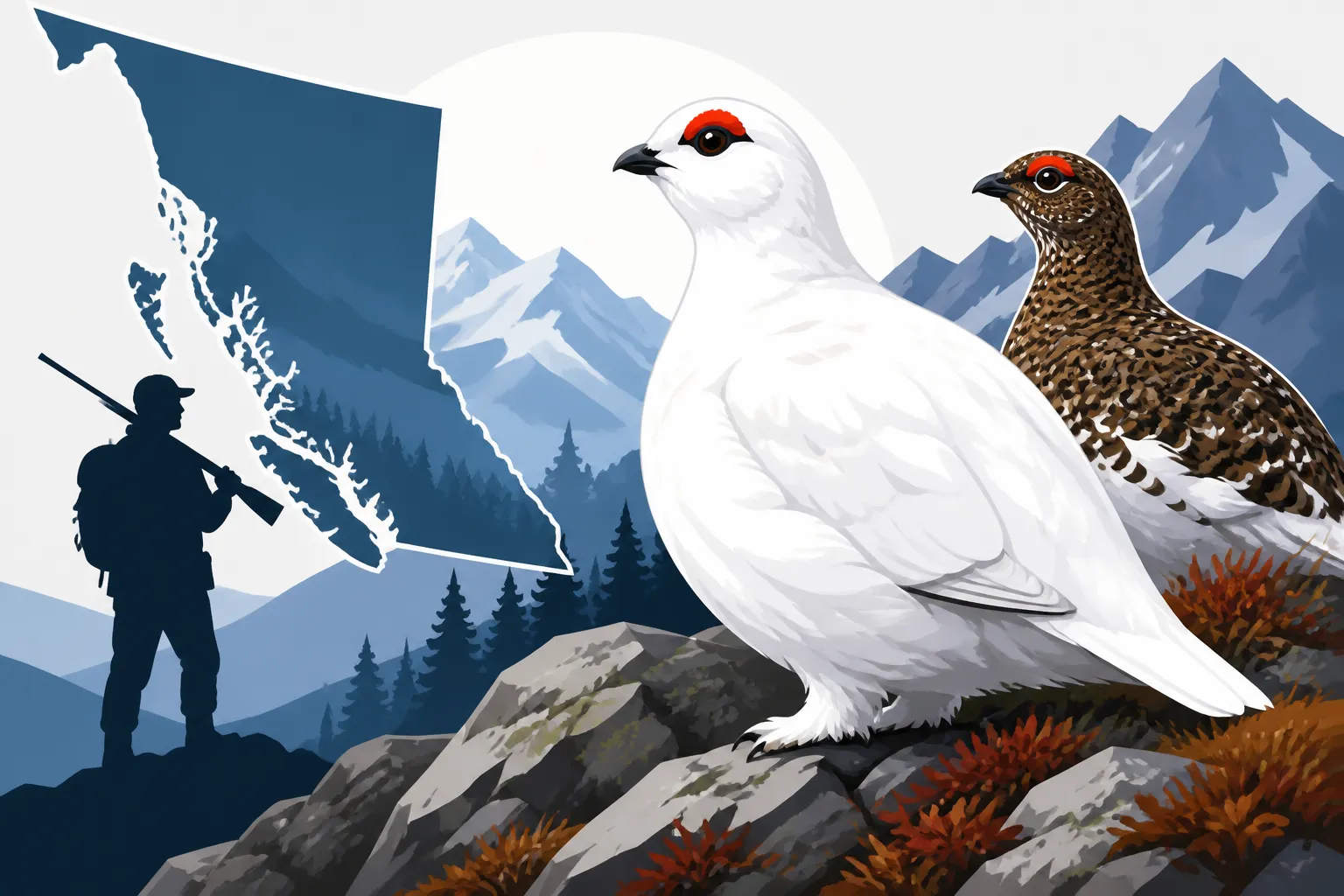
Oh, ptarmigan! These incredible birds are truly the hidden gems of British Columbia's high country, offering a unique and challenging hunting experience that often gets overshadowed by bigger game. Many hunters, especially those new to alpine environments, might not even realize we have three distinct species right here in BC, each with its own quirks and preferred haunts. This guide is all about shining a light on these resilient feathered inhabitants of the mountains, helping you identify them, understand their world, and perhaps even plan an unforgettable hunt for British Columbia's ptarmigan species.
The Ptarmigan Trio: An Introduction to British Columbia's Alpine Game Birds
When we talk about hunting in British Columbia, most folks immediately picture majestic moose, elusive sheep, or powerful elk. But high above the timberline, living in some of the most stunning and rugged landscapes, are our ptarmigan. These aren't just any game birds; they're masters of camouflage and survival, perfectly adapted to their harsh alpine environments. Hunting them is less about sheer size and more about the adventure, the challenge of the terrain, and the sheer beauty of the places they call home.
Why Ptarmigan are Special in British Columbia
Ptarmigan are unique among British Columbia's game birds because of their exceptional camouflage and their preference for high-altitude, often remote, habitats. Unlike the ruffed grouse you might flush from an alder bottom or the blue grouse you walk up on a logging road, ptarmigan demand a different kind of effort and offer a distinctly different experience. Their plumage changes with the seasons, transforming from speckled browns in summer to brilliant whites in winter, making them incredibly difficult to spot against the snow. This seasonal colour change is a marvel of nature and a testament to their survival instincts. For those who love backpacking, hiking, and exploring the true wilderness, chasing ptarmigan adds another layer to their alpine adventures, often coinciding with big game seasons in the same breathtaking landscapes. They represent a wild, untamed spirit, thriving where few other birds can. It's a chance to immerse yourself fully in the high country, pushing your limits in pursuit of these hardy birds. You can learn more about other feathered game in our comprehensive guide to British Columbia's Game Birds and Waterfowl.
General Characteristics and Behaviour
All three ptarmigan species share some common traits that help them survive above the tree line. They are members of the grouse family, but with feathered feet that act like snowshoes, providing insulation and traction on snow and ice. Their diet primarily consists of buds, catkins, leaves, berries, and insects, depending on the season and what's available in their sparse environment. During the breeding season, males become quite vocal, often making a croaking or cackling sound. In winter, they often burrow into snowdrifts for warmth and protection from predators, an incredible adaptation to extreme cold.
Despite their often solitary or small-flock nature, ptarmigan can be surprisingly approachable, especially if you move slowly and quietly through their territory. However, they can also flush explosively, disappearing into the vastness of the alpine in an instant. Understanding their flight patterns and where they might land after a flush is key to success. They tend to stick to areas with rocky outcrops, low-growing shrubs, and patches of resilient alpine vegetation, offering both cover and food sources. Their behaviour is intrinsically tied to the weather and elevation, making them a fascinating study for any outdoors enthusiast. If you're keen to learn more about the broader family, check out our piece on British Columbia's Grouse Species.
White-tailed Ptarmigan: The Ghost of the Alpine
The White-tailed Ptarmigan is perhaps the most iconic of British Columbia's ptarmigan, known for its pure white winter plumage, including its tail, which sets it apart from its cousins. These birds are truly at home in the highest reaches of our mountains, often found where the air is thin and the terrain is unforgiving. Spotting one feels like encountering a true spirit of the mountains.
Identifying the White-tailed Ptarmigan
The most definitive characteristic of the White-tailed Ptarmigan, as its name suggests, is its pure white tail feathers, which remain white year-round. In summer, their bodies are a mottled grey-brown, blending seamlessly with lichen-covered rocks and alpine tundra. However, come winter, they undergo a spectacular transformation, turning completely white, save for their black eyes and beak. This seasonal camouflage is critical for survival against keen-eyed predators like eagles and foxes. They are generally the smallest of the three ptarmigan species, with a more delicate build suited to scrambling among rocks and sparse vegetation. Their call is often described as a soft clucking or a low hoot. When they flush, you’ll notice the distinct lack of black in their tail, which is a key differentiator from the other two species.
Habitat and Seasonal Movements
White-tailed Ptarmigan prefer the highest alpine zones, typically above the tree line, where rocky slopes, sparse meadows, and krummholz (stunted trees) define the landscape. You'll find them at elevations where even hardy conifers struggle to grow, often near permanent snowfields or glaciers. Their movements are largely altitudinal; in summer, they spread out across the high meadows, feasting on berries and new growth. As winter approaches and snow depths increase, they may move slightly lower to areas where food is still accessible, but they rarely descend into dense forests.
Hunting these birds often means a serious hike into remote areas. Think about the challenging terrain you'd encounter while Hunting British Columbia's Alpine in September or even later in the year. Access can be tough, requiring good physical conditioning and careful navigation. They are often found in areas that offer both cover and escape routes, so glassing rocky ridges, small pockets of heather, and the edges of snow patches can be productive. Knowing how to read a contour map and use a GPS or a detailed mapping app like GoHunt is essential for pinpointing these prime habitats.
Hunting the White-tailed Ptarmigan
Hunting White-tailed Ptarmigan is an incredibly physical pursuit, demanding strong legs and lungs. It’s not a hunt for the faint of heart or those unprepared for significant elevation gain. Typically, hunters use small gauge shotguns (like a 20 gauge or .410) or even .22 rifles for a more challenging experience, especially for those pursuing them as a bonus on a big game hunt. When you spot them, approach slowly and deliberately. They may hold tight, allowing for a close shot, or they might explode into flight, requiring quick reflexes.
After a flush, watch where they fly. Ptarmigan often don't fly far, sometimes just hopping over a ridge or into a nearby depression. It's a game of patience and persistence. Hiking through the high alpine, keeping an eye out for these master camouflagers, is an experience in itself. The pure solitude and the stunning vistas are often as rewarding as the birds you might harvest. Remember, these hunts often involve long days and unpredictable weather, so proper preparation is paramount, as detailed in our guide to Hunting Ptarmigan in British Columbia's Alpine.
Rock Ptarmigan: High-Country Nomad
The Rock Ptarmigan shares much of the White-tailed Ptarmigan's high-country preference but has a slightly broader distribution and some key differences in appearance. They are equally adept at blending into their rocky domain, making them a formidable challenge for any upland hunter.
Distinguishing Rock Ptarmigan
While similar to the White-tailed, the Rock Ptarmigan has a few key distinguishing features. Most notably, in winter, its tail feathers are not all white; they retain some black, especially visible in the outer tail feathers. Males in breeding plumage also sport a prominent red comb above their eyes, which is more noticeable than on the White-tailed. Their summer plumage tends to be more barred and greyish, offering superb camouflage against the grey rock and scree slopes they frequent. They are generally slightly larger than White-tailed Ptarmigan. Their call is often described as a harsher, more guttural croak than their white-tailed cousins, sometimes sounding like a series of grunts. Observing the tail in flight is the quickest way to confirm identity if you're uncertain.
Preferred Terrains and Diet
Rock Ptarmigan inhabit rocky tundra, boulder fields, and talus slopes, often at slightly lower elevations than White-tailed Ptarmigan but still firmly within the alpine and subalpine zones. They are true nomads of the high country, often moving across vast expanses of broken terrain. Their diet is similar to other ptarmigan, focusing on alpine vegetation, buds, and berries, but they are particularly fond of foraging among lichens and mosses clinging to rocks.
You might find them near alpine passes or along exposed ridges, where they can spot predators from a distance. These are the kinds of places where you'd be Hunting a Mountain Pass in British Columbia, experiencing vast, open country. The ground they prefer is often treacherous, demanding sturdy boots and careful footing. Unlike the relatively "clean" snowfields where white-tails might hide, Rock Ptarmigan thrive in the jumbled, chaotic world of scree and loose rock, which requires an even more attuned eye to pick them out.
Strategies for Rock Ptarmigan
Hunting Rock Ptarmigan involves a similar approach to White-tailed: extensive hiking, careful glassing, and patient stalking. However, given their preference for more broken ground, using a good pair of binoculars to scan distant slopes is even more critical. Look for subtle movements, a flash of white as they shift, or the slight discoloration of a bird against a grey rock face. Once you locate a bird or a small covey, plan your approach to stay out of sight as much as possible, using the terrain to your advantage.
When they flush, they might fly with surprising speed over a series of humps and hollows, making it tough to mark their landing spot. Keep your gun ready, and be prepared for shots on birds flushing from tight cover behind rocks or sparse alpine bushes. A sturdy frame pack is not just for meat; it's essential for carrying water, emergency gear, and your birds back down the mountain. GoHunt's satellite imagery can be invaluable for identifying potential ptarmigan habitat before you even leave home, allowing you to mark waypoints for exploration.
Willow Ptarmigan: Northern Marshland Resident
The Willow Ptarmigan, while still an alpine species, differs significantly in its habitat preferences and appearance, particularly in its rich, reddish-brown summer plumage. It's the largest and most widespread of the three ptarmigan species and offers a slightly different hunting challenge.
Visual Cues of the Willow Ptarmigan
Willow Ptarmigan are the largest of the three BC ptarmigan species. In summer, they are easily distinguished by their beautiful, rich reddish-brown body plumage, which gives them a much warmer tone than the other two. Males, again, have prominent red combs above their eyes during the breeding season. Critically, their tail feathers, like the Rock Ptarmigan, are primarily black in winter, with white tips. This black tail is a dead giveaway when observed in flight against a snowy backdrop. In their fully white winter phase, distinguishing them from Rock Ptarmigan can be tricky without a clear view of the tail or size comparison, but their preferred habitat usually offers clues. Their call is a loud, distinct "go-back, go-back" or a cackling sound, often heard echoing across their preferred marshy or shrubby subalpine environments.
Wetland and Subalpine Habitats
Unlike their rock-dwelling cousins, Willow Ptarmigan show a strong preference for willow and alder thickets, marshy tundra, and boggy areas in the subalpine and lower alpine. They thrive in environments where there's plenty of shrubby cover, often near water sources. While they do ascend into the alpine, they stick closer to the timberline and areas with more substantial vegetation. This means you might find them in creek bottoms that carve through alpine basins or on the edges of large subalpine meadows.
These areas can be deceptively challenging to navigate, with dense thickets, uneven ground, and hidden water. Think about the conditions you'd encounter when Hunting a Subalpine Basin at First Light. Their range extends across much of central and northern British Columbia, particularly in areas with extensive subalpine willow growth. In winter, they still turn white, but they'll often be found in areas where willow branches protrude from the snow, offering food and some visual cover.
Pursuing Willow Ptarmigan
Hunting Willow Ptarmigan often means navigating denser cover than for the other two species. A good bird dog can be incredibly effective here, flushing birds from thickets you might otherwise walk past. Without a dog, still-hunting slowly and systematically through willow patches, pausing frequently to listen and scan, is your best bet. Be ready for sudden flushes, as they can burst from very close quarters.
Because of their habitat, you might find yourself hunting them with slightly heavier shotguns than you'd use for the other ptarmigan, especially if you're also targeting other grouse species in the subalpine. Shots can be fast and fleeting. Early season hunts can be quite productive as they haven't been pressured much, and their brown plumage makes them easier to see against green and brown vegetation before the first heavy snows. Like all ptarmigan hunting, be mindful of your surroundings; these areas are often shared with larger game, including bears, so maintain good situational awareness. Considering the different seasons, make sure to check British Columbia's Three Ptarmigan Species regulations specific to each region you plan to hunt.
Gear, Tactics, and Conservation for British Columbia Ptarmigan
Hunting ptarmigan in British Columbia isn't just about finding the birds; it's about embracing the alpine environment and being prepared for its unique challenges. From the gear you carry to the strategies you employ, every aspect needs to be tailored to high-country success and, critically, to ensuring these remarkable birds continue to thrive.
Essential Gear for Alpine Hunts
When venturing into British Columbia's ptarmigan country, your gear list will look a lot more like a backcountry big game hunt than a typical bird hunt.
First and foremost, footwear is paramount. You'll be traversing steep, rocky, uneven, and potentially snowy terrain. A robust, waterproof, and supportive pair of hiking boots is non-negotiable. Think about investing in quality boots designed for serious mountain hunting, much like those recommended for Boots for Steep British Columbia Country. Blisters or a rolled ankle high in the mountains can quickly turn an incredible trip into a dangerous situation.
Next, layered clothing is crucial. The weather in the alpine can change drastically in a matter of minutes, from bright sunshine to driving rain or snow. Wicking base layers, insulating mid-layers, and a waterproof/windproof outer shell are essential. Don't forget a warm hat, gloves, and an extra pair of socks.
Navigation tools are also critical. A reliable GPS device or a smartphone app with downloaded offline maps (like GoHunt) is a lifesaver. Topographic maps and a compass are excellent backups. Cell service is virtually non-existent in most ptarmigan habitats. A satellite communication device like a satellite messenger or phone is a wise investment for emergencies.
Finally, optics are your best friend. A good pair of 8x or 10x binoculars can save you countless steps by allowing you to glass distant slopes for birds before you commit to a difficult ascent. A small spotting scope can also be useful for confirming identification or checking for coveys from afar. And, of course, your shotgun or rifle, appropriate ammunition, and a good game vest or backpack to carry your birds. Remember, you'll be packing everything out on your back, including any birds you harvest, so pack smart and light but be prepared.
Effective Hunting Strategies
Hunting ptarmigan often requires a blend of patience, persistence, and keen observation. Unlike many forest grouse that prefer thick cover, ptarmigan often use subtle terrain features and their camouflage to hide in plain sight.
Glassing is key: Spend a significant amount of time sitting and glassing distant slopes, especially in the early morning or late afternoon when birds might be more active. Look for movement, distinct shapes against rocks, or flashes of white (even if it's not snow). Use your binoculars to systematically scan ridgelines, basins, and patches of vegetation. Once you spot a bird or covey, plan your approach carefully, using terrain features to mask your advance.
Still-hunting and listening: When you're in likely habitat, move slowly and deliberately, pausing frequently to scan your surroundings and listen for calls or the tell-tale sound of wings flushing. Ptarmigan can be surprisingly vocal, especially during certain times of the day. They often don't fly far after a flush, so mark where they land and try to re-locate them. If you're on an early season trip, keep in mind how the specific British Columbia Grouse Season and Limits apply to these birds.
Work the edges: Focus your efforts on the transition zones – the edges of snowfields, the boundary between rocky scree and alpine meadows, or where sparse vegetation gives way to bare rock. These edges often provide both food and cover. Also, consider the impact of elevation on hunting conditions, as discussed in Hunting Above Timberline in Cold Weather.
Weather awareness: Ptarmigan activity can be highly influenced by weather. On clear, calm days, they might be higher and more spread out. During stormy weather or strong winds, they might seek shelter in protected depressions or burrow into snow. Being adaptable to changing conditions is crucial for success. Always check the current British Columbia Game Bird Seasons for the specific species and region you're targeting.
Ensuring Sustainable Ptarmigan Populations
Conservation is a responsibility we all share as hunters, and ptarmigan are no exception. While generally stable, their alpine habitats are sensitive to climate change and human activity. Adhering strictly to regulations is the first step.
Understand bag limits and seasons: Always consult the current British Columbia hunting regulations synopsis for specific bag limits, possession limits, and season dates for ptarmigan in the management unit you plan to hunt. You can often find this information readily on the provincial government's wildlife website or through resources like the GoHunt app.
Hunt ethically and responsibly: Practice good sportsmanship. Take clean shots to ensure quick, humane kills. Only shoot what you intend to harvest and consume. Avoid over-pressuring specific areas; if you've harvested a few birds from a covey, consider moving on to allow the remaining birds to disperse and recover.
Respect the environment: Ptarmigan habitat is fragile. Stay on established trails where possible, pack out all your trash, and minimize your impact on the delicate alpine vegetation. These remote areas are pristine for a reason; let's keep them that way. Awareness of rules, such as those governing British Columbia Wildlife Management Area Rules, is also important to ensure you're hunting in permitted areas and following any local restrictions. By being mindful hunters, we can ensure that future generations can also experience the unique challenge and reward of pursuing these incredible alpine game birds.
| Species | Size (Length) | Key ID Features (Summer) | Key ID Features (Winter) | Typical Habitat | Elevation Range |
|---|---|---|---|---|---|
| White-tailed Ptarmigan | Smallest (30-35 cm) | Mottled grey-brown, white wings, all white tail | All white body, black eyes, all white tail | Highest alpine, rocky slopes, sparse meadows | Above treeline, near permanent snow |
| Rock Ptarmigan | Medium (32-38 cm) | Barred grey-brown, white wings, black outer tail feathers | All white body, black eyes, black outer tail feathers | Rocky tundra, boulder fields, alpine passes | Alpine and subalpine, usually lower than white-tail |
| Willow Ptarmigan | Largest (35-43 cm) | Rich reddish-brown body, white wings, black outer tail feathers | All white body, black eyes, black outer tail feathers | Subalpine willow/alder thickets, marshy tundra, bogs | Subalpine to lower alpine, near treeline |
Disclaimer
This article is for general informational purposes only and does not constitute professional advice. Laws, prices and regulations vary by location and change over time. Consult a qualified professional for guidance on your specific situation.