Hunting a Subalpine Basin at First Light
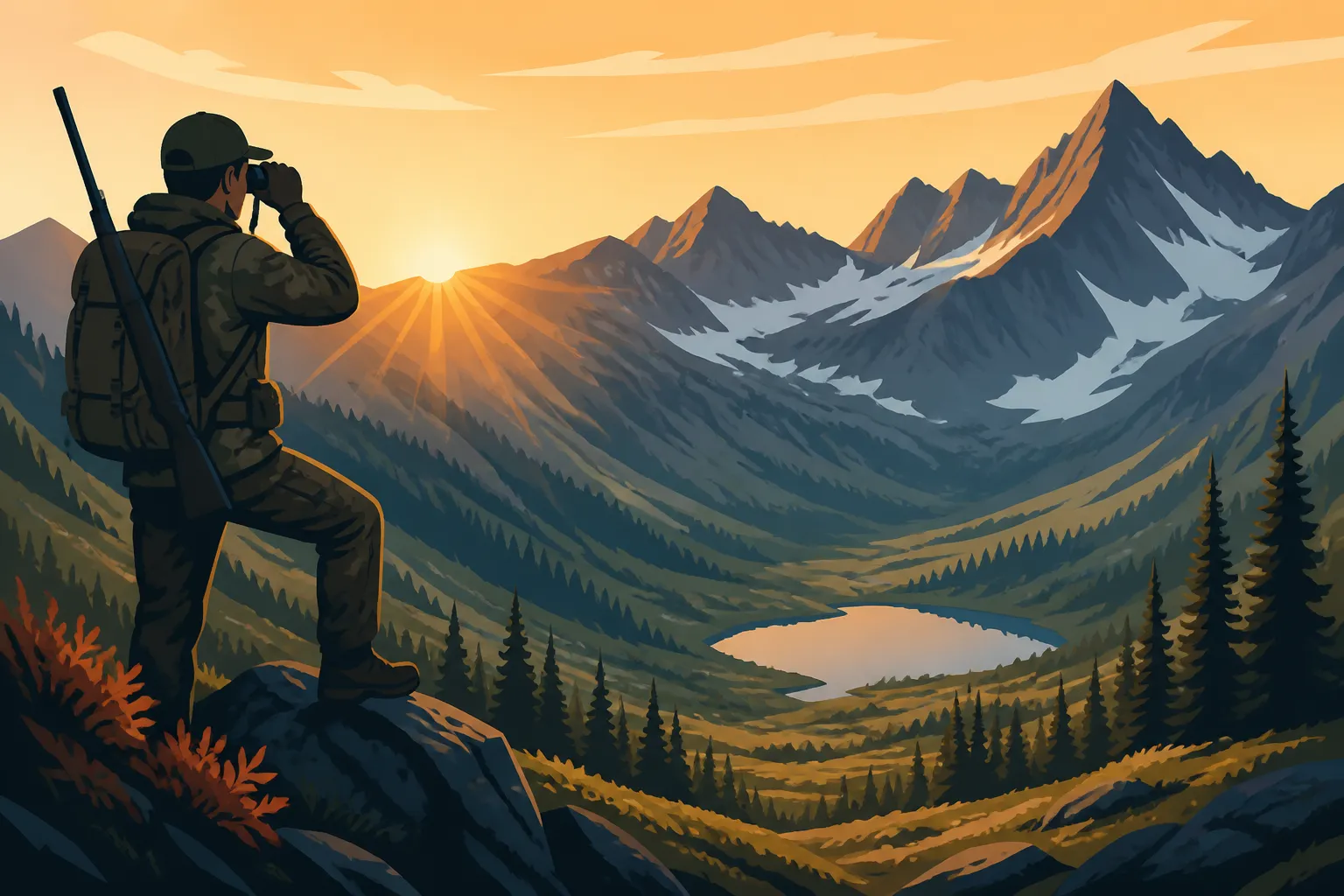
There's a special kind of magic, and challenge, that comes with being positioned in a high alpine basin just as the first sliver of light kisses the peaks. Many of us have felt that cold, damp pre-dawn air, wondering if we've picked the right spot, if the trek in was worth it, and if our quarry will finally make an appearance. This guide is all about demystifying those early morning subalpine hunts in British Columbia, giving you the practical strategies and insights to make those efforts pay off.
The Allure of Subalpine Basins at Dawn
That transition zone between dense timber and the stark, open alpine — the subalpine basin — is a magnet for big game, especially in British Columbia. It's a place of incredible beauty, but also incredible opportunity for the patient hunter.
Why Subalpine Basins are Prime Hunting Grounds
Subalpine basins offer a unique blend of cover, forage, and water, creating an irresistible environment for a variety of game species. Think about it: during the warmer months, these areas often hold lush, green feed that's much more palatable than the dried-out lower elevation grasses. Species like mule deer and elk will migrate upwards as the summer progresses, taking advantage of these high-energy food sources. You'll find a mix of palatable forbs, grasses, and shrubs that thrive in these cooler, moister environments. This makes them ideal feeding grounds, especially when the lower valleys become hot and dry.
Beyond just food, these basins provide critical security cover. While the higher alpine might feel exposed, the subalpine still boasts stands of stunted fir, spruce, and pine, often interspersed with dense willow thickets and rocky outcrops. This mosaic offers perfect bedding areas where animals can feel safe from predators, both human and natural. They can bed down in a sheltered pocket, often with a view of their backtrail or potential threats, enjoying the relative coolness and bug-free air. Access to perennial snow patches or small trickling streams also ensures a reliable water source, which is especially important during late summer and early fall when other water sources might dry up. For a more detailed look at these areas, you might find our guide on Hunting British Columbia's Alpine in September particularly insightful.
The Unique Advantages of First Light
Hunting a subalpine basin at first light isn't just picturesque; it's strategically advantageous. Animals, especially herbivores, are often most active during the crepuscular hours – dawn and dusk – to take advantage of cooler temperatures and lower light conditions which offer some protection from predators.
At first light, you'll often catch game moving from their nocturnal feeding areas back towards their bedding grounds, or perhaps still lingering on a feeding slope before the sun gets too high and the pressure from heat or bugs becomes too much. This is when they're most visible and, crucially, often less wary as they focus on their primary needs. The low light offers you a veil, making your approach and initial glassing less likely to be detected.
Another significant factor is the thermal draft. In the mountains, air currents have a predictable pattern. As the sun begins to warm the slopes, air starts to rise. This means that at first light, the prevailing thermal current will typically be downhill. If you're positioned correctly above the basin, your scent will be carried away from the game below, giving you a critical advantage. However, as the sun climbs higher and the day warms up, these thermals will often reverse, beginning to carry scent uphill. Understanding these shifts is paramount to a successful hunt, and many a hunt has been ruined by a misjudged wind direction as the day progressed.
Mastering Pre-Hunt Preparation and Approach
Success in a subalpine basin at first light isn't a matter of luck; it's the culmination of meticulous planning and a disciplined approach. You can't just wake up and decide to hike into a basin and expect a trophy animal to be waiting.
Thorough Scouting: Digital and On-the-Ground
Before you ever set foot in the dark, your scouting efforts should begin at home. This is where digital tools become your best friends. High-resolution satellite imagery on platforms like GoHunt or onX is invaluable. You can virtually explore the terrain, identifying key features from your armchair: potential game trails, bedding knobs, feeding benches, water sources, and most importantly, access routes. Look for pinch points, saddles, and benches that might funnel game movement. Study the topography to understand how thermals might behave at different times of day. Our guide to Scouting a British Columbia Management Unit Online can provide more tips on making the most of these digital resources.
Once you have a general idea, nothing beats on-the-ground reconnaissance, if feasible. If you can make a trip to the area outside of hunting season, or even a day or two before your hunt, it's worth it. Walk the access trails, get a feel for the elevation changes, and confirm what you saw on your maps. Look for fresh sign: tracks, scat, rubs, and beds. Note where the lush forage is, and where the denser cover lies. This firsthand knowledge will be critical for a silent, efficient approach in the dark. You'll be looking for subtle features like game trails leading into an Avalanche Chute in September or pathways through the stunted timber that might otherwise be missed.
| Scouting Tool | Benefit | What to Look For |
|---|---|---|
| Satellite Imagery | Remote assessment, macro overview | Basins, timberlines, open slopes, water, potential routes |
| Topographical Maps | Elevation, steepness, drainages | Contour lines, saddles, ridges, escape routes |
| GoHunt/onX | Property boundaries, user data, historical data | Public land, private logging roads, past successful areas |
| Binoculars/Spotting Scope | Glassing distant terrain, identifying micro-features | Rubs, beds, specific feeding areas, game trails |
| Physical Recon | Verifying digital data, finding fresh sign | Tracks, scat, fresh rubs, actual bedding sites |
The Art of the Silent Approach
The journey into a subalpine basin before dawn is a critical phase of the hunt. Your goal is to arrive at your chosen vantage point without alerting any game to your presence. This means moving slowly, deliberately, and silently. Plan your route carefully to avoid known bedding areas or open, noisy terrain. Often, sticking to game trails can be quieter than busting brush, as they are naturally cleared. However, be mindful that these are also where game will be moving.
Consider how much light you'll need. A small headlamp on its dimmest red-light setting is usually sufficient for navigation without blowing out your night vision or spooking distant animals. Minimize any noise: buckle packs securely, tape down anything that rattles, and wear quiet clothing. The colder air at first light means sound travels further, so every rustle and snap is amplified. This silent approach is especially crucial when you're hunting species like mule deer or elk that are acutely sensitive to disturbance.
Setting Up for the Perfect Ambush
Once you've navigated into the basin, choosing your final setup spot is paramount. You need a position that offers a clear view of the areas you expect game to be, provides adequate cover for yourself, and, most critically, takes advantage of the prevailing wind and thermals. Ideally, you want to be positioned above where you expect the animals to be, allowing your scent to be carried downhill and away from them. This also gives you a better vantage point for Glassing an Alpine Basin for Rams or other game.
Look for a spot with a natural backstop that breaks up your silhouette, such as a rocky outcrop, a clump of stunted trees, or even just a rise in the terrain. Ensure you have shooting lanes clear of brush in the directions you anticipate game appearing. This might mean clearing a few small branches before legal light, ensuring you don't make any sudden movements when an animal steps out. Set up your optics, rifle, or bow, and get comfortable well before the sun crests the horizon. Waiting patiently in the dark, allowing your eyes to adjust, and letting the basin wake up around you, is a vital part of the experience.
Tactics for Success When the Sun Rises
As the first light illuminates the subalpine, your tactics shift from stealth and positioning to observation and execution. This is where patience, keen eyes, and a deep understanding of animal behavior truly shine.
Glassing Strategies for Subalpine Terrain
Subalpine basins can be vast and deceptively complex. Simply glancing around won't cut it. You need a systematic and thorough glassing strategy. Start by segmenting the basin into smaller, manageable zones. Use your binoculars or spotting scope mounted on a tripod to methodically scan each zone, moving slowly from one side to the other, then dropping down a few feet and scanning back. This grid-like approach ensures you don't miss anything. Pay particular attention to edges – the interface between timber and open slope, the fringe of willow thickets, and any areas with diverse vegetation. Animals often use these transition zones for both feeding and cover.
Don't just look for an entire animal; often, the first thing you'll spot is a flicker of an ear, a patch of contrasting color against the muted browns and greens, or the horizontal line of a back that doesn't quite fit the vertical lines of trees. Use your optics to pick apart shadows, especially in the timbered pockets or under overhanging rock ledges, as these are common bedding spots as the sun rises. Consider our post on Hunting a Subalpine Meadow for more on finding game in these specific spots. Remember that light conditions change rapidly at dawn, so you'll need to adjust your focus and patience as the shadows recede.
Understanding Animal Behavior in the Morning
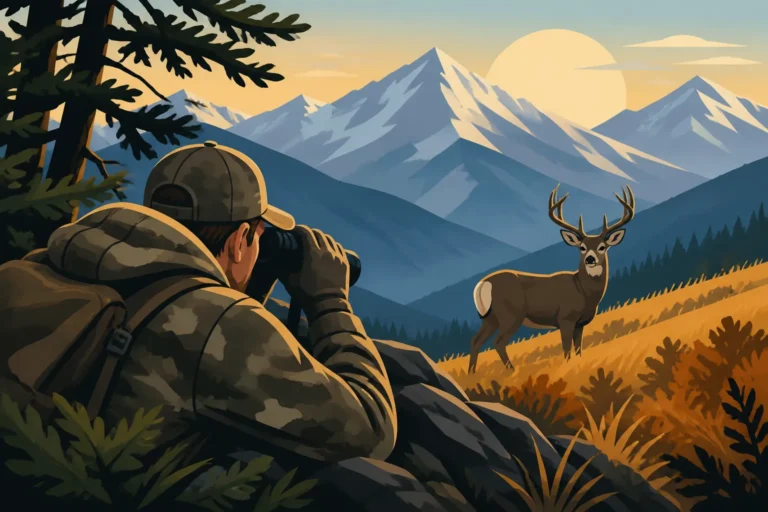
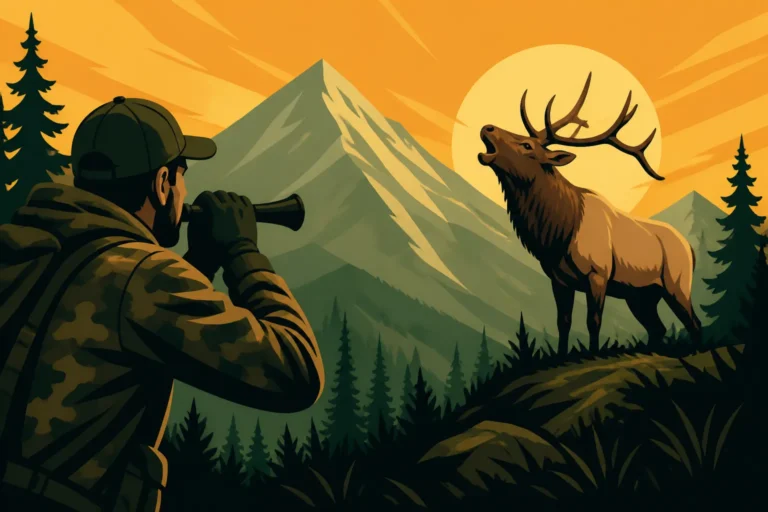
Knowing what specific species you're after and how they typically behave at dawn is a massive advantage. For example, mule deer in the subalpine might be found feeding on open slopes for the first hour of legal light before slowly filtering back into the timbered fringes or up to rockier, more exposed bedding sites higher up. Elk, especially cows and calves, might linger in larger groups on more open feeding grounds, while mature bulls might be more solitary and seek cover sooner.
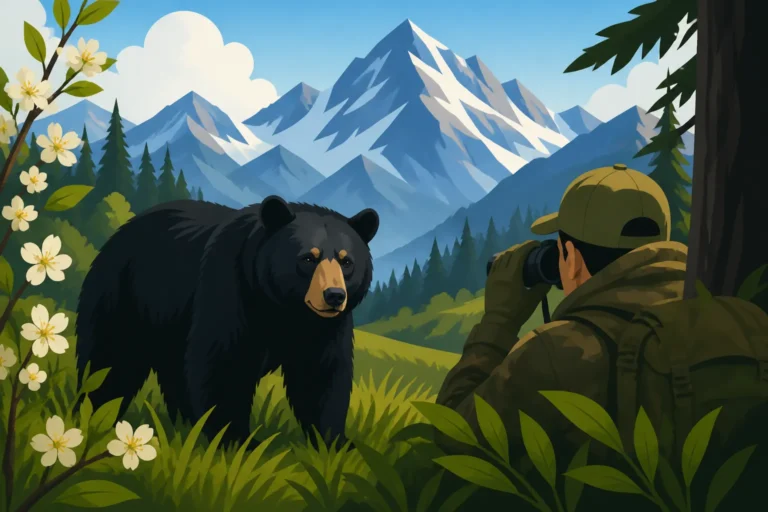
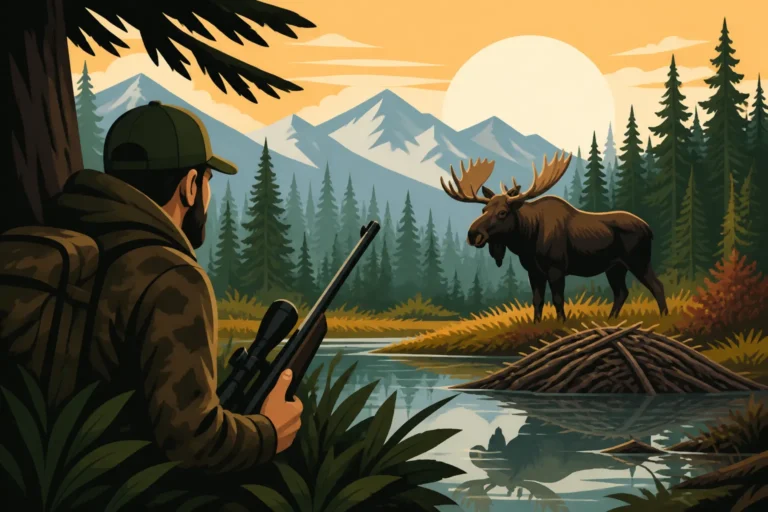
Black bears are also common in these areas, often foraging on berry patches or avalanche chutes. At first light, you might catch them still out in the open before they retreat into denser cover for the day. Moose, if present, are often found in wet, willow-choked areas or around small ponds within the basin, and are less likely to be high on exposed slopes. Understanding these typical patterns for British Columbia's game can help you focus your glassing efforts and anticipate where animals might move next. This is where knowing about How Elevation Moves British Columbia Game can really pay off, as different animals utilize the vertical landscape differently.
Adapting to Dynamic Conditions
The subalpine environment is notoriously unpredictable, and conditions can change rapidly in the morning. Fog might roll in, reducing visibility to mere yards, or a sudden wind shift could carry your scent directly to the animals you're trying to find. Don't let these changes derail your hunt; adapt to them.
If fog descends, you'll need to change your strategy from long-range glassing to still-hunting or stalking at closer range, relying more on your ears and the thermal advantage you have. If the wind shifts, you might need to reposition entirely, or even scrap your plan for that basin and move to another one where the wind is more favorable. A sudden drop in temperature could mean animals remain active longer, or seek out sunny pockets to warm up. Always be ready to adjust. Carrying a small, portable weather meter can give you real-time wind direction and temperature readings, helping you make informed decisions. Sometimes, the most successful hunt is the one where you recognize a bad situation and are willing to pull out and try again another day.
Essential Gear and Safety for Mountain Hunts
A subalpine basin hunt is a true backcountry experience, and being prepared with the right gear and safety protocols isn't just a good idea—it's absolutely critical. The remoteness, rugged terrain, and unpredictable weather demand respect.
Crucial Equipment for a Subalpine Basin Hunt
Your gear list for a subalpine hunt at first light will be more extensive than a typical day hunt closer to the truck. Layered clothing is non-negotiable. The pre-dawn cold can be biting, but as the sun climbs, you'll heat up quickly. You need to be able to add or shed layers efficiently. Think technical fabrics that wick moisture, insulate when wet, and provide wind and rain protection. A good quality merino wool base layer, a fleece mid-layer, and a waterproof/breathable outer shell are essential. Don't forget a warm hat and gloves, even in early fall.
Optics are paramount. High-quality binoculars (10×42 or 12×50 are popular choices) and a spotting scope (15-45x or 20-60x) are your eyes in this vast landscape. Make sure they're paired with a sturdy tripod for steady viewing during those long glassing sessions. For navigation, always carry a reliable GPS unit or a smartphone with a downloaded offline mapping app like GoHunt, along with a compass and physical map as a backup. Batteries die, screens break, and satellites can be finicky.
Your weapon choice should be appropriate for the anticipated ranges and species. For elk or sheep, a flat-shooting rifle in a calibre like .270 Win, .30-06, 7mm Rem Mag, or .300 Win Mag is common. Ensure you've practiced shooting from various field positions, including prone and off a backpack, as ranges can be long in open country. And of course, bring plenty of water, high-energy snacks, a first-aid kit, and a headlamp with extra batteries. For more advice on what to pack, checking out our guide on Backpack Hunting British Columbia's Sheep Country can offer further insights.
Navigating Challenges and Ensuring Safety
The mountains of British Columbia are wild, and personal safety must always be at the forefront of your planning. Bears, both black bears and grizzlies, are common residents of subalpine basins, especially in areas with berry patches or good forage. Always carry bear spray, know how to use it, and have it readily accessible. Some hunters also carry a firearm for bear defense, but bear spray is often the primary deterrent for close encounters. Understanding What to Do If You See a Grizzly is crucial knowledge for any hunter in this province.
Emergency preparedness is another key element. Cell service is often non-existent in remote subalpine basins. A satellite messenger device, such as a Garmin InReach or a Zoleo, is highly recommended for communication in case of an emergency. These devices allow you to send SOS messages, check in with loved ones, and receive weather updates, providing a critical lifeline. Ensure someone knows your exact hunting plans, including your route, destination, and expected return time.
Finally, getting an animal out of steep, rugged subalpine terrain is often the hardest part of the hunt. Have a plan for quartering and packing out meat, and bring appropriate game bags and a strong frame pack. Considerations for Getting Meat Out of Steep British Columbia Country should be made well in advance. Proper meat care is essential, especially if the weather warms up unexpectedly. The effort involved is immense, but the reward of sustainable, wild meat is incomparable.
Disclaimer
Hunting is an inherently risky activity. This guide provides general information and recommendations. Always consult the official British Columbia Hunting Regulations Synopsis for the most current rules, seasons, and licensing requirements. Hunter safety courses and in-depth training are highly recommended. The author and publisher assume no liability for any incidents or accidents resulting from the use of this information. Hunt safely, ethically, and responsibly.