British Columbia’s Three Ptarmigan Species
For hunters eager to explore British Columbia's high country, the elusive ptarmigan often presents a unique challenge and a deeply rewarding experience. Many folks find themselves scratching their heads when trying to distinguish between the various alpine grouse species, or even knowing where to begin looking for them among the vast, rocky expanses. This guide is here to shed some light on the three distinct ptarmigan species that call British Columbia home, helping you identify them, understand their preferred habitats, and equip you with the knowledge to pursue these incredible birds ethically and successfully.
Understanding British Columbia's Alpine Game Birds
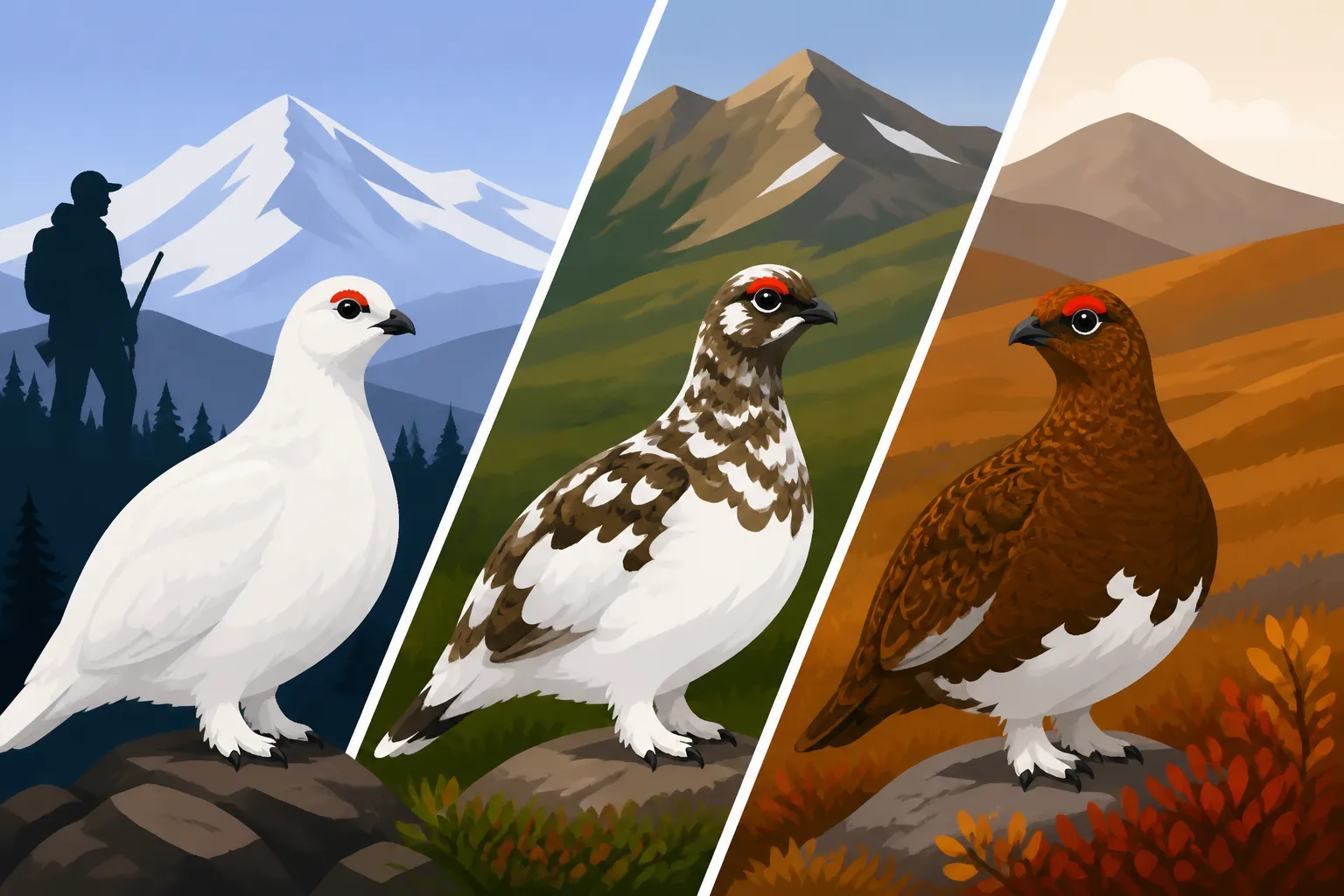
Ptarmigan are truly unique members of the grouse family, perfectly adapted to thrive in the harsh, high-altitude environments of British Columbia's mountains. Unlike many other game birds that stick to lower elevations or forested areas, ptarmigan are creatures of the alpine and subalpine, where the trees thin out and the ground gives way to rock, tundra, and sparse vegetation. Their most remarkable adaptation, and often what makes them so difficult to spot, is their incredible seasonal camouflage, changing their plumage from mottled browns and greys in summer to pure white in winter. This makes them blend seamlessly with their surroundings, disappearing into the rocky slopes or snowy drifts as the seasons turn.
The thrill of hunting ptarmigan isn't just about the quarry itself; it's about the adventure of getting into their breathtaking domain. It’s about the crisp mountain air, the expansive views, and the physical challenge of traversing steep, rugged terrain. You're not just pursuing a bird; you're immersing yourself in an ecosystem few ever experience, where every step is an effort and every bird spotted feels like a small triumph against the vastness of nature. This pursuit truly embodies what it means to be an alpine hunter, pushing your limits and connecting with the wild on its own terms.
The Three Alpine Ghosts
British Columbia is fortunate enough to host all three species of North American ptarmigan: the Willow Ptarmigan, the Rock Ptarmigan, and the White-tailed Ptarmigan. While they all share the incredible ability to change their feather colour with the seasons, each has distinct characteristics and preferred micro-habitats within the alpine world. Knowing these differences is key, not just for proper identification in the field, but also for understanding where you're most likely to find them when you’re out on a hunt. It’s easy to confuse them, especially when they’re in their transitional plumages, but a keen eye for detail can make all the difference.
You’ll often hear hunters talk about these birds in hushed tones, almost like whispers of the mountains, because seeing them in their natural element truly feels like encountering a ghost. They’re so perfectly camouflaged that you can often walk right past a covey without even realizing they are there until they burst into flight. This elusiveness is part of their charm and why dedicated upland hunters often include a ptarmigan hunt on their list of annual adventures, perhaps after a strenuous climb while Hunting British Columbia's Alpine in September.
Identifying British Columbia's Ptarmigan Species
Distinguishing between the three ptarmigan species can be tricky, especially given their chameleon-like ability to change plumage. However, with a few key identifiers and an understanding of their typical haunts, you can become adept at telling them apart. Many hunters find it useful to keep a mental checklist of characteristics, looking for specific feather patterns, bill size, and even tail feather coloration.
When you're up in the alpine, maybe doing some serious glassing for sheep or goats, you might just stumble upon these incredible birds. Being able to identify them quickly not only satisfies your curiosity but also ensures you're hunting ethically and within regulations, as specific rules might apply. Familiarizing yourself with these details before you head out can save you a lot of guesswork and allow you to appreciate the subtle beauty of each species.
Willow Ptarmigan: The Red Grouse of the Alpine
The Willow Ptarmigan (Lagopus lagopus) is generally the largest and most widespread of the three species in British Columbia. In summer, their plumage is a rich reddish-brown, heavily barred, with a white belly and white wings. The males, especially, sport prominent red combs above their eyes, which become even more vibrant during breeding season. As autumn progresses, they begin to molt, gradually transitioning to their pristine white winter coat. A key identifier, even in winter, is their dark tail feathers, which remain black, contrasting sharply with their otherwise white body.
You’ll typically find Willow Ptarmigan in subalpine shrubby habitats, often near willow thickets (hence their name), dwarf birch, and alder brush, usually close to the timberline. They thrive in areas with dense low-growing vegetation that provides both cover and food. When flushing, they often have a strong, rapid flight, sometimes calling with a distinctive cackling sound that alerts you to their presence. Their slightly larger size and their preference for more vegetated areas just below true alpine make them a bit easier to encounter than their cousins.
Rock Ptarmigan: Master of Camouflage
The Rock Ptarmigan (Lagopus muta) is slightly smaller than the Willow Ptarmigan and, as its name suggests, is a master of blending into rocky terrain. In summer, its plumage is a mottled grey and brown, often with fine barring, giving it a much greyer appearance compared to the reddish tones of the Willow Ptigan. Males also have red combs, but they tend to be smaller than those of the Willow. Like the Willow, they have white wings year-round, but their most distinguishing feature in winter is their more delicate build and a black stripe that runs from the bill through the eye on the male. Their tail feathers are also dark, similar to the Willow.
These birds prefer higher, more barren alpine areas with exposed rock, scree slopes, and sparse tundra vegetation. They are often found where the Willow Ptarmigan transitions to true high alpine. Their calls are typically a raspier, lower croak compared to the Willow's cackle. Their camouflage is so exceptional that they often won't flush until you are almost on top of them, relying entirely on their ability to disappear into the rocks. This can make for some heart-stopping flushes, particularly when you’re not expecting it and are Hunting above Timberline in Cold Weather.
White-tailed Ptarmigan: The Alpine Specialist
The White-tailed Ptarmigan (Lagopus leucura) is the smallest of the three species and is perhaps the most specialized for the highest alpine environments. What truly sets them apart, and makes identification relatively straightforward, is their pure white tail feathers in all seasons. Unlike their two cousins, their tail never has any dark coloration. In summer, their body plumage is a variegated grey and brown, often with a slightly more yellowish or buff tone than the Rock Ptarmigan, but always with those tell-tale white tail feathers and white wings. They also lack the red comb that both male Willow and Rock Ptarmigan display.
These birds inhabit the most extreme, highest-elevation rocky ridges, boulder fields, and permanent snowline areas, often well above where you'd find anything but the hardiest alpine flora. They are incredibly hardy birds, often found even at the very summits of mountains. They tend to be less vocal than the other two species, with a soft, clucking call. Because their habitat is so extreme, encountering a White-tailed Ptarmigan often means you’ve earned every step of your climb, perhaps after hours of Backpacking Into British Columbia Sheep Country. Their trust in their camouflage is absolute; they will often allow a very close approach before reluctantly flushing, making them seem almost fearless.
Here's a quick comparison of the three species:
| Feature | Willow Ptarmigan | Rock Ptarmigan | White-tailed Ptarmigan |
|---|---|---|---|
| Size | Largest | Medium | Smallest |
| Summer Plumage | Rich reddish-brown, barred, white belly & wings | Mottled grey/brown, finer barring, white wings | Variegated grey/brown, white wings |
| Winter Plumage | All white, dark tail feathers | All white, dark tail feathers, male has black eye stripe | All white, pure white tail feathers |
| Red Eye Combs | Prominent (males) | Present, smaller (males) | Absent |
| Primary Habitat | Subalpine, willow thickets, dwarf birch, timberline | Higher alpine, rocky scree, sparse tundra | Highest alpine, boulder fields, permanent snowline |
| Call | Distinctive cackling | Raspier, lower croak | Soft, clucking |
Habitat and Behavior: Living on the Edge
Ptarmigan are masters of survival in some of British Columbia's most unforgiving landscapes. Their habitat choices and behavioural adaptations are fascinating, allowing them to not only endure but thrive where other birds wouldn't stand a chance. Understanding these patterns is absolutely essential for anyone hoping to find them, whether for photography, observation, or hunting. It’s not just about knowing what they are, but where they are and why they're there.
The high country they inhabit is dynamic, constantly changing with the seasons, and so too are the ptarmigan's daily lives. From the lush, short-lived alpine bloom of summer to the windswept, snow-covered desolation of winter, these birds adapt with remarkable precision. This means that a good ptarmigan hunter isn't just physically fit; they're also a keen observer of micro-climates, vegetation, and subtle signs of animal activity in an otherwise stark environment.
Seasonal Movements and Adaptations
Ptarmigan are not truly migratory birds in the traditional sense, but they do engage in altitudinal migration, moving up and down the mountainsides in response to snow depth and food availability. In summer, they spread out across their respective alpine and subalpine ranges, utilizing the abundant, albeit temporary, growth of berries, seeds, and insects. This is when they're raising their chicks, and coveys can be found scattered across the open slopes. As the first snows begin to fall, they’ll start their spectacular molt into their white winter plumage.
With heavier snowfalls, they often descend slightly to areas where the wind keeps certain slopes or ridges blown clear, exposing forage. They'll also use snow to their advantage, burrowing into it to escape extreme cold and predators. Their feathered feet act like snowshoes, distributing their weight and allowing them to walk easily over drifts. These seasonal shifts are crucial to consider; a basin that held birds in September might be completely empty by late October, or vice versa. Planning your trip means paying close attention to mountain forecasts and snowlines, which can be monitored with tools like those offered by GoHunt.
Preferred Terrain and Food Sources
Each ptarmigan species, as mentioned, has its preferred niche within the alpine. The Willow Ptarmigan gravitates towards the transition zone, areas where stunted trees give way to dense patches of willow, dwarf birch, and heather. They feed on buds, catkins, leaves, and berries from these shrubs, often preferring the edges of open meadows or along subalpine creek bottoms. If you’re ever Hunting a Subalpine Basin at First Light, pay close attention to the thicker shrub patches.
Rock Ptarmigan are found a bit higher, in areas characterized by rockslides, talus slopes, and sparse tundra. Their diet consists more of lichen, mosses, and the hardy, low-growing plants that can cling to life in such exposed conditions. They are incredible at finding sustenance in what appears to be a barren landscape. The White-tailed Ptarmigan takes this to an even greater extreme, living on the highest, most exposed ridges and boulder fields, where lichens, mosses, and persistent alpine flowers are their primary food source. They even eat small insects they find among the rocks. Hunting in these areas often means embracing the challenge of Hunting a Rock Slide for Goats while also keeping an eye out for these tiny inhabitants.
Hunting Ptarmigan in British Columbia
Hunting ptarmigan in British Columbia offers a truly unique and challenging experience. It's not a hunt for the faint of heart or those unwilling to put in the effort. The rewards, however, are immense: stunning scenery, physical accomplishment, and the satisfaction of harvesting a beautiful, wild bird in its natural, untamed environment. This isn't a "road hunt"; this is a deep dive into the wilderness, often requiring significant physical exertion and careful planning.
For me, there’s nothing quite like cresting a ridge after a long climb and seeing that vast expanse of British Columbia's alpine spread out before you. The quiet is profound, broken only by the wind or the distant call of a hawk. That’s the magic of a ptarmigan hunt, and it’s an experience that stays with you long after you’ve left the mountains.
Gear and Techniques for Ptarmigan Hunting
Because ptarmigan live in rugged, often remote terrain, your gear selection is paramount. You need to be prepared for drastic weather changes, steep climbs, and potentially long treks.
- Footwear: Sturdy, ankle-supporting hiking boots with excellent grip are non-negotiable. Waterproofing is a must, as you'll encounter dew, stream crossings, and possibly snow or rain, especially when Hunting British Columbia's Coastal Rain.
- Clothing: Layering is key. Start with moisture-wicking base layers, add insulating mid-layers (fleece or synthetic down), and top it off with a waterproof and windproof outer shell. Even on a sunny day, temperatures can plummet quickly in the alpine. Blaze orange is often required or highly recommended for visibility and safety.
- Optics: Binoculars are incredibly useful for spotting birds on distant slopes before you commit to a climb. A good pair of 10x42s can make all the difference when you're Glassing an Alpine Basin for Rams and also looking for ptarmigan.
- Shotgun: A lightweight 12 or 20 gauge shotgun is ideal. Field loads with 7.5 or 6 shot are typically sufficient. Remember to check non-toxic shot rules if hunting near water bodies where it might be required.
- Pack: A comfortable daypack or small frame pack is essential to carry water, snacks, extra layers, a first-aid kit, and your harvested birds. If you're going deeper, consider a larger pack for overnight gear, especially if you’re planning a Setting a Spike Camp Above Timberline.
- Navigation: GPS or a mapping app like those from GoHunt, combined with a physical map and compass, is critical. Cell service is often non-existent in the alpine, so a satellite messenger is a wise investment for emergency communication. Satellite Communication on a Remote Hunt can be a lifesaver.
Hunting techniques generally involve still-hunting and careful glassing. Ptarmigan often hold incredibly tight, relying on their camouflage, so walking slowly and scanning the ground ahead of you is crucial. Work the edges of willow thickets for Willow Ptarmigan, and painstakingly pick apart rock slides and boulder fields for Rock and White-tailed Ptarmigan. When a covey flushes, they often don't fly far, so marking where they land can allow for follow-up shots. Sometimes, the most frustrating part is hearing them flush, only to realize you walked right by them!
Regulations and Seasons for Ptarmigan
Like all hunting in British Columbia, pursuing ptarmigan is governed by specific regulations, which are detailed in the annual Hunting and Trapping Regulations Synopsis. It's absolutely crucial to consult the current synopsis before planning any hunt, as seasons, bag limits, and specific rules can vary by management unit (MU) and region. You can typically find a hard copy at most licence vendors or access the digital version online.
Generally, ptarmigan seasons often align with general grouse seasons, extending through late summer and into the fall. Bag limits are usually quite generous for these birds, reflecting their healthy populations in suitable habitat. However, never assume; always double-check the specific MU you plan to hunt. You'll need a valid British Columbia hunting licence and a small game species licence. No special tags are required beyond that, unlike with big game. You'll want to review the section on British Columbia Grouse Season and Limits and confirm the details for ptarmigan in your chosen area. Ensuring you understand the rules of the game will make for a far more enjoyable and stress-free hunt, allowing you to focus on the beauty of the alpine and the thrill of the chase.
Disclaimer
This article is for general informational purposes only and does not constitute professional advice. Laws, prices and regulations vary by location and change over time. Consult a qualified professional for guidance on your specific situation.