How Moose Use a Burn Three Years On
The aftermath of a major wildfire in British Columbia can be truly disheartening for hunters. What was once vibrant forest, full of familiar game trails and bedding areas, can transform into a seemingly barren, black landscape overnight. It’s easy to look at a recently burned area and think it’s a write-off for years to come. But here's the thing: nature is incredibly resilient, and for moose hunters, a burned area, especially one that's about three years post-fire, can quickly become a hotspot. This guide will walk you through how moose utilize these regenerating landscapes and how you can adapt your hunting strategies to find success in these unique environments.
The Phoenix from the Ashes: Initial Impact and Early Regeneration
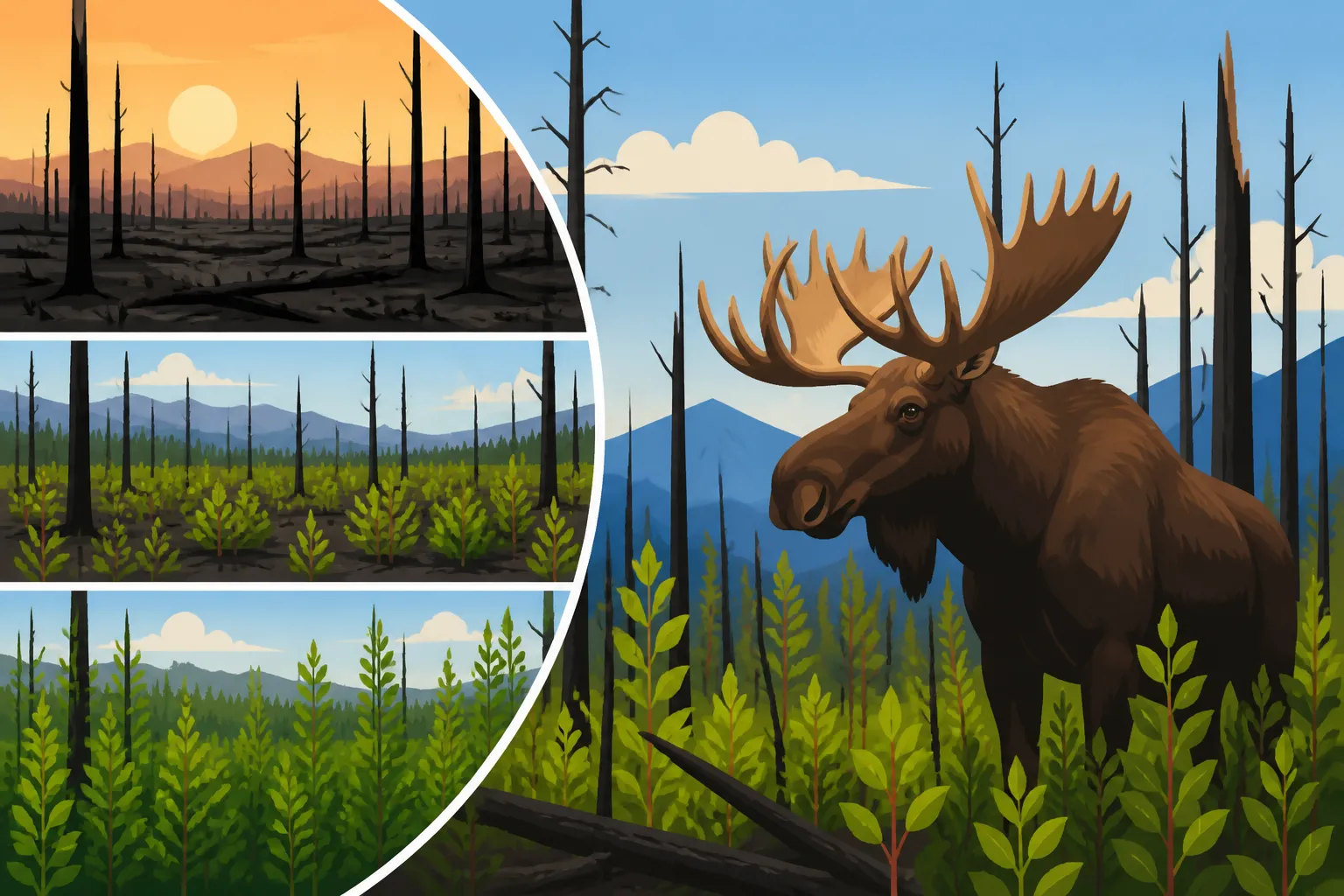
When a wildfire tears through a British Columbia forest, the immediate impact is undeniable and often devastating. Trees are consumed, undergrowth is obliterated, and the landscape looks like something out of a post-apocalyptic movie. For wildlife, including moose, the initial reaction is typically displacement. Their food sources are gone, and the protective cover they rely on for safety and thermal regulation is reduced to ash.
The Immediate Aftermath of a Blaze
In the first few months after a fire, the area is largely desolate. The ground is often covered in a layer of ash, making travel messy and leaving little in the way of immediate forage. Moose, like most large mammals, will move out of these severely impacted zones in search of unburned pockets, riparian areas that escaped the inferno, or adjacent untouched forests. They prioritize survival, seeking out immediate food and cover. It’s a tough time for them, and for hunters looking at these fresh burns, it often feels like a lost cause. You might see some tracks from animals passing through, perhaps a curious moose investigating the desolation, but sustained habitation is rare.
The First and Second Years: Signs of Life Return
As the seasons turn, the remarkable process of regeneration begins. By the first spring after a summer fire, you’ll start to see a flush of green. Pioneer species, like fireweed, grasses, and various quick-sprouting forbs, emerge from the ashes. The soil, often enriched by the fire, suddenly becomes a fertile bed for new life. Moose, ever opportunistic, will start to nibble on this fresh growth. However, in the first year, it's still largely a recovery period. Food is available, but it might not be abundant enough to support large numbers, and dense cover is still lacking.
The second year sees more significant progress. Small shrubs like willow, aspen, and birch saplings begin to sprout vigorously. These are critical browse species for moose. While still relatively small, they offer palatable and nutrient-rich forage. Moose will begin to frequent these areas more regularly, often moving in from adjacent unburned zones to feed, particularly in the early morning and late evening. They might not be living in the burn yet, but they're definitely visiting for meals. Hunters scouting these areas might find increasing sign, but patience is still key, as the habitat isn't fully developed. The burn is still primarily a dining room, not yet a comfortable home.
Three Years On: A Moose Hunting Hotspot
Fast forward to three years post-fire, and the landscape has undergone another incredible transformation. The initial devastation is now a distant memory, replaced by a vibrant, albeit different, ecosystem. This particular stage of regeneration often presents some of the best moose habitat, and consequently, some unique hunting opportunities, in British Columbia.
The Perfect Menu: Abundant and Nutritious Browse
By the third year, the woody browse species are truly coming into their own. Willows, aspens, birches, and even saskatoon bushes have grown into substantial thickets, often waist-to-chest high. Fireweed, a moose favourite, might still be prolific. This isn't just a smattering of new growth; it's often a dense, widespread buffet that moose absolutely thrive on. Compared to the mature forest, where much of the preferred browse is either out of reach, less palatable, or shaded out, these regenerating burns offer an explosion of highly nutritious food right at a moose's preferred browsing height.
The open canopy allows sunlight to reach the forest floor, supercharging plant growth. This abundance means moose don't have to travel far to fill their bellies. You'll often find distinct browse lines in these areas, indicating heavy use. Understanding What Wildfire Did to Moose Habitat generally, helps you appreciate why these specific conditions are so beneficial. When you’re looking at satellite imagery, perhaps using a tool like GoHunt to analyze different burn perimeters, you can easily identify the zones where this lush regrowth is likely to be occurring. This dense, accessible food source is the primary reason why three-year-old burns become such moose magnets.
Strategic Cover and Elevated Visibility
While a three-year-old burn isn't a dense, old-growth forest, it offers a different kind of cover that moose learn to utilize effectively. The growing saplings and brush provide excellent visual screening, allowing moose to disappear surprisingly quickly despite the more open nature of the landscape. They'll bed down among clusters of new growth, often utilizing residual standing dead timber (snags) or large pieces of fallen deadfall for added security. The terrain's natural contours, like small draws, knolls, and benches, also become crucial elements of their habitat.
For hunters, this stage offers a unique advantage: increased visibility. Gone are the days of struggling to see more than 50 yards in dense timber. In a three-year-old burn, you often have expansive sightlines, especially from elevated positions. This opens up incredible opportunities for glassing. You can sit on a ridge or a high point and systematically pick apart the regenerating slopes, looking for the tell-tale dark shape of a moose moving through the lighter brush. This makes tactics like Glassing a Willow Flat for Moose incredibly effective. It's a fantastic paradox: the new growth provides cover for moose, but the overall openness allows hunters to spot them from a distance, making these areas incredibly productive.
Water Sources and Residual Green
Moose need water, and while some burns might dry up smaller seasonal creeks, larger streams, rivers, and wetland areas often persist, creating vital ribbons of green within the burn. These unburned or minimally affected riparian zones become critical travel corridors and feeding areas, especially during warmer periods. Moose will often move from the browse-rich uplands down into these moister areas to drink, cool off, or find different forage not available elsewhere.
Identifying these "refugia" areas, as they're sometimes called, is key. They act as anchor points within the larger burned landscape. A good starting point for your scouting, perhaps using a mapping application like GoHunt, would be to identify the main burn perimeters, then zoom in to pinpoint any creeks, ponds, or even seeps that might still be active within or along the edges of the burn. These areas, alongside patches of unburned timber, create a diverse mosaic habitat that greatly benefits moose, offering them everything they need within a relatively small footprint.
Effective Hunting Strategies in Regenerating Burns
Hunting in a three-year-old burn requires a different approach than hunting in mature timber. The unique characteristics of these areas—the combination of excellent browse, variable cover, and increased visibility—demand specific tactics for success.
Advanced Scouting and Preparation
Before you even set foot in the field, a significant amount of preparation can be done from home. Start by identifying recent burn areas in your chosen management unit. Satellite imagery is your best friend here. Look for burns that are roughly three years old—you can often determine this by comparing satellite photos over different years or by checking fire history maps from the BC Wildfire Service (though always verify the actual conditions on the ground). Tools like GoHunt are excellent for overlaying burn perimeters and analyzing topography.
Focus your scouting on:
- Burn Edges: Moose often transition between the dense cover of unburned forest and the feeding grounds of the burn.
- Islands of Unburned Timber: These pockets offer crucial bedding and escape cover within the burn.
- Riparian Zones: As mentioned, water sources and the associated green growth are vital.
- High Points: Look for ridges, hillsides, or even large knolls within or adjacent to the burn that offer good vantage points for glassing.
Once you have identified potential hot spots, plan your access. Roads might be overgrown or decommissioned. Consider how you will get to and from these areas. For more details on this, check out our guide on Scouting a British Columbia Management Unit Online.
On-the-Ground Tactics: Glassing, Calling, and Stalking
In a regenerating burn, your primary tactic should be a combination of careful glassing and strategic spot-and-stalk hunting.
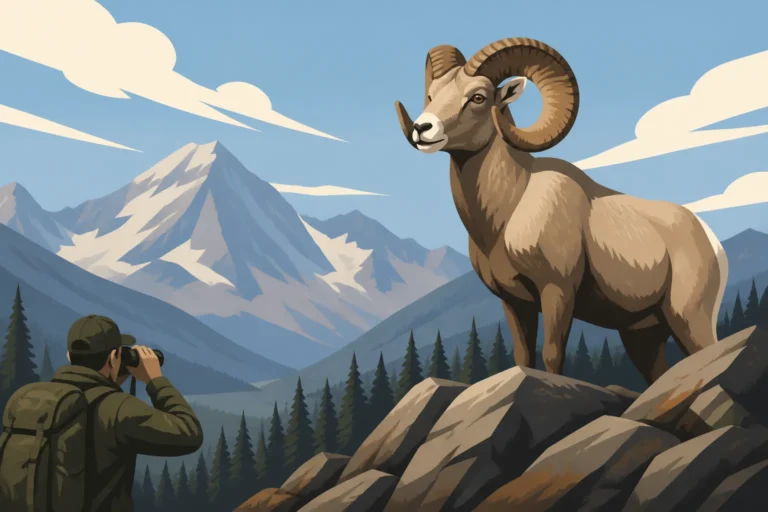
- Glassing: This is paramount. Get to a high vantage point before first light and spend a considerable amount of time meticulously picking apart the landscape with your binoculars or spotting scope. Moose, with their dark hides, often stand out against the lighter, regenerating vegetation. Pay close attention to shaded areas, depressions, and the edges of any remaining timber, especially during midday. Look for subtle movements, a flick of an ear, or a patch of hide that just doesn't look like vegetation.
- Calling: While often associated with dense timber, calling can be surprisingly effective in burns, especially if you have good visibility. The more open landscape allows calls to travel further, and if a bull responds, you might be able to pinpoint his location more easily. Cows and calves will be present in these rich feeding areas, so a cow call or fawn bleat might draw attention. During the rut, a bull grunt or raking call can be particularly enticing. Our article on Calling Moose in the Rut provides more in-depth strategies.
- Spot-and-Stalk: Once you spot a moose, the real challenge begins. The open nature means you'll need to be incredibly mindful of wind direction and visual cover. Use every available piece of topography, every thicket of new growth, and every downed tree to your advantage. Be prepared for a long, slow stalk. The crunchy deadfall can make stealth difficult, so take your time, picking your steps carefully.
Navigating the Challenges of Burned Terrain
Hunting burns is not without its difficulties. The terrain itself can be a formidable obstacle.
- Deadfall: Burns are often littered with countless downed trees, making travel slow, noisy, and physically demanding. Be prepared for constant climbing over and weaving through tangled timber. This is especially important when you’re considering Packing Out of British Columbia's Steep Country if you manage to harvest an animal.
- Ash and Soot: Even three years later, you might encounter areas where ash is still present, especially if the ground was deep with organic matter. This can get on your gear and clothing, and if it's dry, it can be very dusty.
- Water and Access: While water sources are vital for moose, they can be sparse for human hunters. Plan to carry enough water, or know where reliable sources are. Roads into burn areas might be closed, washed out, or severely overgrown, requiring significant hiking.
- Bear Encounters: Bears, particularly black bears, are also drawn to regenerating burns for the abundance of berries and other forage that often thrives after a fire. Always carry bear spray and know how to use it. Our guide on Bear Safety While Hunting in British Columbia is essential reading for any BC hunter.
- Meat Care: The increased sun exposure in open burns means you need to be extra vigilant with meat care, especially in warmer early seasons. Get your animal field dressed, quartered, and cooled as quickly as possible. Consider reflective game bags to protect meat from the sun. Learn more in our article on Keeping Meat Cool in an Early Season.
The Long-Term Ecological Dance of Wildfire
While three-year-old burns are often a sweet spot for moose, the habitat continues to evolve. Understanding this longer-term ecological dance is crucial for adaptive hunting strategies.
Beyond Three Years: Shifting Habitats
As a burn matures past the three-year mark, the changes continue. The fast-growing pioneering species might start to be outcompeted by slower-growing conifers. The dense thickets of willow and aspen begin to grow taller, becoming less accessible as browse. As the canopy slowly closes in, shading out the undergrowth, the abundance of prime moose forage will gradually diminish.
Moose use of the area will likely shift. They might still frequent the older burns, but their focus could move to the edges, where new growth continues to emerge, or they might transition to adjacent, more recently disturbed areas, or simply back into mature forest with accessible browse. This dynamic nature means that what was a prime spot one year might be less productive a few years down the line. Constantly monitoring the landscape and adapting your approach is a hallmark of successful hunting in British Columbia.
The Broader Ecological Benefits of Fire
It's important to remember that wildfire, despite its destructive immediate appearance, is a natural and often necessary ecological process in many British Columbia ecosystems. It rejuvenates habitats, recycles nutrients, and creates diverse landscapes that support a wide array of wildlife, not just moose. The mosaic of different successional stages, from fresh burns to mature forests, contributes to overall biodiversity and healthy wildlife populations.
For hunters, understanding these cycles allows for a more informed and ethical approach to the landscape. It teaches us that nature is constantly changing, and that successful hunting often means learning to read and respond to these changes. The opportunity to hunt a three-year-old burn is a testament to the resilience of our wild places and the incredible adaptability of species like the moose.
| Burn Age | Primary Vegetation | Moose Usage | Hunting Considerations |
|---|---|---|---|
| Year 1 | Ash, fireweed, early grasses | Minimal, transient browsing | Very little cover, limited food, high visibility. |
| Year 2 | Growing fireweed, willow/aspen saplings | Increased browsing, limited bedding | Food improving, still open, better for glassing. |
| Year 3 | Dense willow/aspen thickets, berries | High use for feeding and bedding | Optimal browse and cover, excellent glassing. |
| Years 4-7 | Thicker brush, conifers closing canopy | Moderate use, focus shifts to edges | Browse getting taller, visibility decreases slightly. |
| Years 8+ | Conifer saplings dominate, dense canopy | Less use, unless open pockets remain | Limited browse, more like early successional forest. |
Disclaimer
This article is for general informational purposes only and does not constitute professional advice. Laws, prices and regulations vary by location and change over time. Consult a qualified professional for guidance on your specific situation.