British Columbia Game Bird Seasons
There's nothing quite like the crisp air of an autumn morning, the flush of a grouse from thick cover, or the distant honk of geese cutting through the mist. British Columbia offers an incredible diversity of game bird hunting opportunities, but navigating the ever-changing seasons and regulations can feel like a real puzzle. Many hunters, new and seasoned alike, get frustrated trying to piece together when and where they can pursue their feathered quarry. This comprehensive guide is here to untangle that complexity, providing you with a clear roadmap to understanding BC's game bird seasons.
Understanding British Columbia's Game Bird Landscape
British Columbia is a truly wild and diverse province, and its game bird populations reflect that. From the dense coastal rainforests to the arid interior grasslands and the rugged alpine peaks, different species thrive in different environments. Understanding this ecological mosaic is the first step to becoming a successful and responsible game bird hunter here.
The Diverse World of BC Upland Birds
When we talk about upland birds in British Columbia, we're really talking about a fantastic variety of species that prefer drier, forested, or mountainous habitats, rather than wetlands. These are often the birds you'll stumble upon while walking a logging road or hiking through timber.
The most commonly pursued upland birds are the various species of grouse. We have Ruffed Grouse, often found in aspen groves and along stream bottoms, known for their explosive flush and delicious meat. Then there are the Spruce Grouse, more commonly encountered in coniferous forests, often a bit more docile, sometimes earning them the nickname "fool hens." The Blue Grouse, now more accurately referred to as Dusky Grouse and Sooty Grouse depending on their range, are larger and often found on higher elevation slopes in late season, or closer to valley bottoms early on. Lastly, in specific grassland regions, particularly in the Peace River country and parts of the Cariboo, you'll find Sharp-tailed Grouse, a beautiful prairie bird that often holds tight in cover. Each of these birds has slightly different habitat preferences and behaviours, which means your hunting approach needs to adapt.
Beyond grouse, British Columbia also boasts three species of ptarmigan: Willow, Rock, and White-tailed. These incredible birds are masters of camouflage, changing their plumage to match the snowy alpine environment they call home during much of the year. Hunting ptarmigan usually means a strenuous hike into the high country, often above timberline, where they feed on willow buds and other hardy alpine vegetation. They are a true trophy of the mountains, testing your physical endurance as much as your hunting skills.
And let's not forget the introduced species that offer unique hunting opportunities. Pheasants are found in areas with agricultural land and specific release programs, particularly in the Fraser Valley and parts of the Okanagan. These colourful birds provide fast-flying action and are often hunted with pointing or flushing dogs. Chukar Partridges, with their distinctive call and striking markings, are primarily found in the rocky, arid canyons and hillsides of the Okanagan and Similkameen valleys. They are famously tough to hunt, requiring strong legs and a determined attitude. California Quail, another introduced species, also inhabit these dry interior regions, often found in coveys near water sources and dense brush, offering a different kind of fast-paced shooting.
Migratory Waterfowl and Their Pathways
British Columbia is a vital stopover and wintering ground for millions of migratory waterfowl, thanks to its position on the Pacific Flyway. This makes for some truly incredible duck and goose hunting opportunities, from tidal estuaries to vast agricultural fields and secluded interior marshes.
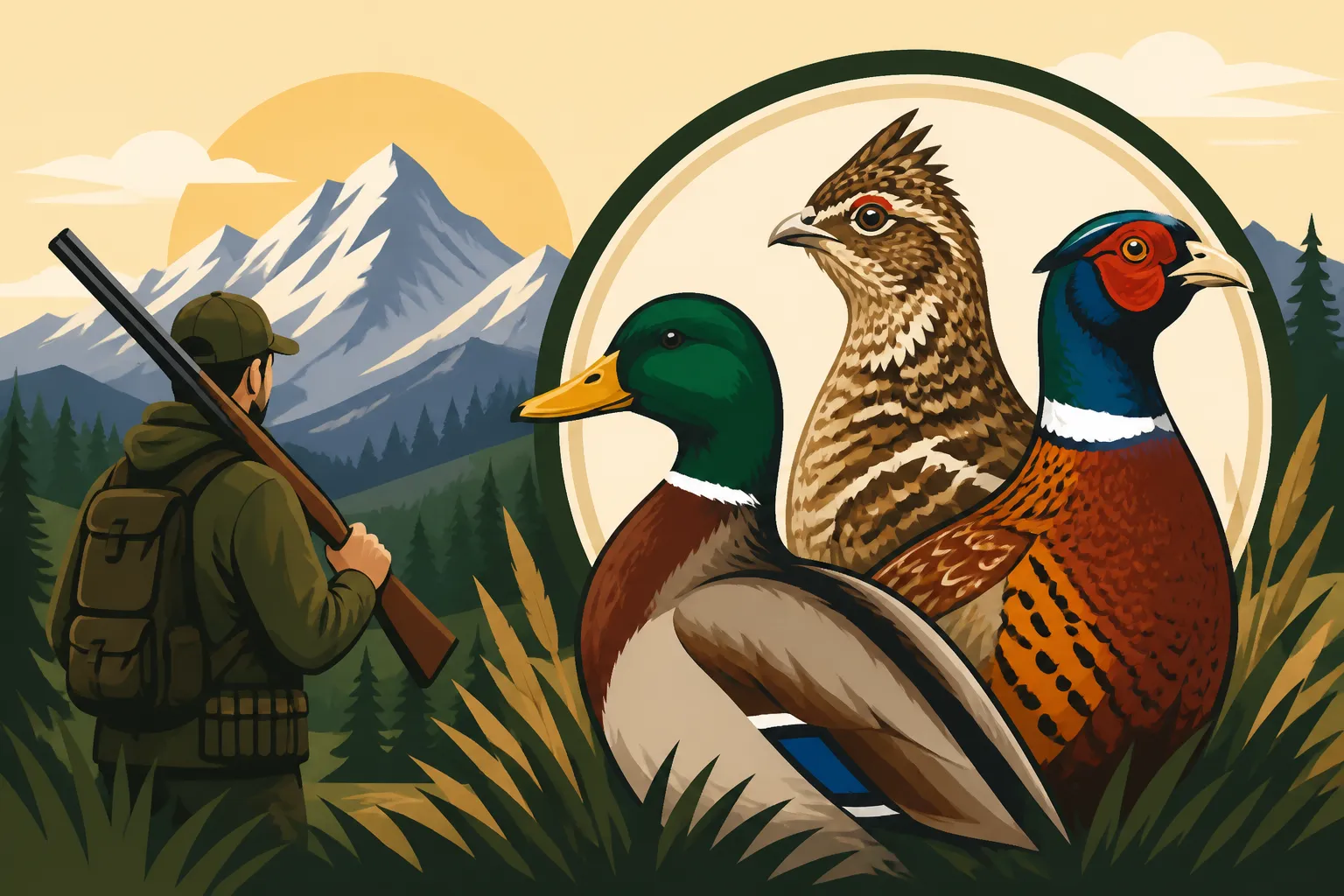
Ducks are a major draw for waterfowlers, and BC hosts a wide array. You'll find puddle ducks like Mallards, Pintails, Widgeon, and several species of Teal (Green-winged and Cinnamon) frequenting shallow marshes, ponds, and grain fields. These are often the birds that decoy readily and provide exciting action. Then there are the diving ducks, like Canvasbacks, Redheads, Bluebills (Scaup), and Goldeneyes, which prefer deeper waters and often congregate on larger lakes, rivers, and coastal inlets. Along the coast, especially during late season, the sea ducks offer another challenge, with species like Surf Scoters, White-winged Scoters, Harlequin Ducks, and Long-tailed Ducks providing unique open-water hunting experiences. Each duck species has its own flight patterns, feeding habits, and preferred habitats, necessitating different hunting strategies.
Geese also offer fantastic hunting. Canada Geese are ubiquitous, found almost everywhere from urban parks to remote fields. Their sheer numbers and vocal nature make them a favourite target. Snow Geese provide spectacular mass migrations, especially in the Fraser Delta, where thousands upon thousands descend on agricultural fields in the fall and winter, offering challenging pass shooting and decoying opportunities. And for those seeking a more specialized hunt, Brant geese, a smaller, sea-loving goose species, can be found in specific coastal estuaries, though they often require specialized permits and have very restricted seasons and bag limits due to their more sensitive populations. Understanding the movements of these birds along the Pacific Flyway is crucial, as their presence is entirely dependent on their migratory schedule.
Key Regulatory Bodies and Resources for Game Bird Hunters
Hunting in British Columbia, especially for game birds, means navigating a set of rules and regulations established by both provincial and federal governments. It can be a lot to take in, but knowing where to find the authoritative information is critical to staying legal and ensuring a safe hunt.
Provincial Regulations and the Synopsis
The primary document for any hunter in British Columbia is the BC Hunting & Trapping Regulations Synopsis. This isn't just a suggestion; it's a legal requirement to know and understand these rules. Issued every two years, it details all the season dates, bag limits, open areas, general regulations, and specific management unit (MU) rules for all game species, including birds. Many hunters find themselves scratching their heads over a map, trying to figure out if a certain area is open for grouse or if there's a special pheasant season. This synopsis is your bible.
You can access the synopsis in a few ways. The most convenient for many is the online version, which is typically published on the provincial government's website. It's fully searchable and often includes interactive maps that can help you visualize the management units and their specific rules. However, it's also available in print at most licence vendors and outdoor stores. Having a physical copy in your truck is always a good idea, especially if you're heading into areas without cell service. It's worth noting that even though it's a two-year synopsis, there can sometimes be in-season updates or emergency closures, so always check the government website for the most current information before heading out. Overlooking a small detail in the synopsis can easily turn a great day into a costly mistake, so take the time to read through the sections relevant to game birds and your chosen hunting area.
Federal Regulations and Migratory Bird Permits
While the province handles upland birds, migratory waterfowl fall under federal jurisdiction in Canada, specifically governed by Environment and Climate Change Canada (ECCC). This means there's an additional layer of permits and regulations you need to be aware of if you plan to hunt ducks, geese, or other migratory game birds.
To legally hunt migratory game birds in British Columbia, you must possess a valid Migratory Game Bird Hunting (MGBH) Permit. This permit is issued annually by the federal government and can be purchased online or at post offices. Attached to this permit is the Canadian Wildlife Habitat Conservation Stamp. It's more than just a stamp; the funds generated from its sale directly contribute to wetland conservation projects across the country, which is incredibly important for maintaining healthy waterfowl populations. Many hunters see this as a direct way to contribute to the very resource they enjoy.
A crucial federal regulation for waterfowl hunters is the non-toxic shot rule. This rule dictates that you must use non-toxic shot (such as steel, bismuth, or tungsten-alloy) when hunting migratory game birds. This regulation is in place to prevent lead poisoning in waterfowl and other wildlife that might ingest spent lead shot from wetlands. It's a non-negotiable rule, and conservation officers are vigilant about its enforcement. Even if you're hunting upland birds near water, it's often a good practice, and sometimes a local regulation, to use non-toxic shot just to be safe. Ignoring this rule can lead to significant fines and seizure of your equipment. For further details, you can always refer to the relevant section on Non-Toxic Shot Requirements for Waterfowl.
Upland Game Bird Seasons in British Columbia
Upland birds offer a truly unique and often more accessible hunting experience for many British Columbia hunters. The seasons are generally longer, and while success can be challenging, the sheer joy of walking through the woods and flushing a bird is unparalleled.
Grouse Seasons and Bag Limits
For many of us, grouse hunting is an annual tradition, a way to stretch our legs and sharpen our shooting skills before the big game seasons really kick in. The general season for Ruffed, Spruce, and Blue/Dusky Grouse typically opens early in September across much of the province and can run well into December, or even January in some regions. This long season offers plenty of opportunities, whether you're heading out for a dedicated bird hunt or just carrying a shotgun while scouting for deer or moose.
However, it's vital to remember that "general season" doesn't mean "everywhere, all the time." Regional variations and specific exceptions are common. For instance, some management units might have slightly earlier or later closures, or specific limitations. Always cross-reference your exact hunting location with the most current BC Hunting & Trapping Regulations Synopsis. In most areas, the daily bag limit for Ruffed, Spruce, and Blue/Dusky Grouse is 5 birds, with a possession limit of 15. This allows for a decent harvest over a multi-day trip, but it's far from unlimited. Smart hunters use a dog and good woodcraft to fill their limits. Imagine spending a crisp October morning walking an old logging road in the Cariboo, your dog working the edges, when suddenly a Ruffed Grouse explodes from a willow thicket – that's the essence of BC grouse hunting. To learn more about specific hunting locations, checking out resources like Hunting British Columbia's Logging Road Network can be incredibly helpful for finding good access.
Ptarmigan Seasons in the Alpine
Hunting ptarmigan is a different beast entirely. It's an alpine pursuit, demanding physical fitness and a willingness to venture into the high country. The seasons for Willow, Rock, and White-tailed Ptarmigan generally align with the grouse season but are specifically tied to high-elevation zones. You won't find ptarmigan in the valley bottom; you'll be looking for them above timberline, often in rocky, exposed areas or amidst sparse, stunted subalpine growth.
These seasons typically open in September and run through the fall, sometimes coinciding with early snowfalls that make the birds even harder to spot in their changing plumage. The daily bag and possession limits are often similar to grouse, usually 5 and 15, respectively, but again, always double-check the synopsis for your specific management unit. The biggest difference from grouse hunting is the access. You'll often be backpacking, utilizing ATV trails that climb high, or even Horseback Access to British Columbia's Alpine to reach their remote habitats. The effort is often rewarded with stunning scenery and a truly unique hunting experience, a memory that often far outlasts the taste of the bird. Finding specific information on these high-country birds can be tricky, but this guide can point you to more details on British Columbia Ptarmigan Season and Limits.
Pheasant, Chukar, and Quail Opportunities
For those who enjoy fast-paced shooting and often more social hunting, the introduced species like pheasant, chukar, and quail offer fantastic opportunities, though often in more localized areas.
Pheasant hunting in British Columbia is primarily supported by release programs. The Fraser Valley, particularly around areas like the Fraser River Estuary and nearby agricultural zones, has a strong tradition of pheasant hunting due to managed releases by organizations like the BC Wildlife Federation and local clubs. These seasons are often shorter and more specific, sometimes requiring additional permits or fees beyond your regular hunting licence. Dates typically open in October, running through November, and are usually restricted to specific release sites or designated hunting areas. The daily bag limit is often two roosters, with possession limits varying. It's important to research these areas carefully, as trespass laws are very strict on private agricultural land.
Chukar and California Quail are found almost exclusively in the dry, warm interior, particularly the Okanagan and Similkameen valleys. Their seasons generally open in early September and run well into the late fall or early winter, similar to general grouse seasons. Chukar love steep, rocky canyons, often holding incredibly tight until you're right on top of them, then bursting out in a flurry of wings. Quail, on the other hand, are often found in coveys in dense brush and riparian areas near water, offering multiple shot opportunities as the covey scatters. Both are challenging to hunt without a good dog, and require a lot of hiking in tough terrain. Daily bag limits are usually generous for these birds, often 5-10 birds depending on the species and region, but you'll certainly earn every one of them. For specific opening dates, you can check out When Pheasant Season Opens in British Columbia. Remember, success here relies heavily on scouting and securing access to the specific pockets of habitat they call home.
Waterfowl Seasons and Management in British Columbia
Waterfowling in British Columbia is a world unto itself, governed by the ebb and flow of migration and the specific management needs of different regions. It demands different gear, different strategies, and a keen understanding of bird behaviour.
Duck Seasons and Regional Zoning
British Columbia's duck seasons are typically divided into two main zones: the Coast and the Interior. This makes sense, as migratory patterns and local conditions can vary wildly between these distinct geographical areas. Generally, duck season for most species opens in September or early October and runs through much of January, sometimes even into February in select areas.
On the Coast, where the weather is milder, the season often opens a bit later but can extend further into winter. You'll find a mix of puddle ducks and diving ducks, with sea duck opportunities in tidal waters. In the Interior, seasons often start a bit earlier in September, especially for early teal, and can close sooner as freezing temperatures push birds south. Knowing which zone your hunting spot falls into is absolutely crucial. For example, the season for Mallards might open on September 15th in the Interior, but not until October 1st on the Coast. Species-specific bag limits are also a key consideration. While the general daily limit for ducks might be 8, there are often tighter restrictions on certain species, such as Pintails (often 1-2 per day) or Canvasbacks. It's a complex puzzle, and hunters often spend hours poring over the tables in the federal migratory bird regulations. You can find more specific details on this at British Columbia Duck Season Dates.
Goose Seasons and Agricultural Zones
Goose hunting in BC also follows the Coast and Interior zoning, but with additional complexities, especially around agricultural areas. Canada Geese seasons are generally quite long, often opening in September and running through January or February in many regions, reflecting their robust populations. Daily bag limits are usually quite generous, often 5 or even 10 birds, with possession limits to match.
However, the real action for Snow Geese often takes place in specific agricultural zones, most notably the Fraser Delta. Here, massive flocks descend on fields, and special regulations are often put in place to manage their numbers and mitigate crop damage. These zones might have extended seasons, higher daily bag limits, or specific opening dates that differ from general regulations. For example, a "Special Conservation Season" for Snow Geese might run longer into the spring, allowing for greater harvest. Brant geese have much more restricted seasons and very low bag limits (often just 1 per day), limited to specific coastal estuaries like Boundary Bay and the Queen Charlotte Islands (Haida Gwaii). These hunts require a specialized approach and a keen understanding of tides and bird movements. Always ensure you have the correct Goose Season Dates by Region for your intended hunting area. Farmers are generally very protective of their land, so if you're hunting in agricultural areas, securing permission in advance is absolutely non-negotiable.
Essential Gear and Hunting Strategies for British Columbia Game Birds
Getting started in game bird hunting can feel overwhelming with all the specialized gear available. However, a few core items and understanding some basic strategies will set you on the right path for success in British Columbia.
Shotguns, Ammunition, and Non-Toxic Requirements
The trusty shotgun is, of course, the primary tool for bird hunting. While many gauges are available, the 12-gauge and 20-gauge are by far the most popular and versatile. A 12-gauge offers more shot payload and range, making it a good choice for larger birds or pass shooting, while a 20-gauge is lighter and can be quicker to shoulder, perfect for long days in the uplands. Most hunters opt for a pump-action or semi-automatic shotgun for their reliability and quick follow-up shots, though over-unders and side-by-sides are also popular, particularly for upland pursuits.
Ammunition choice is critical. For upland birds like grouse, pheasants, and quail, lighter loads with smaller shot sizes (like 6s, 7s, or 7.5s) are typically used, providing a dense pattern without excessive penetration. For ptarmigan, especially in windy alpine conditions, a slightly heavier load or larger shot (e.g., 5s or 6s) might be preferred. For waterfowl, the rules are strict: you must use non-toxic shot. Steel shot is the most common and affordable option, but bismuth and tungsten-alloy loads offer better performance, especially at longer ranges, albeit at a higher cost. Shot sizes for ducks often range from 2s to 4s, while geese typically require larger shot like BBs, 1s, or 2s. Always match your shot size to the bird you're pursuing and the conditions you expect. Failing to use non-toxic shot for waterfowl is a serious offence, so double-check your shells before you head into the field. Companies like Kent Cartridge and Federal Ammunition offer reliable non-toxic options that perform well in the field.
Decoys, Calls, and Blinds for Waterfowling
Waterfowling is often about deception, creating an irresistible invitation for birds to land within shooting range. This requires a different set of tools than upland hunting.
Decoys are absolutely essential for ducks and geese. For ducks, a spread of 1-3 dozen decoys, mimicking various species like Mallards, Widgeon, and Pintails, is common. Motion decoys, such as Mojo spinners, can add realism and attract birds from a distance, especially on calm days. For geese, particularly Snow Geese, larger spreads of hundreds, sometimes even thousands, of decoys are often employed in agricultural fields to mimic massive feeding flocks. These can be shell decoys, full-body decoys, or even silhouette decoys. Placement is key, creating natural-looking landing zones for incoming birds.
Calls are another vital tool. A good duck call, mimicking the quacks and chuckles of a hen Mallard, can bring birds into range, while various goose calls (Canada, Snow, or Specklebelly) are used to gain attention and reassure incoming flocks. Mastering a call takes practice, but the reward of luring birds directly into your setup is incredibly satisfying. Brands like Zink Calls and Buck Gardner are popular choices among BC waterfowlers.
Finally, blinds are necessary to conceal hunters from the sharp eyes of waterfowl. This could be a natural blind made of cattails or brush in a marsh, a layout blind in a grain field, or a boat blind on an estuary. The goal is complete concealment, allowing birds to commit to your spread without detecting danger. Hunting British Columbia's Interior Marshes or Waterfowl Hunting British Columbia's Estuaries often means adapting your blind setup to the specific environment.
Dogs, Footwear, and Upland Strategies
For upland bird hunting, a good bird dog is often considered the ultimate companion, turning a challenging task into a rewarding partnership. Whether it's a pointing breed like a German Shorthaired Pointer, a flushing dog like a Springer Spaniel, or a versatile retriever like a Labrador, a trained dog significantly increases your success rate and helps minimize lost birds. They can locate birds you'd walk past, hold them on point, or retrieve downed birds from thick cover, greatly enhancing the ethical aspect of the hunt.
Beyond canine companions, appropriate footwear is paramount. BC's terrain is notoriously varied, from muddy, wet logging roads and coastal bogs to rocky alpine scree. Waterproof, supportive hiking boots are a must. Look for boots with good ankle support and aggressive soles to handle slippery conditions and uneven ground. For coastal hunts or very wet areas, knee-high rubber boots or waders might even be necessary. Your feet are your most important asset in the uplands, so invest in quality footwear and good wool socks.
Upland hunting strategies vary by species and habitat. For grouse, a common tactic is "still-hunting" or "walking up," slowly moving through likely cover like alder bottoms or second-growth timber, pausing frequently to listen and watch. Your dog will work ahead, quartering the ground, and either flush the bird or go on point. For pheasants in denser cover, a line of hunters and dogs often "drives" a field or cover strip, pushing birds out towards blockers. For chukar, it's often a relentless uphill climb, following the birds as they run and fly up the canyons. Regardless of the strategy, patience, persistence, and keen observation are key to success. Don't forget, valuable scouting tools like GoHunt can help you identify potential habitat and access points before you even leave home.
Specific Challenges and Considerations for BC Game Bird Hunters
Hunting in British Columbia, while incredibly rewarding, comes with its own set of unique challenges that require preparation and respect for the environment. These are not always discussed in general hunting guides, but they are crucial for a successful and safe experience here.
Weather and Terrain Impacts
British Columbia's weather is famously unpredictable and diverse, often changing rapidly, especially in mountainous regions. On the Coast, you can expect significant rainfall, often turning logging roads into muddy bogs and making dense second-growth timber even more impenetrable. This means your gear needs to be truly waterproof – not just water-resistant – and your footwear capable of handling prolonged wet conditions. Coastal rain can also affect bird behaviour, sometimes keeping them hunkered down, or pushing them to different feeding areas. For those hunting waterfowl on estuaries, understanding tidal charts is as important as understanding the weather, as the tide dictates access and bird movements.
In the Interior, while rain is less frequent, you'll often contend with colder temperatures, early snowfalls, and significant temperature swings between day and night. Early season hunts can be surprisingly warm and dry, leading to dusty conditions, while late fall can bring deep snow that makes travel difficult and pushes birds down to lower elevations. Hunting ptarmigan in the alpine means preparing for extreme cold, high winds, and rapidly changing visibility, sometimes experiencing all four seasons in a single day. The rugged terrain, from steep mountainsides to dense timber and rocky creek bottoms, requires excellent physical conditioning and navigational skills. Many hunters underestimate the physical demands of a full day pursuing upland birds in BC's hills.
Access and Public Land Opportunities
British Columbia boasts an immense amount of Crown land, which is generally open for public hunting. However, accessing it can be a significant challenge. The vast network of Forest Service Roads (FSRs) is your primary artery into many hunting areas, but these roads can be rough, unmaintained, or even officially deactivated with locked gates. This is where your planning truly begins. Using tools like the provincial iMapBC or dedicated hunting apps like GoHunt can provide invaluable insights into land ownership, road networks, and management unit boundaries, allowing you to identify potential access points and plan your routes. Many a hunter has driven for hours only to find their chosen FSR deactivated or blocked by a slide, forcing a change of plans.
Beyond Crown land, you'll encounter private forest land, especially on Vancouver Island and other timber-rich regions. Access to these lands is often restricted by gates or requires specific permits purchased from the forestry companies (e.g., TimberWest or Mosaic Forest Management). Always research these access requirements well in advance. Then there's private agricultural land, where securing landowner permission is absolutely essential. Trespassing is not tolerated and can lead to serious legal consequences, not to mention harming hunter-landowner relations. Hunters need to be proactive and respectful, asking for permission well before the season, or targeting areas known to be open. For specific tips on navigating these roads, refer to Finding Open Forest Roads in British Columbia.
Ethics, Safety, and Preservation
Responsible hunting is at the core of British Columbia's hunting culture. This means respecting bag limits, not wasting game meat, and striving for clean, ethical kills. Beyond the legal requirements, it's about being a good steward of the resource and a respectful participant in the outdoors. For instance, while not always mandatory for upland bird hunting, many hunters choose to wear blaze orange, especially when hunting with others or in areas where big game seasons overlap. This greatly increases visibility and hunter safety. For specific safety rules, checking out British Columbia Blaze Orange and Safety Rules is a good idea.
Conservation efforts are also a vital part of the picture. The funds from your hunting licence and the federal Migratory Game Bird Hunting Permit (through the Habitat Conservation Stamp) directly support wildlife habitat and conservation initiatives. Hunters are arguably the most effective conservationists, with their dollars and advocacy directly contributing to healthy wildlife populations. Moreover, knowing and following regulations like British Columbia's Compulsory Reporting Rules for harvest data helps wildlife managers make informed decisions about future seasons and limits. Finally, being prepared for emergencies is paramount. This means carrying a first-aid kit, knowing how to navigate with a map and compass or GPS, and having a satellite communication device in remote areas where cell service is non-existent.
Planning Your British Columbia Game Bird Hunt
A successful game bird hunt in British Columbia doesn't just happen; it's the result of careful planning, thorough research, and a bit of adaptability. Taking the time to prepare will vastly increase your enjoyment and chances of success.
Researching Management Units and Regulations
The first and most critical step is deep diving into the regulations. We've talked about the BC Hunting & Trapping Regulations Synopsis and the federal Migratory Bird Regulations, but understanding how to use them is key. Start by identifying the specific Management Units (MUs) or regions you're interested in hunting. The provincial government's website offers excellent online maps, often integrated with the synopsis, that clearly delineate MU boundaries. Knowing your MU is essential because season dates and bag limits can change dramatically from one unit to the next, even for the same species.
Once you have your MUs, carefully read all the regulations pertaining to the game birds you intend to hunt in those specific areas. Look for any special closures, restrictions on firearms, or antler point restrictions that might indirectly affect where you can safely bird hunt. For waterfowl, pay close attention to the coastal vs. interior zones, and any special agricultural or conservation zones. It’s not uncommon to find small, localized closures around parks, urban areas, or wildlife sanctuaries, even within a generally open MU. Leveraging online tools and community forums can provide current ground-level intelligence. Sometimes a quick search will reveal changes that aren't yet in the printed synopsis, or provide valuable anecdotal information from other hunters. Don't be afraid to utilize resources like GoHunt, which can streamline this research process by offering comprehensive map overlays and regulation summaries. Getting familiar with Scouting a British Columbia Management Unit Online will be a game changer for your planning.
Timing Your Hunt for Peak Action
Timing is everything in game bird hunting. While seasons are often long, there are definitely "peak" windows for different species.
For upland birds like Ruffed and Spruce grouse, early to mid-September is fantastic. The leaves are still on the trees, providing cover, but the birds haven't been heavily pressured, and young birds are abundant. As fall progresses into October and November, particularly in the Interior, Blue/Dusky Grouse often move to higher elevations, offering different challenges. For pheasants, the season usually kicks off in mid-October, aligning with cooler weather and after harvest on agricultural lands. Chukar and quail, thriving in the warmer interior, can be hunted successfully throughout their long season, but cooler weather often concentrates them near dwindling water sources.
For waterfowl, the peak of migration is often the most exciting time. For many duck species in the Interior, this means October and early November, before major freeze-up. On the Coast, the peak migration for many species, especially sea ducks and large Canada and Snow goose flocks, often extends later into November and December, even January, as birds move south seeking warmer conditions and open water. Early teal seasons in September offer fast action before the main migration. Late season, when snow pushes birds down from the hills and concentrates them in accessible areas, can also be incredibly productive for both upland and waterfowl species, though access can be challenging due to snow-covered roads. Understanding when British Columbia Duck Season Dates and Goose Season Dates by Region truly kick into high gear in your target area will make a huge difference.
Practical Tips for a Successful Trip
Beyond regulations and timing, a few practical considerations can make or break your trip. Always pack for the worst-case weather scenario, especially in BC. A spare set of warm, dry clothes is never a bad idea, even for a day trip. High-quality rain gear, even if the forecast is clear, is a must-have, particularly on the Coast.
Your vehicle is also a critical piece of gear. Many of the best game bird spots are accessed via rough logging roads. A reliable 4×4 truck with good tires is often essential. Always carry a spare tire, a jack, and basic recovery gear (tow strap, shovel) if you're venturing off paved roads. Let someone know your plans and expected return time, especially if you're hunting alone or in remote areas.
Finally, bring enough food, water, and fuel for your trip, plus a little extra. Cell service is spotty outside of major centres, so a detailed paper map and compass, along with a GPS device or a mapping app like GoHunt with offline maps downloaded, are essential for navigation. Emergency planning is not just for big game hunters; a twisted ankle or an unexpected vehicle breakdown can happen anywhere. Being prepared means you can focus on the hunt, knowing you've got your bases covered.
| Game Bird Species (Commonly Hunted) | General Season Start (Approx.) | General Season End (Approx.) | Daily Bag Limit (Varies by MU/Region) | Possession Limit (Varies by MU/Region) | Non-Toxic Shot Required |
|---|---|---|---|---|---|
| Ruffed, Spruce, Blue/Dusky Grouse | September 1 | December 31 / January 15 | 5 (total all grouse) | 15 (total all grouse) | No (Generally) |
| Willow, Rock, White-tailed Ptarmigan | September 1 | December 31 / January 15 | 5 (total all ptarmigan) | 15 (total all ptarmigan) | No (Generally) |
| Pheasant (Rooster) | October 15 (Release Areas) | November 30 (Release Areas) | 2 (Roosters only) | 4 | No (Generally) |
| Chukar Partridge | September 1 | December 31 | 10 | 30 | No (Generally) |
| California Quail | September 1 | December 31 | 10 | 30 | No (Generally) |
| Ducks (Most Species) | September 1 (Interior Teal) | January 31 / February 15 | 8 (General limit, species specific) | 24 (General limit, species specific) | YES |
| Canada Geese | September 1 | January 31 / February 15 | 5-10 (Varies by region) | 15-30 | YES |
| Snow Geese | September 1 (Fraser Delta) | March 10 (Conservation Season) | 10-20 (Varies by region/zone) | 30-60 | YES |
| Brant Geese | November 1 | November 30 | 1 | 3 | YES |
Note: This table provides general estimates. British Columbia hunting regulations are complex and subject to change. Always consult the official, most current BC Hunting & Trapping Regulations Synopsis and the Federal Migratory Bird Hunting Regulations for the exact, legally binding dates and limits for your specific hunting area and year before heading afield.
Disclaimer
The information provided in this guide is for general informational purposes only and is not intended as legal advice. Hunting regulations in British Columbia are complex and subject to change. It is the responsibility of every hunter to consult the most current British Columbia Hunting and Trapping Regulations Synopsis, as well as Federal Migratory Bird Regulations, before engaging in any hunting activities. Failure to do so may result in legal penalties.