Chukar and Quail in the Dry Interior
There's a unique thrill in hunting British Columbia, and while many folks think of big game like moose or elk, there's a whole other world waiting in the dry interior: upland birds. Chukar and quail hunting in British Columbia can be an incredibly rewarding experience, but let's be honest, it's also incredibly challenging. You're often trekking through steep, unforgiving terrain under a blazing sun, chasing birds that seem to have a sixth sense for evasion. This guide is here to walk you through the nitty-gritty of finding, hunting, and appreciating these tenacious little game birds, offering practical advice to make your next dry interior adventure a success.
Understanding Chukar and Quail in British Columbia's Dry Interior
When you talk about upland bird hunting in British Columbia's dry interior, you're really focusing on two distinct species that thrive in that unique, arid landscape. These aren't your timber birds, hiding in the thick forest; these are sun-baked, rock-dwelling sprinters and covey-loving bombshells. Getting to know their habits and preferred hangouts is the first step to any successful hunt.
Chukar Partridge: The Desert Kings
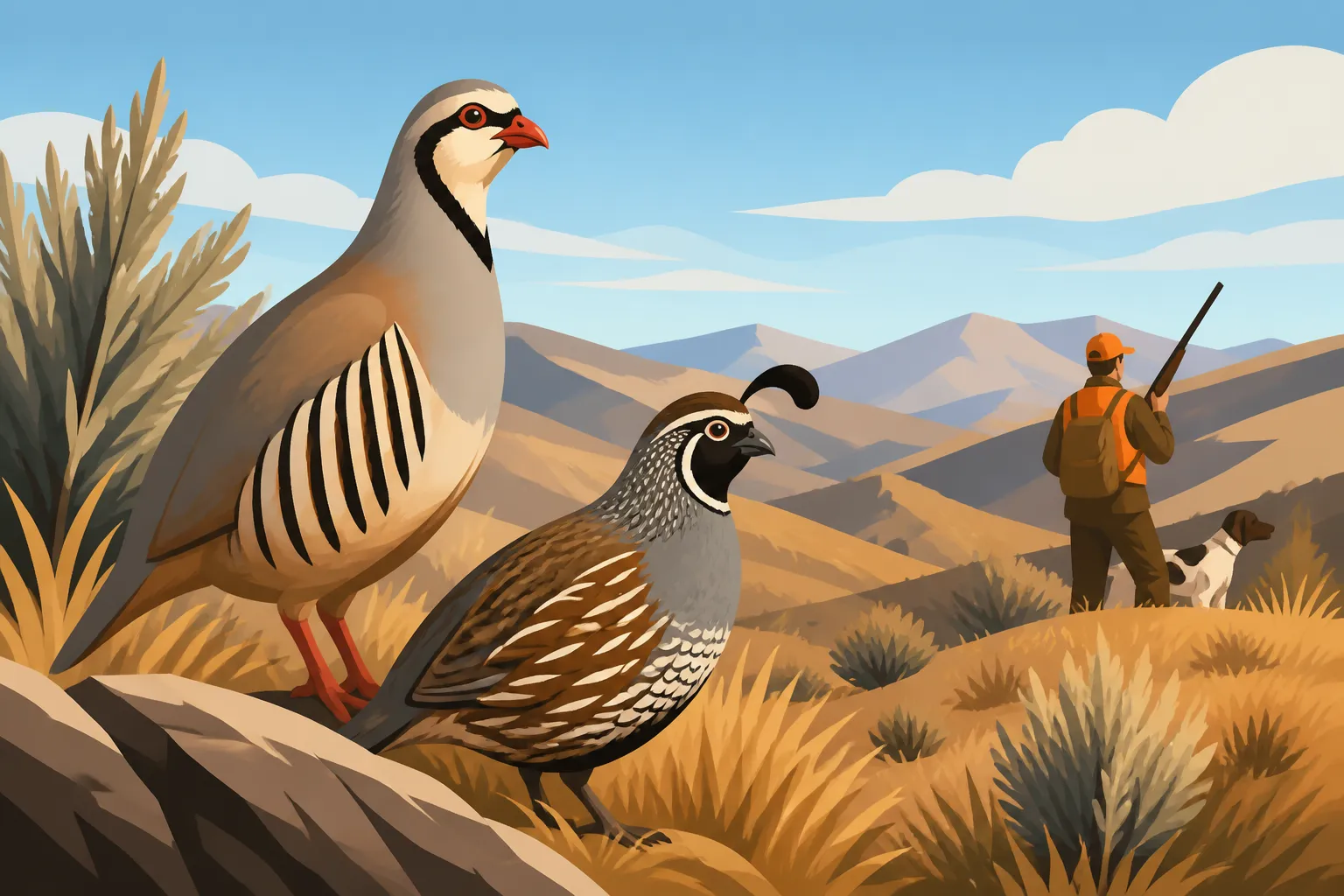
Ah, the chukar! These birds are truly the kings of British Columbia's desert and semi-desert country, and boy, do they earn that title. Visually, they’re stunning birds with their distinctive black eye-stripe, barred flanks, and reddish legs, but it's their temperament and preferred habitat that truly define them. Chukar aren't native to North America; they were introduced from Eurasia, and they’ve found a perfect home in the hot, dry, rocky slopes and canyons of our interior, particularly areas around the Okanagan and Thompson regions. They absolutely thrive in terrain that would send most other birds packing – think steep, broken ground, rocky outcroppings, and sparse sagebrush.
What makes chukar hunting such a test of endurance is their habit of running uphill when flushed, often leading hunters on brutal climbs. They stick to south-facing slopes in winter to catch the sun and can be found near water sources like springs or small creeks in the hot summer and early fall. Their diet consists mainly of grasses, seeds, and insects, which are plentiful in these dry environments. When you hear their iconic "chukar-chukar" call echoing through a canyon, it's a sound that gets any upland hunter's heart pounding, a promise of a tough but exhilarating pursuit. Just remember, these birds are built for climbing, and you'll need to be too if you want to catch up to them.
California Quail: The Little Battalions
In contrast to the solitary chukar, California quail are all about community. These charming birds, with their distinctive plume and beautiful scaled plumage, are rarely found alone. They live in coveys, often referred to as "battalions," and their social structure plays a huge role in how you hunt them. California quail also love the dry interior, but you’ll typically find them in slightly different habitat than chukar – often closer to agricultural lands, vineyards, orchards, and riparian zones with good cover. Think creek bottoms, dense thorn bushes, and areas where open fields meet thickets. They need that cover to escape predators and roost at night.
Their behavior is also quite distinct. When flushed, a covey will explode into the air with a flurry of wings, scattering in all directions, often landing in dense cover nearby. This gives you a chance for some fast shooting, but then the real work begins: breaking up the covey and trying to locate individual birds. Their calls, especially the "chi-ca-go" or "cut-cut-cut" rallying cry, are unmistakable and a key tool for hunters trying to pinpoint their location after a flush. While they don't tackle the same vertical terrain as chukar, quail hunting still demands plenty of walking and sharp senses to keep track of scattered birds. They're a fantastic bird for those who appreciate the dynamic challenge of covey hunting and the satisfaction of working with a good dog.
Distinct Behaviors and Challenges
Both chukar and quail present unique challenges that set them apart from other game birds. Chukar, as mentioned, are notorious for their uphill sprints. This isn't just a quirk; it's a survival strategy. When a hunter or predator approaches, their instinct is to gain elevation, putting distance between themselves and the threat, often leading them over ridges or into even steeper, rockier terrain. This means hunters need to anticipate their movements, sometimes getting above them or cutting them off. The sheer physical demand of chukar hunting cannot be overstated; it's a true test of stamina and willpower, often in scorching temperatures. You might spot a covey across a canyon only to realize it'll take an hour of tough climbing to get within range.
California quail, on the other hand, challenge hunters with their explosive covey flushes and their uncanny ability to disappear into the densest cover. Unlike chukar who prefer to run, quail will often hold tight, relying on camouflage, before bursting out. Once scattered, they become incredibly hard to find, often hunkering down or running through thickets. The challenge then becomes methodical searching, often with a trained bird dog, to pinpoint the singles. This demands patience and a keen eye for subtle signs. Both species also share the common challenge of being found in landscapes that can be remote, rugged, and sometimes without reliable cell service, making preparation and safety paramount. Understanding these distinct behaviours is key to developing effective hunting strategies for each bird.
Where to Find Chukar and Quail Habitat
Finding chukar and quail in British Columbia’s dry interior isn’t as simple as driving down a logging road and hopping out. These birds are particular about their environment, and success hinges on knowing how to read the landscape and where to focus your efforts. It’s all about understanding their needs: food, water, and cover, all within specific terrain types.
Pinpointing Dry Interior Hotspots
The dry interior of British Columbia stretches across vast and varied landscapes, but when it comes to chukar and quail, you're looking for specific pockets. The Okanagan and Thompson regions are prime areas, famous for their hot, dry summers and sagebrush-covered hillsides. For chukar, think of the steep, rocky benches and canyons that drop down to river valleys, like those along the Thompson or Okanagan Rivers. Areas with an abundance of cheatgrass, a favourite food source, mixed with bunchgrass and sagebrush, often signal good chukar country. South-facing slopes are gold, especially in the cooler months, as they get the most sun. These birds also need access to water, so look for seeps, springs, or small ephemeral creeks on these steep slopes. Sometimes, abandoned old orchards or vineyards that have gone wild can hold chukar if they’re adjacent to the right rocky terrain.
California quail tend to favour areas with a slightly denser mix of vegetation and closer proximity to human-influenced landscapes. They’re common around the edges of agricultural fields, vineyards, and orchards in the Okanagan, Similkameen, and Fraser Canyon areas, especially where there are thorny bushes like wild rose, hawthorn, or caragana for cover. Look for dense riparian zones along creeks and rivers, particularly those with thickets that offer protection. Quail also thrive where there’s a mosaic of open ground for feeding and dense escape cover. For hunters utilizing mapping tools, using a platform like GoHunt can be invaluable for pinpointing historical bird sightings or identifying promising habitat types, helping to narrow down your search area considerably before you even lace up your boots.
Reading the Landscape for Upland Birds
Learning to "read" the landscape is perhaps the most crucial skill an upland bird hunter can develop. For chukar, this means looking for that perfect blend of steep, rocky, sparsely vegetated slopes with a water source. Imagine a south-facing hillside, baked by the sun, covered in shale and basalt outcroppings, with a thin line of green indicating a spring or seeps trickling down. That’s chukar heaven. Pay close attention to changes in elevation, benches, and saddles – these are natural travel corridors and resting spots for chukar. If you can glass a slope and spot cheatgrass, you're on the right track. Often, you'll see faint game trails winding through the rocks; chukar use these.
For California quail, you're looking for different cues. Their habitat is typically lower in elevation, often closer to valley bottoms. Scan for areas where open fields transition abruptly into dense brush, hedgerows, or thickets. Creek bottoms with willow or alder choked with berry bushes are prime quail real estate. Don't overlook old farmsteads or abandoned properties where domestic fruit trees and overgrown gardens provide both food and cover. Roadsides with good brushy ditches can also hold quail, especially early in the season before hunting pressure pushes them deeper into cover. Learning to distinguish the calls of both species is also a huge part of reading the landscape. A chukar call echoing from a distant ridge or the excited "chi-ca-go" of a quail covey can tell you exactly where to focus your efforts, saving you countless miles of walking.
Accessing Remote Chukar and Quail Country
While some quail hunting can happen on private land with permission or around accessible public areas, a lot of prime chukar country, and even some quail haunts, are found in remote, rugged British Columbia terrain. This means planning for access is just as important as knowing where the birds live. Many of the best chukar spots require significant hiking, often off-trail, up steep slopes. Forest Service Roads (FSRs) or other backcountry roads often provide initial access points, but don't expect to drive right to the birds. You'll likely need to park and hike for miles, often gaining thousands of feet in elevation.
It's essential to check road conditions before you go, as many FSRs in the dry interior can be rough, require a 4×4, or might be gated or deactivated. Tools like online mapping systems or even platforms like GoHunt that integrate land ownership data and road networks can be immensely helpful here, showing you public land access points and potential routes. Remember that some of the best chukar areas are found within deep canyons or near major river systems, which can sometimes be accessed by boat for those adventurous enough to float hunt, or by accessing remote river benches. Always be prepared for a long walk out, even if you manage to drop a bird relatively close to your vehicle. Good physical conditioning is non-negotiable for these hunts.
Strategies for Hunting Chukar and Quail
Hunting chukar and quail is a deeply engaging pursuit that demands a blend of physical stamina, quick reflexes, and keen observation. These birds are smart, fast, and know their terrain inside and out. To stand a chance, you need effective strategies tailored to their unique behaviours.
The Art of the Upland Flush
For both chukar and quail, the flush is the moment of truth. With chukar, the key is to anticipate their movements. When you approach a covey, their first instinct is often to run uphill. If you're below them, they'll simply disappear over the ridge, leaving you gasping for air and without a shot. The most effective strategy is often to try and get above them or on the same contour line. This way, when they flush, they might fly downhill or across a slope, offering a more shootable opportunity. Walk slowly and deliberately, pausing often to listen for calls or the tell-tale rustle in the dry grass. When they do flush, they erupt with surprising speed, often presenting a challenging shot as they bank hard against a canyon wall. It's not uncommon to hear their calls, climb for an hour, and then have them flush far out of range. That's part of the chukar game.
California quail, on the other hand, often hold tighter, especially in thick cover. The challenge here is to get them to flush in a spot that allows a clean shot. Walking parallel to brush lines, hedgerows, or creek banks can often push coveys out into more open areas. When they explode, the air can be filled with birds, and the temptation is to swing wildly. Instead, pick a single bird, focus, and follow through. Once the initial covey flush is over, the real work begins: breaking up the covey. After they scatter, wait a few minutes, then move slowly into the area where they landed. Individual birds, especially after being separated from the covey, will often hold much tighter, offering closer, albeit still fast, shots. This "break and work the singles" strategy is crucial for filling your bag limit. You can learn more about Hunting British Columbia's Upland Bird Seasons to time your efforts perfectly.
Working With a Good Bird Dog
While it's certainly possible to hunt chukar and quail without a dog, having a well-trained bird dog significantly increases your success rate and enhances the entire experience. For chukar, a dog with incredible stamina, a good nose, and the ability to handle steep, rocky terrain is paramount. A pointing breed like a German Shorthaired Pointer or an English Setter can be a game-changer, pinpointing birds that would otherwise go unnoticed, especially when they're running ahead of you. A good dog can hold a point, allowing you to get into position above the birds, or at least cut off their uphill escape route. Their sniffing power also helps immensely in tracking those running birds before they get over the next ridge. Without a dog, many chukar coveys simply vanish.
For California quail, a dog is almost indispensable, particularly for finding scattered singles. A flushing dog like a Springer Spaniel or a close-working pointer can be incredibly effective at busting coveys out of dense cover and then systematically working through the area where they landed to find those individual birds. Quail can be masters of camouflage, holding absolutely still in the thickest brush. A dog's nose cuts through that defense, locating birds that human eyes would surely miss. Plus, a good retriever is invaluable for finding downed birds in tangled cover, preventing lost game. If you're considering Using a Bird Dog in British Columbia Timber, many of the same principles apply to these dry interior birds, though the terrain and cover types will differ. Just ensure your dog is conditioned for the heat and rough ground, and always carry plenty of water for them.
Shotgun and Load Considerations
When it comes to equipment, your shotgun and ammunition choices can make a difference in these fast-paced upland hunts. A lightweight, fast-swinging shotgun is generally preferred, given the amount of hiking involved and the quick, often unexpected, nature of the shots. Twenty-gauge shotguns are a popular choice due to their lighter weight and sufficient stopping power for these birds, though 12-gauge is also effective, especially for the initial covey rise. The key is comfort and being able to get on target quickly. For chukar, longer shots can be common as they often flush at the edge of range, so a modified or full choke might be beneficial. For quail, especially in dense cover, an improved cylinder or skeet choke allows for a wider pattern for closer, fast-breaking birds.
Ammunition-wise, a common choice for both chukar and quail is a shell loaded with 7 ½ or 6 shot. These smaller shot sizes provide a dense pattern, increasing the likelihood of hitting a fast-moving target. For chukar, given their size and occasional longer-range flushes, 6 shot can be a good choice, while 7 ½ is often perfect for quail. Remember to carry enough shells, as follow-up shots on scattered coveys are common, but don't over-burden yourself. Every ounce counts when you're climbing steep slopes. As for lead shot, it's generally permissible for upland birds in British Columbia, but always double-check the current British Columbia's Two-Year Regulations Synopsis for any specific area restrictions, especially near water or in certain Wildlife Management Areas where non-toxic shot might be required.
Essential Gear for Chukar and Quail Hunts
Chukar and quail hunting in British Columbia's dry interior is not a casual stroll. The terrain is brutal, the weather can be extreme, and the birds demand your best. Having the right gear isn't just about comfort; it's about safety and increasing your chances of success.
Footwear and Clothing for Rugged Terrain
Your boots are arguably the most critical piece of gear for a chukar and quail hunt. You need solid ankle support to navigate steep, rocky, and often unstable slopes, and a stiff sole to protect your feet from sharp rocks and uneven ground. Look for durable, waterproof, and breathable hiking boots, preferably broken in long before your hunt. Investing in high-quality wool or synthetic blend socks will also make a huge difference in preventing blisters and managing moisture. This isn’t a place for flimsy footwear; a twisted ankle miles from the truck can quickly turn a fun hunt into a dangerous situation.
Clothing needs to be tough, breathable, and able to withstand thorns, burrs, and abrasive rocks. Briar-proof pants or chaps are a lifesaver, protecting your legs from the sharp vegetation often found in quail habitat and the occasional tumble in rocky chukar country. Layering is key, as temperatures can swing dramatically from cool mornings to scorching afternoons. Start with a moisture-wicking base layer, add a breathable mid-layer, and a tough, light outer shell. Blaze orange is a legal requirement in many British Columbia hunting situations and a smart safety choice, so ensure you have a vest or hat that meets the British Columbia Blaze Orange Rules. Don't forget a wide-brimmed hat and sunglasses to protect yourself from the relentless sun.
Navigation and Safety Essentials
Heading into British Columbia’s dry interior, especially the more remote chukar spots, means taking navigation and safety seriously. Cell service is often non-existent, so relying solely on your phone is a gamble. A dedicated GPS unit or a reliable mapping app on a device like a robust outdoor handheld, combined with downloaded offline maps, is essential. Mark your vehicle's location, potential water sources, and any difficult terrain. Knowing Scouting a British Columbia Management Unit Online can help you prepare beforehand, but real-time navigation is critical once you're on the ground.
Beyond navigation, a comprehensive first-aid kit is a must, stocked with supplies for cuts, scrapes, snake bites (though less common for upland, still possible), and severe blisters. Carry ample water – more than you think you’ll need, especially in the heat – and a way to purify more if you find it. A fire starter, emergency shelter, headlamp, knife, and signaling device (like a whistle or satellite messenger) should always be in your pack. Inform someone of your hunting plans, including your route and expected return time. It's also wise to be familiar with Bear Safety While Hunting in British Columbia, as black bears are present throughout many of these regions, though less commonly encountered than on a moose or elk hunt. These are not luxury items; they are lifelines in remote country.
Calls and Decoys for Success
While calls and decoys are less critical for chukar and quail than they might be for waterfowl or turkeys, they can certainly play a role in specific situations, particularly for quail. For California quail, a reliable quail call can be incredibly effective for re-assembling scattered coveys after an initial flush. Once a covey has broken up, individual birds often become anxious to rejoin their group. Using a "come-back" or "assembly" call can draw them in closer, making it easier for you and your dog to locate them for a second flush. Practicing these calls beforehand to mimic the natural sounds of quail is crucial for success.
Decoys are rarely used for chukar, as they are primarily hunted by walking them up in their rugged habitat. However, for quail, especially if you're trying to draw them into a specific area or hold them in a field, a few simple quail decoys placed strategically can sometimes work. This is more of a niche tactic, often used by hunters with private land access or specific setups. Generally, the most effective "call" for both chukar and quail is patience, perseverance, and a good bird dog's nose. However, having a quail call in your vest is a small item that could make a big difference when trying to locate those elusive scattered singles.
Conservation and Management of Upland Birds
The health of British Columbia's chukar and quail populations is vital for continued hunting opportunities. While these birds are generally robust, they face challenges, and thoughtful conservation and management efforts are in place to ensure their future. Hunters play a crucial role in these efforts, both through adherence to regulations and by supporting habitat initiatives.
Regulations and Bag Limits
British Columbia has specific regulations designed to manage chukar and quail populations sustainably. These regulations are laid out clearly in the provincial British Columbia Game Bird Seasons synopsis, which is updated every two years. Hunters are responsible for knowing and understanding these rules before heading into the field. Typically, there are daily bag limits and possession limits, which dictate how many birds you can harvest in a single day and how many you can have in your possession at any one time. These limits are set based on population assessments and aim to prevent overharvesting. For example, a common daily bag limit might be 10 chukar and 10 quail, with double that for the possession limit.
Season dates also vary by region, so it’s essential to confirm the open dates for the specific Management Unit (MU) you plan to hunt. Some areas might have earlier or later openers, or shorter seasons, depending on local population trends. Remember, British Columbia Shooting Hours also apply to upland birds, usually from one half-hour before sunrise to one half-hour after sunset. Always carry your valid British Columbia hunting license and species tags (if required, though for chukar and quail, general game bird stamps often suffice) and be prepared to show them to a conservation officer. Adhering strictly to these rules isn't just about legality; it's about ethical hunting and contributing to the long-term health of the resource.
Habitat Challenges and Opportunities
Chukar and quail, like all wildlife, are directly impacted by the quality and availability of their habitat. In British Columbia's dry interior, habitat faces several challenges. Urbanization and agricultural expansion, particularly in the Okanagan Valley, lead to habitat fragmentation and loss. Vineyards, orchards, and housing developments can reduce crucial foraging and cover areas, pushing birds into smaller, more isolated pockets. Climate change, with its potential for increased drought and wildfire frequency, also poses a threat. Wildfires, while sometimes creating beneficial early successional habitat in the long term, can initially decimate cover and food sources.
However, there are also significant opportunities for habitat enhancement and conservation. Responsible land management practices, such as maintaining riparian zones, leaving brushy cover on agricultural edges, and creating artificial water sources (guzzlers) in arid areas, can greatly benefit these birds. Organizations like the BC Wildlife Federation and local rod and gun clubs often undertake habitat improvement projects. Hunters contribute directly to conservation through the purchase of their hunting licenses and the Habitat Conservation Trust Foundation surcharge, which funds a wide array of wildlife and habitat projects across the province. Getting involved in these local initiatives or simply being mindful of your impact while in the field, like avoiding unnecessary damage to fragile ecosystems, are ways to support healthy bird populations.
Supporting Upland Bird Initiatives
Hunters are often the most passionate advocates for wildlife and wild places, and their support is critical for upland bird conservation. Beyond following regulations, active participation in conservation efforts makes a real difference. This can include volunteering for habitat restoration projects, such as planting native grasses, removing invasive species, or helping to maintain crucial water developments. Financial contributions to organizations dedicated to upland bird conservation also provide vital resources.
Another way to support these initiatives is by participating in hunter harvest surveys or reporting your take accurately. This data is incredibly valuable for wildlife biologists, helping them monitor populations, assess health trends, and inform future management decisions. Organizations often partner with wildlife agencies to ensure that conservation efforts are scientifically sound and yield tangible results for species like chukar and quail. Your commitment to responsible hunting, coupled with active support for habitat and research, ensures that the thrill of chasing these magnificent dry interior birds will continue for generations of British Columbia hunters. It’s about being part of the solution, ensuring that future generations can enjoy the rugged beauty and challenging pursuit that these birds offer.
Disclaimer
This article is for general informational purposes only and does not constitute professional advice. Laws, prices and regulations vary by location and change over time. Consult a qualified professional for guidance on your specific situation.