Wolves in British Columbia
The sheer wildness of British Columbia is often epitomized by its most elusive and misunderstood predator: the wolf. For many of us who venture into the province's vast backcountry, the howl of a wolf is a chilling, primal sound that speaks to the untouched wilderness we seek. Yet, these intelligent and adaptable creatures remain a mystery to most, their lives woven into the fabric of the landscape, dictating the movements of prey and shaping the ecosystem in profound ways. This comprehensive guide aims to shed light on these incredible animals, offering insights into their behavior, habitats, and the unique challenges and responsibilities that come with understanding them in British Columbia.
The Elusive Nature of British Columbia's Wolves
Hunting and even observing wolves in British Columbia is an undertaking that pushes many to their limits. They are creatures of incredible intelligence, constantly moving and adapting, making them one of the most challenging animals to truly understand and encounter in the wild. You can spend years in prime wolf country and still only ever catch a fleeting glimpse or hear a distant howl.
Understanding Wolf Behavior and Social Structures
Wolves are highly social animals, living in complex family units known as packs. These packs typically consist of a breeding pair, their offspring from various years, and sometimes other non-breeding adults. Each member plays a crucial role, from hunting and raising pups to defending territory. Their communication is rich and varied, including howls, barks, growls, and intricate body language that keeps the pack cohesive. It's this deep social bond that allows them to be such effective predators, coordinating hunts and learning from each other. However, this also means they are incredibly wary of anything unusual in their environment, including human presence. They learn quickly and adapt even faster, which is part of what makes them so difficult to predict or corner. Their entire survival strategy hinges on their ability to remain hidden and unseen when they choose to be.
The Role of Wolves in the Ecosystem
Wolves are apex predators, sitting at the very top of the food chain in most of their habitats. This isn't just a title; it means they exert significant influence over the health and balance of the entire ecosystem. By preying on ungulates like moose, deer, and elk, wolves help to regulate populations, often targeting the old, sick, or weak animals. This natural selection process strengthens the prey herds over time, preventing overgrazing and promoting healthier animal populations overall. Imagine a forest without this kind of natural culling; deer populations might explode, leading to widespread browsing that devastates undergrowth and impacts other species. Wolves are critical ecosystem engineers, shaping everything from vegetation patterns to the behavior of other carnivores. Understanding this fundamental role is crucial for appreciating their presence, even when their impact on certain game species might feel frustrating to hunters.
Challenges in Locating and Observing Wolf Packs
Trying to locate a wolf pack in the vastness of British Columbia is akin to searching for a needle in a haystack, especially if you're hoping for a close encounter. Their territories can span hundreds, even thousands, of square kilometres, and they are constantly on the move, following prey or patrolling boundaries. They are masters of camouflage and stealth, rarely making themselves visible unless they choose to. Dense forests, rugged mountains, and remote river systems all offer them incredible cover. Unlike deer or elk, which might congregate in predictable areas, wolves are far more nomadic. Even with advanced scouting tools like those found on platforms such as GoHunt, identifying areas with consistent wolf presence often comes down to covering immense ground, deciphering faint tracks, and a whole lot of patience. It’s not just about knowing where they are, but when they might be there, which is a constantly shifting puzzle.
Where British Columbia's Wolves Roam
British Columbia is a massive province, and its diverse landscapes offer homes to various wolf populations, each adapting to its specific environment. From the dense coastal rainforests to the sprawling interior plateaus and the rugged northern wilderness, wolves are truly ubiquitous.
Geographic Distribution Across the Province
You can find wolves pretty much everywhere in British Columbia outside of heavily urbanized areas. They are incredibly adaptable, thriving in a wide range of ecosystems. In the Kootenays, you might find them in the deep valleys and along the edges of the Rocky Mountain Trench, following elk herds. Further north, in the Omineca or Skeena regions, they traverse vast wilderness areas, often tied to moose and caribou ranges. The Fraser Canyon slopes, with their mix of forest and open areas, can also hold wolves, especially where deer are plentiful. Even on Vancouver Island, despite increased human activity, healthy wolf populations persist in the more remote interior and coastal stretches. Their adaptability is truly remarkable, allowing them to occupy niches that many other large carnivores can't.
Habitat Preferences and Key Regions
While wolves are widespread, certain habitats tend to be more favourable for them. They often prefer areas with good cover for denning and travel, ample prey availability, and relatively low human disturbance. This means vast tracts of mature and second-growth forests, remote river drainages, and mountainous regions are prime wolf country. For instance, in northern British Columbia, the vast, unbroken wilderness of areas like the Muskwa-Kechika Management Area provides ideal habitat for robust wolf populations, where they play a crucial role in regulating large ungulate herds. Similarly, the Cariboo and Chilcotin Plateaus, with their mix of timber and open grasslands, support wolves that follow migratory deer and moose. The health of these habitats, often influenced by factors like logging and wildfire, directly impacts wolf numbers and distribution. You might even find them utilizing Hunting British Columbia's Logging Road Network for easier travel, though they'll stick to the quieter, less used ones.
Coastal Wolves and What They Eat
The wolves of British Columbia's coast are a fascinating and distinct group. Often referred to as "sea wolves," particularly in the Great Bear Rainforest, they exhibit unique behaviours shaped by their marine environment. Unlike their interior counterparts, Coastal Wolves and What They Eat goes beyond just terrestrial prey. These wolves are known to forage along the shoreline, preying on salmon during spawning season, scavenging whale carcasses, and even hunting seals and sea lions. They are adept swimmers, often traversing inlets and islands in search of food. Their diet means their territories might be less tied to large ungulate migrations and more to the ebb and flow of the tides and the seasonal availability of marine resources. This specialization highlights the incredible adaptability of the species and the diverse hunting opportunities it presents, whether for a hunter or for nature observation.
Wolf Management and Population Trends
Managing wolves in British Columbia is a complex and often contentious issue, balancing ecological roles, conservation concerns, and human interests. It's a topic that stirs strong emotions on all sides, and understanding the provincial approach is key.
Historical Context of Wolf Management
For a long time, wolves across North America, including British Columbia, were viewed primarily as pests and competitors with human hunters and livestock producers. Historical management practices often involved aggressive control programs, including bounties and widespread poisoning, aimed at eradication. These efforts, combined with habitat loss, led to significant declines in wolf populations in many areas. Over decades, as ecological understanding grew, attitudes shifted, and wolves gained greater protection. However, even today, their management often involves careful balancing acts, especially in areas where they impact vulnerable prey populations or livestock. The legacy of past conflicts still influences current perceptions and policies, making it a sensitive area of wildlife management.
Current Population Estimates and Monitoring Efforts
Estimating wolf populations across British Columbia's vast and rugged terrain is no easy feat. Unlike some other species, wolves don't stand still for a census! Wildlife biologists use a combination of methods, including radio-collaring and GPS tracking, aerial surveys (often counting tracks in snow), remote camera traps, and genetic analysis of scat or hair samples to piece together population trends. These efforts help provide a clearer picture of wolf numbers, distribution, and health. While specific numbers fluctuate, British Columbia is generally considered to have a healthy and widespread wolf population. However, regional variations exist, and monitoring is crucial to identify areas where wolf numbers might be impacting specific vulnerable prey species, such as caribou, which can sometimes lead to localized management actions.
Controversies and Conservation Perspectives
The presence and management of wolves often ignite passionate debate. On one side, conservation groups advocate for strong protections, emphasizing the wolf's intrinsic value and its vital role in maintaining ecosystem health. They often point to the ethical implications of culling or hunting wolves. On the other side, some hunters, ranchers, and rural communities express concerns about wolf predation impacting game populations, particularly ungulates like moose or caribou, or causing livestock losses. There are also discussions around What Wildfire Changes Game Range Here and how habitat alteration might push wolves and prey into new conflict areas. British Columbia's approach attempts to navigate these diverse perspectives, often leading to specific, localized management plans rather than blanket provincial policies. The goal is often to maintain healthy wolf populations while addressing specific issues where their presence creates significant conflict or jeopardizes other conservation efforts.
Hunting Wolves in British Columbia
For those who accept the immense challenge, hunting wolves in British Columbia can be a deeply rewarding experience, pushing a hunter's skills and patience to their limits. It requires extensive knowledge, rigorous ethical conduct, and respect for the animal.
Seasons, Regulations, and Licence Requirements
Hunting wolves in British Columbia is permitted under specific regulations, which vary by region and management unit. It's absolutely crucial to consult the most current British Columbia's Two-Year Regulations Synopsis before planning any wolf hunt. Generally, wolves are classified as a furbearer, and often have generous open seasons, sometimes year-round in certain areas, with no bag limit. However, this is not uniform across the province. A basic BC hunting licence is required, and sometimes a furbearer tag depending on the specific regulations and region. Non-residents face additional rules and often require the services of a licensed guide or a valid Permit to Accompany Explained to hunt wolves, especially if hunting outside of general open seasons for other big game. Always double-check Wolf Season Dates and Bag Limits for your specific hunting area, as these can change.
Ethical Considerations and Hunter Responsibilities
Hunting wolves carries a significant ethical weight. Because they are intelligent, social animals, hunters often feel a deep sense of respect and responsibility. Ethical wolf hunting emphasizes clean, humane kills and an understanding of pack dynamics. Taking a lead animal from a small, established pack, for example, could have disproportionate impacts on the entire group's survival. Responsible hunters also recognize the need to understand local wildlife populations; if a particular prey species is struggling, increasing wolf harvest in that area might be a consideration. It's not just about what's legal, but what's right for the ecosystem and the long-term health of the species. Many hunters who pursue wolves do so for the challenge, the experience of being in wild country, and to contribute to local predator management where it's deemed necessary by wildlife managers.
Calling Wolves in British Columbia
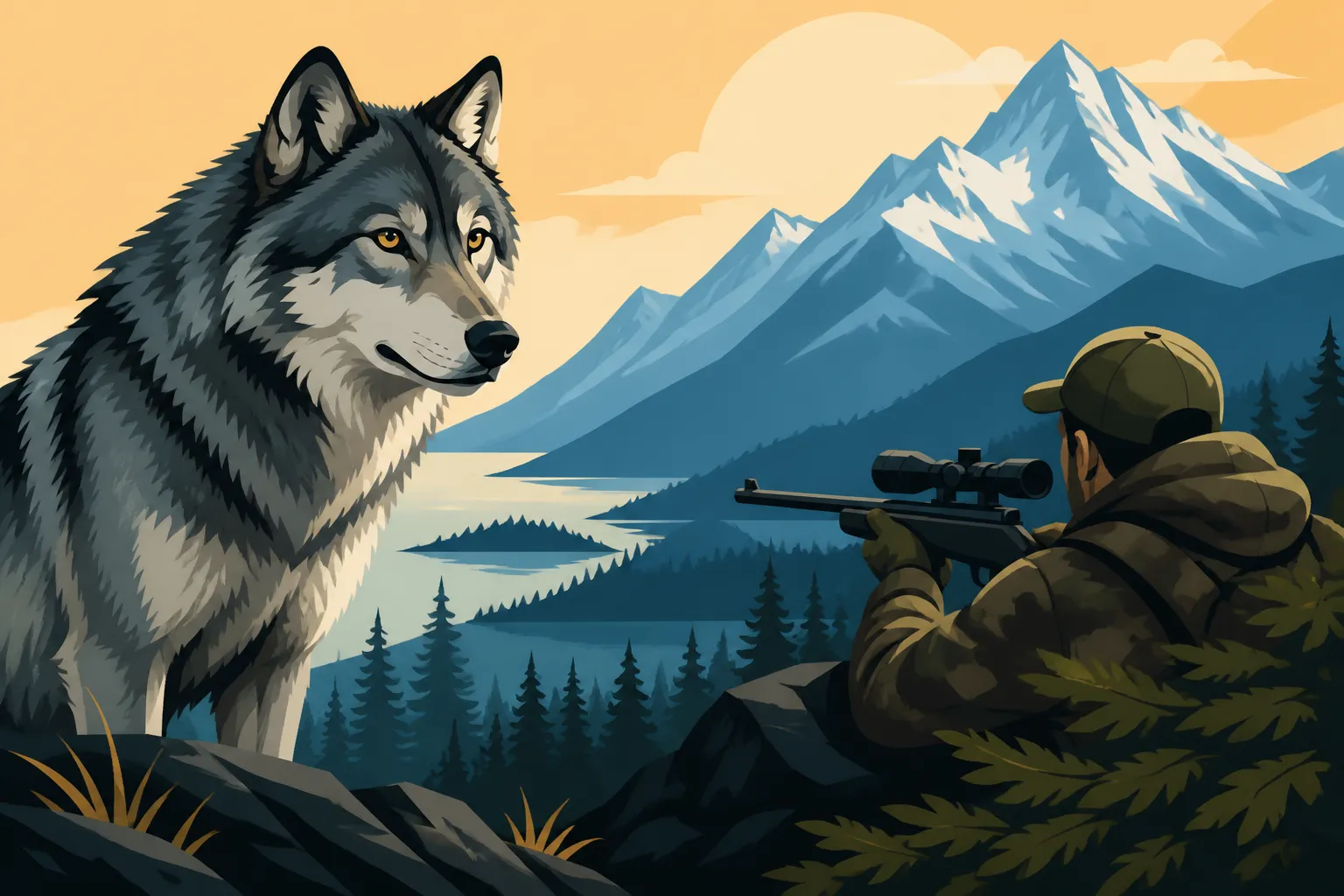
One of the most thrilling and effective methods for hunting wolves is calling. This requires patience, stealth, and a deep understanding of wolf vocalizations and behavior. There are various techniques for Calling Wolves in British Columbia, primarily using distress calls (like a rabbit or fawn in distress) or actual wolf howls. Distress calls can attract curious wolves or those looking for an easy meal, especially younger, less experienced animals. Howling, on the other hand, is a communication tool that can draw in territorial packs responding to perceived intruders, or lonely individuals looking for company. Success often depends on wind direction, terrain, and the time of day. Sitting motionless for long periods, often in cold conditions, is a test of endurance. A good e-caller, combined with careful scouting using tools like GoHunt to identify potential wolf travel corridors or recent kill sites, can significantly increase your odds. Just remember, a wolf can cover ground silently and appear from seemingly nowhere.
Identifying Wolf Sign and Tracking
Finding wolves is an exercise in meticulous observation and persistence. They are masters of leaving just enough sign to tantalize, but rarely enough to give away their precise location easily.
Interpreting Tracks, Scat, and Howls
Learning to read wolf sign is paramount for anyone venturing into their territory. Wolf tracks are typically larger than coyote tracks, with a more elongated, symmetrical shape and usually visible claw marks. They often travel in a straight line, placing their hind feet almost directly into the prints of their front feet, an energy-saving gait. Scat (droppings) can also reveal their presence, often containing hair and bone fragments of their prey, and are typically larger and more rope-like than other canids. Keep an eye out for rub marks on trees, indicating scent marking. And of course, the most iconic sign is their howl. Learning to distinguish a lone wolf howl from a full pack chorus, or even from a coyote's yips, takes practice. A distant howl can tell you a lot about their general location and activity, helping you narrow down areas for further investigation.
Using Technology for Scouting and Tracking
Modern technology has become an invaluable tool for hunters and naturalists alike in understanding wolf movements, though direct wolf tracking is still incredibly difficult. GPS mapping apps, often enhanced with public land overlays, allow you to study terrain, identify potential travel routes along ridge lines, river bottoms, or Hunting a British Columbia River Estuary, and mark any signs you do find. Satellite imagery can help pinpoint remote clearcuts or open areas that might attract prey and thus wolves. While direct live tracking of wolves is not generally available or practical for hunters, platforms like GoHunt can help you understand the historical presence of game species that wolves follow, thereby giving you clues about where wolves might be. Trail cameras placed strategically on game trails or near known kill sites can sometimes capture images, offering rare glimpses into their daily movements and habits, confirming their presence in an area.
Understanding Prey Relationships
To understand wolves, you must understand their prey. Their movements are intrinsically linked to the distribution and health of ungulate populations. If you're looking for wolves, you're often looking for moose, elk, or deer first. For example, knowing Why Mule Deer Move to Winter Range or where Rocky Mountain Elk Numbers in the Kootenays are strongest gives you a starting point. Wolves will follow these herds, especially during vulnerable times like calving season or when snow depths make prey more accessible. They also scavenge extensively, so keeping an eye out for ravens and other scavengers can sometimes lead you to a recent kill, indicating wolf presence. The interplay between predator and prey is a dynamic dance, and by observing one, you can often infer the presence and activities of the other.
Coexisting with Wolves: Safety and Awareness
While wolves are wild animals and command respect, the reality of living or recreating in wolf country is often far less dramatic than popular myths suggest. Understanding sensible precautions is key.
Best Practices in Wolf Country
Encountering a wolf in British Columbia is a rare event for most people, and aggressive encounters are even rarer. However, when you're spending time in their habitat, whether hunting, hiking, or camping, it's always wise to practice Bear Safety While Hunting in British Columbia and apply similar principles to wolves. Always make your presence known, especially if you're alone. Store food securely to avoid attracting any wildlife, including wolves, to your camp. If you do encounter a wolf or a pack at a distance, observe them respectfully. If they approach, make yourself large, make noise, and do not run. Most wolves are naturally wary of humans and will retreat once they realize you're there. It’s about being aware and prepared, not fearful.
Protecting Livestock and Domestic Animals
For those living in rural areas or with livestock, wolf predation can be a very real and significant concern. While wolves primarily target wild ungulates, they are opportunistic and may prey on domestic animals if the opportunity arises. This is where active management and preventative measures become crucial. Fencing, guard dogs (like Great Pyrenees or Anatolian Shepherds), and careful livestock management practices (e.g., bringing vulnerable animals into enclosures at night) can all help deter wolves. Ranchers and farmers often work closely with wildlife officials to implement strategies that minimize conflicts. The goal is often to encourage wolves to stick to their natural prey, reducing the incentive to target domestic animals, and ensuring that wolves and humans can coexist as much as possible.
Dispelling Myths and Fostering Realistic Expectations
Wolves have long been shrouded in myth and folklore, often portrayed as either bloodthirsty villains or ethereal, mystical beings. The reality, as is often the case with wildlife, is far more nuanced. They are intelligent, efficient predators, but they are also shy, elusive, and primarily focused on survival within their wild environment. They are not inherently aggressive towards humans, and attacks are incredibly rare. The challenge lies in tempering sensationalized stories with scientific understanding and real-world observation. For hunters, it means recognizing the immense skill and luck required to harvest a wolf. For all of us who share their wilderness, it means appreciating their vital role in the ecosystem and understanding that their presence is a testament to the wildness of British Columbia. Before heading into the backcountry, it’s always a good idea to refresh your Emergency Planning in British Columbia's Backcountry and remember that wildlife interactions are a part of that wild experience, not necessarily a threat.
| British Columbia Region | Typical Wolf Habitat | Primary Prey Species | Key Considerations |
|---|---|---|---|
| Northern BC | Vast wilderness, dense forests, mountain ranges, remote river systems | Moose, Caribou, Deer, Beaver | Very large territories, low human density, extreme weather |
| Interior Plateau | Mixed forests, open grasslands, river valleys, transition zones | Mule Deer, Moose, Elk | Varied terrain, some agricultural interface, fire impacts |
| Kootenays | Steep mountains, deep valleys, mixed forests | Elk, Deer, Moose | Rugged terrain, proximity to Alberta/US border, some livestock |
| Coastal Mainland & Islands | Rainforest, rugged coastline, islands, estuaries | Deer (Blacktail), Salmon, Seals | Unique marine diet, dense vegetation, limited access |
| Peace Region | Boreal forest, agricultural fringes, river bottoms | Moose, Deer, Elk | Mix of wilderness and settled areas, snow depth |
Disclaimer
This article is for general informational purposes only and does not constitute professional advice. Laws, prices and regulations vary by location and change over time. Consult a qualified professional for guidance on your specific situation.