Wolf Season Dates and Bag Limits
Navigating the specific regulations for hunting predators in British Columbia can feel like trying to hit a moving target, especially when it comes to species like wolves that have varied season dates and bag limits depending on where you are. It’s incredibly frustrating to spend hours planning a hunt, only to realize the rules for your chosen Management Unit are completely different from what you assumed. This guide aims to clear up that confusion, offering a comprehensive look at British Columbia’s wolf season dates and bag limits so you can plan your next predator hunt with confidence and stay on the right side of the law.
Understanding British Columbia's Approach to Wolf Management
Before diving into the nitty-gritty of dates and limits, it’s helpful to understand why wolf regulations in British Columbia are structured the way they are. Unlike some big game species with relatively uniform seasons across broad regions, wolf seasons are often highly localized, reflecting complex ecological dynamics and specific management objectives. This variability is a direct response to local wildlife populations, concerns about ungulate health, and sometimes, even public safety.
The Role of Wolves in the Ecosystem
Wolves play a vital role in British Columbia's diverse ecosystems, acting as apex predators that help regulate prey populations like moose, elk, and deer. They are crucial for maintaining the health and balance of these ecosystems, often targeting the old, sick, or weak animals, which in turn can strengthen the prey herds over time. However, in certain areas, particularly where ungulate populations are struggling due to factors like habitat loss, disease, or other pressures, wolf populations can sometimes exacerbate these declines. This is where active management, including hunting and trapping, becomes a consideration.
Regional Management Strategies
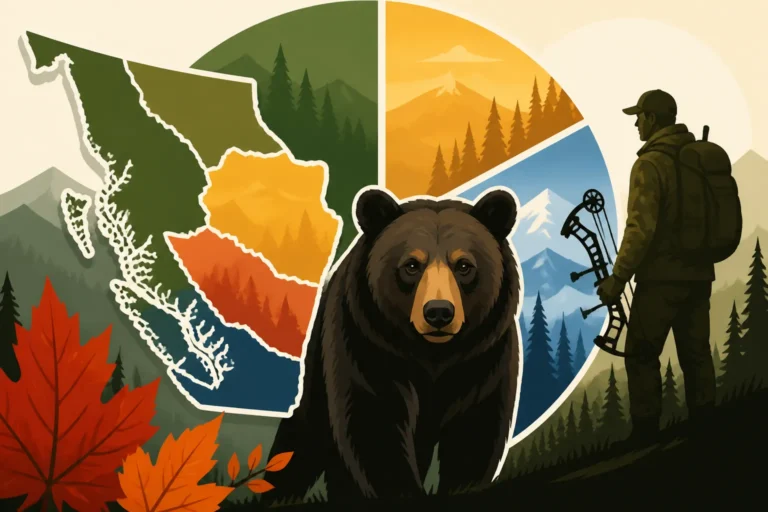
British Columbia is vast and ecologically diverse, split into nine distinct administrative regions and numerous Management Units (MUs). Each region, and often individual MUs within them, faces unique wildlife management challenges and opportunities. For wolves, this means that while some areas might have liberal year-round hunting seasons with generous bag limits, others might have very restricted seasons or even closures, especially if there are local efforts to support struggling ungulate herds like caribou. For example, the province has been actively involved in caribou recovery programs, and wolf management is often a component of these efforts in specific zones, as highlighted in discussions around British Columbia's Caribou Herds and Their Status. It's a complex puzzle, and the regulations are designed to provide flexibility for local wildlife managers.
Decoding Wolf Season Dates by Region and Management Unit
When it comes to wolf hunting, the single most critical piece of advice is: always consult the most current British Columbia Hunting and Trapping Regulations Synopsis. This isn't just a suggestion; it's a non-negotiable step because seasons can and do change, and what was valid last year might not be this year. The online synopsis is updated regularly, and it's your definitive source for accurate information.
Navigating the Official Regulations Synopsis
The British Columbia Hunting and Trapping Regulations Synopsis is available digitally through the provincial government's website. It's a comprehensive document, and for new hunters, it can feel a bit overwhelming. The key is to first identify your hunting region, then drill down into the specific Management Units within that region where you intend to hunt. Most regions have their wolf seasons listed under the "General Hunting Seasons" section, but pay close attention to any "Limited Entry Hunting" (LEH) or "Special Regulations" that might apply to wolves in specific MUs. You can get familiar with Where to Read the Regulations Synopsis to make this process smoother.
General Season Dates and Their Variations
While general rules for wolves often lean towards extended seasons, there's significant variation. In many parts of the province, wolf seasons are quite long, often extending from early fall right through to late spring, and in some MUs, even year-round. This is particularly true in areas where wolf populations are robust or where they are perceived to be impacting big game populations like moose. For instance, in some northern and interior regions, you might find wolf hunting open for nearly 10 months of the year, providing ample opportunity for hunters. However, move to another region, and you might encounter much shorter seasons, or specific restrictions related to method (e.g., archery only for certain periods).
For example, a quick check might show Region 7A (Peace Region) having wolf seasons from August 15th to June 15th in many MUs, while Region 1 (Vancouver Island) might have shorter, more specific windows. This highlights why checking the MU-specific details is paramount. Resources like GoHunt can be incredibly helpful for visualizing Management Unit boundaries and quickly cross-referencing this with the regulations, making the planning process much less frustrating.
Bag Limits and Specific Hunting Regulations for Wolves
Understanding the bag limits for wolves is just as important as knowing the season dates. British Columbia's approach to wolf bag limits often reflects the management intensity desired for a particular area. In many cases, bag limits are quite liberal, again emphasizing the province’s aim to manage wolf numbers in certain areas.
Typical Bag Limits
It's common to find bag limits of two to three wolves per hunter per year in many Management Units across British Columbia. However, some areas might have even more generous limits, or even no limit at all in specific zones where intensive predator management is underway. This is often seen in vast, remote regions or areas with particular ungulate conservation concerns. For example, a hunter in the Omineca region (Region 6) might find a yearly bag limit of three wolves, whereas in a smaller, more accessible MU closer to population centers, the limit might be set at one or two. Always double-check your chosen MU, as these numbers are not universal.
Special Conditions and Restrictions
Beyond the general bag limits, there can be specific conditions and restrictions that apply to wolf hunting. These might include:
- Method of Take: While firearms (rifles, shotguns) are generally permitted, some areas might have specific archery-only periods or restrictions on certain types of ammunition. Be sure your legal firearm caliber for big game aligns with the regulations.
- Proof of Sex/Retention: In British Columbia, for most big game and predators, you must retain adequate evidence of the animal's sex until you return to your ordinary residence or until the animal is processed and stored. For wolves, this often means keeping the unskinned head or the hide with reproductive organs attached. This is vital for enforcement and biological data collection.
- Compulsory Reporting: Wolves are typically subject to compulsory reporting requirements, meaning you must report your harvest within a specific timeframe (often 30 days) of taking the animal. Failing to report can result in fines and loss of future hunting privileges. This mirrors requirements for other species, such as Mandatory Reporting for Moose Licences.
- Closed Areas: Even within an open region, certain areas, like provincial parks, ecological reserves, or private lands without explicit permission, are always closed to hunting. Always be aware of land ownership and consult resources like British Columbia's Management Units and Regions and British Columbia Trespass and Private Land Law to ensure you are hunting legally.
Here's a simplified table illustrating potential variations, but remember, this is for illustrative purposes only and does not replace the official regulations.
| Region | Common Season Dates (Illustrative) | Typical Bag Limit (Illustrative) | Notes |
|---|---|---|---|
| Region 1 (Coast) | Oct 1 – Mar 31 | 1-2 per hunter | Often shorter seasons, specific MU variations. |
| Region 3 (Thompson) | Sep 1 – May 31 | 2-3 per hunter | Can vary significantly by MU; some year-round. |
| Region 4 (Kootenay) | Aug 15 – Jun 15 | 2-3 per hunter | Liberal in many areas, specific caribou zones vary. |
| Region 6 (Omineca) | Aug 15 – Jun 15 (often longer) | 3+ or no limit in some MUs | Generally most liberal seasons and limits. |
| Region 7A (Peace) | Aug 15 – Jun 15 (often year-round) | 3+ or no limit in some MUs | Very liberal, significant management activity here. |
Always check the current British Columbia Hunting and Trapping Regulations Synopsis for definitive dates and limits for your specific Management Unit.
Practical Considerations for Wolf Hunters in British Columbia
Hunting wolves in British Columbia presents unique challenges and opportunities. Beyond just the regulations, there are practical aspects that will greatly influence your success and safety in the field. This goes hand-in-hand with understanding the specific regulations, as they often dictate how and where you can apply these tactics.
Scouting and Habitat Identification
Wolves are intelligent, elusive animals that cover vast territories. Successful wolf hunting often begins with extensive scouting. Look for areas with a strong ungulate presence—moose, elk, deer—as these are their primary food sources. River bottoms, major drainages, and areas with dense forest adjacent to open cutblocks or clearings are prime locations. Wolves often use logging roads and old trails as travel corridors, making it a good strategy to explore Hunting British Columbia's Logging Road Network. Utilizing tools like GoHunt's mapping features can help you identify remote areas, potential travel corridors, and access points while cross-referencing these with the current MU boundaries and regulations.
Consider what wolves eat seasonally. In fall, they might be following rutting moose or elk. In winter, deeper snow might funnel them into specific travel routes. Understanding seasonal movements, similar to how one might approach Why Mule Deer Move to Winter Range, is critical. Look for tracks, scat, and recent kills. A keen eye on areas affected by events like What Wildfire Has Done to British Columbia Game can reveal changed habitats that either attract or deter prey, and thus, predators.
Calling and Setup Strategies
Calling is one of the most effective methods for hunting wolves. A variety of calls, including distress calls (rabbit, fawn, coyote) and wolf howls, can be highly effective. Patience is key, as wolves can circle downwind or approach very cautiously. Setting up with the wind in your favor and having good visibility is crucial. Often, this means finding a vantage point overlooking an open area, like a cutblock, clearcut edge, or frozen lake. For more specific tactics, you might want to delve into Calling Wolves in British Columbia. Remember that wolves are extremely wary; they have excellent eyesight, hearing, and an unparalleled sense of smell. Any slight mistake in your setup can send them packing.
Using electronic callers can extend your reach and diversify your sound repertoire, but check regulations to ensure they are permitted in your specific hunting area for wolves. When setting up, consider long-range shooting scenarios. Wolves are often shot at distances beyond 200 yards, so proficiency with your rifle and scope is paramount. Practice shooting from various positions and ensure your gear can handle the varied weather conditions British Columbia throws at you.
Reporting Your Wolf Harvest and Other Important Considerations
Once you've successfully harvested a wolf, your responsibilities aren't over. Proper reporting and adherence to post-harvest regulations are critical to maintaining ethical hunting practices and contributing to wildlife management data.
Compulsory Reporting Deadlines
As mentioned, wolves are typically subject to compulsory reporting. This means that within 30 days of the kill, you must report the harvest to the provincial government, usually online. This data is vital for wildlife biologists to monitor wolf populations, assess management strategies, and understand harvest trends. Failure to meet this deadline can lead to penalties. The information required usually includes the date and location (Management Unit) of the kill, sex of the animal, and sometimes other biological data. It's a system designed to ensure accountability and provide critical data for future season setting.
Meat Care and Hide Preservation
While wolf meat isn't typically sought after for consumption in the same way as deer or moose, proper handling of the carcass is still essential. If you plan to salvage the hide for tanning or taxidermy, skinning and cooling the hide quickly is crucial, especially in warmer temperatures. Ensuring the hide is properly fleshed, salted, and stored will preserve its quality. Even if you're not keeping the hide, it’s part of responsible hunting to ensure the animal is treated with respect. This also means adhering to rules regarding the wasting of game meat, which applies to wolves just as much as it does to big game.
Safety in British Columbia's Wilds
Hunting wolves often takes you into remote areas where encounters with other large predators, particularly grizzlies, are a real possibility. Always carry bear spray and know how to use it. Be prepared for any emergency, as cell service is often non-existent in the backcountry. A satellite communication device is highly recommended for safety. Proper Emergency Planning in British Columbia's Backcountry can literally be a lifesaver. Ensure someone knows your hunting plans, including your route and expected return time. Be aware of the presence of Grizzly Bears in British Columbia Today and always practice safe hunting in bear country.
Remember that British Columbia's regulations are dynamic, and staying informed is your responsibility as a hunter. Check the official synopsis every single season, utilize reliable mapping tools like GoHunt, and never hesitate to contact the provincial Fish and Wildlife Branch if you have any questions. Happy hunting!
Disclaimer
The information provided in this guide is for general informational purposes only and is not a substitute for the official British Columbia Hunting and Trapping Regulations Synopsis. Hunters are solely responsible for understanding and complying with all current provincial and federal hunting laws, regulations, and licensing requirements. Regulations can change at any time, and it is imperative to consult the most recent official sources before planning or undertaking any hunting activity.