British Columbia’s Cougar Population
Hunting cougars in British Columbia is often seen as the ultimate test of a hunter's skill, patience, and woodcraft. These incredibly elusive predators roam vast territories, making consistent encounters a real challenge for even seasoned hunters. This guide aims to pull back the veil on British Columbia's cougar population, offering insights into their behaviour, preferred habitats, and the regulations surrounding their pursuit, helping you better understand and appreciate these magnificent animals.
The Elusive Hunter: Understanding British Columbia's Cougar Population
There's a reason cougars are often referred to as "ghosts of the forest." They are masters of stealth, highly intelligent, and incredibly adapted to avoiding human detection. Understanding their nature is the first step in appreciating just how special these animals are, and how much dedication it takes to find them.
What Makes Cougars So Hard to Spot?
Their solitary nature is a huge factor. Unlike wolves, which often travel in packs, cougars are primarily lone hunters, except for a mother with her kittens. This means there aren't many eyes or ears to give away their presence. They move through the landscape with an uncanny grace and silence, their soft pads leaving little disturbance. You could be walking past a cougar in dense brush and never even know it, even if you’re only a few yards away.
Beyond their stealth, cougars possess incredibly acute senses. Their eyesight is phenomenal, especially in low light, and their hearing can pick up the faintest rustle of a mouse in the leaves. They use this to their advantage, often spotting or hearing you long before you have any inkling they are near. This natural wariness, combined with their ability to blend seamlessly into their surroundings, means that a visual encounter with a wild cougar is a truly rare and memorable event for most people, hunters and non-hunters alike. It's a testament to their survival instincts that they thrive in proximity to humans without often being seen.
Where Cougars Are Most Common in British Columbia
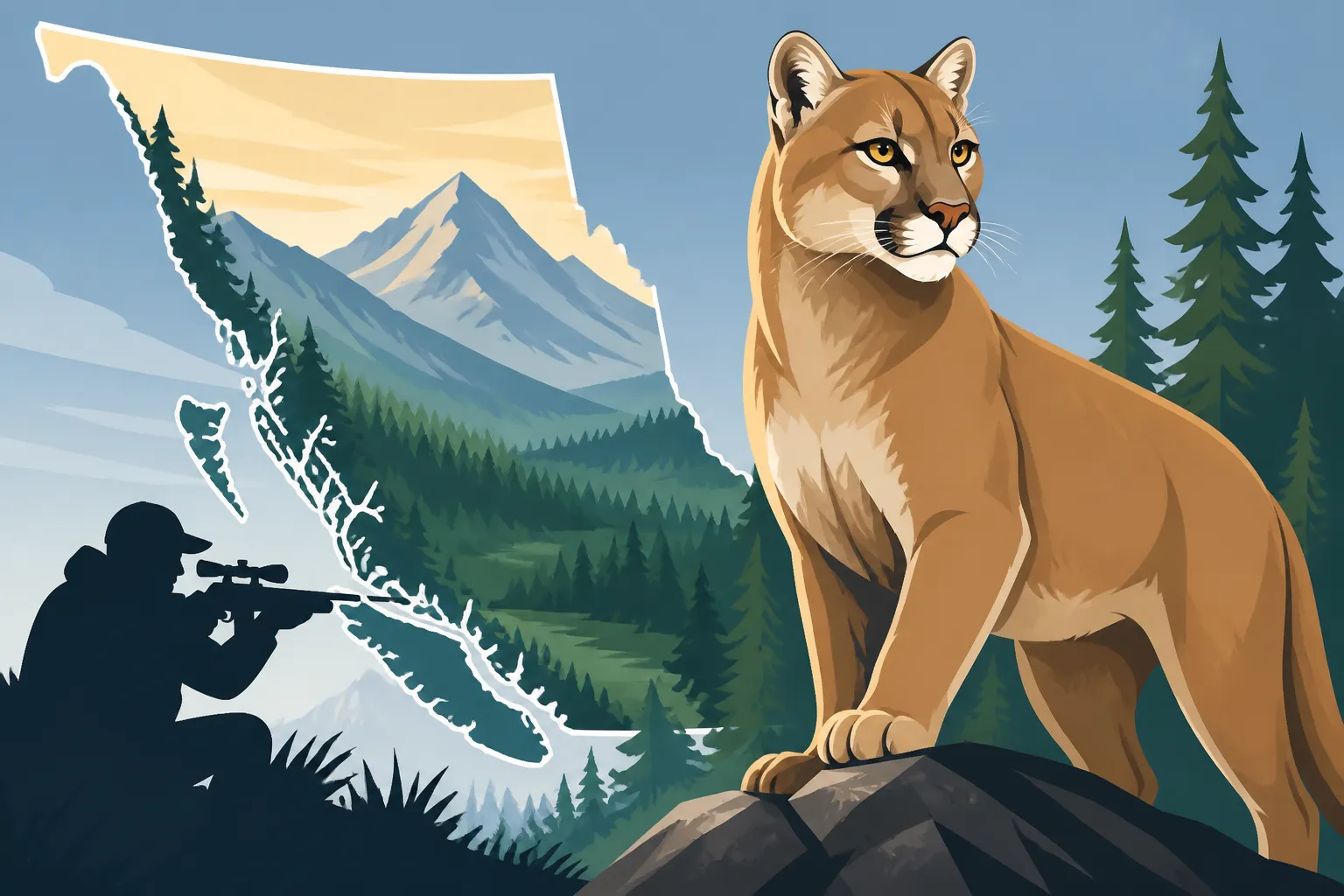
Cougars, or mountain lions as they're also known, can be found throughout most of British Columbia, wherever there's sufficient prey and suitable habitat. However, their distribution isn't uniform. You'll find higher concentrations in areas with dense forests, rugged terrain, and, crucially, a healthy deer population. Think of the coastal regions, the Kootenays, and the southern Interior. These areas provide the perfect blend of cover for stalking and ambushing prey, as well as ample food sources.
Areas with abundant black-tailed deer, for instance, tend to be prime cougar country. These big cats follow their food source, and deer are their bread and butter. While they are adaptable and can survive in many environments, the truly productive cougar habitat offers a mosaic of dense timber, rocky outcrops for bedding, and open areas for hunting. Knowing the general geography of Where Cougars Are Most Common can help you narrow down potential hunting grounds, but remember, they are always on the move.
A Closer Look at British Columbia Cougars: Size, Habitat, and Prey
To truly respect and understand cougars, it helps to dive into the specifics of their biology and ecological role. They are perfectly evolved predators, built for explosive power and incredible athleticism.
What a British Columbia Cougar Weighs
When people picture a cougar, they often imagine a sleek, powerful animal, and they're not wrong. A British Columbia cougar's size can vary quite a bit depending on age, sex, and prey availability. Adult male cougars are significantly larger than females, typically weighing anywhere from 120 to 180 pounds, though some exceptional individuals can tip the scales at over 200 pounds. Females, on the other hand, usually range from 80 to 120 pounds.
These weights might not sound enormous when compared to, say, a grizzly bear, but a cougar's mass is all lean muscle, built for explosive sprints, powerful jumps, and incredible strength to take down prey much larger than themselves. Their long, muscular bodies and powerful hind legs are perfectly designed for climbing, pouncing, and dragging kills. It's this combination of relative lightness and immense power that makes them such effective hunters and formidable animals in the British Columbia wilderness. If you’re ever lucky enough to get close to one, the sheer physical presence is undeniable. For a more detailed look, check out our piece on What a British Columbia Cougar Weighs.
Ideal Cougar Habitat in British Columbia
Cougars are incredibly adaptable animals, but they do have preferences for certain types of terrain that give them the upper hand as ambush predators. Their ideal habitat in British Columbia consists of dense, mixed forests, particularly those with a lot of undergrowth, thickets, and steep, broken terrain. Think of the rugged coastal mountains or the intricate river drainages of the Interior. This kind of cover allows them to stalk silently and remain unseen as they approach prey.
They often utilize rocky bluffs, deep canyons, and old-growth timber stands for bedding and raising their young, offering security and vantage points. You'll also find them using features like creek bottoms, natural benches, and ridges as travel corridors. Areas with a mix of mature timber and younger, regenerating stands — like those found after logging or fires — can also be prime real estate, as the dense new growth provides excellent cover and often attracts deer. Even in areas with human development, such as the fringes of towns or rural properties, cougars can exist, often moving under the cloak of darkness, highlighting their incredible ability to adapt to changing landscapes, including Hunting a Second-Growth Timber Block or even Hunting an Old Growth Draw.
The Cougar's Diet: What They Hunt
The cougar's primary diet in British Columbia is overwhelmingly made up of deer. Mule deer and black-tailed deer are their bread and butter, especially during the winter months when deer are concentrated on lower-elevation winter ranges. A single cougar can take down a large buck or doe, and they are incredibly efficient at dispatching their prey, typically with a swift bite to the neck or spine. They'll often cache their kills, covering them with leaves and debris, and return to feed over several days, fiercely defending their meal from other scavengers.
While deer are their staple, cougars are opportunistic predators. They will also hunt elk calves, moose calves, and bighorn sheep if available, especially in certain regions. Smaller prey like snowshoe hares, beaver, porcupines, and even domestic livestock can become targets when the opportunity arises or when deer populations are low. This broad diet demonstrates their adaptability and ensures their survival across diverse landscapes, making them a crucial part of British Columbia's predator ecosystem, as outlined in our comprehensive guide to British Columbia's Predators and Furbearers. Their hunting success is a delicate balance with prey populations, highlighting the intricate web of life in our wild spaces.
Hunting Seasons and Regulations for British Columbia Cougars
Hunting cougars in British Columbia requires a thorough understanding of the regulations, which can change year to year and vary significantly by region. It’s essential to be prepared and ensure you’re hunting legally and ethically.
British Columbia Cougar Season Dates
Cougar season dates in British Columbia are quite generous compared to many other species, often extending for many months. Generally, cougar seasons typically open in the fall, often in September or October, and can run all the way through to March or April in many Management Units (MUs). This long season provides ample opportunity, but it’s crucial to remember that exact dates, bag limits, and specific regulations can vary dramatically from one hunting region or Management Unit to another. For instance, a particular MU might have a later start date or an earlier closure.
It’s imperative that you consult the most current British Columbia Hunting and Trapping Synopsis before heading out. This document is your go-to source for all legal season dates and bag limits. Never rely on old information or hearsay. Checking the synopsis ensures you're hunting within legal parameters for your chosen area. You'll find specific details on British Columbia Cougar Season Dates that are critical for planning your hunt.
British Columbia Cougar and Wolf Rules
Beyond season dates, there are several specific rules and requirements for hunting cougars and wolves in British Columbia. First and foremost, you'll need a valid British Columbia hunting licence and the appropriate species tags for cougar. Bag limits for cougars are generally one per hunter per license year, but this can also vary by region. For instance, some areas might only allow one cougar every two years, or have specific restrictions on sex. It's also important to note that compulsory inspection is often required for cougars. This means that after harvesting an animal, you typically need to present the skull and hide to a conservation officer for examination within a specified timeframe, often 72 hours. This data helps wildlife managers monitor the health and population of the species.
When it comes to methods of take, general hunting regulations apply, but a common and effective method for cougars is hunting with trained hounds, which has its own set of considerations. You should also be aware of rules regarding baiting, night hunting, and the use of certain technologies, all of which are strictly regulated. The detailed rules for British Columbia Cougar and Wolf Rules are clearly laid out in the synopsis, and understanding them fully is paramount to a successful and legal hunt. Always prioritize ethical hunting practices and respect the animal and the law.
Strategies for Hunting Cougars in British Columbia
Hunting cougars is incredibly challenging and often requires specialized knowledge and techniques. It’s not a hunt for the faint of heart, demanding both physical endurance and mental fortitude.
Hunting Cougar With Hounds in British Columbia
For many, hunting cougar with hounds is the most traditional and effective method, especially in British Columbia's vast and often dense terrain. This method involves using specially trained dogs to track a cougar's scent until they tree or bay the animal. It's a highly specialized pursuit that requires well-trained dogs, experienced handlers, and a deep understanding of cougar behaviour. The dogs are the real heroes here, capable of following a faint track over miles of rugged country that a human could never navigate.
This type of hunt is incredibly physical, often involving long days of hiking, snowshoeing, or riding horses through challenging landscapes. You'll often be pushing through deep snow, climbing steep hillsides, and crossing dense timber to keep up with the dogs. It's an immersive experience that connects you directly to the primal chase. Ethical considerations are paramount, and a good hound hunter will ensure the dogs are well-cared for and that the hunt is conducted respectfully, minimizing stress on the animal once treed. If you're considering this, linking up with an experienced guide and their pack, as discussed in Hunting Cougar With Hounds in British Columbia, is highly recommended.
Calling Predators in British Columbia for Cougars
While not as common or as consistently successful as hunting with hounds, calling can be an effective strategy for cougars, particularly in areas with good populations and during periods when they might be actively seeking prey. The key is to imitate the distress calls of small animals, such as rabbits, fawns, or even dying birds. Cougars are incredibly curious and opportunistic, and a convincing distress call can draw them in, especially if they are hungry and in the vicinity.
Patience is an absolute virtue when calling cougars. You'll need to set up in a location with good visibility and cover, preferably downwind, and call for extended periods. Sometimes, it can take an hour or more before a cougar cautiously approaches, often circling downwind to get a sniff before committing. Using electronic calls can provide a wider variety of sounds and longer durations of calling, but mouth calls can also be very effective. It's a low-percentage hunt, but the reward of luring in such an apex predator through calling is an unforgettable experience, as detailed in our guide on Calling Predators in British Columbia.
Understanding Cougar Sign and Movement
Successful cougar hunting, regardless of the method, hinges on your ability to read the landscape and understand cougar sign. These animals leave subtle clues, and learning to interpret them is like piecing together a hidden narrative of the wilderness. Fresh tracks in snow or soft dirt are obviously key, showing their large, round, pad-impressions without claw marks (unless they're slipping or running hard). You’ll be looking for signs of their large paws and distinct stride.
Beyond tracks, look for scrapes – areas where they scratch the ground, often leaving scent. These are typically associated with marking territory. Kill sites are also huge indicators; a fresh deer carcass partially covered with debris is a clear sign a cougar has been in the area. Travel corridors, such as game trails along ridges, creek bottoms, or through dense timber, are where you're most likely to find these signs. Utilizing tools like topographical maps or a digital mapping platform like GoHunt can help you identify likely cougar habitat – areas with steep, broken terrain, dense cover, and proximity to known deer ranges. Understanding how cougars use the terrain for ambush and travel is crucial for planning your approach, making sense of Hunting British Columbia's Logging Road Network.
The Unique Dynamics of Vancouver Island Cougars
Vancouver Island is renowned for its vibrant wildlife, and cougars are certainly a significant part of that ecological tapestry. There's something special about the island's big cats that sets them apart.
Why Vancouver Island Has So Many Cougars
Vancouver Island boasts one of the highest densities of cougars in North America, a fact that often surprises visitors. There's a perfect storm of ecological factors that contribute to this thriving population. Primarily, the island is teeming with Columbian black-tailed deer, which form the cornerstone of the cougar's diet. These deer thrive in the second-growth forests and mild climate, providing an incredibly abundant and reliable food source for the big cats.
The island's diverse and rugged landscape also plays a huge role. The dense rainforests, extensive network of logging roads (both active and deactivated), and mountainous terrain provide vast expanses of ideal cougar habitat, offering both excellent cover for hunting and secluded areas for denning and raising young. The mild coastal climate means less harsh winters, which generally benefits both the cougars and their prey, preventing significant winter mortality that might impact populations in colder, more open environments. This combination of plentiful food, suitable habitat, and a relatively stable environment truly makes Why Vancouver Island Has So Many Cougars a unique study in predator ecology.
Hunting Challenges and Rewards on Vancouver Island
Hunting cougars on Vancouver Island presents a unique set of challenges and, consequently, immense rewards. The sheer density of the rainforest can be incredibly tough to navigate. Expect to push through thick salal, alder, and dense conifer stands, often in wet and muddy conditions. The coastal rain, which can be relentless, makes tracking difficult, quickly washing away fresh scent and visual cues. Furthermore, the extensive network of logging roads, while providing access, also means you'll need to be aware of active operations and potentially manage access gates.
Despite these difficulties, the reward is the potential for an incredible hunt in truly wild and rugged country, often with a higher probability of success given the cougar numbers. The island also offers stunning scenery, from ancient old-growth forests to dramatic ocean vistas. Many hunters on Vancouver Island find success using hounds, as the dense cover makes still-hunting incredibly difficult. Whether you’re Hunting Vancouver Island Blacktail in Second Growth or actively pursuing cougars, understanding the unique environmental factors of the island is paramount for a successful and memorable hunt.
British Columbia Cougar Hunting Overview
| Aspect | General Characteristics | Key Considerations |
|---|---|---|
| Population Status | Healthy and widespread throughout BC, highest densities on Vancouver Island. | Closely linked to deer populations. |
| Season Dates | Long seasons, typically Fall through Spring. | Varies by Management Unit (MU) and region; check current synopsis. |
| Bag Limit | Often one cougar per licence year per hunter. | Check specific MU regulations; some may have different limits. |
| Compulsory Inspection | Mandatory in most MUs. | Requires presenting skull and hide to a conservation officer within a set timeframe. |
| Primary Prey | Deer (Mule Deer, Black-tailed Deer). | Also opportunistic on elk/moose calves, small game. |
| Habitat | Dense forests, rugged mountains, broken terrain, second-growth timber. | Masters of stealth; prefer thick cover for ambushing and security. |
| Hunting Methods | Hounds are most common/effective; calling is a less common but viable method. | Requires specialized dogs, experienced handlers, or immense patience and skill. |
| Physical Demands | High, especially with hounds; involves extensive hiking in challenging terrain. | Preparation for steep climbs, dense brush, and potentially deep snow. |
| Required Gear | Appropriate rifle/bow, good optics, durable rain gear, navigation tools, first-aid. | Bear spray is recommended for safety, especially in remote areas. |
Hunting British Columbia's cougar population is a deeply rewarding challenge, offering a glimpse into the raw, untamed heart of the wilderness. It's a journey that demands respect for the animal, an understanding of its world, and a commitment to ethical practices.
Disclaimer
This article is for general informational purposes only and does not constitute professional advice. Laws, prices and regulations vary by location and change over time. Consult a qualified professional for guidance on your specific situation.